Critical Thinking for Students vs Kids: Key Differences
Key Points
- Critical thinking grows from simple curiosity in young children to structured analysis in students.
- Young children learn through play, stories and everyday exploration.
- Students develop analytical thinking, evidence-based reasoning and problem-solving skills.
- The right questions help children and students build age-appropriate thinking habits.
- Parents play a major role by modelling and encouraging reflection in daily life.
Introduction to Critical Thinking for Students vs Children
If you are like most parents, you want your child to grow into someone who can think independently, solve problems confidently and make good decisions. That is where critical thinking comes in. Critical thinking is the ability to analyse information, ask thoughtful questions, consider different viewpoints and draw meaningful conclusions.
It matters at every age, although it looks very different in a curious four-year-old compared to a ten-year-old working through school tasks. Younger children explore their world through play and questions, while students begin to use more structured reasoning and evidence.
In this guide, I will help you understand the differences between how younger children think and how older students think. You will also find practical critical thinking examples for students and helpful critical thinking questions for students that you can use at home.
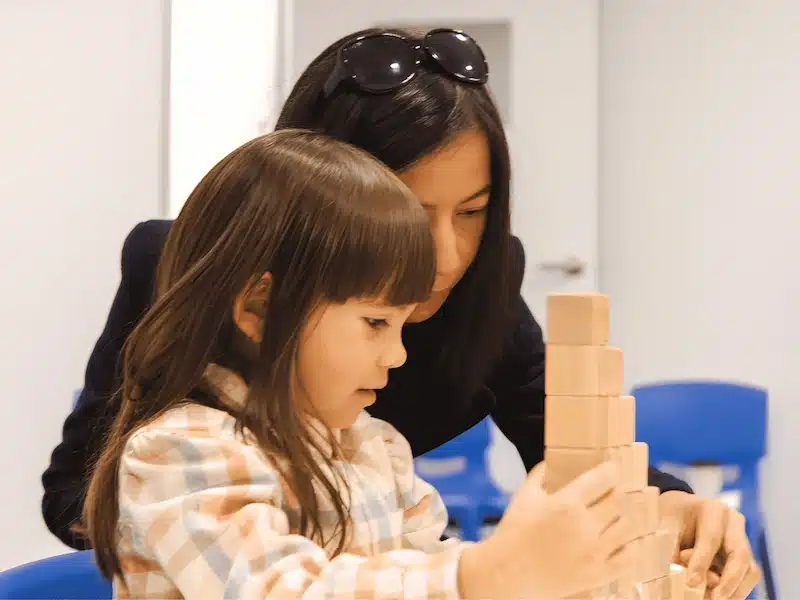
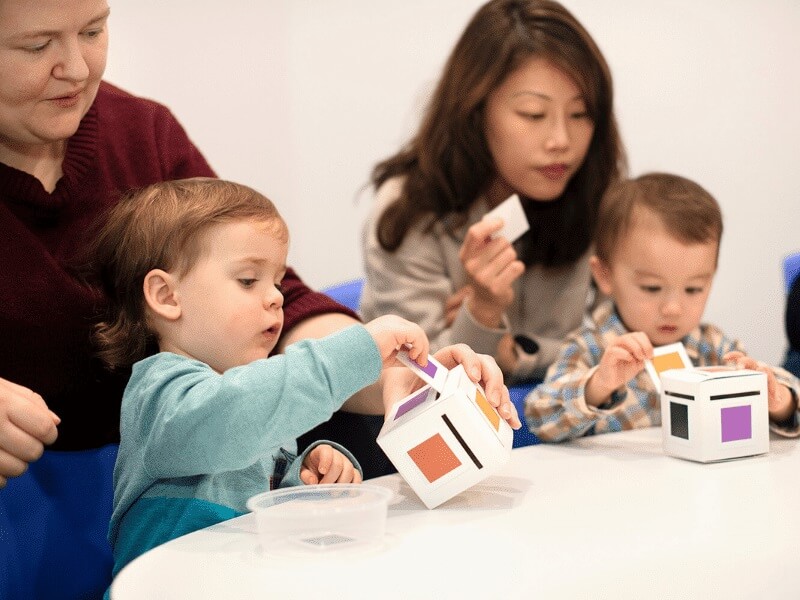
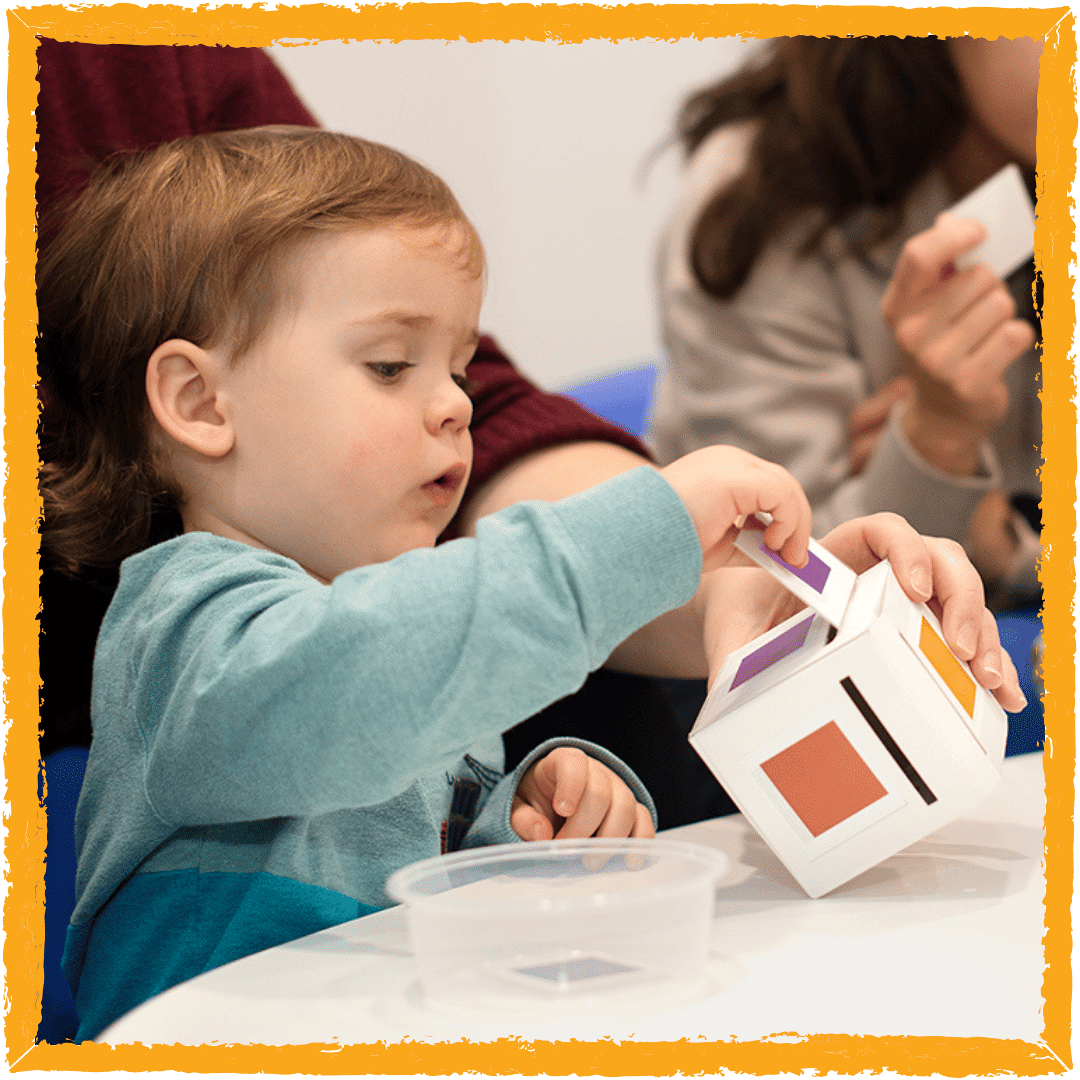
Photo from Shichida Australia: Building block patterns is a good way to practise critical thinking for kids – here a young child and her mum build block steps in a Shichida class – copying what the instructor showed them as a demonstration.
How Critical Thinking Develops from Children to Students
Critical thinking grows in stages. Young children begin with simple acts like observing, comparing and asking why. They explore ideas by touching, trying and imagining. Their thinking is playful, flexible and often based on what they can see and feel.
Students in primary and early secondary school start taking bigger steps. They begin to analyse, evaluate and make connections across different topics. They can explain their reasoning with more clarity and consider alternatives on their own. These skills often appear during school projects, reading tasks and problem-solving activities.
Understanding how these stages differ helps you choose age-appropriate strategies and questions. You can guide younger children with gentle prompts and play, while students benefit from more structured questions that push them to think more deeply.
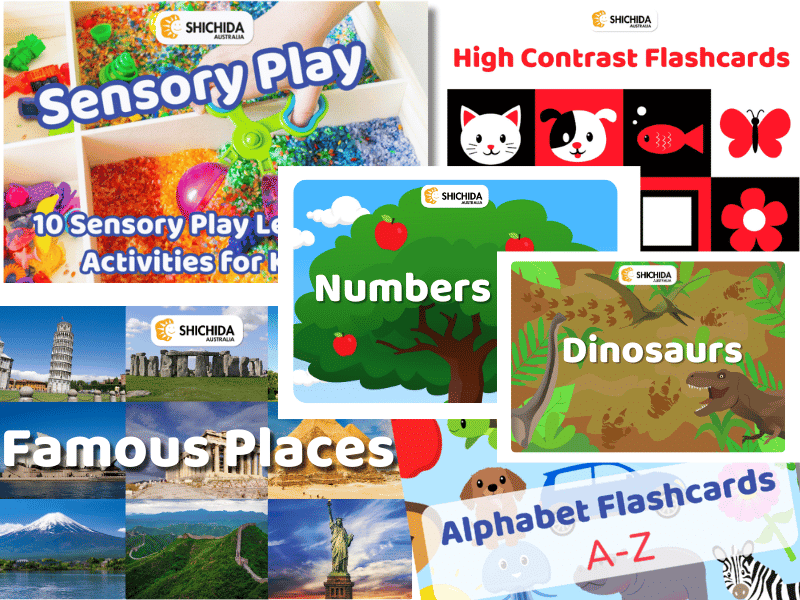
Want to develop your critical thinking skills? Get free flashcards and sensory play ideas that parents use to build strong early brain skills for young children!
Critical Thinking Skills in Young Children
During early childhood, critical thinking is rooted in exploration and curiosity. Children begin noticing patterns, choosing between two ideas or objects, predicting what might happen next and asking lots of exploratory questions. A simple moment like choosing which block will make a tower fall teaches them cause and effect. When they ask what might happen in a story, they are building prediction skills.
Play is one of the most powerful ways to build thinking skills at this age. Imaginative games encourage problem-solving. Stories spark reflection and comparisons. Daily routines give children constant opportunities to observe, ask questions and try new things. At this stage, your goal is not to push formal reasoning but to support natural curiosity.
Critical Thinking for Students (Primary and Early Secondary)
As children become students, critical thinking becomes more structured. This is where critical thinking for students becomes important. They begin using logic, evidence and comparison to work through challenges and understand information. School tasks naturally support these skills. Reading comprehension encourages students to identify main ideas. Project work develops decision-making and planning skills. Science activities teach them how to test ideas and evaluate results.
Students start to show stronger analytical thinking because they can compare information, explain their thought process and consider cause and effect with more depth. This shift is what separates early critical thinking in young children from more advanced critical thinking in students.
Critical Thinking Examples for Students
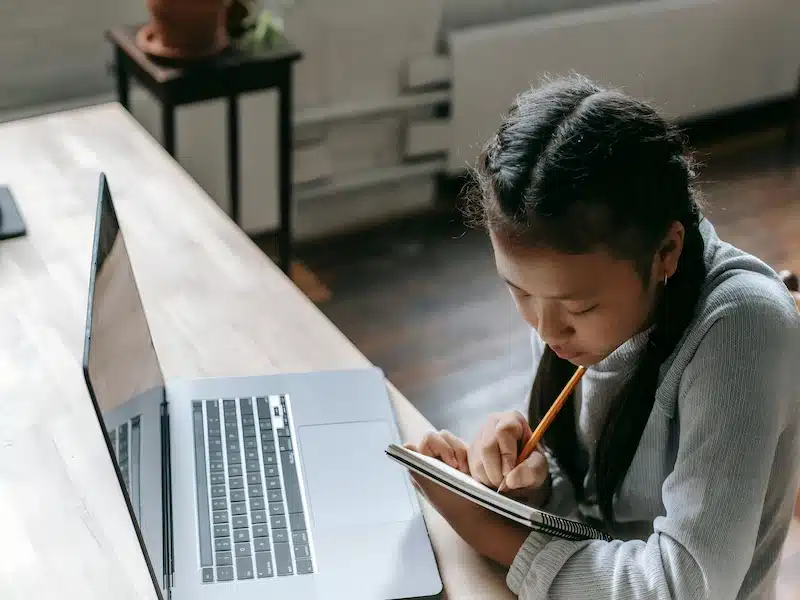
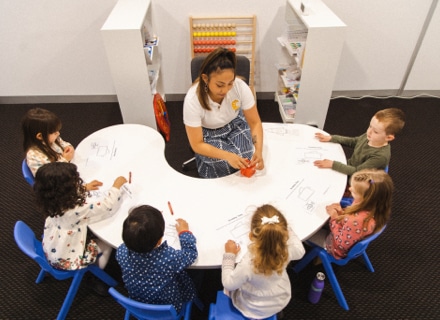
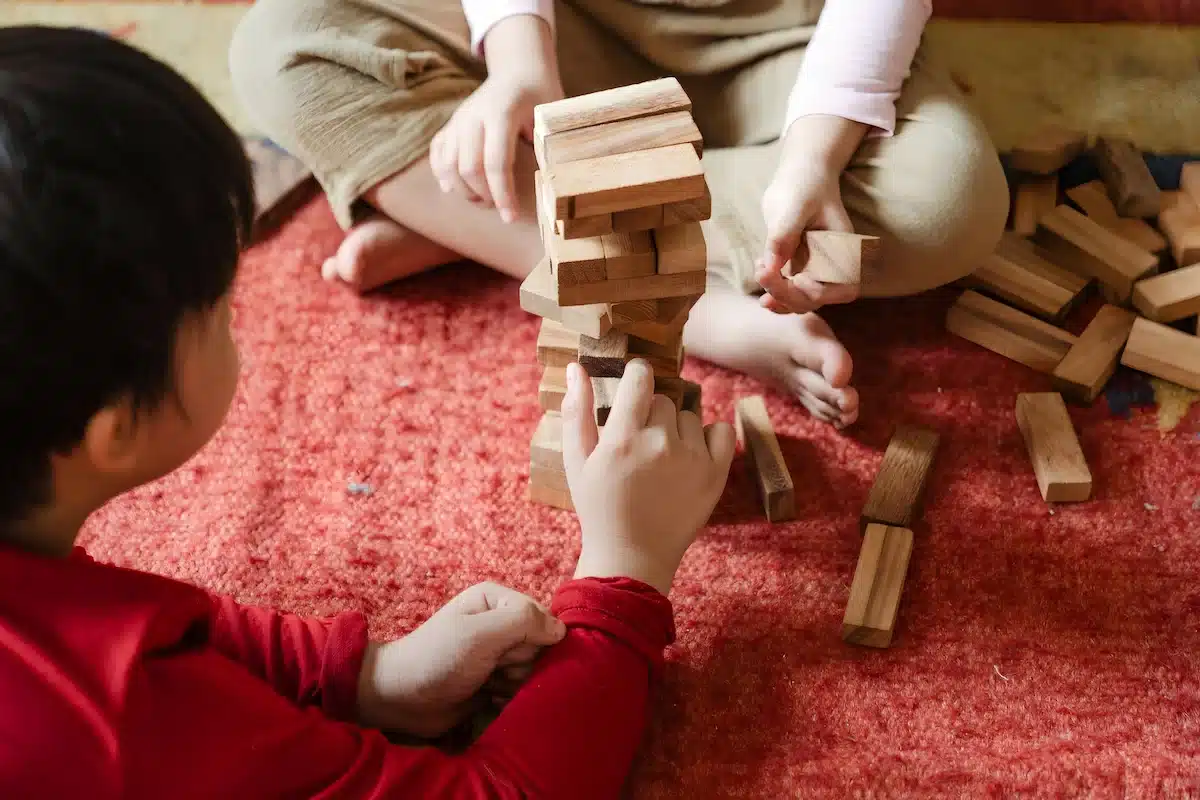
Photo from Pexels: As children move into school years, critical thinking for students becomes more advanced as they learn to compare ideas, evaluate information and explain their reasoning.
If you want to support your older child’s development, here are practical critical thinking examples for students that fit everyday learning:
- Comparing two solutions in maths or science
Students can look at different ways to solve a problem and decide which solution is more efficient or accurate. - Identifying the main idea in a text
When reading, students can explain what the writer is trying to say and list the supporting points. - Checking if an online source is reliable
Ask them to look for clues such as the author’s name, website credibility or date of publication. - Planning steps for a project
Students can map out what they need, break tasks into smaller parts and evaluate if their plan is realistic.
These examples help students apply critical thinking for students in real learning settings, which strengthens their independence and confidence.
Critical Thinking Questions for Students
If you want ready-made tools to use at home, these critical thinking questions for students will help guide deeper thinking. You can use them during homework, discussions or everyday decision-making.
Evidence-based questions
- What evidence supports your answer?
- How do you know this is true?
Alternative-thinking questions
- Is there another way to look at this?
- Can you think of a different solution?
Consequence questions
- What might happen if we chose another option?
- What are the advantages and disadvantages?
Reflection questions
- What would you do differently next time?
- What part was most challenging for you?
These questions encourage students to build strong reasoning skills, which are essential for academic success and everyday problem-solving.
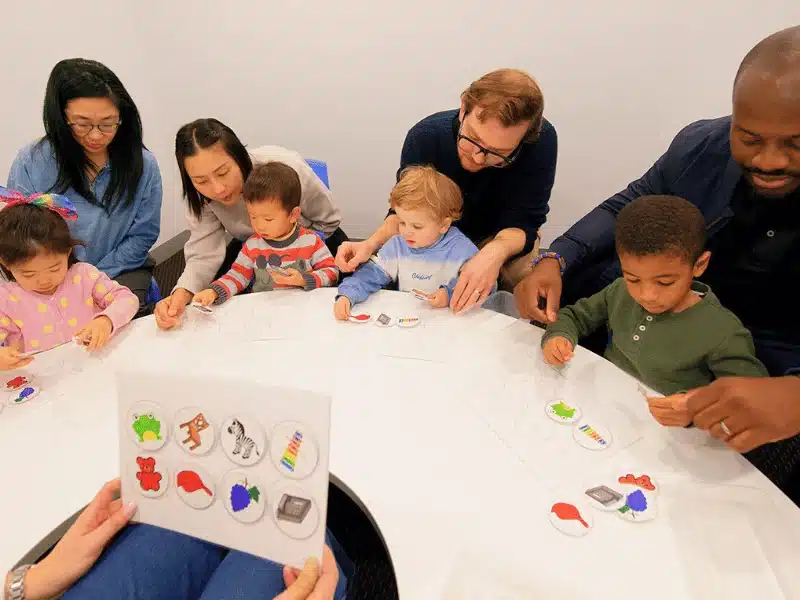
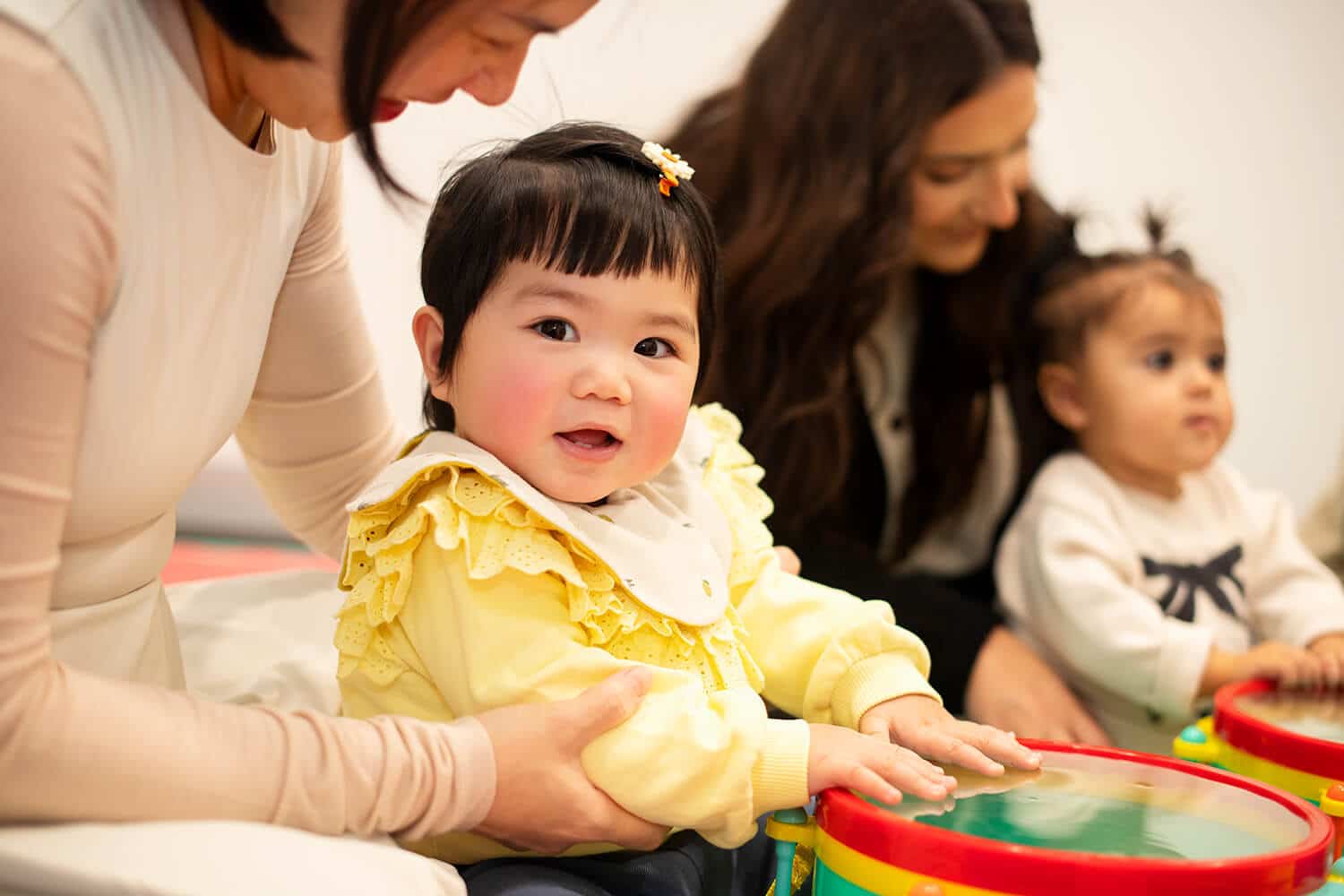
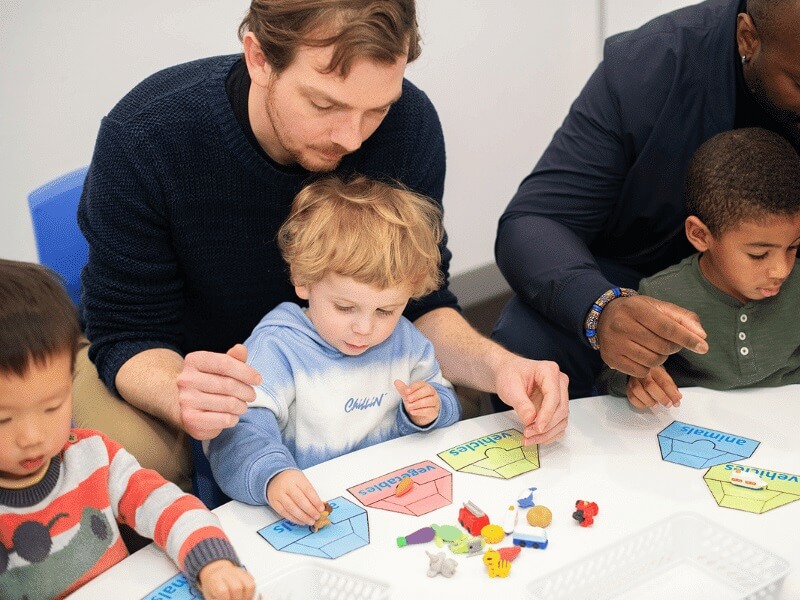
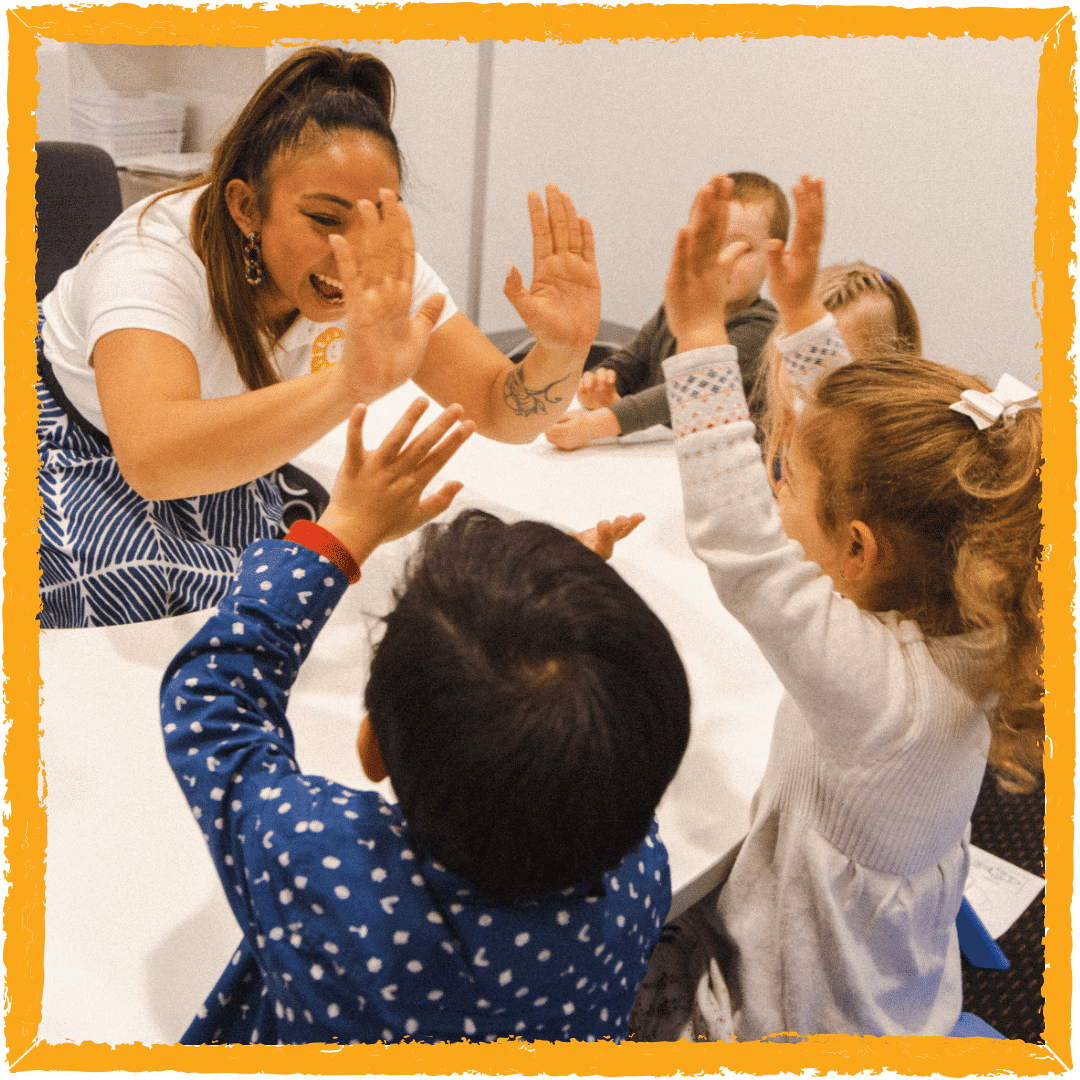
Photo from Shichida Australia: Parents and kids playing a memory game during a Shichida class. Memory and critical thinking go hand in hand!
How Critical Thinking Differs Between Children and Students
To make things clearer, here are the key differences in a simple format:
Young Children
- Learn through play, exploration and imagination
- Use simple comparisons and early reasoning
- Respond best to hands-on experiences
- Need guidance through open-ended prompts
- Think based on what they see, hear or feel in the moment
Students
- Use structured logic and evidence
- Engage in more analytical and independent thinking
- Evaluate information and compare viewpoints
- Respond well to targeted questions and problem-solving tasks
- Begin understanding consequences and long-term thinking
Using the right approach for each age group keeps children motivated, engaged and confident.
Activities to Support Critical Thinking in Children and Students
For Younger Children
- Storytelling prompts
- Sorting and matching games
- Imaginative role-play
- Simple prediction questions, such as what might happen next in a story
For Students
- Debates or friendly discussions
- Analysing short texts
- Comparing viewpoints
- Group problem-solving activities
Pairing these activities with the right questions builds powerful habits that last through their school years.
How Parents and Educators Can Use These Strategies Daily
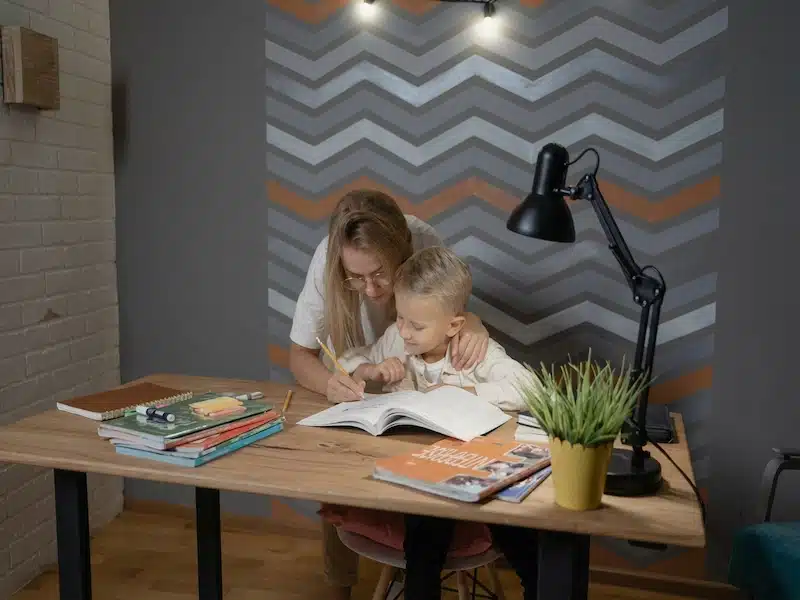
Photo from Pexels: Daily conversations at home strengthen critical thinking for students, especially when parents encourage children to think aloud and explore different solutions.
You can support critical thinking in simple, everyday ways. During mealtimes, ask your child why they prefer one food over another. In the car, ask what they think might happen next in a story or situation. During homework, encourage them to explain how they arrived at an answer. Thinking aloud is one of the best ways to model strong reasoning. When children hear you evaluate choices or compare options, they naturally learn to do the same.
Small, consistent interactions like these strengthen analytical thinking and decision-making over time.
Conclusion
Critical thinking looks different in children and students, but both stages are equally important. Young children build early foundations through play and curiosity, while students develop stronger reasoning through evidence, analysis and problem-solving. With the right questions and age-appropriate strategies, you can support your child at every stage of their learning journey.
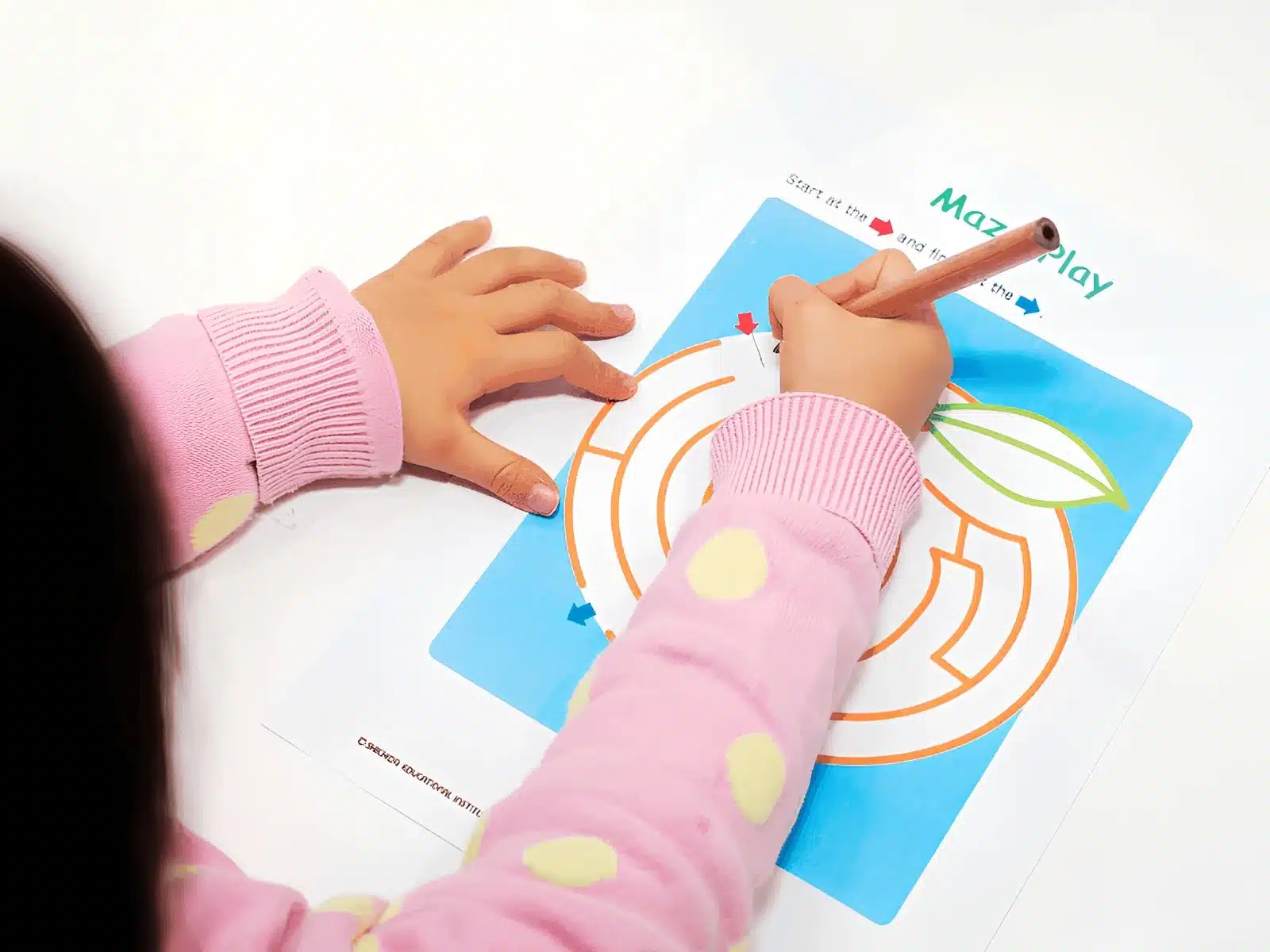
If you want to support your child’s development and help encourage critical thinking from an early age, explore Shichida’s amazing brain-training program. Book a trial class and experience the Shichida Method firsthand!
FAQ’s: Critical Thinking for Students
Critical thinking for students is the ability to analyse information, compare ideas, ask questions, and use evidence to make informed decisions. It develops as children move from playful exploration into more structured reasoning during the school years.
For younger children, critical thinking develops through play, curiosity and simple problem-solving. For students, critical thinking becomes more structured and includes analysing information, evaluating evidence, and explaining reasoning in subjects like reading, maths and science.
Critical thinking begins in early childhood. Young children practise early critical thinking through curiosity, prediction and exploration, while more formal critical thinking skills develop during primary school as children become students.
Parents can support critical thinking for students by asking open-ended questions, encouraging children to explain their thinking, comparing different solutions, and modelling decision-making in everyday situations such as shopping, planning or problem-solving.
Common critical thinking examples for students include:
- Comparing different solutions to a maths problem
- Identifying the main idea and supporting details in a text
- Evaluating whether an online source is reliable
- Planning steps for a school project and adjusting when needed
These activities help students practise analysis, reasoning and decision-making.
Critical thinking questions for students often focus on:
- Evidence: How do you know this is true?
- Alternatives: Is there another way to solve this?
- Consequences: What might happen if you chose differently?
- Reflection: What would you do differently next time?
These questions help students think more deeply and independently.
Critical thinking helps students become independent learners. It supports academic success, problem-solving, decision-making and the ability to evaluate information, which are essential skills for school and everyday life.
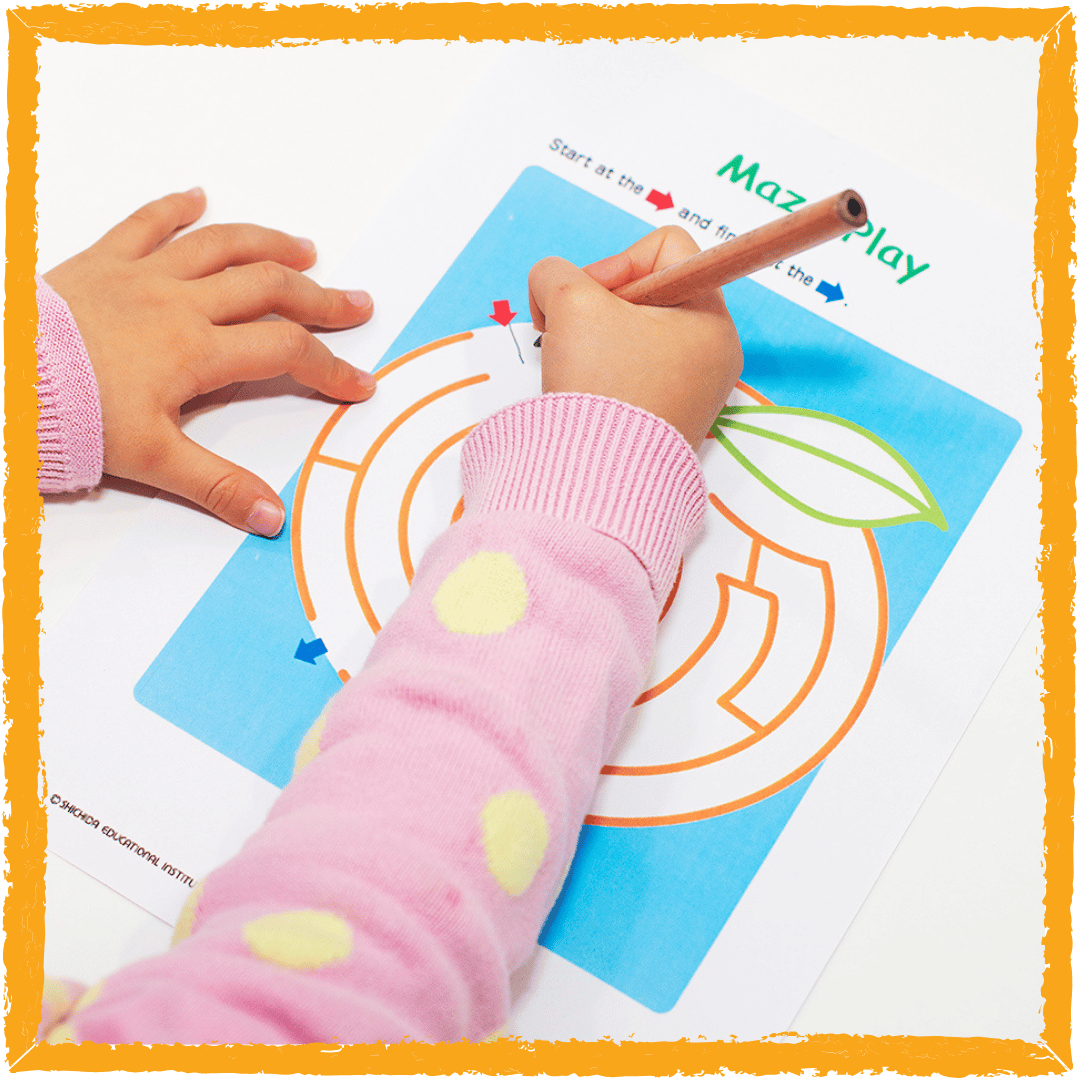
Yes. In early childhood, play-based activities such as storytelling, maze play, puzzles, sorting games and imaginative play help build the foundations of critical thinking. These early skills later develop into more advanced critical thinking for students.
Yes. Strong early childhood education programs like Shichida help children build early thinking skills through guided play, problem-solving and reflection. These foundations support the development of critical thinking skills as children progress into the school years.