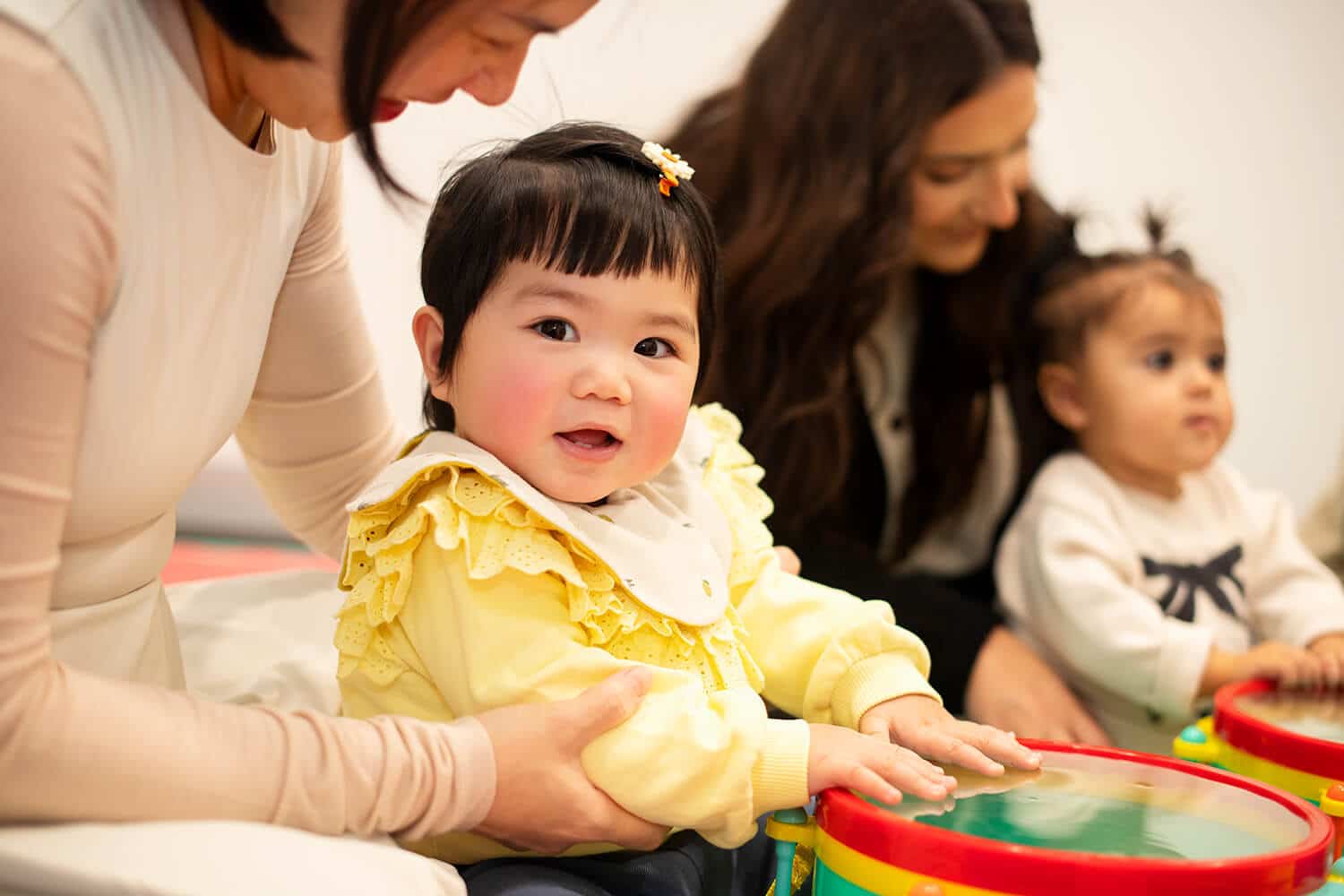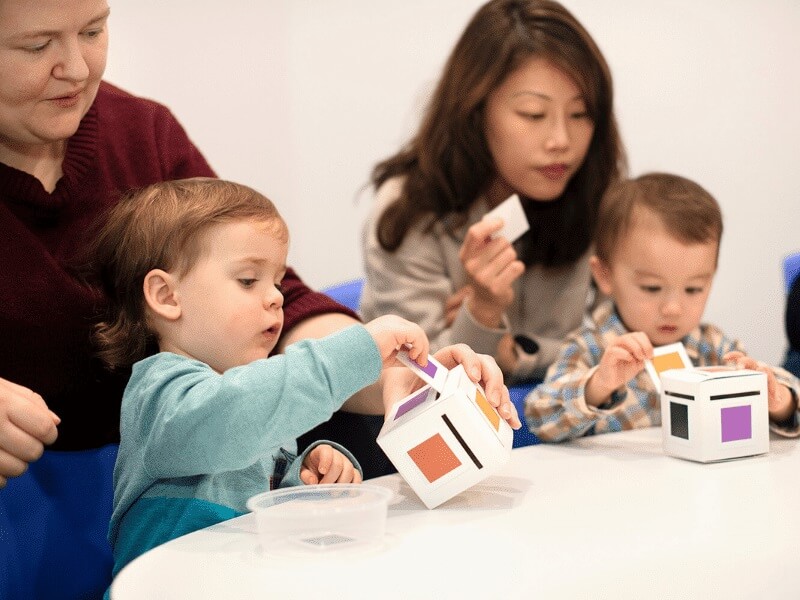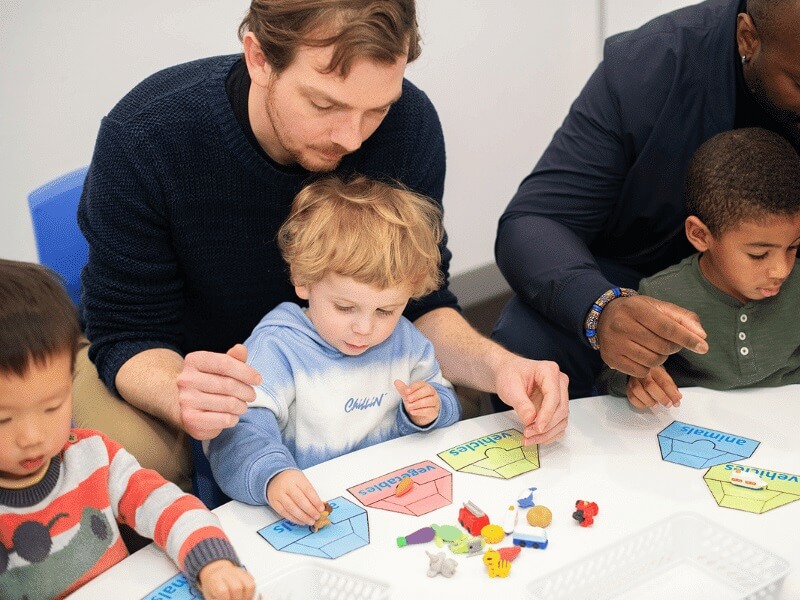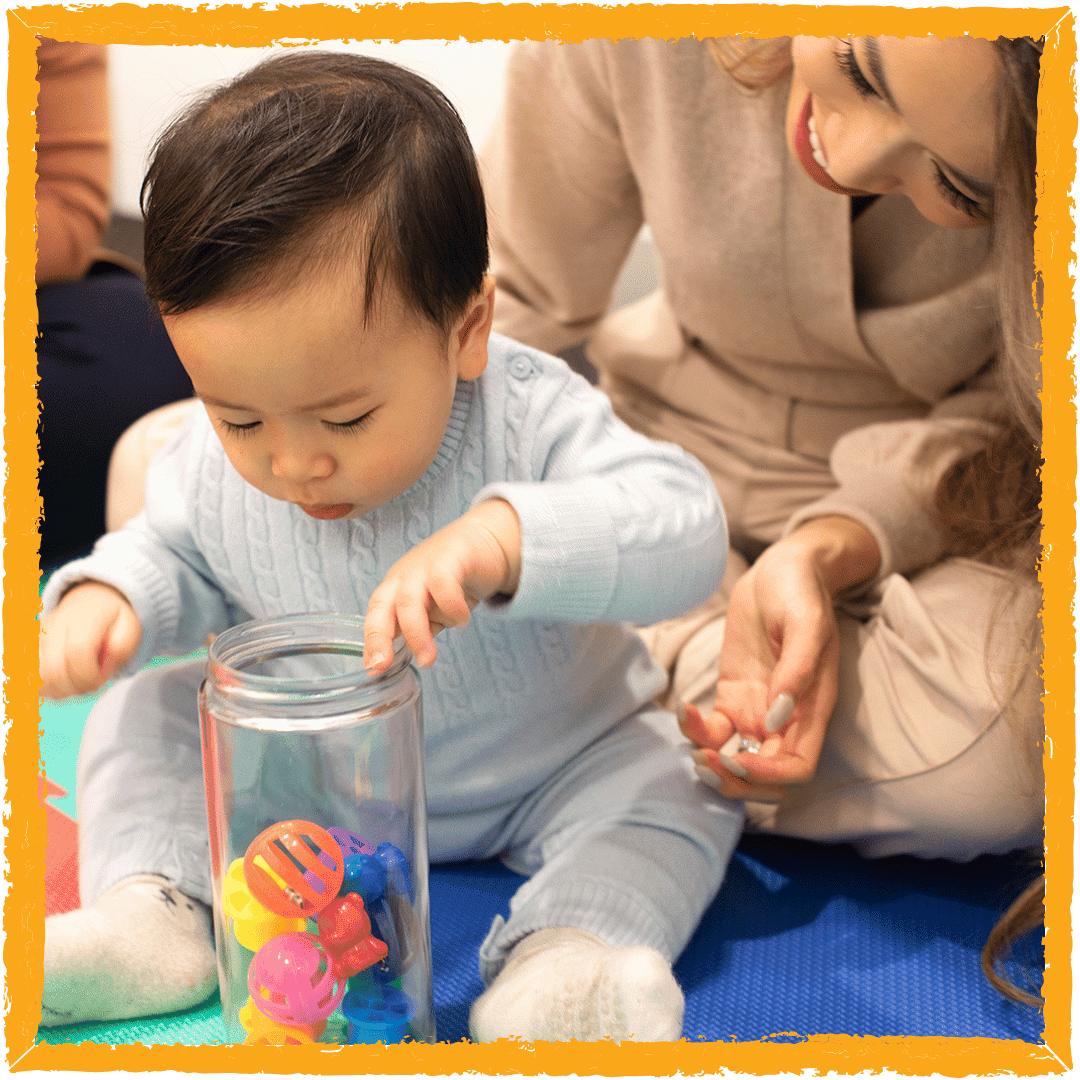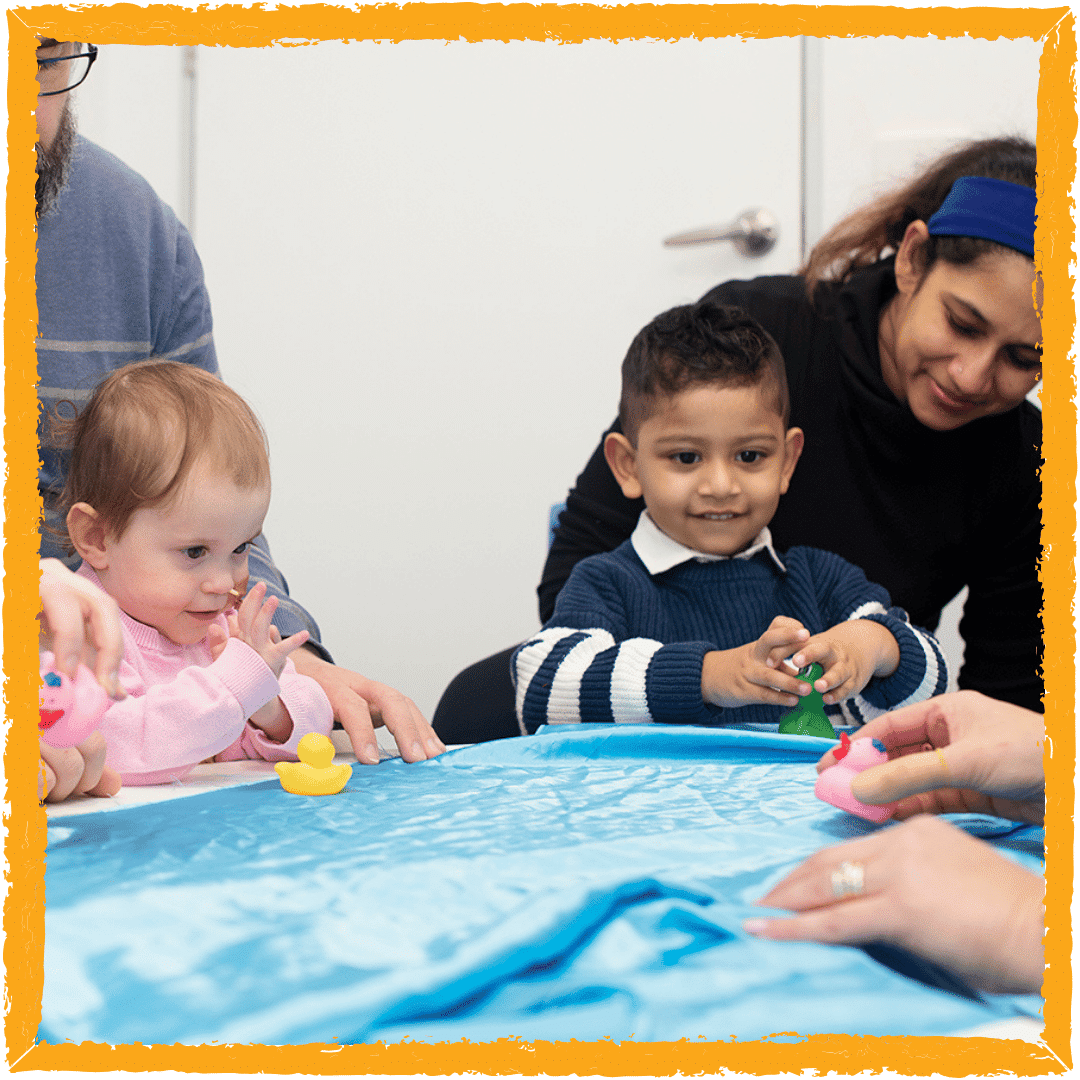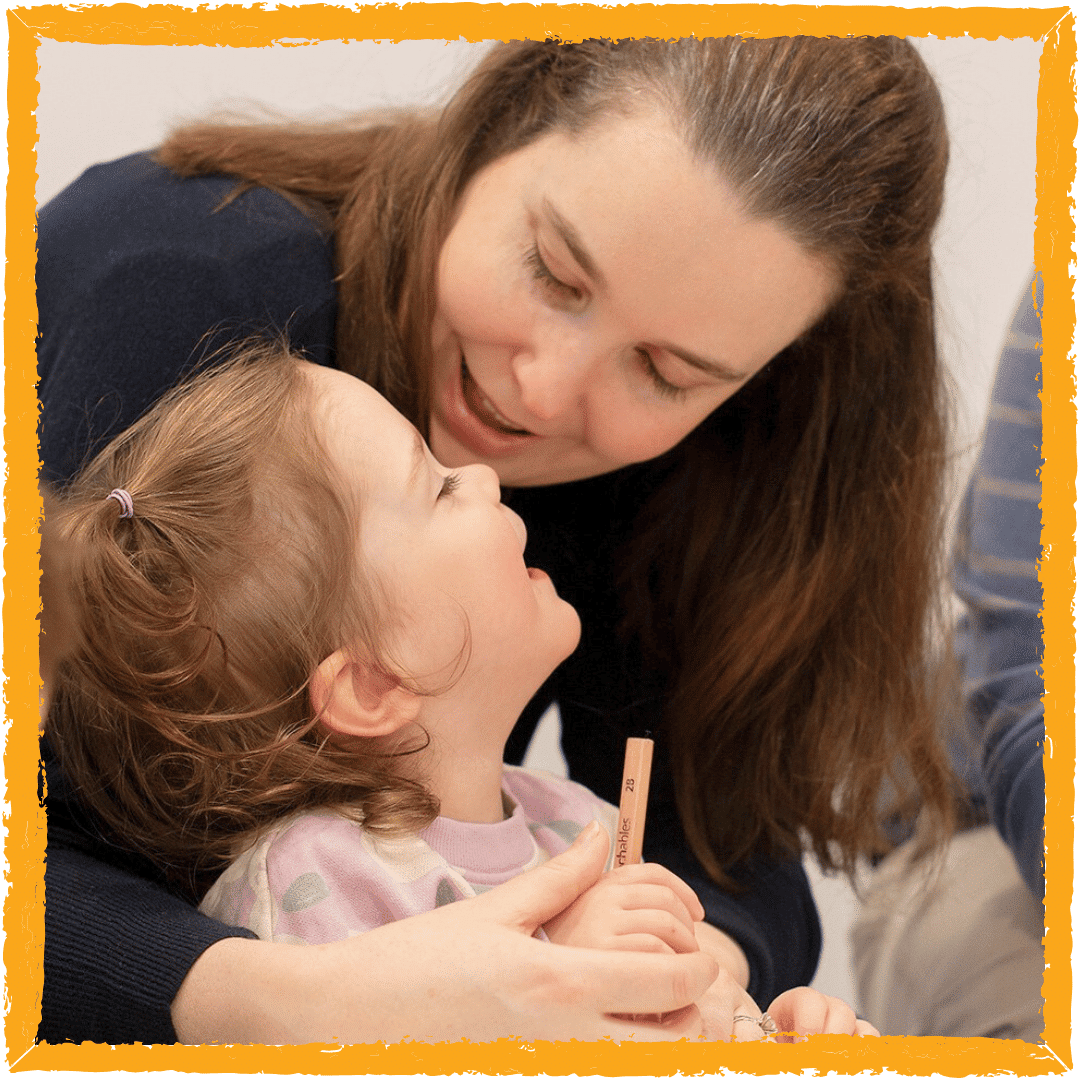
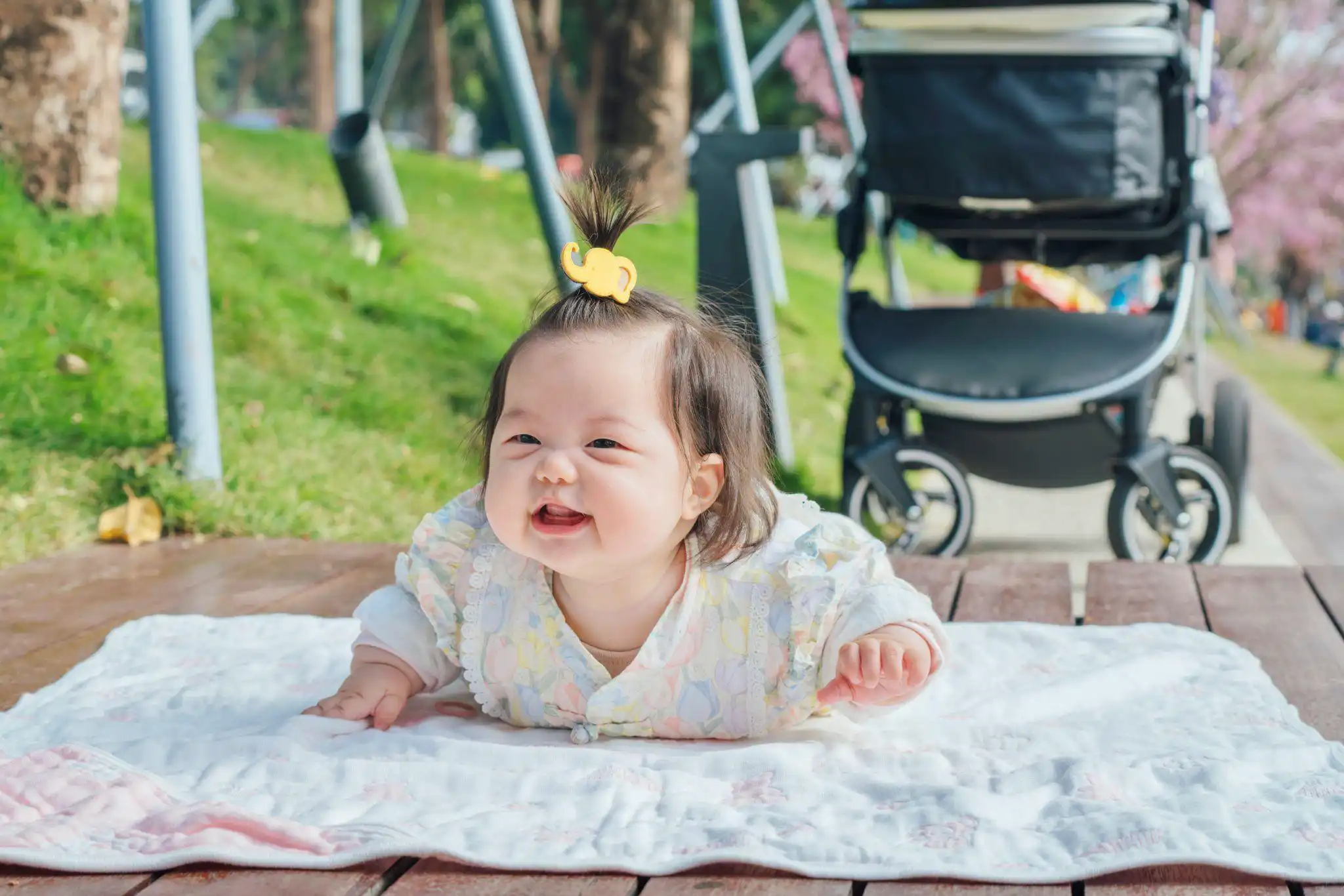
Photo from Pexels: Early floor play supports baby motor development, helping parents understand creeping vs crawling and how both movements begin with simple tummy time.
Creeping vs Crawling: Differences, Milestones & Benefits
Key Points: Creeping vs Crawling
- Creeping and crawling are both normal and valuable early movement milestones. Each supports baby motor development, coordination, and early learning.
- Creeping often appears before crawling, but timelines vary widely. Some babies creep first, others move quickly into crawling, and variation is normal.
- Both movements strengthen the body and support brain development. Creeping builds early strength and sensory awareness, while crawling supports balance and cross-body coordination.
- Play-based, pressure-free support is the most effective approach. Floor play, tummy time, and gentle encouragement help babies develop naturally.
- Understanding movement milestones helps reduce parental stress. Development is not a race, and comparing babies often creates unnecessary worry.
Have you ever found yourself lying on the floor watching your baby move and wondering, Is this crawling… or is it something else? Maybe your baby is pulling themselves forward with their arms, belly flat on the mat, while a well-meaning relative says, “Oh, my baby crawled properly by this age.” Suddenly, doubt creeps in before your baby does!
If you are an expectant parent or already raising a baby, this confusion is incredibly common. Creeping vs crawling is one of those baby development milestones that sounds simple but feels complicated once you are living it.
The good news is this. Both creeping and crawling are healthy early movement stages. They support baby motor development, brain growth, and learning in different but equally valuable ways. You do not need to rush your baby or compare them to others to support strong development.
Have a baby? Download free DIY High Contrast Flashcards for your little mover and shaker!

What Is Creeping?
Creeping is an early form of forward movement that many babies use before they learn to crawl on hands and knees. A creeping baby usually keeps their belly close to the floor while pulling or pushing themselves forward using their arms, legs, or a mix of both. It can look messy, uneven, or even funny, but it is incredibly purposeful.
Most babies begin creeping somewhere between 6 and 9 months, but this range is flexible. Some babies creep earlier, some later, and some move in and out of creeping quickly. Others spend weeks perfecting it. Creeping meaning is not about doing it “right.” It is about learning how the body moves through space.
During creeping, your baby is strengthening their shoulders, arms, hips, and neck. They are also receiving important sensory input through their hands, knees, belly, and feet. This early movement stage is not a lesser milestone. It is a powerful foundation for gross motor development and future coordination.
Typical Creeping Patterns
You might notice your baby creeping in ways that do not look anything like textbook crawling. Common creeping patterns include army crawling, commando crawling, or belly scooting across the floor. Some babies use mostly their arms, while others push strongly with one leg. There is no single correct way to creep. What matters is that your baby is exploring movement and learning how to get from one place to another.
Why Creeping Matters for Early Development
Creeping supports upper body strength, coordination, and spatial awareness. As your baby figures out how to move forward, they are also learning early problem solving skills. How do I get to that toy? How do I shift my weight? These small challenges build confidence and support baby development milestones that go far beyond movement.
What Is Crawling?
Crawling usually refers to hands and knees movement, where the baby’s belly is lifted off the floor. A crawling baby uses their arms and legs to move forward in a more elevated, balanced way. This stage often builds on earlier experiences like tummy time, rolling, and creeping.
Many babies start crawling between 7 and 10 months, but again, this crawling timeline is a guide, not a rule. Crawling is often considered a major gross motor milestone because it requires strength, coordination, and balance across the whole body.
When your baby crawls, they are coordinating opposite arms and legs, stabilising their core, and supporting their weight through their shoulders and hips. Crawling also opens up a whole new world of independence. Your baby can explore further, faster, and with more control.
Common Crawling Styles
Not all crawling looks the same. Some babies use classic hands and knees crawling. Others prefer a bear crawl with straight arms and legs. Some crawl asymmetrically or use one leg more than the other. These alternative crawling patterns can still be functional and effective. The appearance of crawling matters far less than what your baby is learning from the movement.
Developmental Benefits of Crawling
Crawling supports bilateral coordination, core strength, shoulder stability, and visual motor integration. As your baby moves and looks ahead, their eyes, hands, and body work together. This early organisation supports later skills like handwriting, balance, and coordinated movement.
Creeping vs Crawling: What’s the Difference?
It helps to look at creeping vs crawling side by side without judgement or pressure.
Creeping usually involves the belly staying close to the floor, with movement driven by arms, legs, or both. Crawling involves hands and knees with the belly lifted. Creeping often appears earlier, while crawling usually comes later, but overlap is very common.
Creeping focuses on early strength, sensory input, and problem solving. Crawling builds on that foundation by adding balance, coordination, and cross body movement. Both support healthy baby motor development and infant milestones.
Motor Skill Progression
Many babies creep before they crawl, but development is not a straight line. Some babies creep briefly and move quickly into crawling. Others alternate between creeping and crawling depending on the surface or situation. This variation is normal and healthy.
When Differences Are Completely Normal
Some babies spend very little time creeping. Some babies skip crawling altogether and move straight to pulling up and walking. If your baby is otherwise active, curious, and progressing in other baby development milestones, this can still fall within typical development.
Typical Movement Timeline in Early Development
It can help to understand early movement stages as a flow rather than a checklist. Babies develop skills when their bodies are ready, not when the calendar says they should.
Early Foundations (0-6 Months)
In the early months, tummy time plays a major role in building strength. Your baby learns to lift their head, push through their arms, roll, and shift weight. These movements lay the groundwork for creeping and crawling later on.
Creeping Stage (6-9 Months)
As strength and coordination improve, many babies begin creeping. This is when forward movement and exploration really start. Your baby is learning how to move intentionally and independently.
Crawling Stage (7-10+ Months)
Crawling often emerges once your baby can support their weight on hands and knees. Crawling prepares the body for pulling up, cruising along furniture, and eventually walking.
How Creeping and Crawling Support Early Learning
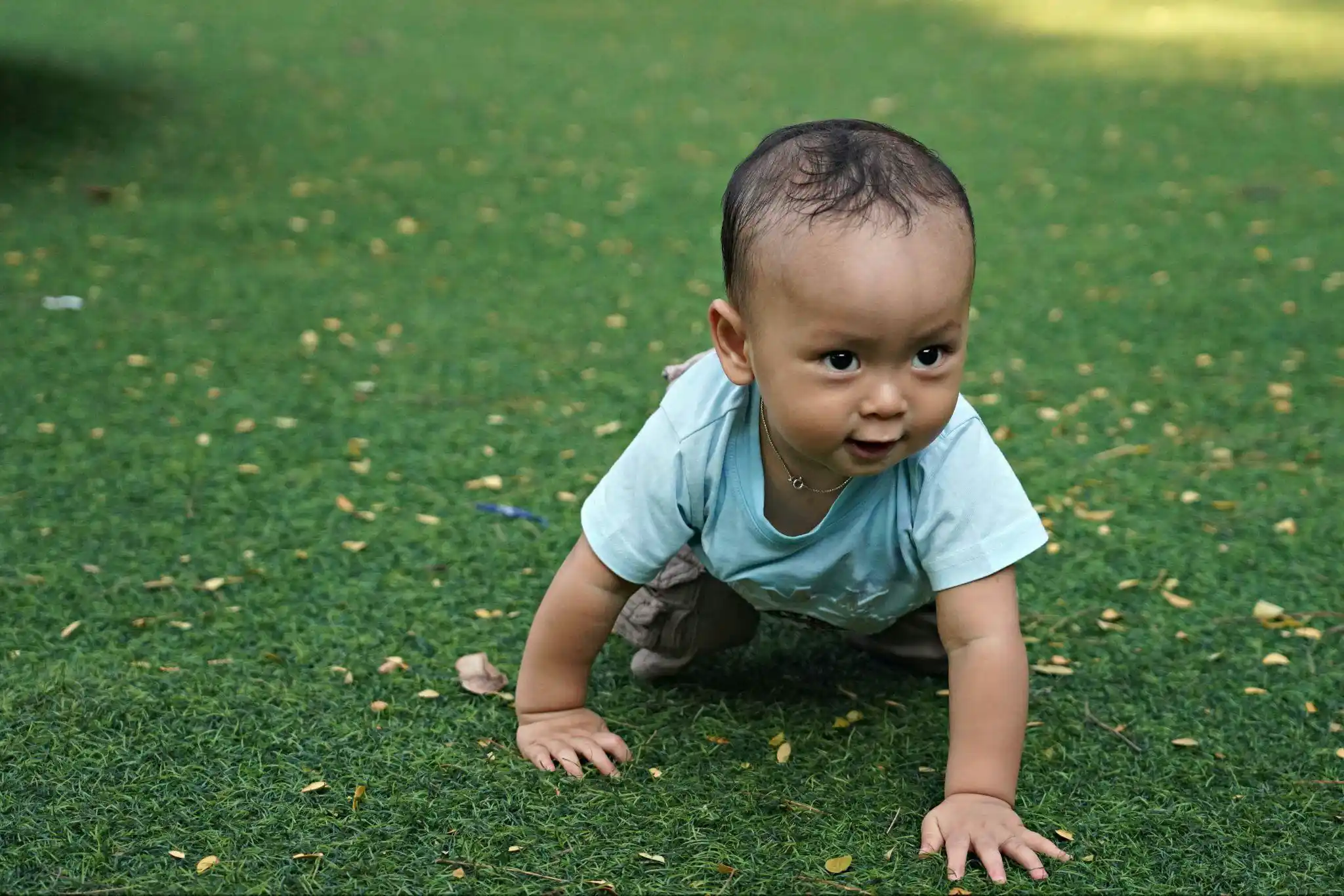
Photo from Pexels: A creeping baby exploring the floor shows that creeping vs crawling is not about doing it perfectly, but about building strength, coordination, and confidence.
Movement is not just about muscles. It is deeply connected to learning. When your baby moves, their brain is working hard to process sensory input, plan actions, and adjust based on feedback.
Creeping and crawling support attention, curiosity, and early learning readiness. As your baby explores, they learn about distance, cause and effect, and problem solving. This is baby development happening in real time.
Movement milestones such as creeping and crawling are not just physical achievements. They often develop through interaction – when a parent gets down on the floor, makes eye contact, smiles, or gently guides their baby forward. Human connection and touch plays a powerful role in how babies build confidence to move.
Brain Development and Cross Body Movement
Crawling involves alternating arm and leg movements, which encourages communication between the left and right sides of the brain. This cross body movement supports brain organisation and coordination that benefits future learning.
Exploration, Curiosity, and Learning
When babies move on their own, they decide where to go and what to explore. This builds confidence and motivation. Self initiated movement supports curiosity and helps babies trust their own abilities.
How to Support Creeping & Crawling at Home
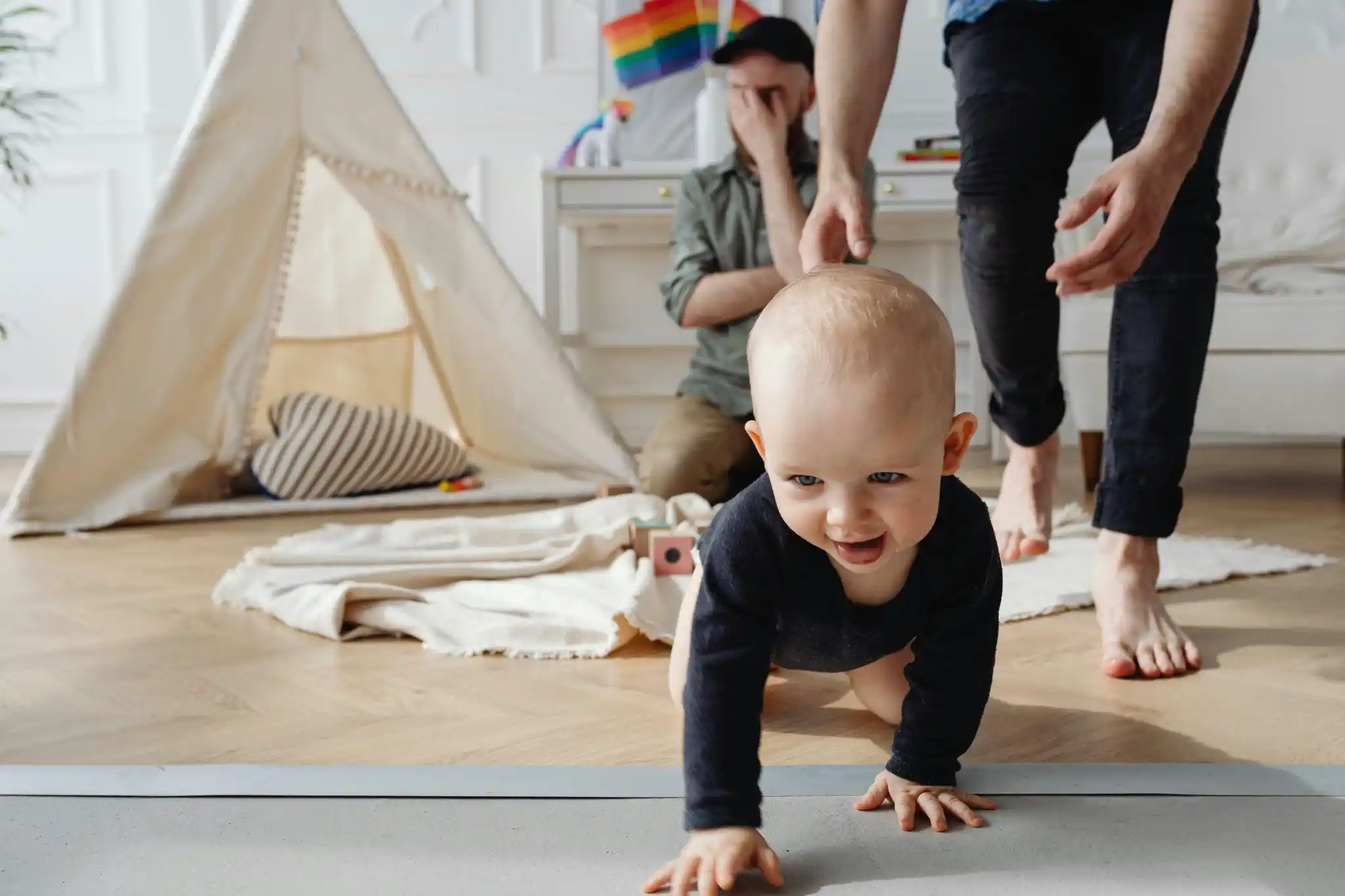
Photo from Pexels: Crawling encourages independence and learning, reminding parents that creeping vs crawling are both valuable stages in early baby development milestones.
You do not need special equipment or structured programs to support early movement. Simple, playful support is often the most effective.
Tummy Time and Floor Play
Daily tummy time from the early months helps build strength and readiness. As your baby grows, floor play allows them to practise shifting weight, pushing up, and moving freely.
Play Based Encouragement
Place toys just out of reach, create small obstacles with cushions, or lie on the floor and encourage your baby to come to you. Keep it playful and pressure free. Your baby learns best when movement feels like a game.
Creating a Movement Friendly Environment
Clear, safe floor spaces encourage exploration. Soft mats, non slip surfaces, and room to move give your baby the confidence to practise creeping and crawling at their own pace.
Common Concerns & When to Seek Guidance
It is natural to worry about timelines and comparisons, especially as a parent. Most variation in creeping and crawling is completely normal. However, trust your instincts if something feels off.
Signs That May Need Extra Support
Limited movement, strong preference for one side, significant asymmetry, or loss of previously learned skills can be reasons to seek advice. Early support can make a big difference.
Talking to Your Pediatrician or Therapist
You might ask questions like, “Is my baby’s movement typical for their age?” or “How can I support gross motor development at home?” Professionals can offer reassurance or guidance tailored to your baby.
Baby Classes That Support Developmental Milestones
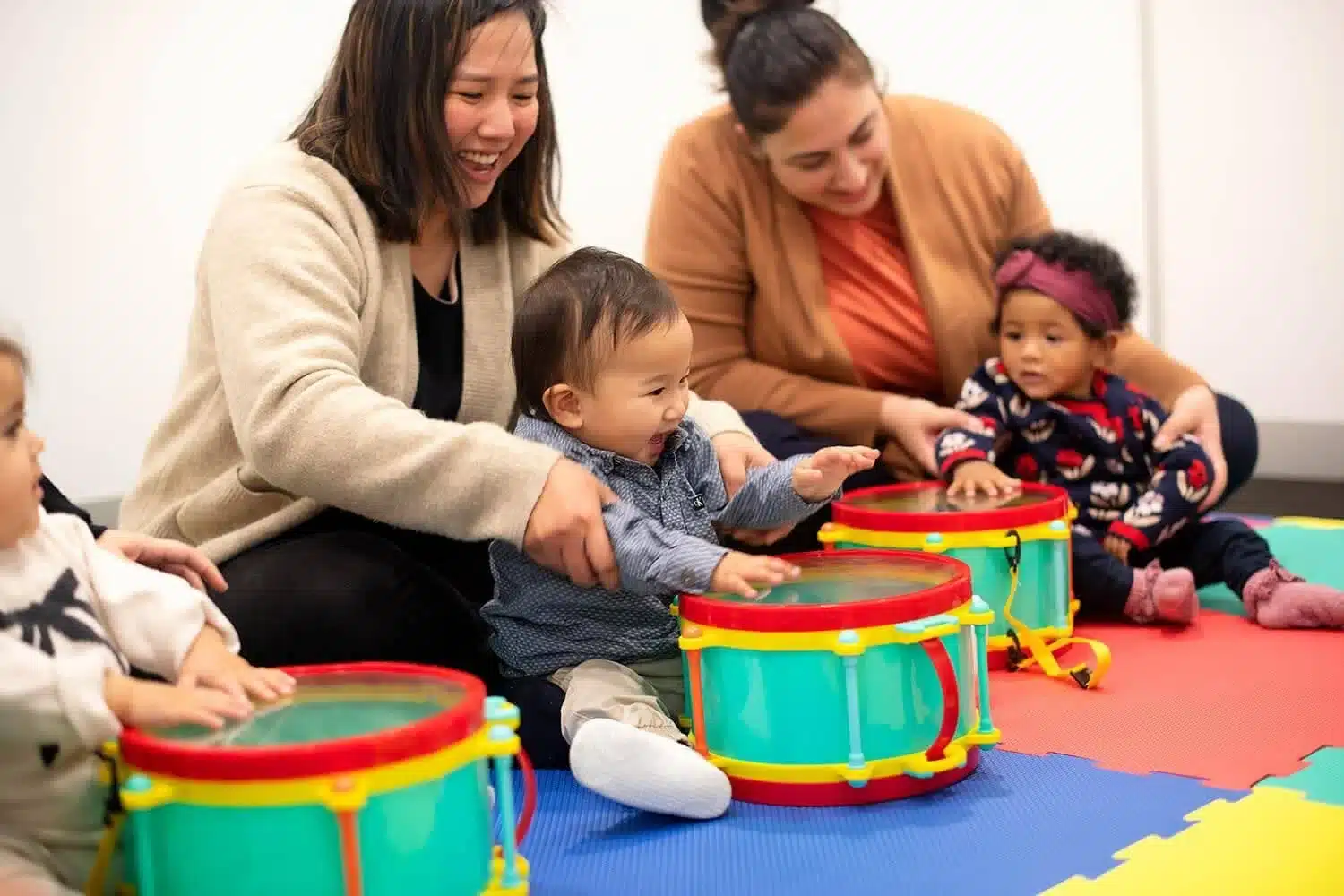
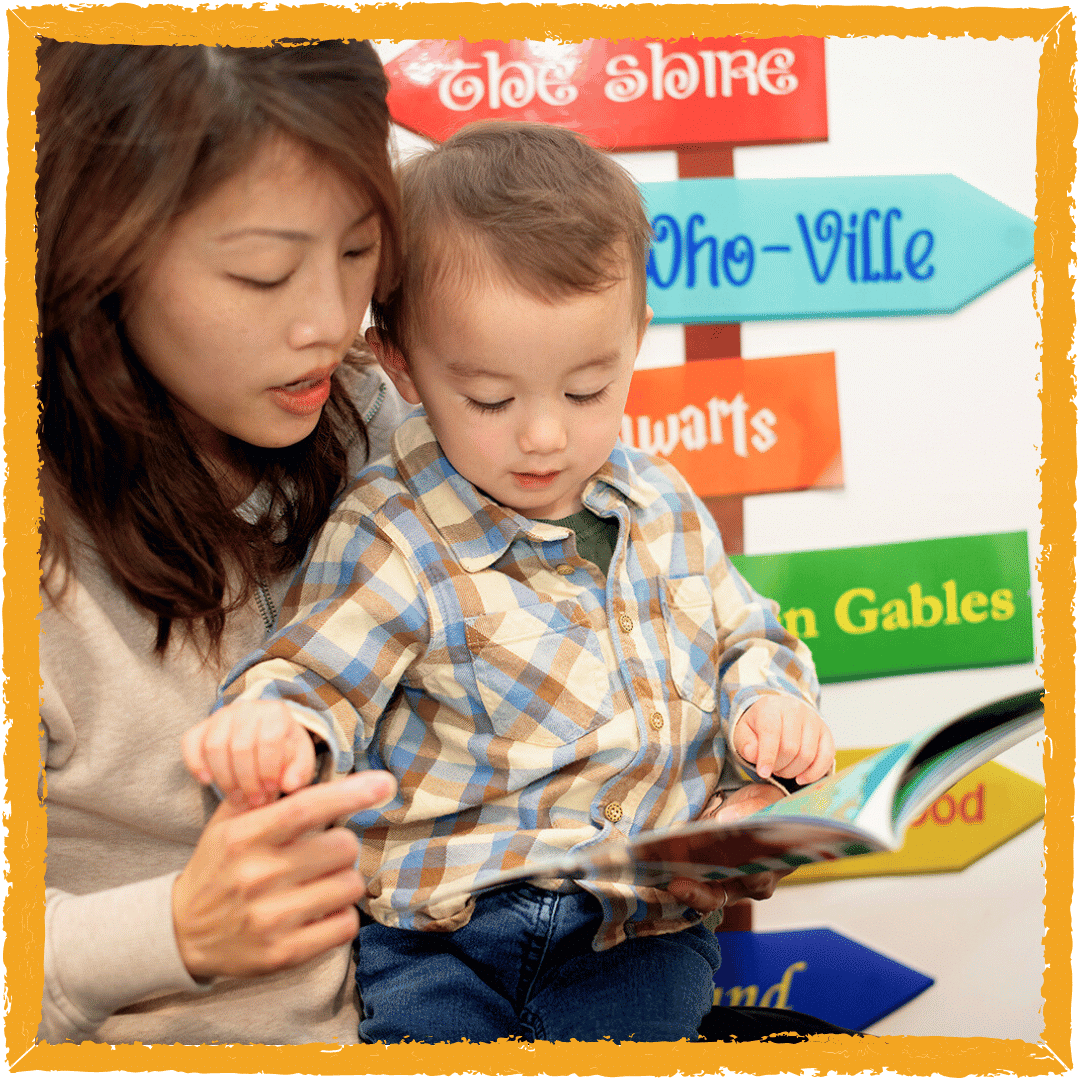
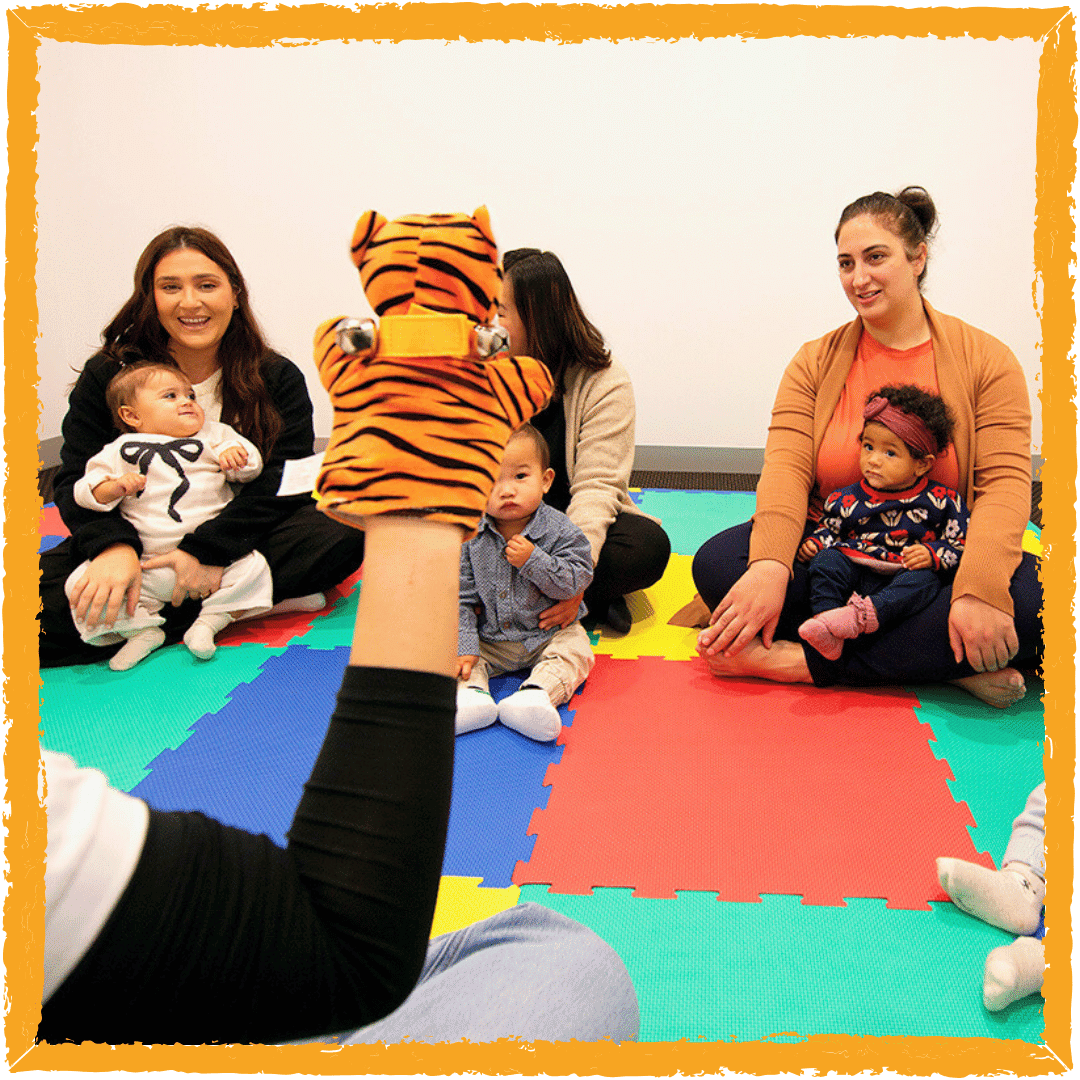
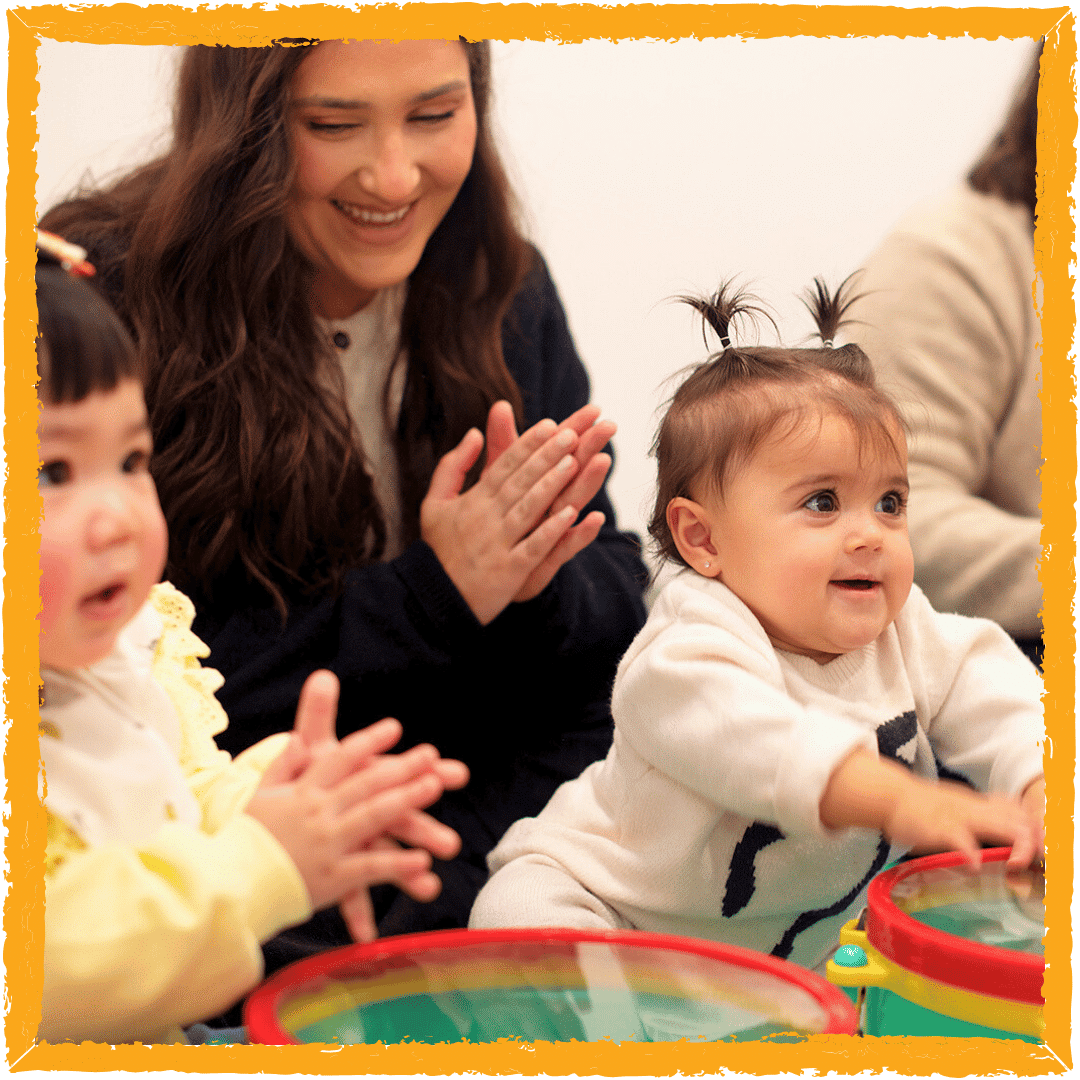
Shichida Australia supports early movement and learning through play-based classes designed to match each stage of baby development.
Activities are age-appropriate, gentle, and focused on building confidence, coordination, and curiosity without pressure. Whether a baby is creeping, crawling, or preparing for the next milestone, Shichida provides a nurturing learning environment that encourages natural growth.
Book a trial class today and experience how early, supportive learning can make a meaningful difference.
FAQs: Creeping vs Crawling
Creeping involves forward movement with the belly close to or touching the floor, while crawling refers to hands and knees movement with the belly lifted off the ground.
Many babies begin creeping between 6 and 9 months, though some start earlier or later, and this variation is completely normal.
No. Some babies spend very little time creeping and move quickly into crawling or other forms of mobility.
Yes. Some babies skip crawling altogether and still meet baby development milestones and motor skills normally.
Regular, supervised tummy time throughout the day helps build the strength and coordination needed for creeping and crawling.
Yes. Crawling supports coordination, brain organisation, and communication between both sides of the brain.
If you notice limited movement, strong asymmetry, or a loss of previously learned skills, it is worth discussing your concerns with a healthcare professional.