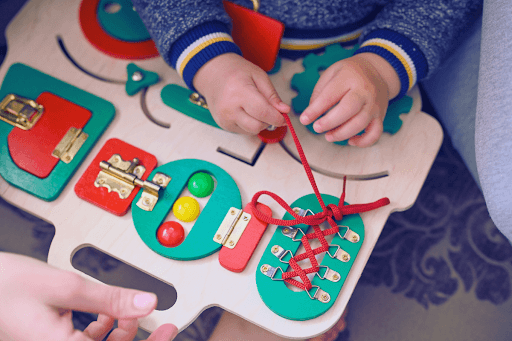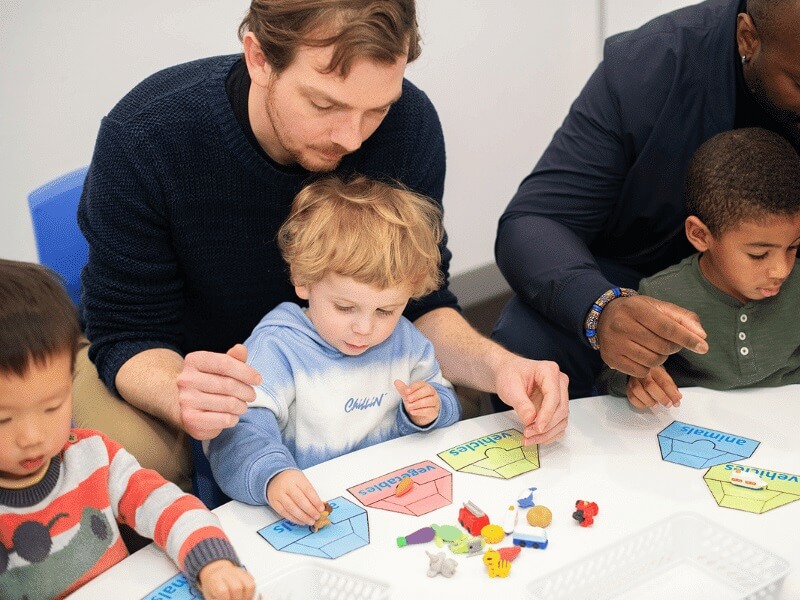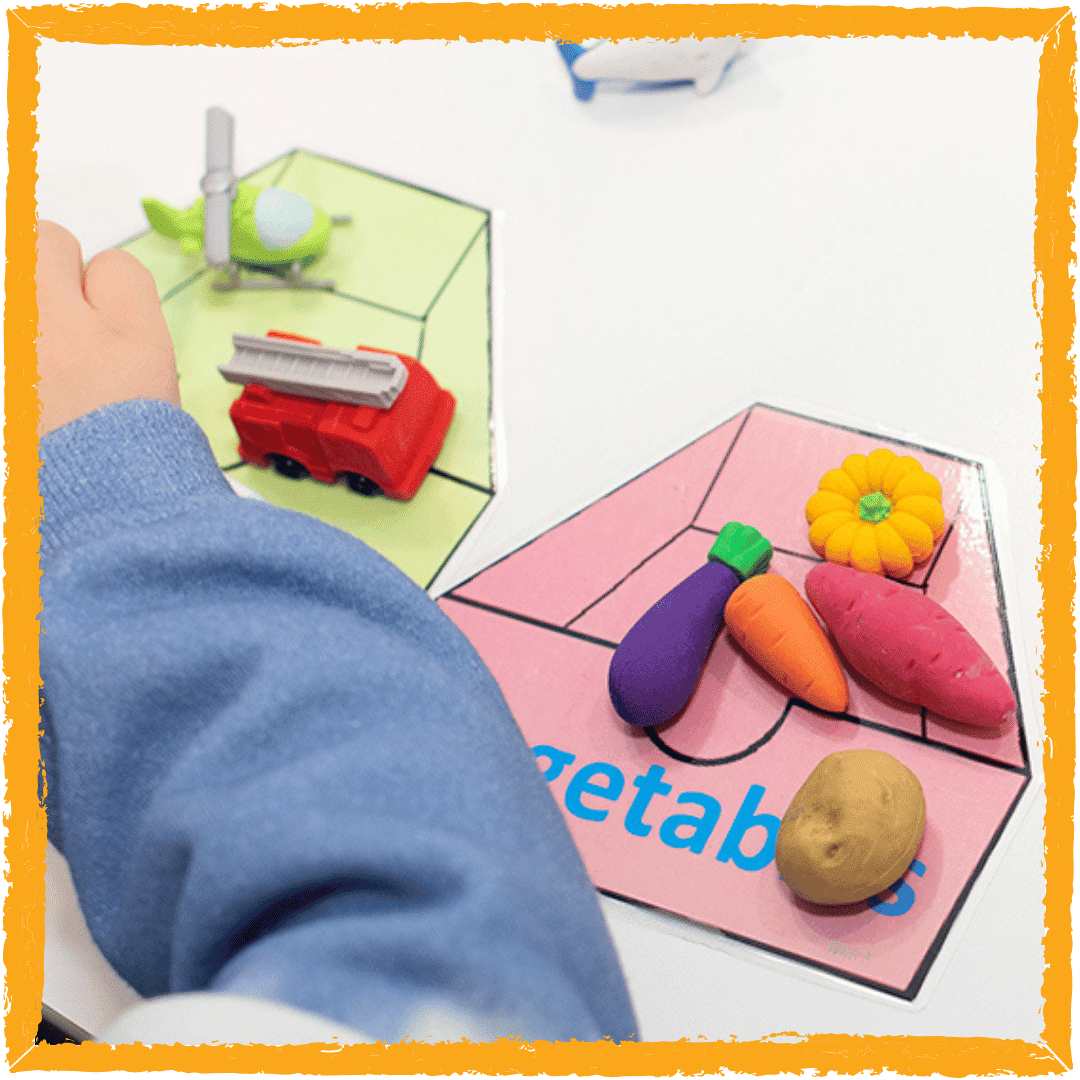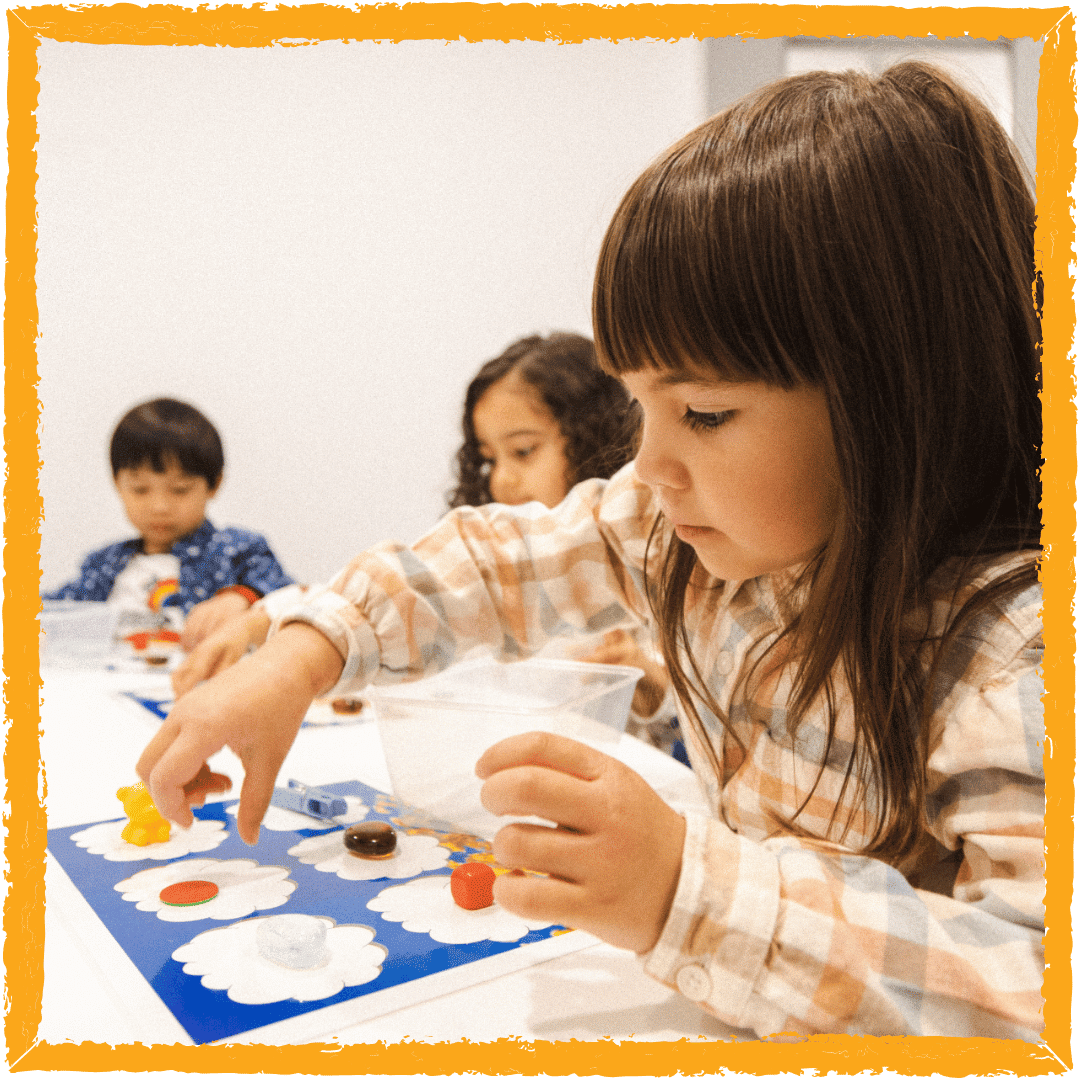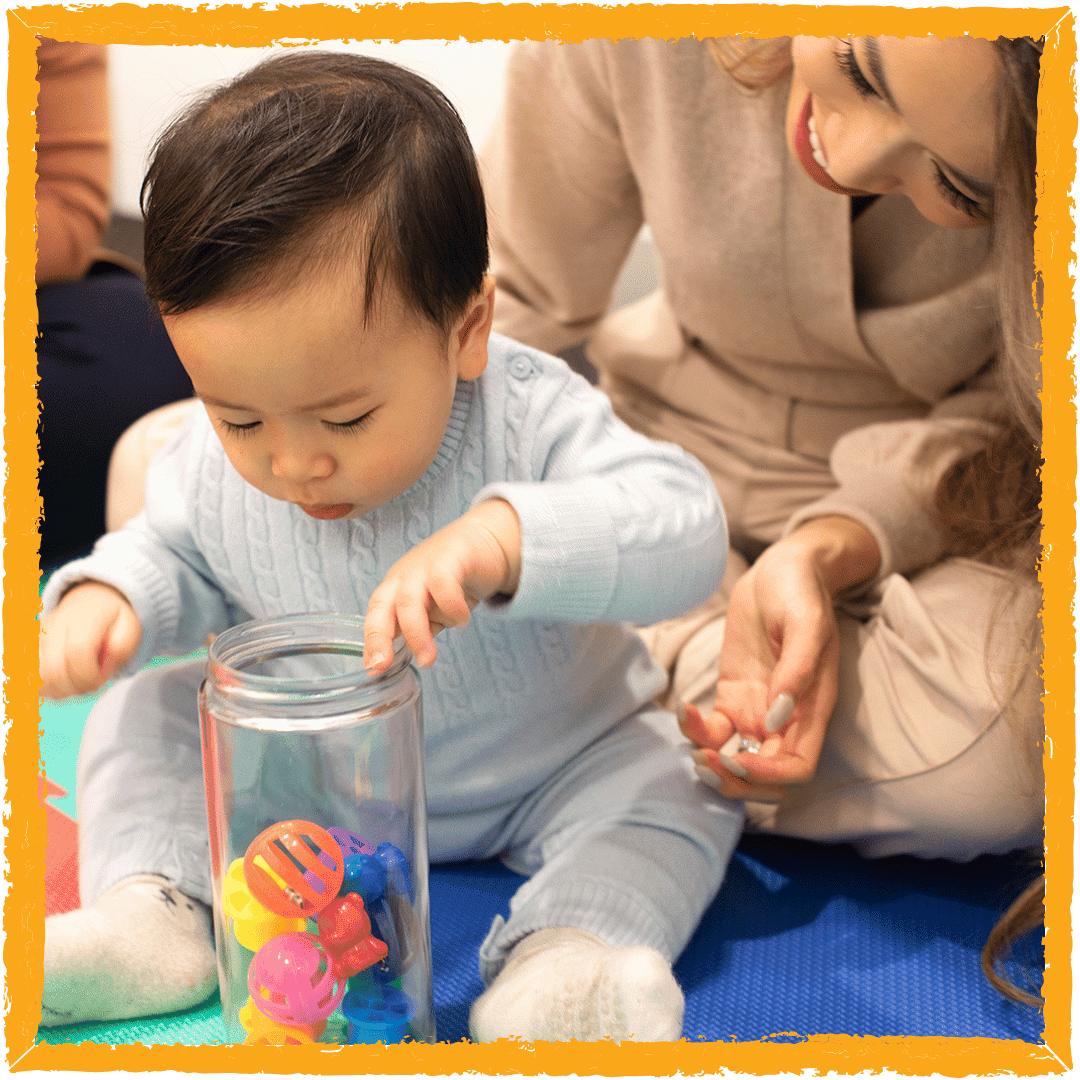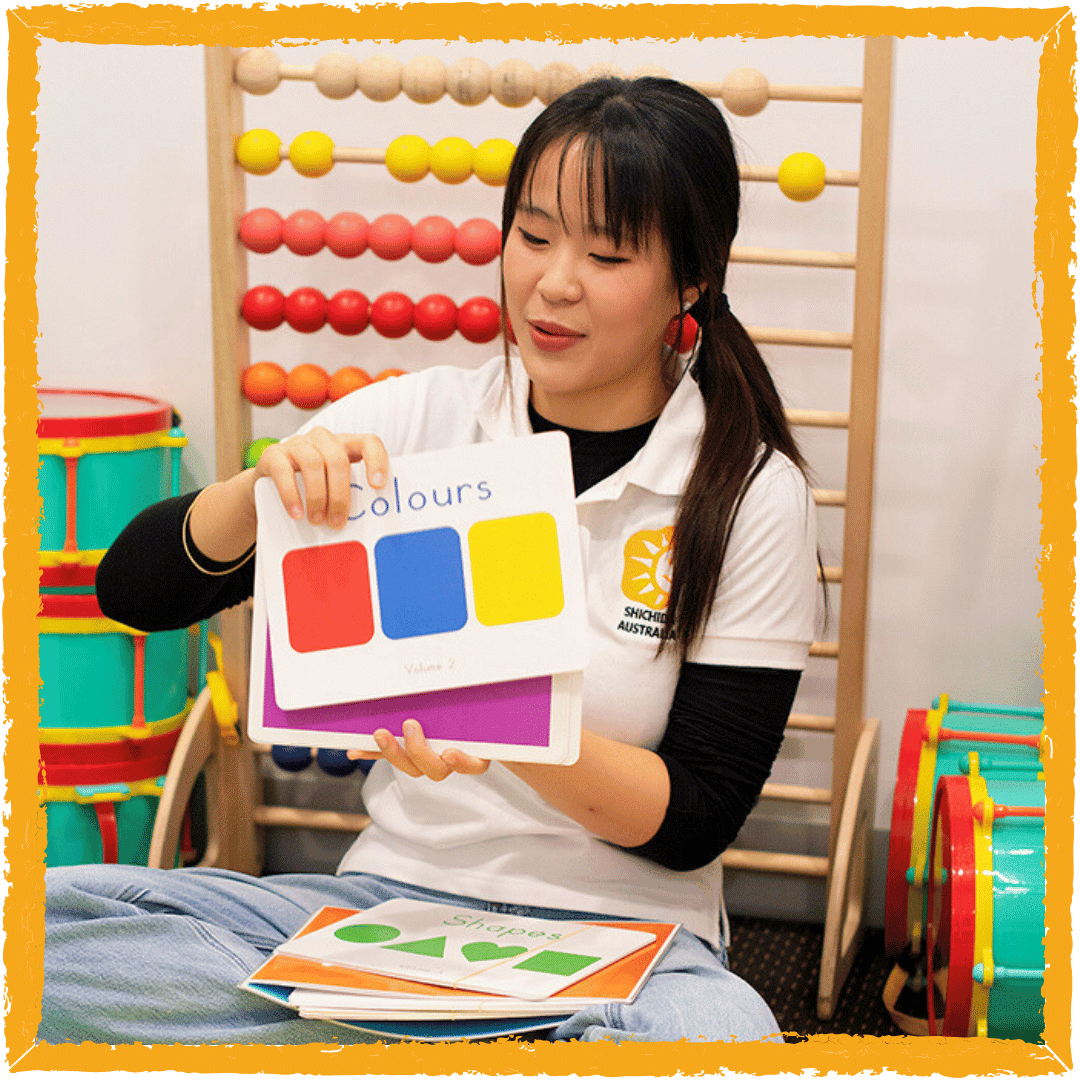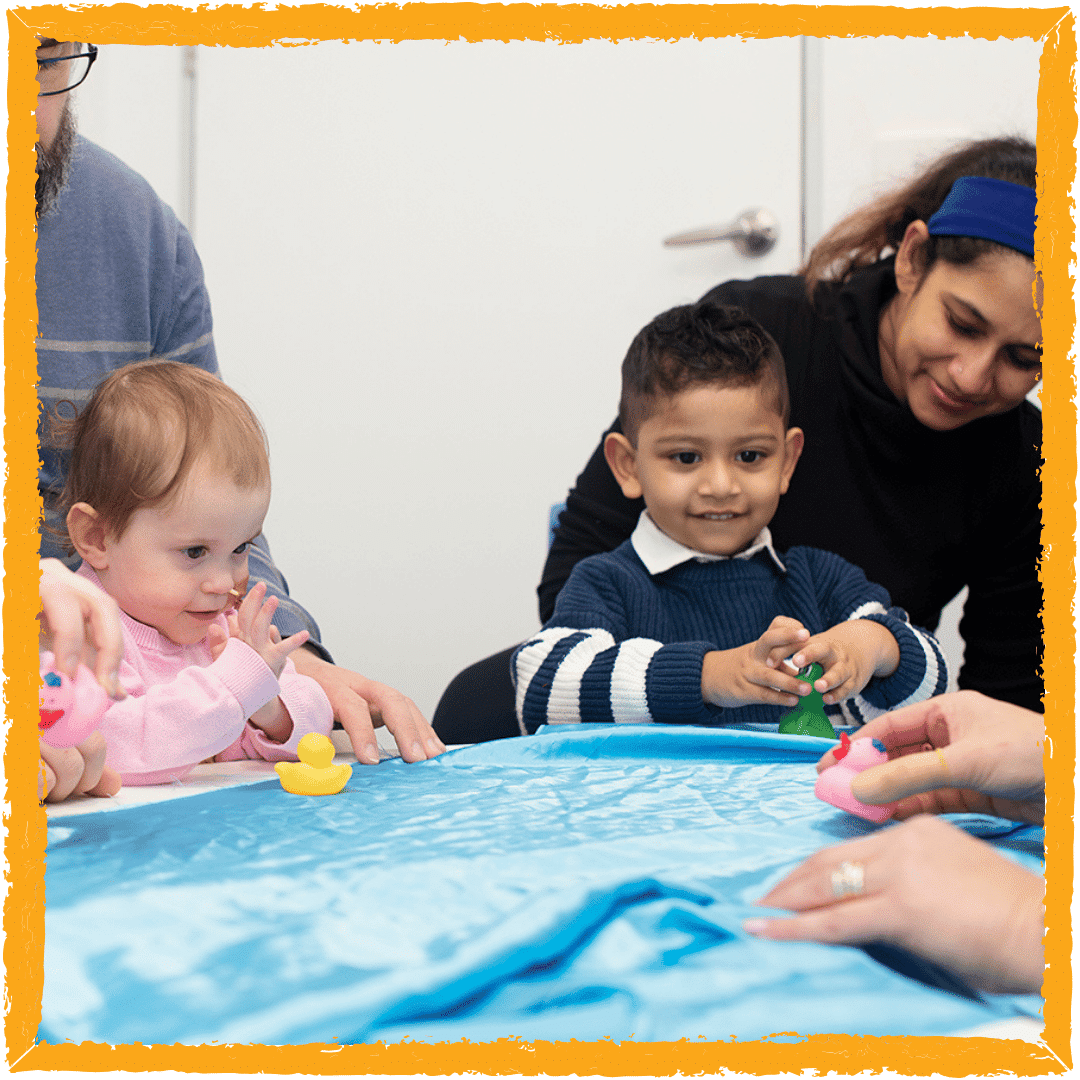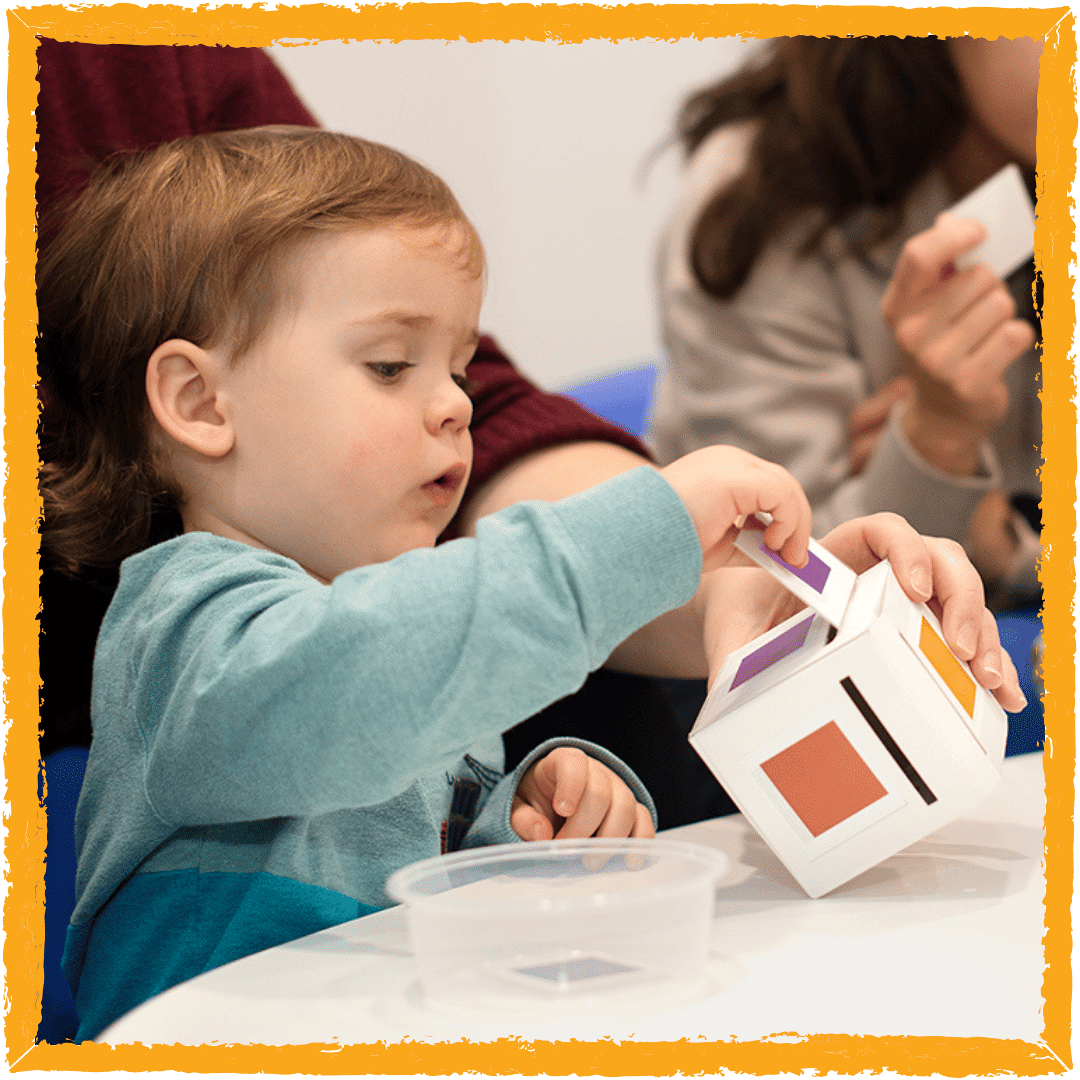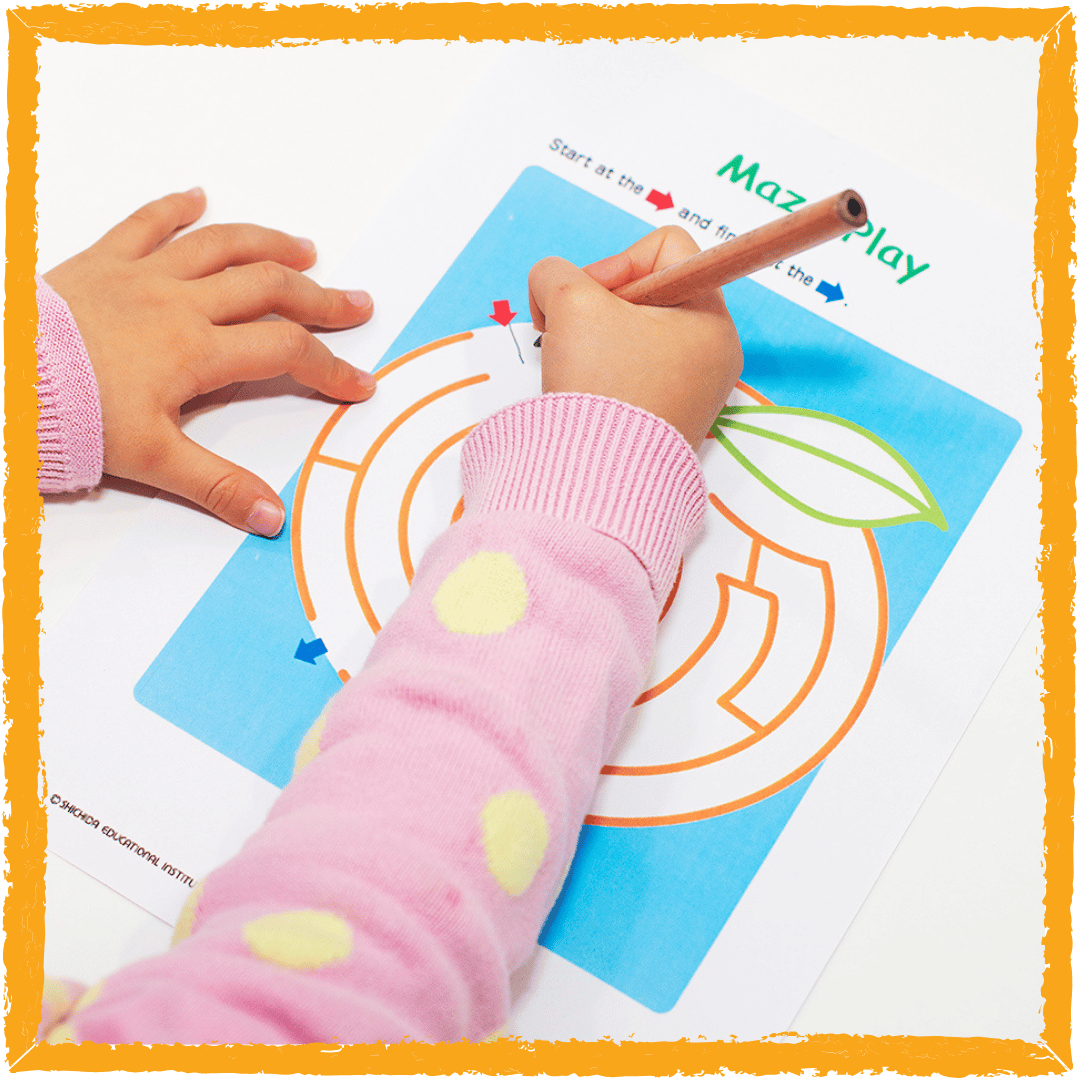
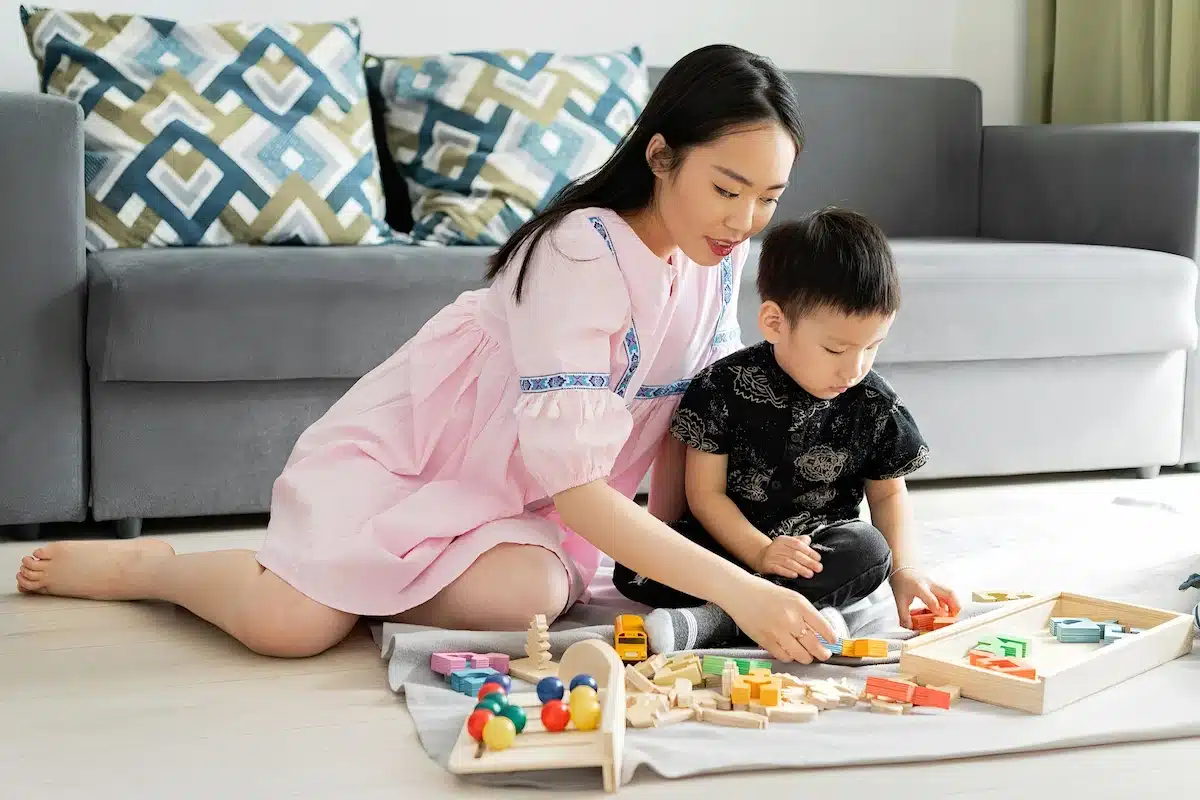
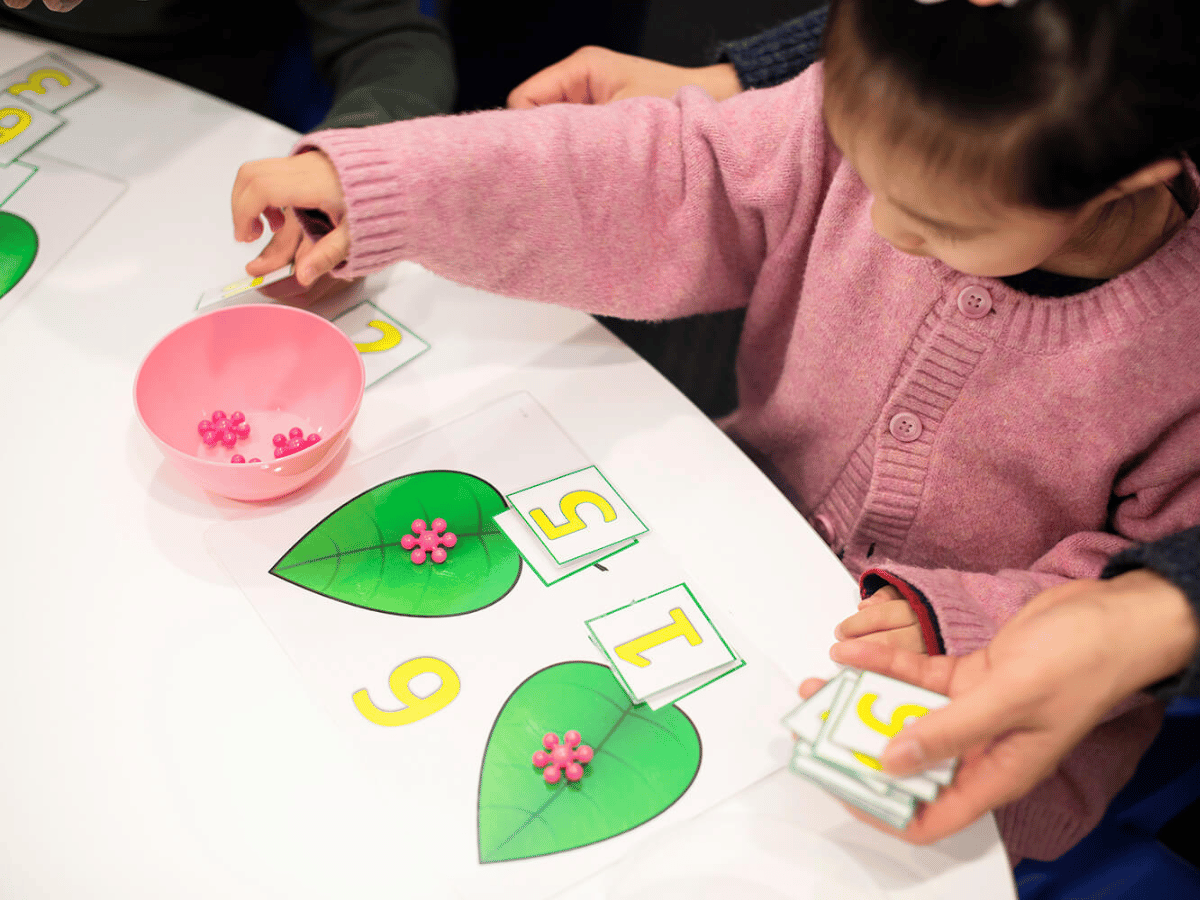
Photo from Pexels: A parent guiding their child through fun, hands-on learning activities that spark curiosity and build early thinking skills.
Cognitive Development Activities for Kids: Fun Ideas
Key Points
- Cognitive development shapes how children think, learn, and solve problems.
- Everyday play and exploration build essential brain connections.
- Activities should be hands-on, engaging, and suited to each age stage.
- Memory, focus, problem-solving, and creativity grow through play.
- Parental guidance and curiosity are key to strong cognitive growth.
Every parent wants to see their child grow curious, confident, and eager to learn! But these abilities don’t appear overnight. They develop through play, conversation, and experiences that challenge the mind in gentle, age-appropriate ways.
Cognitive development is at the heart of this journey. It shapes how children think, explore, solve problems, and make sense of the world. By introducing simple, purposeful cognitive development activities, parents can help nurture the mental foundations that support lifelong learning.
Understanding Cognitive Development in Children
What is Cognitive Development?
Cognitive development is all about how your child learns to think, understand, and reason. It includes important skills like memory, attention, reasoning, and problem-solving, the building blocks that help them make sense of the world.
You can see this growth in everyday moments. When your little one sorts blocks by colour, remembers where a toy is hidden, or asks a dozen “why” questions in a row, their brain is hard at work making new connections. These small actions are signs that your child is learning how to think, not just what to think.
Play plays a huge part in this process. When your child builds towers, tells stories, or pretends to be a superhero, they’re not just having fun – they’re strengthening logic, imagination, and creativity, all of which are essential for lifelong learning.
Stages of Cognitive Development
Psychologist Jean Piaget’s stages of cognitive development offer a helpful way to understand how thinking evolves over time:
- Sensorimotor Stage (0-2 years): Babies learn by exploring through touch, sound, and movement. Games like peekaboo or hiding toys teach object permanence and curiosity.
- Preoperational Stage (2-7 years): Preschoolers use symbols and imagination. Pretend play, drawing, and storytelling encourage creativity and reasoning.
- Concrete Operational Stage (7-11 years): Children begin to think logically about real-world situations. They enjoy solving problems and understanding cause and effect.
- Formal Operational Stage (12+ years): Older children and teens start to think abstractly, plan ahead, and reason about hypothetical situations.
For early learners, hands-on play and real-world experiences remain the most effective tools for supporting brain growth.
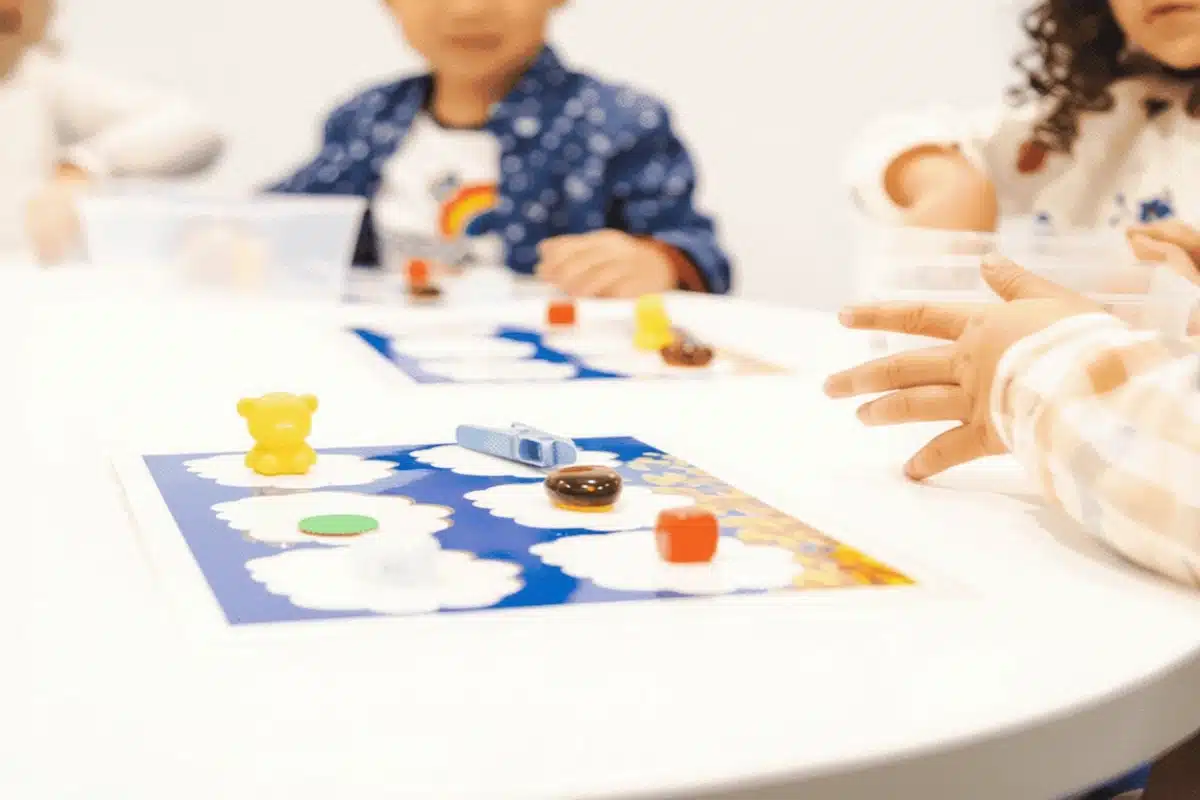
Support your child’s cognitive development with simple sensory play activities that build memory, focus, and problem-solving – download the free Sensory Play Guide.
Factors Affecting Cognitive Development
Several factors influence how your child’s thinking skills grow, including:
- Genetics: Each child develops cognitive abilities at their own pace.
- Environment: A stimulating, safe, and language-rich environment encourages exploration.
- Nutrition: Balanced diets with nutrients like iron and omega-3s support brain development.
- Play: Both structured and unstructured play build creativity and problem-solving skills.
- Parental Involvement: Children thrive when parents talk, read, and play with them regularly.
Everyday experiences like cooking together, reading before bed, or exploring the park can act as powerful brain development activities that encourage your child’s curiosity and connection.
Benefits of Cognitive Development Activities
Academic Advantages
Simple activities like puzzles, counting, and sorting shapes build the core skills children rely on at school. These activities strengthen memory, attention, and early problem-solving – abilities that help children recognise letters and numbers, follow instructions, and stay focused in class.
When learning feels hands-on and fun, children gain confidence in their thinking and start making connections on their own. This is the real foundation of school readiness.
Social and Emotional Benefits
Play is full of emotions – excitement, frustration, joy – and each emotion or challenge teaches something valuable. Games that involve taking turns, remembering rules, or working with others help children learn patience, empathy, and emotional control.
Problem-solving challenges, like building towers or completing mazes, teach resilience. With your support, children learn that mistakes are normal and trying again is part of growing stronger.
Long-term Cognitive Growth
Cognitive activities strengthen executive function – the brain skills needed for focus, planning, and self-control. Early experiences like remembering game rules or planning how to build something help children develop mental flexibility and persistence.
These skills carry into later childhood and beyond. The patience used in early play becomes the ability to work through harder problems at school. Curious exploration now becomes a lifelong interest in learning and new ideas.
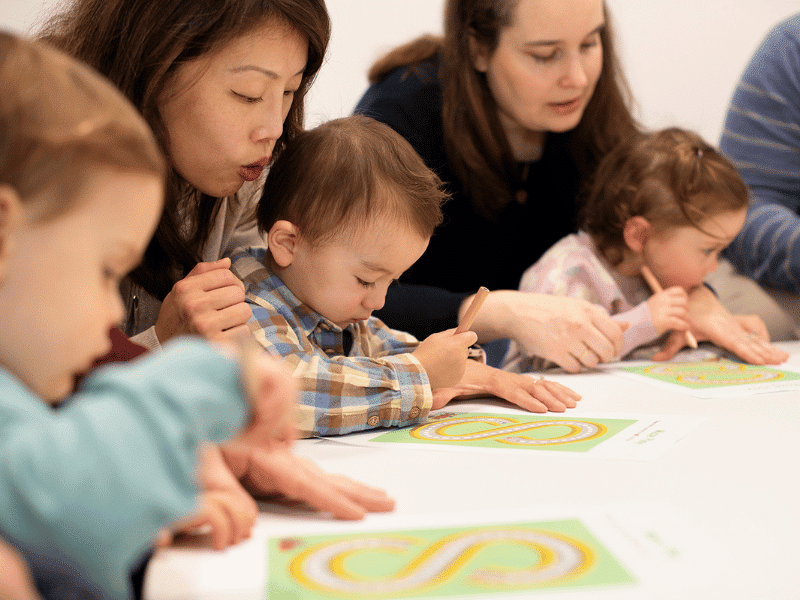
Types of Cognitive Development Activities
The best cognitive development activities are simple, hands-on, and matched to your child’s age and interests. Everyday play can create powerful brain connections when guided with purpose and encouragement.
Memory-Boosting Activities
Memory is the foundation for all learning. You can nurture it through fun, interactive games such as:
- Playing matching or memory card games to build recall and focus.
- Telling stories and asking your child to retell them in their own words.
- Setting up a “What’s Missing?” game, where one object disappears and your child guesses what it was.
Keep these sessions short, light-hearted, and positive. Celebrate effort rather than perfection. Your child’s confidence grows every time they try to remember, even if they don’t get it right the first time.
Problem-Solving Activities

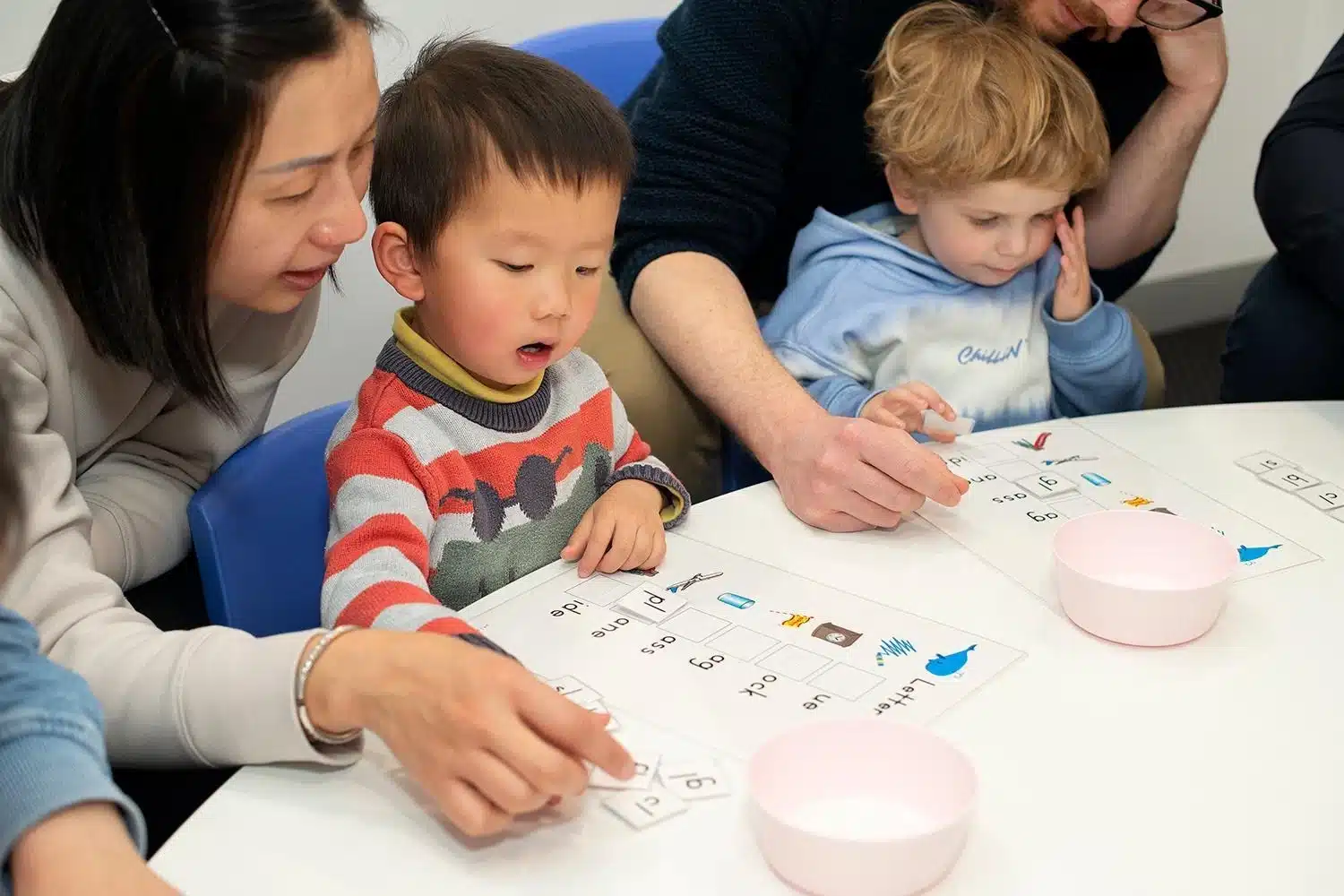
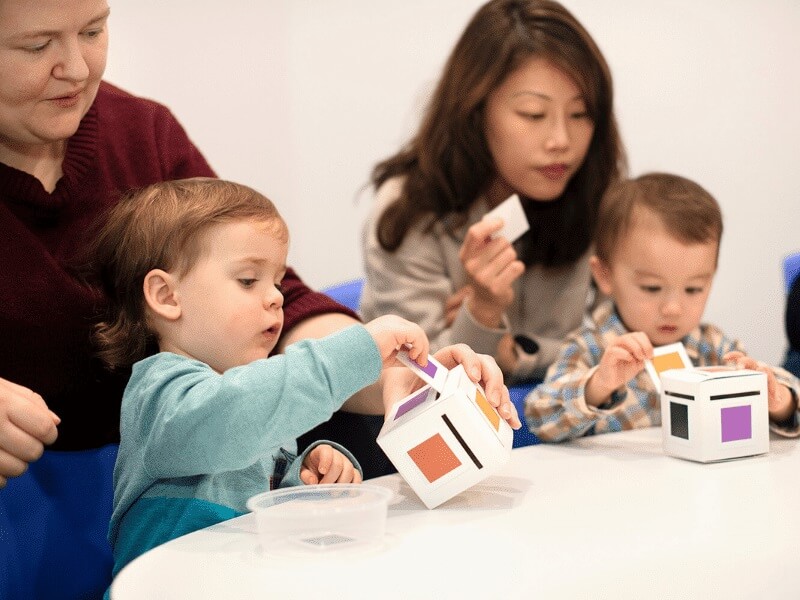
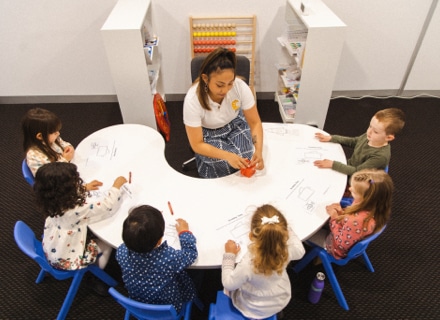
Photo from Pexels: Play-based activities like building, sorting, and problem-solving strengthen focus, creativity, and teamwork.
Children learn best by experimenting and figuring things out on their own. Encourage problem-solving through:
- Building blocks and construction toys that invite creative design.
- Jigsaw puzzles or shape sorters that require patience and reasoning.
- Simple everyday challenges, like stacking objects or balancing toys.
Ask open-ended questions such as “What might happen if you try this?” to inspire deeper thinking and imagination. Each challenge helps your child learn to plan, test ideas, and think ahead.
Language and Communication Activities
Talking, listening, and reading together help build your child’s ability to think, understand, and connect ideas. Try:
- Reading aloud daily, using expressive voices and questions about the story.
- Playing rhyming or “I Spy” word games.
- Encouraging storytelling and describing what they see in pictures or during walks.
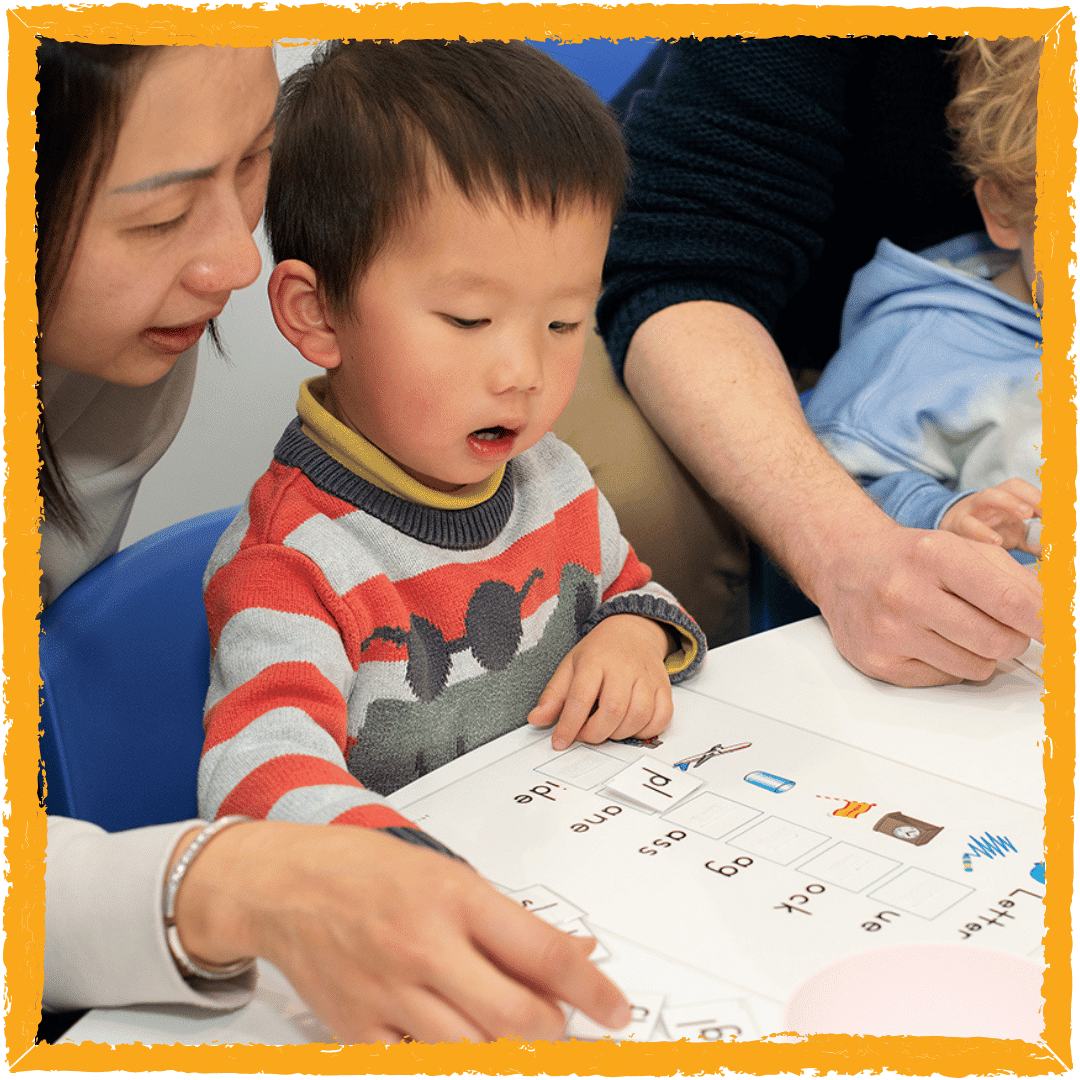
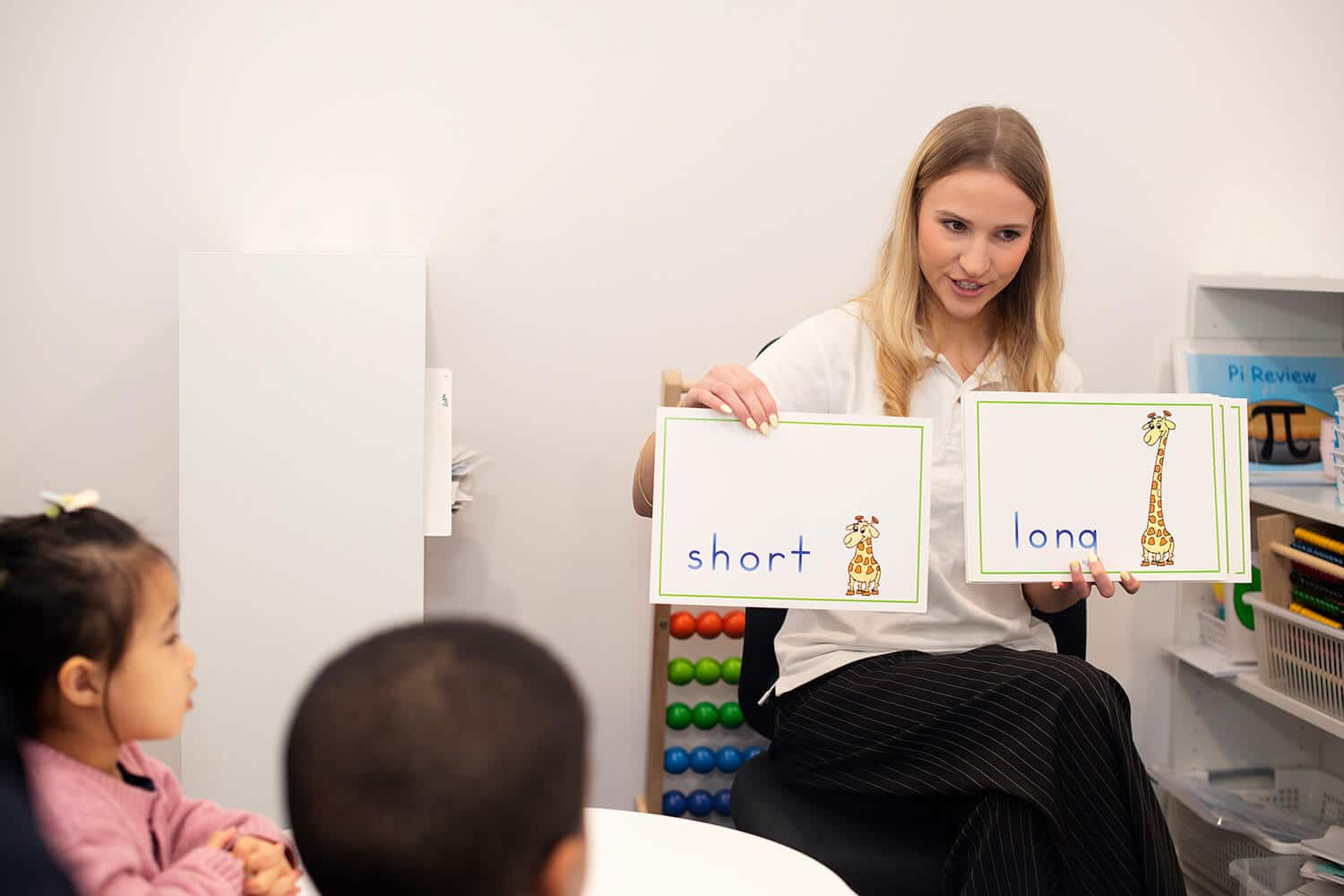
- Flashcards with basic sightwords will encourage early literacy skills.
These activities build vocabulary, strengthen memory, and nurture imagination. The more words your child hears, sees and uses, the stronger their thinking skills become.
Creative Thinking Activities
Creativity helps children approach problems from new angles and builds flexible thinking. You can encourage this by:
- Offering art activities using different textures, colours, and materials.
- Encouraging pretend play, where your child invents stories or characters.
- Asking open-ended questions like “What else could this be?” or “How would you solve that?”
Creativity goes hand in hand with logic. Both work together to help children imagine, explore, and innovate as they grow.
Attention and Focus Activities
Short bursts of focused play strengthen your child’s ability to concentrate and manage distractions. Try:
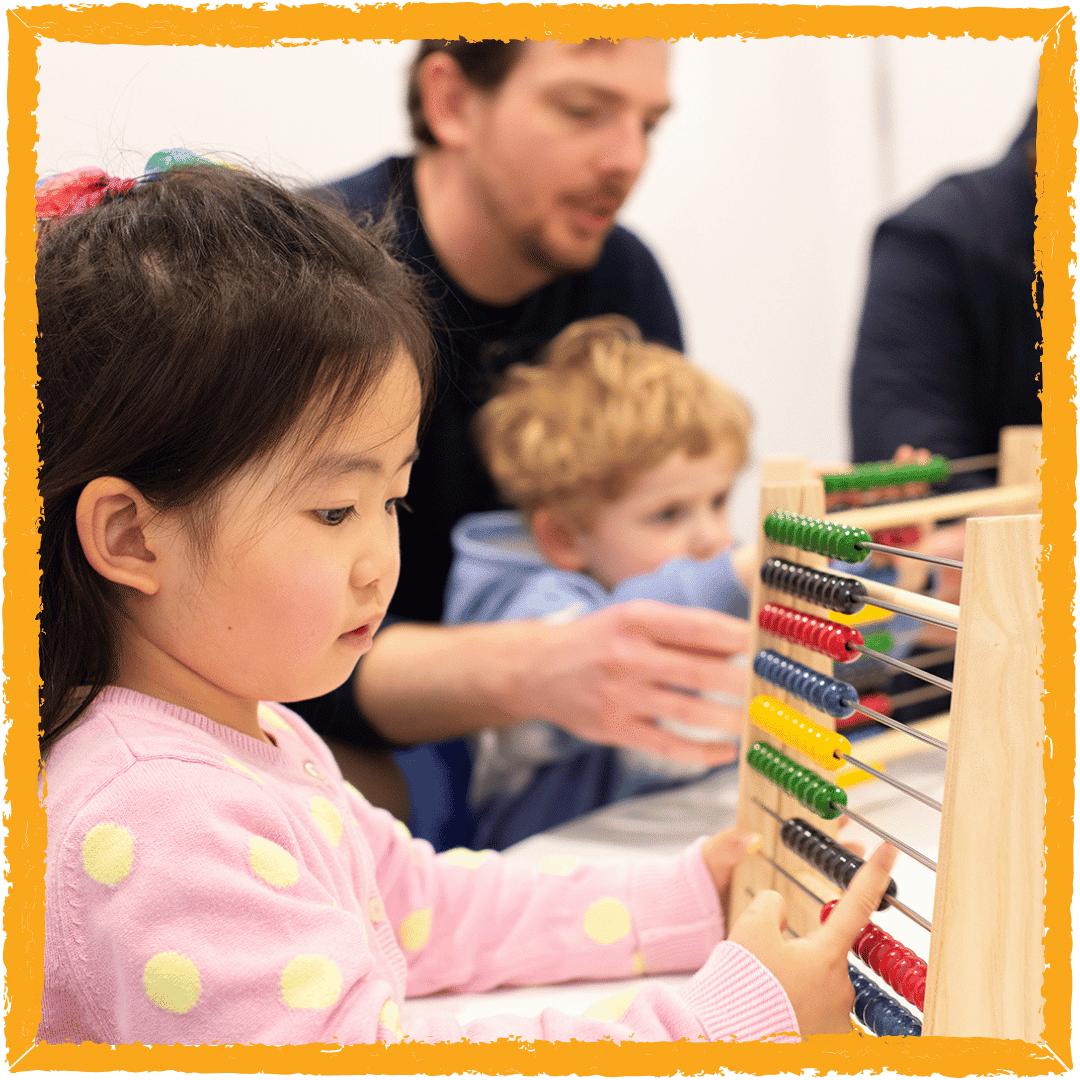
- Sorting toys by shape, size, or colour.
- Observation games such as “Spot the Difference.”
- Mindful moments like listening to sounds, feeling textures, or focusing on breathing.
Keep focus-building games short and enjoyable. Gradually increase the challenge as your child’s attention span grows.
Physical Activities Supporting Cognitive Growth
Movement plays a big role in learning. When children move, their brains process information more efficiently. Activities that combine coordination and rhythm, such as dancing, ball games, or musical play, help build both body control and focus.
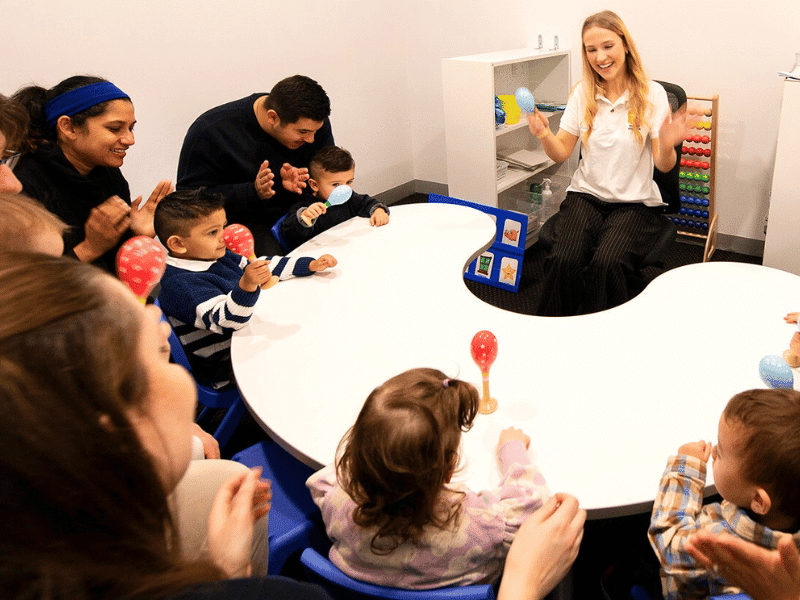
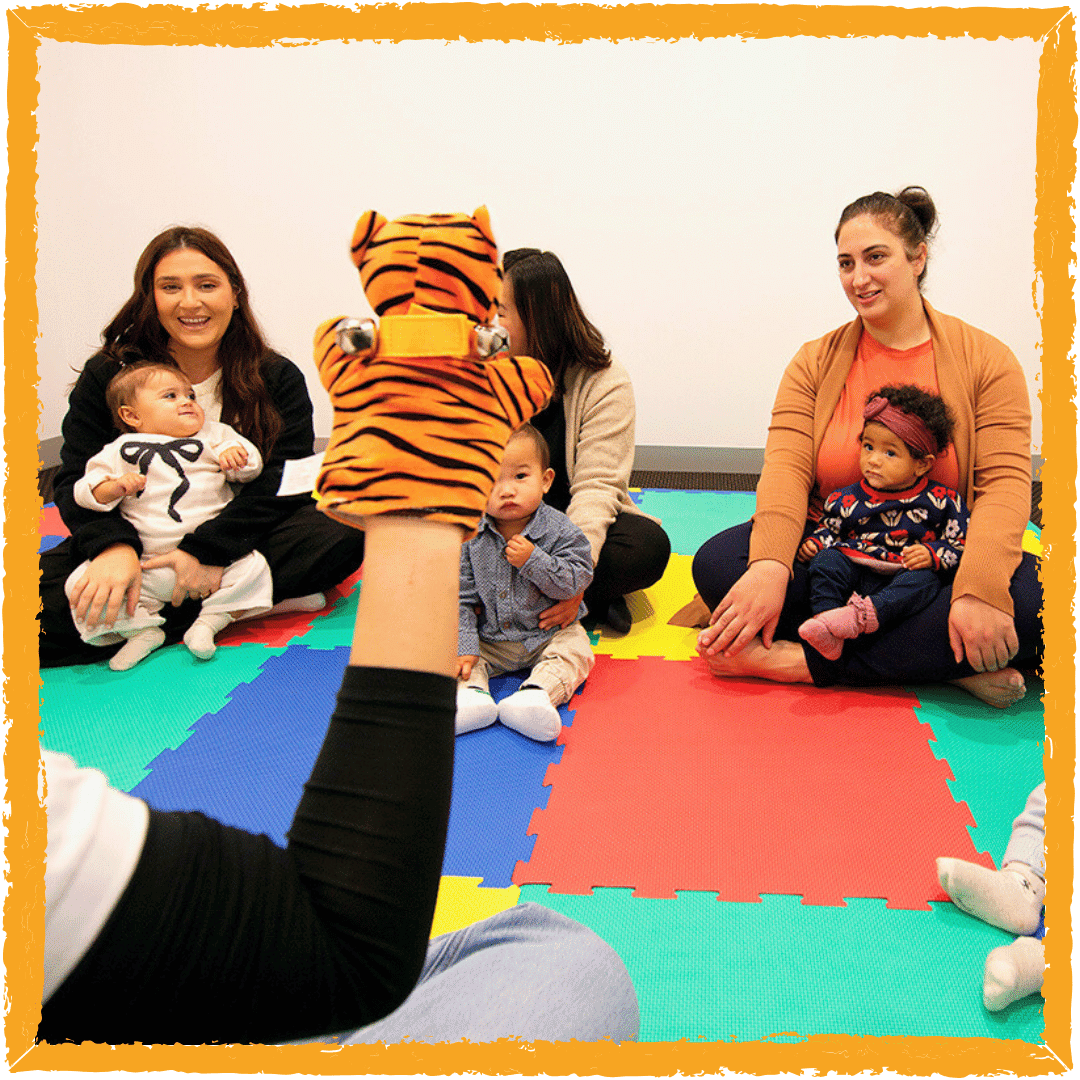
Image by Shichida Australia: Musical play in a Shichida toddler class – practising rhythm, paired with fun educational songs.
How to Implement Cognitive Activities at Home
Daily Routine Integration
Learning doesn’t need to be separate from everyday life. Cooking together teaches sequencing and measurement. Sorting laundry encourages categorisation, and grocery shopping builds counting and reasoning.
Using Play-Based Learning
Play is your child’s most powerful learning tool. Encourage open-ended play that invites curiosity and exploration. Set up pretend shops, scavenger hunts, or nature walks where your child can lead the way.
Tracking Progress and Adapting Activities
Every child develops at their own pace. Observe how your child engages with different activities. If something feels too easy, add a twist to make it more challenging. If it feels too hard, simplify it to keep confidence high.
Expert Tips for Maximising Cognitive Growth
Encouraging Curiosity and Questions
When your child asks questions, they’re practising critical thinking. Encourage this by showing genuine interest. Ask what they think and guide them to find answers together. This builds reasoning skills and confidence in their own ideas.
Balancing Screen Time and Active Play
Technology can support learning, but nothing replaces real-life exploration. Choose high-quality programs or apps, then balance them with hands-on play and outdoor activities. Movement, conversation, and imagination fuel brain development in ways screens can’t.
Collaborating with Educators
Your child’s teachers share your goal of supporting curiosity and growth. Talk with them about what your child enjoys and struggles with. Consistent learning approaches between home and school make development smoother and more rewarding.
Common Challenges and Solutions
Dealing with Short Attention Spans
If your child struggles to focus, keep activities short and switch between active and quiet play. Movement breaks such as a quick dance, a stretch, or a song help reset attention before returning to learning.
Motivation and Engagement Issues
Children learn best when they feel involved. Offer choices, mix up activities, and celebrate effort. When your child helps pick the game or challenge, motivation naturally increases.
Addressing Learning Differences
If your child consistently finds certain tasks difficult, it may help to speak with an early learning specialist. Every child’s brain develops at its own pace, and early support can make learning more enjoyable and effective.
The more you nurture curiosity, problem-solving, and imagination during the early years, the stronger your child’s learning foundation will be for life.
If you are a parent seeking structured, research-backed programmes that support early brain development through joyful, play-based learning, Shichida Australia offers a proven approach designed to inspire lifelong curiosity.
Book a trial class today and see how fun, engaging lessons can help your child think, create, and grow with confidence!
FAQs: Cognitive Development Activities
Activities like puzzles, sorting games, pretend play, and storytelling help strengthen your child’s thinking, memory, and problem-solving skills. These fun experiences build the foundation for learning and confidence.
You can boost memory through simple, everyday activities. Play memory games, read stories together, and ask your child to recall daily events or details. Praise effort as much as accuracy to keep learning positive.
Encourage creative thinking and reasoning with building blocks, scavenger hunts, and logic puzzles. Everyday challenges, like balancing objects or completing simple tasks, also teach problem-solving in a hands-on way.
Short, regular sessions work best. A few brief activities each day, woven into play and routine are more effective than long, formal lessons. Consistency and engagement matter more than duration.
Interactive, age-appropriate apps can support learning, but they should never replace hands-on, active play. Balance screen time with real-world exploration, conversation, and outdoor activities.
Observe how your child remembers, reasons, and solves problems over time. Celebrate curiosity and growth rather than focusing on perfection. Small improvements show that learning is happening.
If your child consistently struggles with memory, focus, or understanding compared with peers, it may be worth discussing with a paediatrician or child development specialist. Early support can make a big difference.
Provide open-ended materials and opportunities for pretend play. Encourage imagination, praise originality, and let your child explore ideas freely. Creative thinking grows when children feel safe to experiment and invent.