Building Number Sense in Kids During Early Childhood
Parents often ask our team, what are number senses? At its simplest, number sense is a child’s ability to understand, relate, and connect numbers. It’s not just about counting to ten or memorising a times table. It’s the “fluidity” a child has with numerical concepts. This allows them to see that the number 5 represents a quantity, is half of 10, and is more than 2.
Key Takeaways
- Number sense in kids is the ability to understand how numbers work, not just memorise them – forming the foundation for all future maths learning.
- Think of maths as a language, not a set of rigid rules. This shifts the focus from “getting it right” to understanding how numbers work together.
- Prioritise “subitising”, which is the ability to recognise a small group of items like dots on a die without counting them one by one.
- Use daily routines like grocery shopping or baking to show how volume, weight, and quantity apply to the real world.
What is the Number Sense Exactly?
Number sense goes beyond simple recognition. It involves five key components: number meaning, relationships, magnitude, operations, and referents for quantities. When we talk about what is the number sense in a practical way, we’re looking for a child to understand several things.
- Quantities. Knowing that “eight” can mean one group of eight items or two groups of four.
- Magnitude. Understanding concepts like larger and smaller, or more and less.
- Number Symbols. Recognising that the symbol “5” and the written word “five” represent the same amount.
- Order. Understanding placement, such as 1st, 2nd, and 3rd.
- Comparisons. Seeing that 10 is naturally less than 15 without needing to count from one.
Why Developing Number Sense in Kids Matters
Developing a strong number sense in childhood promotes confidence and encourages flexible and critical thinking. Instead of seeing maths as a hurdle, children learn to create a relationship with numbers. This prevents the maths anxiety that often carries into adulthood.
When a child lacks this foundation, they may struggle with basic tasks later in life. This includes managing money, measuring ingredients, or even time management. By supporting your child during their formative years, you help them see maths as a helpful tool rather than a source of stress.
Early Brain Development Resources
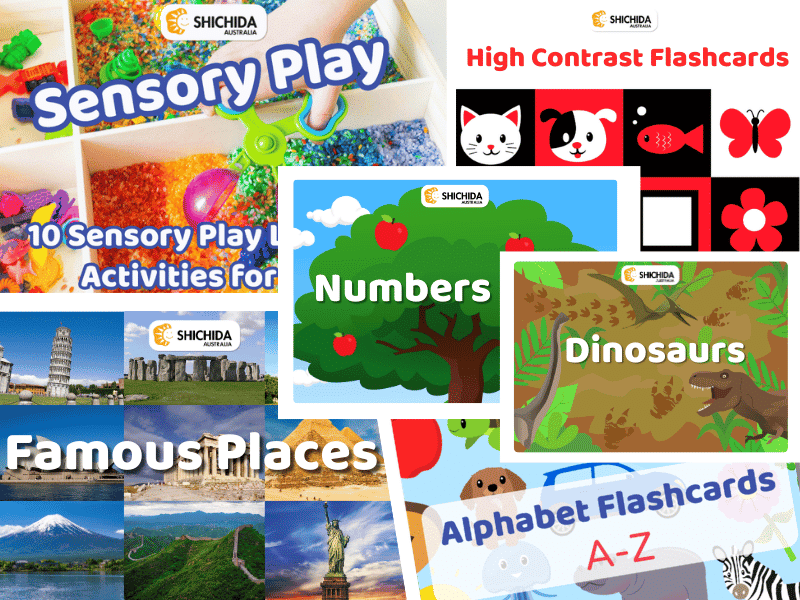
Explore free DIY resources that support early brain development at home!
Long-Term Benefits of Flexible Thinking
The benefits of building these skills early extend far beyond the classroom.
- Greater Academic Achievement. Children with strong number sense are better equipped for complex mathematics at every school stage.
- Advanced Critical Thinking. Learning to manipulate numbers helps children analyse and evaluate information in other areas of life.
- Confidence. A child who trusts their ability to decode information is less likely to panic in high-pressure learning environments.
Strategies for Building Number Sense at Home
You can help your child develop these skills through simple, hands-on interactions.
1. Use Hands-On “Manipulatives”
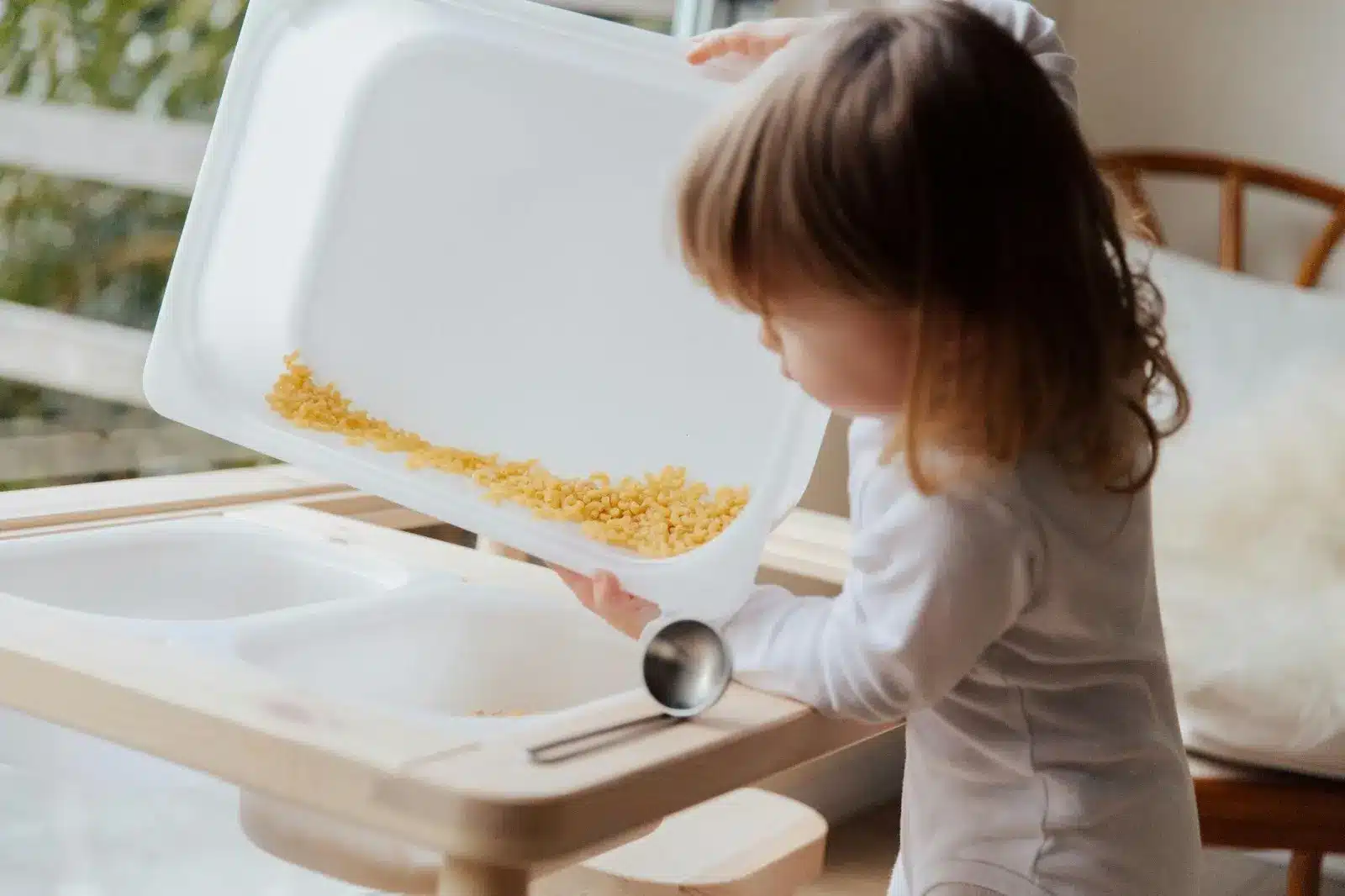
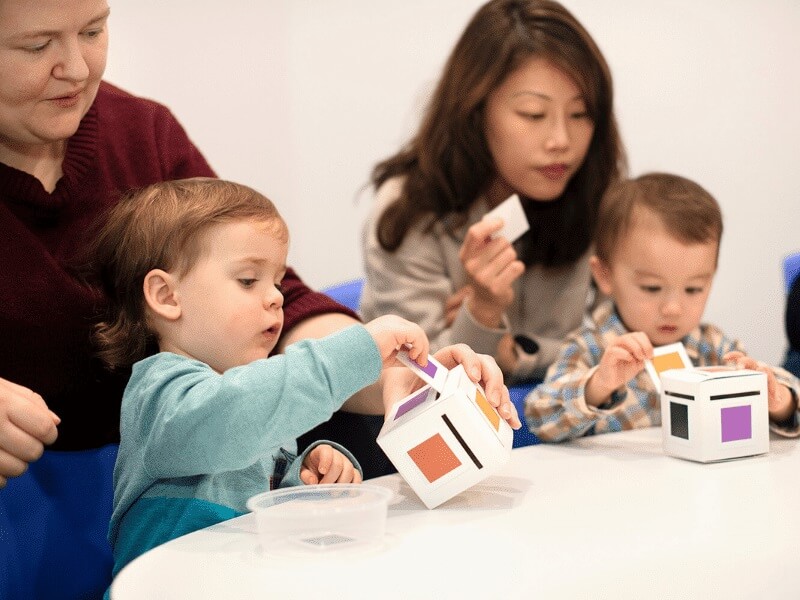
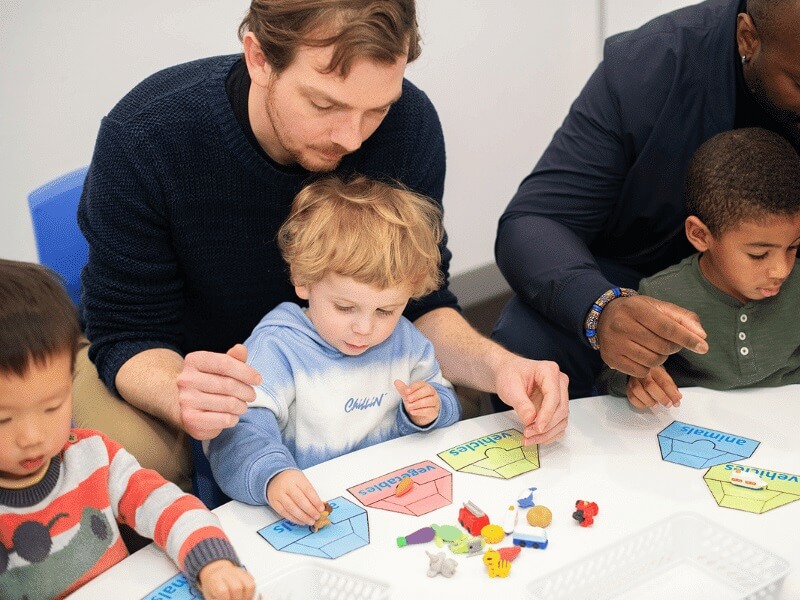
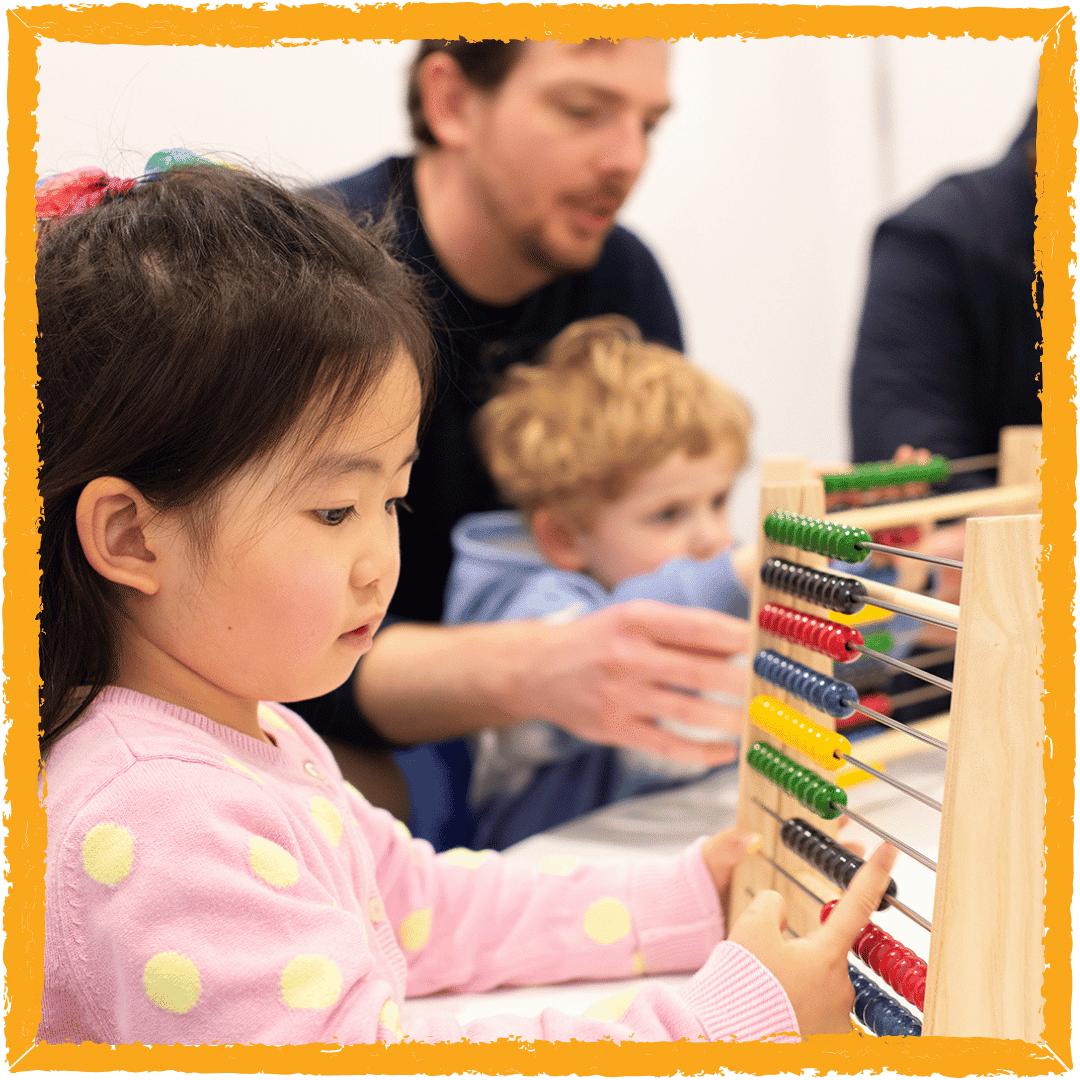
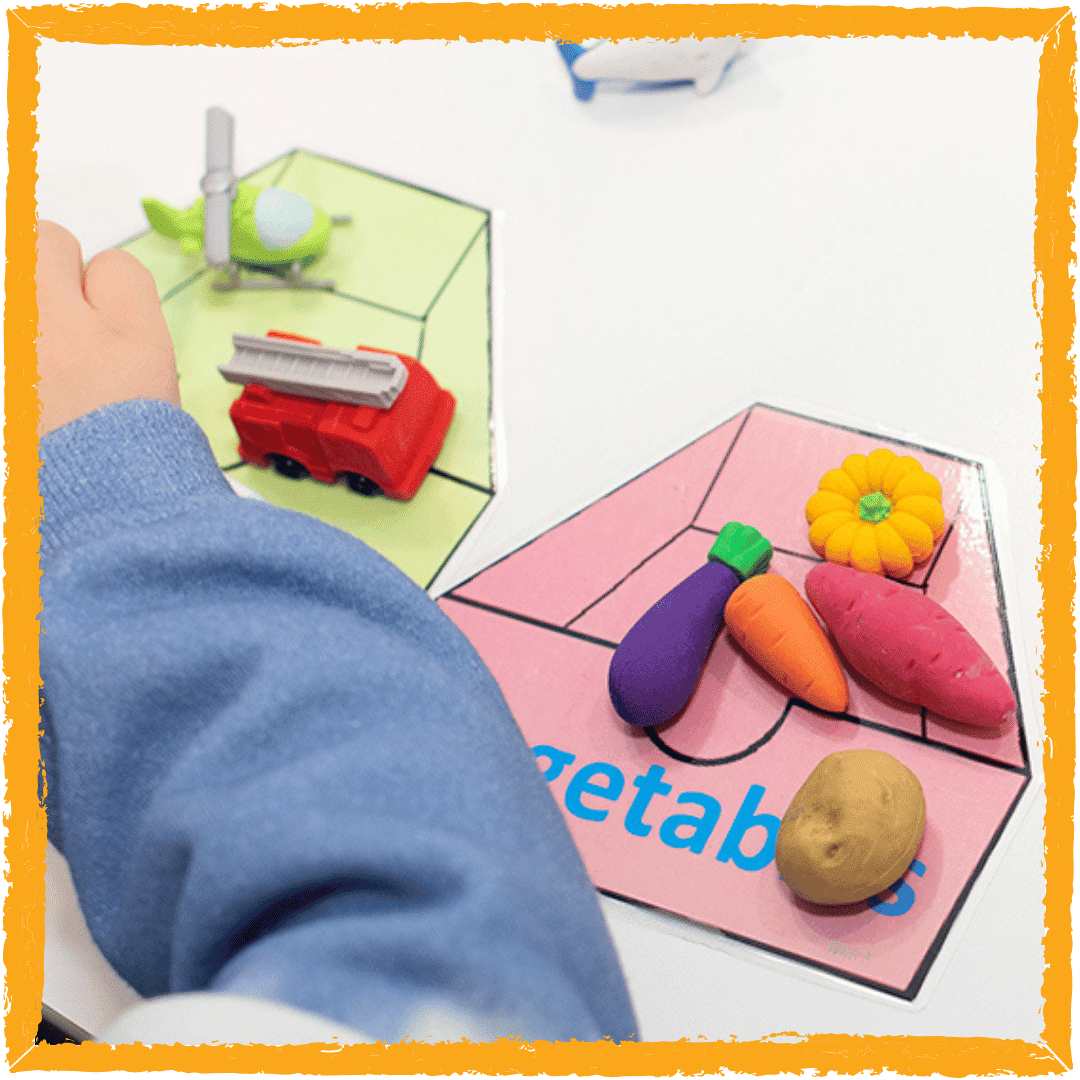
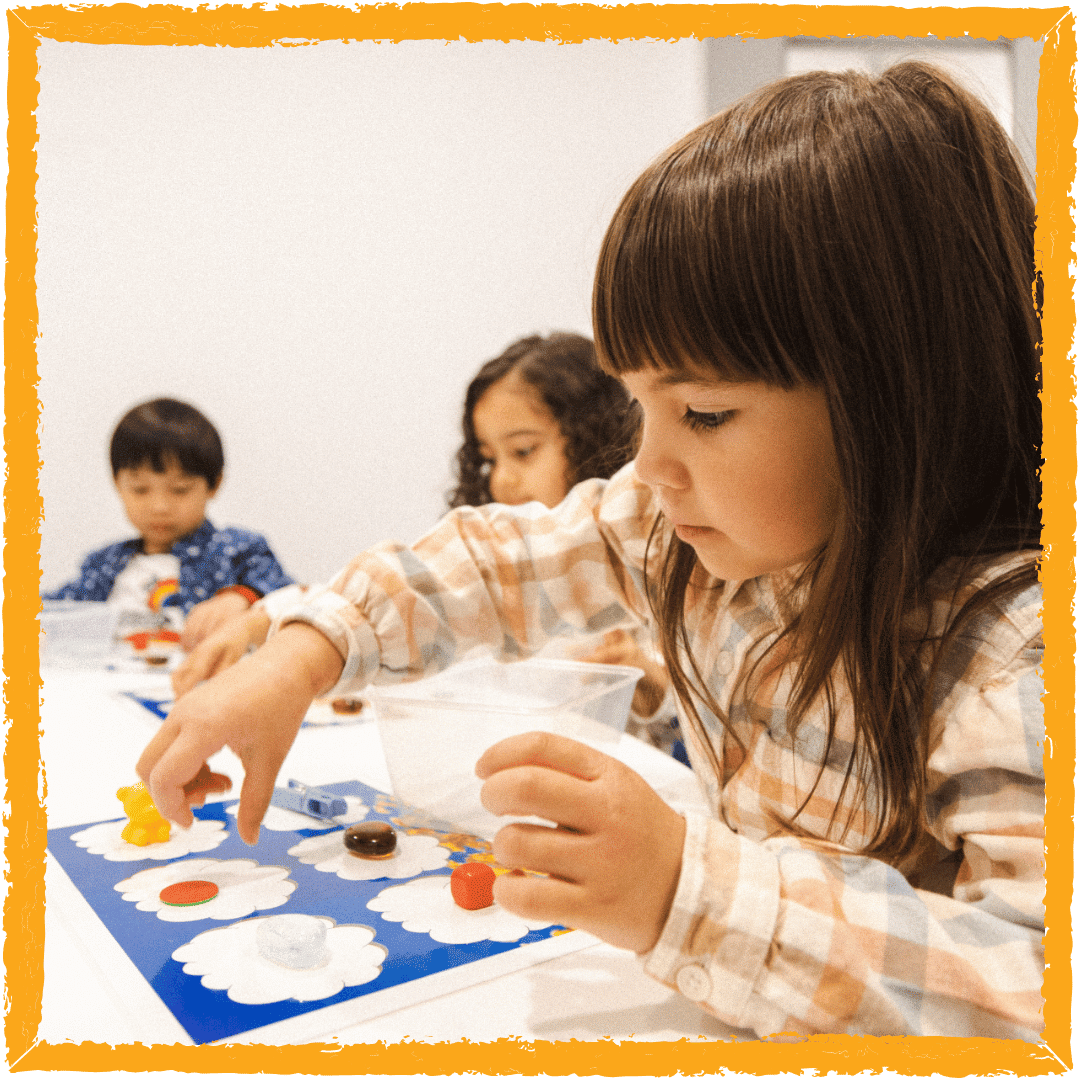
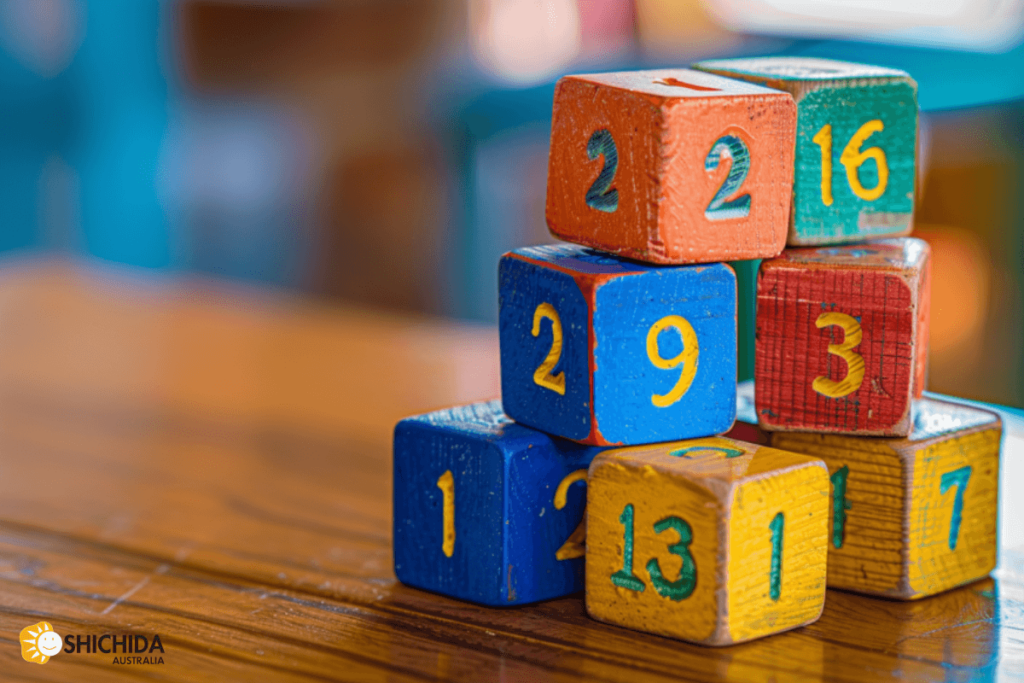
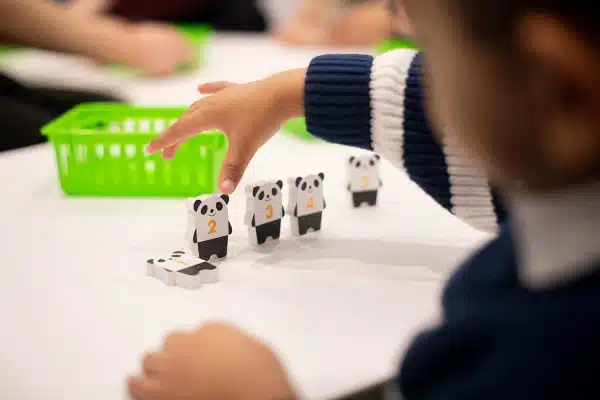
Incorporate items like counting blocks, number lines, and ten frames. You can even use Lego pieces or marbles. Ask your child to count out loud as they handle these items. This engages multiple senses and reinforces the connection between a physical object and a verbal number.
2. Contextualise with the Real World
Show your child how numbers relate to their day. While grocery shopping, ask them to help you find “three green apples” or compare the weights of two different pumpkins. When baking, let them explore fractions by measuring half a cup of flour.
3. Start “Number Talks”
Encourage discussions about patterns. You might ask, “How many minutes do we have until bedtime?” or “Do you think there are more apples or bananas in this bowl?” Sharing different ways to reach the same answer shows your child that there are multiple paths to a solution.
4. Play with Purpose
Many classic games are secret logic lessons.
- Board Games. Games like Monopoly involve mental addition and subtraction as players buy and sell property.
- Card Games. Games like UNO introduce number matching and sequencing. You can even use them to teach odd and even numbers.
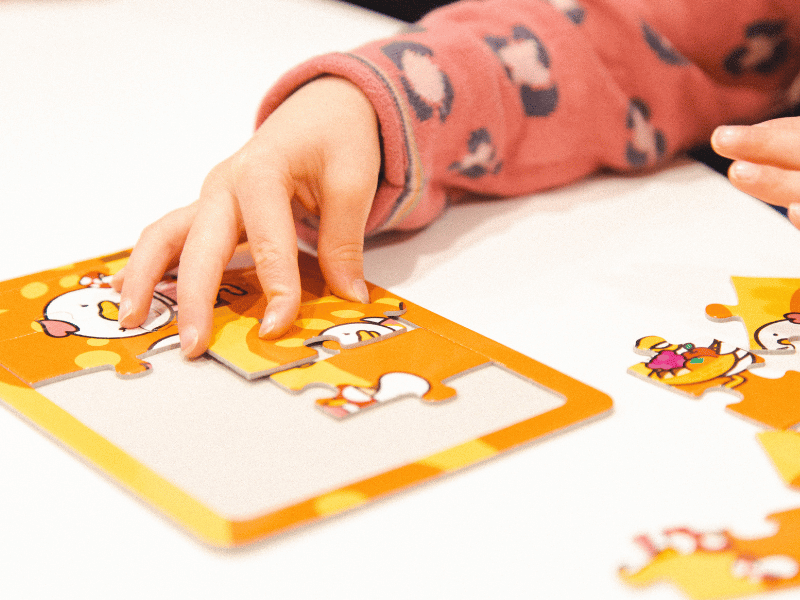
- Puzzles. These rely on logical reasoning and the ability to spot patterns.
How Shichida Builds Numerical Intuition
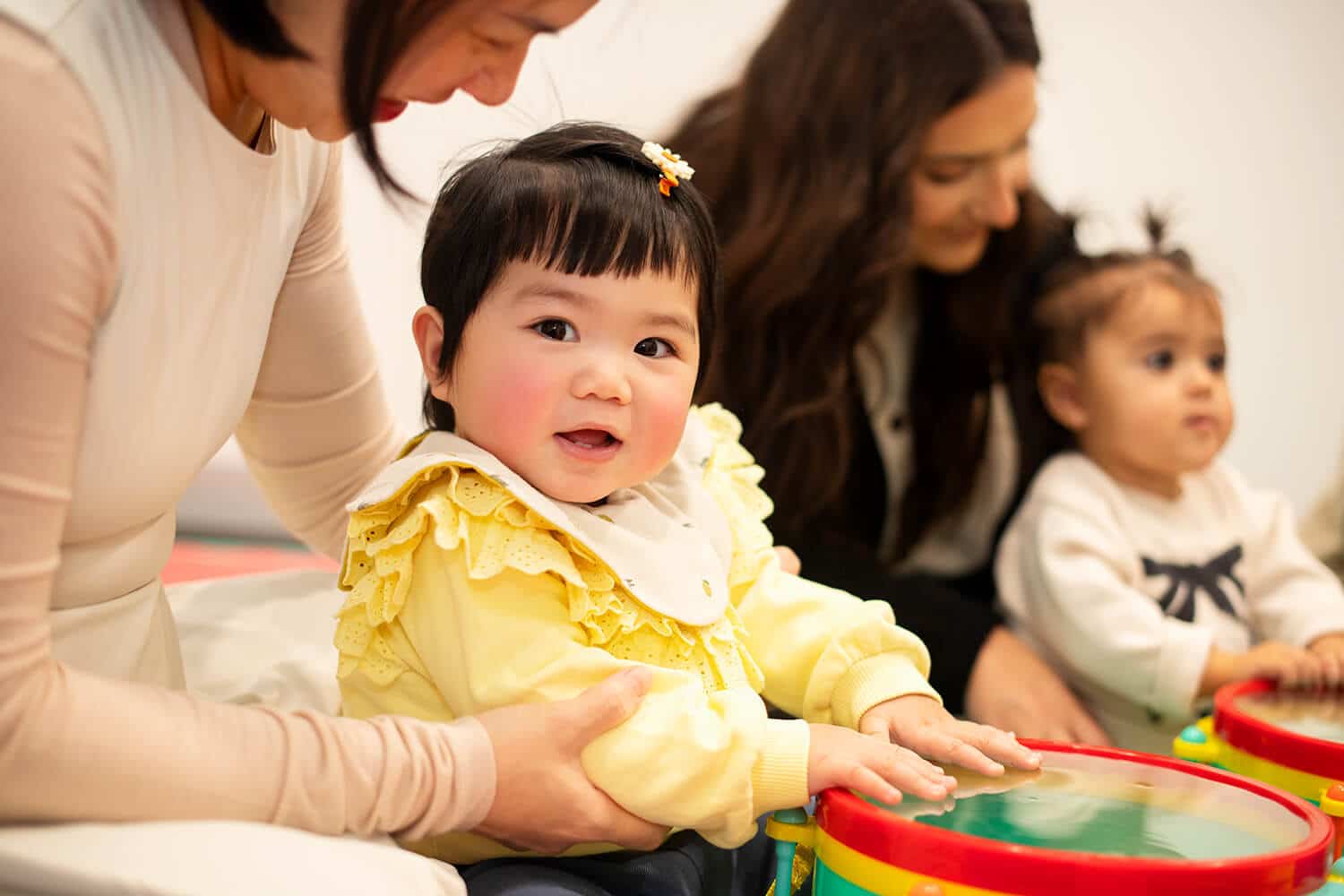
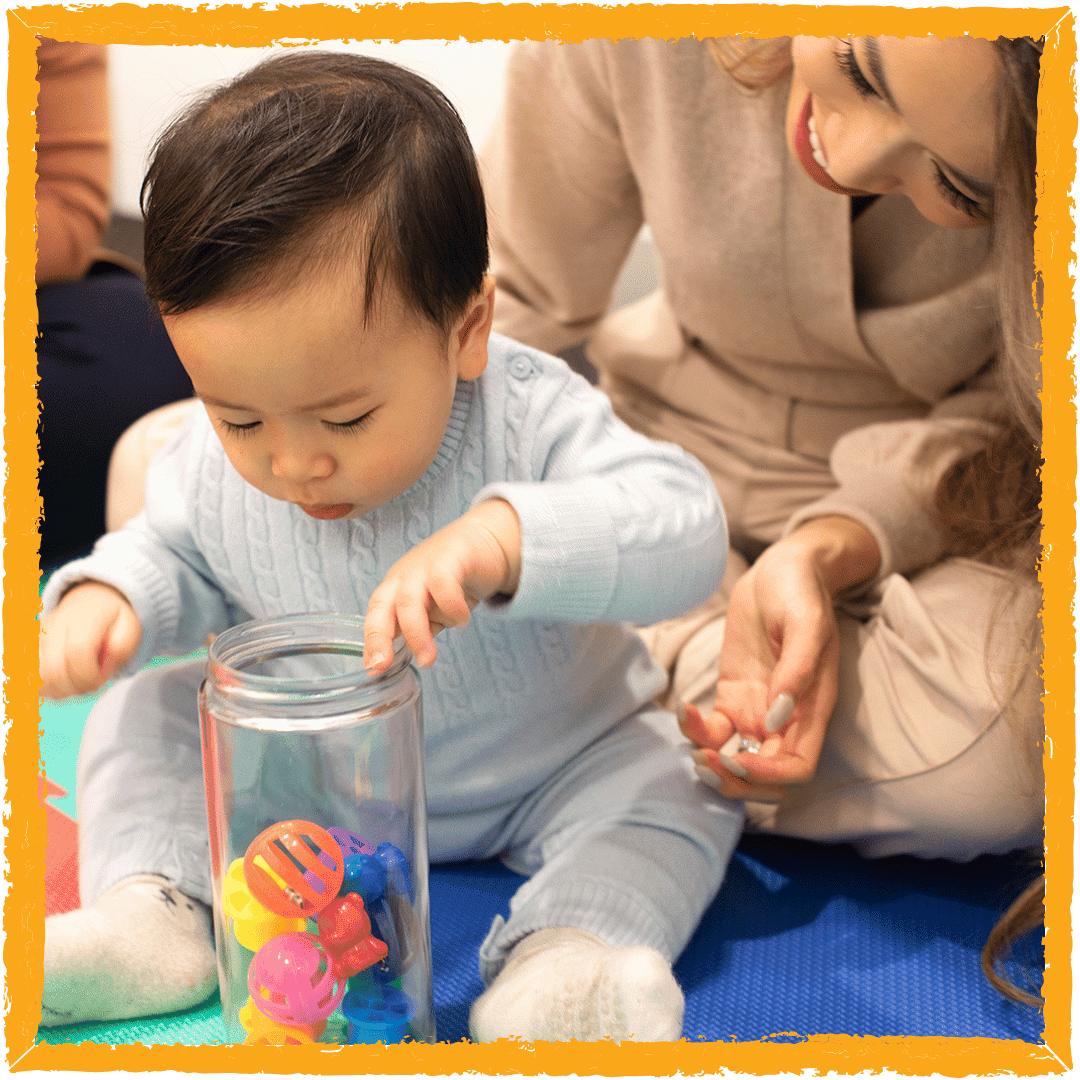
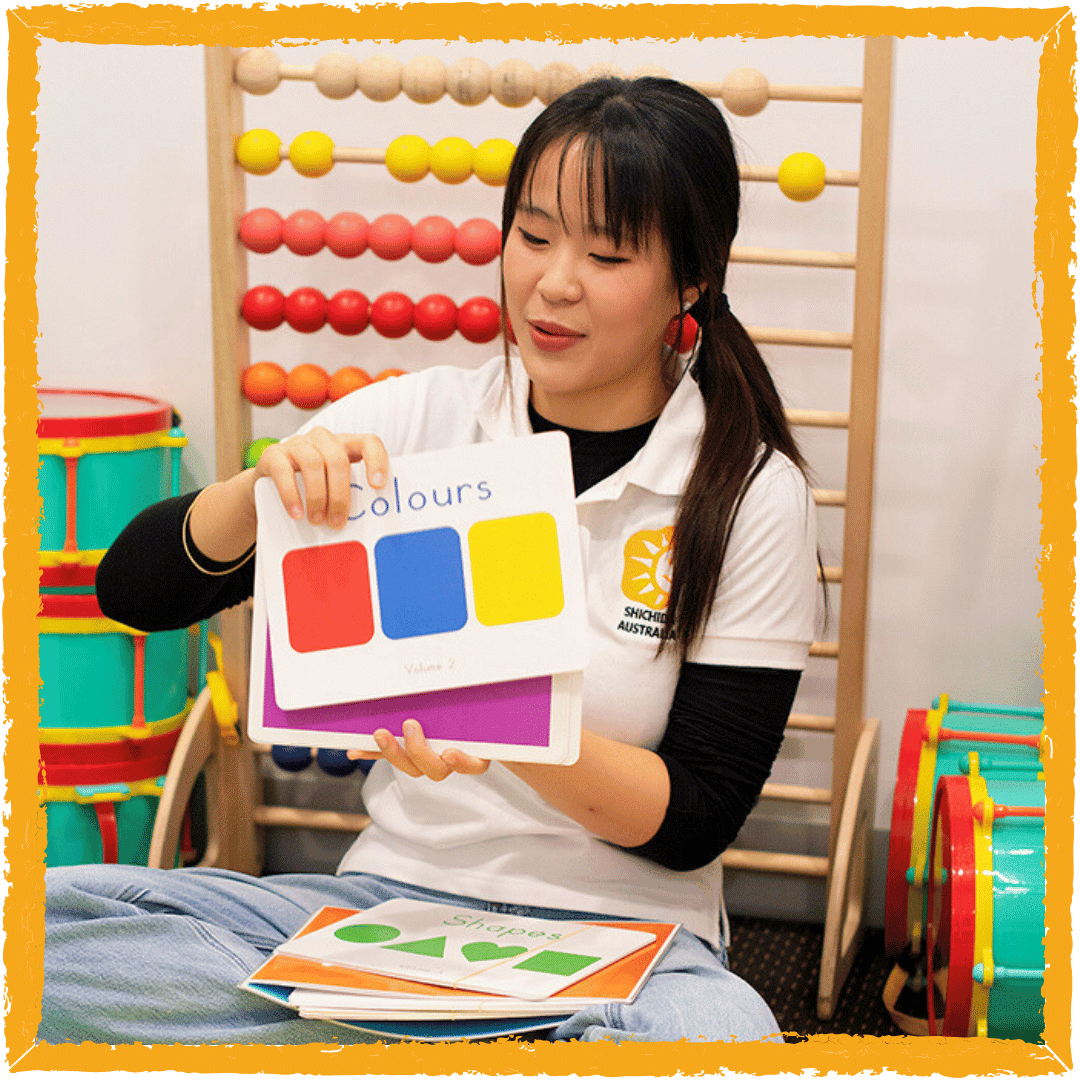
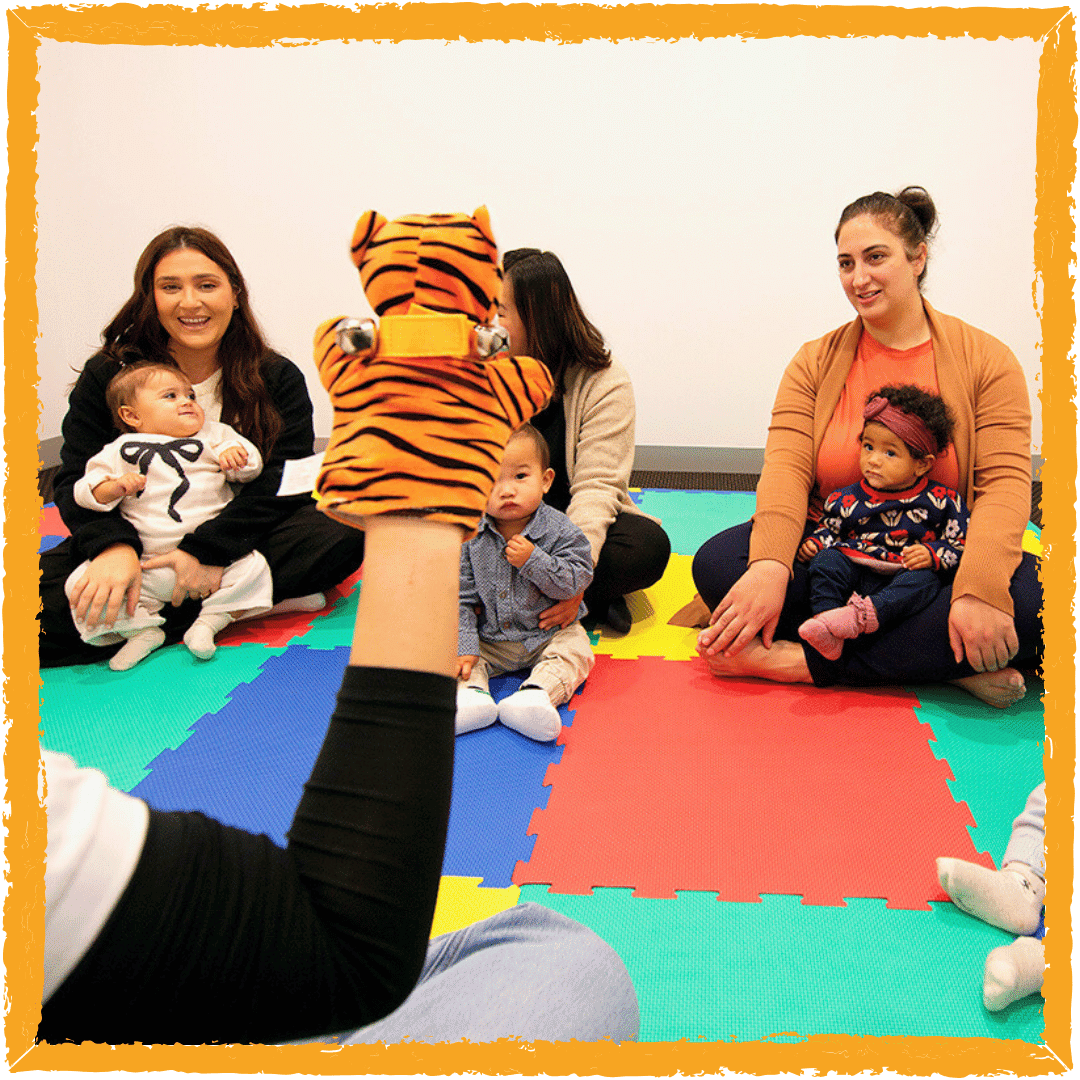
The Shichida method uses a whole-brain approach to ensure children don’t just memorise numbers but actually “feel” them. We use fast-paced visualisations and sensory play to help babies, toddlers, and preschoolers develop an intuitive grasp of quantity.
Our program is designed to be fun and engaging. We move away from repetitive drills toward a love-centred learning environment. By making maths feel like a game, we help your child unlock their full potential and build a lifelong love of learning.
The takeaway is that building number sense is about making numbers a natural part of your child’s world. Explore our fun enrichment classes and book a Shichida Trial Class today to see our method in action.
Frequently Asked Questions: Number Sense in Kids
Counting is often a memorised list of words, but number sense is the understanding of what those words actually mean. A child might count to ten but not realise that five is “half” of that set. Number sense is the deeper logic behind the counting.
You can start from infancy by simply counting objects as you touch them. By age two or three, children can begin to understand concepts like “more” or “less” and recognise small groups of objects without counting.
Look for “flexibility” in their thinking. If they can solve a simple addition problem in more than one way, or if they can estimate how many items are in a jar without being wildly off, they’re developing a healthy sense of numbers.