
Brain Rot in Children: How Screen Time Affects the Brain
Key Points:
- Brain rot is a term used to describe the real effects of excessive screen time on children’s attention, memory, and mood.
- Young brains are especially vulnerable during critical stages of early learning and development.
- Digital overload in children can lead to irritability, poor focus, and even developmental delays.
- Experts recommend limited, high-quality screen time for toddlers and young children.
- Tech-free play and creative, brain-boosting activities support healthier brain development and school readiness.
In today’s world, screen time is part of nearly every family’s daily routine. Whether we admit it or not, most parents have handed over a screen to soothe a cranky toddler or to simply grab five minutes of peace. And honestly, that’s okay.
Screens have become a modern-day pacifier, offering instant comfort when emotions run high. But behind that convenience is a growing concern: Could too much screen time actually be harming our kids’ brains? Is my child showing signs of what people online are calling “brain rot”?
While “brain rot” might sound like a dramatic label, it speaks to a very real issue – how screen time impacts developing brains. In an era where toddlers can swipe before they can walk, understanding how digital habits affect attention, behaviour, and emotional control is more important than ever.
In this article, we unpack:
- What “brain rot” really means in the context of child development.
- Why young brains are particularly sensitive to digital overstimulation.
- The common signs of screen time overload.
- And most importantly, how to protect your child’s brain health – without swearing off tech completely.
What Is Brain Rot?
Understanding the Term and Its Origins
The Slang Origins of “Brain Rot”
The term brain rot didn’t come from doctors or child psychologists – it started as online slang. It’s often used to describe that foggy feeling after hours of scrolling, gaming, or binge-watching. For children, parents might use the term half-jokingly (“He’s got brain rot from YouTube”), but beneath the humour is a genuine concern: Is too much screen time damaging my child’s brain?
What Does Science Say?
Although brain rot isn’t a clinical diagnosis, research supports the idea that excessive screen time affects brain development, especially in young children.
Studies have linked digital overload in children to:
- Shortened attention spans.
- Reduced grey matter in areas linked to emotional regulation and decision-making.
- Slower cognitive processing and problem-solving.
The early years of brain development are especially sensitive to overstimulation. That’s why setting healthy screen habits during the toddler and preschool years is so important – not just for school readiness, but for lifelong learning and wellbeing.
Why Young Brains Are Especially Vulnerable

Photo from Pexels: When gadgets replace play, children lose chances to truly connect.
Critical Windows of Brain Development
Between birth and age six, a child’s brain is in its most active phase – forming over a million neural connections every second. These early years lay the foundation for everything from language development to emotional regulation and executive functioning. But here’s the problem: too much passive screen time can crowd out essential hands-on play, movement, and real-life problem-solving – the very experiences that strengthen those neural pathways.
In other words, while screens might seem educational or calming in the moment, they may be stealing valuable time from the types of activities that truly support early learning and school readiness.
If you’re exploring brain-boosting alternatives, you might like our blog comparing different learning methods for young children – like Shichida vs Heguru.
The Role of Dopamine and Instant Gratification
Screens are designed to be addictive. Flashing colours, fast cuts, auto-play features, and catchy sounds all trigger the release of dopamine – the brain’s “feel-good” chemical. While dopamine is key for motivation, constant surges from screen time can leave children less interested in the slower, messier, more meaningful world around them.
Over time, this can create a cycle: children crave more screen time for stimulation, struggle to focus without it, and show less interest in natural, creative play. This pattern is often associated with digital overload in children and raises growing concerns about kids’ brain health.
Signs of Digital Overload in Young Children
Behavioural Red Flags
Noticing your child becoming irritable when a device is taken away? Or struggling to focus on anything that doesn’t involve a screen? These may be signs of digital overload in children. Many parents also report “brain rot” behaviours, such as hyperactivity or zoning out during normal play. If your child has trouble playing independently without a screen, this could indicate growing screen time dependency in toddlers.
Developmental Delays
Research, including findings from NewYork-Presbyterian Health Matters, shows that too much screen exposure can contribute to speech delays, reduced problem-solving skills, and weaker fine motor development. While some educational apps can support learning in small doses, they can’t replace rich, face-to-face interaction and hands-on experiences – both essential for healthy brain development in early childhood.
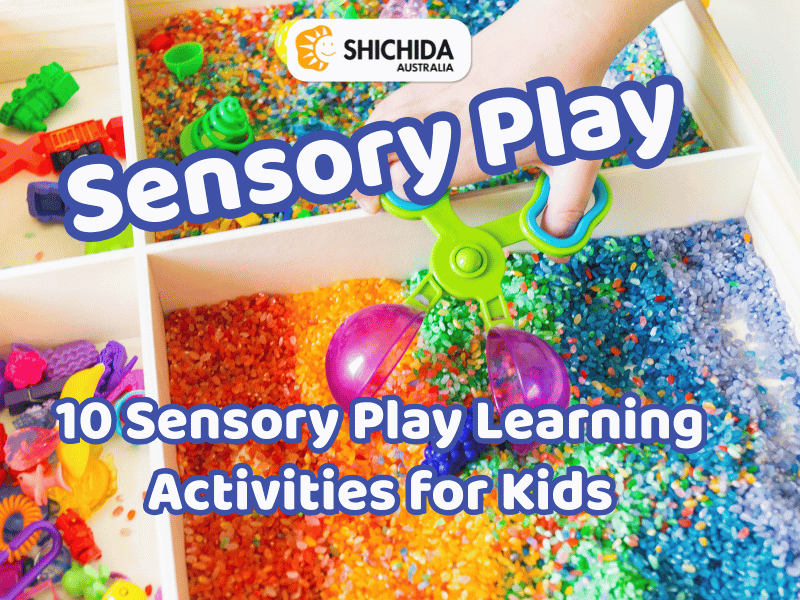
Swap passive screen time for hands-on sensory play – download your free sensory play guide to bring learning and fun back into your child’s day.
The Long-Term Impact of Screen-Driven Brain Rot
Impact on Focus and Memory
Over time, excessive screen use can affect a child’s working memory, making it harder to follow instructions, recall information, and stay on task. The brain becomes conditioned to the fast-paced, high-stimulation environment of digital media. This can make everyday, slower-paced tasks – like reading, problem-solving, or classroom learning – feel boring by comparison. These effects are at the core of what many parents now refer to as “brain rot”.
Social and Emotional Effects
Too much screen time can also interfere with social development. When interactions happen mostly through devices, children miss out on practising real-life social cues, empathy, and emotional control. This kind of digital overload in children can lead to difficulties with peer relationships, emotional resilience, and classroom adaptability – skills that are vital for school readiness.
How Much Screen Time Is Too Much?
Official Recommendations by Age
The World Health Organization’s advice for toddlers and pre-schoolers is no more than one hour per day – and ideally less. For older children, the focus should shift to finding a healthy balance and ensuring screen use is supervised and purposeful. These limits are designed to prevent digital overload in children and avoid the negative effects often labelled as “brain rot.”
Quality vs Quantity
It’s not just about how much screen time – what your child watches and how they engage matters just as much. A slow-paced, educational program watched together with a parent can support learning and connection. In contrast, hours of fast-cut, overstimulating clips without supervision can overstimulate the brain and reduce attention span.
The goal? Make screen use intentional, interactive, and age-appropriate – not a digital babysitter.
Looking for a brain-friendly screen time option?
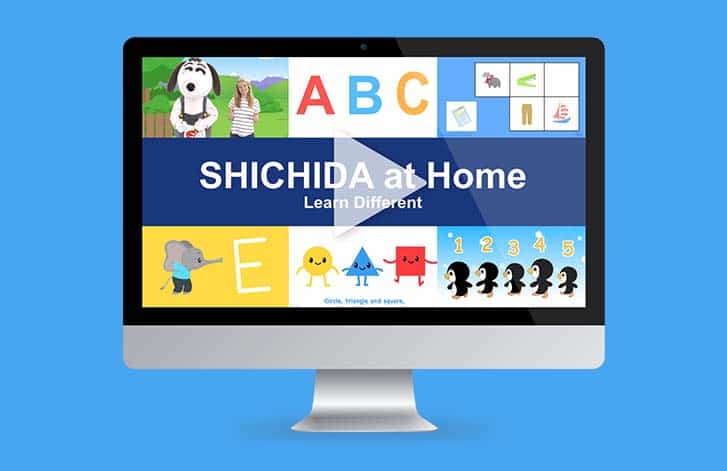
Digital educational learning programs like SHICHIDA at Home combine structured early learning with music, flashcards, and memory training – designed by experts to support cognitive development, not hinder it. They offer an interactive and age-appropriate way to use screens wisely, without contributing to screen time overload.
Healthy Brain Development Activities Beyond Screens

Photo from Pexels: Outdoor play helps protect young minds from screen time and digital overload.
Sensory Play and Open-Ended Activities
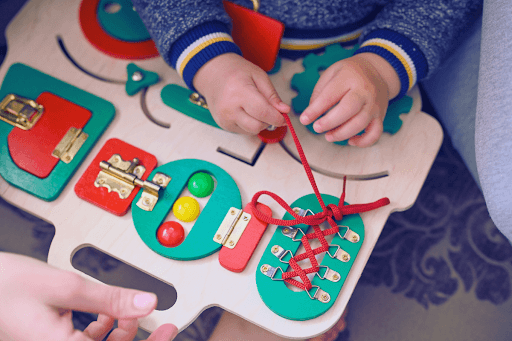
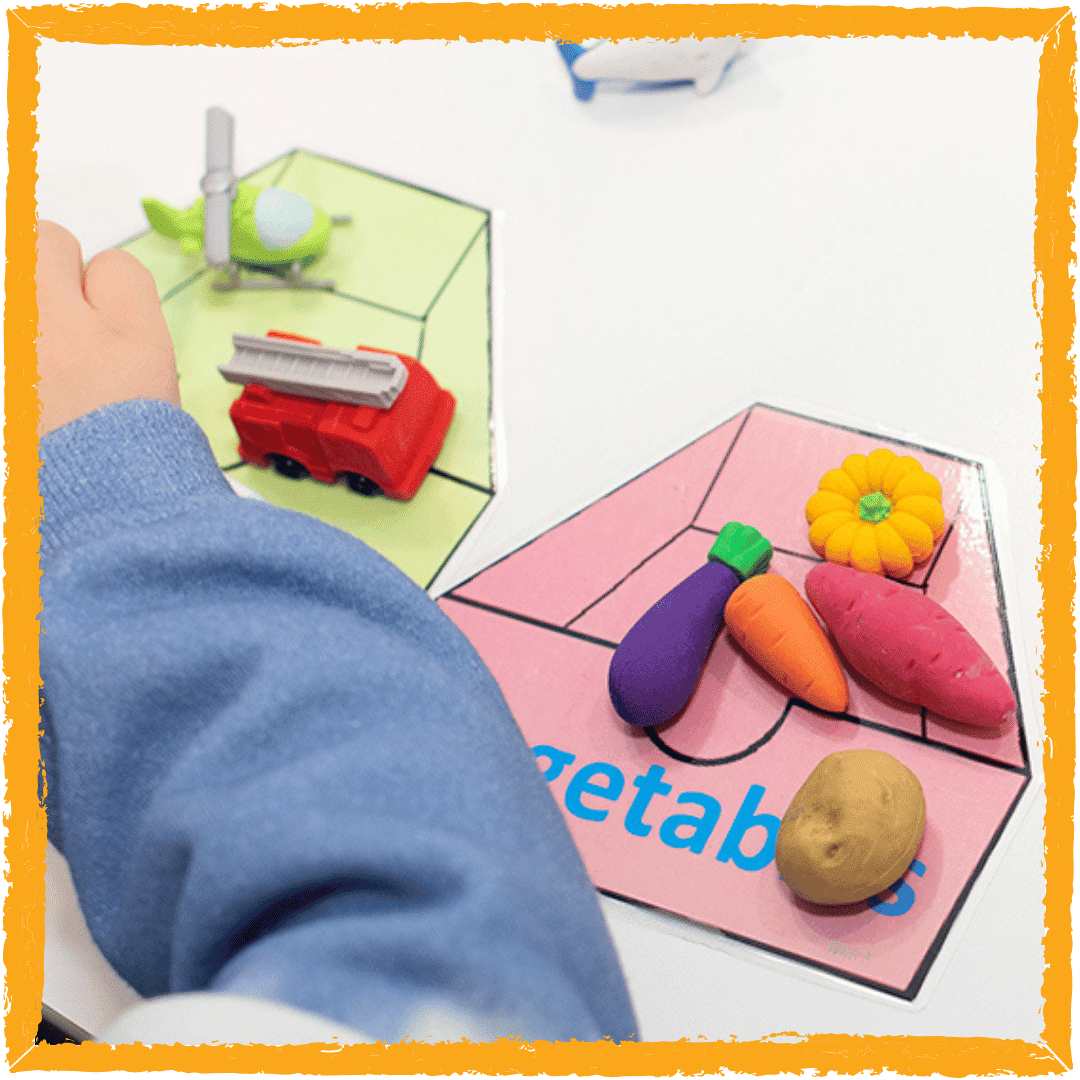
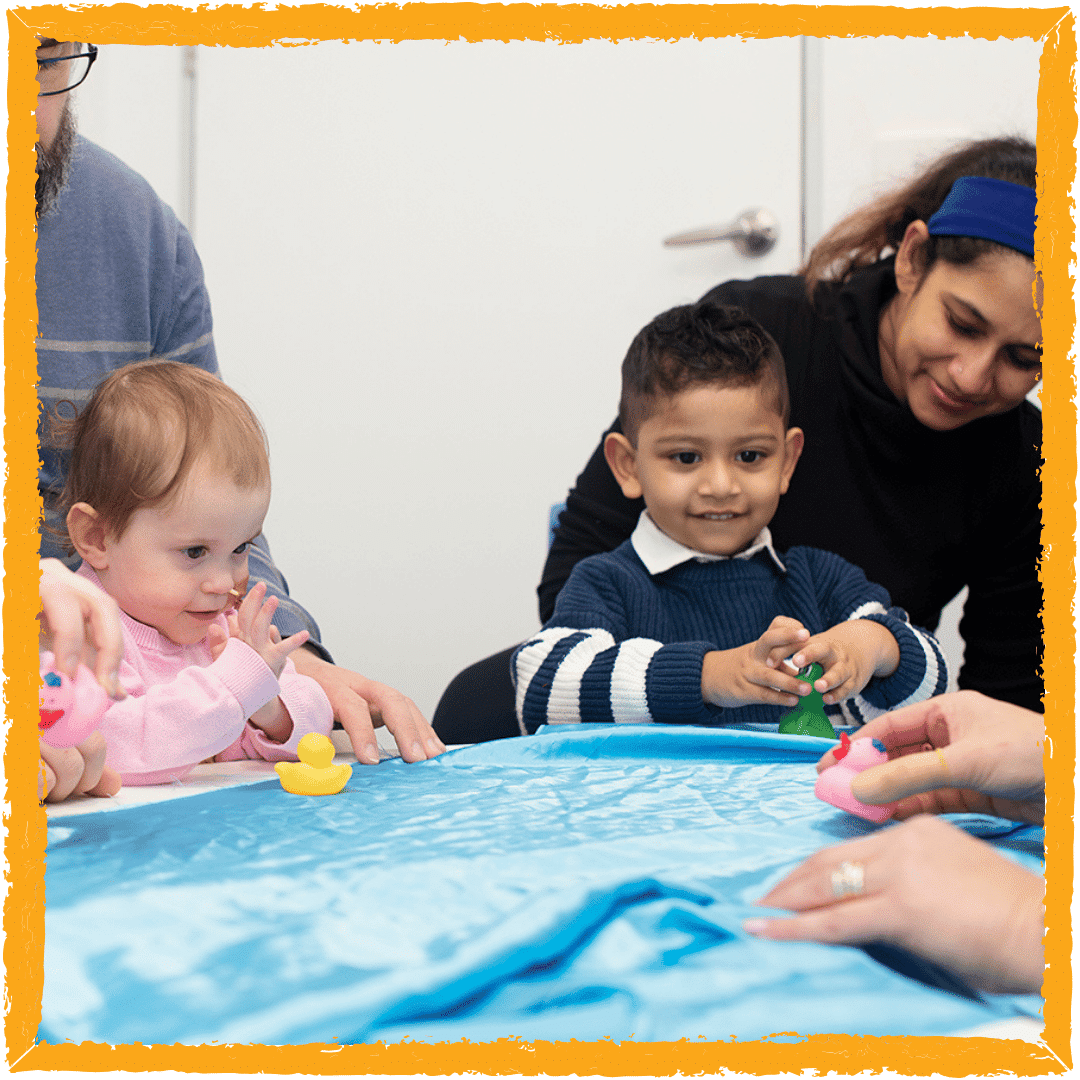
Simple, screen-free activities like building with blocks, painting, water play, and time outdoors help activate multiple senses. These types of early learning experiences strengthen neuroplasticity by creating diverse brain connections through movement, touch, and exploration. They’re not only fun – they support key foundations for school readiness and mental flexibility.
The Importance of Boredom
It may sound counterintuitive, but boredom is actually beneficial for brain development in toddlers and preschoolers. When children aren’t constantly entertained by screens, their brains are free to imagine, invent, and explore. This self-directed play builds creativity, problem-solving skills, and independence.
Screen Time Detox: Practical Tips for Parents
Building Tech-Free Routines
Create screen-free zones in your child’s day. Start with clear boundaries – no devices at the dinner table, during family time, or in the bedroom. Morning and bedtime routines without screens can help protect sleep patterns, improve focus, and encourage meaningful conversation. These habits are simple but powerful in combating digital overload in children.
Replacing Screen Time with Enriching Alternatives
Instead of a 30-minute video, try cooking together, doing a puzzle, watering plants, or telling family stories. These tech-free moments encourage connection, life skills, and school-readiness behaviours such as listening, sequencing, and collaboration. The goal isn’t to ban screens entirely, but to make sure your child gets the real-world input they need.
When to Seek Professional Help
Who to Talk To
If your child shows persistent signs of mood swings, difficulty with focus, or developmental delays, speak to your GP, paediatrician, or an early childhood development specialist. These professionals can assess whether screen time is affecting your toddler’s brain health or overall development.
How to Advocate for Your Child
If you’re concerned about excessive screen use, talk openly with your child’s educators or caregivers. Set consistent expectations across environments and explain the importance of hands-on activities and interpersonal interaction – especially in early learning years when every experience shapes brain development.
Reframing the Narrative: Brain Growth, Not Brain Rot
Embracing Neuroplasticity
Here’s the encouraging truth: the brain is incredibly adaptable. With the right input, it can grow and recover. By cutting back on screen time and providing more enriching experiences, you can support your child’s brain to rewire, refocus, and thrive – no matter their starting point.
Building a Brain-Friendly Home
Small changes make a big difference. Keep books, puzzles, art supplies, and tactile toys easily accessible. Make time for daily sensory play and talk to your child about what they’re doing and feeling. Most importantly, model healthy tech habits yourself – your child learns more from your behaviour than your rules.

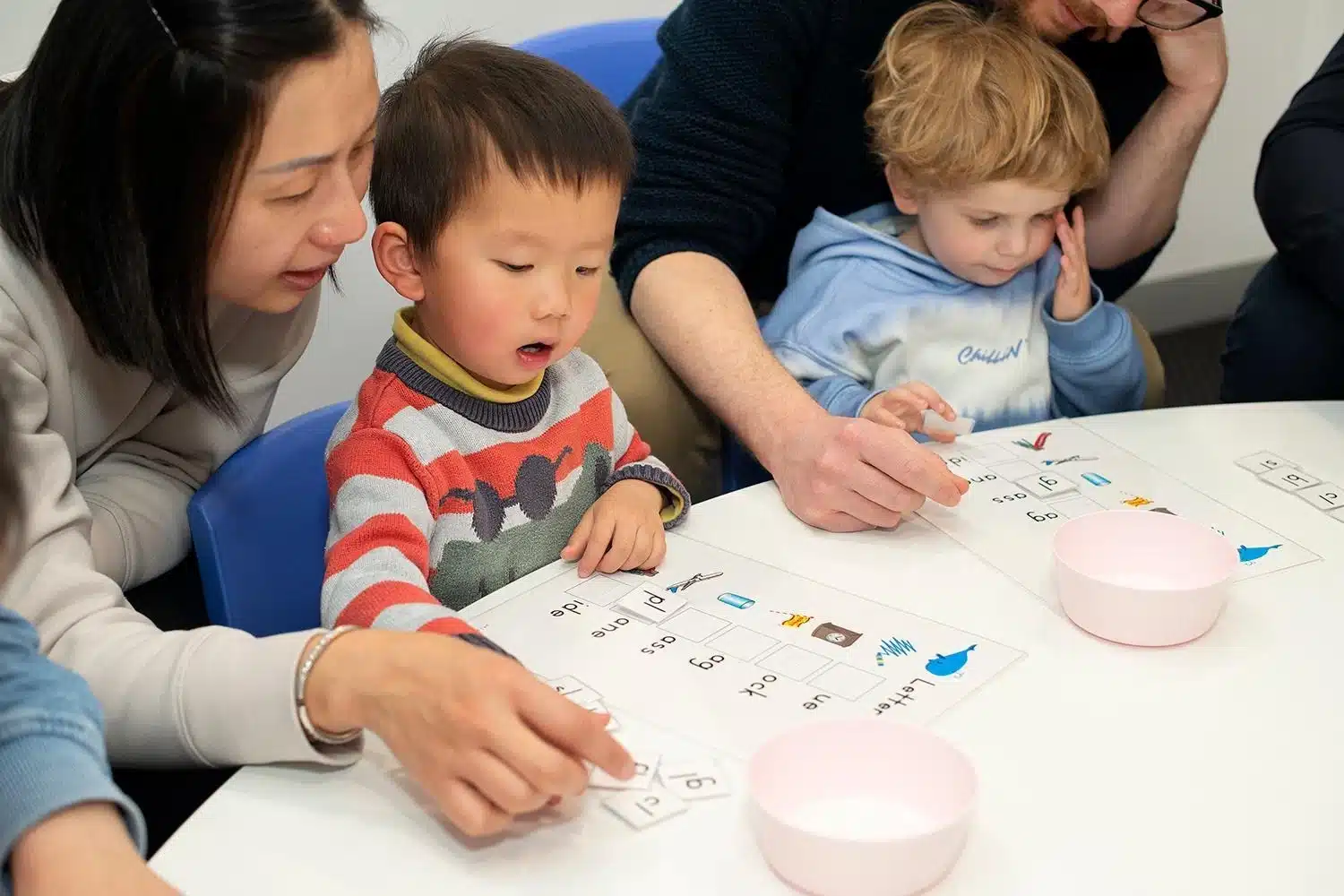
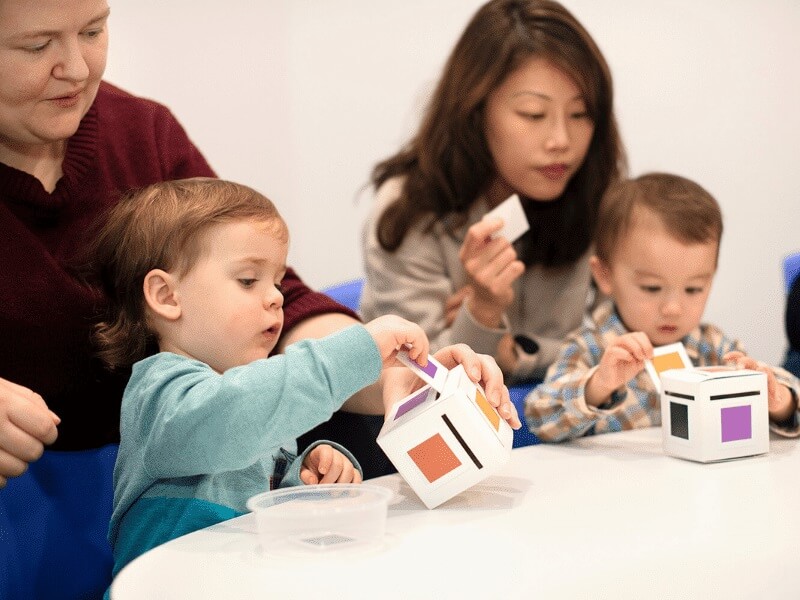
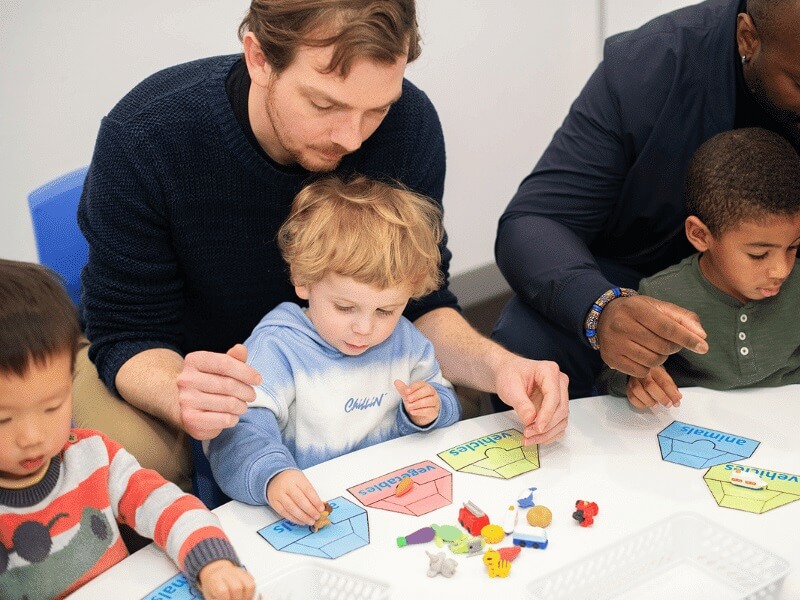
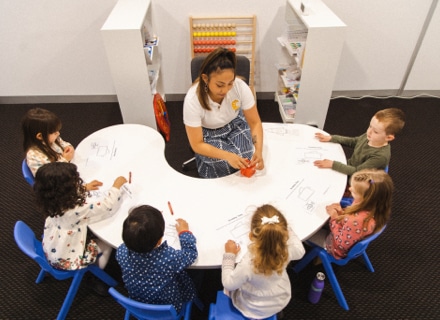
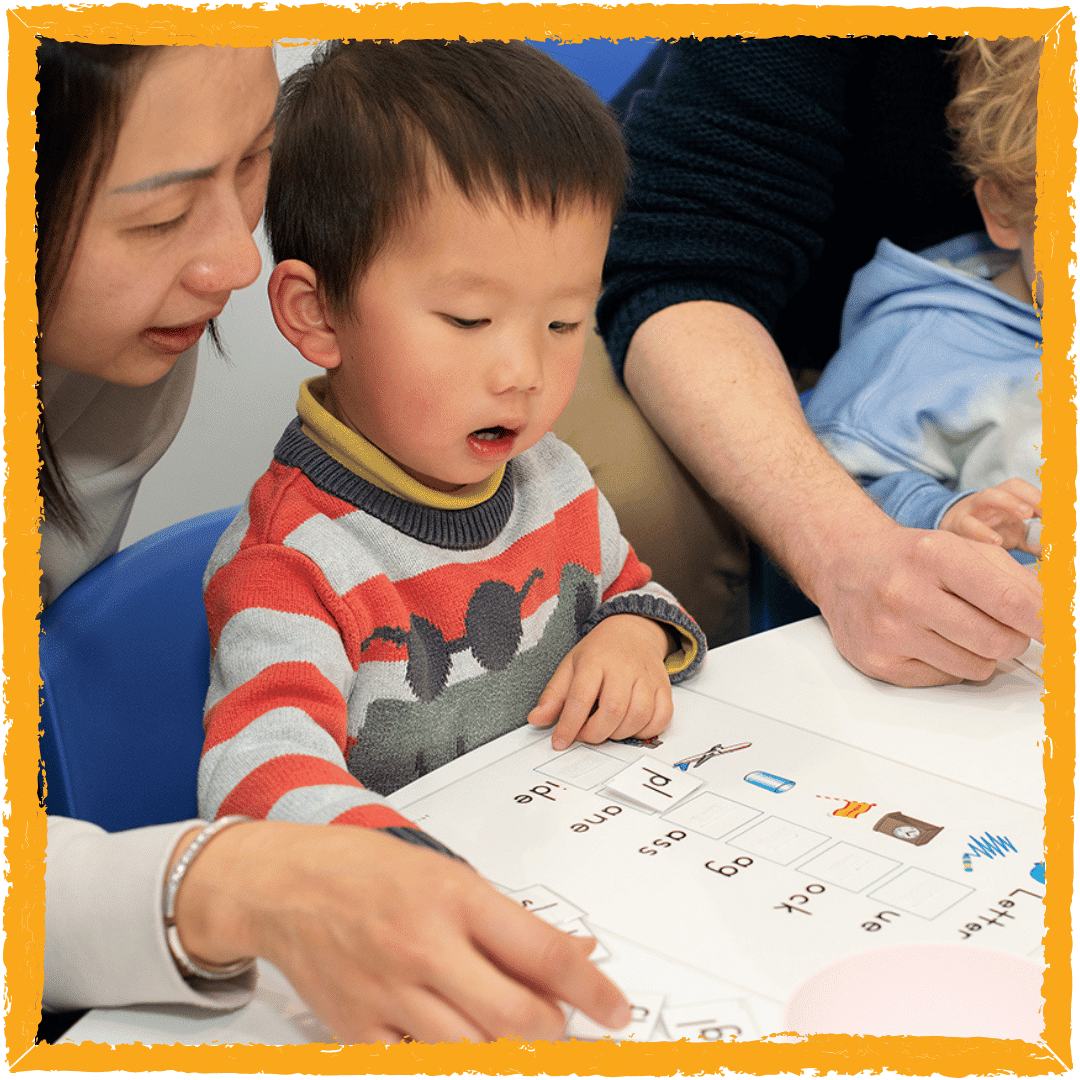
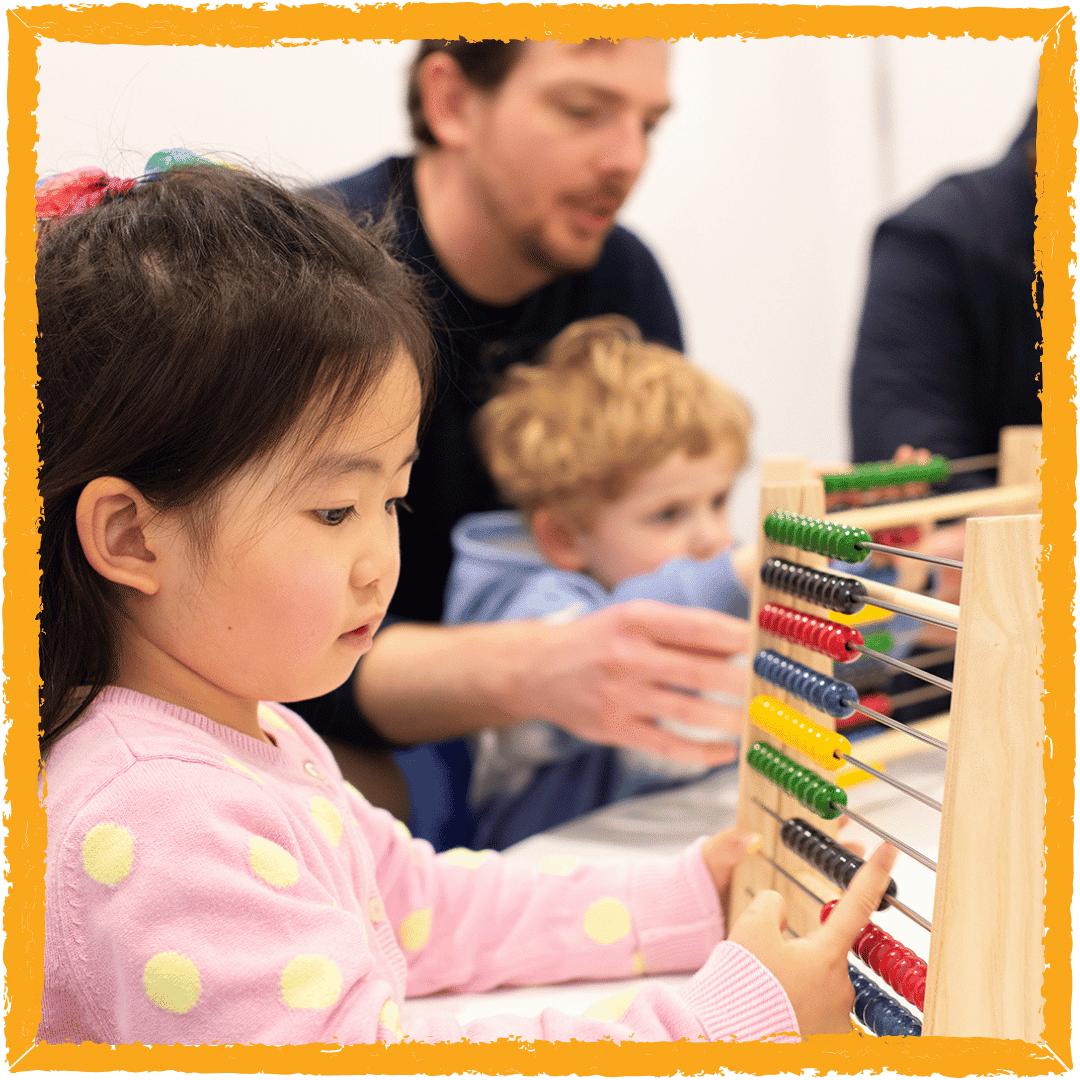
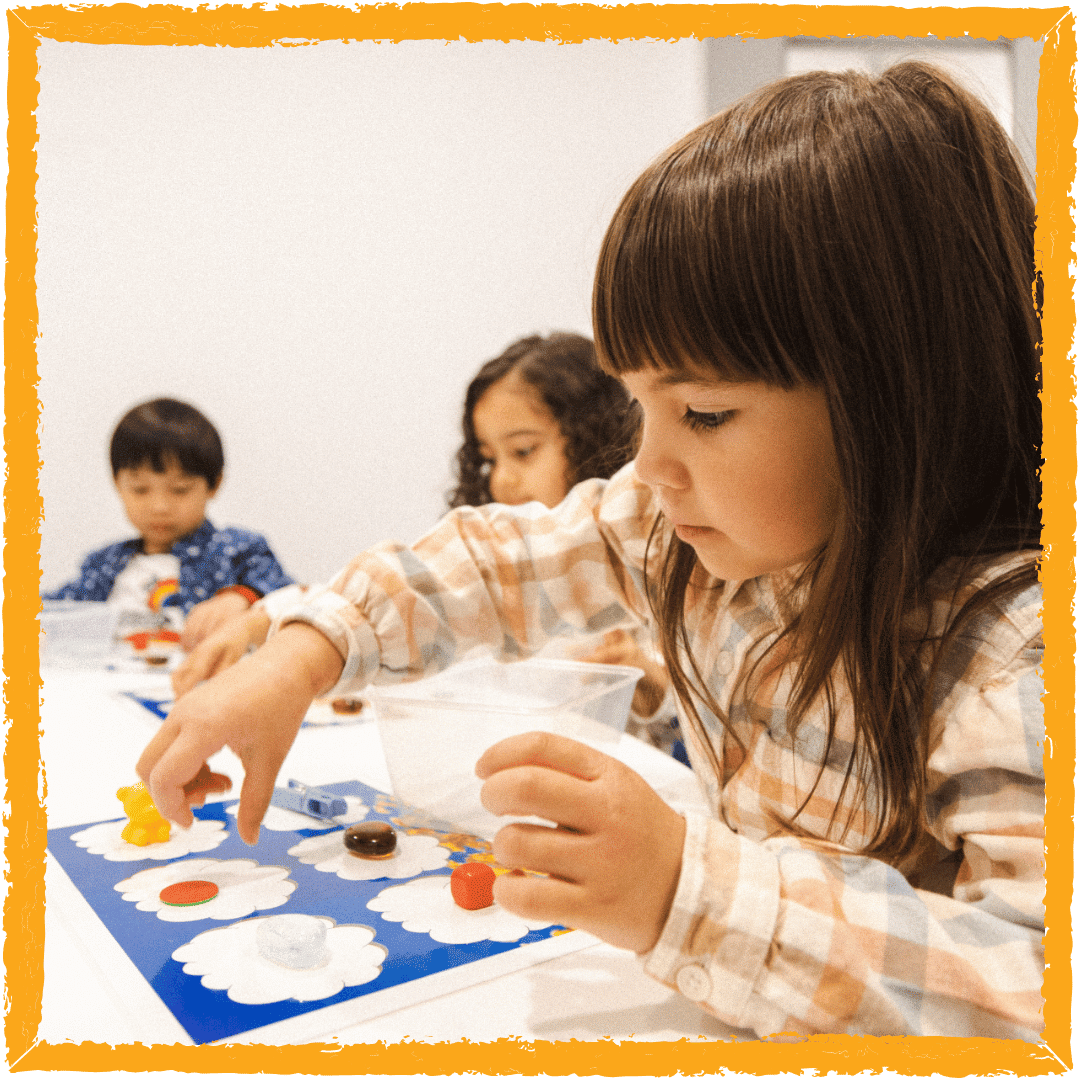
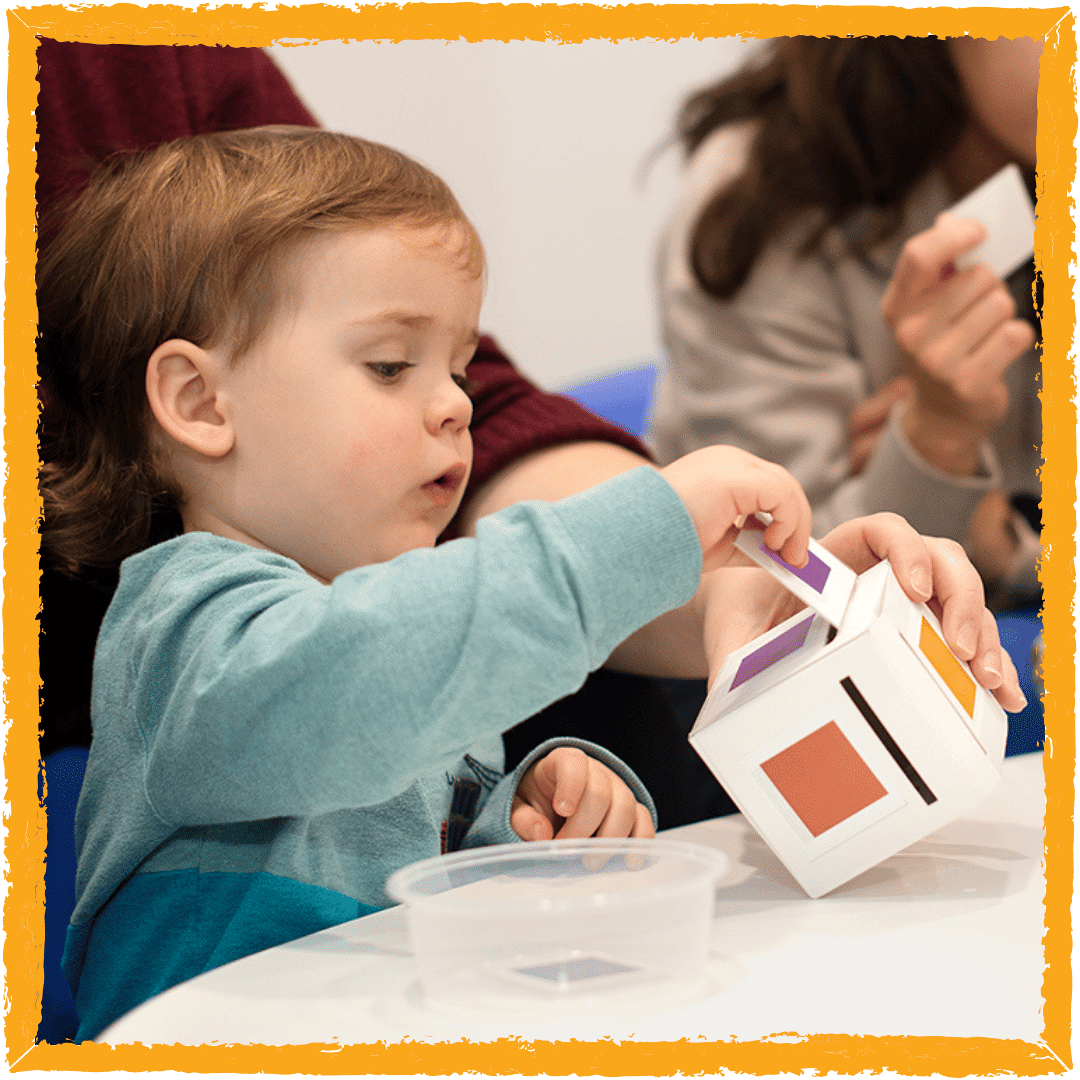
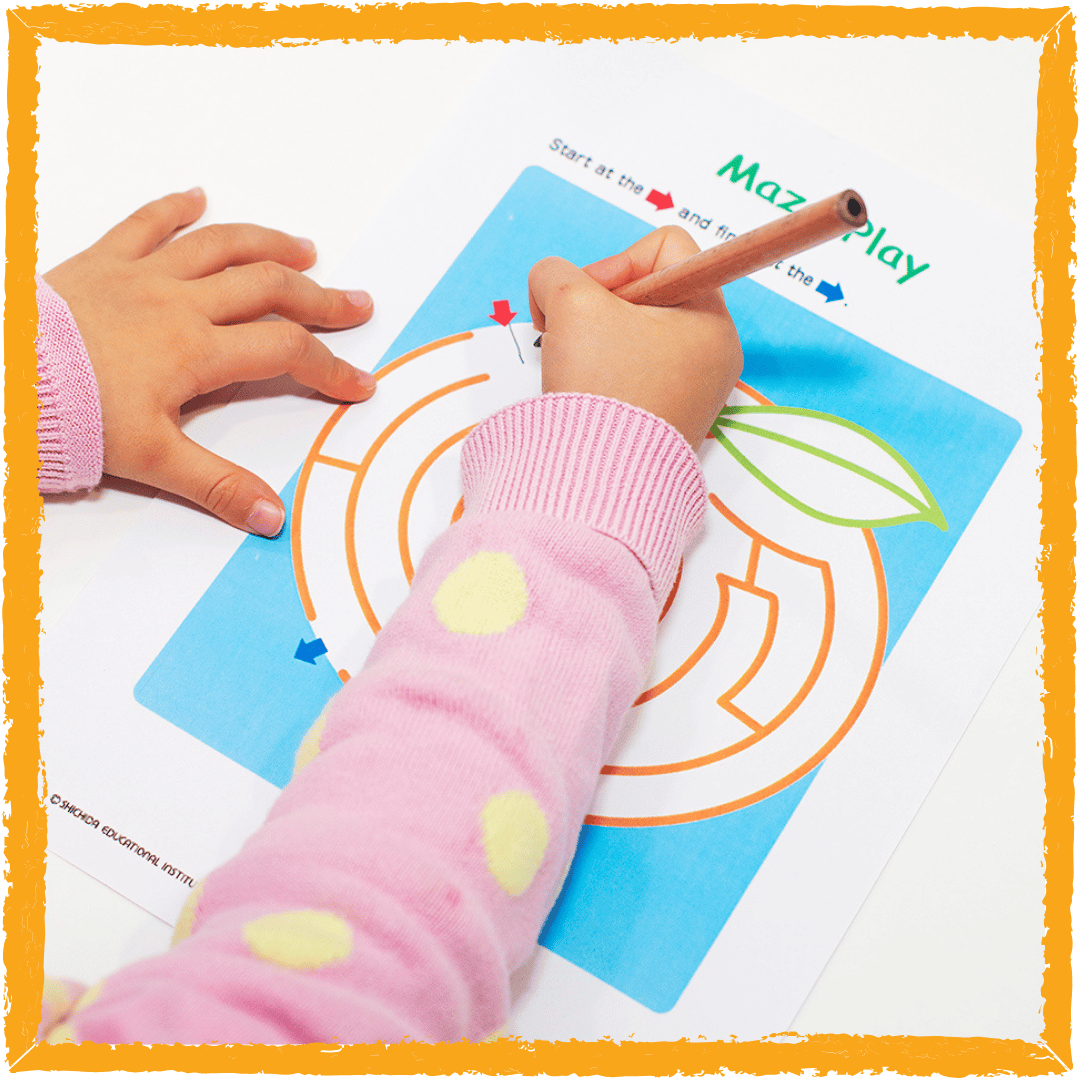
Photo by Shichida Australia: Hands-on learning beats screen time every time! At Shichida Australia, we help parents replace passive viewing with fun, purposeful activities that strengthen your child’s brain.
If you’re ready to replace digital overload with focused, enriching learning experiences, Shichida Australia offers a research-backed early learning program designed for growing minds.
Our screen-free classes support key developmental areas like memory, language, emotional intelligence, and problem-solving – laying the foundation for school readiness and lifelong learning.
Give your child the best start in life. Book a trial class today!
FAQs: Brain Rot in Children
Brain rot is a slang term, not a medical diagnosis. However, it reflects genuine concerns about the effects of excessive screen time on children’s attention span, memory, behaviour, and overall brain health.
Yes. Extended screen time – especially fast-paced content like YouTube shorts or games – can lead to irritability, hyperactivity, and difficulty focusing in young children.
No more than one hour per day, ideally less – according to the World Health Organization.
Watch for red flags such as:
- Irritability or tantrums when devices are removed
- Trouble focusing on screen-free activities
- Speech delays or poor eye contact
- Reduced interest in creative or physical play
Yes. Thanks to neuroplasticity, young brains can bounce back. Reducing screen exposure and replacing it with hands-on, real-world activities can support healthier development.
- Sensory play (e.g. water, sand, or textured materials)
- Building blocks and puzzles
- Outdoor exploration and movement games
- Reading with a parent
- Creative arts and pretend play
It can. Even educational content can contribute to digital overload in children if used excessively. What matters is the quality, duration, and context of use – interactive, co-viewed sessions are better than solo passive consumption.