The Benefits of Music in Early Childhood Development
Key Points:
- Boost brain development through music by using rhythm and melody to strengthen memory, attention, and language skills.
- Make music part of everyday play with simple songs, nursery rhymes, and movement games.
- Encourage holistic learning as music connects language, emotion, and movement in fun, meaningful ways.
- Lay strong foundations early by engaging babies, toddlers, and preschoolers with musical play during their most formative years.
- The benefits of music in early childhood development affects all areas of development in positive ways.
- Experience the Shichida approach to music-based learning, where rhythm and melody support whole-brain development and joyful parent–child connection.
Music plays a vital role in shaping how young children think, feel, and learn. From a baby soothed by a lullaby to a toddler clapping along to a song, music activates key areas of the brain linked to memory, attention, and language.
Studies show that children who engage in regular musical activities often develop stronger communication, coordination, and emotional regulation skills.
Consistent exposure to rhythm and melody at home can strengthen neural pathways that support early literacy and numeracy.
At Shichida Australia, music is a core part of each lesson, used to enhance focus, rhythm, and memory while fostering creativity and emotional connection – essential foundations for lifelong learning.
Why Music Matters in the Early Years
The first five years of life are often called a “critical window” for brain growth. This is called The Golden Period. During this time, your child’s brain forms more than a million new neural connections every second.
These connections lay the foundation for thinking, communication, and emotional well-being. Music plays a unique role in strengthening these pathways because it activates multiple regions of the brain at once.
Unlike many activities that target one area of learning, music brings together language, movement, memory, and emotion. Singing engages the auditory system, clapping rhythms involve motor skills, and listening to melodies sparks creativity and imagination.
The Science Behind Music and the Brain
Brain imaging studies reveal that listening to and making music stimulates memory, problem-solving, and language centres. Researchers highlight how music boosts neuroplasticity, the brain’s ability to form and reorganise connections. This means your child is literally rewiring their brain while engaging with music, building stronger pathways that support future learning.
Music as a Multisensory Learning Experience
Music rarely happens in isolation. Children often sing, clap, dance, or even draw while listening. These multisensory experiences, where hearing, seeing, and moving are combined, make learning richer and more memorable.
For example, clapping along to rhythms develops coordination while reinforcing timing, and dancing to a beat strengthens body awareness while boosting confidence.
Cognitive Benefits of Music in Early Childhood
When you think about early academics, music may not be the first subject that comes to mind. Yet rhythm, melody, and repetition directly support memory, literacy, and numeracy. Below are some of the key cognitive advantages.

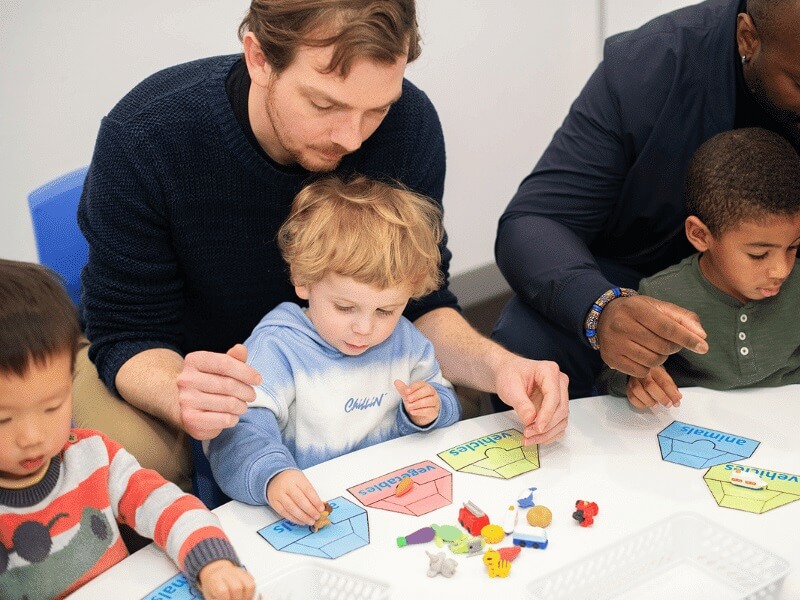
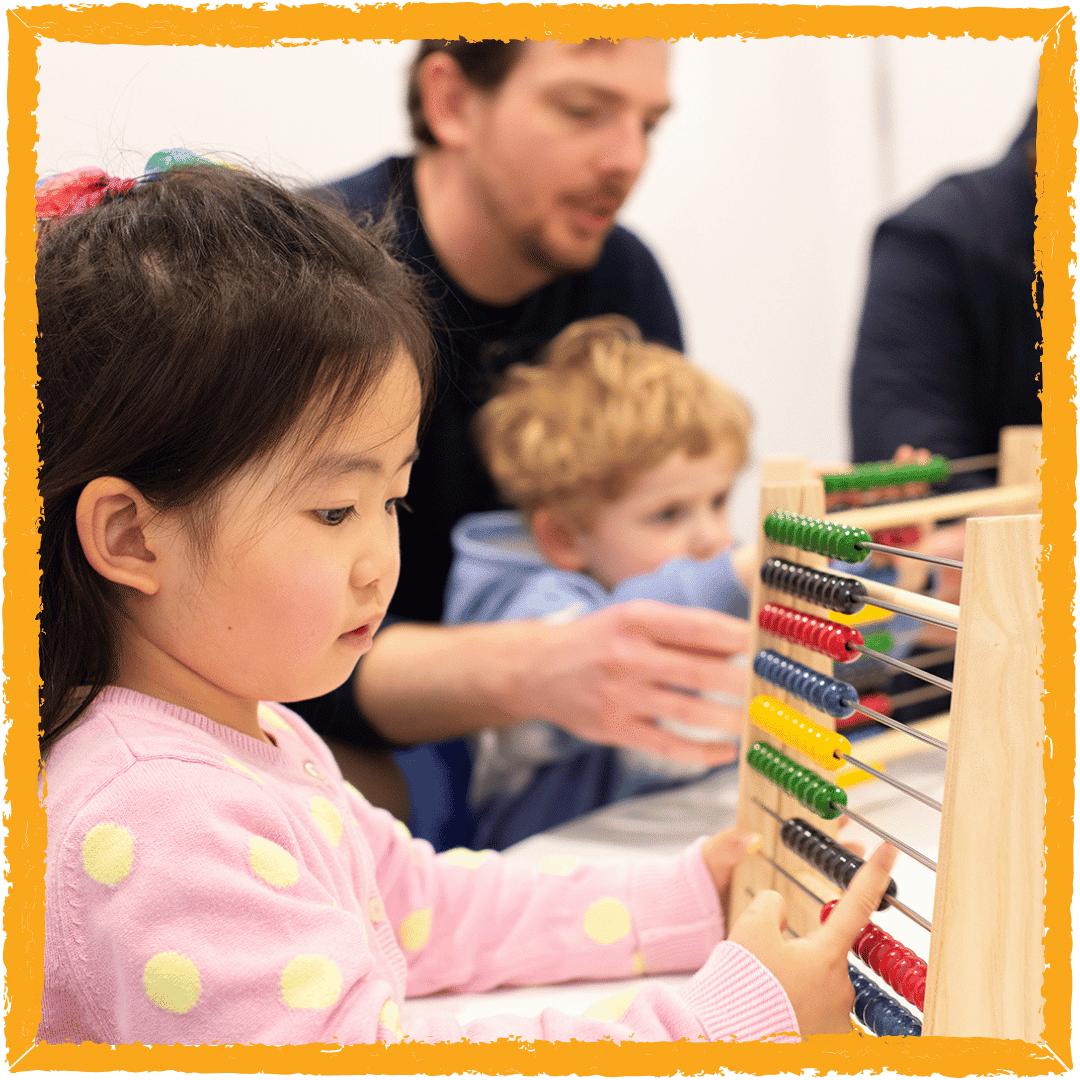
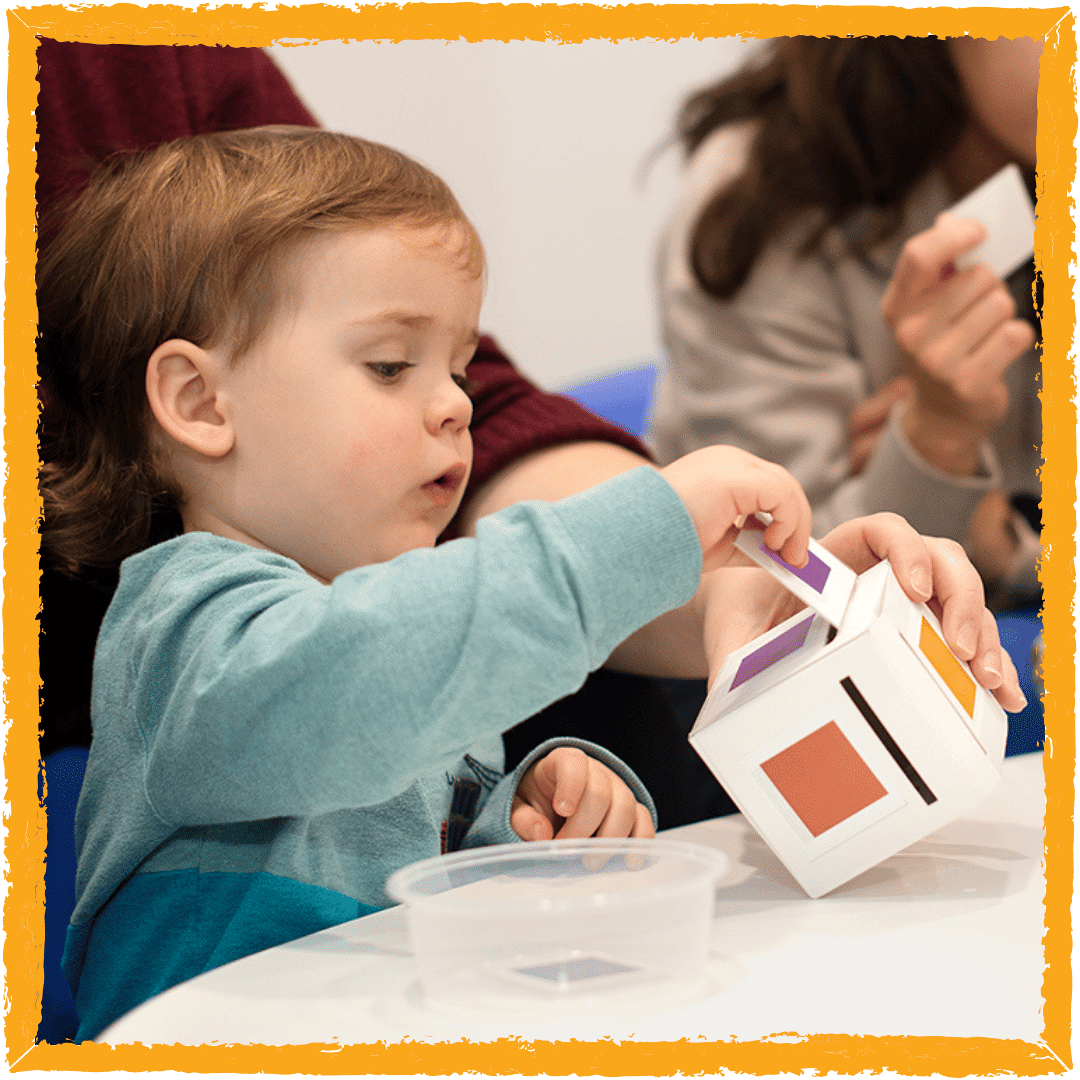
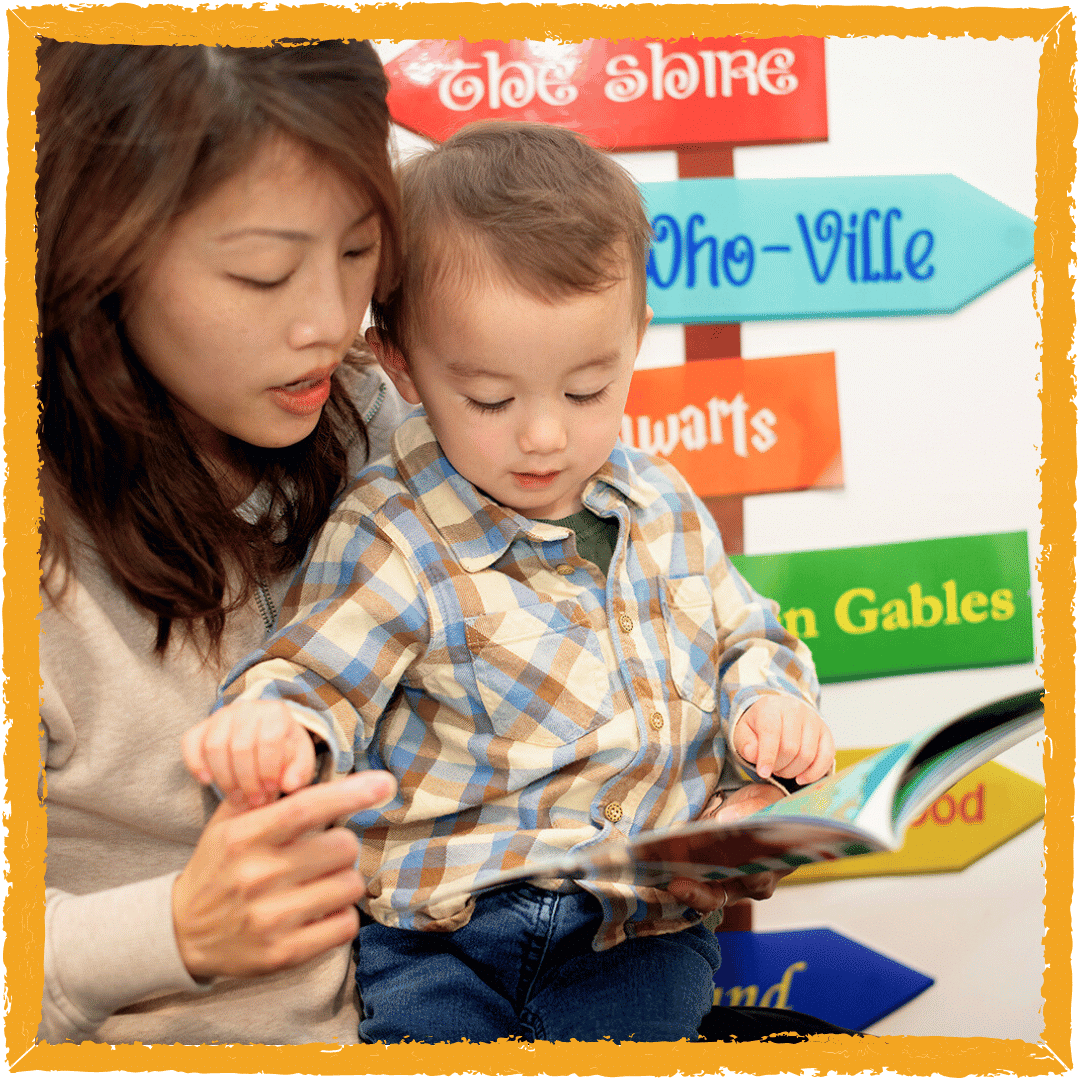
Photo by Shichida: Music paired with flashcards is used to teach young children up to 500 digits of Pi. Children enjoy the challenge and love rapping to the Shichida Pi song!
Boosting Memory and Concentration
Songs with repetitive lyrics and rhythms act like memory exercises. Repetition helps children remember sequences and retain new information. Singing nursery rhymes, for instance, improves both short-term recall and long-term concentration, making it easier for children to focus on tasks.
Supporting Early Literacy Skills
Music and language development are closely linked. Singing strengthens phonemic awareness (the ability to recognise and manipulate sounds), builds vocabulary, and enhances listening comprehension. This lays the groundwork for reading and effective communication later on.
Enhancing Numeracy Through Rhythm and Patterns
Rhythm introduces children to sequencing, counting, and recognising patterns. Whether it’s clapping in time to music or chanting a counting song, these activities mirror early maths concepts. In fact, rhythm is often described as “mathematics in motion.” Our brain training classes use music to reinforce numeracy, phonics and sightwords through playful songs and activities.
Emotional and Social Benefits of Music
Beyond academic skills, music offers powerful emotional and social benefits. It helps children bond, express feelings, and connect with others.
Building Emotional Intelligence Through Music
Songs can act as emotional mirrors. Happy tunes energise, while gentle melodies calm. By listening and singing, children learn to identify, express, and regulate emotions, an essential part of emotional intelligence.
Encouraging Social Interaction and Cooperation
Group music activities promote teamwork and confidence. Singing in class, playing instruments together, or joining action songs teaches children to listen, take turns, and collaborate.
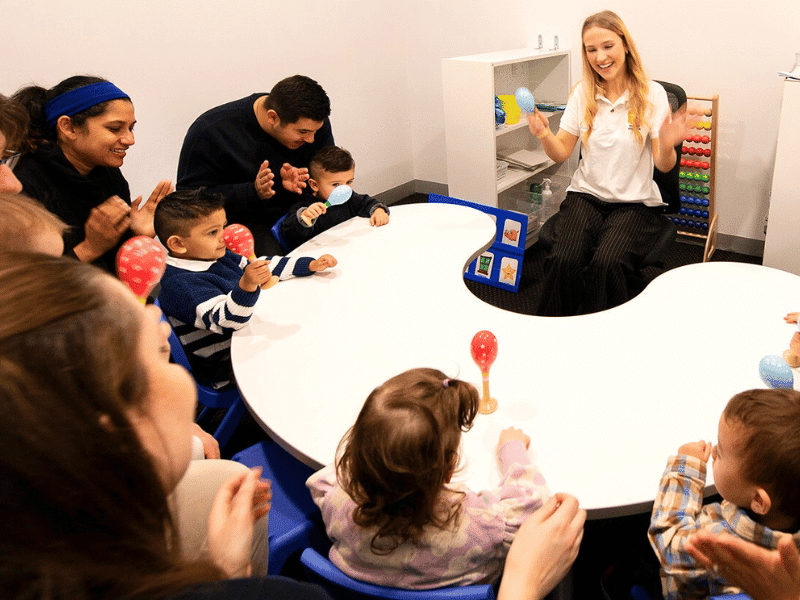
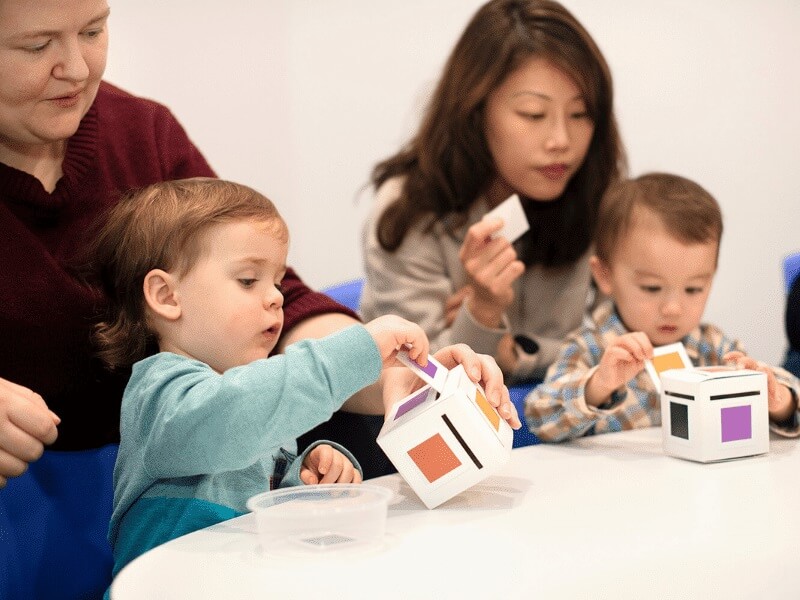
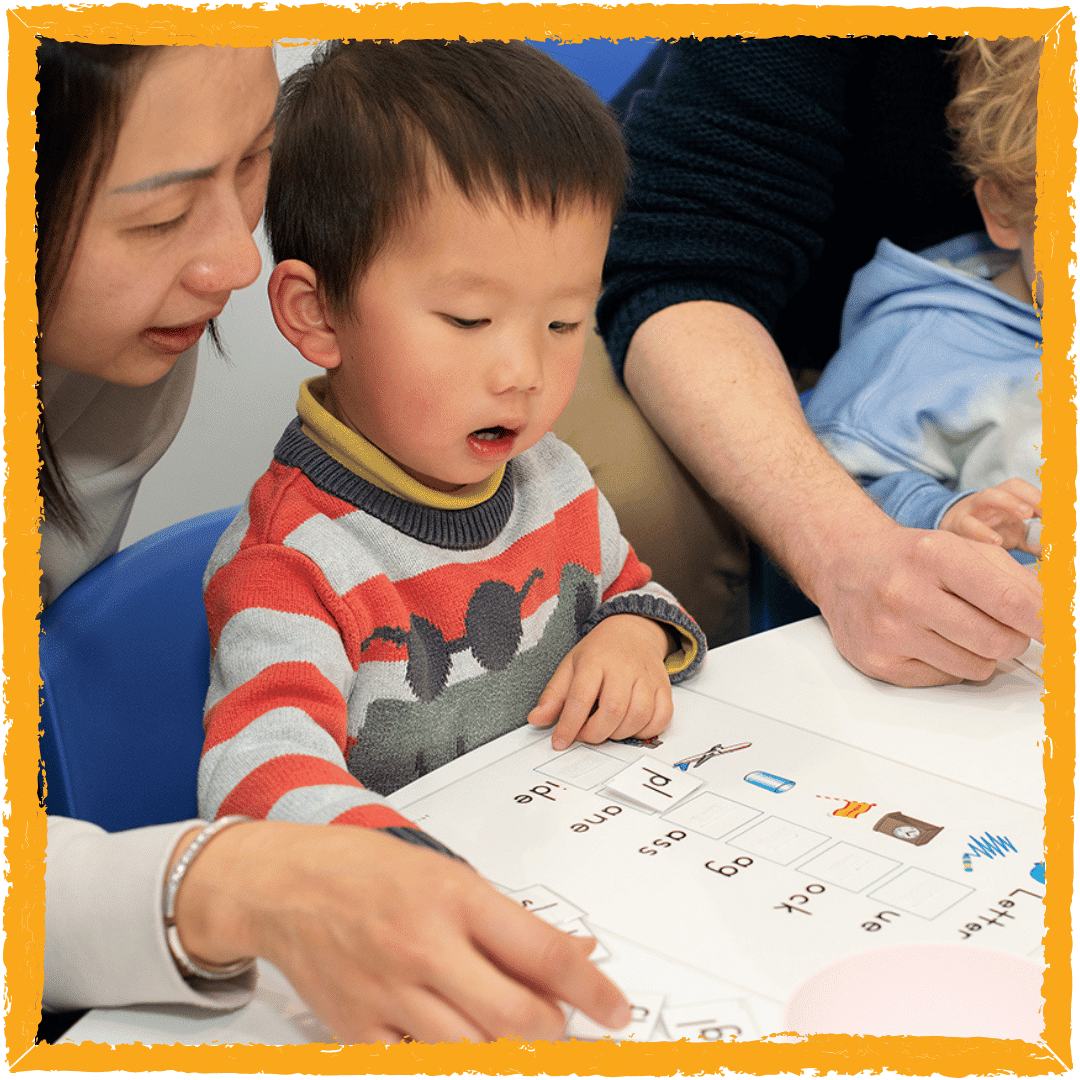
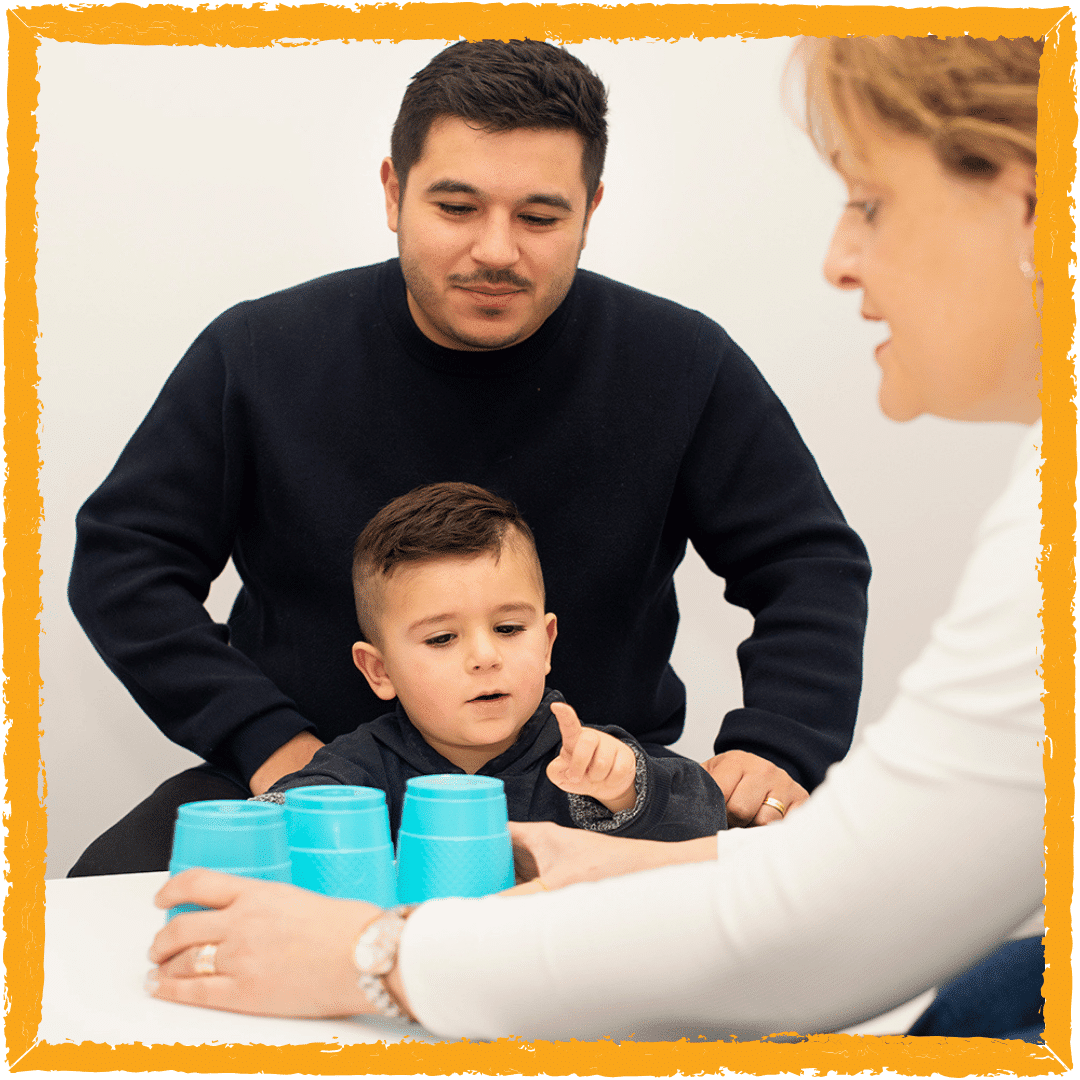
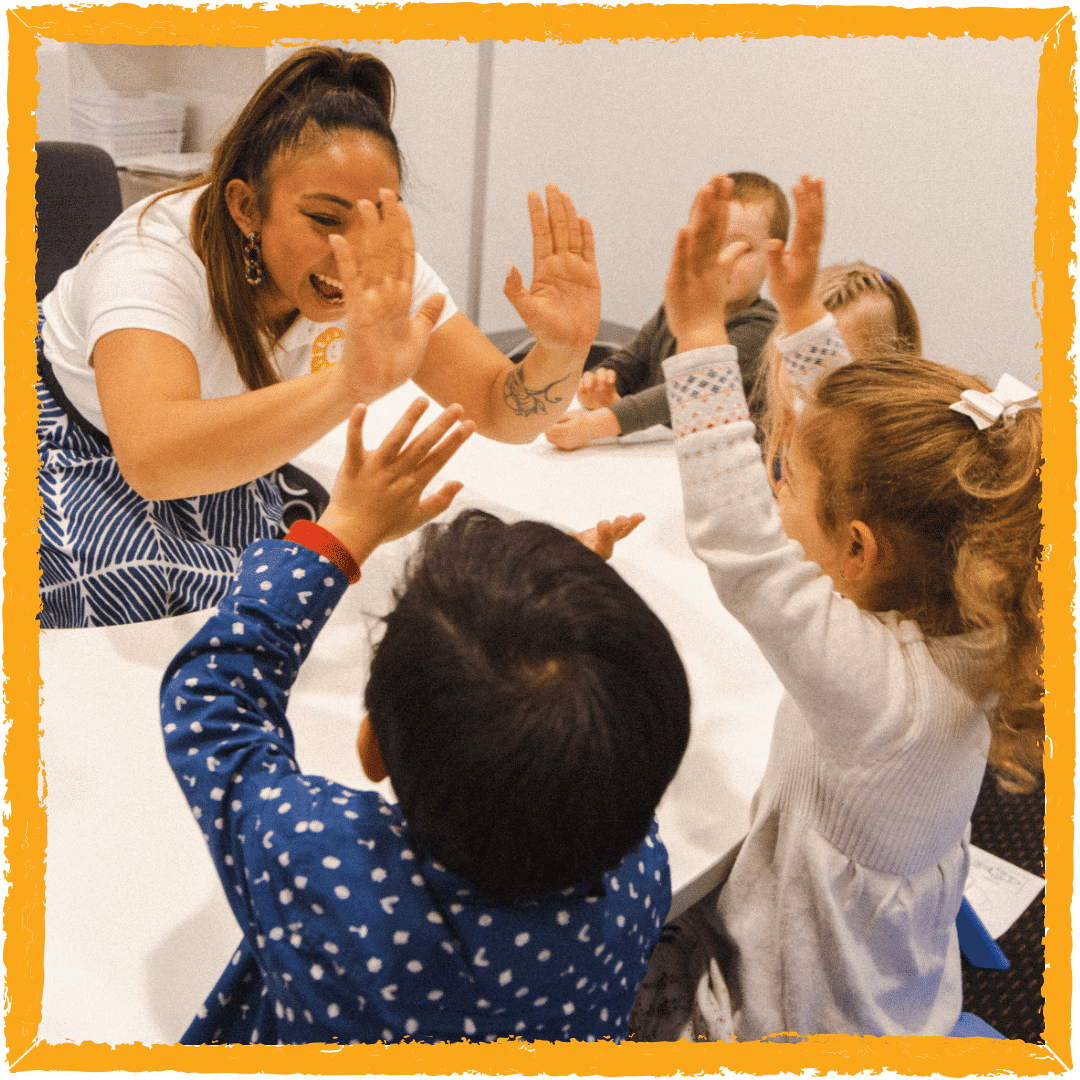
Photo by Shichida Australia: Toddlers enjoy musical play alongside an educational song, practising rhythm, memory, and fine motor skills.
Music as a Tool for Stress Relief and Comfort
Lullabies and calming music have a soothing effect on babies and toddlers. These moments of shared comfort build security and attachment, giving children a sense of stability in their daily routines.
Physical and Motor Skill Development Through Music
Music isn’t just for the mind, it supports the body as well. When children move to a beat, they are not only enjoying themselves but also strengthening vital physical skills. Rhythm encourages natural movement patterns, and repeated practice helps children learn how to control their bodies with confidence and coordination.
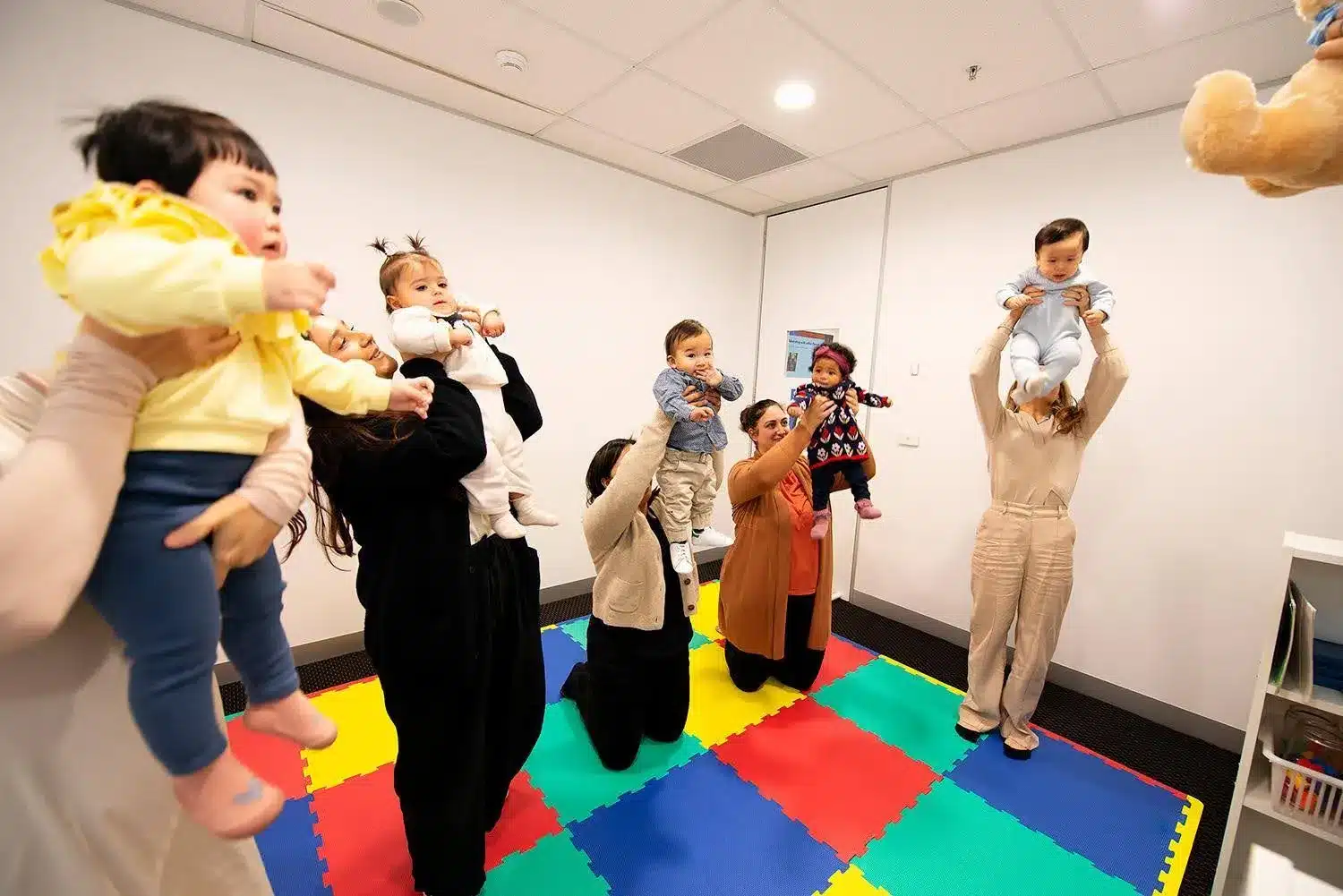
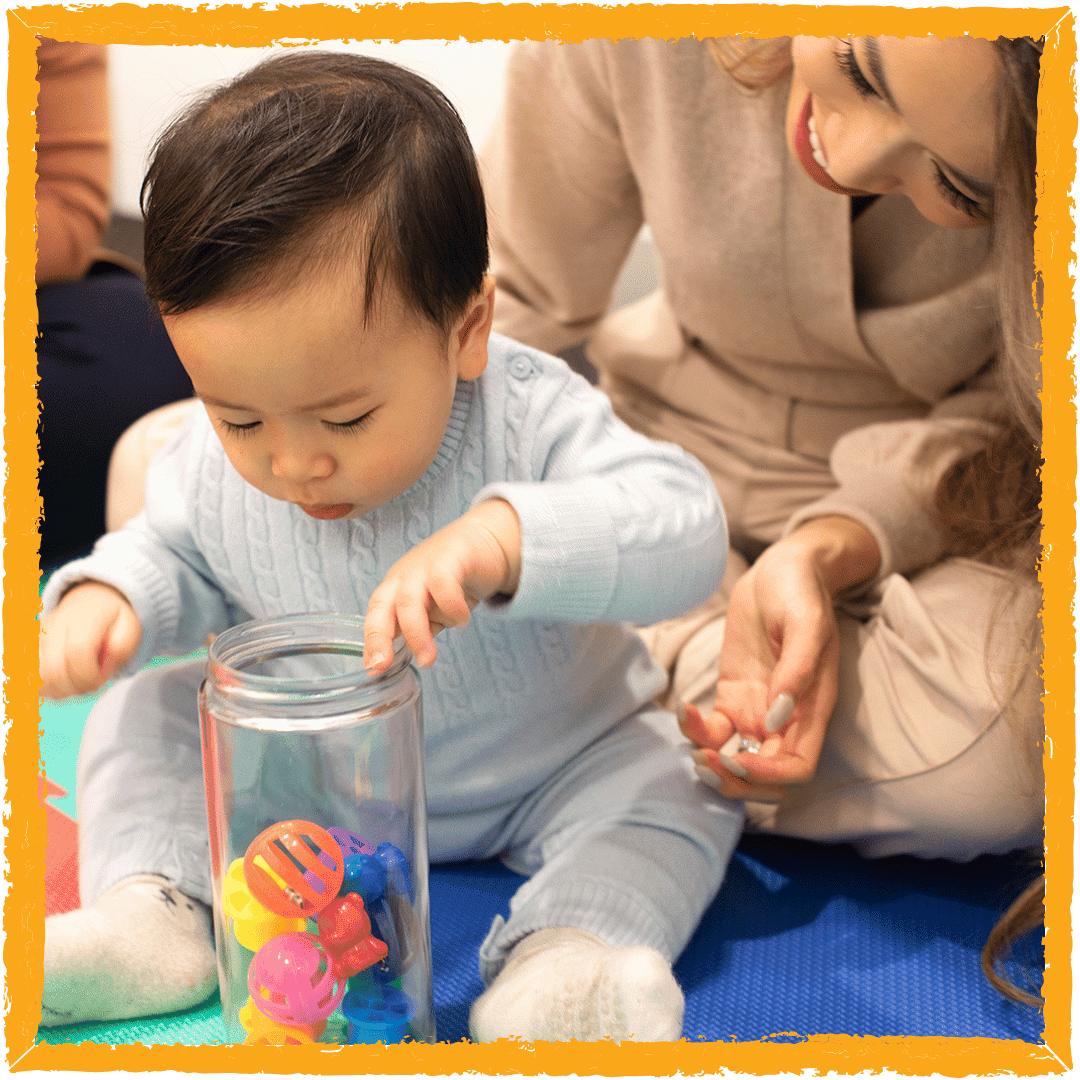
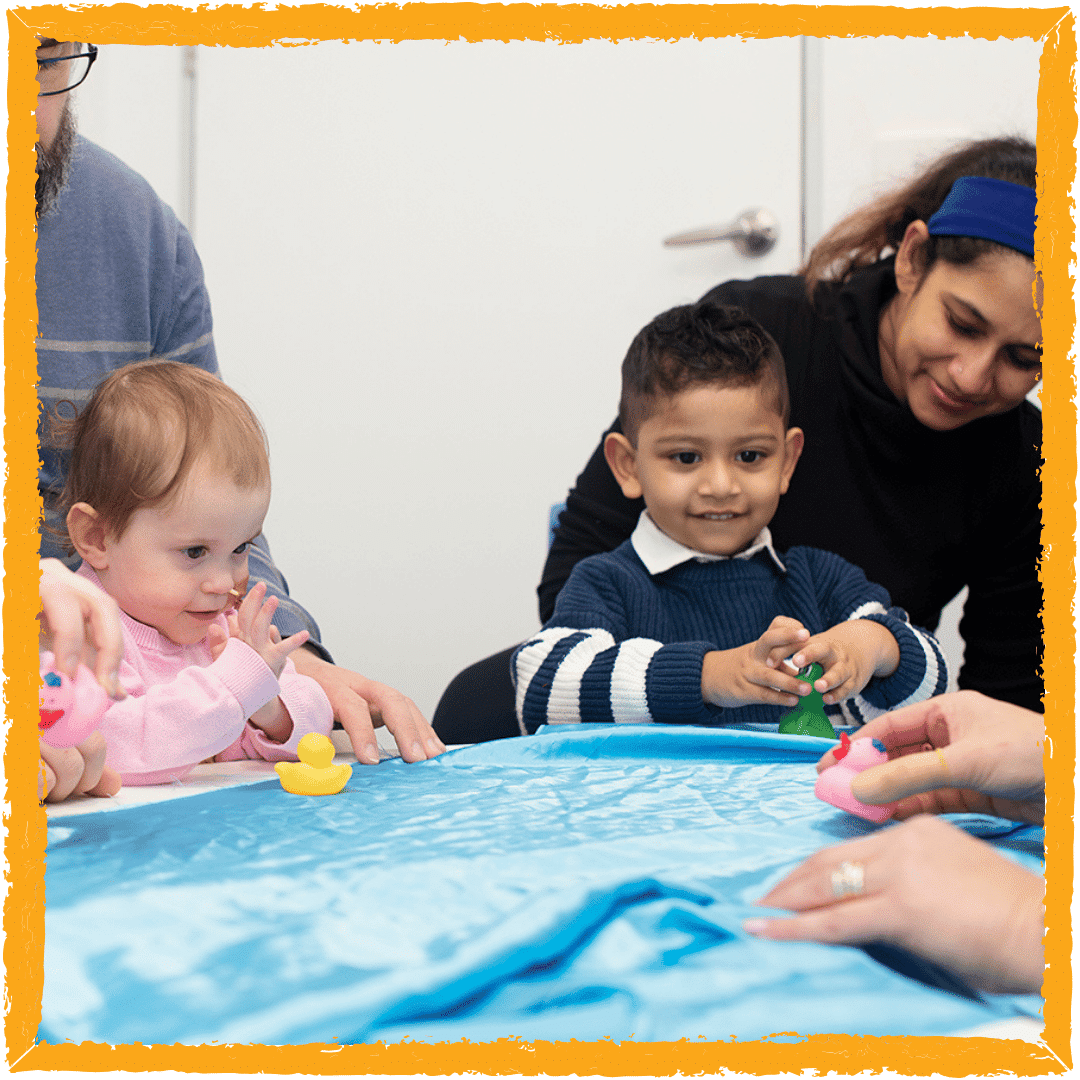
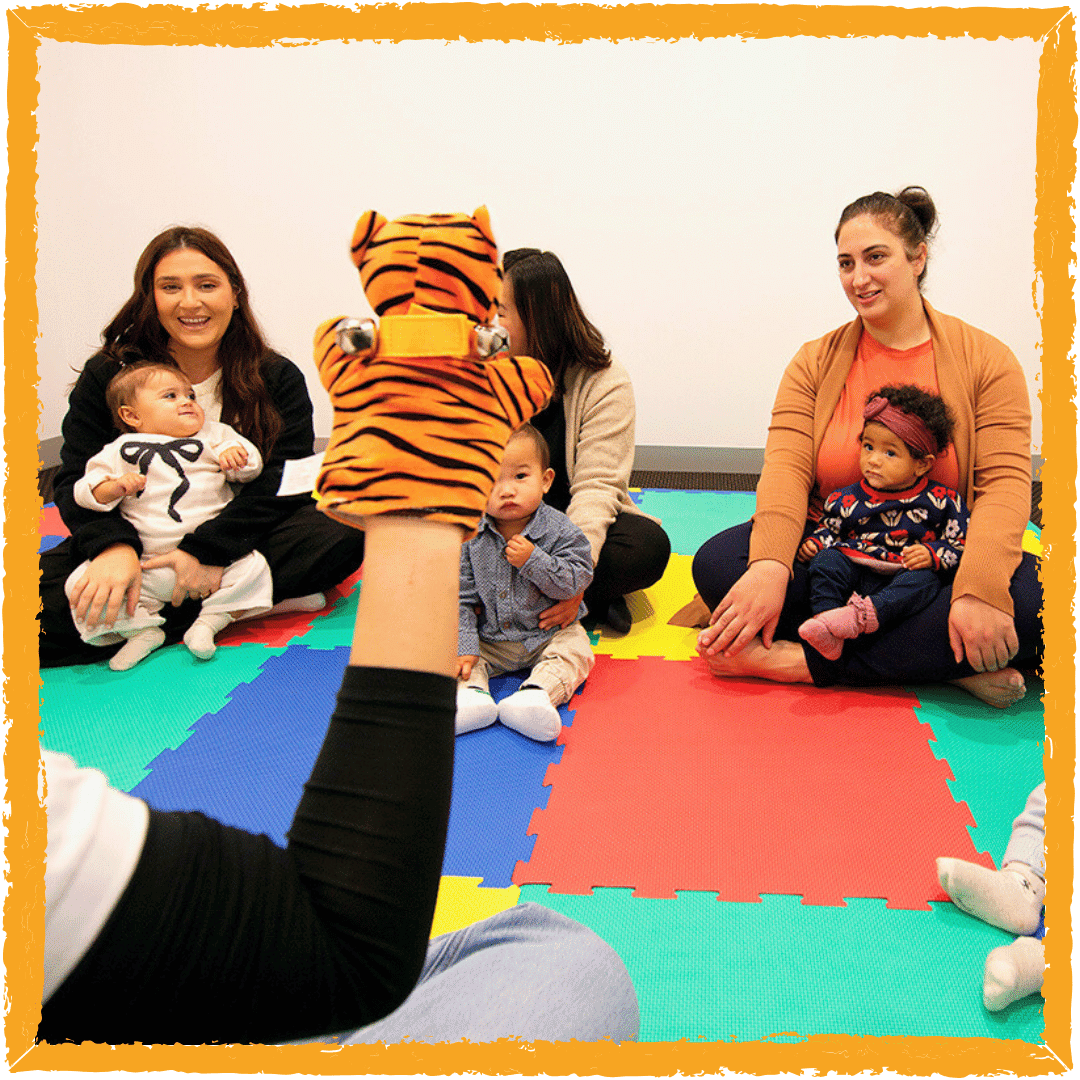
Photo by Shichida: Babies and their parents move to a song in class, lifting the babies up and down with the music. This helps babies connect words to actions as they experience them in real life.
Developing Gross Motor Skills
Large movements like dancing, marching, spinning, or jumping in time with music provide excellent practice for developing gross motor skills. These activities use major muscle groups and promote balance, posture, and physical stamina.
Moving to different tempos teaches children to adjust their speed and strength.
Strengthening Fine Motor Skills
Music also supports the development of fine motor skills. Playing simple percussion instruments such as shakers, drums, or tambourines requires hand-eye coordination and control, encouraging dexterity in fingers and wrists.
Even small actions like clapping along to a rhythm, snapping fingers, or following finger rhymes, help strengthen the small muscles needed for writing, drawing, and other precise tasks later in life.
Practical Ways to Incorporate Music in Early Learning
One of the best things about music is its accessibility. Simple songs and playful rhythms are enough to create meaningful learning experiences.
Simple Musical Activities for Infants
Sing lullabies, hum while rocking your baby, or play soothing background music during quiet times. Babies are naturally drawn to the rhythm and melody of your voice, which supports bonding and comfort.
Engaging Music Play for Toddlers
Clapping games, dancing in the living room, or playing simple instruments like maracas or xylophones give toddlers an outlet for energy while teaching rhythm and coordination.
Using Music for Learning in Preschoolers
Preschoolers love songs with actions, counting rhymes, or imaginative storytelling through music. These activities connect learning with play and make abstract concepts easier to grasp.
If you’d like structured support, our early learning programs integrate music into a balanced curriculum.
Expert Perspectives on Music in Childhood Development
Research Findings from Early Childhood Studies
A longitudinal study in Hungary found that early musical abilities, especially rhythm perception and reproduction, predicted academic success years later, even after accounting for intelligence and family background factors (Janurik & Józsa, 2022).
These results reinforce the proven benefits of music in early childhood development, showing that early rhythm and melody exposure can support stronger memory, reasoning, and academic performance.
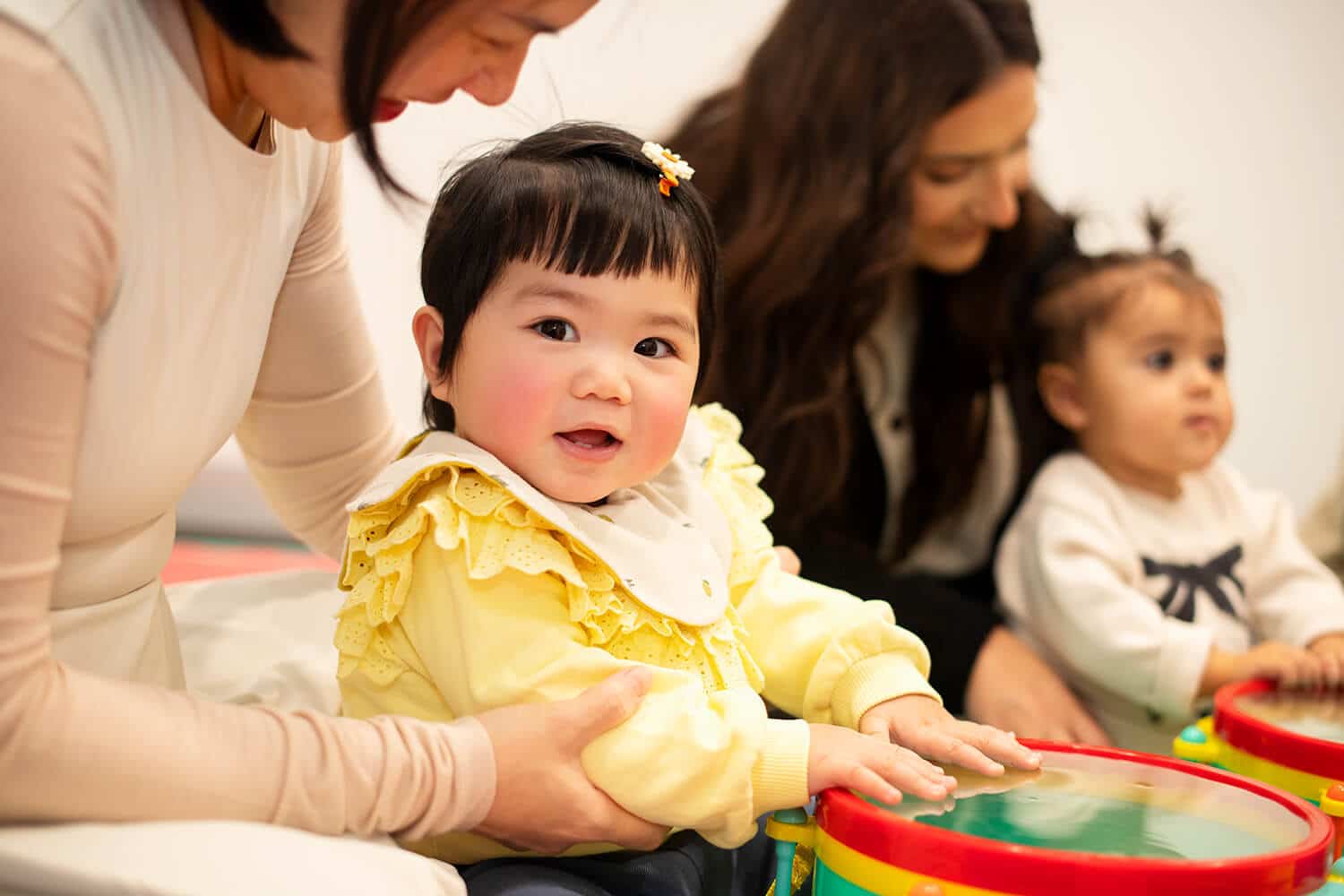
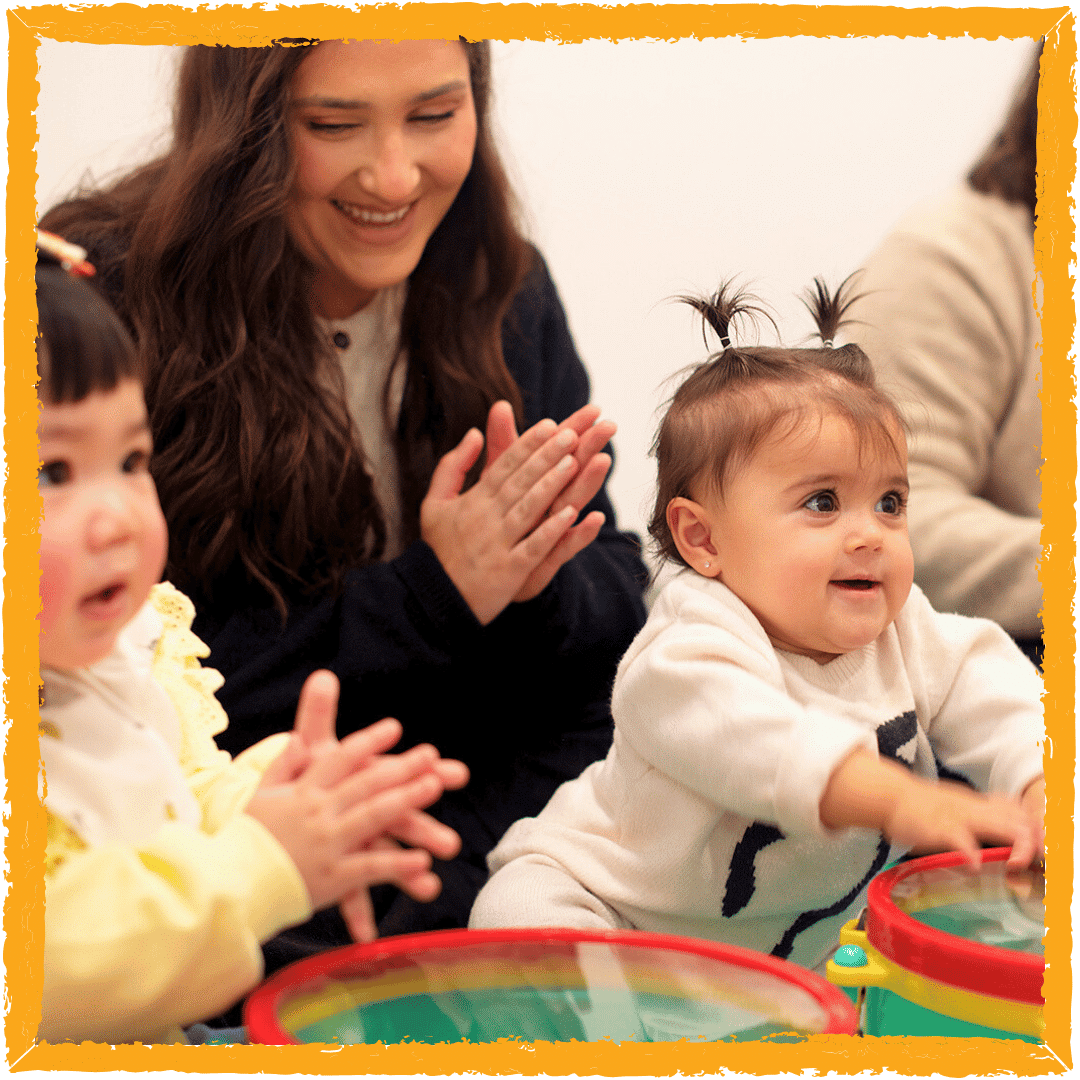
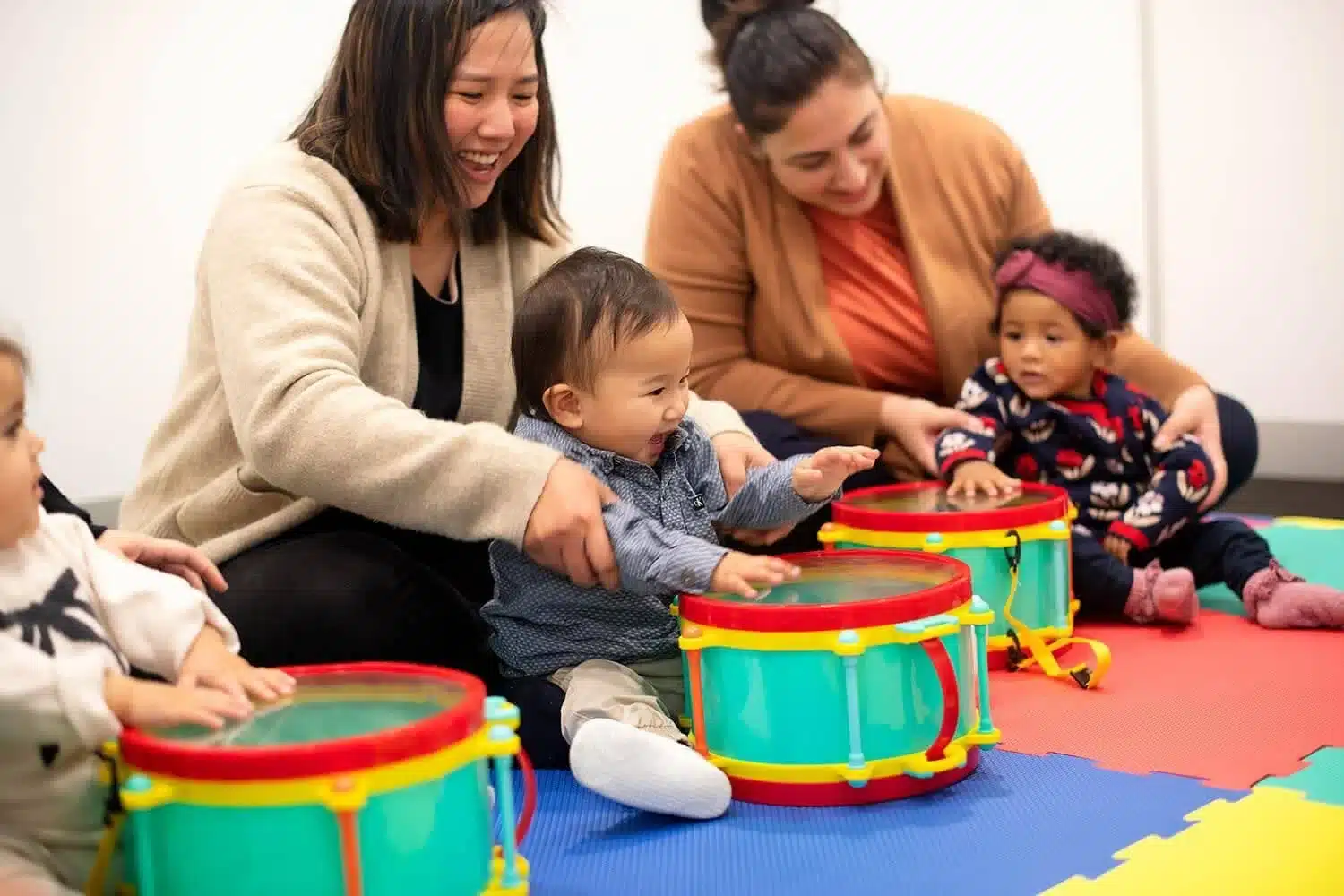
Photo by Shichida Australia: A baby bangs a drum to the beat of a song, building rhythm, coordination, focus, and an early sense of cause and effect.
Teacher and Educator Recommendations
Educators recommend weaving music into daily routines, morning songs, tidy-up tunes, or rhythm breaks during play. They emphasise that music doesn’t just make learning fun; it makes it stick. When children sing and move, they are deeply engaged in meaningful learning.
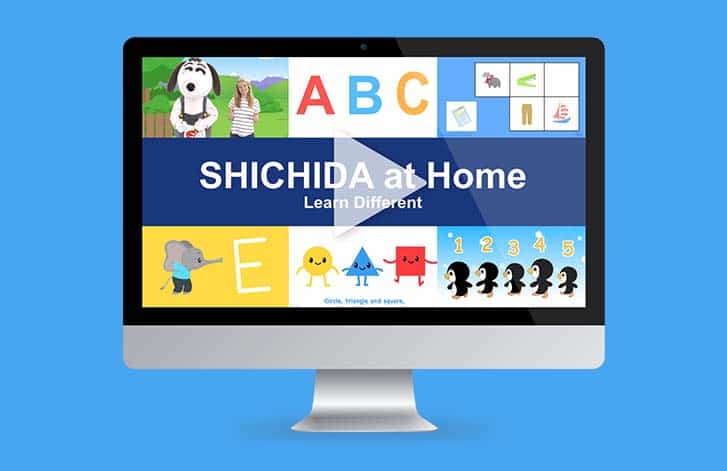
Parent Tip: SHICHIDA at Home offers a library of wholesome, education-focused songs for children aged 1 to 5 years old.
Long-Term Benefits of Music in a Child’s Growth
The benefits of music in early childhood development include:
- Builds lasting creativity, confidence, and resilience.
- Encourages a lifelong love of music and the arts.
- Strengthens focus, adaptability, and problem-solving skills.
- Supports social skills through cooperation and shared play.
- Lays a strong foundation for academic success and emotional well-being.
Conclusion
Music is one of the most powerful tools for shaping a child’s mind and heart. It strengthens memory, coordination, and emotional awareness while creating joyful moments of connection between parent and child.
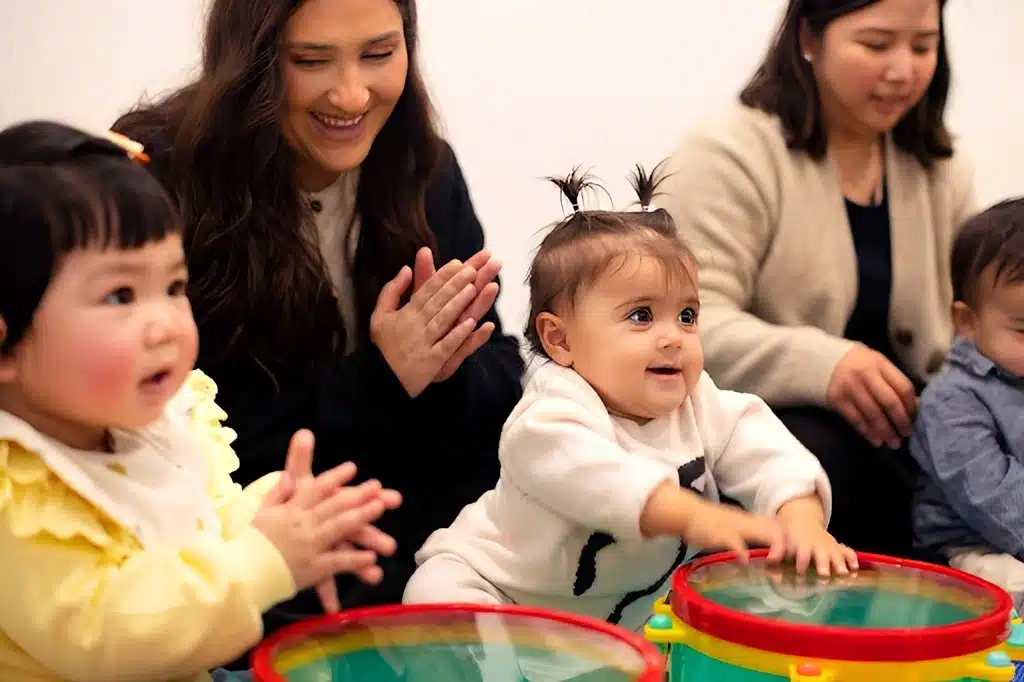
At Shichida Australia, music is an integral part of our whole-brain approach. Each class uses songs and rhythm to build focus, confidence, and creativity in babies, toddlers, and preschoolers.
Ready to experience the benefits of music in your child’s learning journey?
Book a trial class today and see how music and the Shichida Method can help your child thrive – both in class and beyond!
FAQ’s: Benefits of music in early childhood development
Music stimulates multiple areas of the brain, building stronger neural connections that support memory, language, and problem-solving.
Yes. Singing or listening to lyrics enhances vocabulary and phonemic awareness, which are essential for pronunciation, reading and communication.
Simple, repetitive songs and soothing lullabies are ideal for infants. Toddlers benefit from upbeat songs with rhythm and movement.
Soft lullabies, gentle melodies, or humming can help reduce stress and provide comfort during transitions or bedtime.
Absolutely. Instruments, even simple ones like drums or shakers, improve coordination and focus while building confidence.
Yes. Dancing, clapping, and playing instruments support both gross and fine motor skill development.
Music makes everyday learning fun and effective, whether through counting songs, tidy-up tunes, or storytelling with rhythm.
Research links early music exposure with stronger academic performance, creativity, and resilience throughout life.