Baby Fine Motor Skills: What to Expect and How to Support It
Key Points
- Fine motor skills involve small movements of the hands and fingers.
- Babies develop fine motor skills step by step in their first year.
- Simple activities like tummy time and clapping help build strength.
- Toys such as rattles, blocks, and shape sorters support practice.
- Parents play a key role by encouraging daily skill-building play.
As babies grow, their ability to explore the world through their hands and fingers becomes essential. By understanding baby fine motor skills and providing the right support, you can help your little one develop abilities that set them up for a lifetime of learning and independence.
These skills may seem small at first, but they are the foundation for everything from eating finger foods to eventually holding a pencil at school.
What Are Baby Fine Motor Skills?
Baby fine motor skills are the small, precise movements made with the hands, fingers, and wrists. Unlike gross motor skills, which involve larger muscle groups for crawling or walking, fine motor skills focus on the smaller muscles that allow babies to grasp, pinch, and manipulate objects.
Why They Matter
Fine motor skills play a vital role in everyday activities. They enable babies to:
- Hold a bottle or cup
- Pick up small foods
- Explore toys with different textures
- Develop hand-eye coordination
Without strong fine motor skills, many milestones of independence from feeding to play can be more challenging. Research also shows that early motor skill development supports later learning and problem-solving.
Key Fine Motor Milestones in Babies
You may notice your baby naturally progressing through these early milestones:
- Reaching and grasping objects
- Bringing hands to the mouth
- Passing toys from one hand to another
- Touching, shaking, or banging objects together
These are not just playful moments but important signs of baby fine motor skill development.

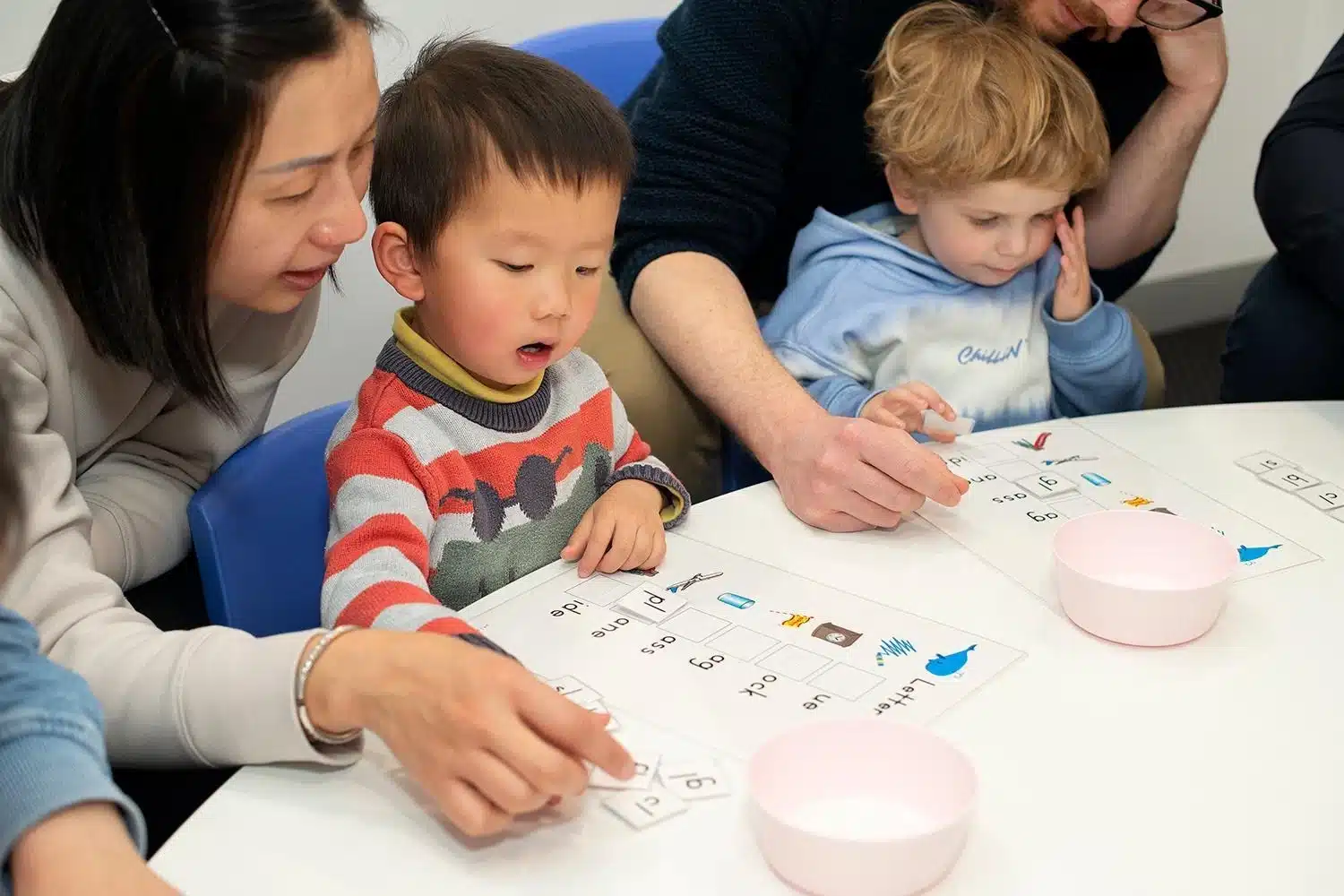
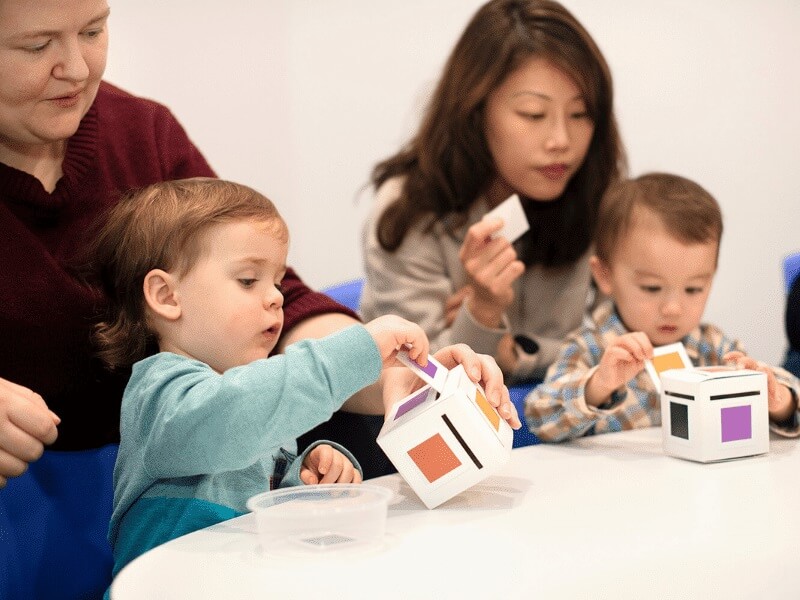
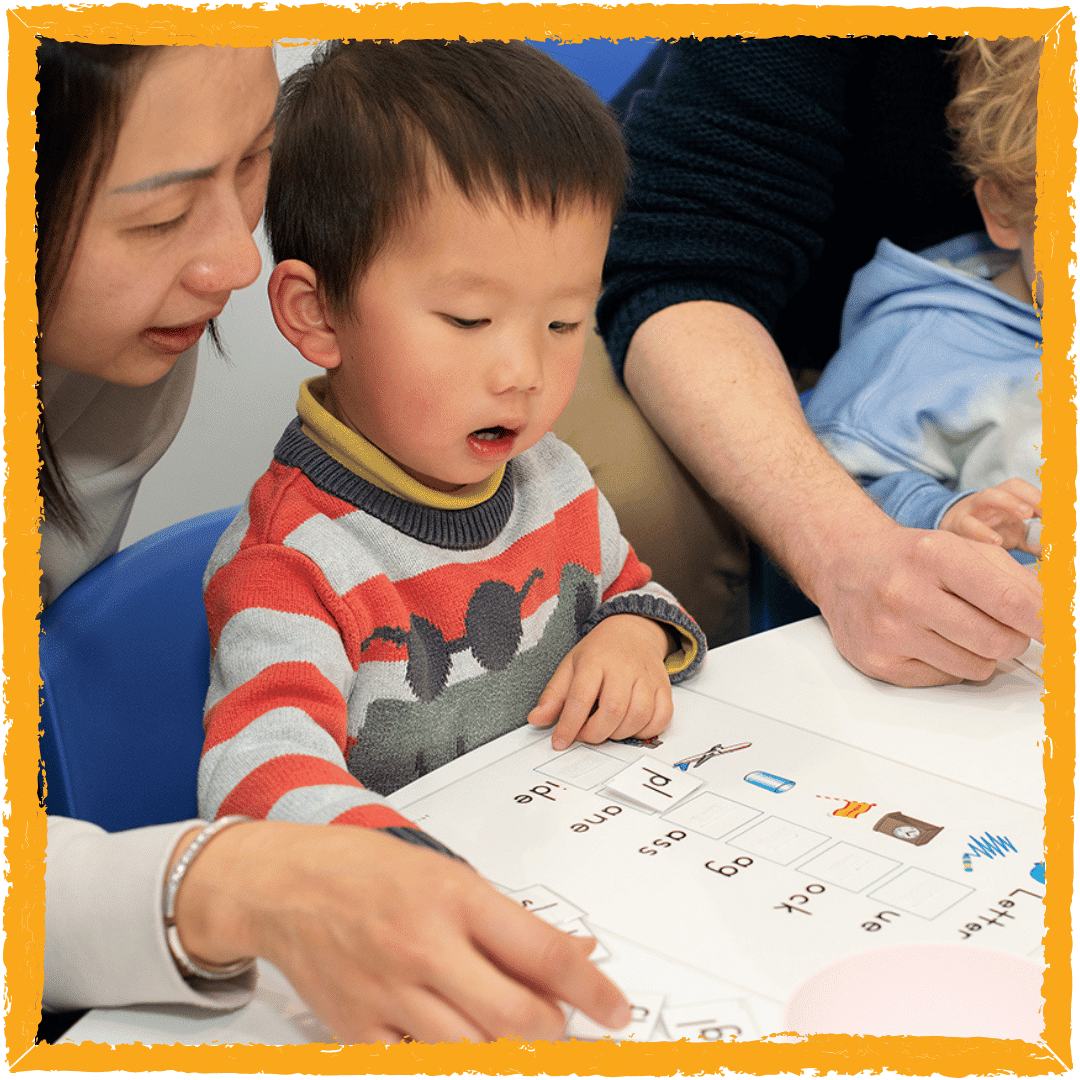
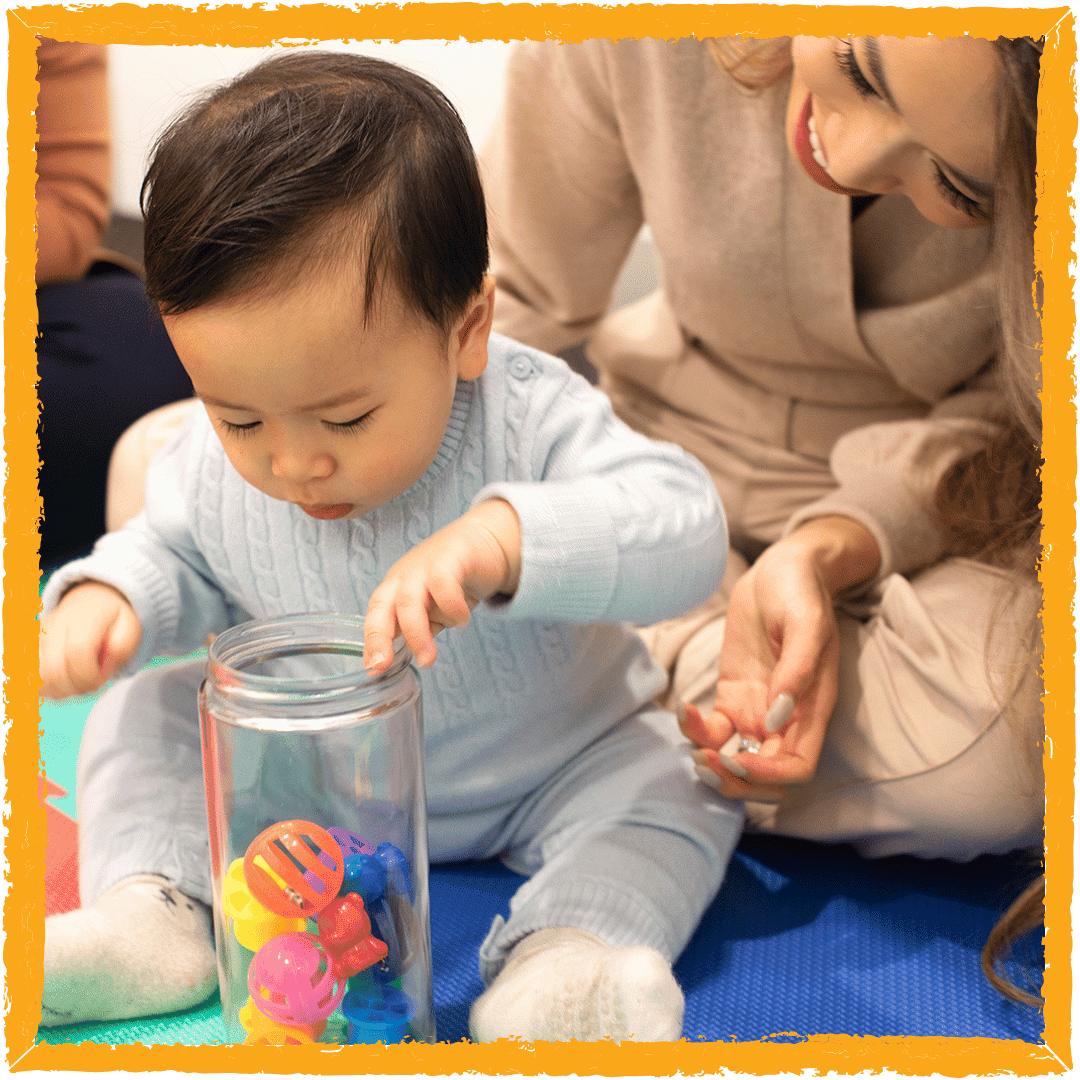
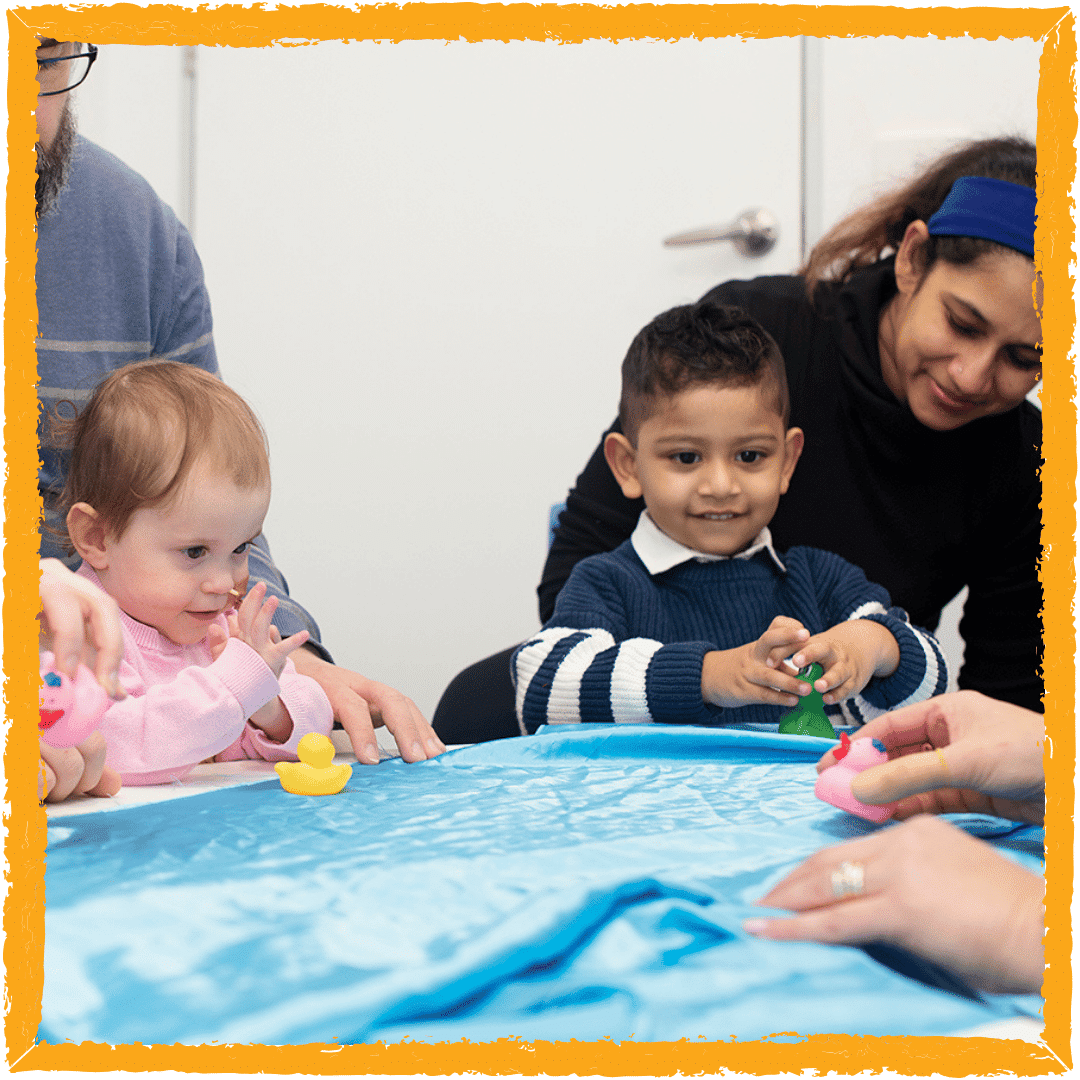
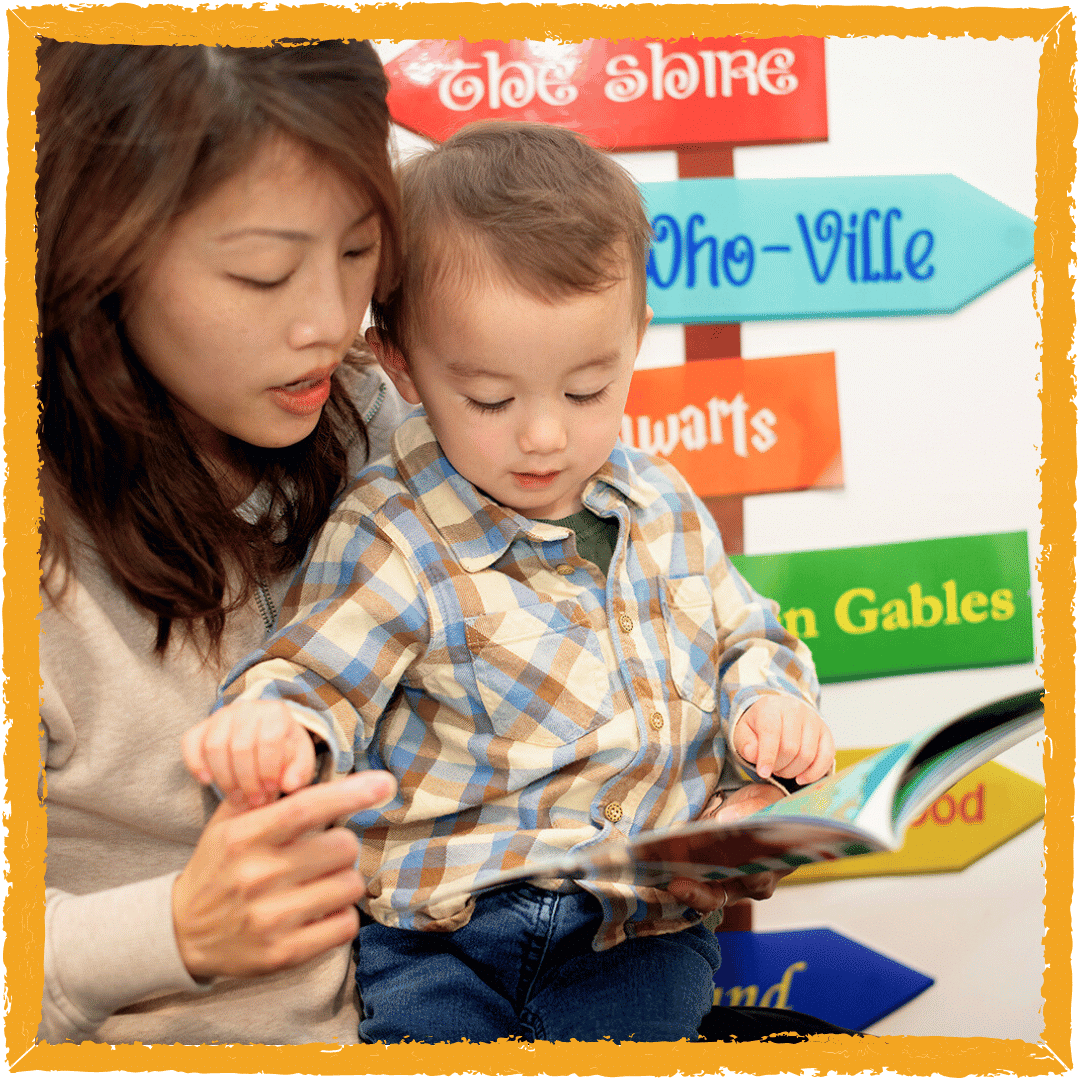
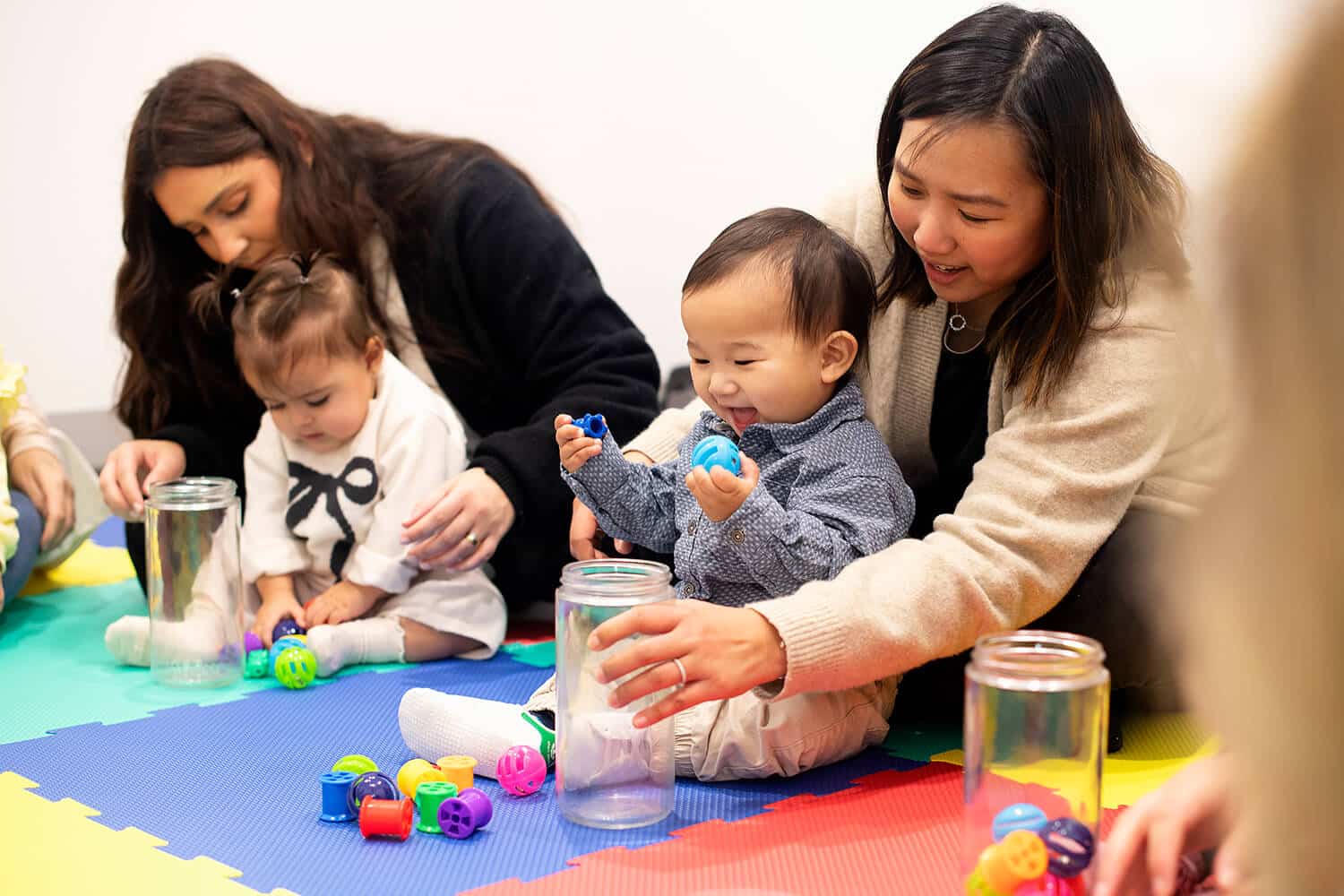
Photo by Shichida: A baby enrichment class where little ones strengthen baby fine motor skills like pincer grip in a fun, supportive setting.
How Baby Fine Motor Skills Develop
Like every area of development, fine motor skills build gradually, with each stage laying the groundwork for the next. Here’s a guide to what you might expect in the first year:
0-3 Months
- Babies start to develop hand-eye coordination.
- Movements are mostly reflexive, such as clenching fists.
- They may begin to swipe at toys hanging above them.
Support Tip: Encourage tummy time! This helps strengthen the arms and shoulders, preparing your baby to reach for toys.
4-6 Months
- Babies begin to grasp objects briefly and may pass them between hands.
- They explore objects by bringing them to their mouth.
Support Tip: Offer easy-to-grip toys such as rattles or teething rings. These encourage grasping and exploration.
At 6 months of age, your baby is old enough to consider an enrichment program specialising in baby development.
7-9 Months
- Your baby may attempt the pincer grasp, using thumb and index finger to pick up small items.
- They gain more control over releasing objects.
Support Tip: Provide safe items for practice, such as soft blocks or large beads, to encourage the pincer grasp.
10-12 Months
- Babies can stack blocks, push buttons, and place objects into containers.
- Movements become more precise, and play gets more interactive.
Support Tip: Introduce toys like stacking rings and shape sorters to refine coordination.
For a full developmental breakdown from birth to age 2, see the Children’s Hospital of Richmond’s fine motor milestone guide.

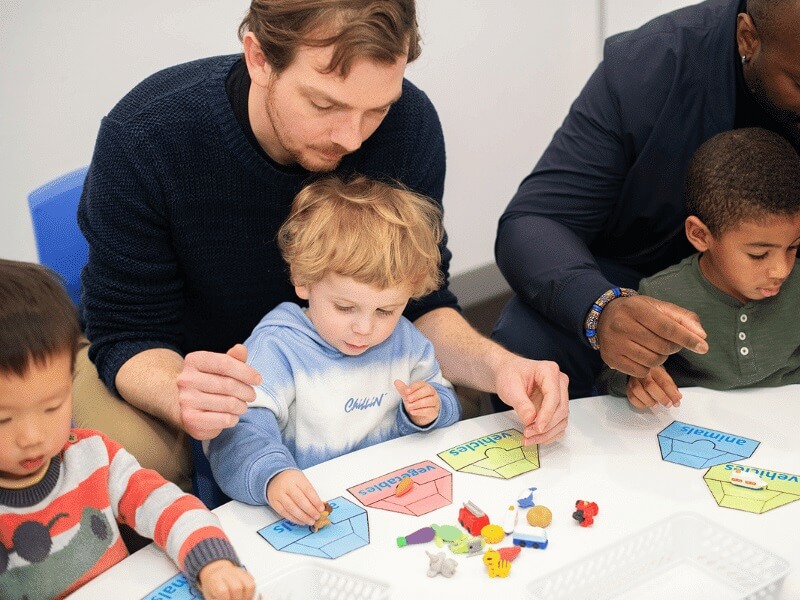
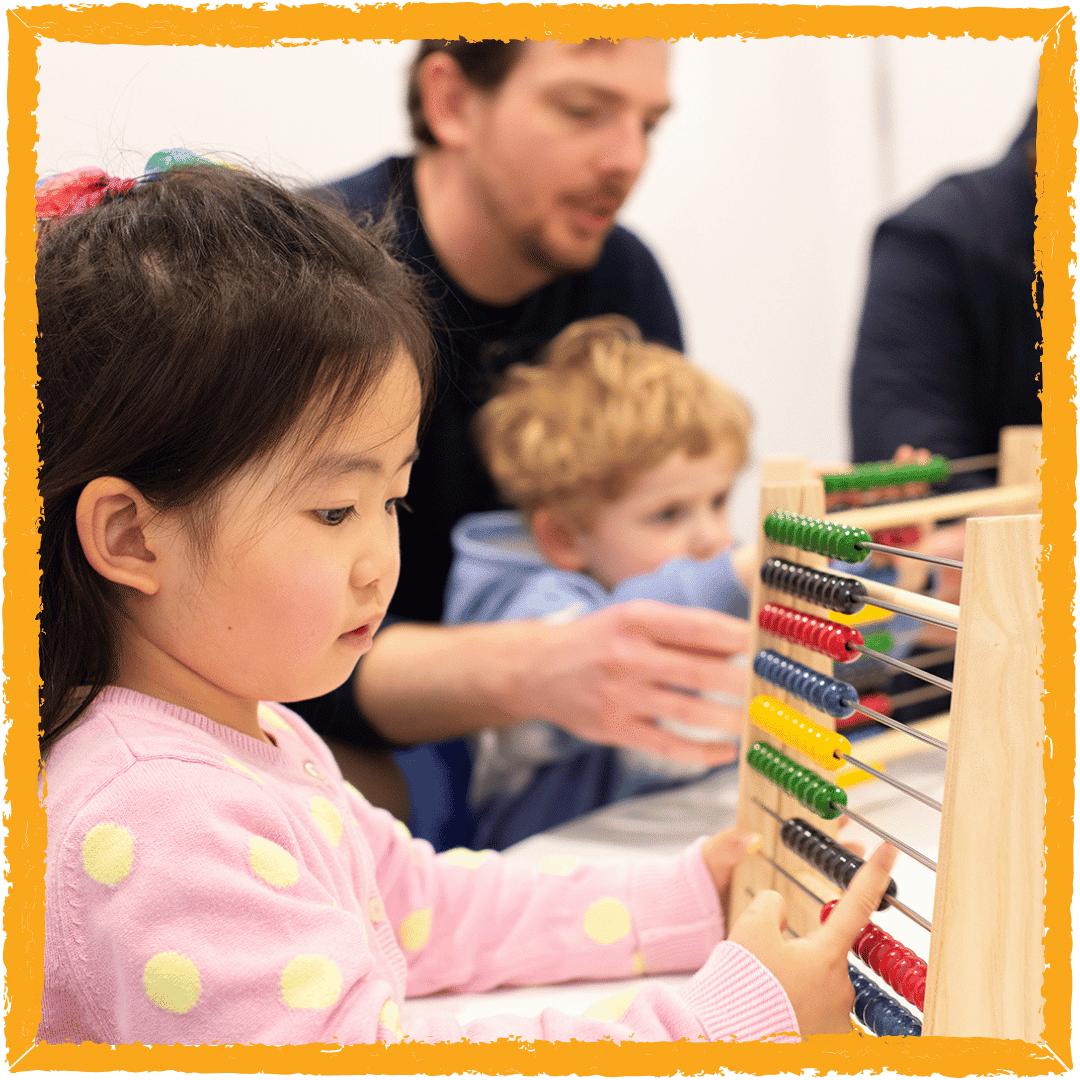
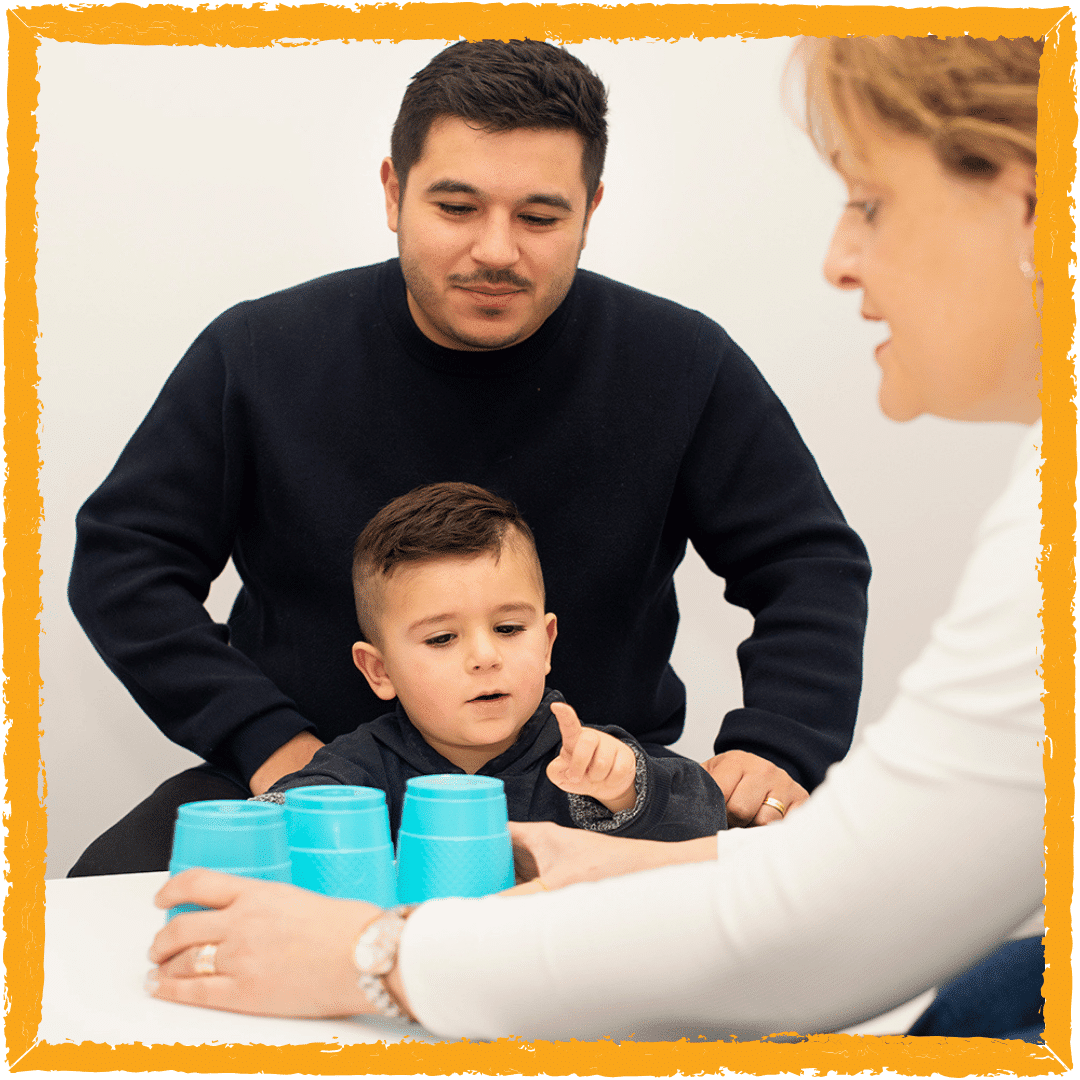
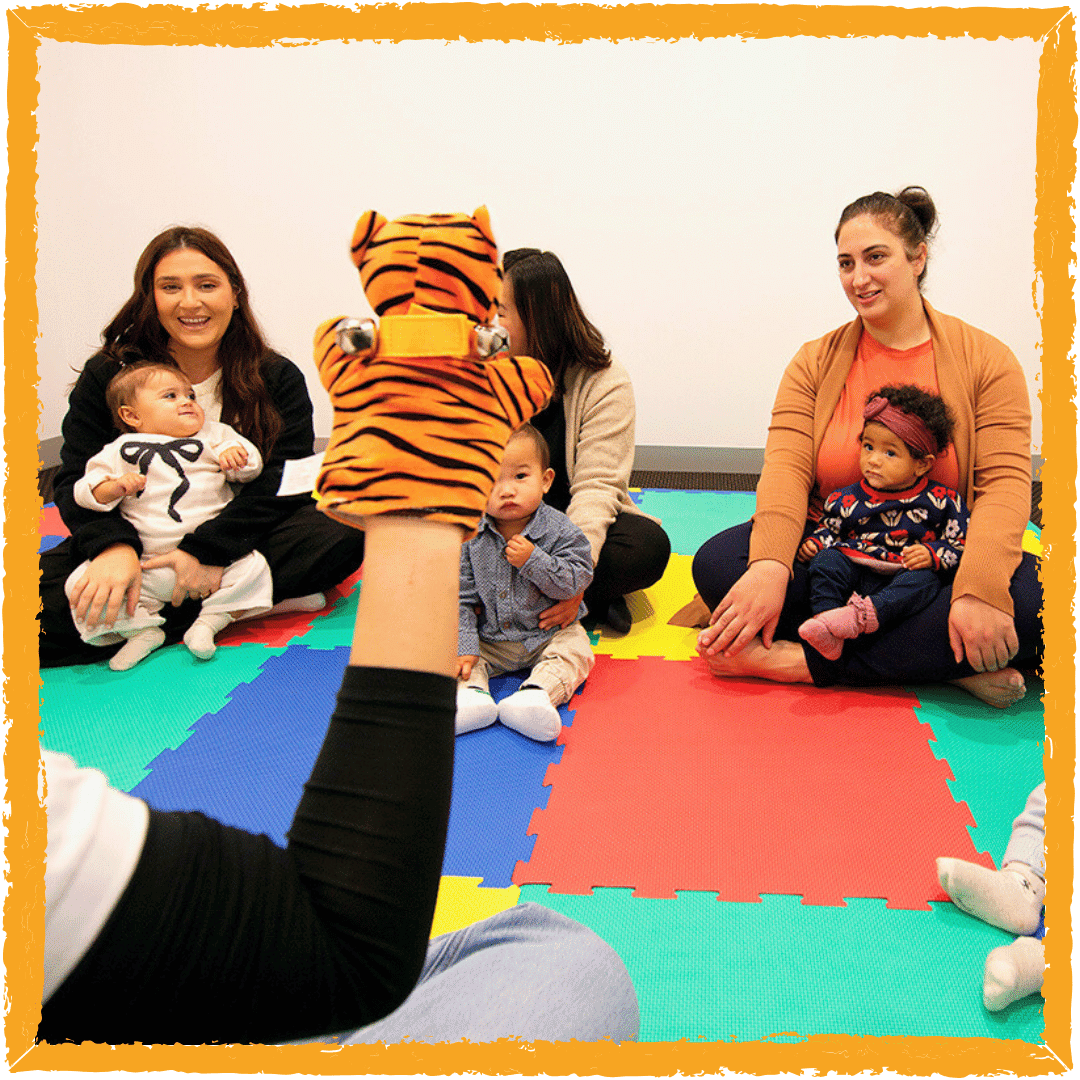
Photo by Shichida: Babies stacking blocks to strengthen hand-eye coordination and build baby fine motor skills through play.
Top Baby Fine Motor Skills Activities
You might wonder how to support baby fine motor skills at home? The good news is that everyday play is the best teacher! Here are some simple, enjoyable baby fine motor skills activities:
1. Tummy Time
- Why it helps: Builds arm and hand strength for grasping later.
- Tip: Place colourful toys just out of reach to motivate movement.
2. Reaching and Grasping Toys
- Why it helps: Strengthens hand-eye coordination.
- Tip: Offer lightweight rattles, textured balls, or soft toys.
3. Clapping and Pat-a-Cake Games
- Why it helps: Encourages coordination and mimicking actions.
- Tip: Play interactive games where your baby copies clapping or tapping.
4. Pincer Grasp Practice
- Why it helps: Develops thumb and finger muscles needed for precise tasks.
- Tip: Offer finger foods like banana pieces or encourage play with large beads.
5. Toy Manipulation
- Why it helps: Enhances control over grasping, releasing, and exploring.
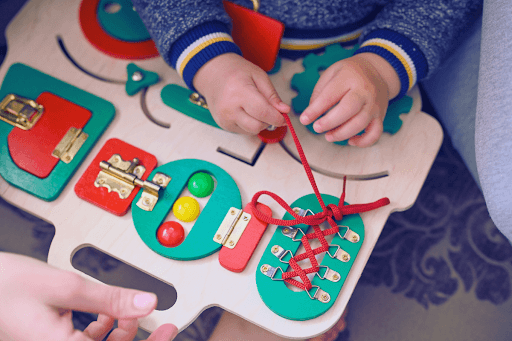
- Tip: Provide toys with buttons, spinners, or easy push mechanisms.
These activities not only promote development but also strengthen the bond of parent and child through play.
Baby Fine Motor Skills Toys
Choosing the right toys can make a big difference in your baby’s development. Here are some of the most effective baby fine motor skills toys:
- Rattles and Shakers: Strengthen grip and coordination through shaking and holding.
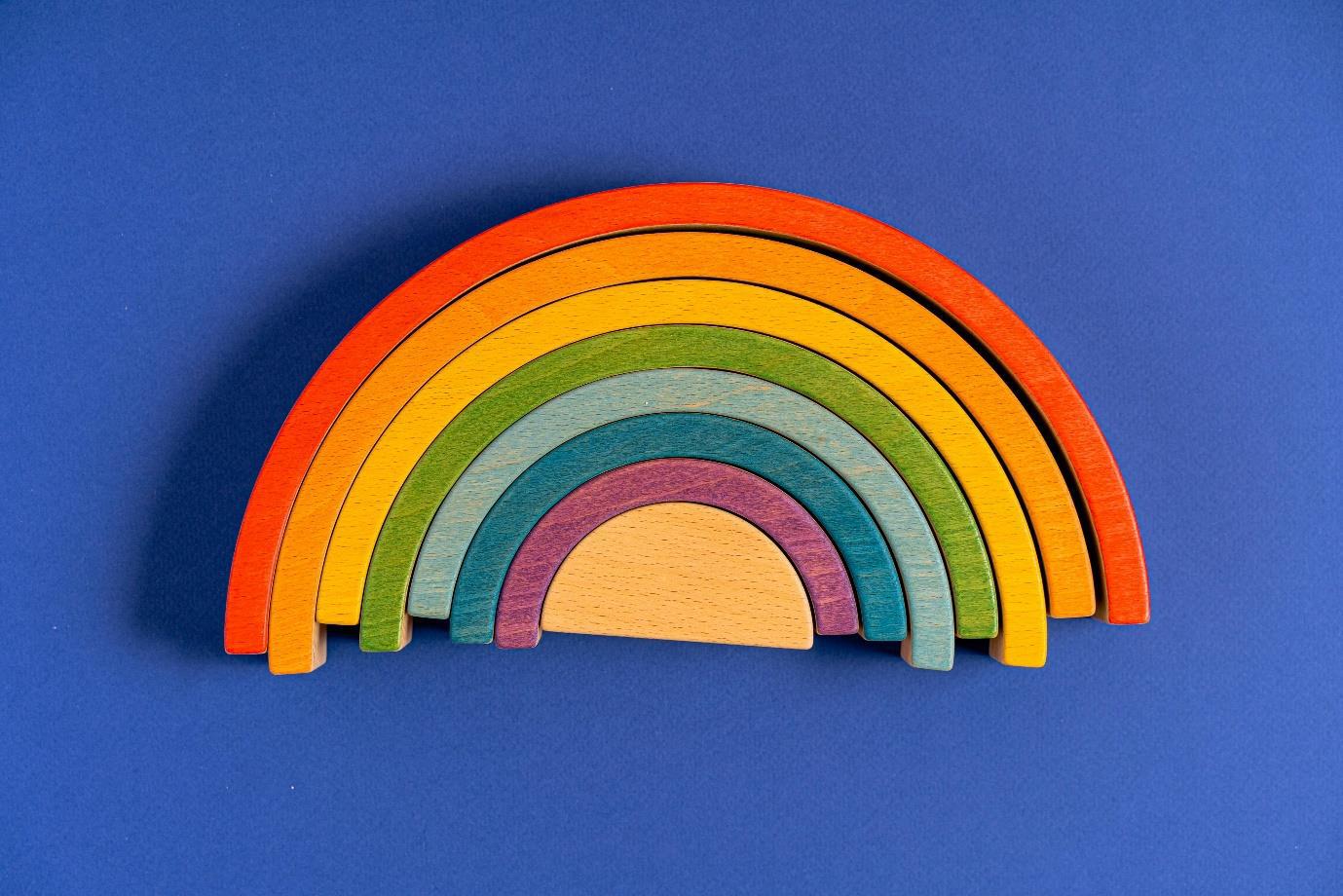
- Soft Blocks: Encourage stacking, grasping, and problem-solving.
- Teething Rings: Offer comfort while supporting grasping and exploring textures.
- Shape Sorters: Develop problem-solving and hand control as babies fit shapes into slots.
- Stacking Cups: Build hand-eye coordination, strengthen grip, and learn about size and balance.
- Ring Stackers: Improve hand control and accuracy while exploring colours and sizes.
- Activity Cubes: These toys give babies multiple ways to practise fine motor skills in one.
Look for toys that are safe, age-appropriate, and encourage both hands to be used. For inspiration, see this guide on kids’ fine motor skills toys.
How to Support Baby Fine Motor Skills at Home
Beyond structured play, everyday routines are perfect for encouraging baby motor skills development:
- Encourage Exploration: Allow your baby to touch and manipulate safe objects, like plastic cups or fabric squares.
- Use Age-Appropriate Toys: Select toys that challenge but don’t frustrate.
- Prioritise Tummy Time: Strengthens core and arm muscles vital for later tasks.
- Make Play Part of Daily Life: Singing, clapping, and finger foods all contribute to skill-building.
- Music Play: Let your child bang drums and shake maracas! Musical instruments are a great way to teach babies cause and effect.
Simple, consistent opportunities to use their hands and fingers will give your baby the confidence to master new challenges.
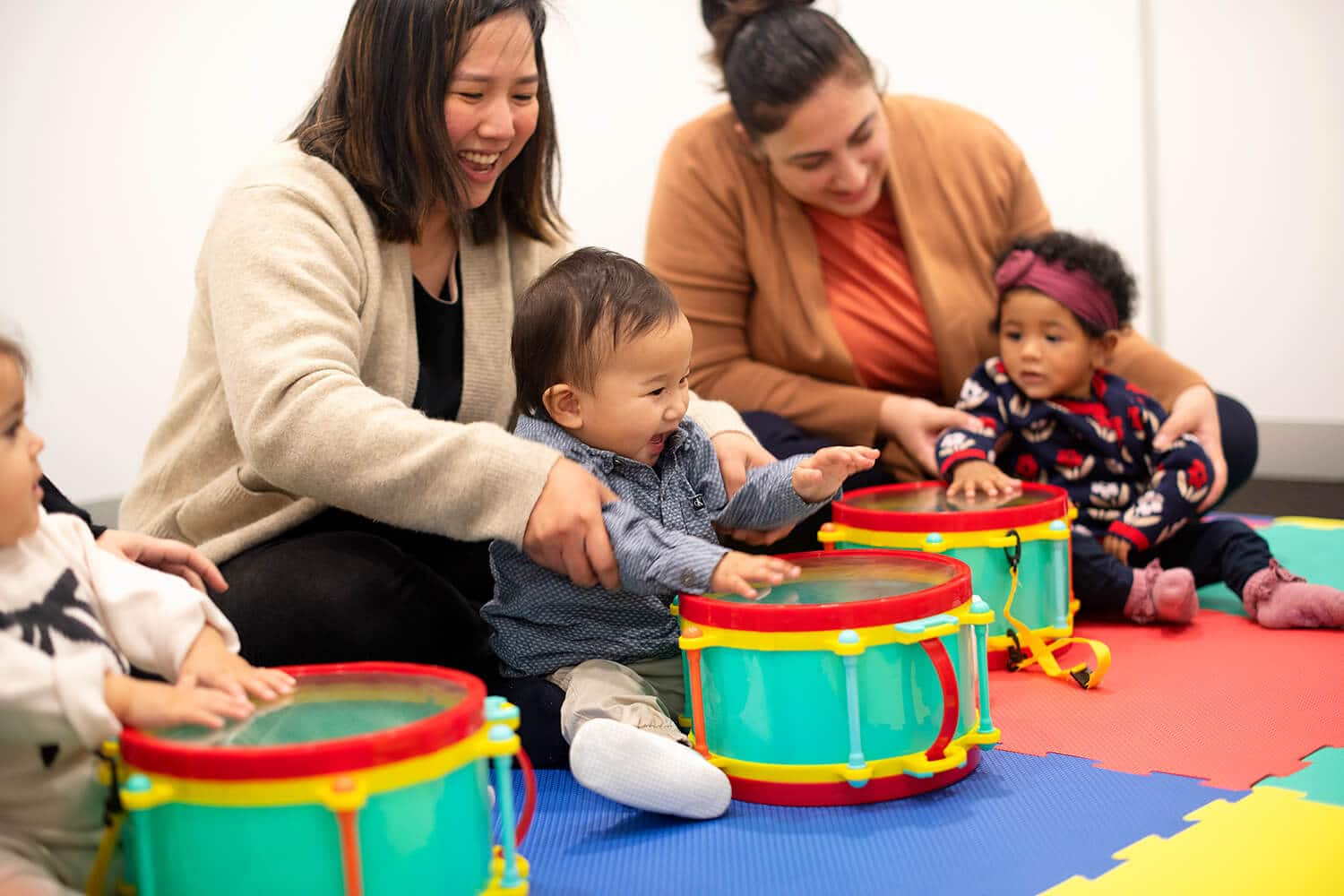
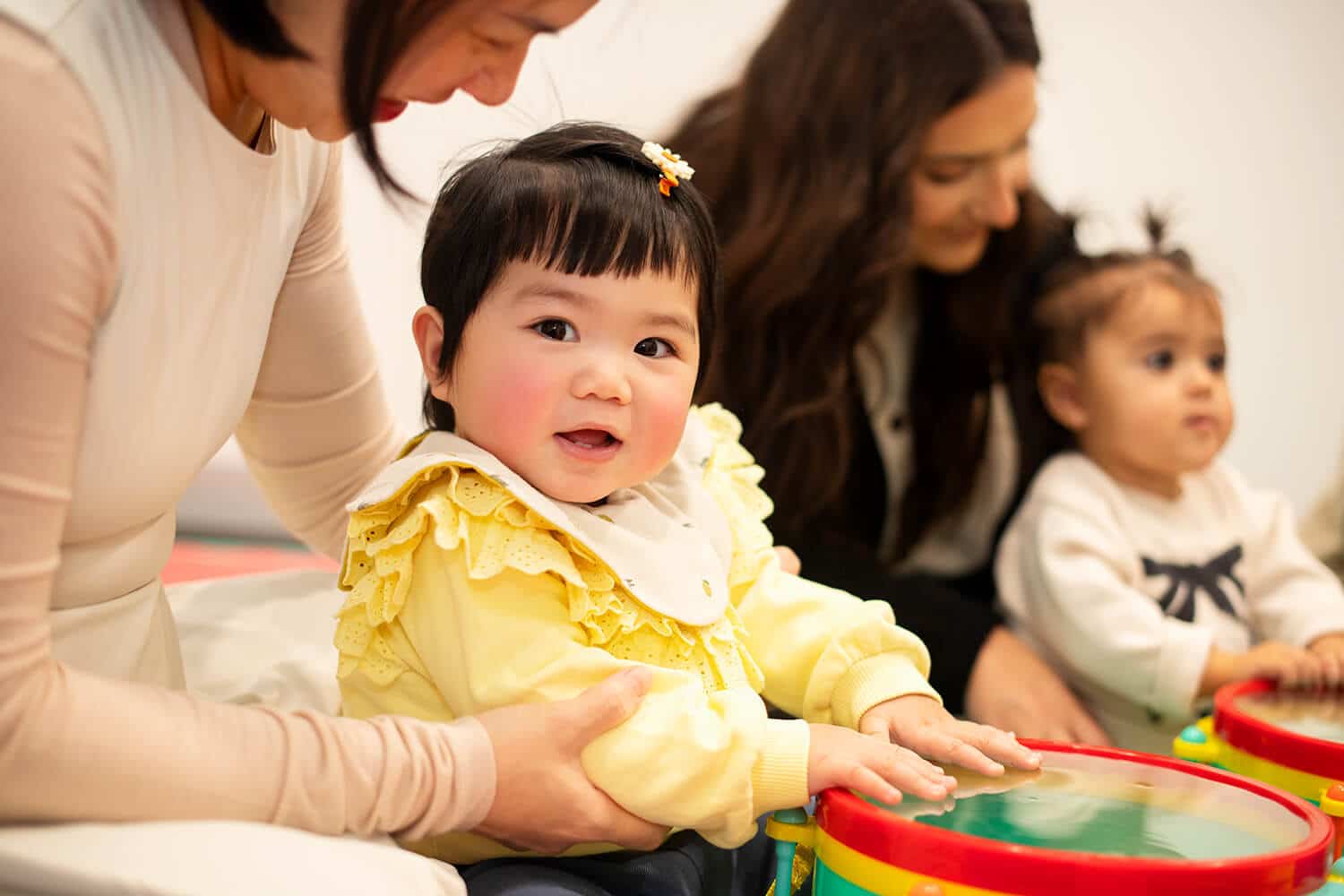
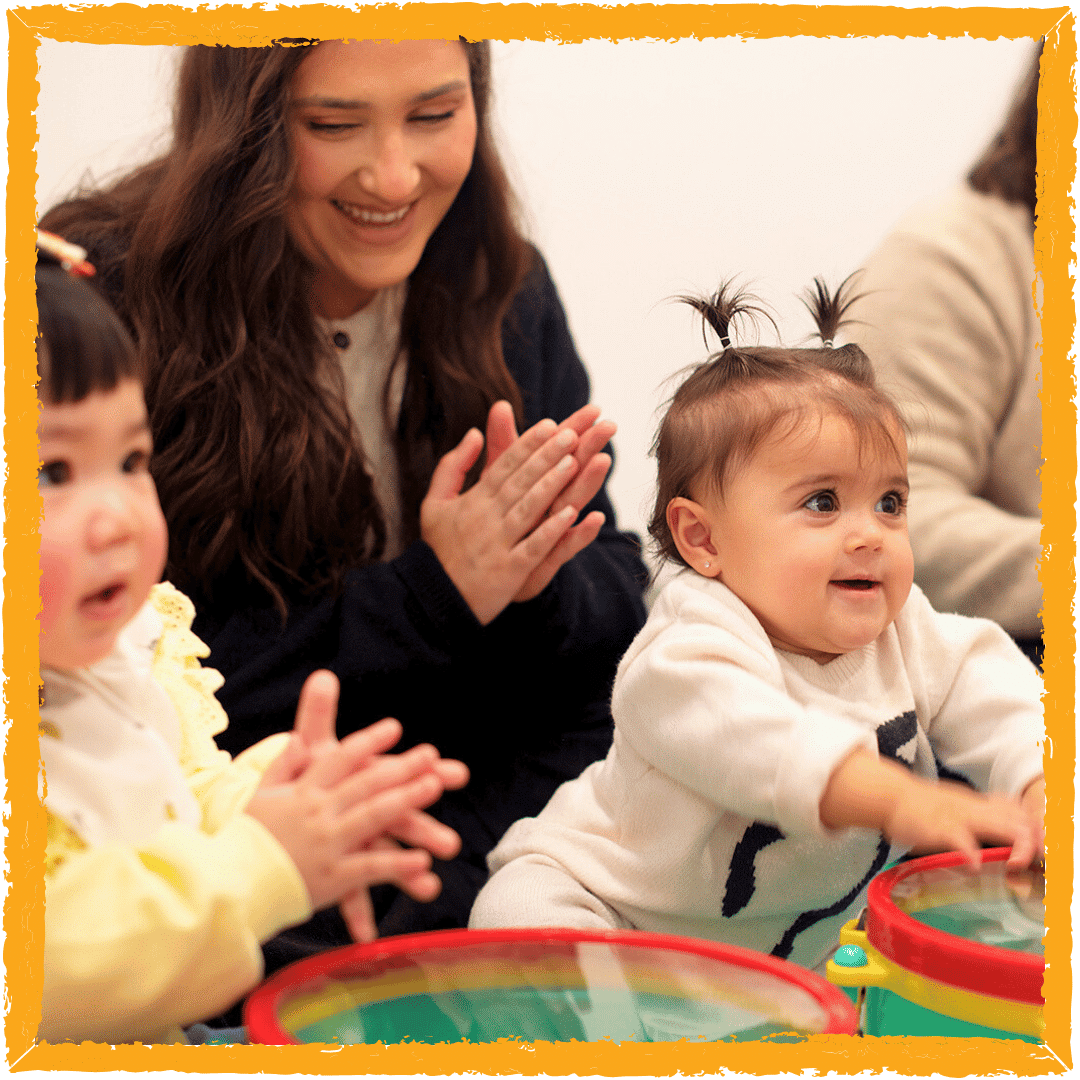
Photo by Shichida: Drum play strengthens grip, timing, and control – an exciting way to develop baby fine motor skills.
Conclusion
Fine motor development may seem like a series of small steps, but these early skills are the building blocks for independence and learning. From grasping a rattle to picking up finger foods, each milestone helps your baby prepare for bigger challenges ahead.
Parents can make a huge difference by incorporating baby fine motor skills activities into everyday routines, offering suitable toys, and creating a safe, engaging environment.
If you’d like more structured support in building a solid foundation during the early years, Shichida’s early childhood program is designed to nurture motor, cognitive, and emotional growth from the start.
Book a baby trial class today and discover how our enrichment program can help your child build the skills they need for a bright future!
FAQs: Baby Fine Motor Skills
Babies begin working on fine motor skills from birth with reflexive movements. By 3-4 months, they start grasping toys, and by 9-12 months, many can use the pincer grasp.
Tummy time, clapping games, stacking blocks, reaching for rattles, and finger food practice are all great activities.
Age-appropriate toys like rattles, teething rings, soft blocks, and shape sorters help strengthen hand and finger muscles.
Encourage exploration, provide safe toys, include tummy time daily, and introduce activities like clapping or finger foods.
By around six months, babies can usually pass objects between hands, bring toys to their mouths, and start holding items for longer.
Shichida Australia’s baby classes are designed to develop early fine motor skills through age-appropriate play. Babies practise reaching, grasping, stacking, and simple hand-eye coordination activities, all guided by certified instructors. These fun sessions also support sensory development, memory, and confidence from as early as 6 months old.