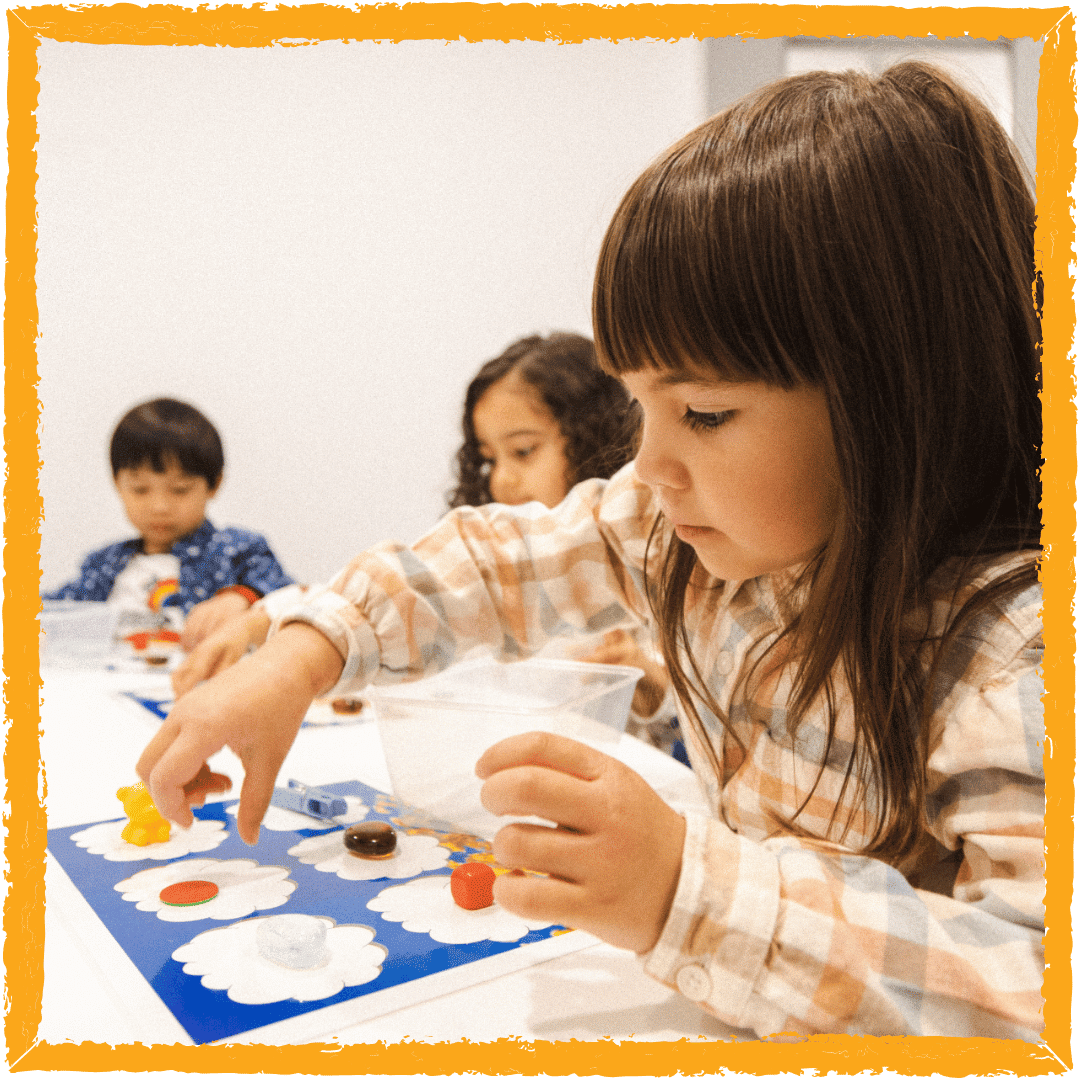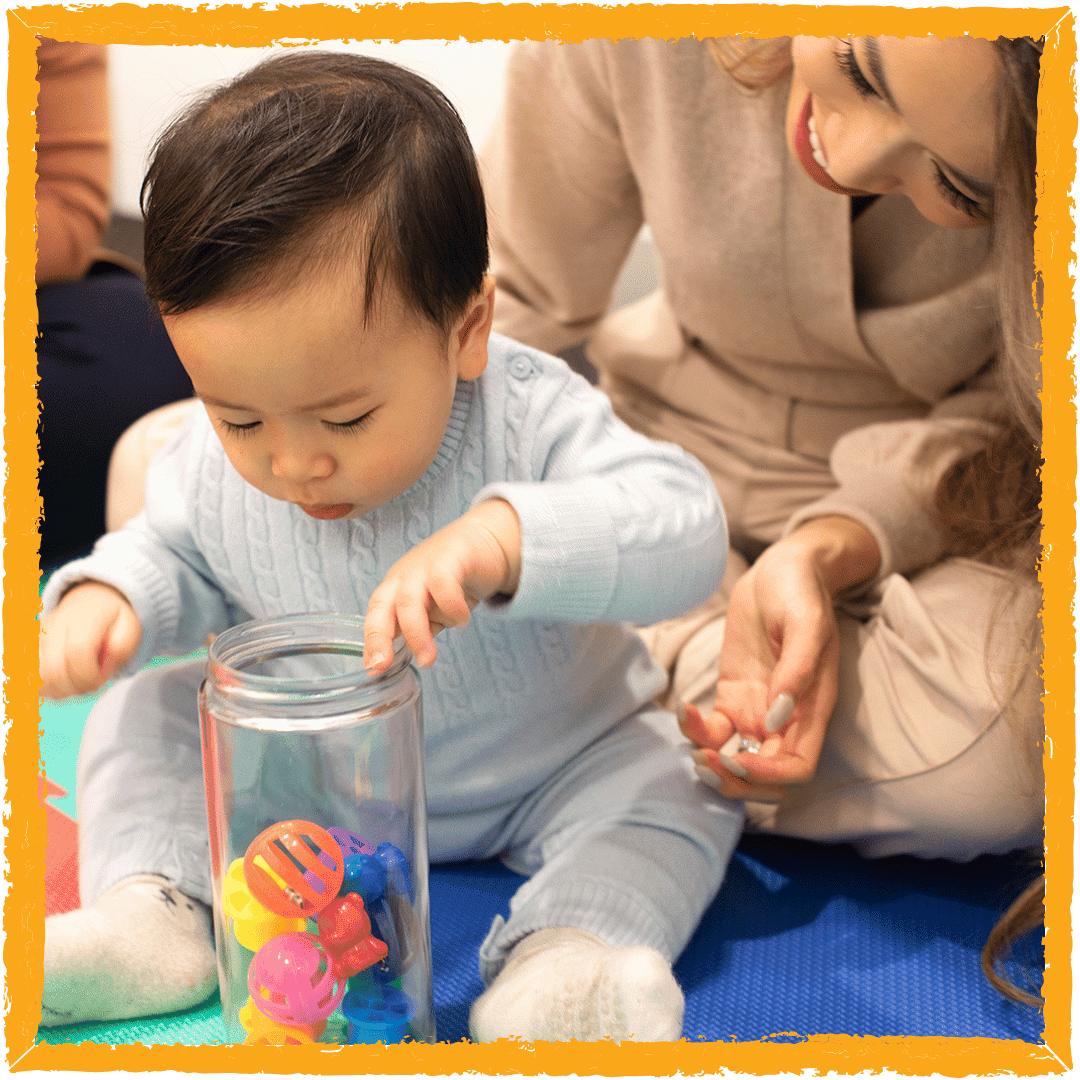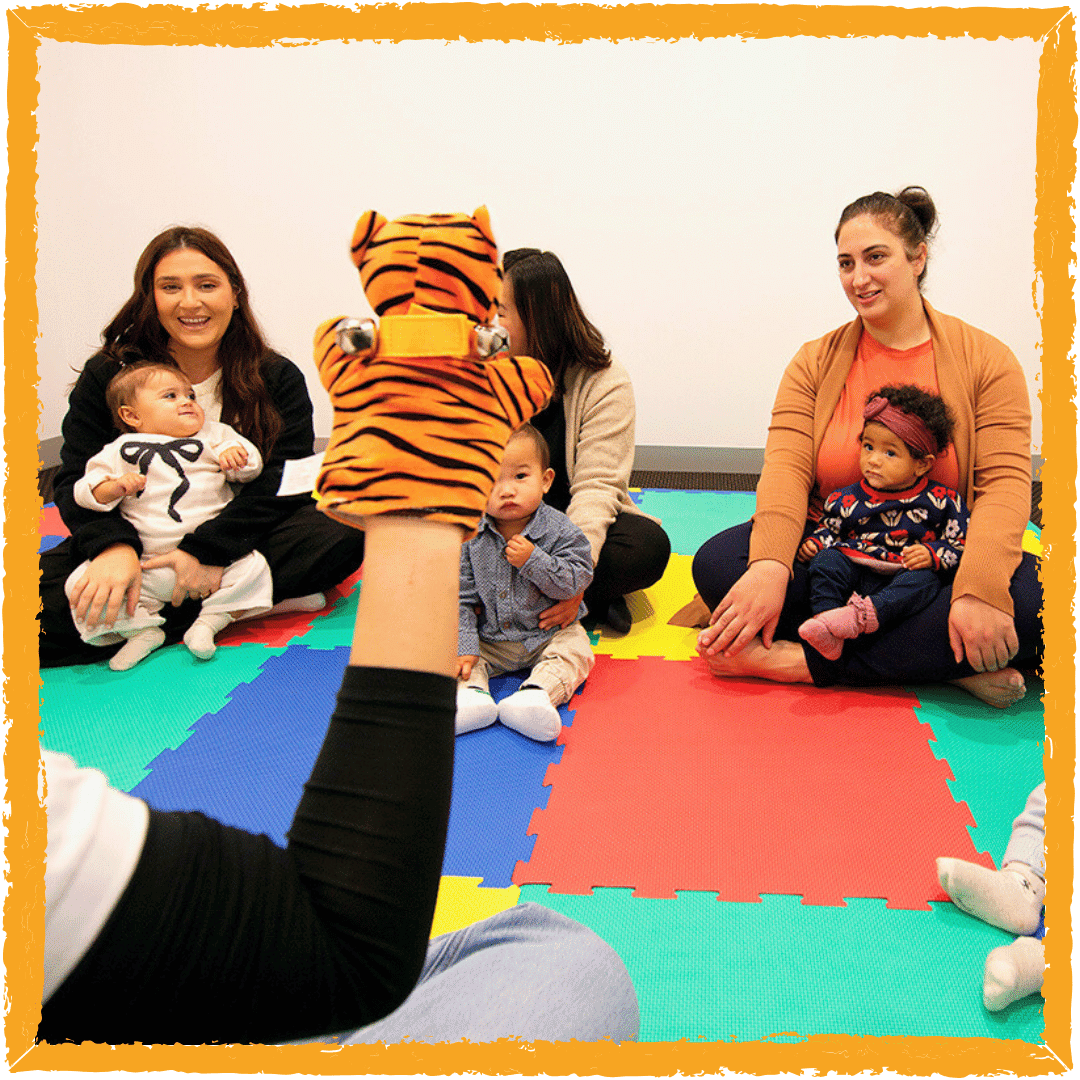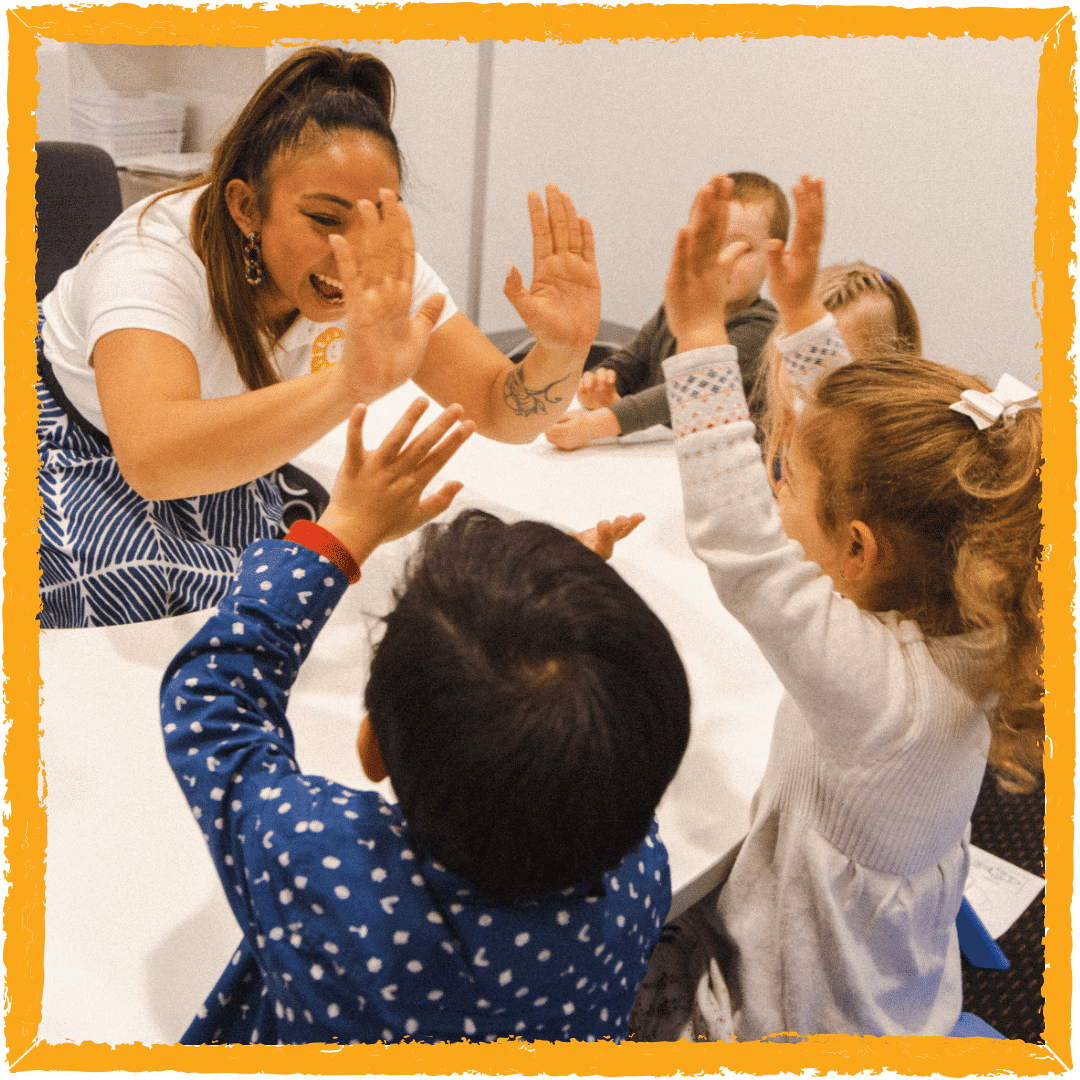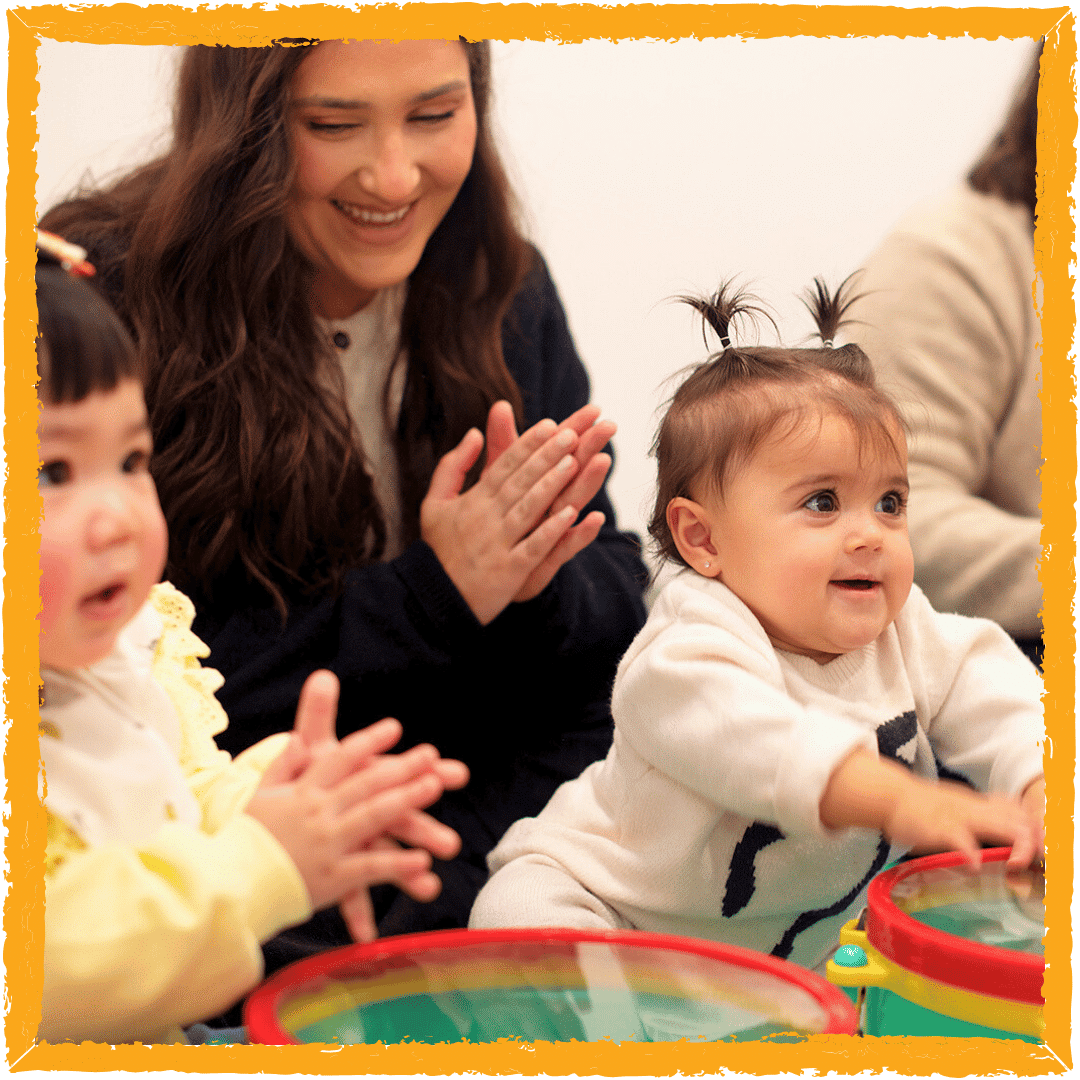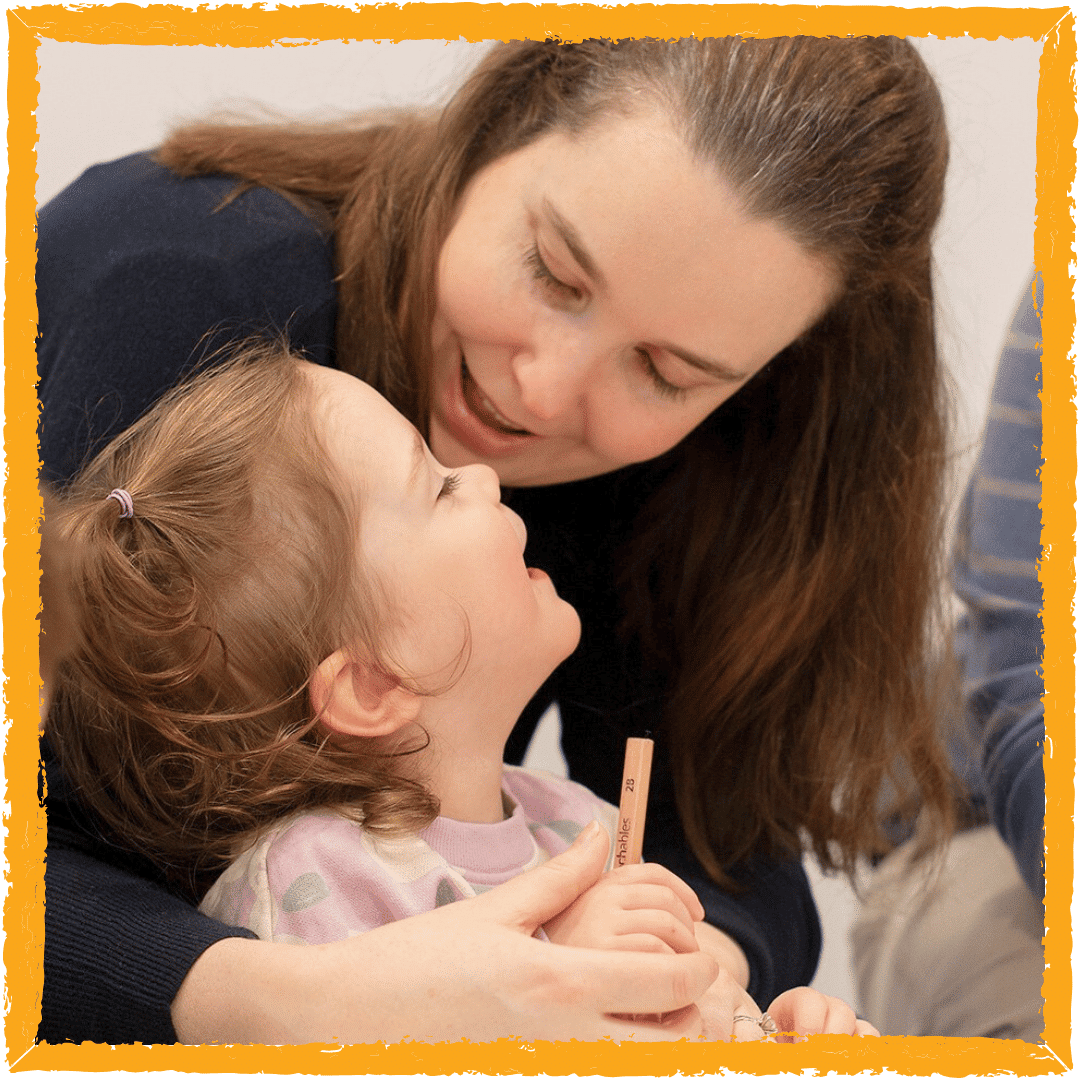
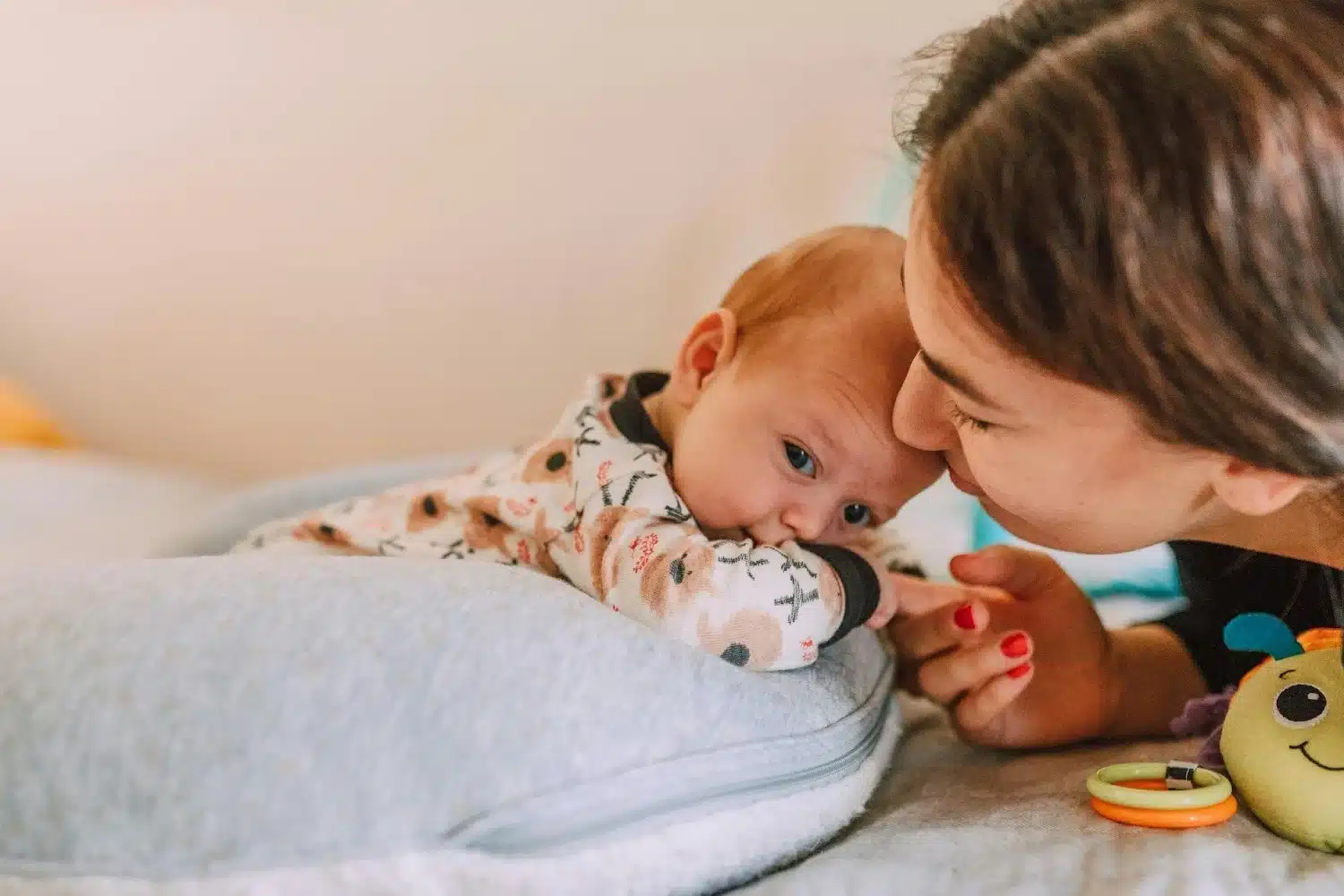
Photo From Pexels: Gentle movement and floor play help babies explore balance and body awareness safely.
Babies Upside Down: Development, Balance & Play
Key Points
- “Babies upside down” usually refers to brief, supported changes in head position, not unsafe handling
- Short, supported head-lower-than-heart moments can support balance and body awareness
- Babies explore movement as part of learning how their body works in space
- Safety, head control, and responsiveness to cues are essential
- Sensory learning through play supports development without forcing positions
If you are a parent, you may have noticed moments that make you pause. Your baby tips their head forward while learning to crawl. They roll halfway off a cushion. They arch back during play or giggle when their body changes position. You might hear someone ask, “Is it okay for babies to be upside down?” or see the topic discussed online in ways that feel confusing or even alarming.
These questions are completely natural. Babies move in ways that can look unfamiliar, especially in the first year. Understanding what “babies upside down” really means, why babies are curious about these positions, and how to support movement safely can help you feel confident rather than cautious.
This guide explains the topic in a clear, balanced way, focusing on development, safety, and how babies learn through movement and play.
What Do People Mean by “Babies Upside Down”?
When parents search for “babies upside down,” they are usually not talking about deliberately hanging a baby upside down. Most often, they are referring to brief, supported moments when a baby’s head is lower than their heart during normal play or movement.
This can include:
- Rolling during floor play
- Crawling and lowering the head to look at objects
- Being gently tipped forward or sideways while supported
- Changes in position while being carried or lifted
These moments are very different from unsafe practices such as holding a baby by the legs or leaving them unsupported. In healthy development, babies naturally experience many changes in position as they learn how their body moves in space.
Why Are Babies Curious About Being Upside Down?
Babies learn through movement. Every shift in position gives their brain new information about balance, gravity, and orientation. This curiosity is part of how babies develop body awareness, sometimes called proprioception, and balance awareness, supported by the vestibular system in the inner ear.
When a baby briefly experiences their head in a lower position, the brain receives strong signals about:
- Up and down
- Where the body is in space
- How movement feels
This input helps the brain organise balance and coordination over time. For many babies, these sensations feel interesting or enjoyable, which is why you may see smiles or engagement during gentle movement play.
This does not mean babies need to be inverted deliberately. It means that varied, natural movement is an important part of early development.
How Balance and Orientation Develop in Infancy
Balance development begins early and continues gradually throughout childhood. In infancy, it is supported by everyday experiences such as:
- Being carried
- Rolling on the floor
- Tummy time
- Crawling and reaching
- Gentle rocking and movement
The vestibular system works together with vision and muscle feedback to help babies understand their position in the world. Over time, this supports posture, coordination, attention, and confidence in movement.
Brief changes in head position, when they happen naturally and safely, are one small part of this process. Repetition, variety, and responsiveness to your baby’s cues matter far more than any single position.
Is It Safe for Babies to Be Upside Down?
Safety depends on how, when, and for how long.
Babies should never be:
- Held upside down by the legs
- Left unsupported in inverted positions
- Forced into positions they are not developmentally ready for
Newborns and young infants need constant head and neck support. As babies grow and gain control, they naturally move through a wider range of positions during play. These moments should always be:
- Brief
- Fully supported
- Guided by the baby’s comfort and enjoyment
If a baby shows distress, discomfort, or poor head control, the movement should stop. Responsive caregiving always comes first.
Do Babies See the World Upside Down?
This is a common myth. While images technically land inverted on the retina, the brain processes visual information so that babies do not experience the world as upside down.
What matters more for development is how vision, movement, and balance work together. As babies move, their brain learns to connect what they see with how their body feels. This is why movement and play are so closely linked to visual development and learning.
What Actually Supports Healthy Movement and Balance?
Babies do not need special techniques or dramatic movements to develop well. The most effective support comes from:
- Floor play on a firm, safe surface
- Plenty of tummy time
- Rolling, reaching, and crawling at their own pace
- Being carried and moved gently throughout the day
- Play that combines movement, interaction, and attention
These experiences allow babies to explore movement in a way that feels safe and meaningful.
Following Your Baby’s Cues Matters Most
Every baby is different. Some enjoy movement and position changes more than others. Some may feel unsettled by certain sensations. This is normal.
If your baby seems relaxed, engaged, and curious, the movement is likely supportive. If they appear tense, distressed, or uncomfortable, it is a sign to slow down or stop. There is no benefit in pushing through discomfort.
Development is not about doing more. It is about doing what is appropriate for your baby, at the right time.
Supporting Development Through Sensory Learning and Play
Babies learn best through play that engages their senses, attention, and relationship with you. Sensory learning does not mean structured exercises. It means shared experiences that help your baby explore the world with your support.
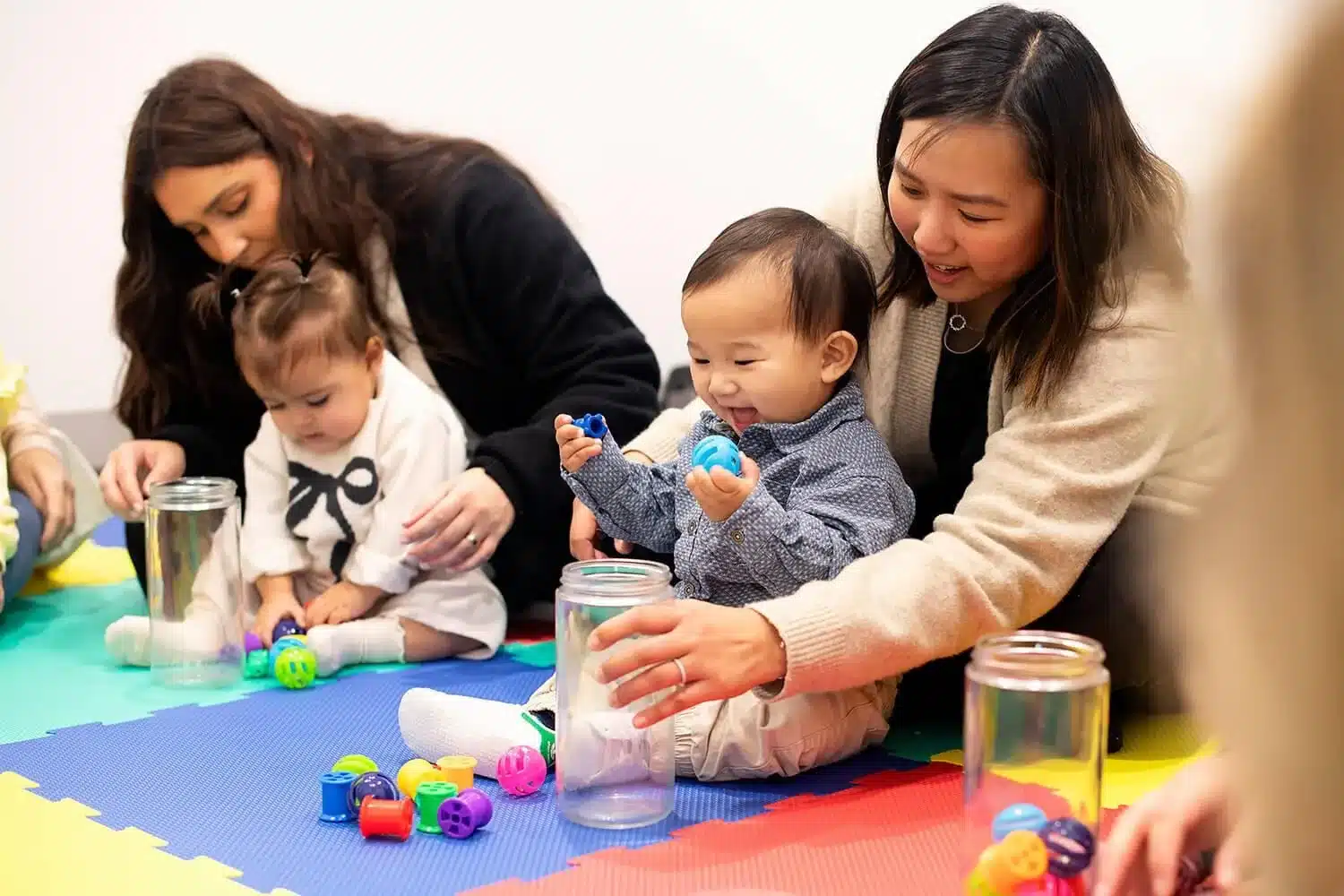
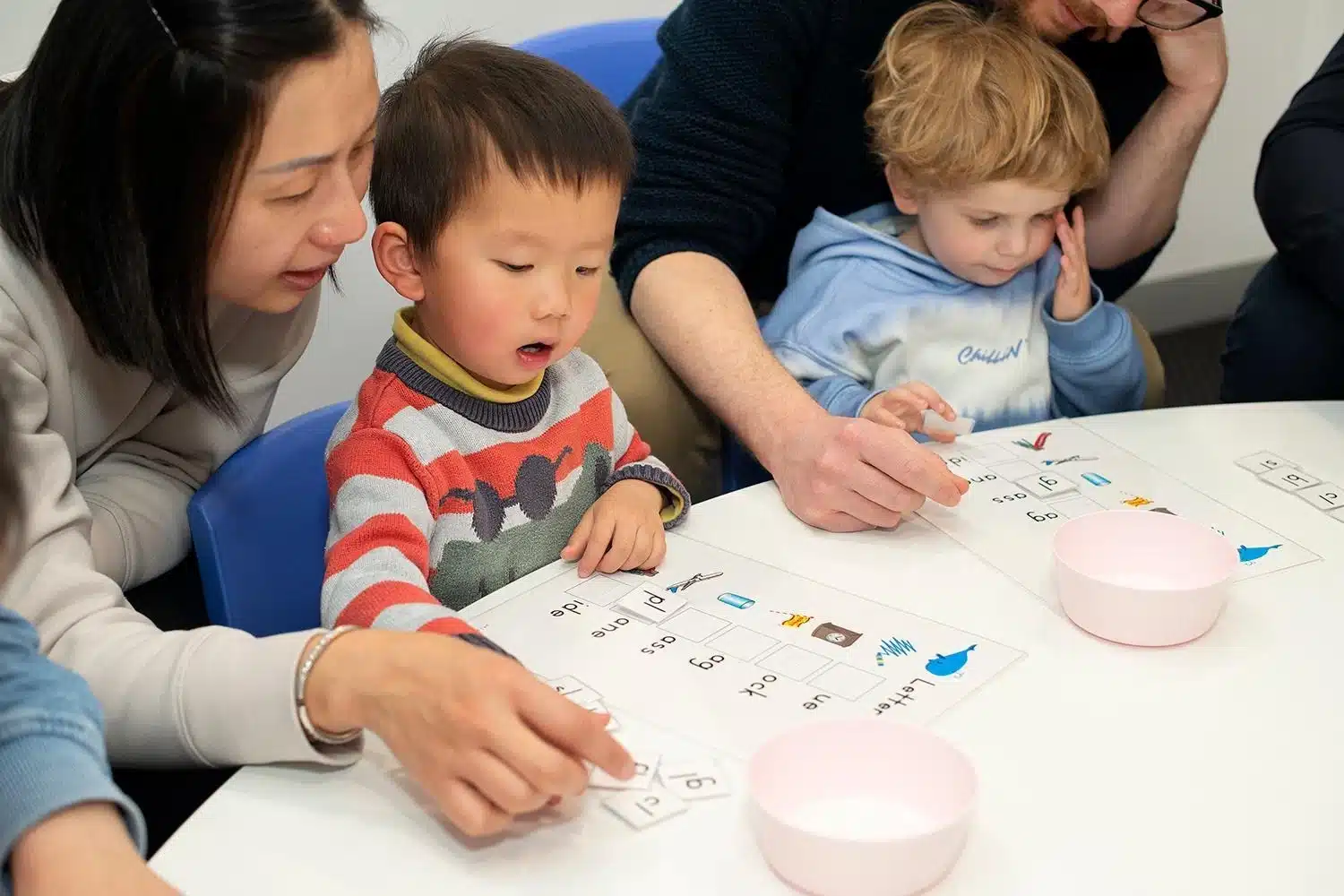
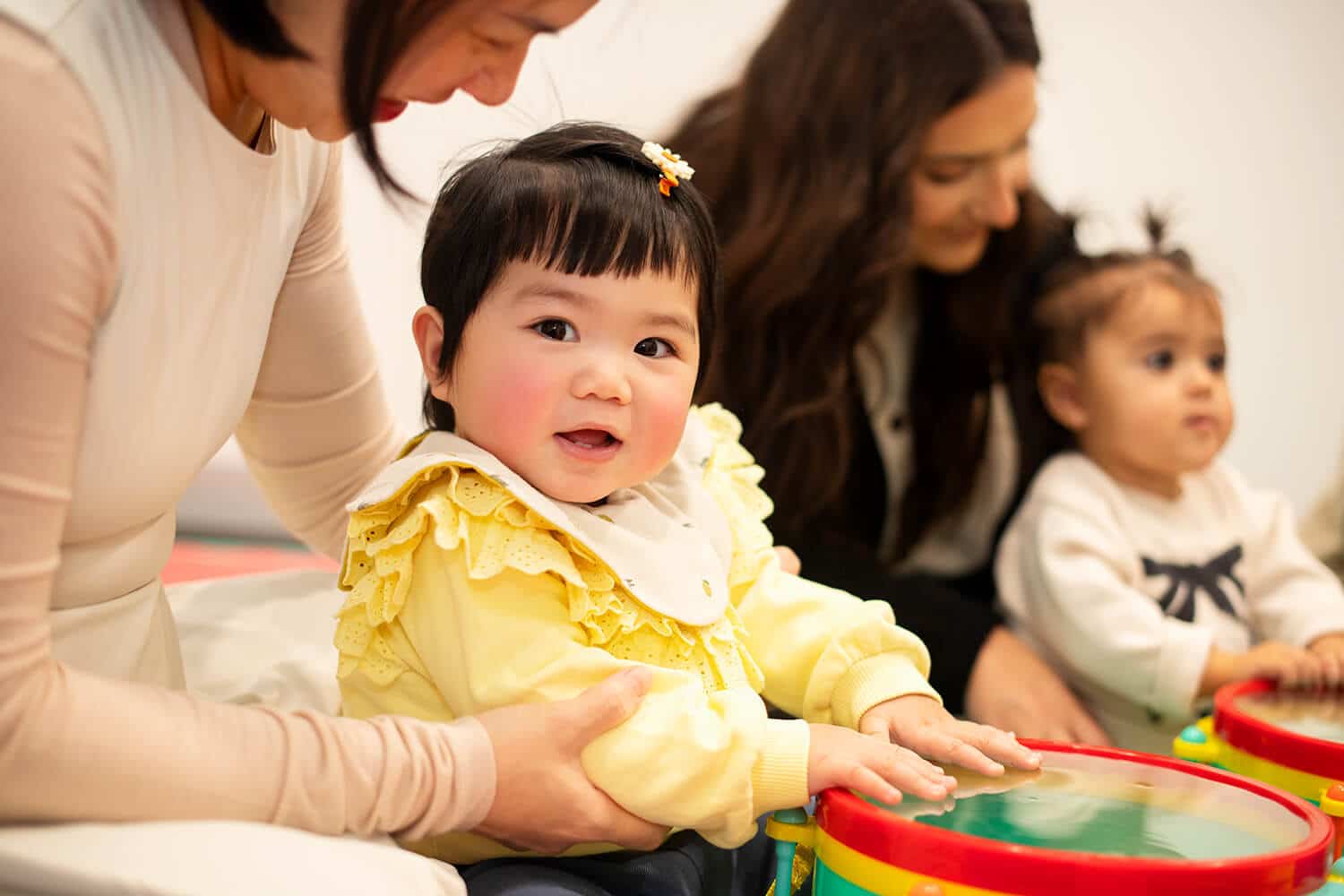
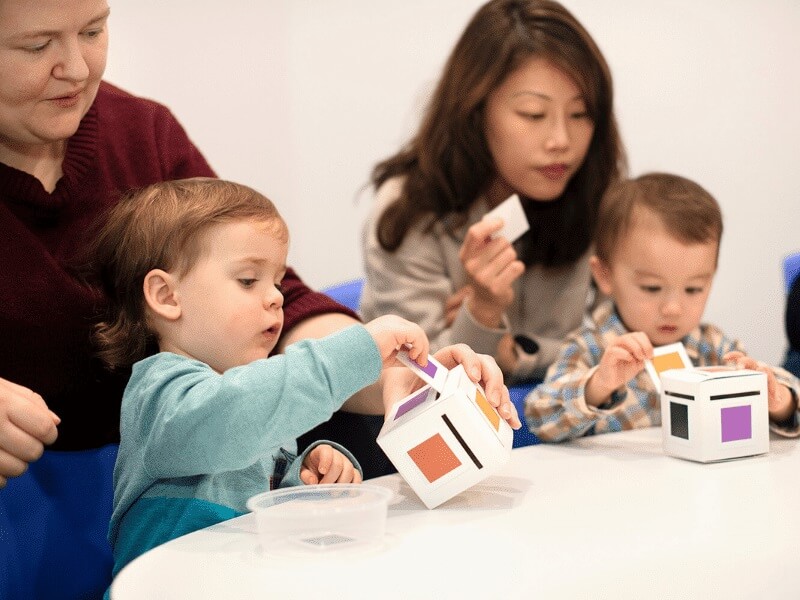
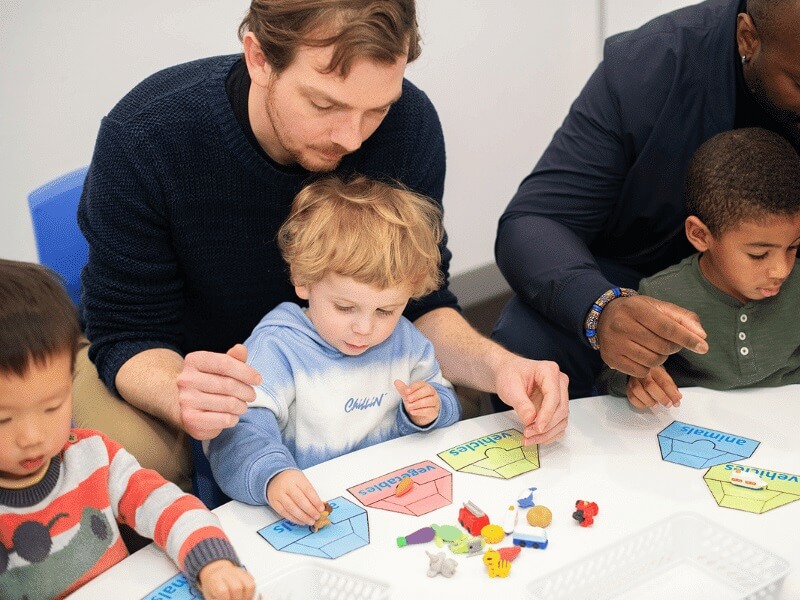
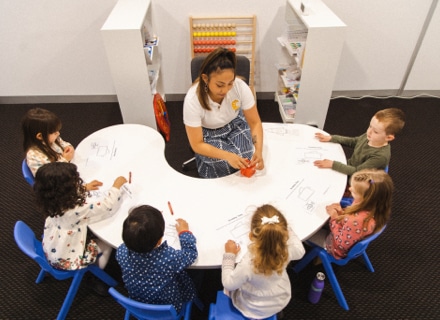
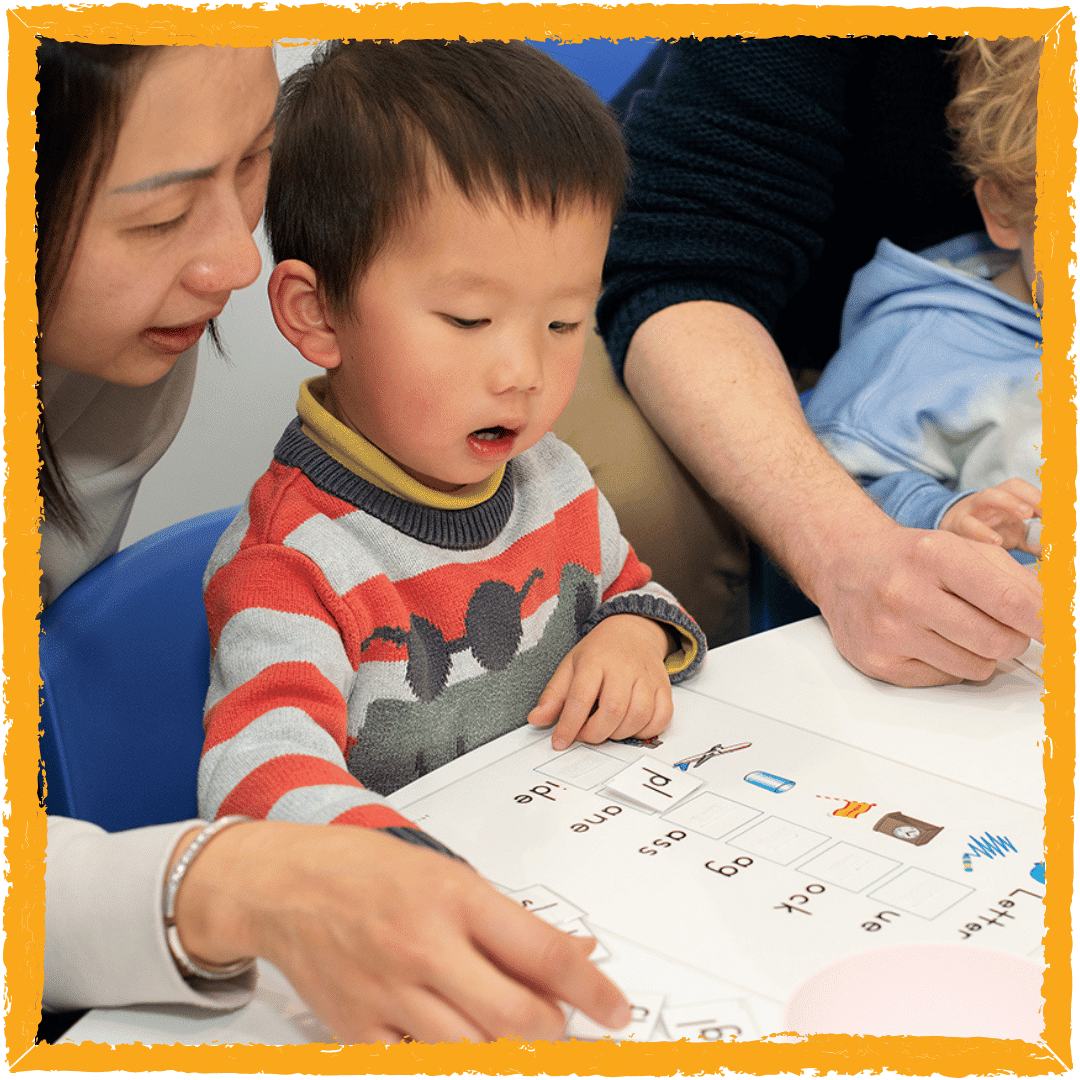
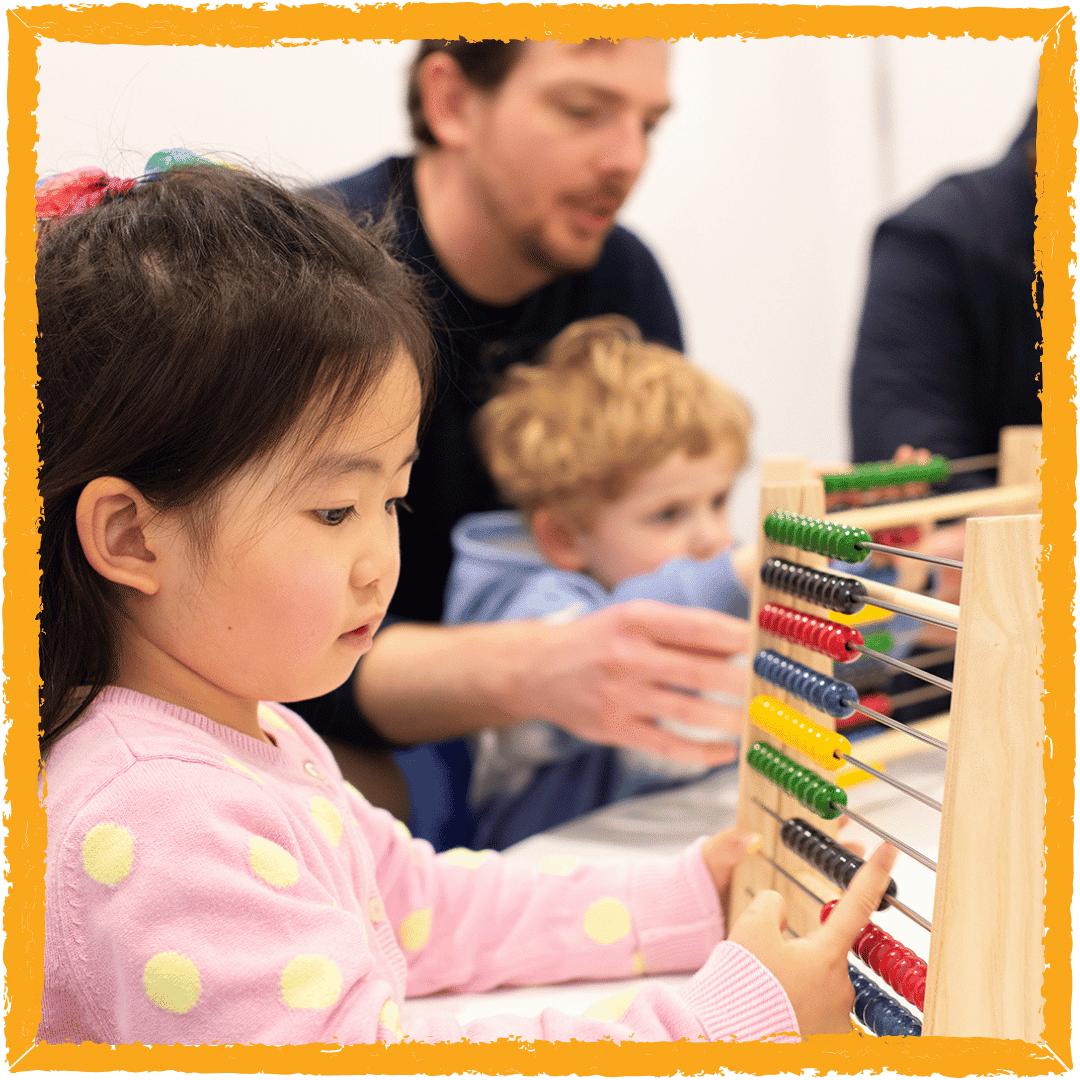
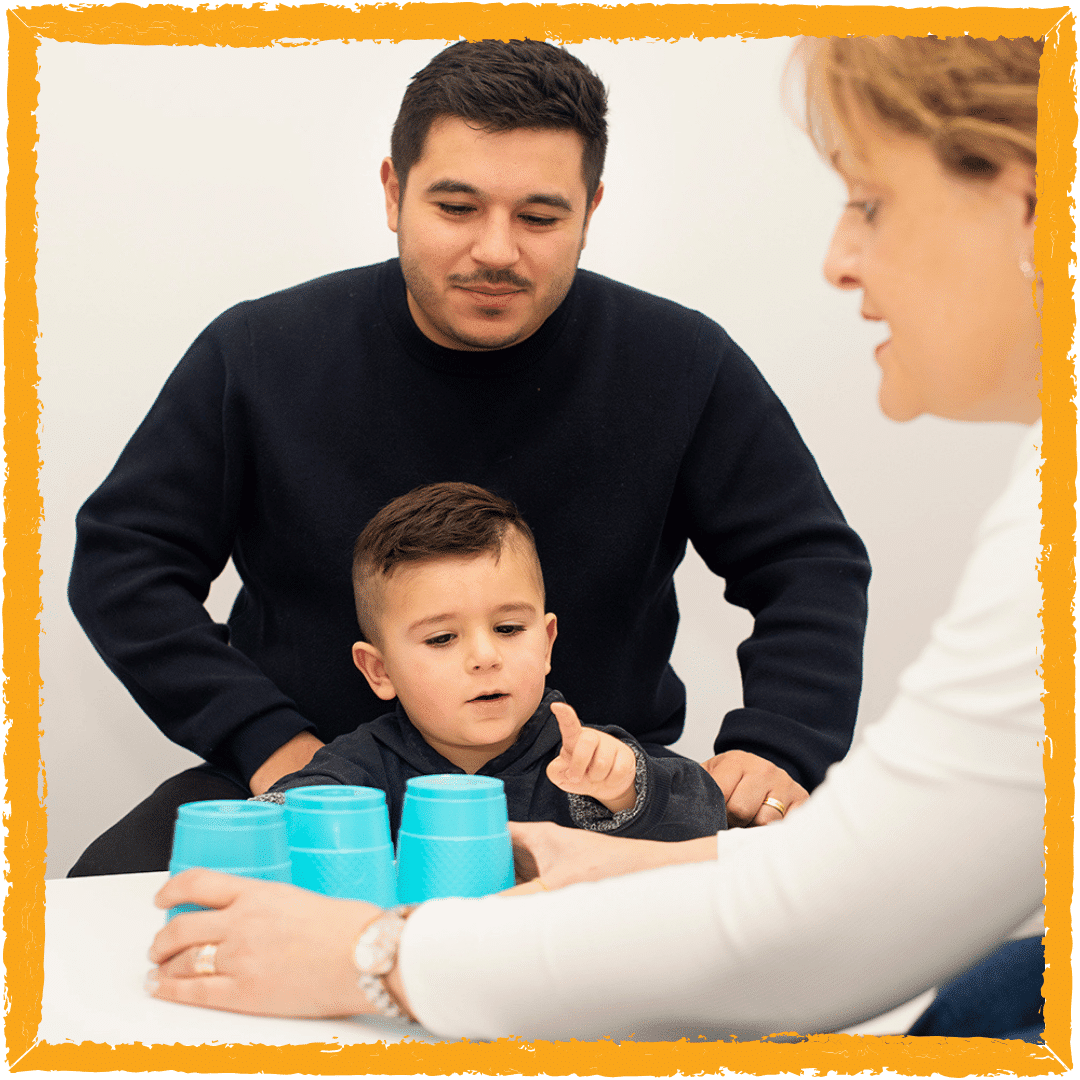
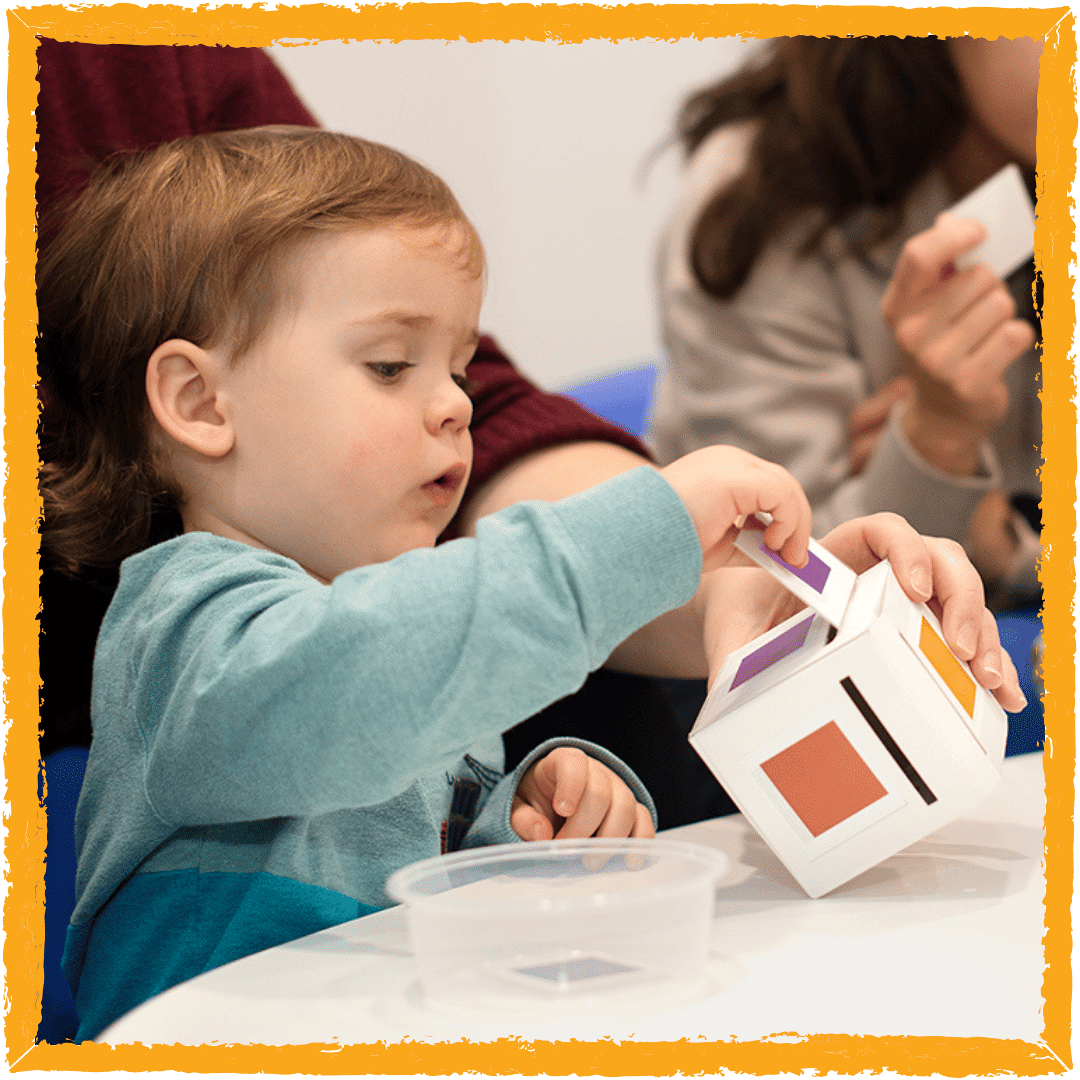
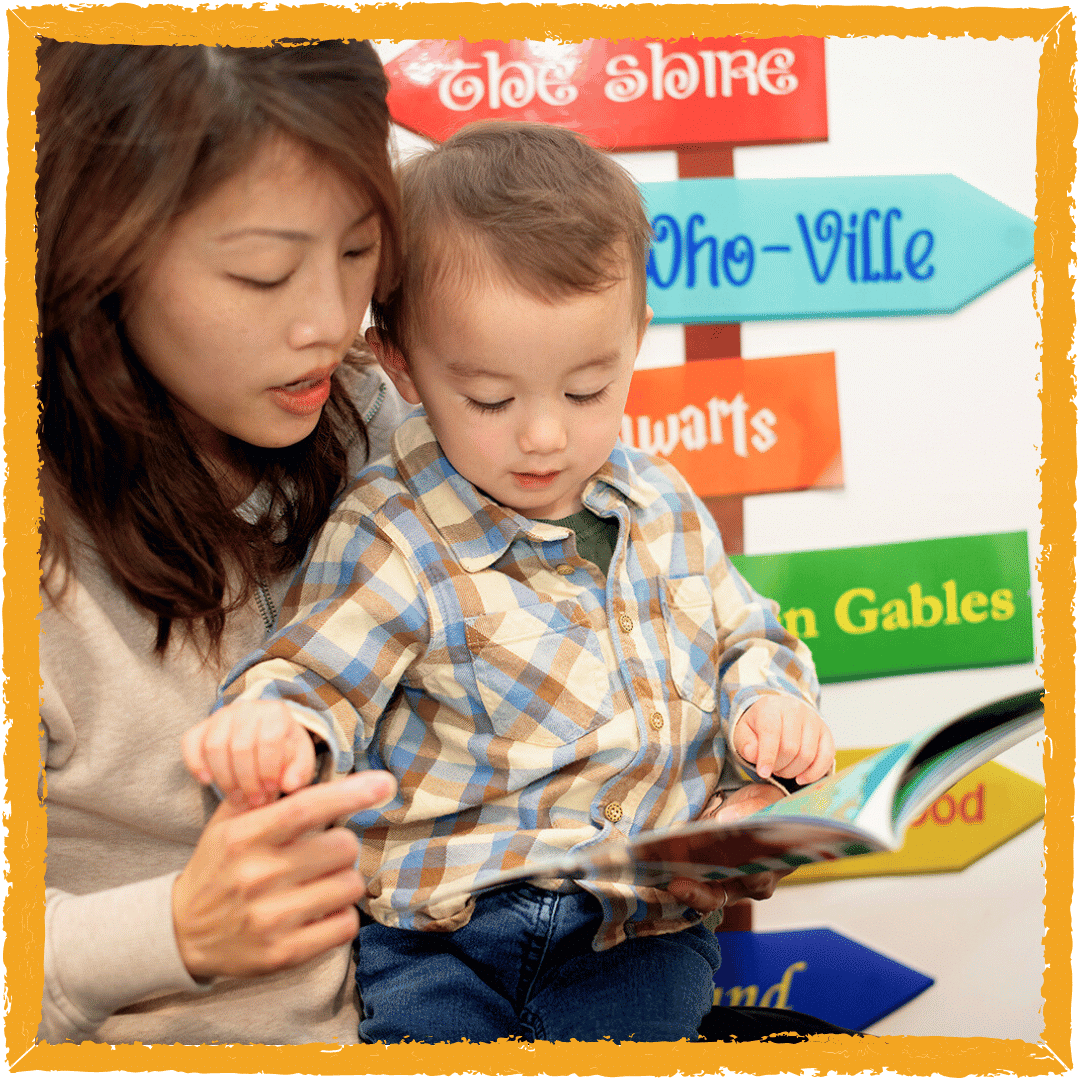
At Shichida Australia, baby classes focus on developmental milestones, sensory awareness, and learning through play and music. Parents and babies participate together in calm, age-appropriate activities that support attention, memory, body awareness, and early learning, without forcing physical positions or rushing milestones.
If your baby is becoming more alert, curious, and interested in movement and interaction, it may be a natural time to explore a Shichida baby class. These classes provide guidance on how to support development through purposeful play, connection, and sensory-rich experiences in a safe, nurturing environment.
Book a trial class with Shichida Australia to see how gentle, guided learning through play can support your baby’s development with confidence and care.
FAQs: Babies Upside Down
In most cases, it refers to brief, supported moments when a baby’s head is lower than their body during normal play, such as rolling, crawling, or gentle movement. It does not mean holding a baby upside down or unsupported.
Brief, supported changes in position can be safe when a baby has appropriate head control and is fully supported. Babies should never be held upside down by the legs or placed in unsupported inverted positions.
Babies are learning how their body moves in space. Changes in position provide sensory information that helps develop balance, coordination, and body awareness. Many babies find this exploration interesting and engaging.
Short, safe changes in head position can support the balance system and sensory awareness, which are linked to coordination and attention. However, development is best supported through varied movement and play rather than any single position.
No. Babies do not need deliberate inversion for healthy development. Natural movement during floor play, rolling, crawling, and supported interaction provides all the sensory input babies need.
Babies begin exploring varied positions as they gain head and neck control, usually between two and four months. This exploration increases naturally as babies roll, crawl, and become more mobile.
Tummy time, floor play, gentle rocking, rolling, crawling, and supported movement all help babies develop balance and body awareness safely.
Watch your baby’s cues. Relaxed muscles, engagement, and curiosity are positive signs. If your baby shows distress, stiffness, or discomfort, it’s best to stop and try a different activity.
Yes. Sensory learning through play, including movement, touch, sound, and interaction, supports early development without structured physical exercises or forced positions.
Shichida baby classes guide parents through age-appropriate sensory learning and play that support developmental milestones such as attention, body awareness, and early learning. Activities are gentle, interactive, and focused on connection rather than physical exercises.
Some movement-based programs include brief, supported head-lower-than-heart positions to support balance and body awareness. What matters most is that movement is safe, age-appropriate, and guided by the baby’s comfort.