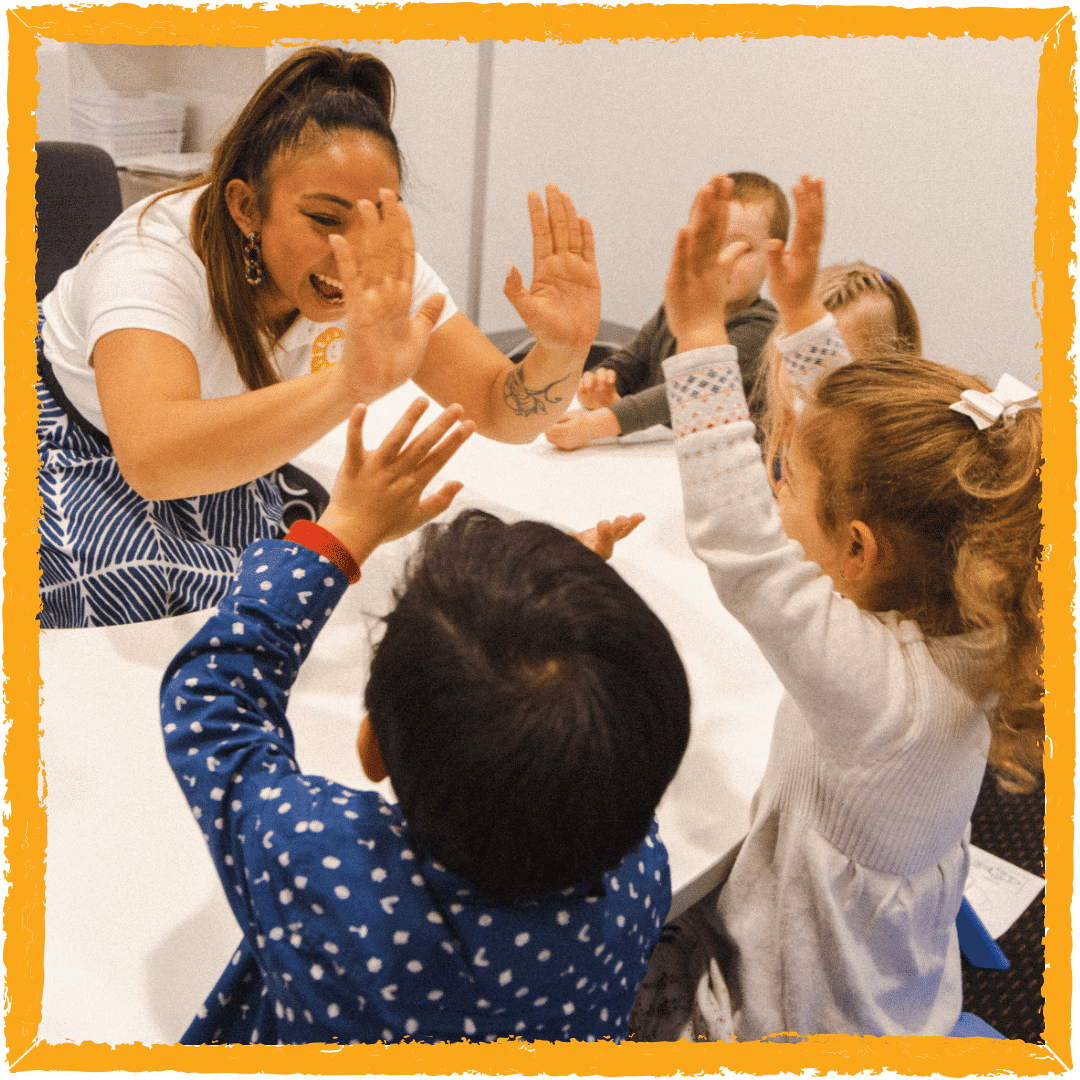
Sensory Play at Shichida Classes
Sensory Play at Shichida – Key Notes
- Sensory play is purposeful, structured, and teacher-guided
- Activities engage touch, movement, sound, and visual attention
- Learning is clean and calm – no messy or water play
- Sensory input supports focus, coordination, and brain development
- Parents participate, strengthening connection and confidence
- Sensory learning is woven into every class, not a standalone activity
Purposeful experiences that support early brain development
Sensory play is one of the most powerful ways young children learn. From birth through the toddler years, children understand the world through their senses – touch, movement, sound, sight, and rhythm. At Shichida Australia, sensory play is not random or messy for the sake of it. It is intentional, guided, and designed to support brain development while strengthening the parent-child bond.
In every Shichida class, sensory experiences are carefully chosen to match your child’s developmental stage and to build strong foundations for learning, focus, and confidence.
What Is Sensory Play?
Sensory play involves activities that engage one or more of the senses. This might include touching different textures, listening to sounds, moving the body in specific ways, or coordinating hands and eyes during play.
For babies and toddlers, sensory play is not an “extra.” It is how the brain develops. Every time your child explores a new texture, tracks a movement, or responds to sound, neural pathways are being formed and strengthened.
At Shichida, sensory play is:
- Hands-on and interactive
- Age-appropriate and guided
- Paired with language, rhythm, and movement
- Designed to support both brain development and emotional security
Does Sensory Play Mean Messy or Water Play?
When many parents hear the term sensory play, they picture messy tables, water tubs, slime, or paint-covered hands. While those activities can be sensory, they are not the only way children engage their senses – and they are not how sensory play is approached at Shichida.
At Shichida, sensory play is purposeful, structured, and guided.
We focus on:
- Touch, movement, sound, rhythm, and visual tracking
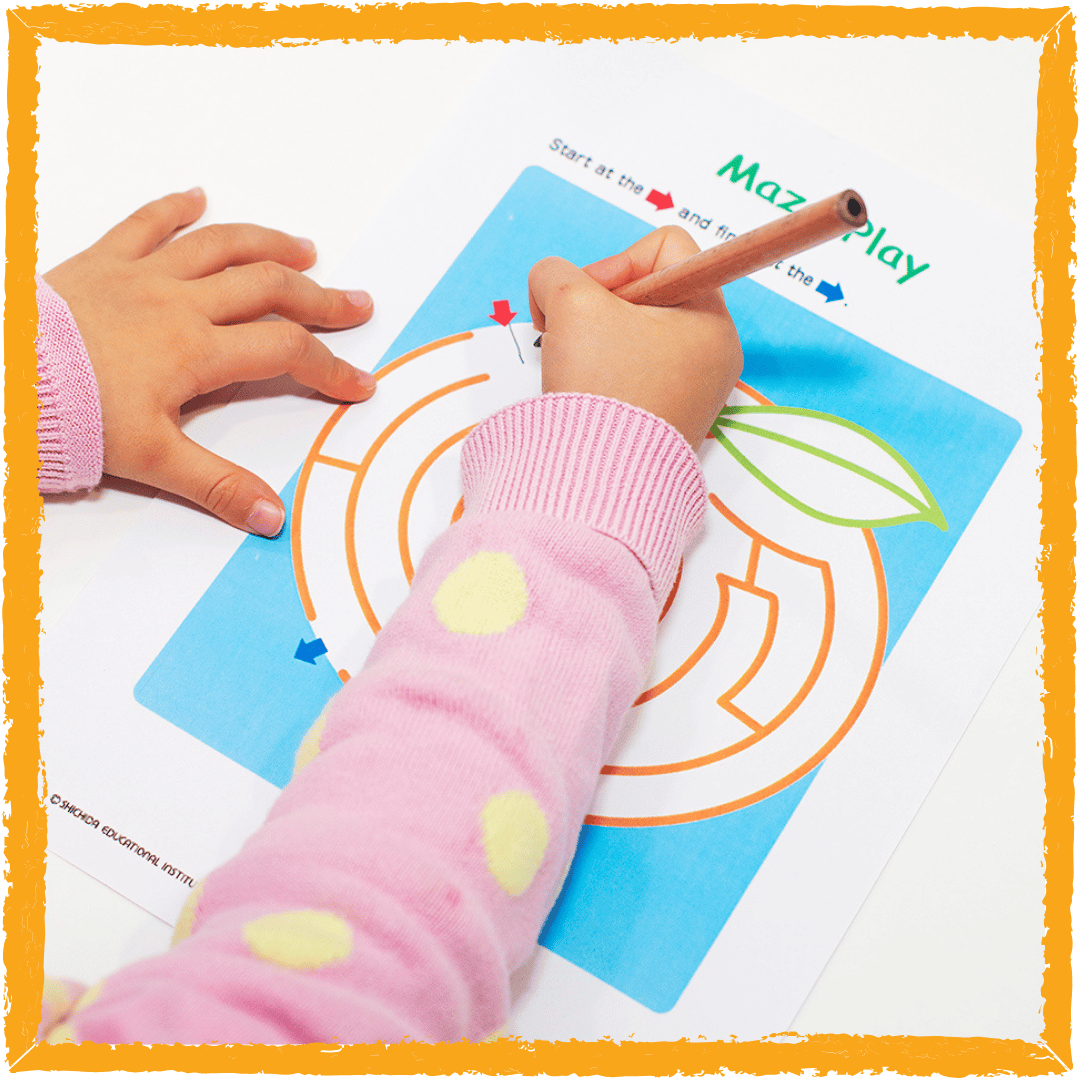
- Hand-eye coordination and fine motor control
- Sensory input that supports focus and learning, not overstimulation
This means our sensory activities are:
- Clean and classroom-appropriate
- Calm and intentional rather than chaotic
- Designed to strengthen neural pathways, not just provide sensation
Sensory play at Shichida might look like:
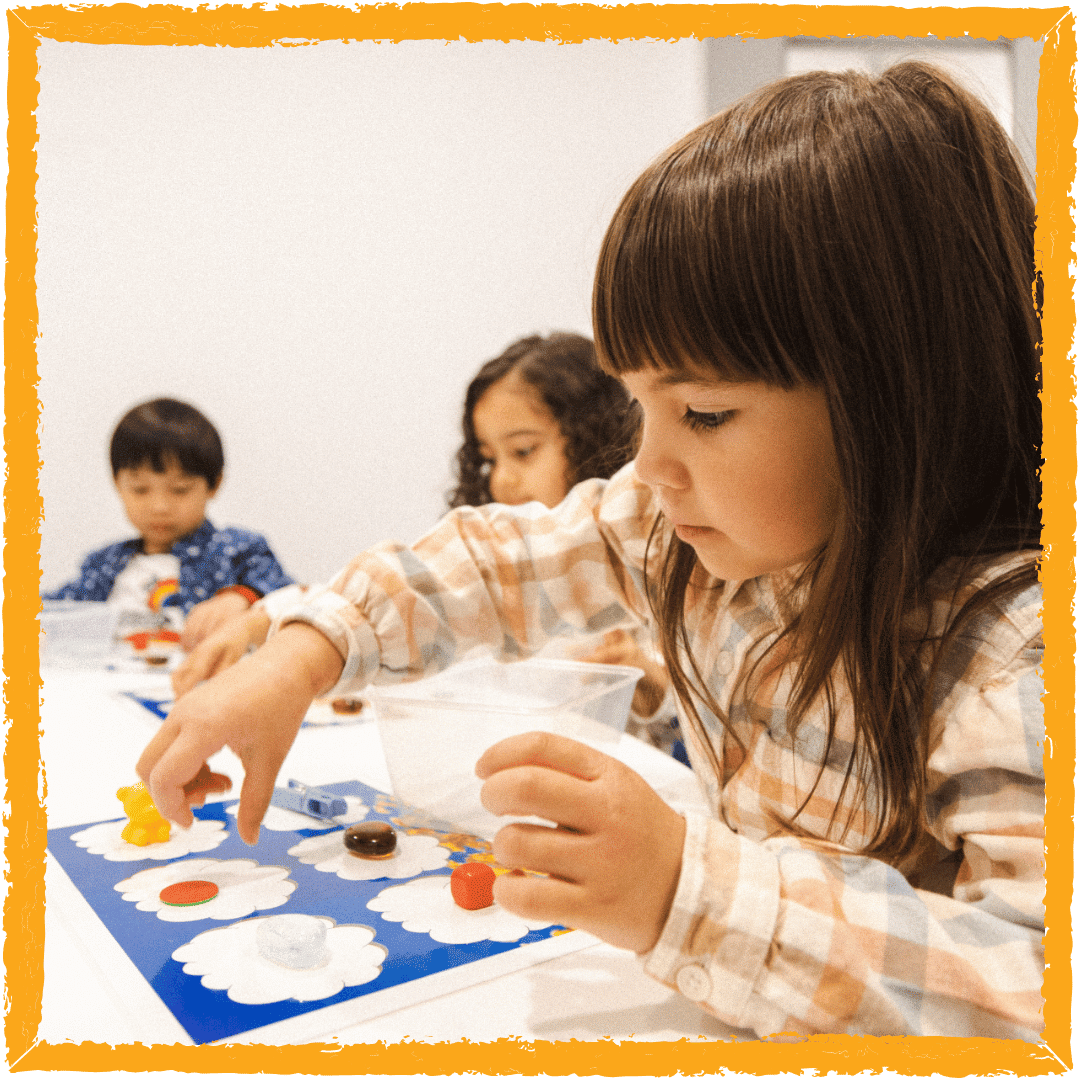
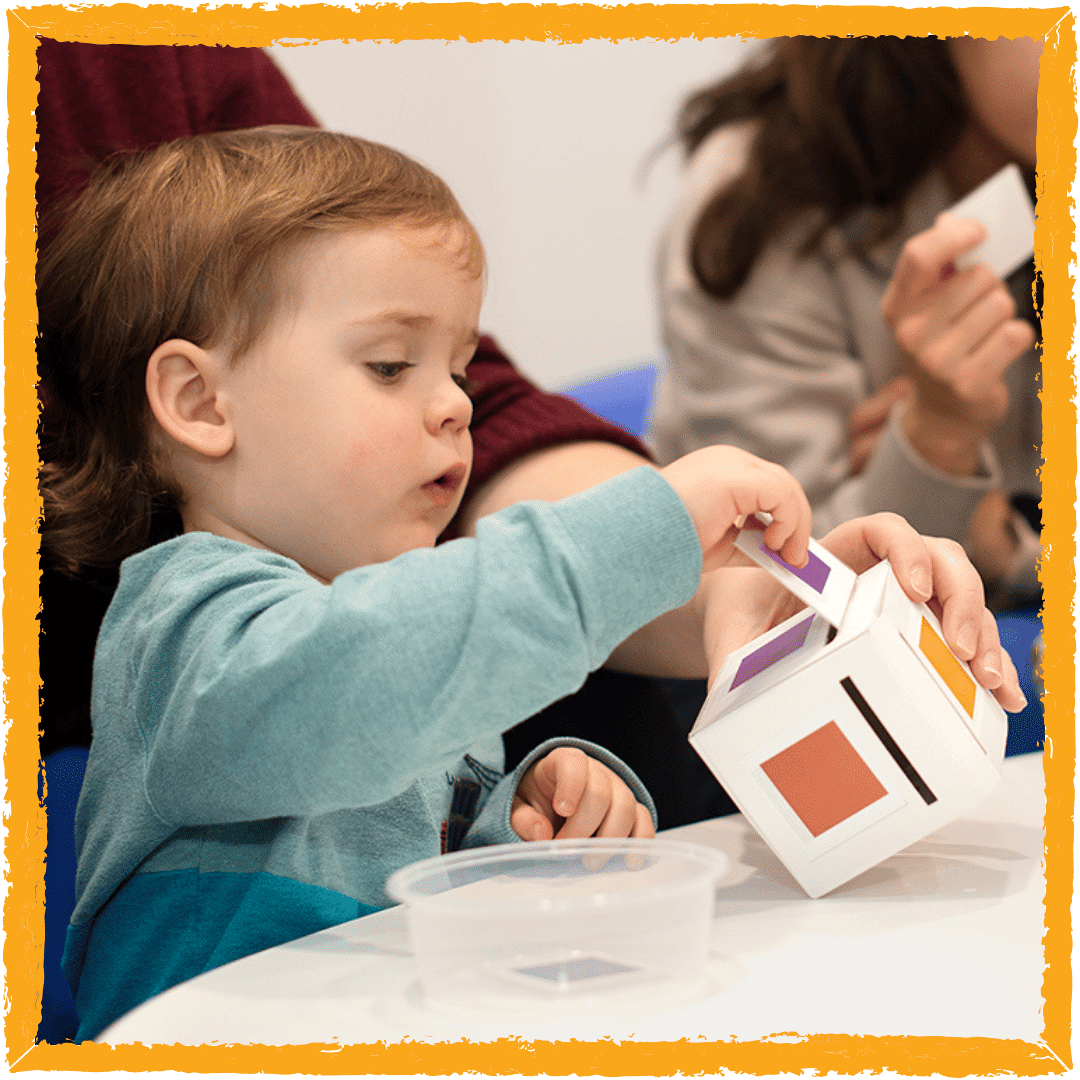
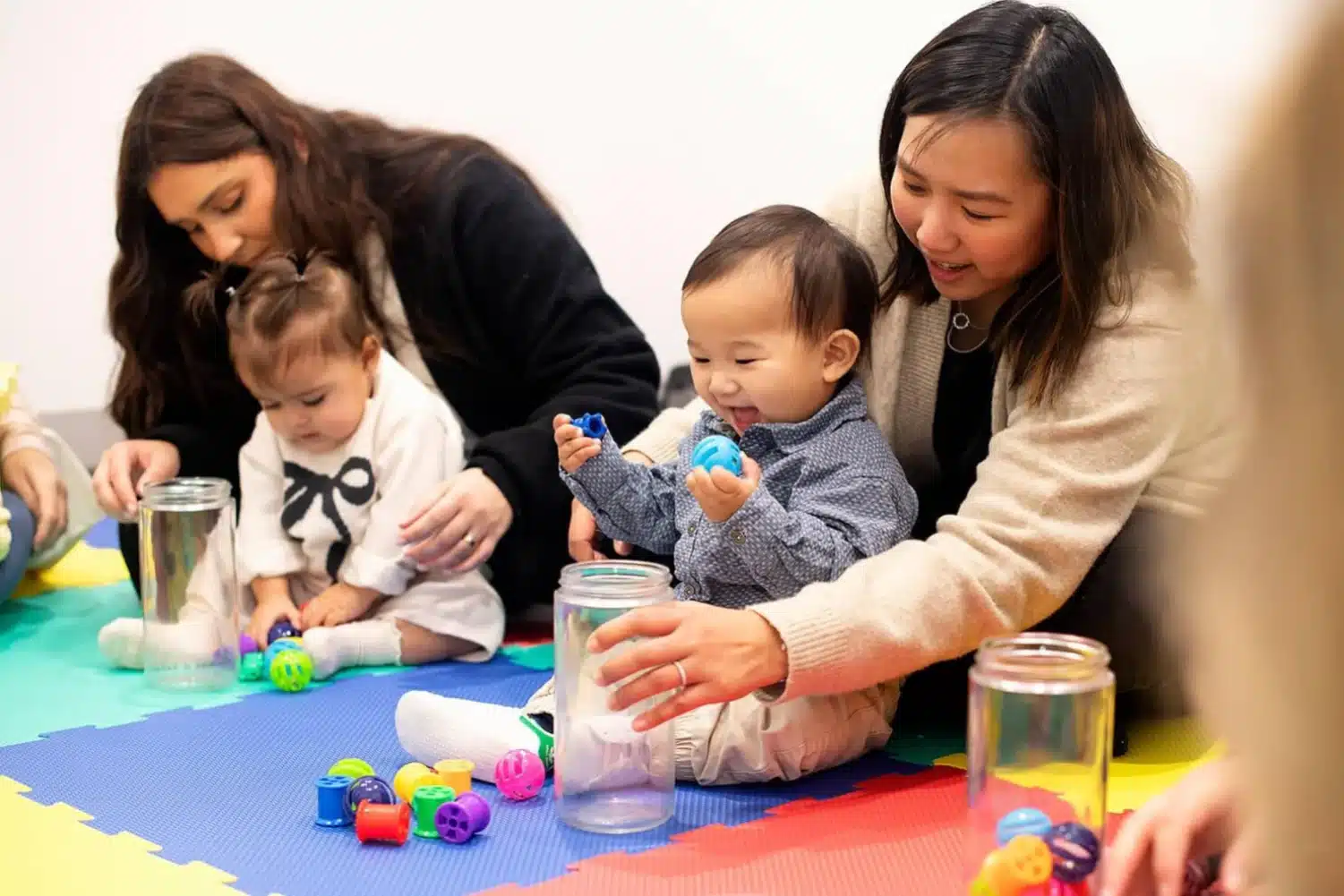
- Picking up and releasing objects
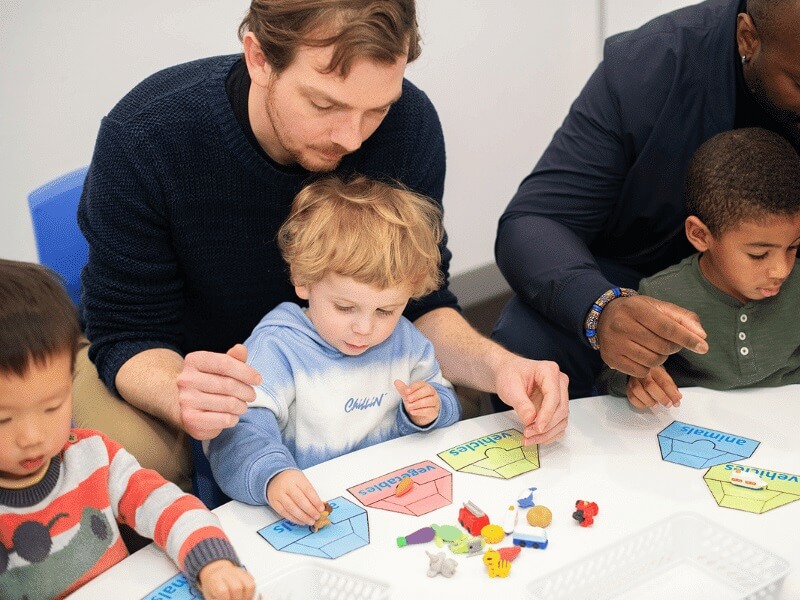
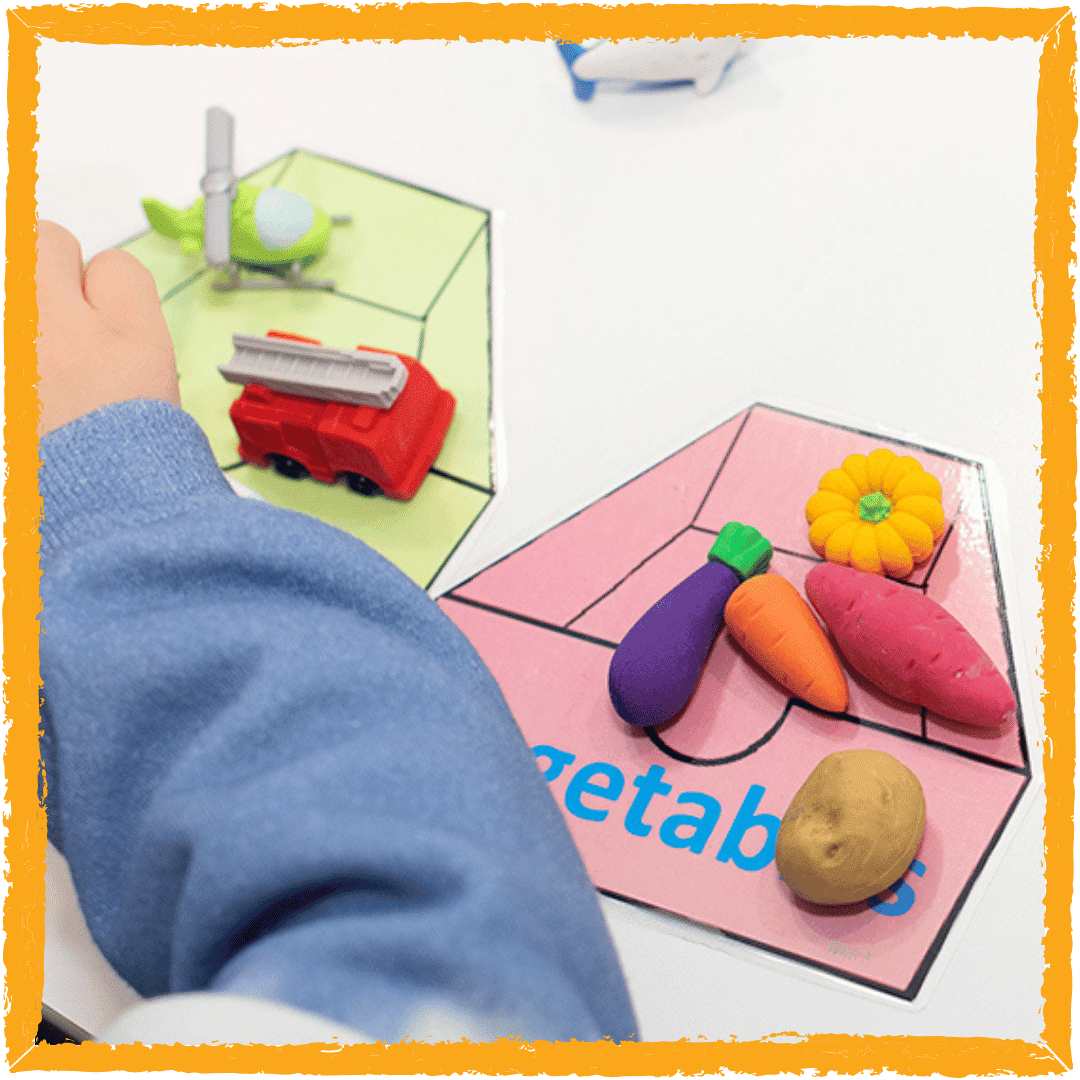
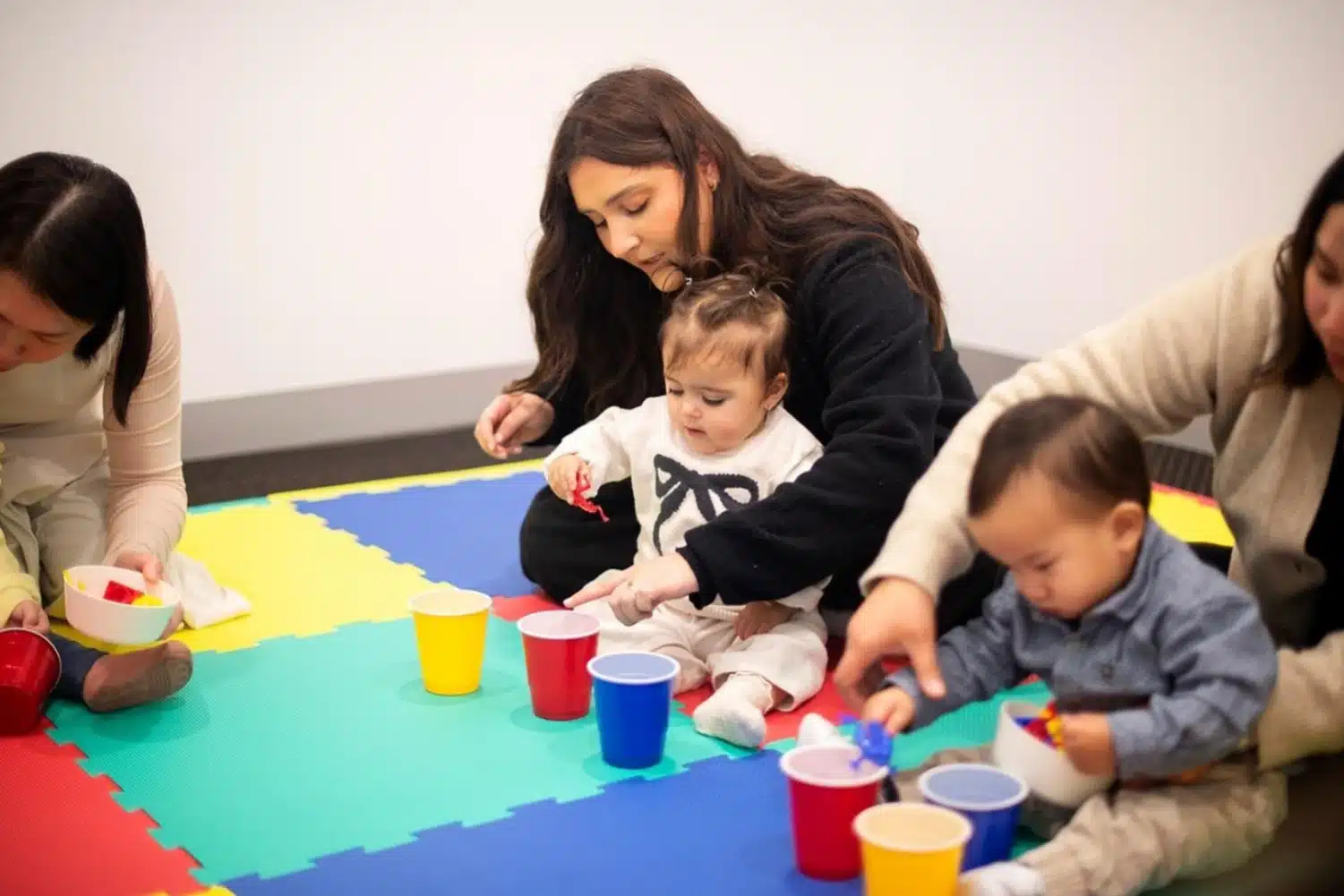
- Sorting and matching items using touch and visual cues
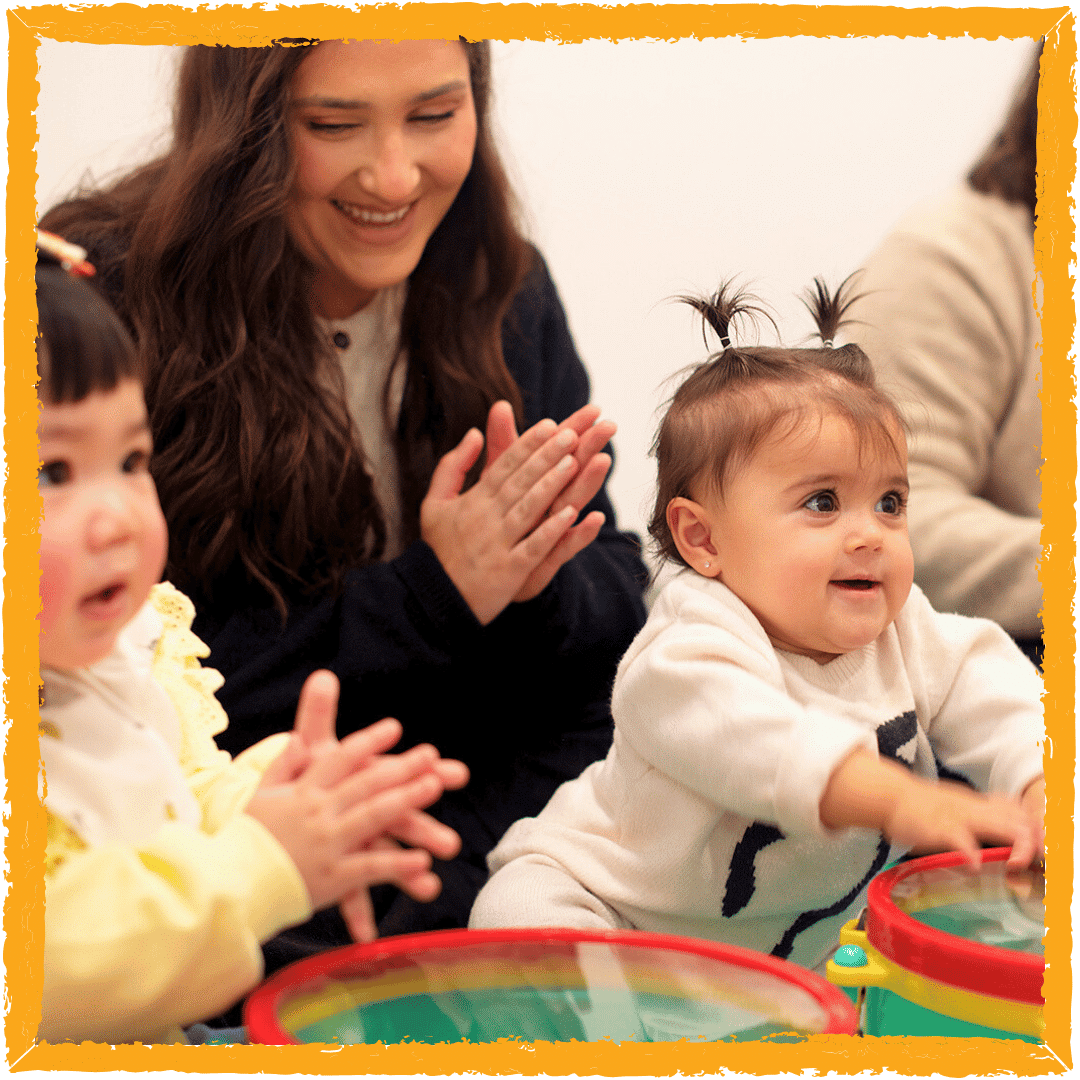
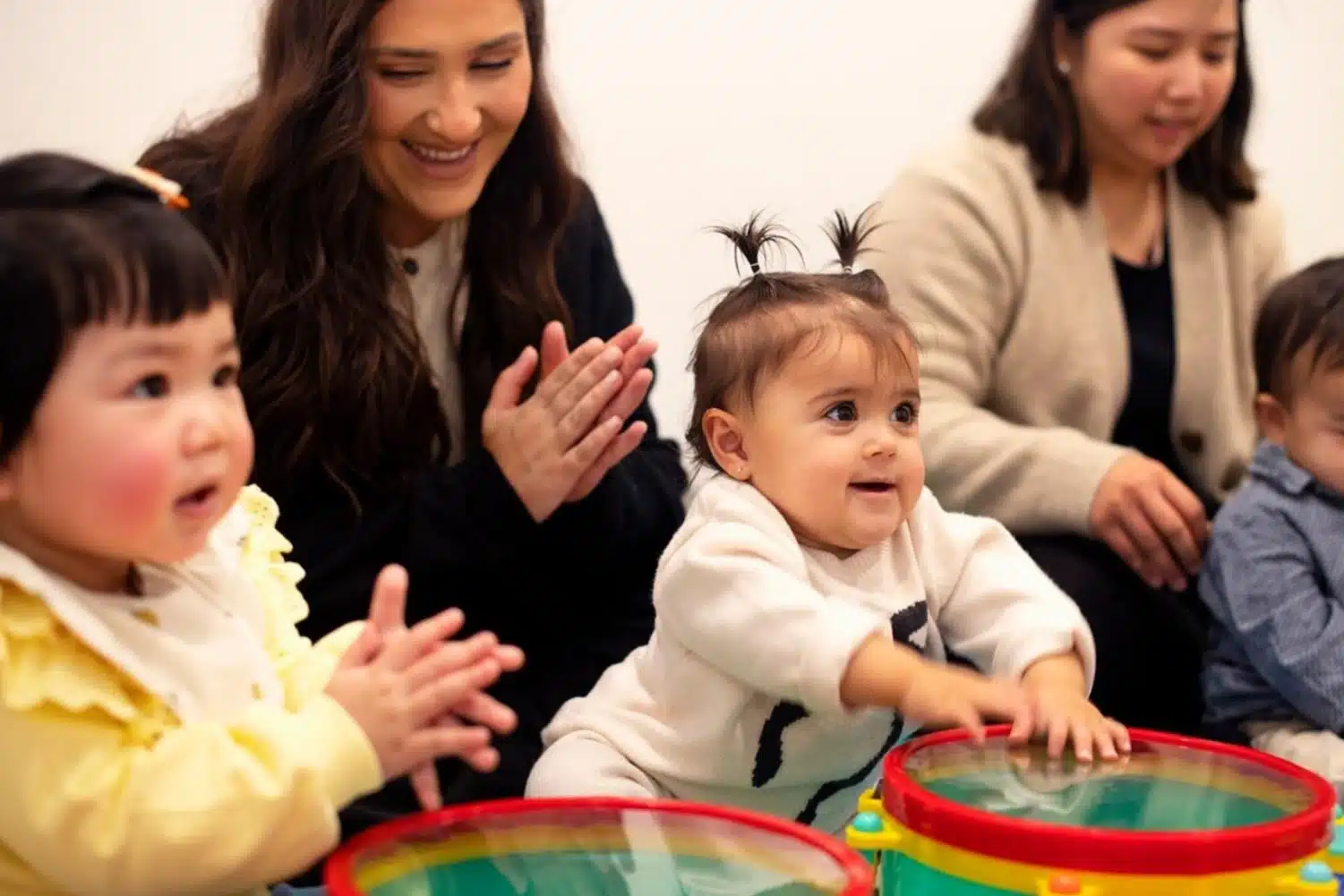
- Responding to songs, rhythm, and movement
- Using manipulatives that engage the hands and brain together
Children are still engaging their senses deeply – just in a way that supports concentration, coordination, and early thinking skills.
Why Sensory Play Matters for Brain Development
In the early years, the brain grows rapidly. Sensory input helps organise this growth by strengthening connections between different areas of the brain.
Purposeful sensory play supports:
- Neural pathway development
- Coordination between the senses
- Attention and concentration
- Early problem-solving
- Emotional regulation and calm
- Memory and learning readiness
Sensory experiences are especially powerful when they happen in a safe, supported environment with a trusted adult. This is why parent participation is a core part of Shichida classes.
Sensory Play for Babies (6-12 Months)
For babies, sensory play focuses on gentle stimulation and connection.
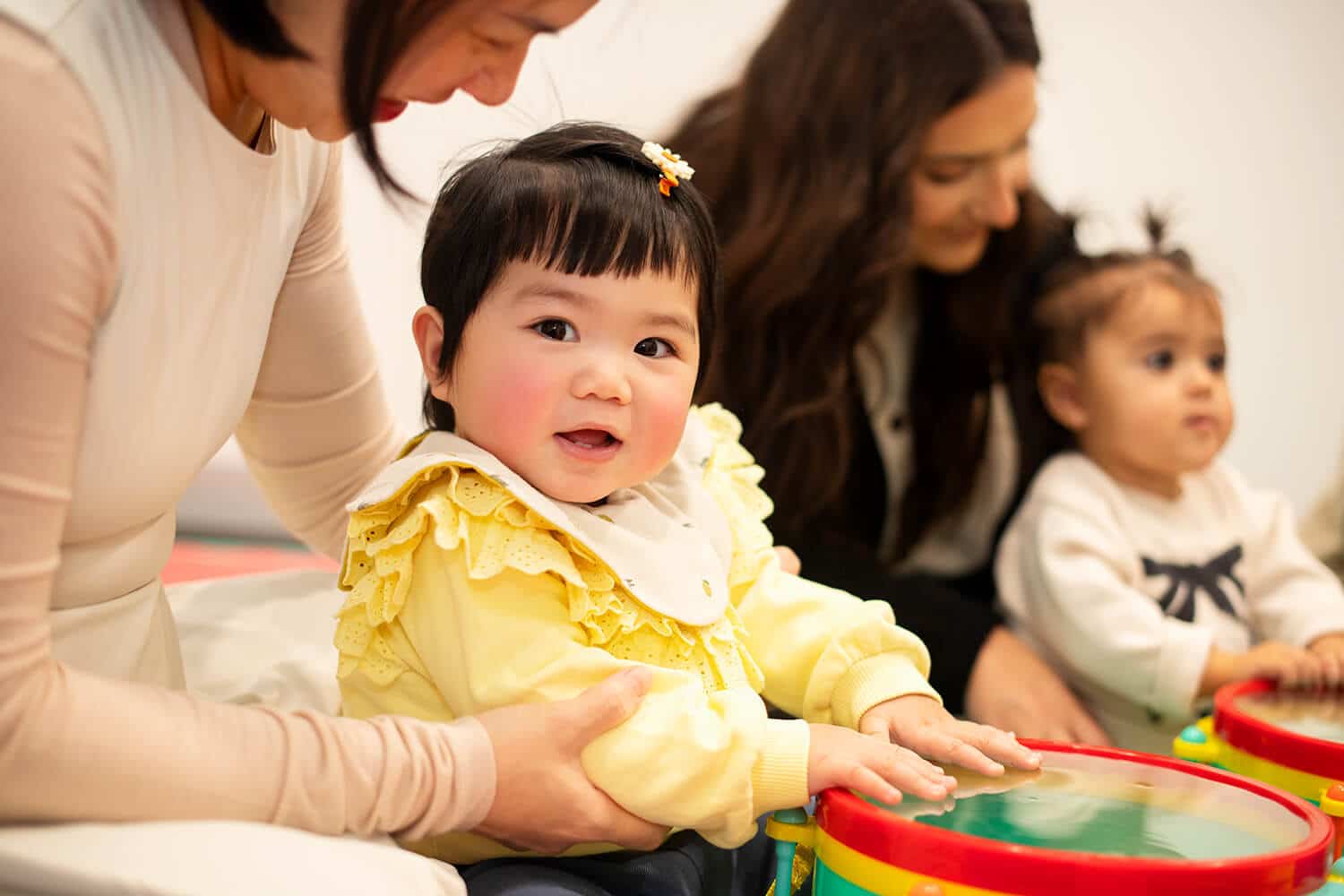
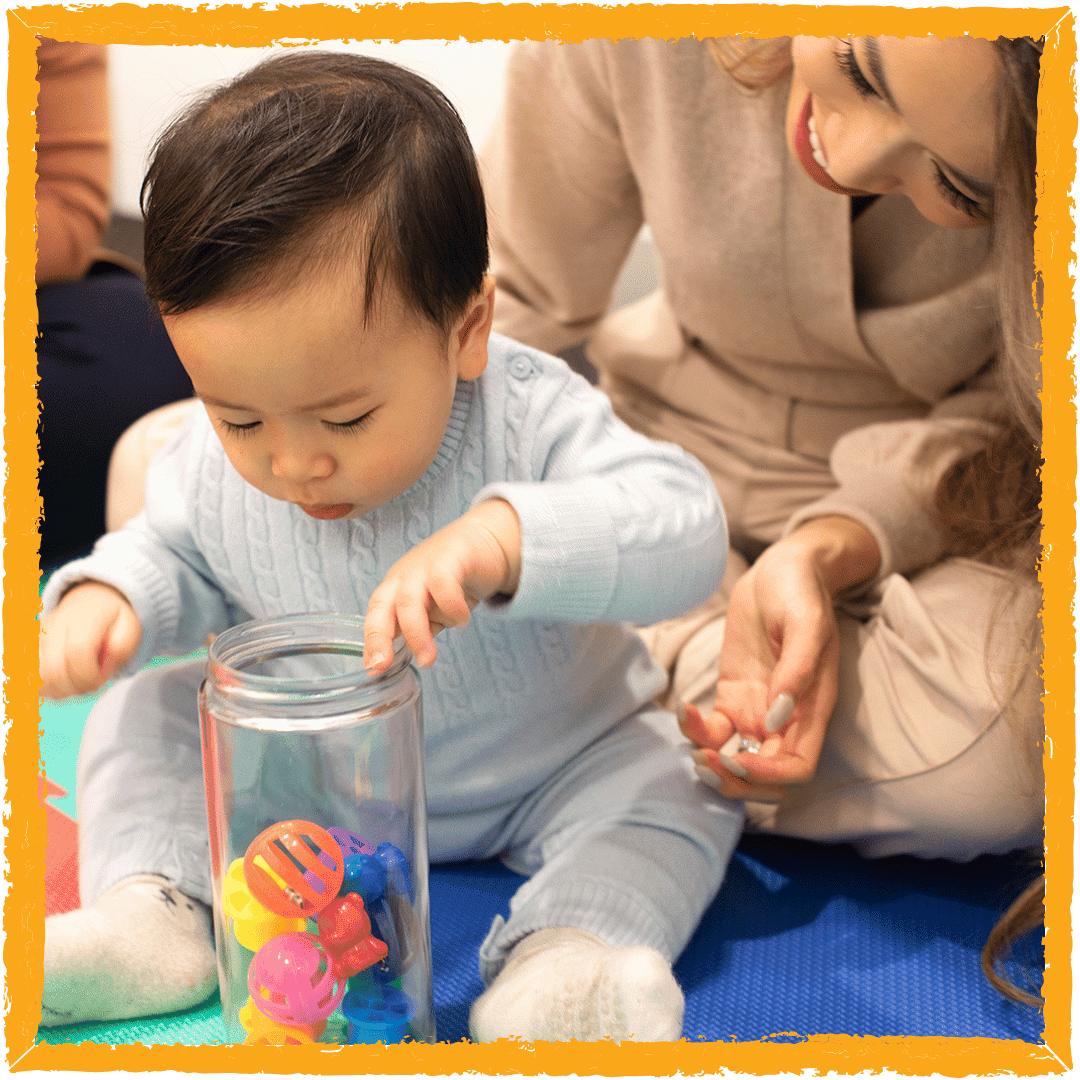
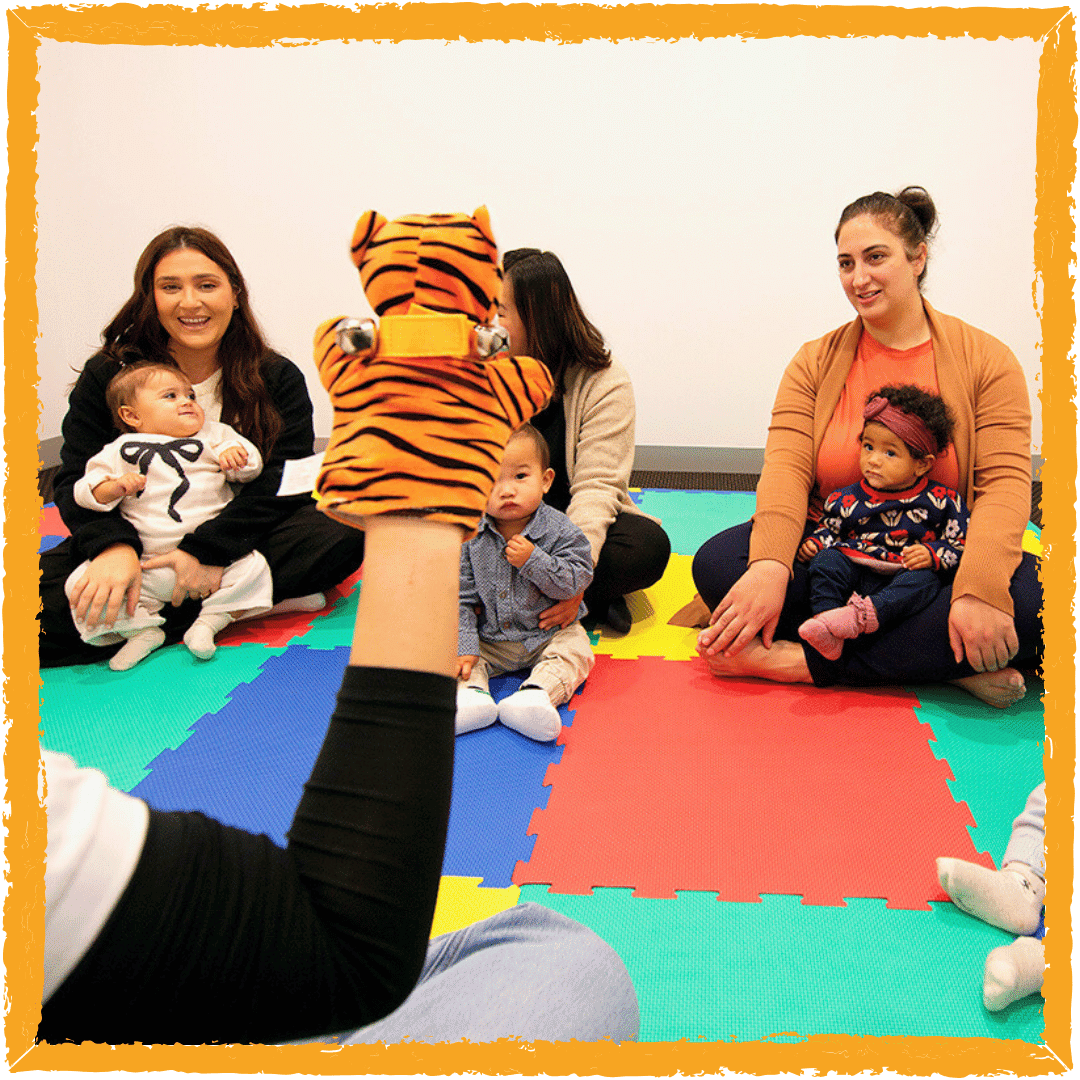
In Shichida Baby Classes, sensory experiences may include:
- Exploring textures through touch-based activities
- Responding to sound, rhythm, and songs
- Tracking movement with the eyes
- Pick-up and drop activities to support grasp and release
- Calm sensory input paired with soothing routines
These activities help babies:
- Strengthen early neural connections
- Develop body awareness and coordination
- Feel safe, calm, and connected
- Build the foundations for focus and learning later on
Sensory play at this stage is slow, reassuring, and deeply relational. Babies learn best when they feel secure.
Sensory Play for Toddlers (1–3 Years)
As children grow into toddlerhood, sensory play becomes more active and purposeful.
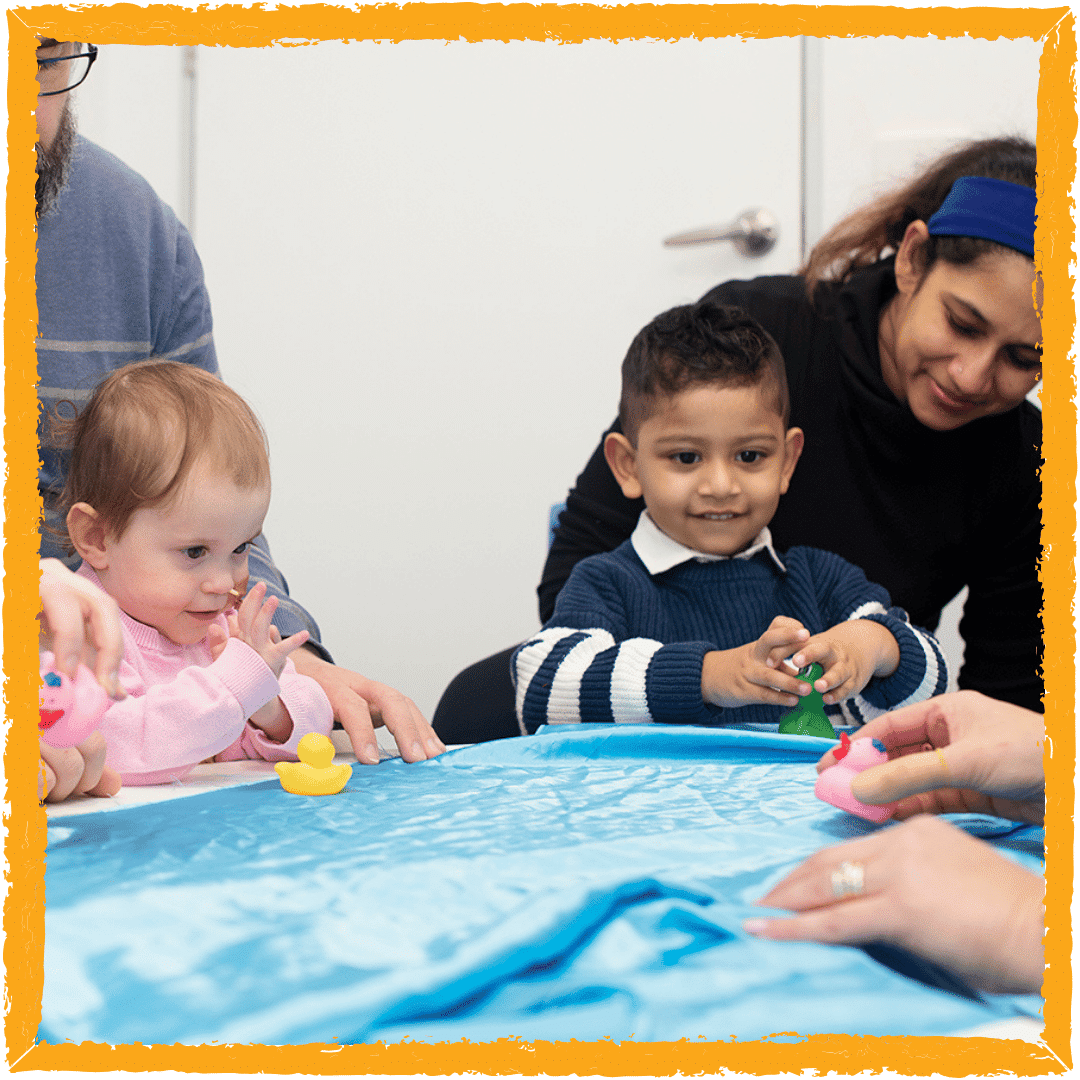
In Shichida Toddler Classes, sensory activities are designed to:
- Build coordination and fine motor control
- Support problem-solving and persistence
- Encourage focus and task completion
- Develop early thinking and planning skills
Activities may involve:
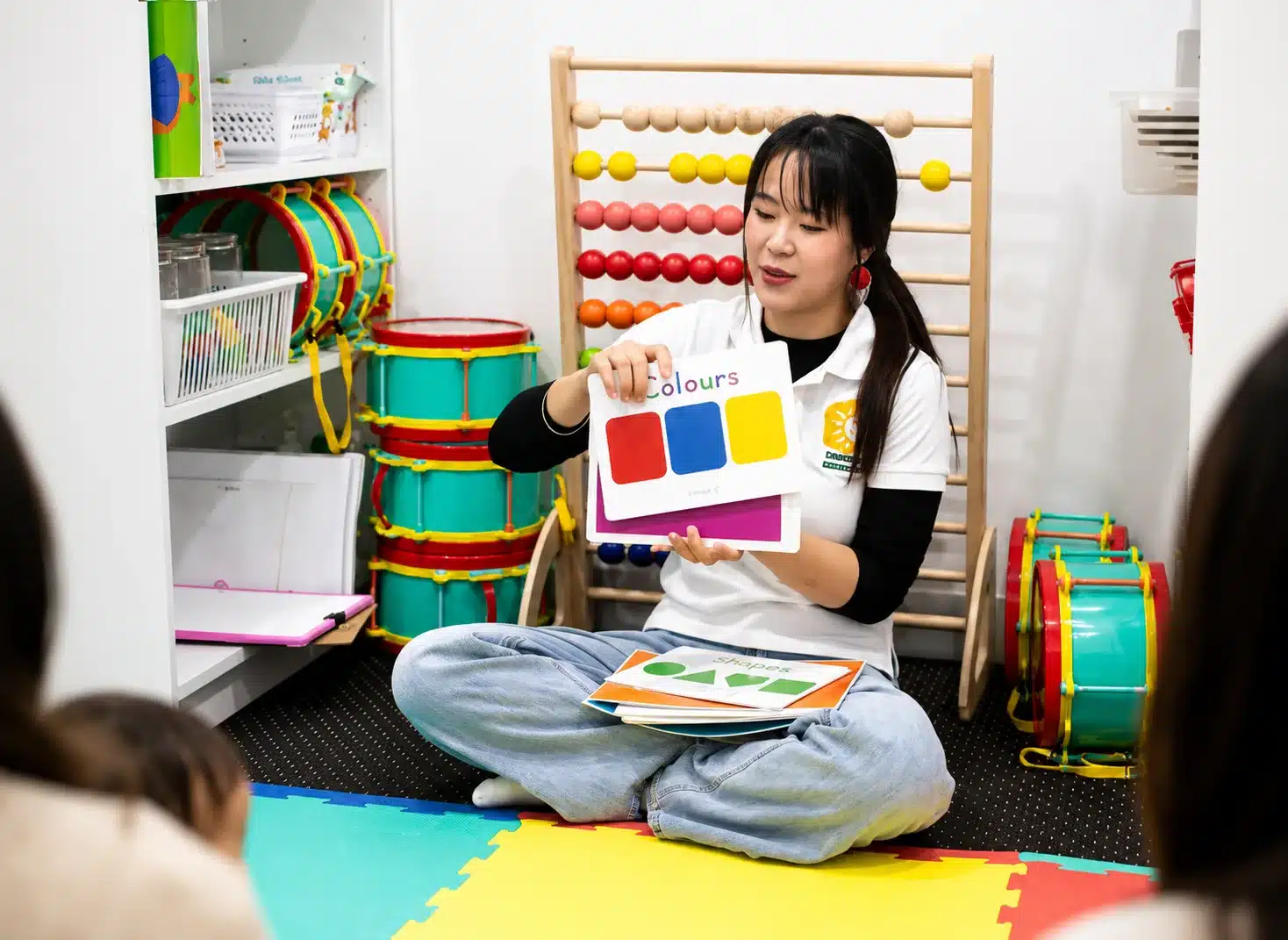
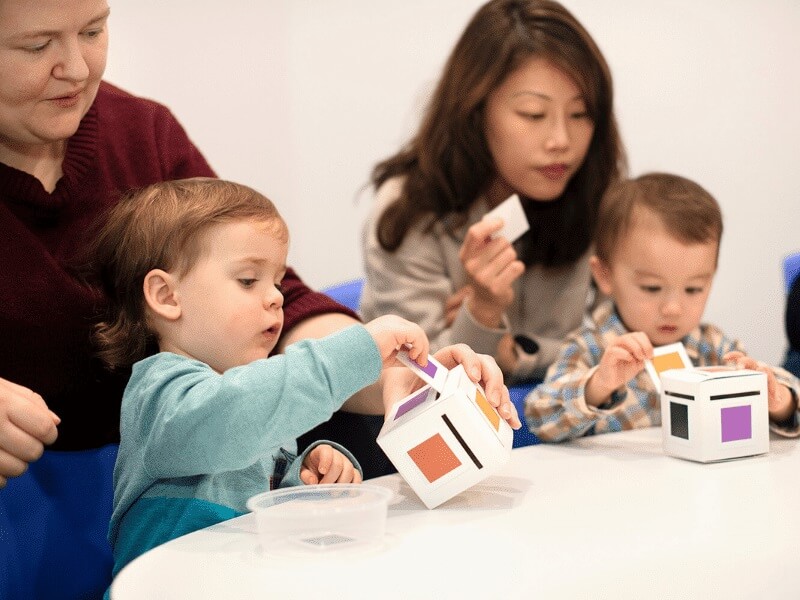
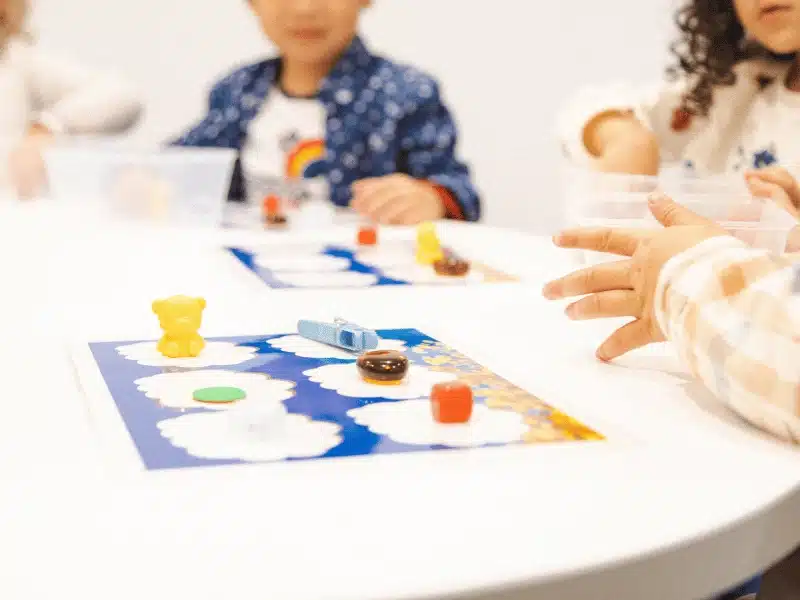
- Sorting objects by size, shape, or colour
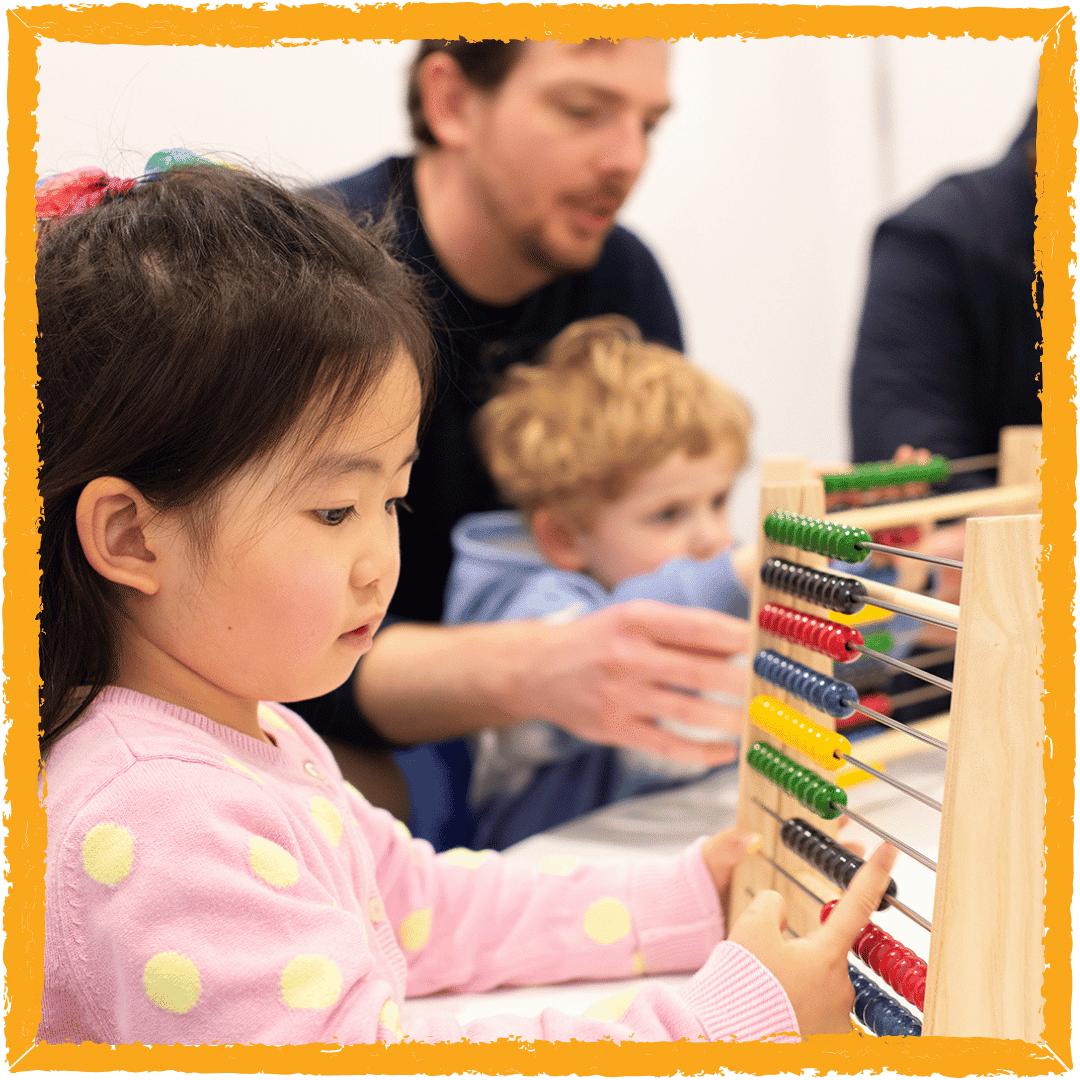
- Using tools, counters, baskets, and manipulatives
- Movement-based sensory games
- Hands-on challenges that require thinking and trial-and-error
These experiences help toddlers learn how to:
- Stay engaged
- Try again when something doesn’t work
- Use their hands and body with intention
- Build confidence through success and effort
What Makes Shichida Sensory Play Different?
Sensory play exists in many early learning settings, but Shichida’s approach is unique in how it is delivered.
In Shichida classes:
- Sensory activities are intentionally structured, not random
- Experiences are repeated and built upon week by week
- Activities are guided by a trained instructor, not left entirely open-ended
- Sensory input is paired with language, music, memory, and thinking tasks
This approach helps children gain the benefits of sensory play while also developing focus, learning readiness, and confidence.
Sensory Play and Parent-Child Connection
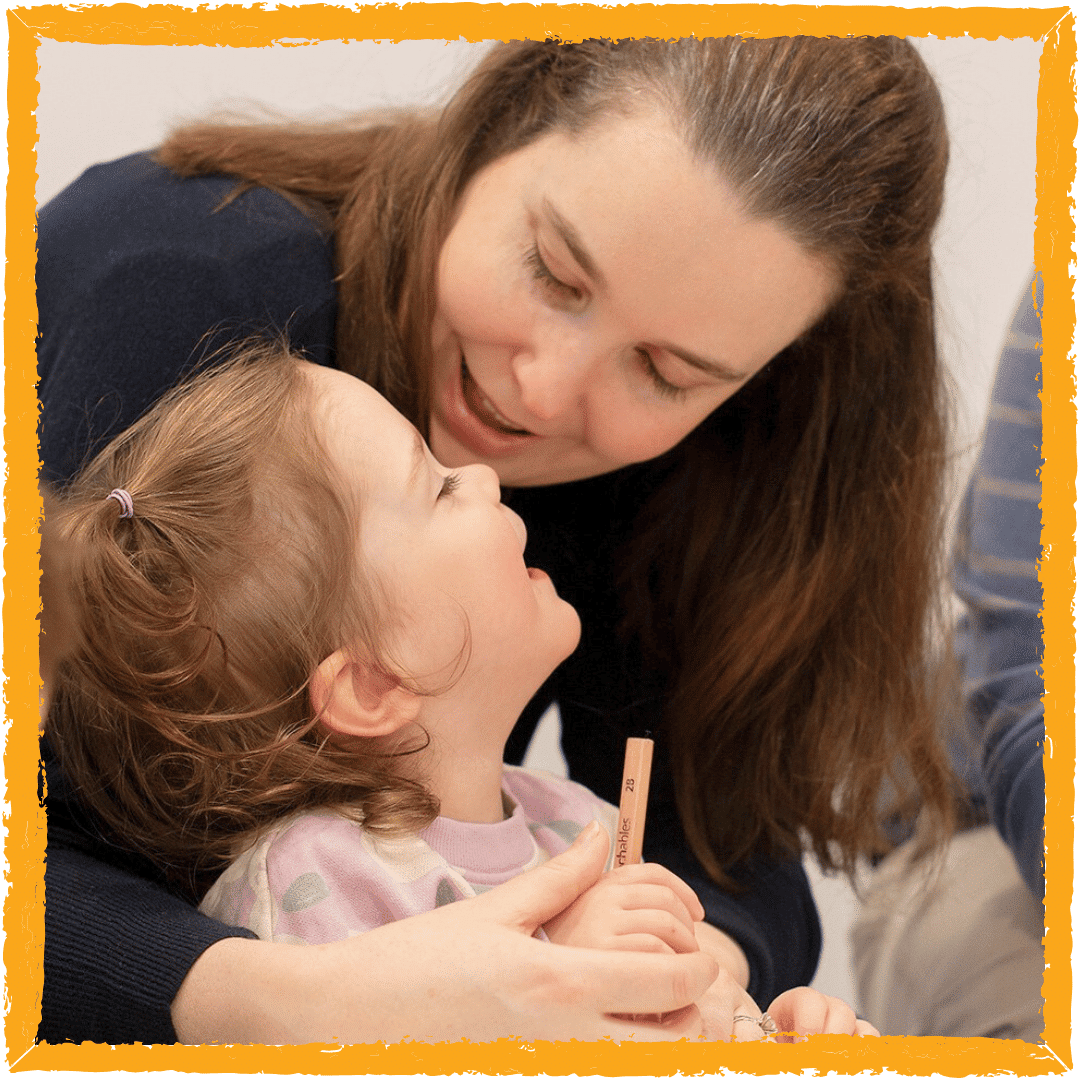
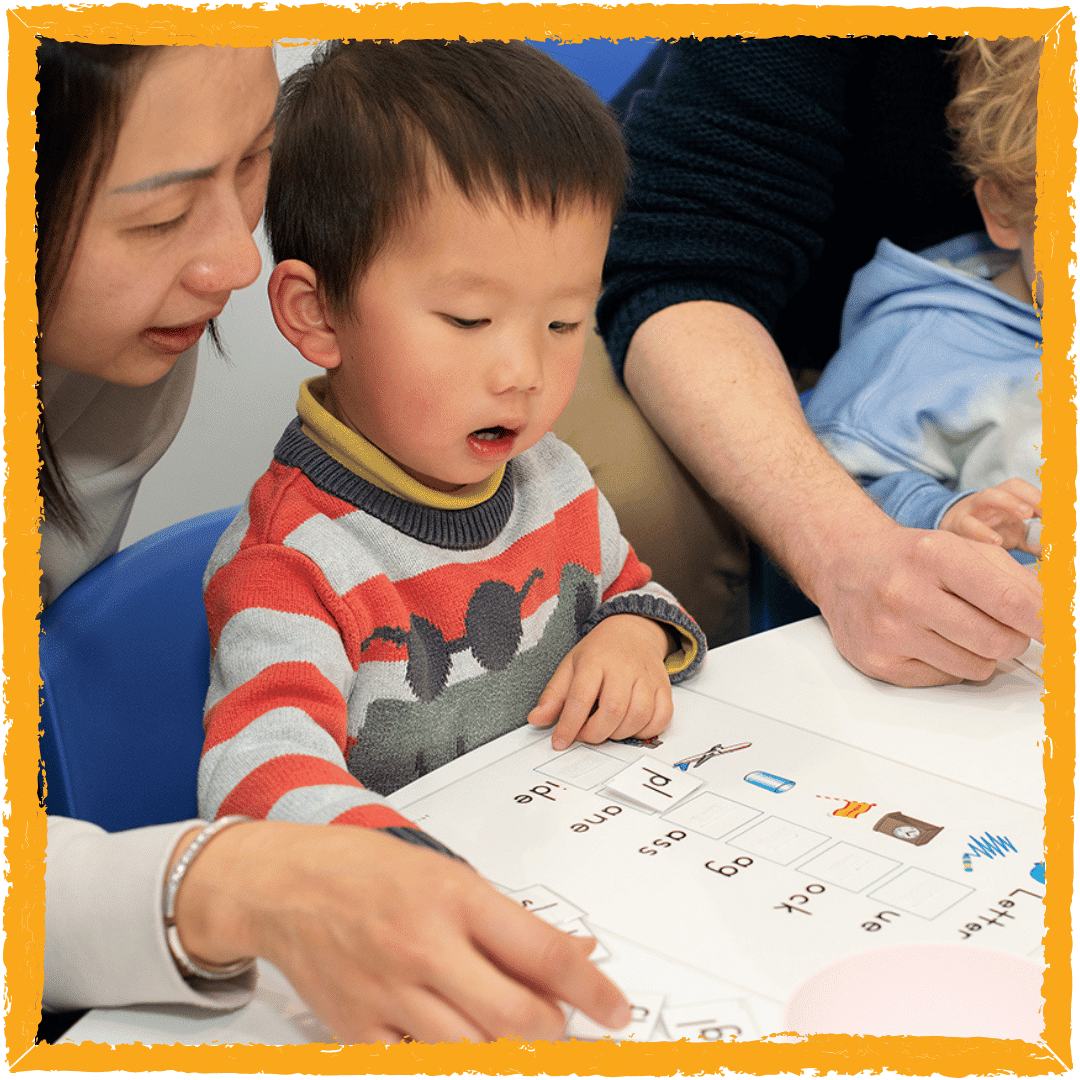
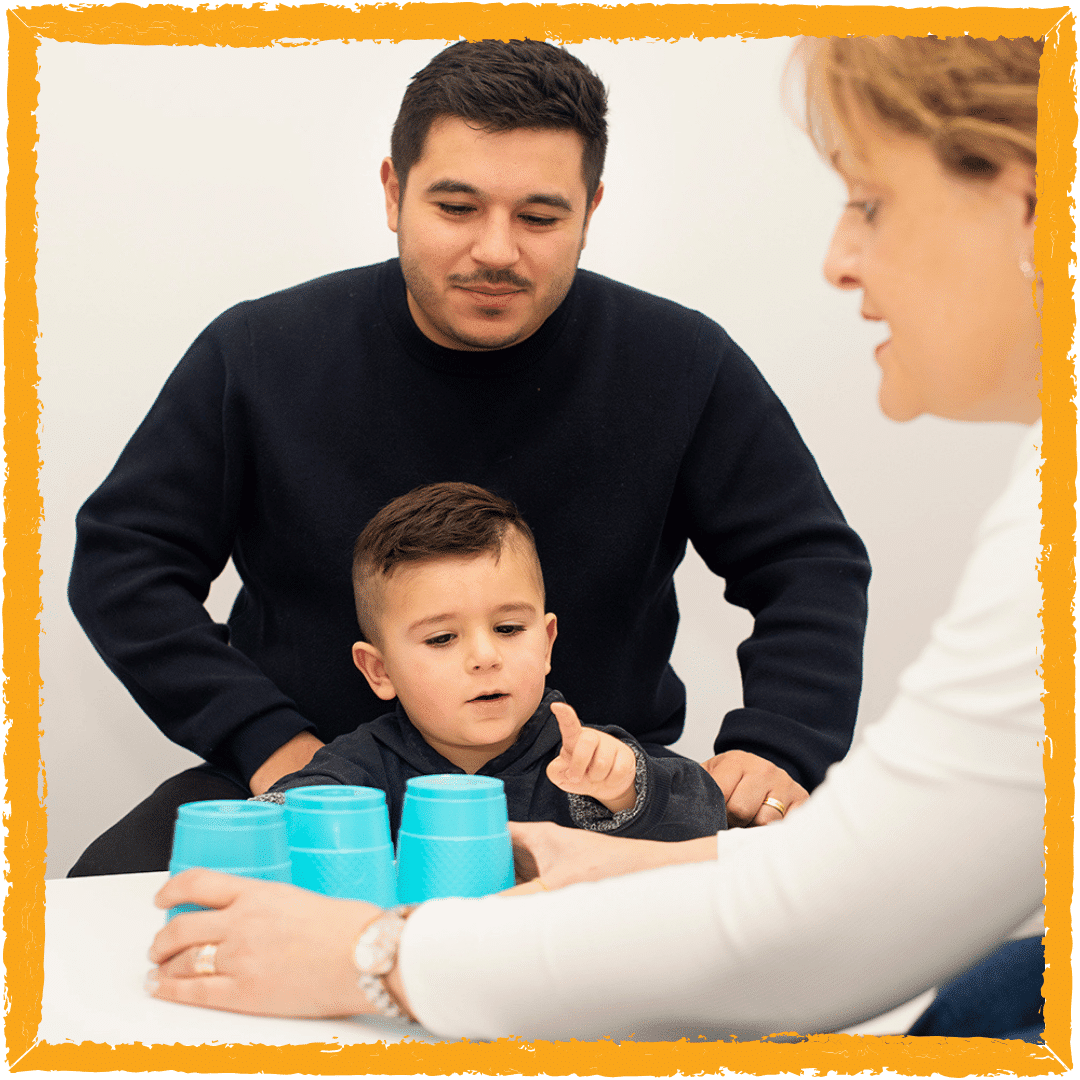
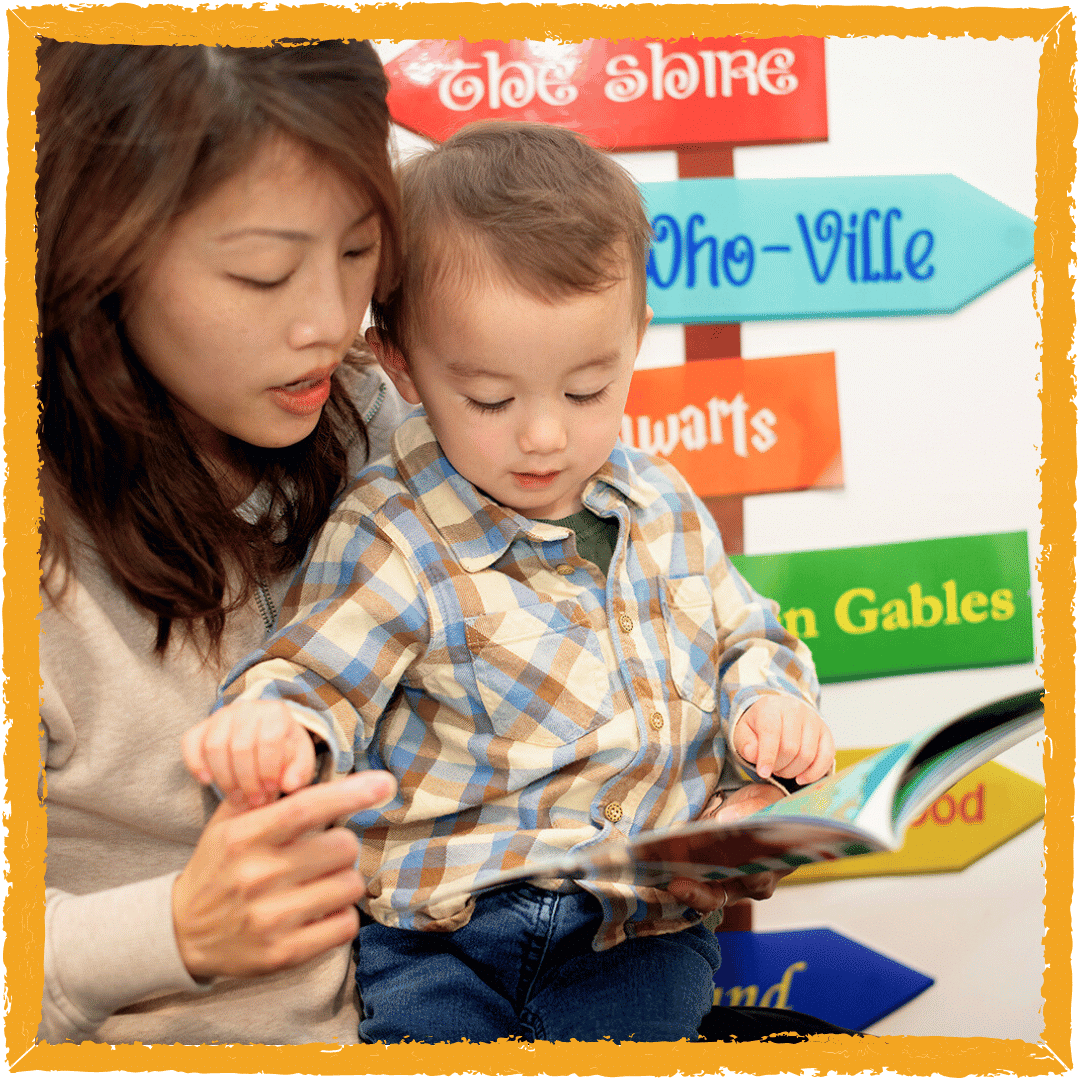
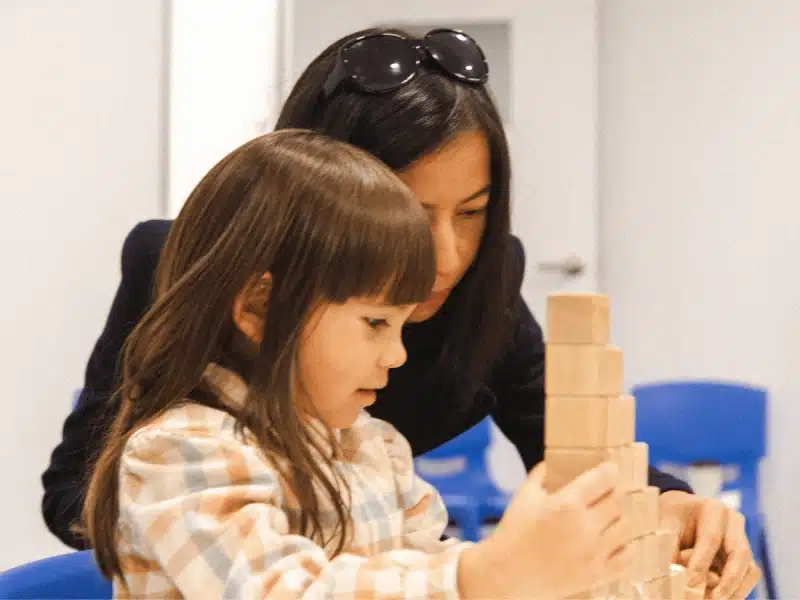
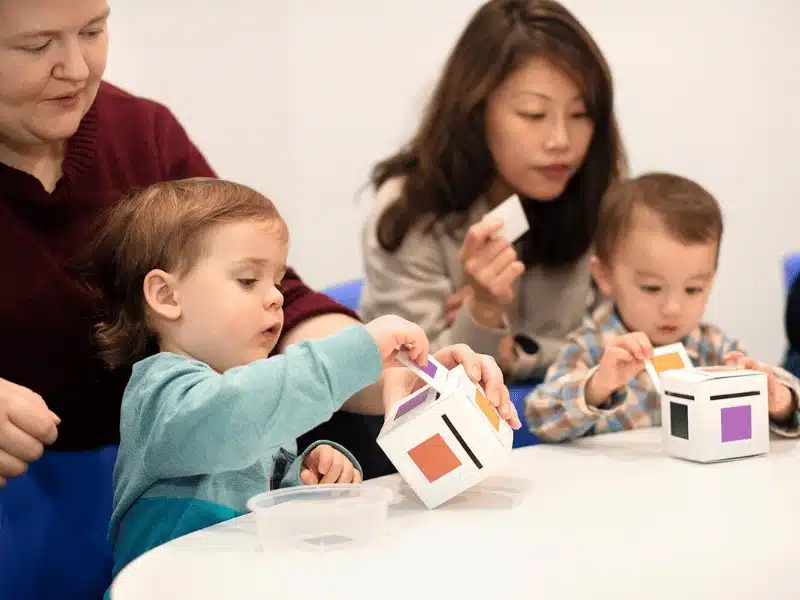
One of the most important aspects of sensory play at Shichida is that parents participate alongside their child.
When you explore sensory activities together:
- Your child feels safe and supported
- Learning becomes relational, not instructional
- You gain practical ideas you can use at home
- Your child builds trust, confidence, and emotional security
Sensory play becomes a shared experience, not just an activity.
Continuing Sensory Learning Beyond Class
The sensory play used in Shichida classes often inspires simple, purposeful activities parents can continue at home. These don’t require special equipment – just intention, attention, and understanding of what your child needs developmentally.
Many families also use:
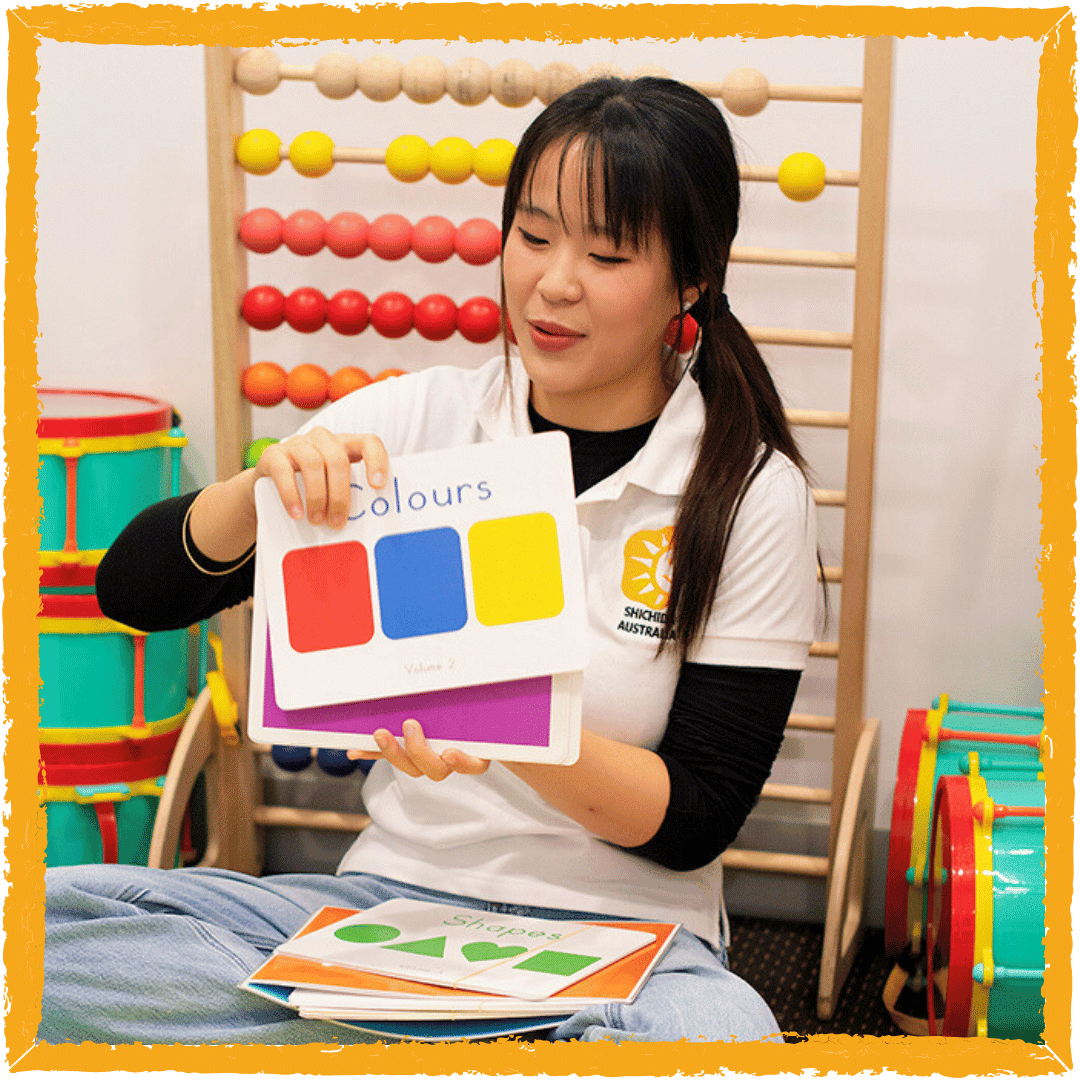
- Shichida flashcards paired with movement or rhythm
- Simple sorting or matching games
- Songs and actions that support sensory integration
Sensory Play as a Foundation for Learning
Sensory play is not separate from learning. It is the foundation for it.
When children:
- Feel calm and regulated
- Can focus their attention
- Use their hands and body with control
- Engage with curiosity and confidence
They are better prepared for language, numeracy, memory work, and problem-solving as they grow.
Experience Sensory Play the Shichida Way
If you would like to see how purposeful sensory play supports early brain development in a calm, guided environment, Shichida Australia offers baby and toddler classes designed for both children and parents.
Book a trial class to experience how sensory play, connection, and learning come together in every Shichida lesson.
FAQs: Sensory Play at Shichida
Sensory play at Shichida involves purposeful, hands-on activities that engage the senses through movement, touch, sound, and visual attention. Activities are structured, teacher-guided, and designed to support brain development, focus, and coordination.
No. Sensory play at Shichida is clean, calm, and structured. It does not involve messy materials or water play. Instead, children engage with carefully chosen objects, tools, songs, and movements that stimulate the senses in a focused learning environment.
Sensory play supports early brain development by helping children process information through their senses. These experiences strengthen neural pathways that support attention, motor skills, problem-solving, and emotional regulation, especially in the early years.
At Shichida, sensory play is intentional and guided. Teachers design activities with specific learning goals, while parents actively participate. This ensures children receive the right type of sensory input at the right developmental stage.
Shichida classes use activities such as:
- Sorting and matching objects
- Movement and rhythm games
- Songs paired with actions
- Visual tracking and focus activities
- Fine motor tasks using tools and materials
All activities are age-appropriate and integrated naturally into each lesson.
Yes. Sensory learning is woven into every Shichida class, from baby through preschool levels. It is not a separate activity but part of how children learn concepts, build focus, and engage with their environment.
Parents participate alongside their child during sensory activities. This shared experience builds trust, connection, and confidence, helping parents understand how their child learns and how to support development at home.
Yes. Structured sensory input helps children learn to regulate their bodies and attention. Over time, this supports improved focus, calmer transitions, and greater confidence during learning activities.
Sensory play at Shichida begins in baby classes from 6 months of age and continues through toddler and preschool programs, adapting to each stage of development.
You can experience Shichida’s approach to sensory play by booking a trial class. This allows you to see how structured sensory activities support learning, focus, and connection in a calm, supportive environment.