Shichida vs Reggio Emilia: Understanding the Differences
Key Points for Parents
- Both Shichida and Reggio Emilia respect children as capable, curious learners.
- Reggio Emilia is child-led and project-based, while Shichida is structured and skill-sequenced.
- Shichida explicitly supports early literacy, numeracy, memory, and thinking skills.
- Reggio Emilia focuses on exploration, creativity, and self-expression.
- Different approaches suit different families, goals, and learning needs.
Choosing the Right Early Learning Approach
If you’re researching early learning approaches, you may have come across names like Reggio Emilia, Montessori, Steiner, Kumon, and Shichida. It can feel overwhelming to work out what these philosophies actually mean – and which one is right for your child.
When choosing an early learning program, it’s easy to feel overwhelmed by the different approaches available. Shichida and Reggio Emilia are both educational philosophies, each with its own beliefs about how children learn best. While both aim to support a child’s development, their methods and focus areas differ significantly.
The truth is, there is no single “best” approach for every family. What matters most is understanding how each approach teaches, what skills it prioritises, and how it fits with your child’s temperament and your goals as a parent.
This guide compares Shichida vs Reggio Emilia, highlighting both similarities and differences, to help you make an informed, confident decision.
What Is the Reggio Emilia Approach?
The Reggio Emilia approach originated in Italy and is commonly used in preschools and early learning centres. It is based on the belief that children learn best through exploration, relationships, and self-expression.
Key characteristics include:
- Child-led learning driven by interests
- Project-based exploration over long periods
- Strong emphasis on creativity and artistic expression
- Minimal formal instruction or predetermined curriculum
- Learning documented through observation rather than testing
Reggio Emilia classrooms are often beautiful, calm spaces designed to invite curiosity and investigation.
What Is the Shichida Method?
The Shichida Method is a whole-brain early learning approach developed in Japan. It is designed to intentionally support children’s cognitive, emotional, and academic foundations during the years when the brain is most adaptable.
Shichida classes are:
- Structured and sequential, with age-based progression
- Focused on early literacy, numeracy, memory, and critical thinking
- Fast-paced, engaging, and play-based
- Guided by trained teachers, with parents actively involved
- Designed to build confidence, focus, and a love of learning
Shichida does not replace play – it gives play purpose and direction.
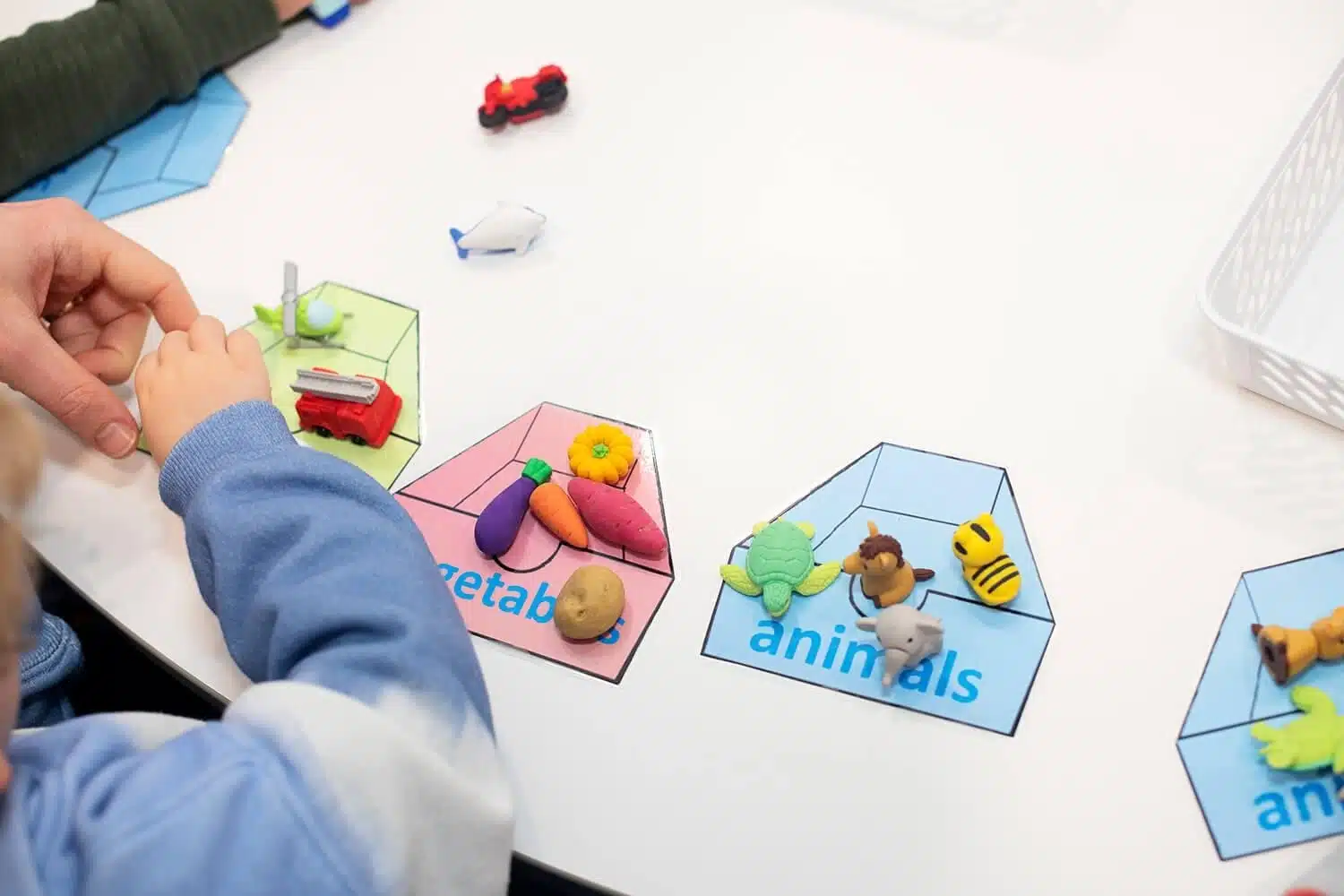
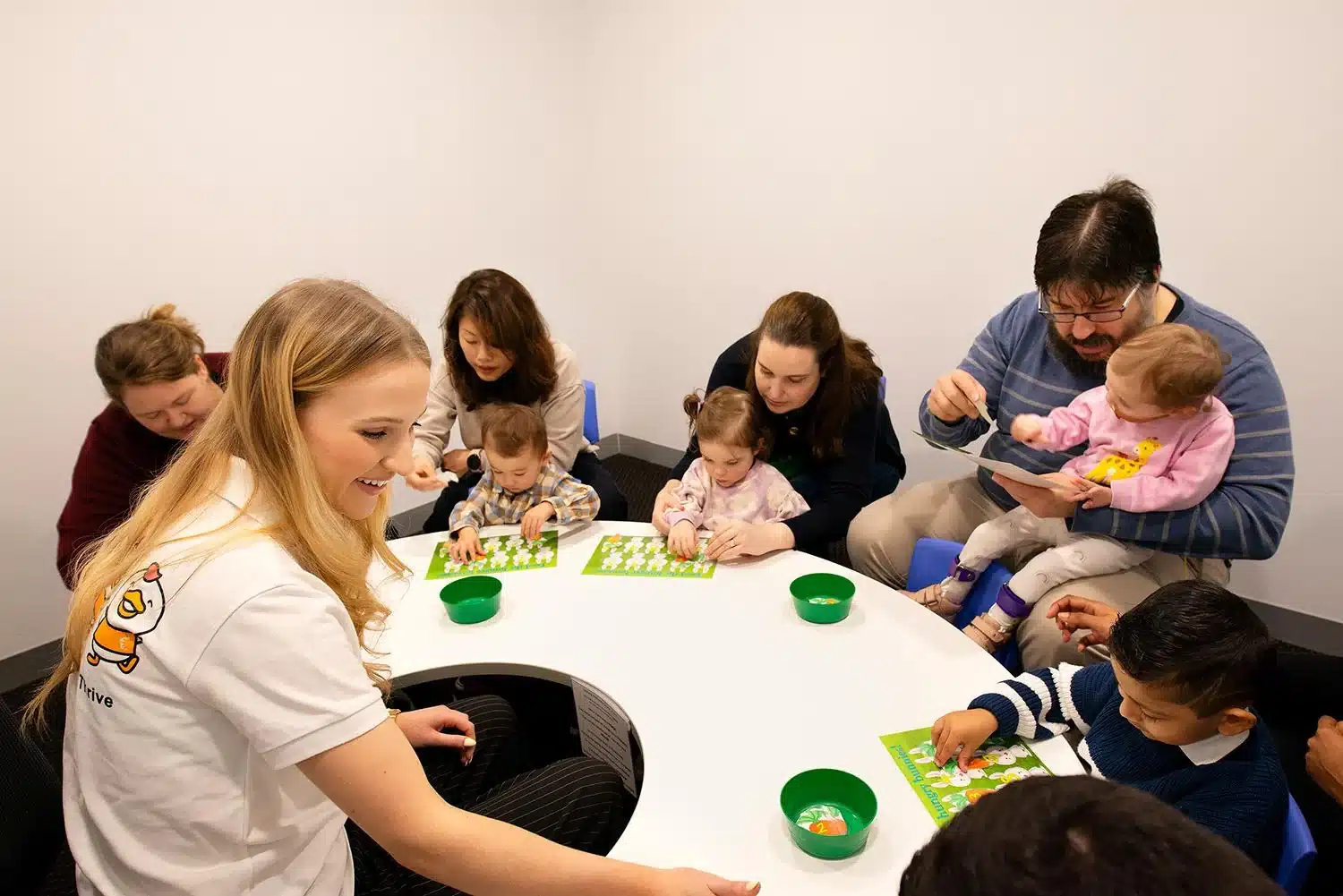
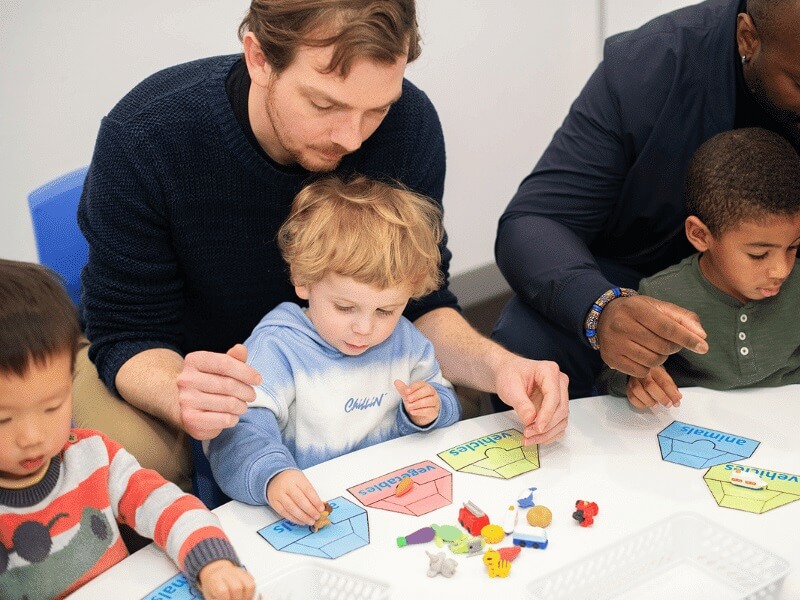
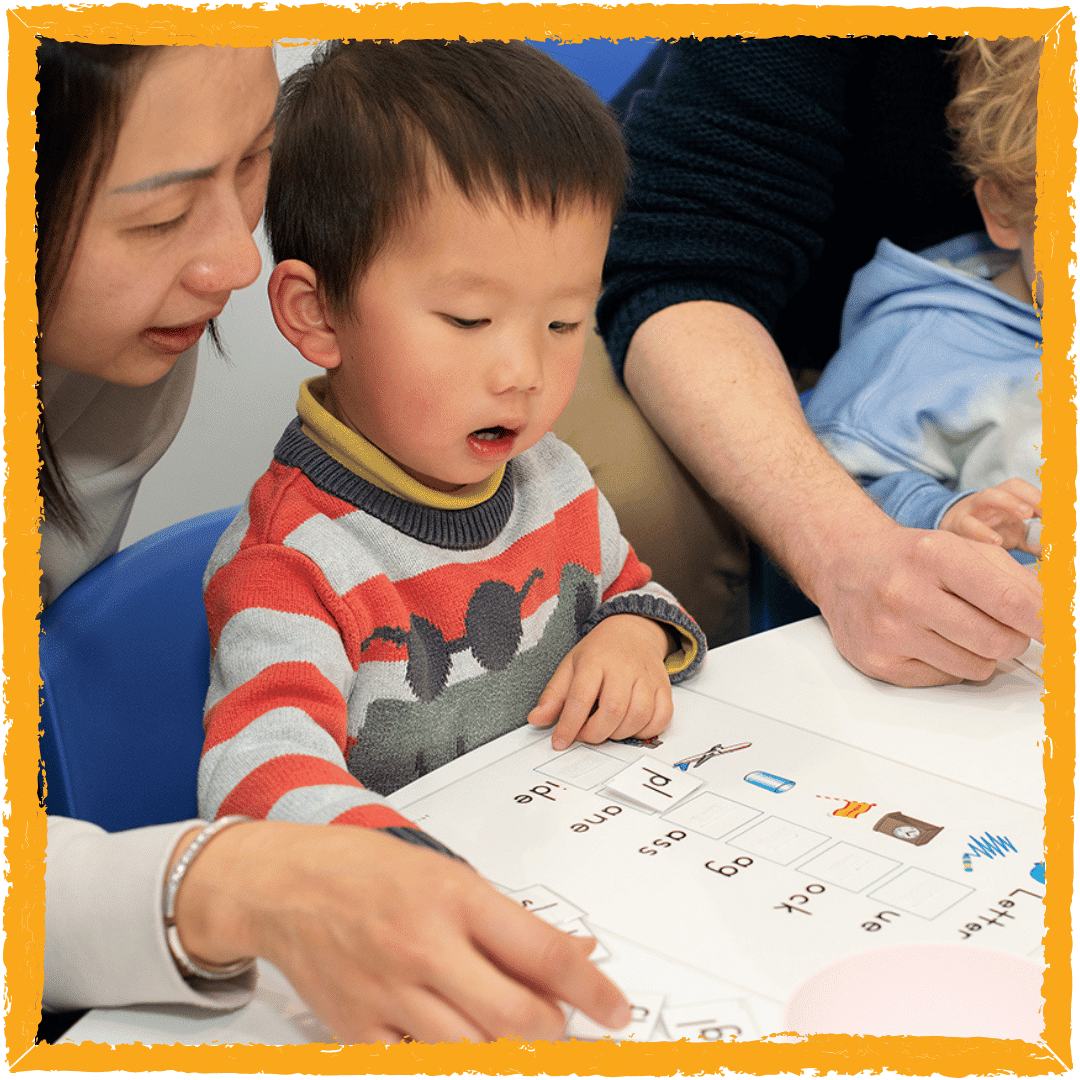
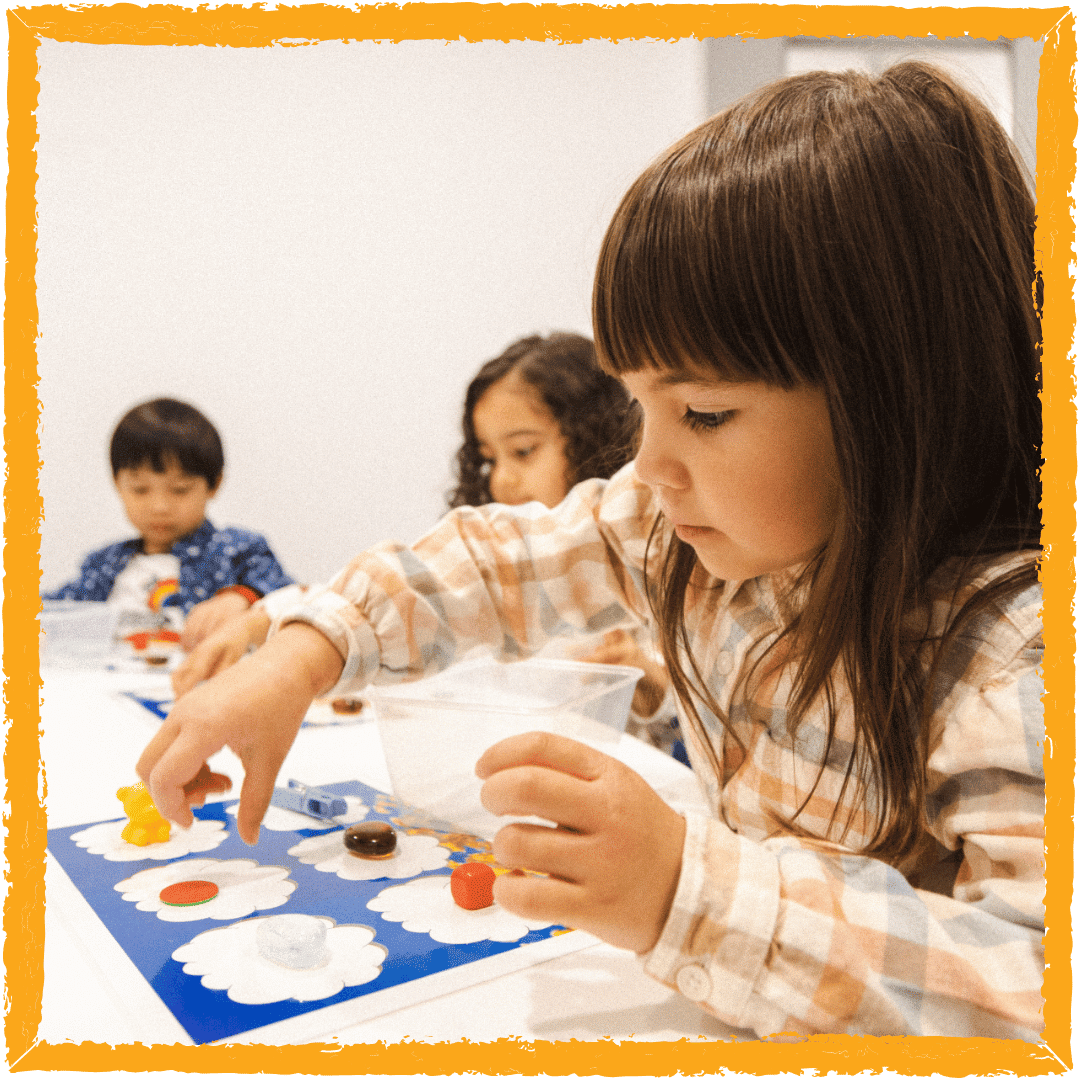
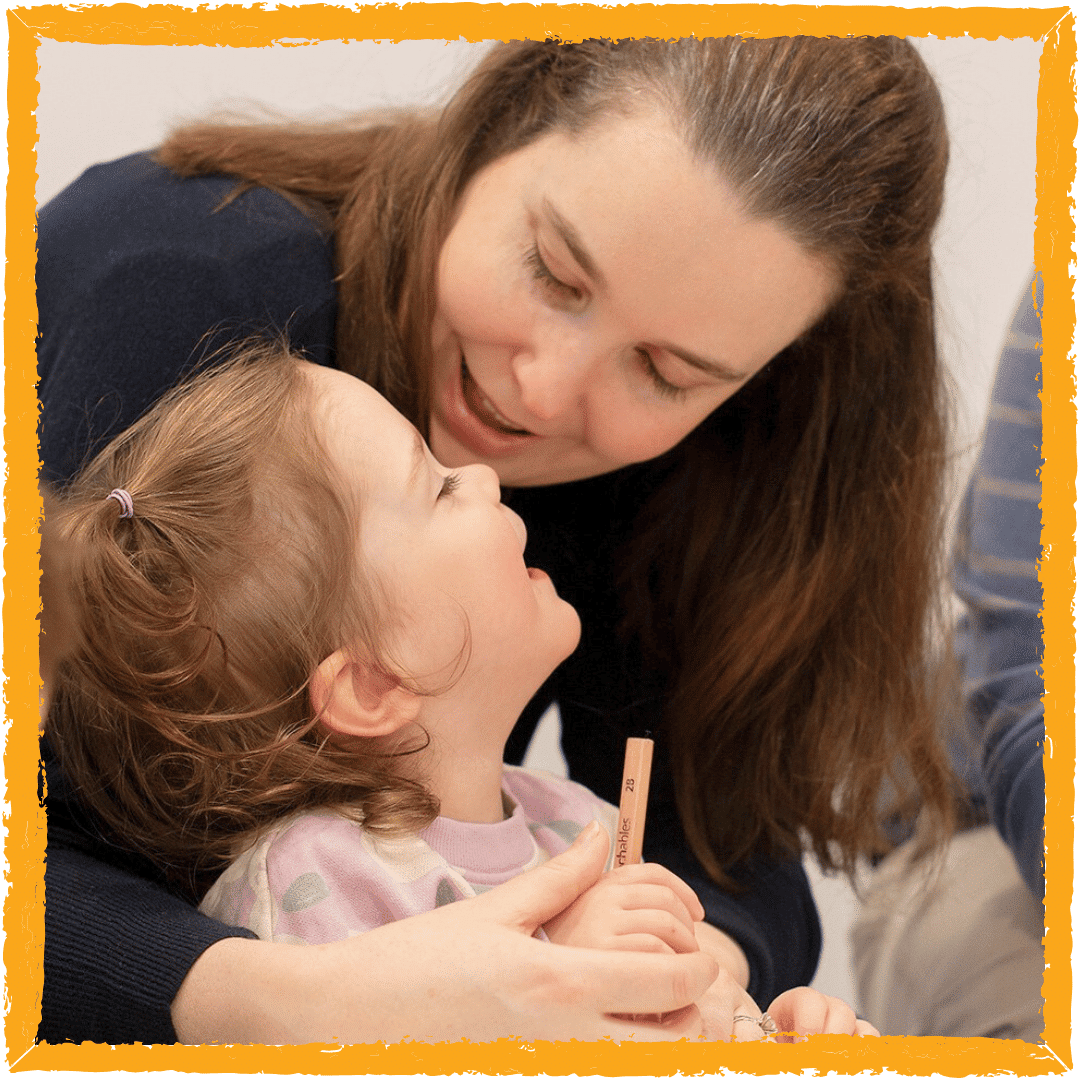
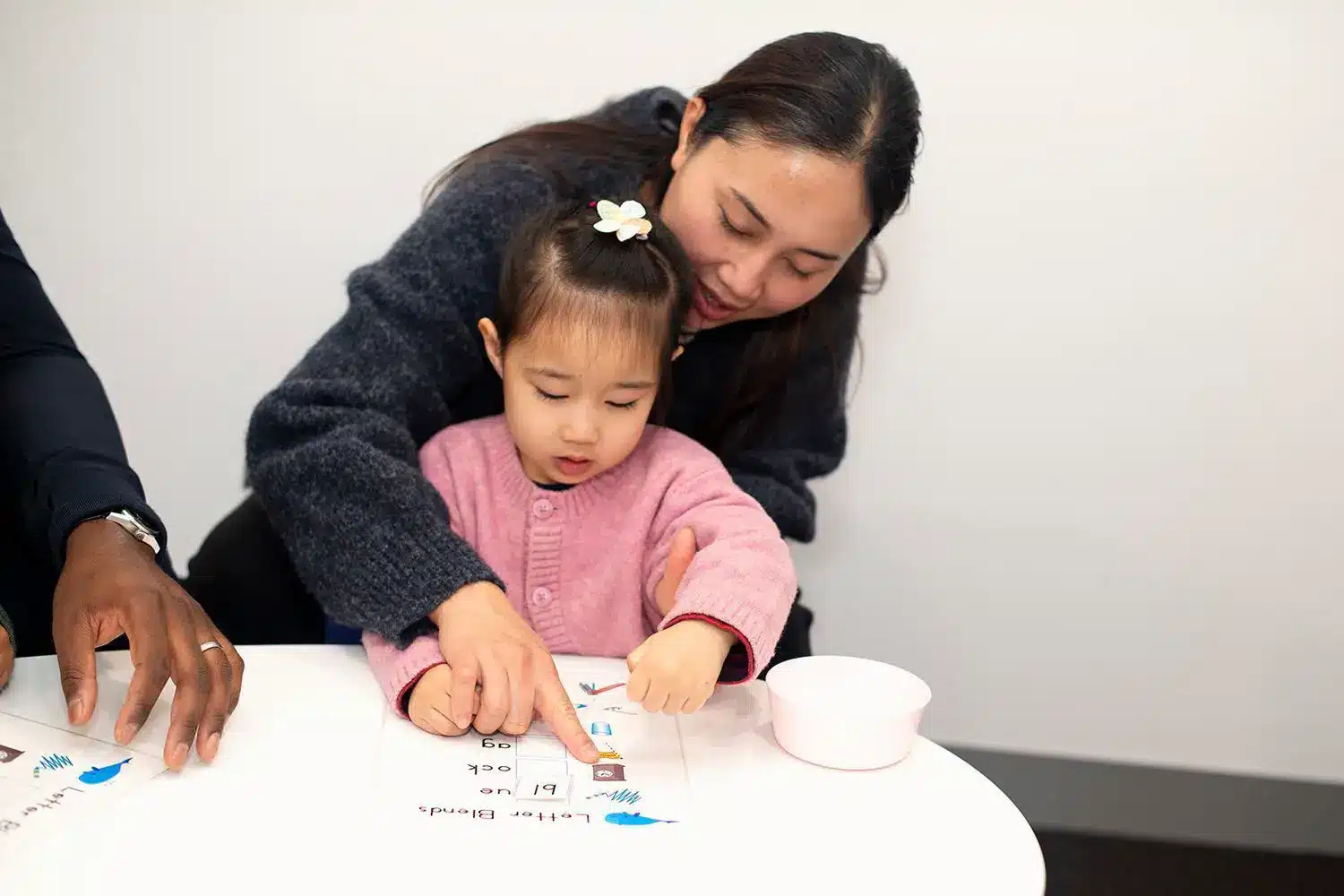
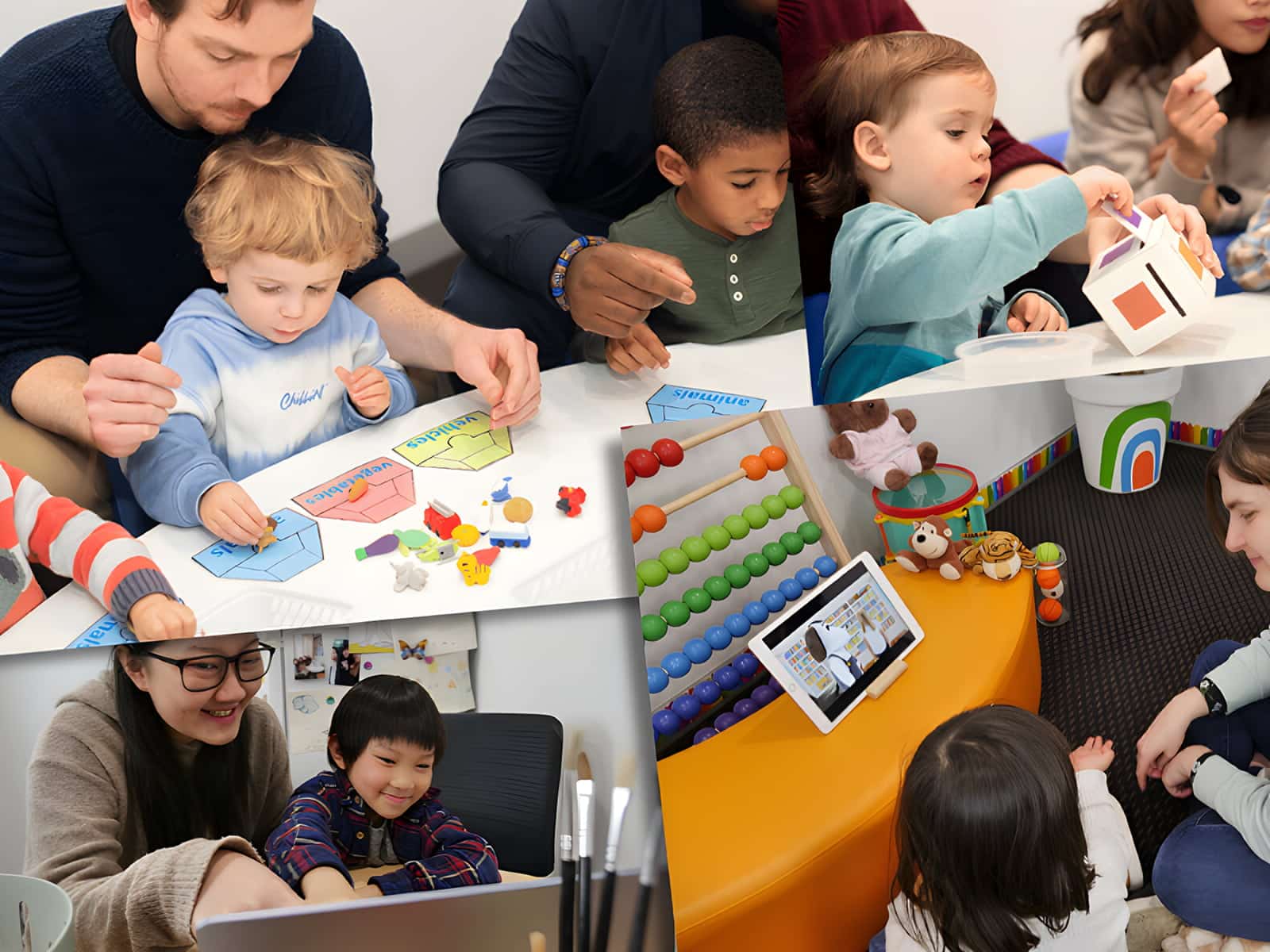
Image by Shichida Australia: A preschooler playing a category matching game, alongside his parent, during a Shichida class.
Learning Materials and Teaching Tools: Shichida vs Reggio Emilia
Shichida classes typically use:
- Structured learning materials introduced intentionally
- Flashcards to build memory, language, and general knowledge
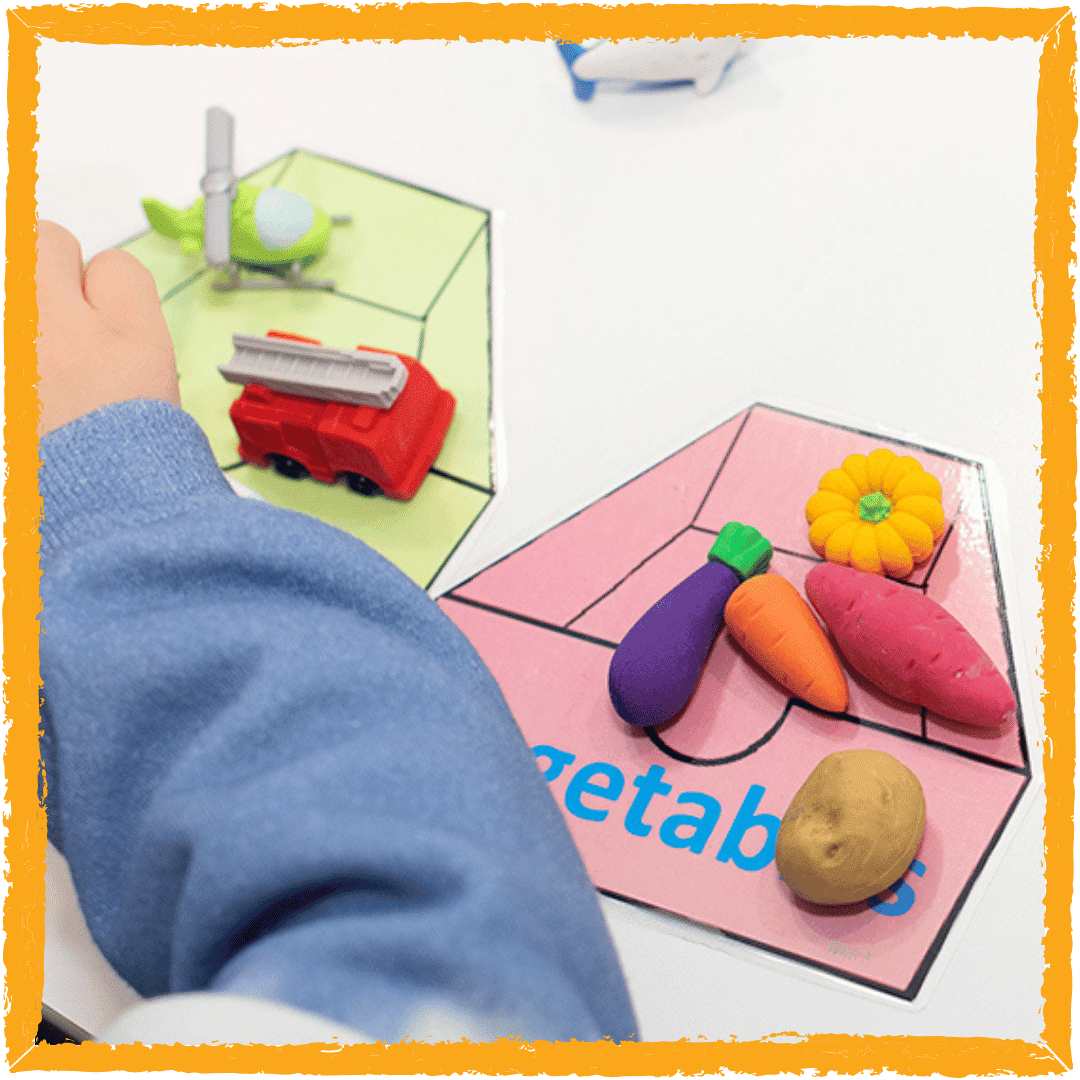
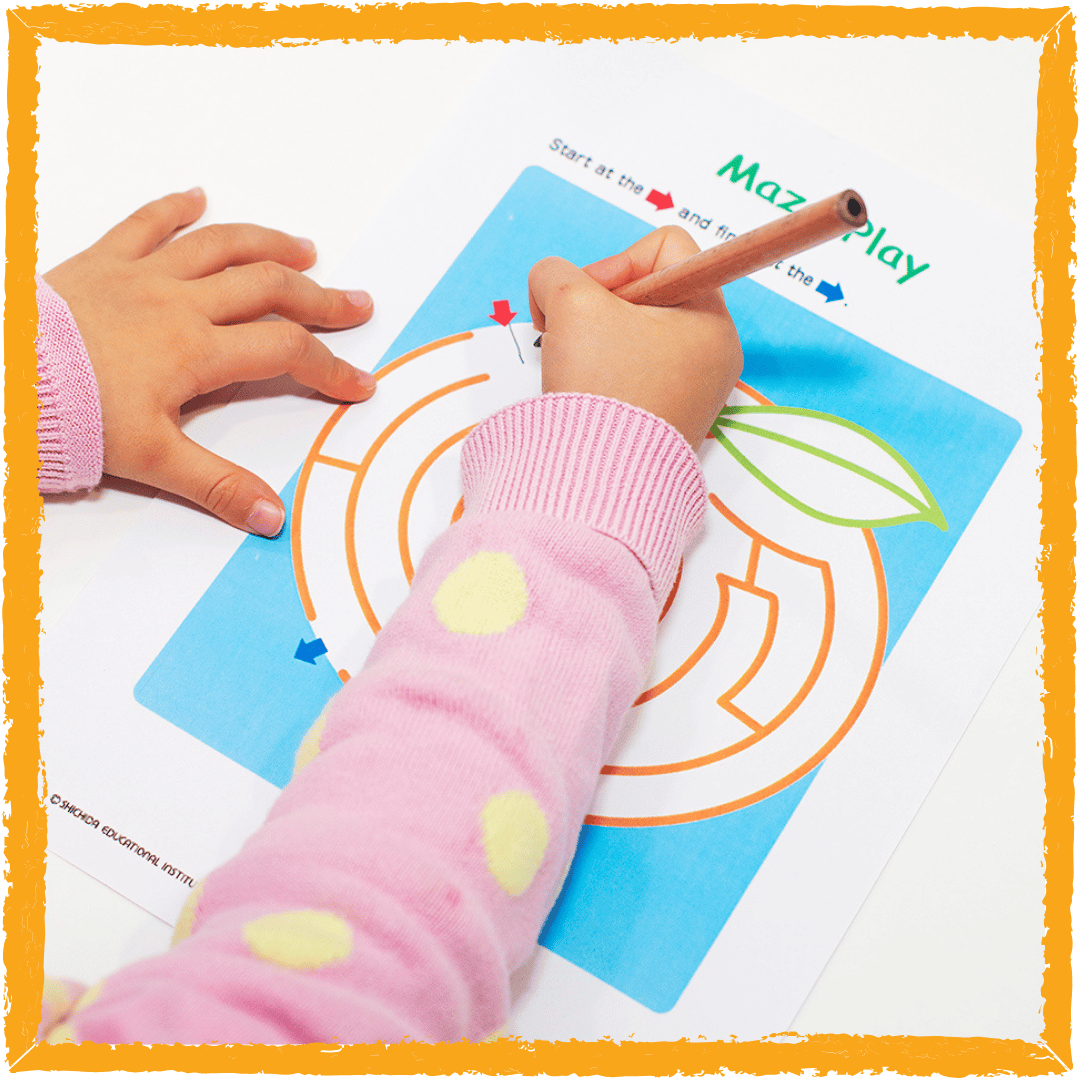
- Hands-on games using counters, baskets, sorting objects, mazes, and tangrams
- Educational songs used in every class to support language, rhythm, and engagement
- Fine motor activities such as drawing, mazes, and early writing tasks
- Teacher-led demonstrations using tools like an oversized abacus to visually teach early numeracy concepts
Reggio Emilia environments typically use:
- Open-ended, child-led materials
- Natural and recycled objects, loose parts, and art resources
- Materials chosen based on children’s interests and ongoing projects
- Learning that emerges through exploration rather than a fixed lesson structure
Key difference at a glance:
- Shichida uses structured, repeatable tools to guide specific developmental skills
- Reggio Emilia uses flexible, open-ended materials to support creativity and inquiry
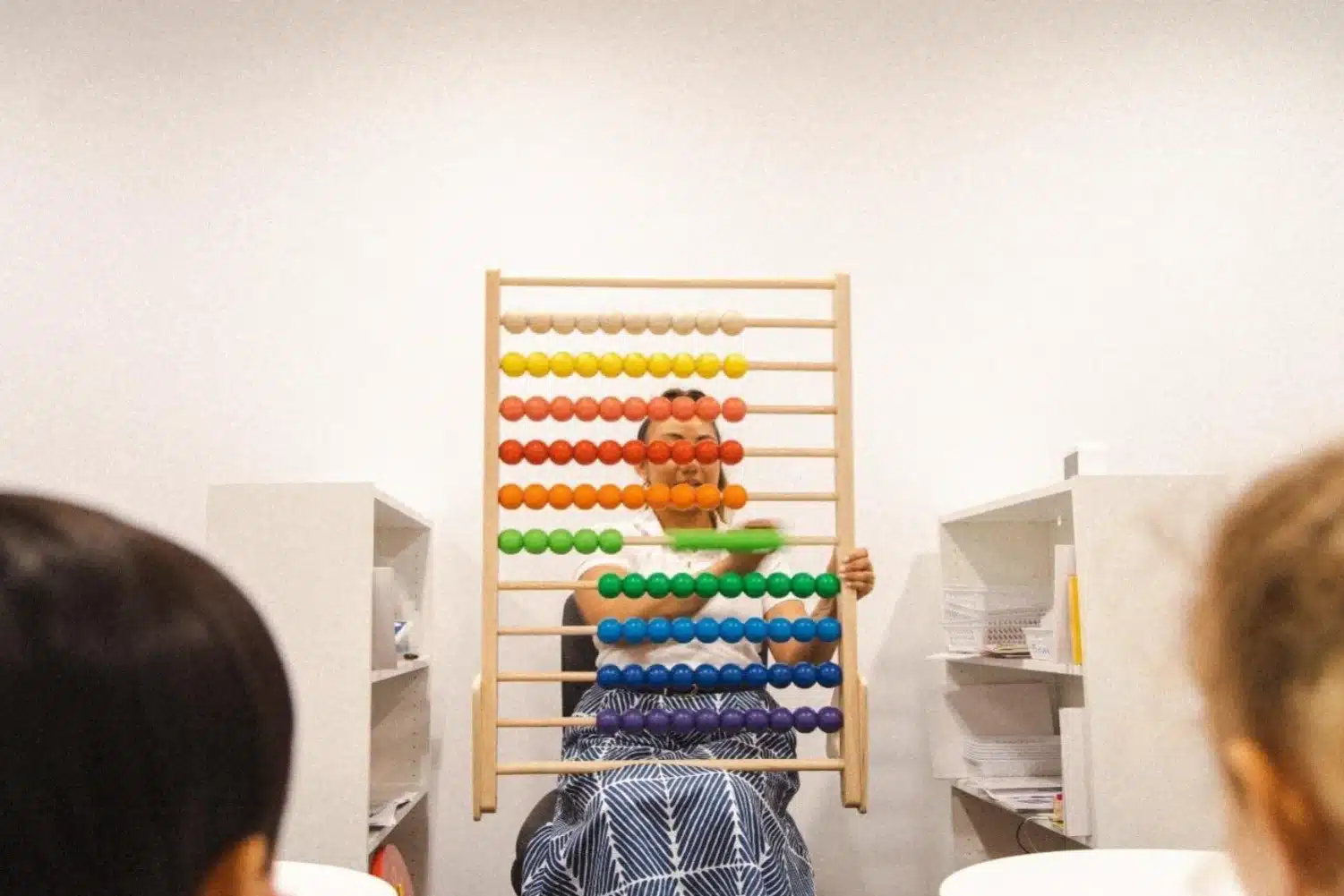
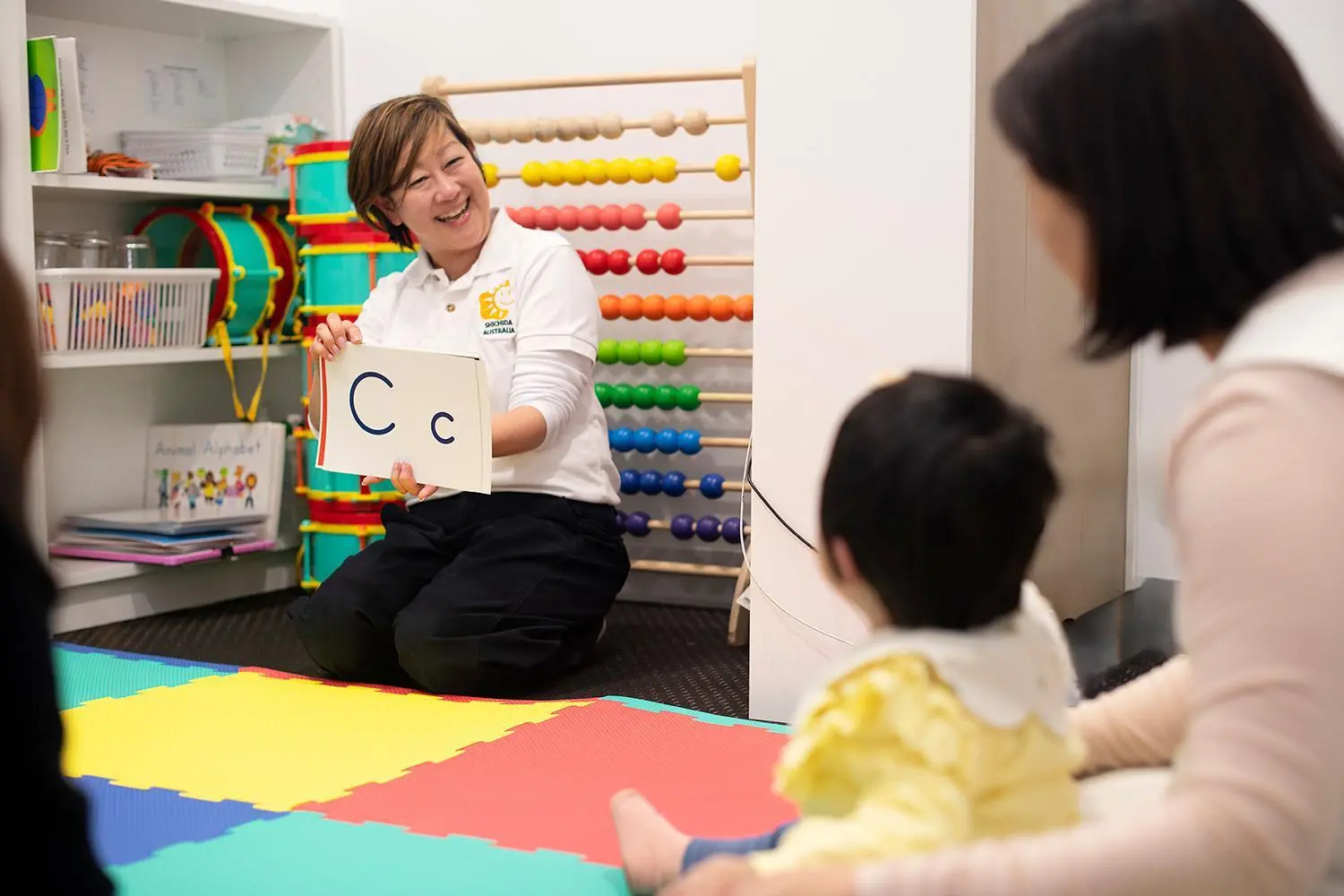
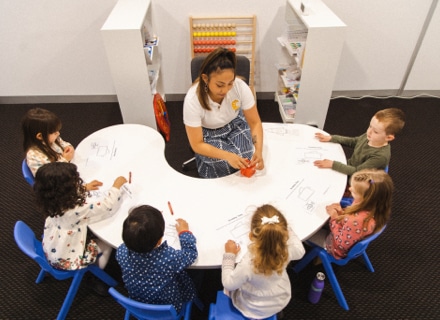
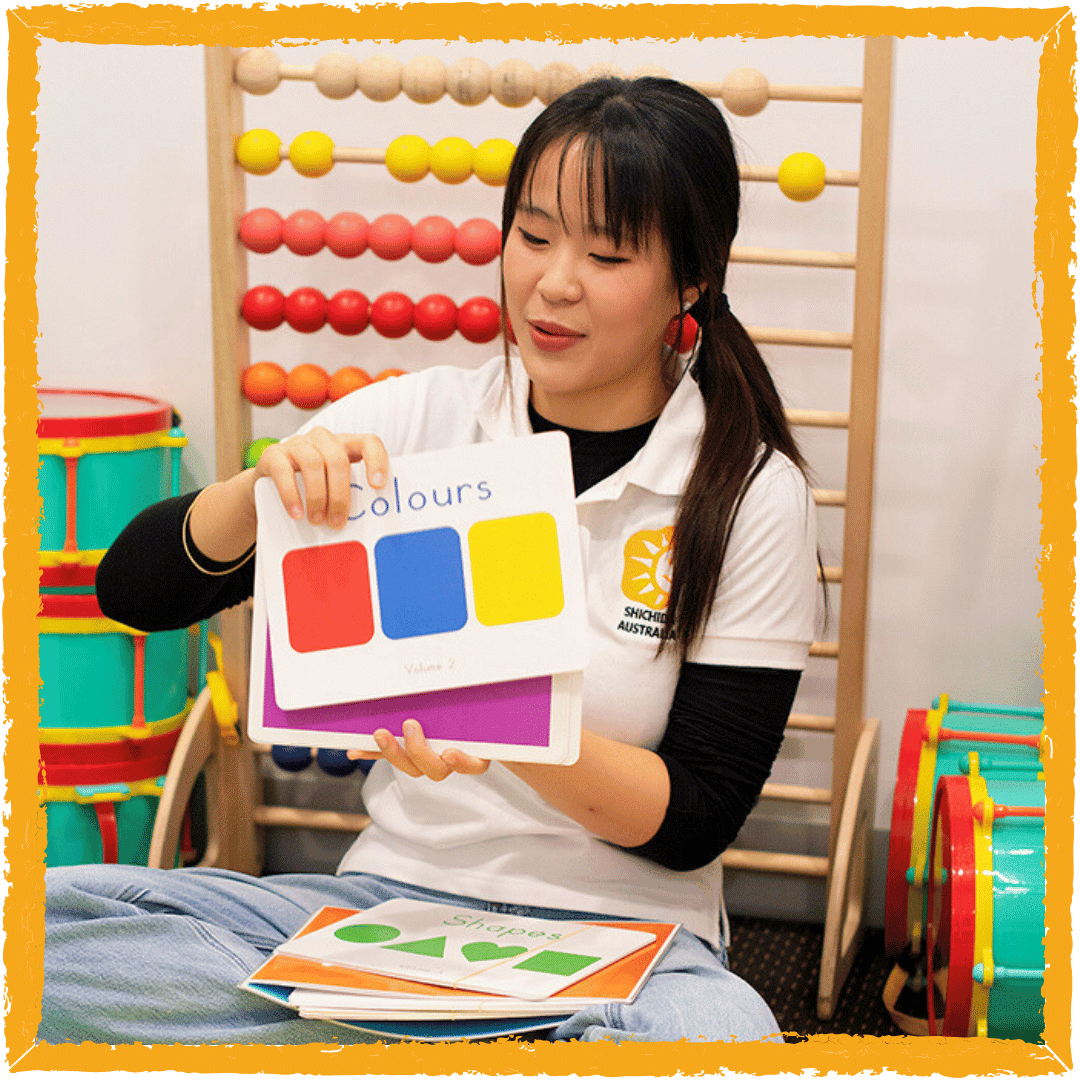
Image by Shichida: A teacher demonstrates counting by 5’s to preschoolers, using an oversized abacus. Abacus demonstrations are often paired with songs to support number sense, memory, and a visual understanding of quantity through rhythm and repetition.
Similarities Between Shichida and Reggio Emilia
Despite their differences, these approaches share important values.
Respect for the Child
Both approaches view children as capable learners, not passive recipients of information.
Learning Through Experience
Hands-on learning, interaction, and engagement are central to both methods.
Strong Parent–Child Connection
Reggio values family involvement, and Shichida places parents directly in the learning process.
Emotional Wellbeing Matters
Neither approach relies on pressure, testing, or competition in the early years.
Key Differences Between Shichida and Reggio Emilia
Learning Structure
- Reggio Emilia: Child-led, open-ended, project-based
- Shichida: Teacher-guided, structured, sequential learning
Skill Development
- Reggio Emilia: Skills emerge organically through exploration
- Shichida: Skills such as memory, numeracy, literacy, and logic are intentionally practised
Curriculum
- Reggio Emilia: No fixed curriculum – uses emergent curriculum
- Shichida: Carefully designed age-based curriculum
Outcomes
- Reggio Emilia: Observational outcomes focused on creativity and expression
- Shichida: Clear developmental progress across cognitive and academic foundations
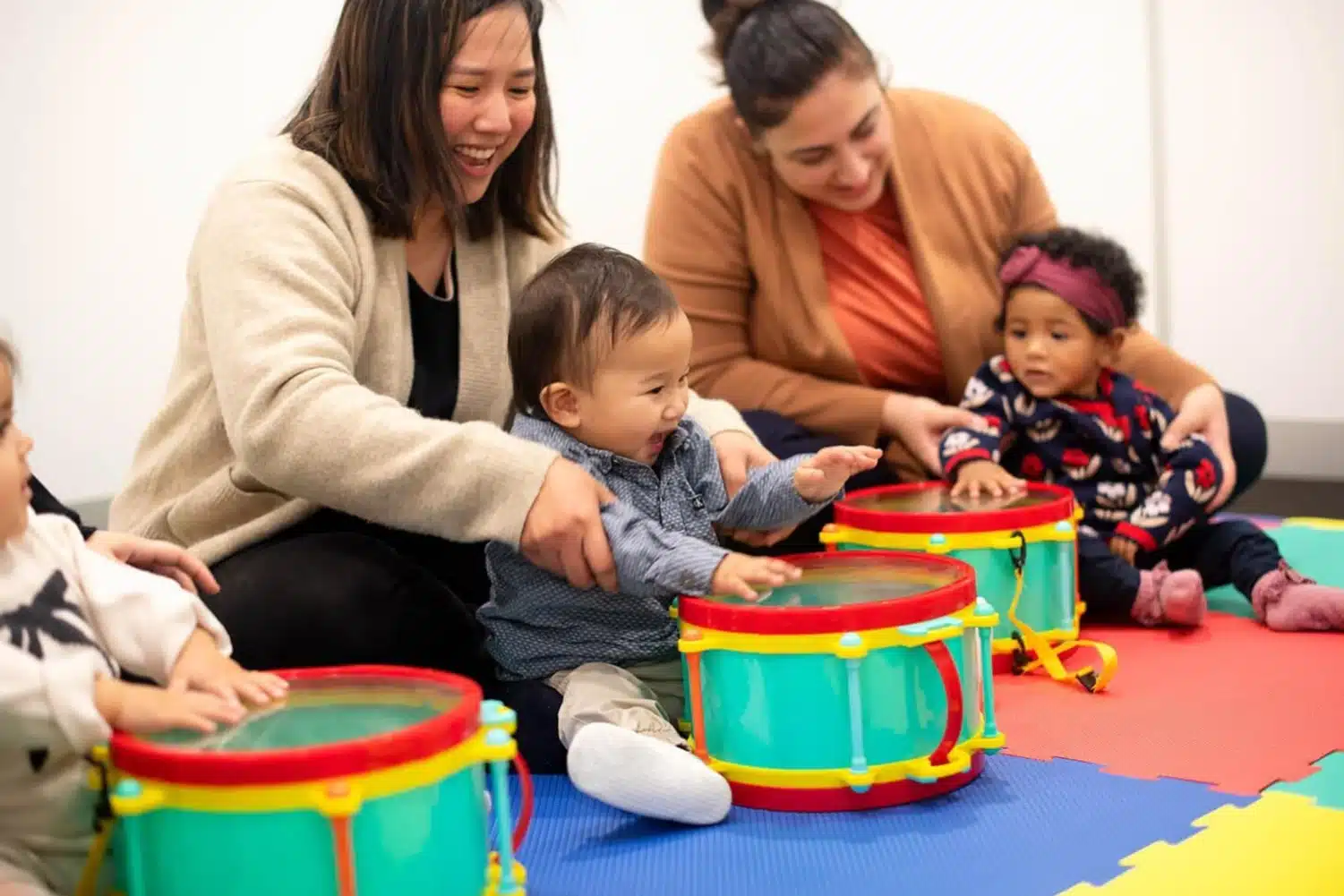
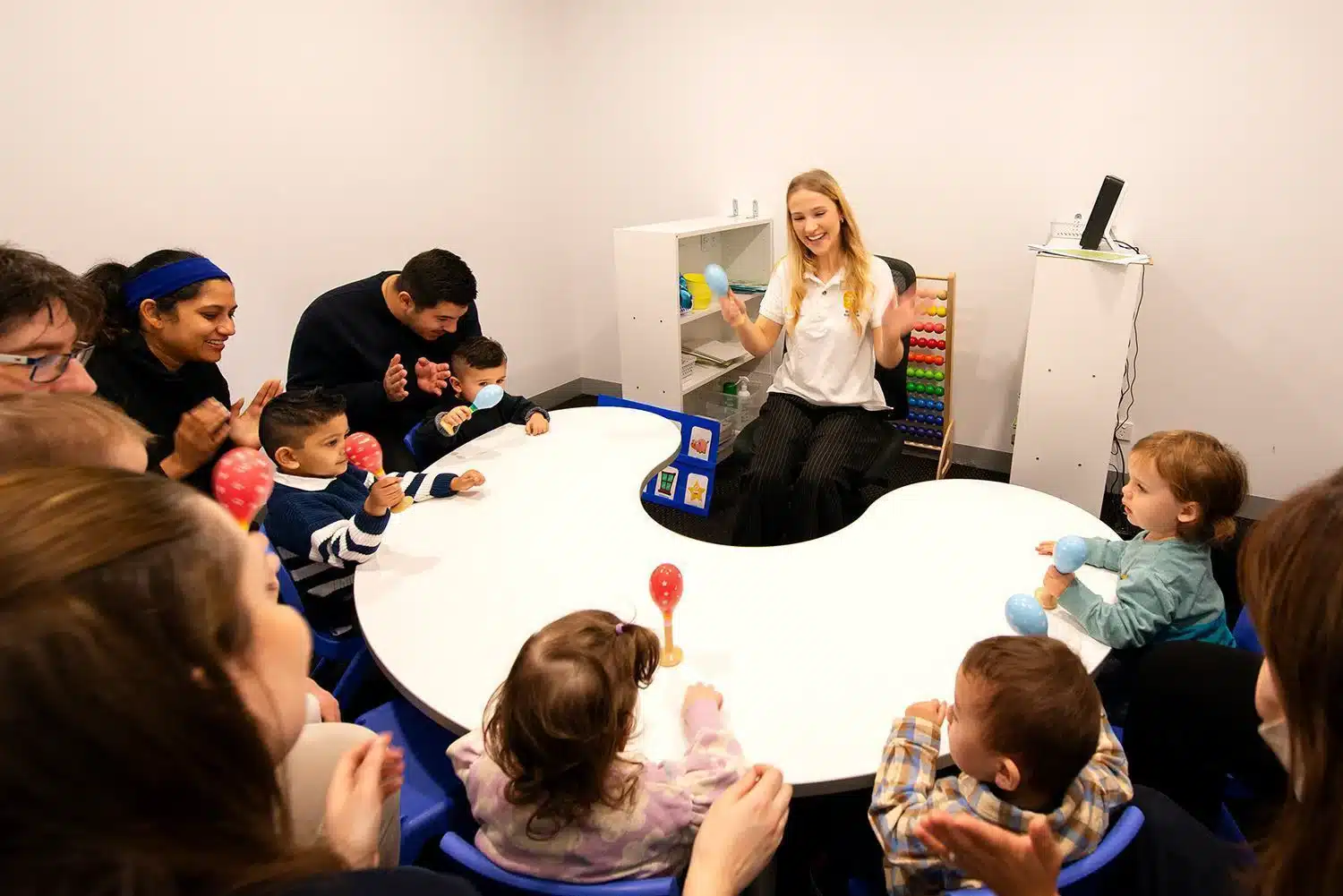
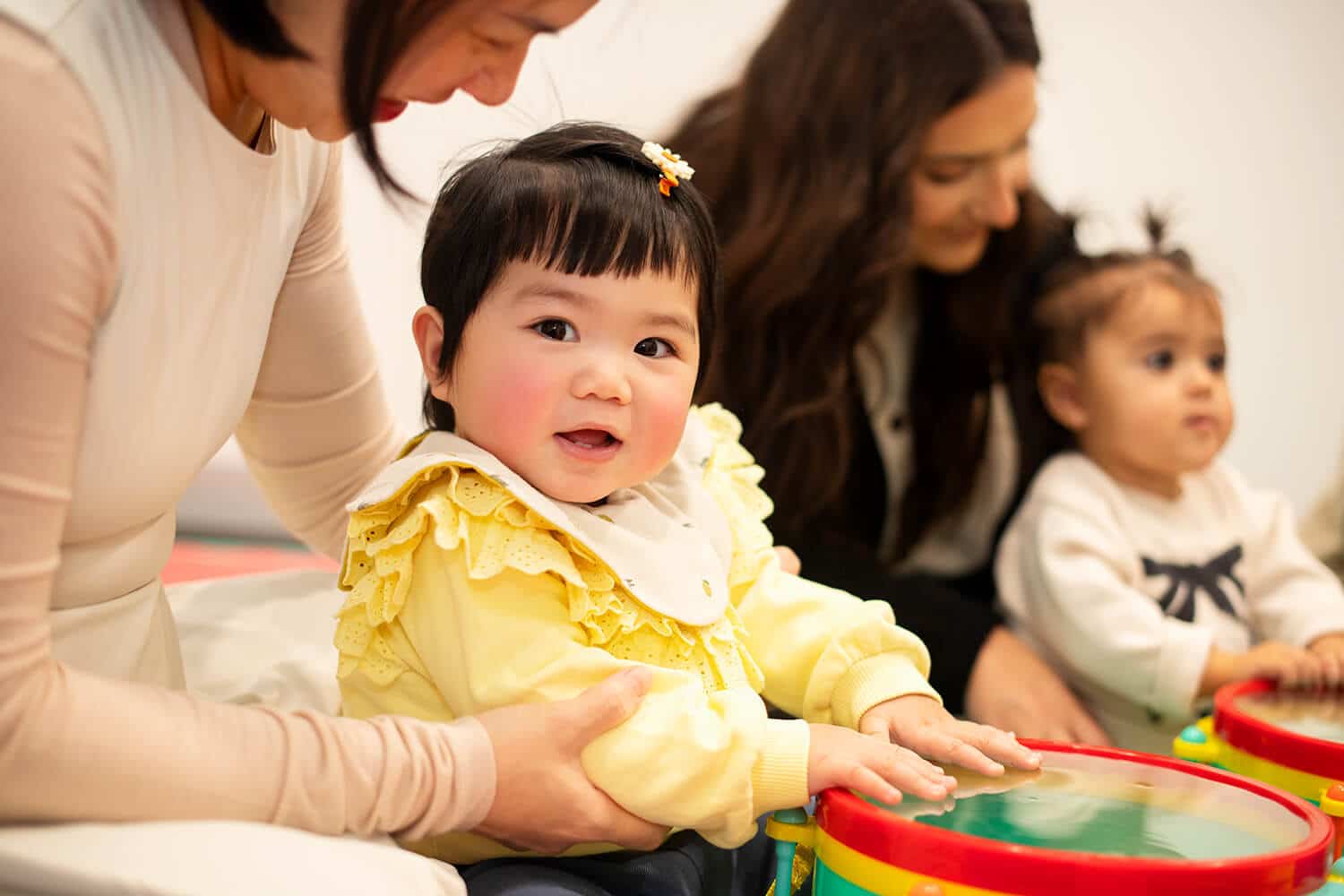
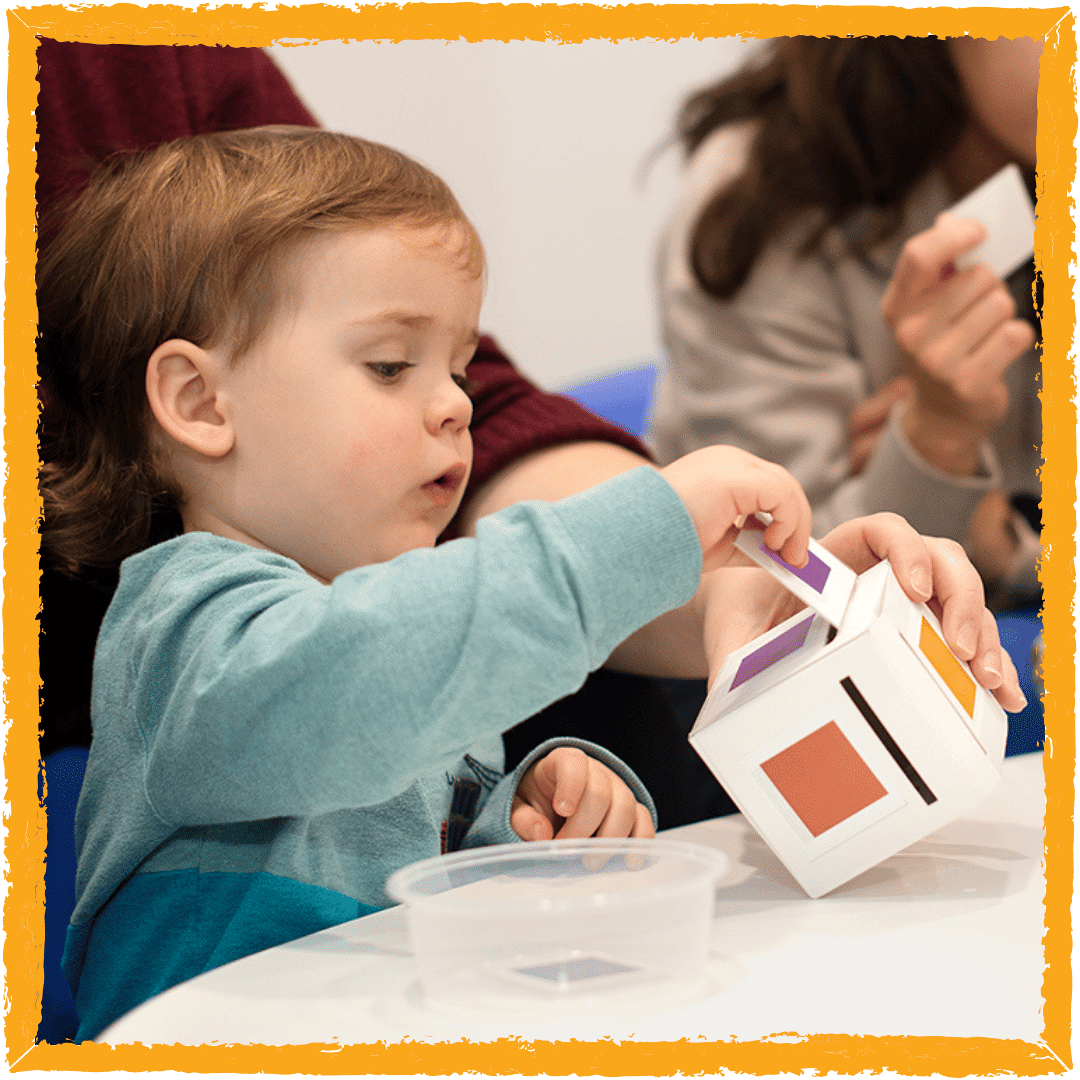
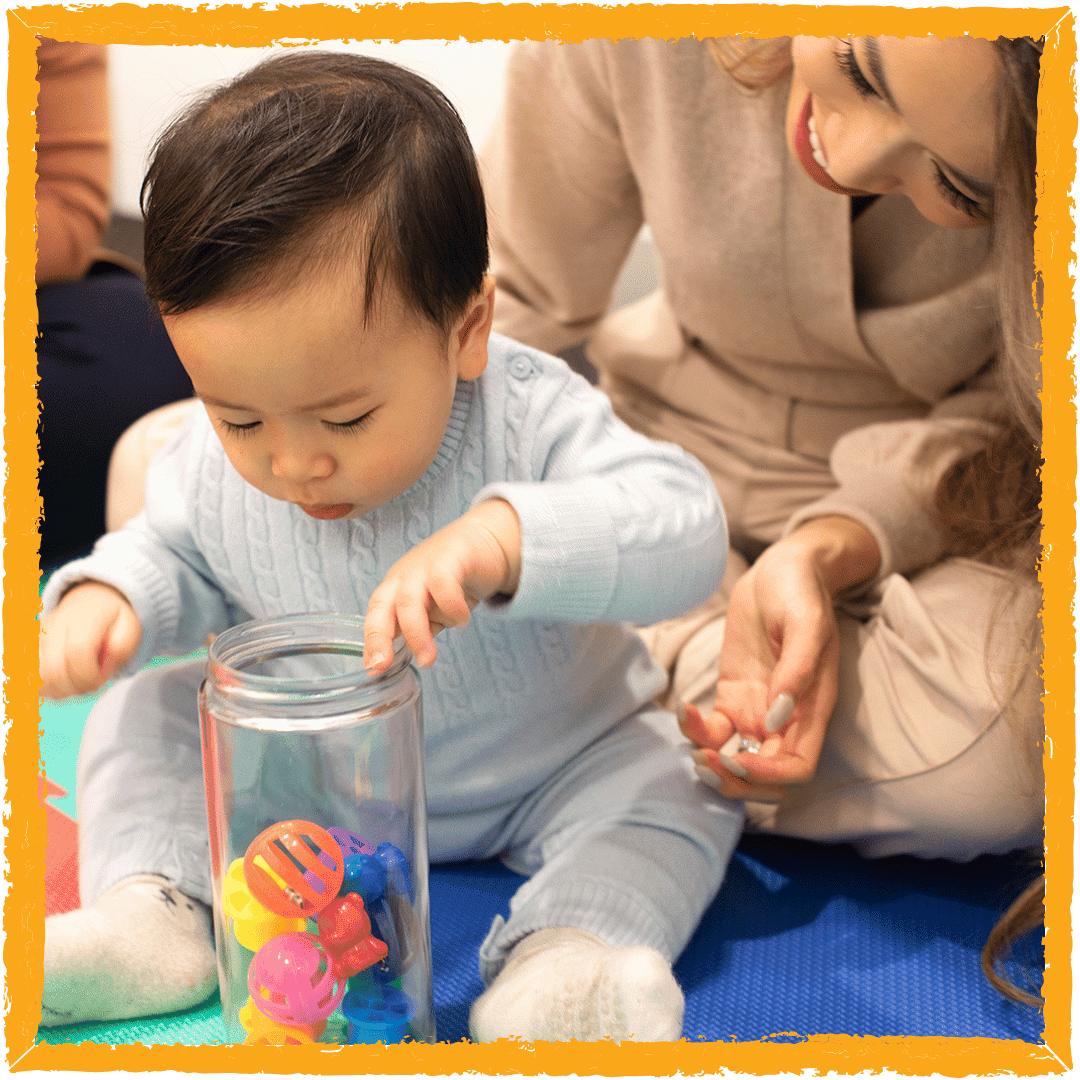
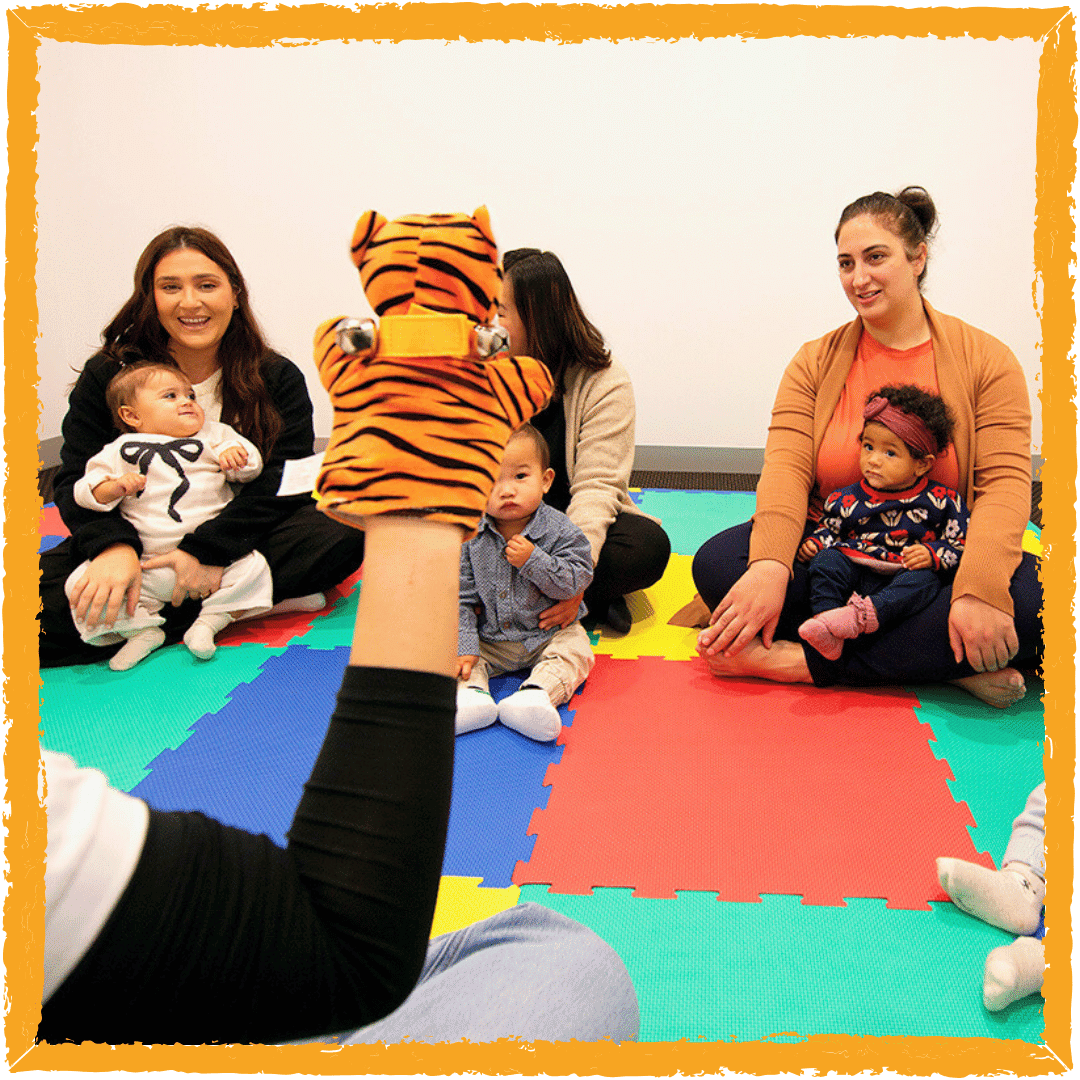
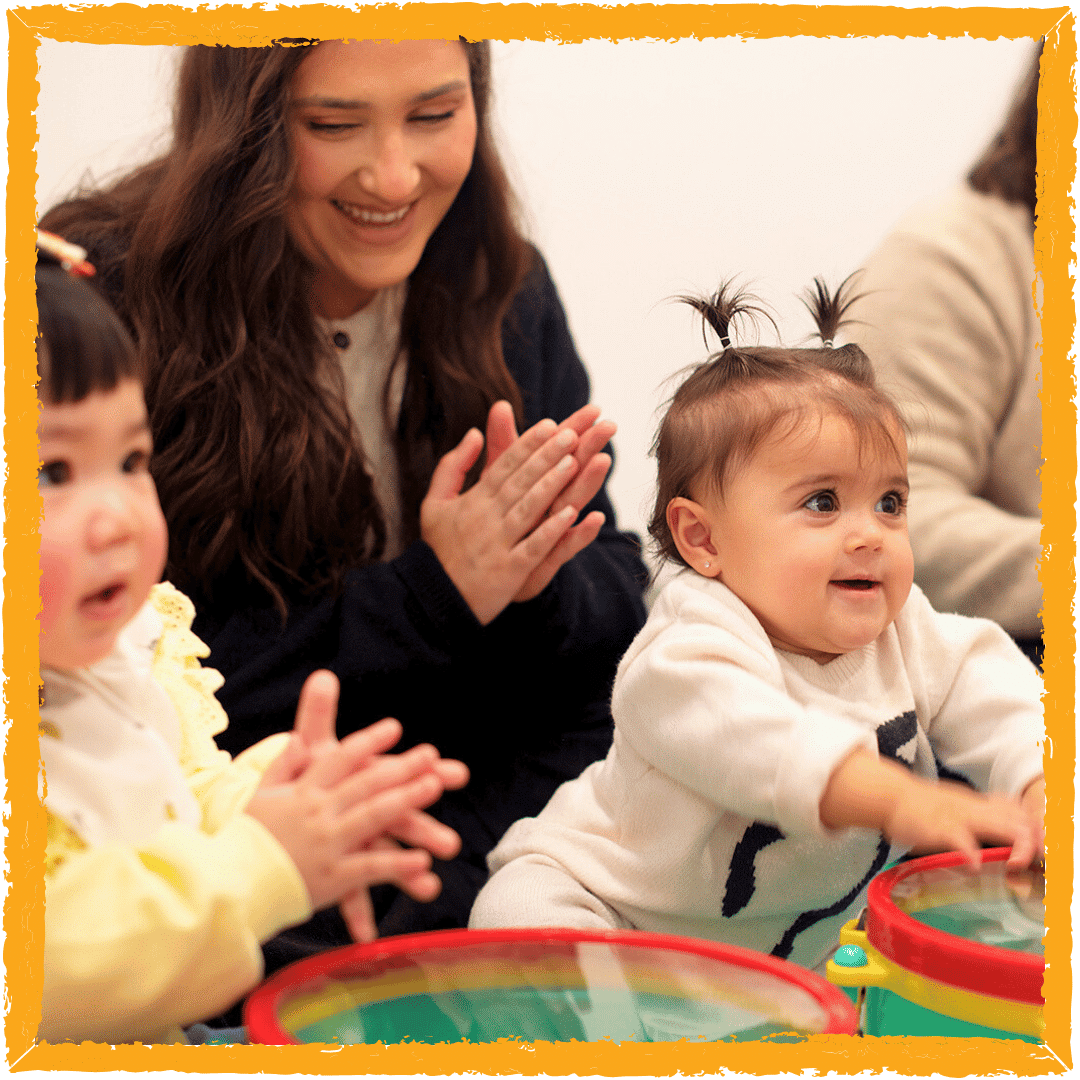
Image by Shichida Australia: Babies enjoying music play during a Shichida baby class.
Which Approach Suits Which Family?
Reggio Emilia may suit families who:
- Prefer child-led exploration
- Value creativity and open-ended learning
- Are less concerned with early academic foundations
Shichida may suit families who:
- Want structured support for early learning skills
- Value memory, focus, literacy, and numeracy development
- Want guidance on how to support learning at home
- Prefer clear progression without pressure
Many families choose both – Reggio-style preschool for social exploration, and Shichida classes to support cognitive development.
How Shichida Complements Reggio, Montessori, and Preschool Learning
Shichida is often used alongside:
- Reggio Emilia preschools
- Montessori programs
- Long day care and kindergarten
Rather than replacing these environments, Shichida fills a gap by offering:
- Explicit early literacy and numeracy foundations
- Memory and thinking skill development
- Parent education and guidance
- Consistent structure across age groups
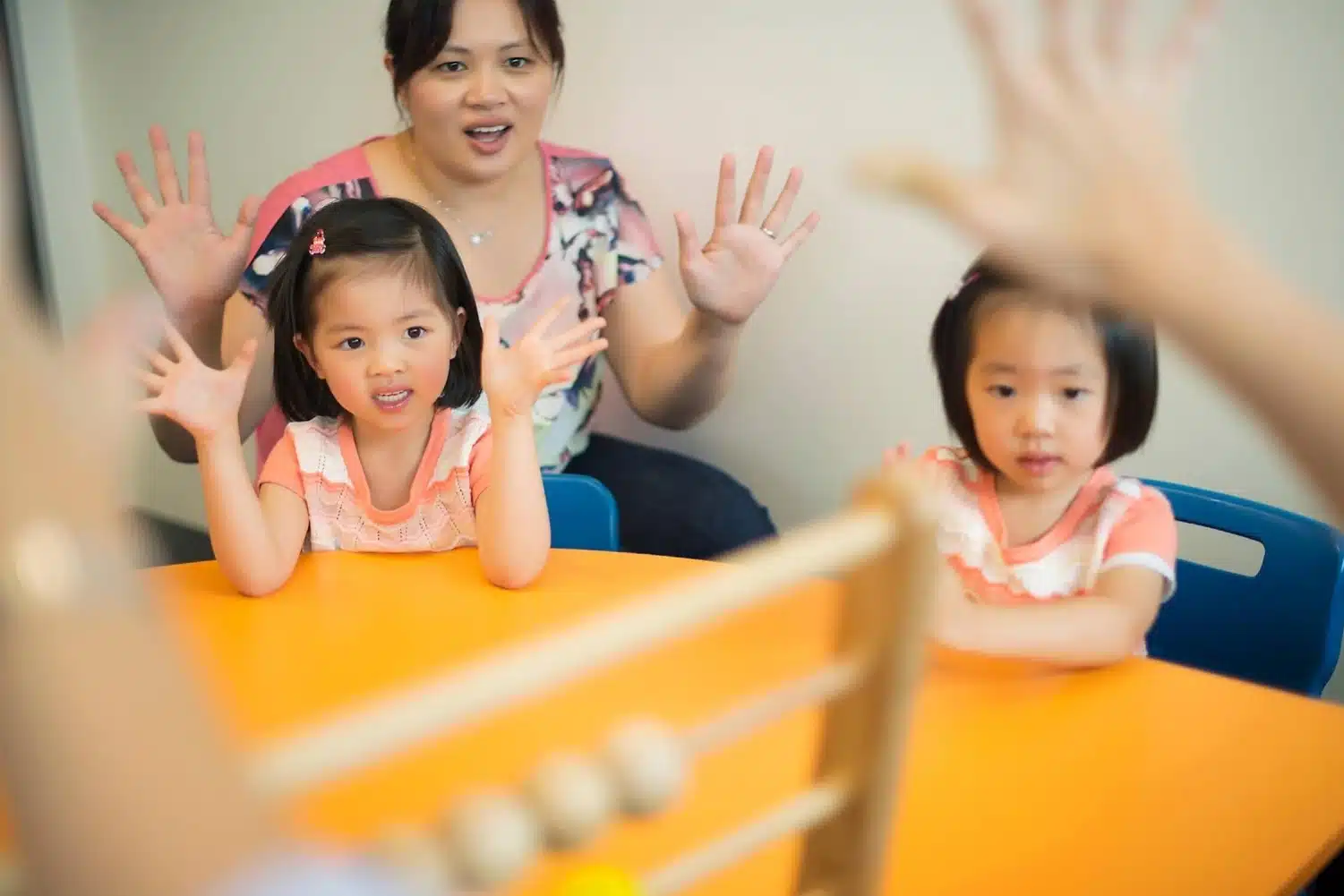
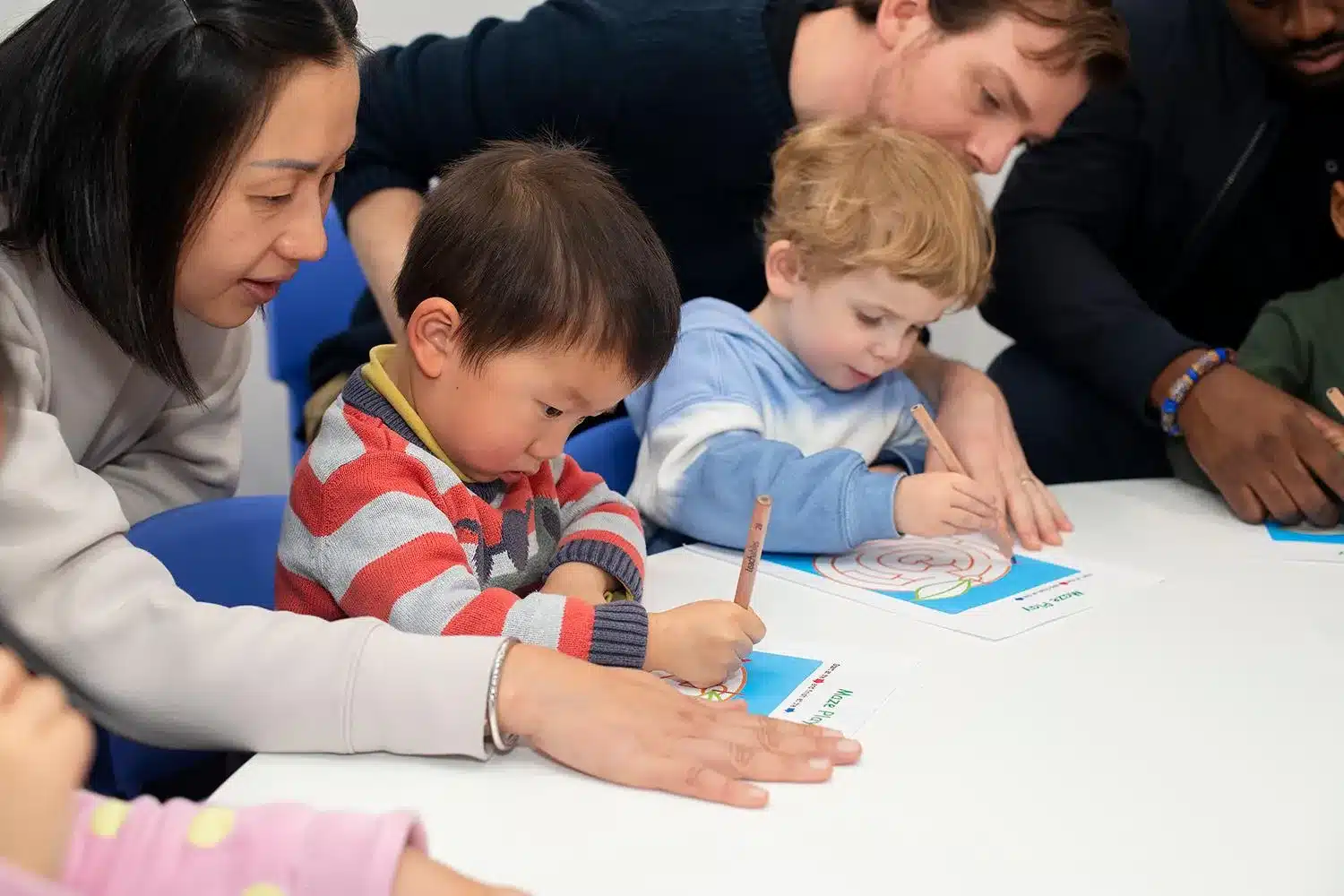
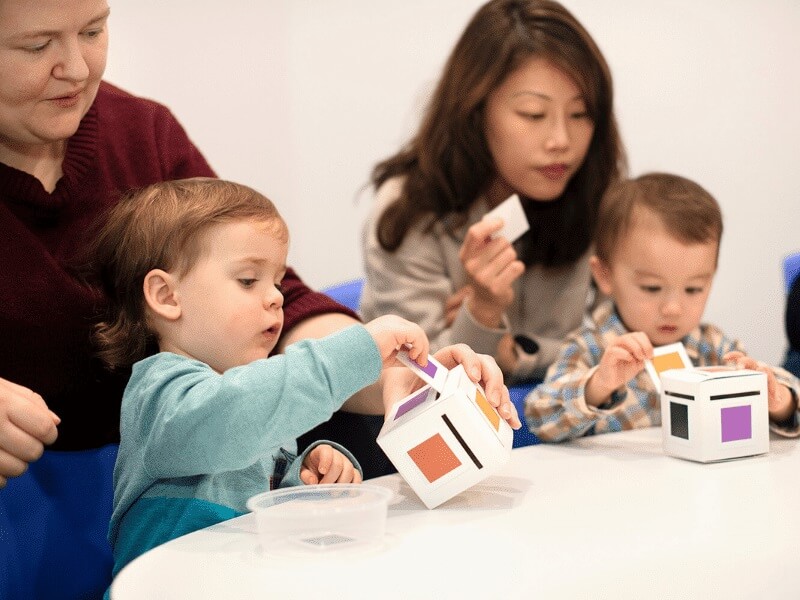
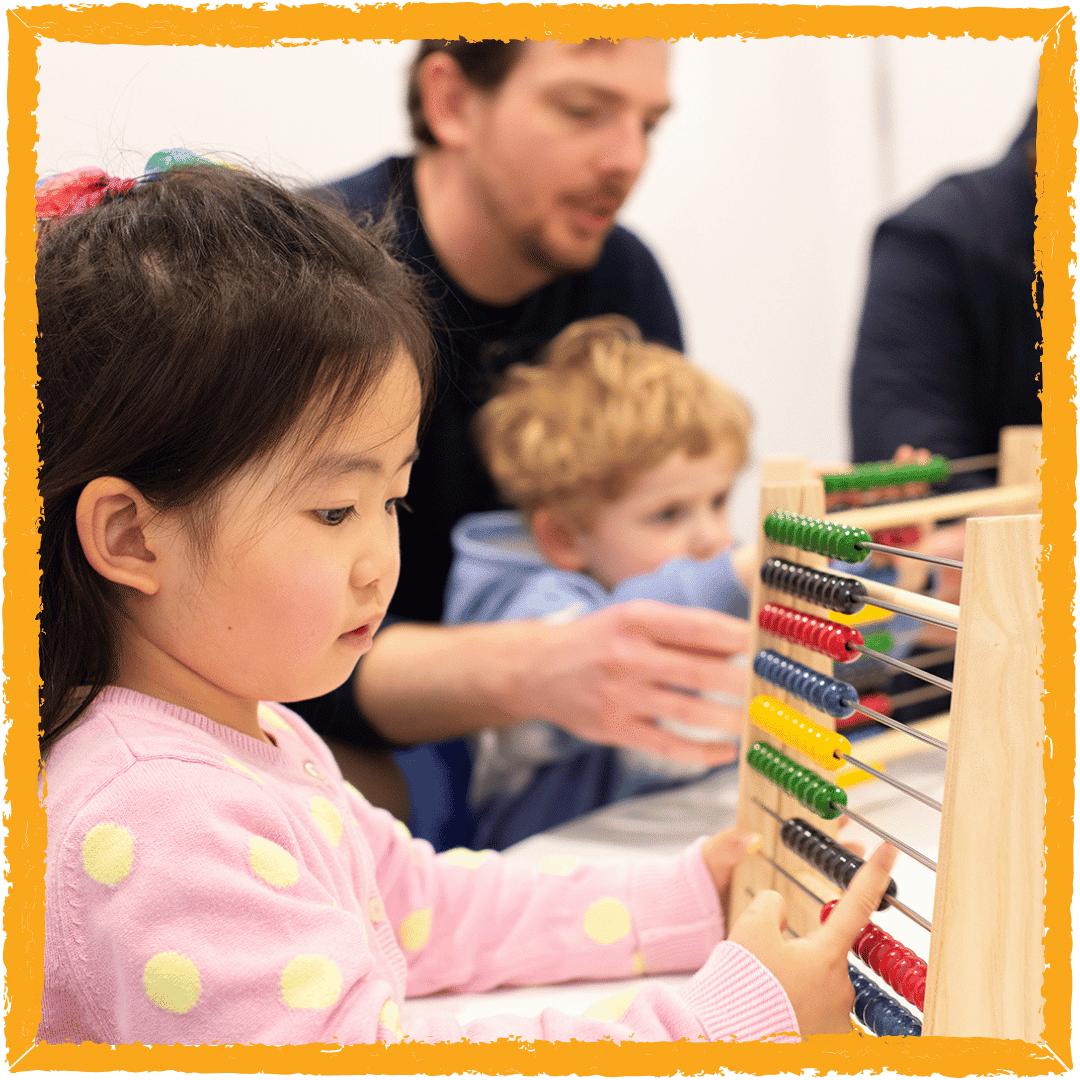
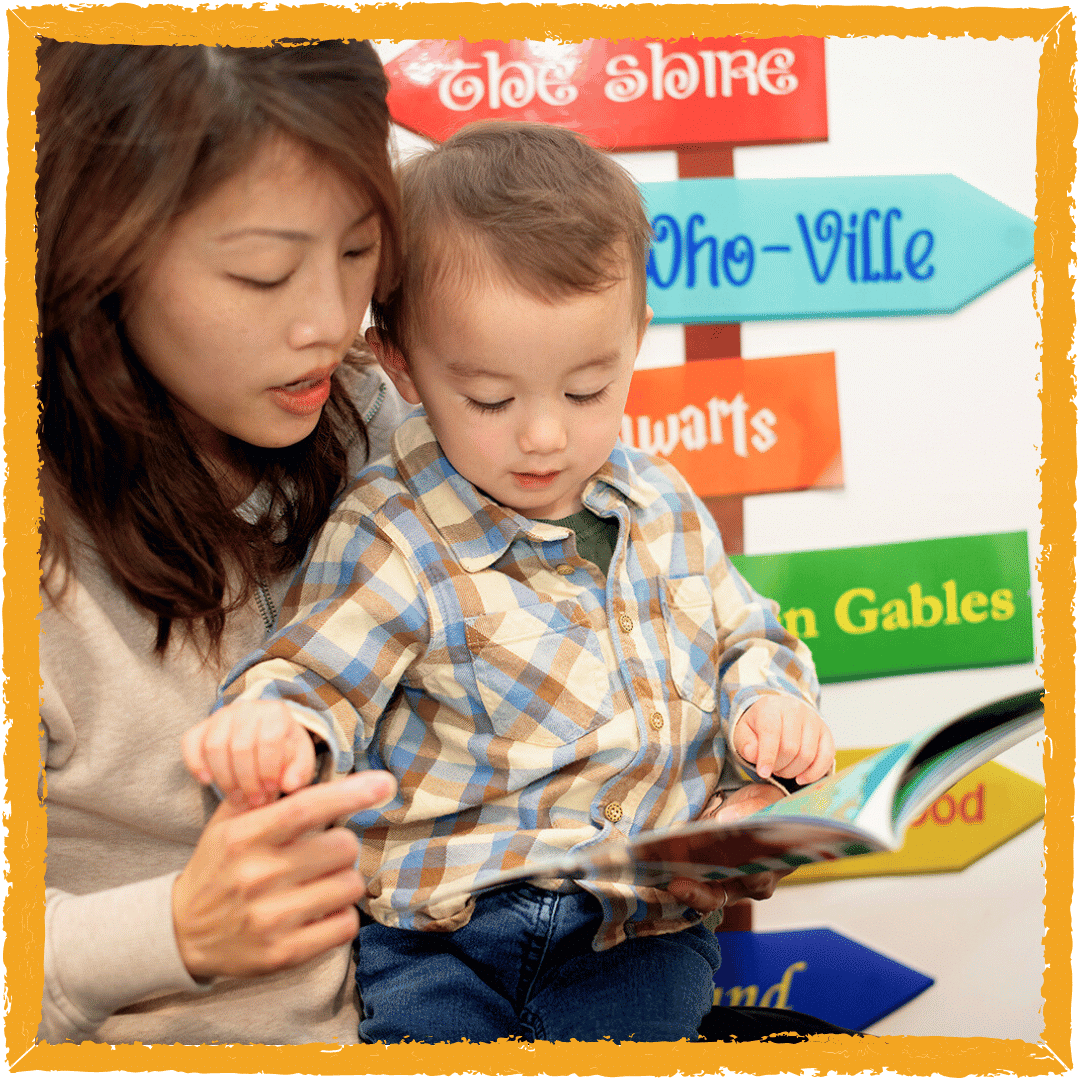
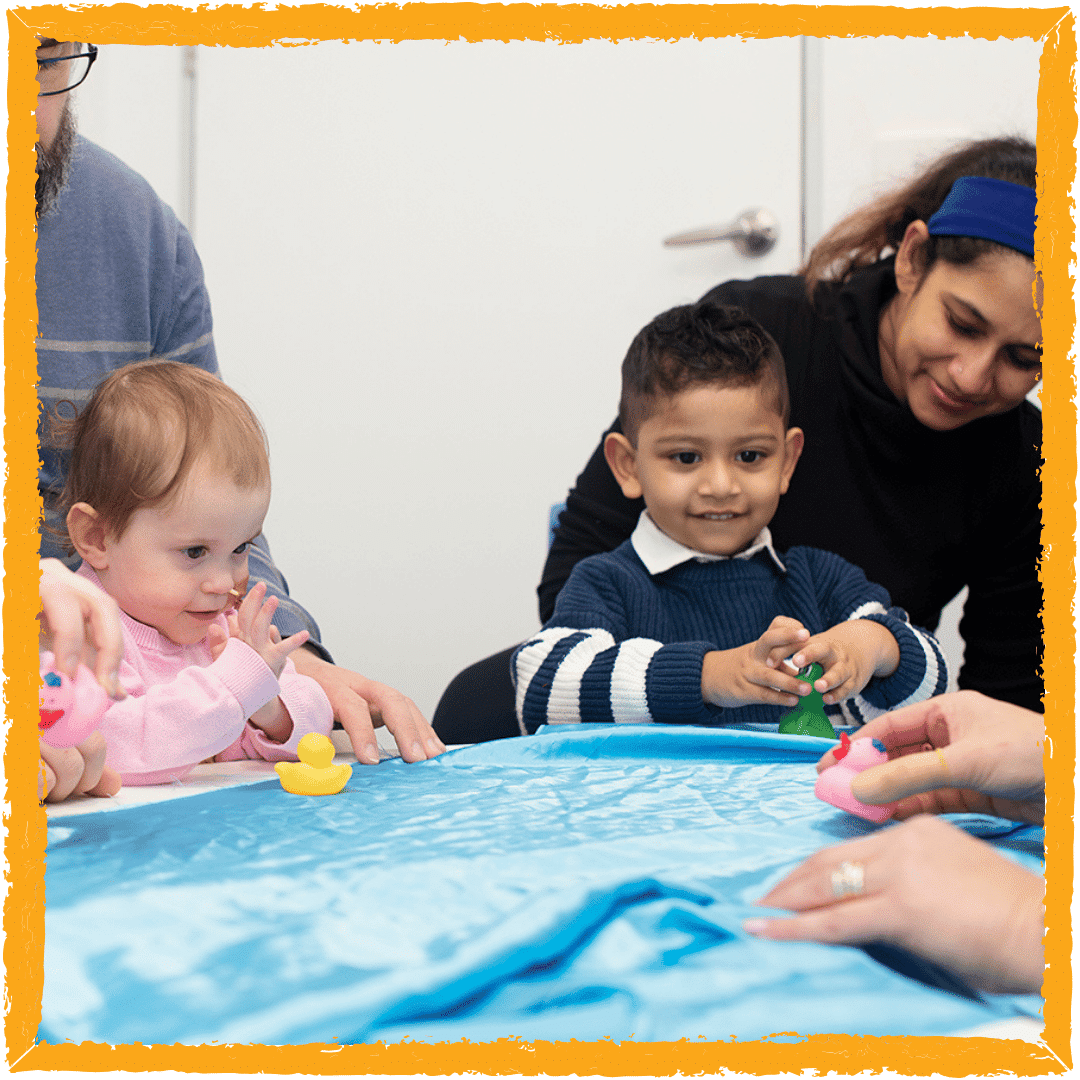
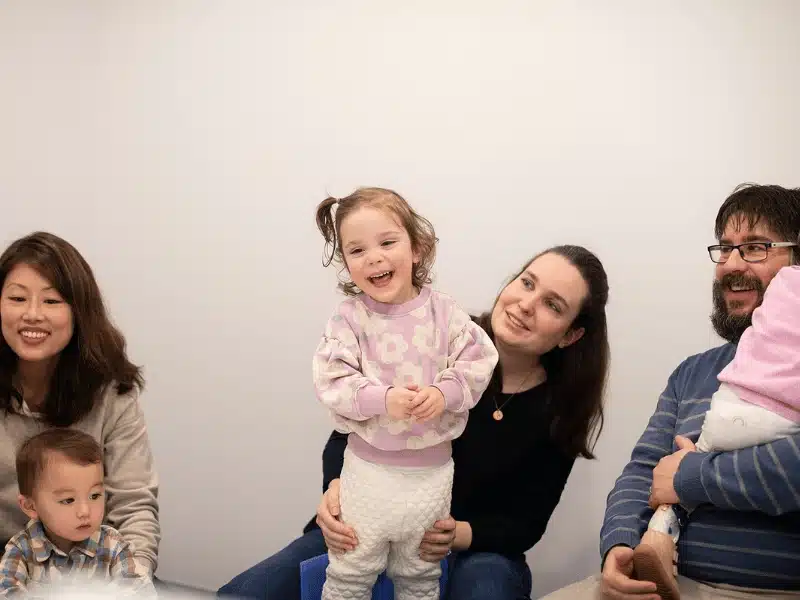
Image by Shichida Australia: A mum and her toddlers enjoying a counting song together during a Shichida class.
Experience a Shichida Class
If you’re exploring early learning approaches and want to experience how structured, play-based learning can support your child’s development, a Shichida trial class is the best place to start.
Book a Shichida trial class to see how our whole-brain approach supports confidence, curiosity, and lifelong learning skills!
Frequently Asked Questions: Shichida vs Reggio Emilia
Both respect the child and value hands-on learning. Montessori is self-directed with prepared environments, while Shichida is teacher-guided and focuses more on memory, literacy, and numeracy development.
Steiner (Waldorf) emphasises imagination, rhythm, and delayed academics. Shichida introduces early learning skills in a gentle, age-appropriate way without pressure.
Neither is better – they serve different purposes. Reggio focuses on exploration and expression, while Shichida focuses on structured skill-building during early brain development.
Kumon is worksheet-based and individual, focusing on repetition and mastery. Shichida is hands-on, play-based, and whole-brain focused, with parent involvement and varied activities.
Yes. Many families use Shichida to complement preschool learning by supporting cognitive skills and confidence.
Staring earlier is always better! Shichida classes start from 6 months and continue through early childhood, adapting to each developmental stage.
Compare Shichida With Other Popular Learning Methods
You may also want to explore how Shichida compares with other popular learning approaches such as Montessori or Glenn Doman.
Shichida vs Kumon: Which Early Learning Program is Best?
Early Childhood Development Methods: Shichida vs Montessori

Early Childhood Development Methods: Shichida vs Heguru

Shichida vs Reggio Emilia: Understanding the Differences
Shichida Classes vs SHICHIDA at Home: Which Is Best?
Sydney Shichida vs Preschool: Which Is Best for Your Young Child?

Shichida vs Kinder: Navigate Early Learning in Melbourne