
Photo from Pexels: Pregnancy milestones unfold week by week, and every change in your body reflects the incredible work happening as your baby grows.
Pregnancy Milestones & Fetal Development: Week-by-Week Guide
Key Takeaways: Pregnancy Milestones & Fetal Development
- Pregnancy milestones follow a predictable week-by-week pattern. Fetal development and maternal changes usually progress in a consistent sequence, helping parents understand what to expect at each stage.
- Pregnancy milestones include both fetal development and maternal changes. Tracking milestones involves understanding how your baby grows alongside physical, hormonal, and emotional changes in your body.
- Week-by-week pregnancy tracking supports preparation and reassurance. Knowing typical milestones can reduce anxiety, support planning, and help parents feel more connected to their pregnancy.
- Healthcare checks align with key developmental stages. Ultrasounds, screenings, and prenatal appointments are timed to monitor important stages of fetal growth and maternal wellbeing.
- Every pregnancy is unique, and variation is normal. Milestones may occur slightly earlier or later without indicating a problem, as individual development timelines naturally vary.
Pregnancy follows a clear biological pattern, yet it remains a deeply personal experience every time. Whether this is your first pregnancy or not, it is natural to look for clarity, reassurance, and a sense of what comes next. Understanding pregnancy milestones can help you feel more grounded as your body changes and your baby develops week by week.
This guide explains pregnancy milestones and fetal development, helping you understand what is happening in your body and how your baby is growing. While development usually follows a predictable timeline, milestones may occur slightly earlier or later, and that variation is completely normal.
This information is intended to inform and reassure rather than replace personalised medical advice. Your midwife, GP, or obstetrician remains the best source of guidance for your individual pregnancy.
Download two free prenatal development eBooks from Shichida, designed to support early bonding, emotional readiness, and mindful preparation during pregnancy. Based on the Shichida Method from Japan, these guides offer calm, practical support as you prepare for your baby’s arrival.

What Are Pregnancy Milestones?
Pregnancy milestones are key points that mark progress during pregnancy, both for your baby’s development and for the changes happening in your body. These developmental milestones in pregnancy help you understand how prenatal development unfolds over time and why certain checks or symptoms appear when they do.
Tracking pregnancy milestones by week supports you in several ways. It helps you understand how your baby is growing, recognise what changes are considered normal, and prepare emotionally and practically for upcoming stages.
It is helpful to think of milestones in two categories. Maternal milestones refer to changes in your body, hormones, energy levels, and emotions. Fetal development milestones focus on how your baby grows, including organ development, movement, and sensory awareness. Both are equally important parts of pregnancy progress.
Maternal Milestones Explained
Maternal milestones include physical changes such as nausea, weight gain, breast changes, and later, feeling your baby move. Hormonal shifts can affect mood, sleep, and emotional well-being. Being aware of these changes helps you respond with care rather than worry, supporting your overall health throughout pregnancy.
Fetal Development Milestones
Fetal development milestones track how your baby grows from a single fertilised cell into a fully developed newborn. These include organ formation, brain and lung development, and increasing strength and movement. Timing matters because development follows a sequence, but small variations are rarely a cause for concern.
First Trimester (Weeks 1-12) Milestones

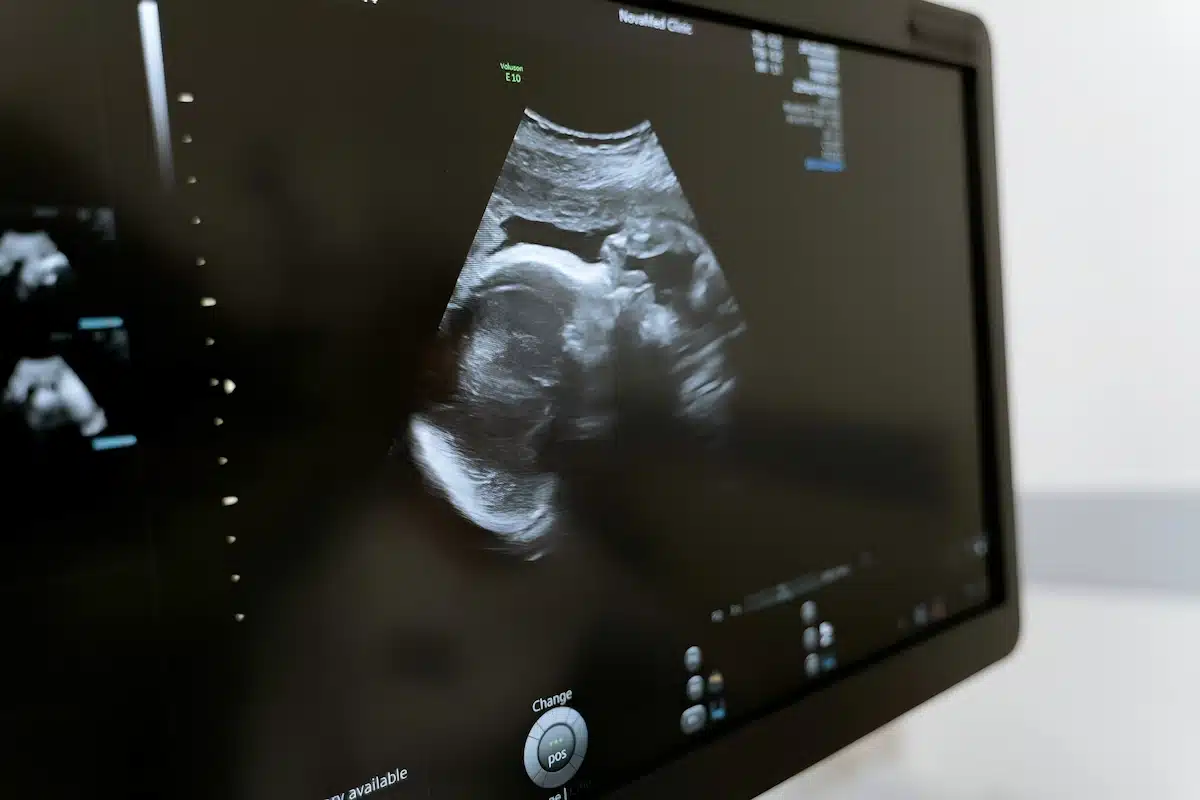
Photo from Pexels: Ultrasound checks help track pregnancy milestones, offering reassurance as your baby’s development progresses through each stage.
The first trimester is often described as the most intense and the most foundational. Even though your bump may not yet show much, this is when rapid and complex prenatal development takes place. Many parents experience strong symptoms during this time, which can feel overwhelming, but significant growth is happening behind the scenes.
Conception to Week 4
Pregnancy begins with fertilisation, followed by implantation of the embryo into the uterus. During these early weeks, the placenta starts forming to support your baby. You may notice a missed period, mild cramping, breast tenderness, or early fatigue. Some parents sense pregnancy before a test confirms it, while others feel very little at first.
Weeks 5-8: Rapid Growth Begins
This stage marks a burst of development. Your baby’s heart begins to form and starts beating, even though it is not yet audible externally. The neural tube, which becomes the brain and spinal cord, develops. Hormonal changes often peak here, which explains nausea, vomiting, extreme tiredness, and heightened emotions.
Weeks 9-12: Fetus Takes Shape
By this stage, your baby is now considered a fetus. Facial features, arms, legs, fingers, and toes become more defined, and basic movements begin, although you will not feel them yet. First trimester screenings and early ultrasound milestones may take place around this time, helping confirm dates and overall development.
Second Trimester (Weeks 13-27) Milestones
The second trimester is often a welcome shift. For many parents, energy improves and early symptoms ease. This period is characterised by steady growth, developing senses, and increasing reassurance as you begin to feel more connected to your baby.
Weeks 13-16: Growth and Early Movement
Your baby grows rapidly in length, and muscles begin to strengthen. Some parents notice improved appetite and energy levels during these weeks. While movement starts internally, it is usually too subtle to feel just yet, especially in a first pregnancy.
Weeks 17-20: Sensory Development
Hearing begins to develop, and your baby can respond to sounds inside your body. The anatomy scan, a key ultrasound milestone, usually takes place around this time. This scan checks organs, growth, and overall development. Many parents feel their baby move for the first time, often described as flutters or gentle bubbles.
Weeks 21-27: Strengthening Systems
Brain development accelerates, and the lungs begin practising breathing movements. Fat starts to accumulate under the skin, helping regulate temperature after birth. You may notice visible changes such as a growing bump, skin stretching, and shifts in posture as your centre of gravity changes.
Third Trimester (Weeks 28-40+) Milestones
The third trimester focuses on preparation and maturation. Your baby is getting ready for life outside the womb, and your body is preparing for birth. This stage can feel physically demanding, but it also brings a strong sense of anticipation.
Weeks 28-32: Accelerated Growth
Your baby’s brain develops rapidly, forming connections that support learning and movement. Movements may feel stronger and more defined, following regular patterns. Many parents notice sleep disruption as the body adapts to size and comfort changes.
Weeks 33-36: Final Development
The lungs continue maturing, and your baby gains weight steadily. Most babies move into a head-down position during this time. You may feel increased pressure, shortness of breath, or pelvic discomfort as your body prepares for labour.
Weeks 37-40+: Full Term and Birth Preparation
Full term is considered from 37 weeks onwards. At this stage, your baby’s organs are ready to function independently. Signs that labour may be approaching include changes in movement patterns, tightening sensations, and shifts in energy. Timing varies widely, and going past your due date can still be completely normal.

Photo from Pexels: As pregnancy milestones are reached, preparation shifts towards welcoming your baby and trusting your body’s readiness for birth.
Common Maternal Changes and What They Mean
Your body works continuously throughout pregnancy, adapting to support your baby’s growth. Many changes are expected, even if they feel unfamiliar.
Physical Symptoms and Comfort Strategies
Nausea, heartburn, back pain, and swelling are common maternal changes during pregnancy. Simple comfort strategies such as eating small meals, gentle stretching, supportive footwear, and adequate rest can help. Always speak with your healthcare provider before trying remedies or supplements.
Emotional and Mental Health During Pregnancy
Mood changes are influenced by hormones, physical discomfort, and life adjustments. Feeling emotional does not mean something is wrong. Emotional well-being matters just as much as physical health. If anxiety, low mood, or overwhelm feel persistent, reaching out for professional support is a positive step.
How Healthcare Providers Monitor Development
Healthcare checks are designed to align with pregnancy milestones, ensuring both you and your baby are progressing well.
Ultrasound Milestones
Early dating scans help establish gestational age. The anatomy scan assesses fetal development stages in detail, checking organs and growth. Additional scans may be offered if there are specific concerns or medical reasons.
Prenatal Screening and Tests
Blood tests monitor your health and screen for conditions that could affect pregnancy. Genetic screening may be offered depending on individual circumstances. These tests provide information and support informed decision-making, not alarm.

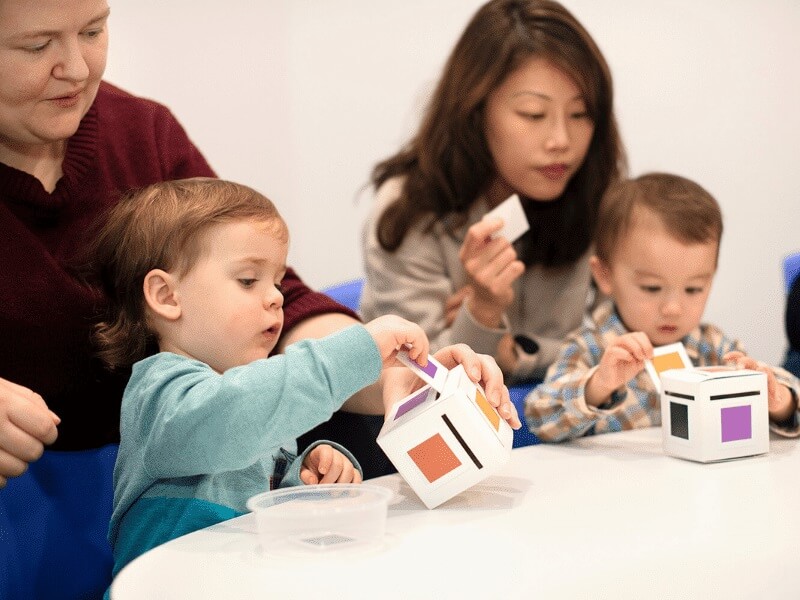
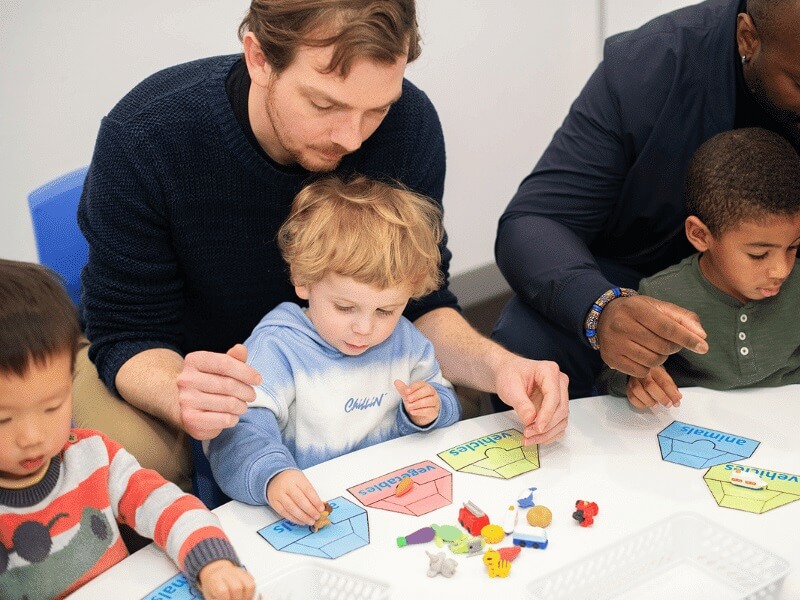
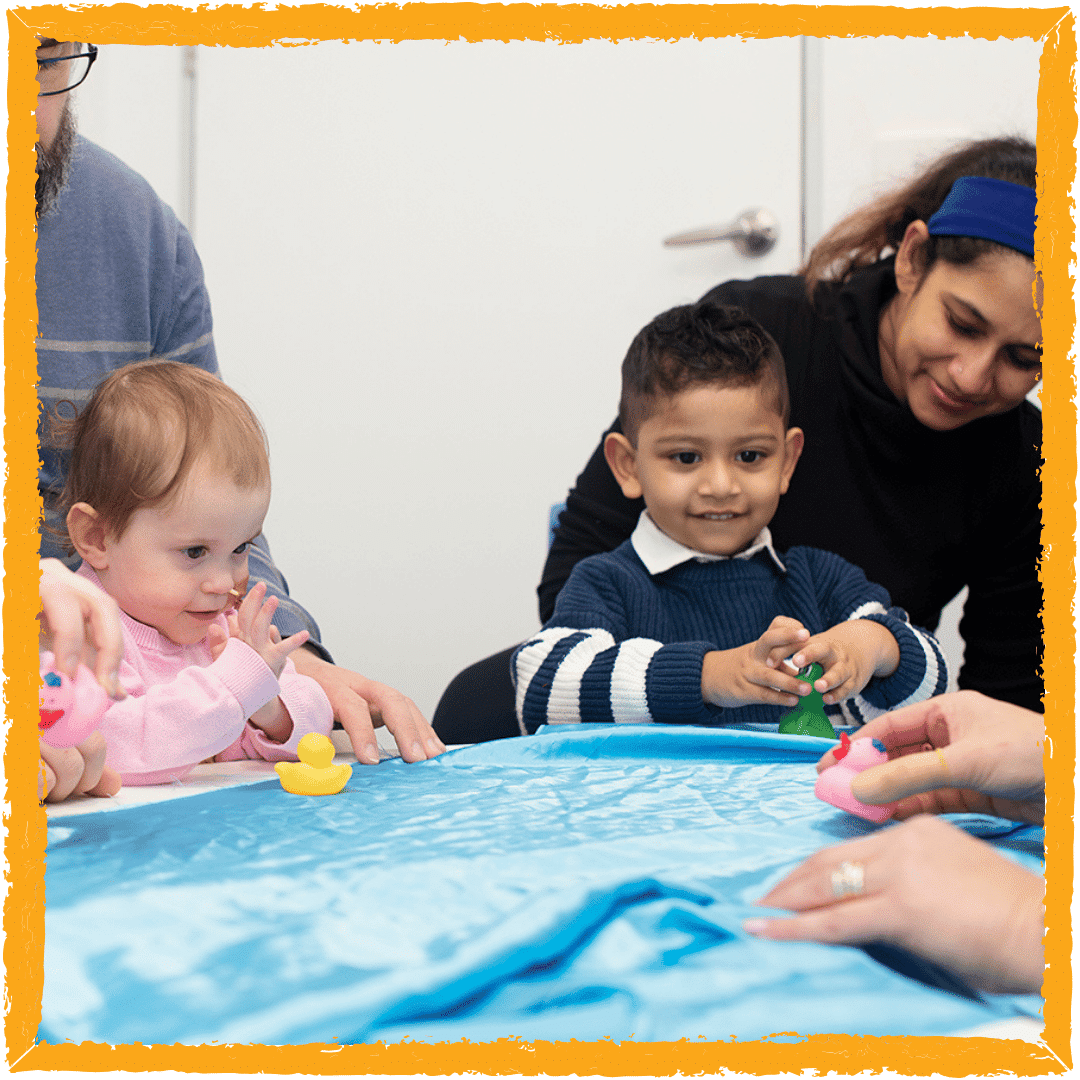
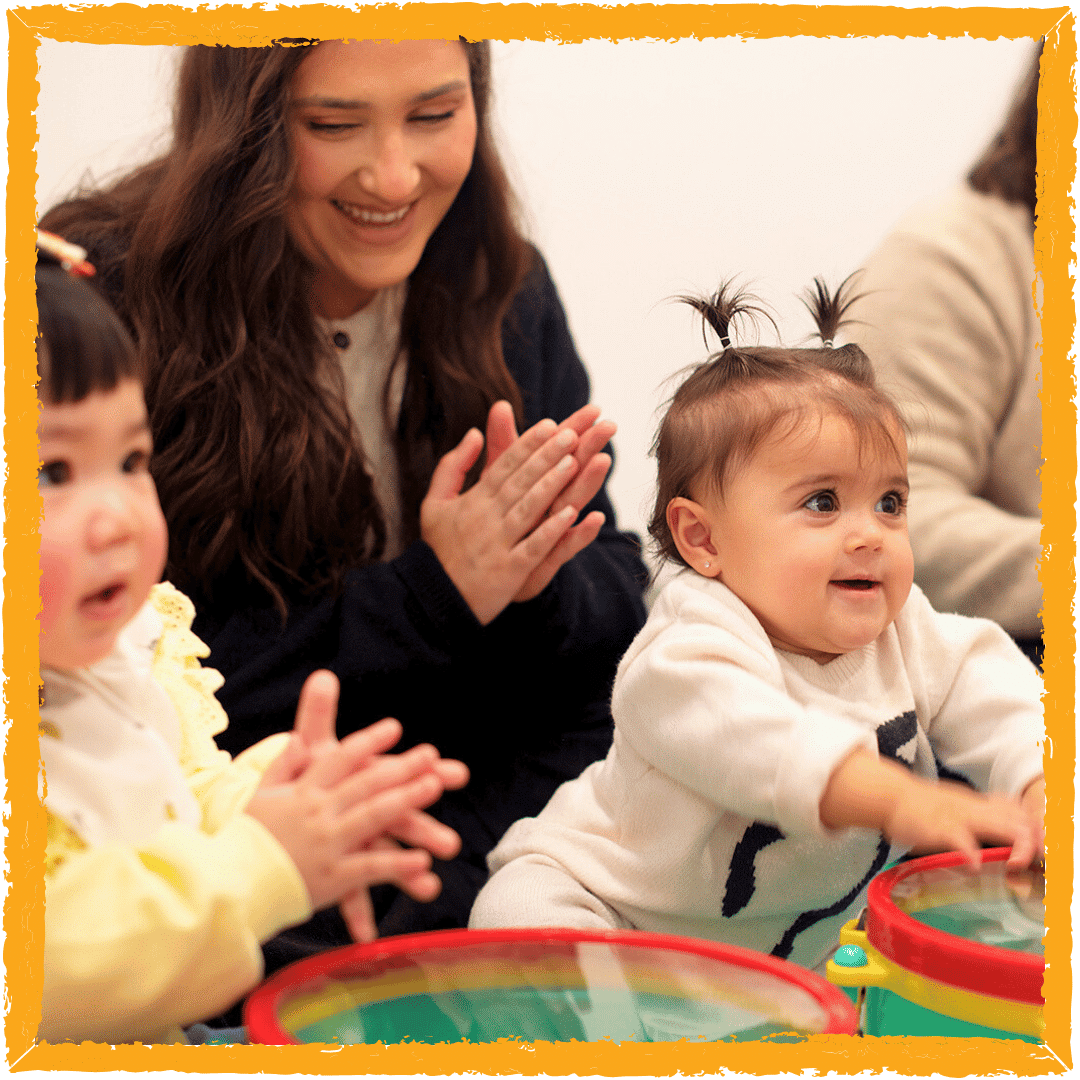
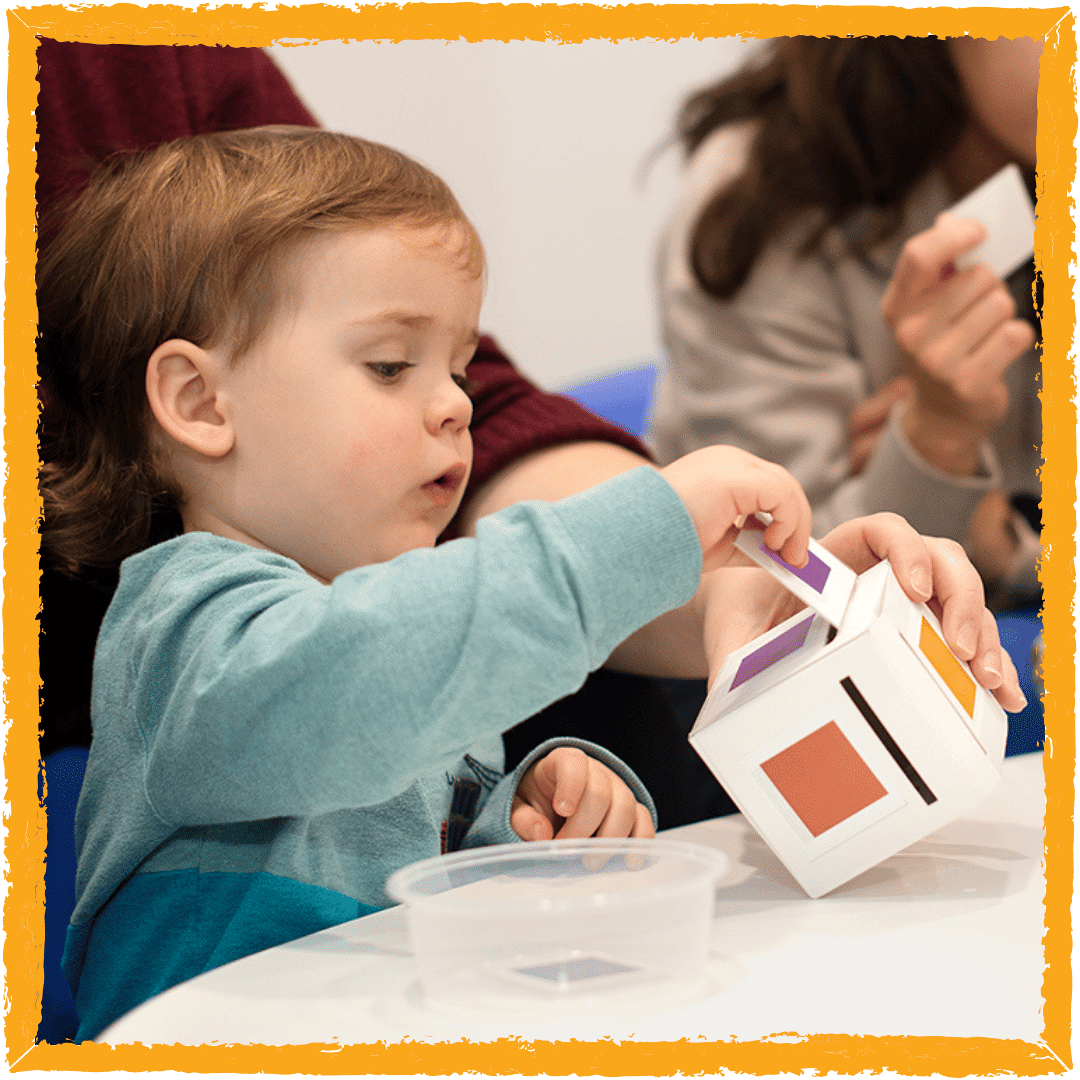
Image by Shichida Australia: babies playing a colour match game with a parent each during a Shichida Baby Class.
What Comes After Birth: Supporting Development with Shichida Baby Classes
Pregnancy is the beginning of your child’s learning journey, and early experiences matter more than many parents realise.
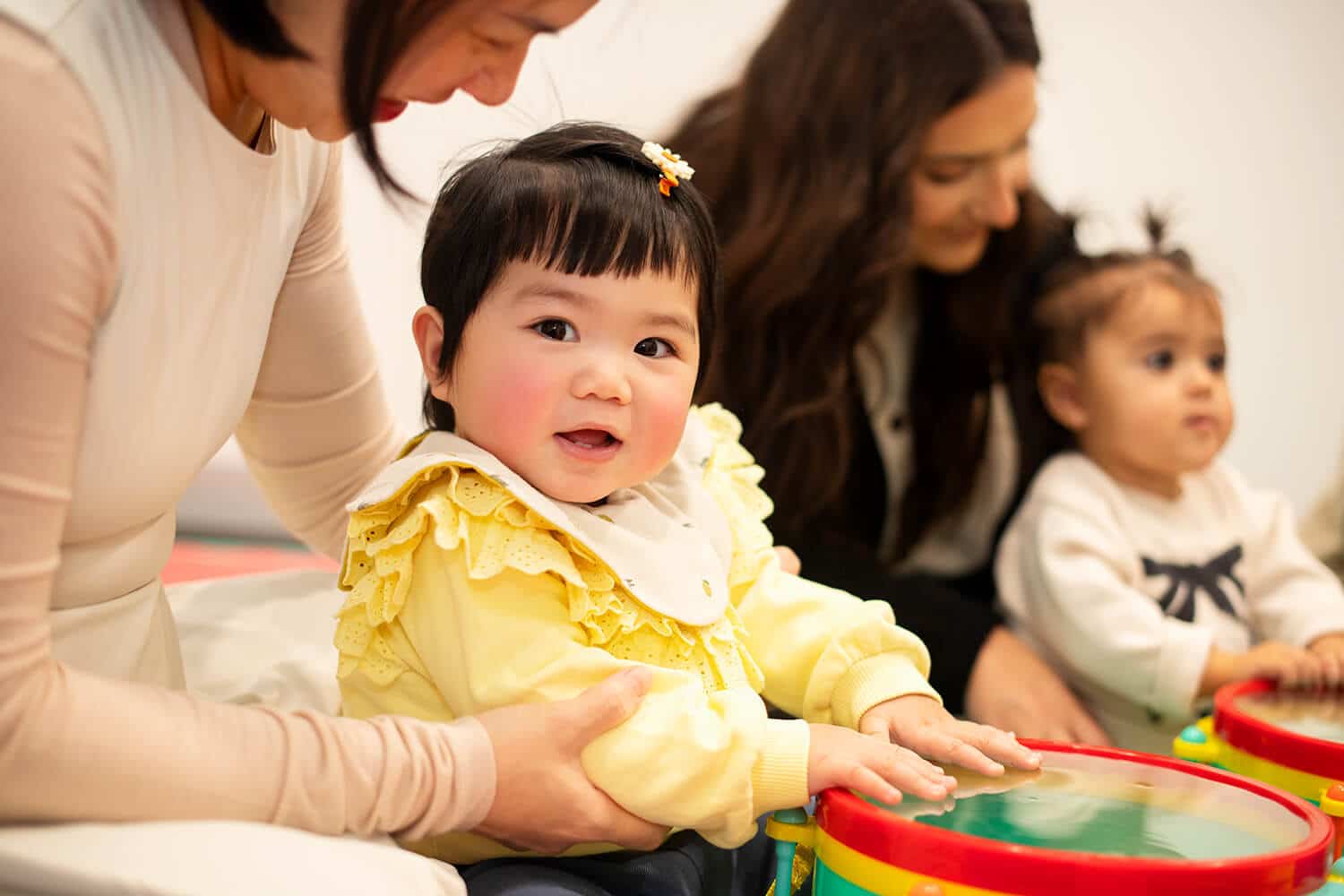
Shichida Australia supports parents from the earliest stages by focusing on brain development, connection, and purposeful early learning from 6 months of age. Shichida classes help parents feel confident in nurturing their child’s potential from infancy onward.
Book a trial class today and take the next step in supporting your child’s development with calm, evidence-informed guidance!
Frequently Asked Questions About Pregnancy Milestones
Major milestones include implantation, heartbeat development, first movements, lung maturity, and reaching full term.
A heartbeat can often be seen on ultrasound from around six weeks, with audible monitoring later in pregnancy.
The first trimester covers organ formation, neural development, and the foundations of all major body systems.
Appointments usually increase as pregnancy progresses, following a structured pregnancy checklist by week.
Most parents feel movement between 16 and 20 weeks, though timing varies.
Full term begins at 37 weeks.
Increased fatigue, stronger movements, and physical discomfort are common.
Ultrasounds measure growth, assess organs, and confirm key ultrasound milestones.
Focus on bonding, gentle routines, and sensory interaction. From around 6 months, Shichida Australia baby classes support early development through age-appropriate, parent-guided activities that build connection and confidence.