
Conscious Pregnancy: Mindfulness and Prenatal Bonding
Key Takeaways:
- Conscious pregnancy focuses on awareness, not perfection – It encourages mindfulness, emotional openness and intentional choices rather than pressure or rigid routines.
- Prenatal bonding begins during pregnancy – Talking, touch, visualisation and emotional awareness help build an early connection between parent and baby.
- Mindfulness supports emotional well-being during pregnancy – Simple practices such as breathing, journaling and gentle movement can reduce anxiety and help parents feel calmer and more confident.
- Emotional wellbeing benefits both parent and baby – A calm, supported emotional state during pregnancy helps lay foundations for secure attachment and emotional regulation after birth.
- Education builds confidence and reduces fear – Antenatal education and informed decision-making help parents feel prepared and empowered throughout pregnancy and birth.
- Partners play an important role in conscious pregnancy – Shared rituals, communication and involvement strengthen bonding and prepare families emotionally for life with a baby.
- Conscious pregnancy supports life beyond birth – The habits built during pregnancy naturally continue into early parenting, bonding and mindful interaction with your baby.
If you are pregnant right now, your life is already changing in ways that go far beyond your body. You may feel excitement, uncertainty, joy and vulnerability all at once. This is completely normal! A conscious pregnancy invites you to slow down, listen to yourself and connect deeply with the baby growing inside you.
This journey is not about doing everything perfectly. It is about being present, making intentional choices and creating a calm, supportive environment for both you and your baby.
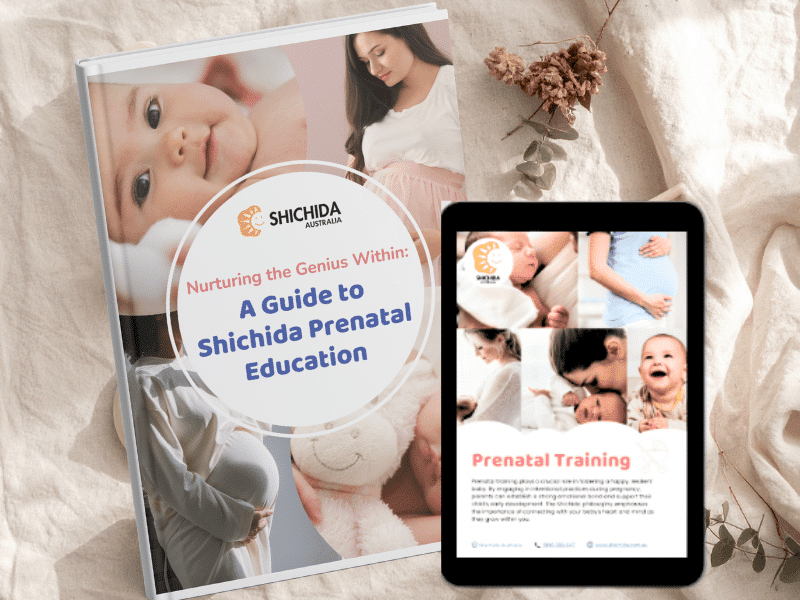
Start Supporting Your Baby’s Development Before Birth – Download 2 Free eBooks

What Is Conscious Pregnancy?
Conscious pregnancy is a way of approaching pregnancy with awareness, emotional openness and intention. It goes beyond medical appointments and physical care. It focuses on how you feel, how you think and how you nurture your connection with your baby.
As your body changes, your inner world changes too. You may notice shifts in mood, energy and priorities. Conscious pregnancy encourages you to notice these changes without judgement. It supports you in making thoughtful choices about your habits, your mindset and the space you create around yourself.
When you practise awareness, you begin forming a strong prenatal bond. You start to feel connected, grounded and more confident in your role as a mother even before your baby is born.

Photo from Pexels: A conscious pregnancy is about slowing down and tuning in – moments of rest, reflection and calm help support emotional wellbeing and strengthen the early bond between parent and baby.
Why Conscious Pregnancy Matters
Your emotional well-being during pregnancy matters more than you might realise. Research shows that how you experience pregnancy can influence your baby’s early emotional development.
When you practise mindful pregnancy habits, you may notice reduced anxiety, better emotional regulation and an increased sense of calm. This can help you cope with physical discomfort, uncertainty and the emotional ups and downs that naturally come with pregnancy.
Prenatal bonding also plays a role in how connected you feel to your baby after birth. Many parents who focus on emotional connection during pregnancy report feeling more confident, present and emotionally prepared when their baby arrives.
Mindful Pregnancy Practices for Everyday Life
Meditation, Breathing and Relaxation
Even a few minutes of slow breathing can help your body relax. Gentle meditation or hypnobirthing-inspired techniques can calm your nervous system and help you feel more grounded.
These practices are especially helpful when you feel overwhelmed or anxious. They also prepare you for birth by helping you trust your body and stay calm under pressure.
Journaling Your Thoughts and Feelings
Writing things down can be incredibly grounding! You might journal about your day, your worries or your hopes for your baby. Some mums enjoy writing letters to their baby or noting moments of gratitude.
Journaling helps you process emotions instead of holding them inside. Over time, it allows you to see how you are growing emotionally alongside your baby.
Body Awareness and Gentle Movement
Mindful movement such as prenatal yoga, stretching or slow walks helps you stay connected to your body. Placing your hands on your belly during movement can strengthen womb bonding and create moments of quiet connection.
Moving with awareness can also relieve tension, improve circulation and support your emotional wellbeing during pregnancy.
Nutrition and Self-Care as Acts of Awareness
Eating well, drinking enough water and resting are not just practical tasks. They are acts of care and presence. Try to slow down during meals and listen to what your body needs.
Seeing self-care as nurturing rather than indulgent helps you build a healthier relationship with your body during pregnancy.
Prenatal Bonding and Attachment

Photo from Pexels: Everyday moments of mindfulness and connection support conscious pregnancy and help strengthen prenatal bonding.
Talking, Singing and Reading to Your Baby
From around the middle of pregnancy, your baby can hear your voice. Speaking, singing or reading aloud helps your baby become familiar with your tone and rhythm.
Visualising and Dreaming About Your Baby
Taking time to imagine your baby can strengthen emotional connection. You might picture holding them, soothing them or sharing everyday moments together.
These visualisations support positive feelings and help you feel emotionally prepared for motherhood.
Understanding Your Baby’s Movements
As you become familiar with your baby’s movements, responding with gentle touch or words can deepen your sense of closeness. Noticing patterns helps you feel more attuned and connected.
Research on prenatal attachment shows that these interactions support early emotional bonding.
Conscious Pregnancy Through Education and Preparation
Pregnancy and Birth Education Options
Antenatal classes and hospital-based programmes give you practical knowledge and emotional reassurance. Learning about labour, recovery and newborn care helps you feel more confident and prepared.
Education reduces fear by replacing uncertainty with understanding.
Learning About Birth Plans and Choices
Understanding your options around birth interventions, pain relief and preferences allows you to make informed decisions. Preparing early helps you feel empowered rather than overwhelmed.
Open Communication with Healthcare Providers
Your relationship with your midwife or doctor matters. Asking questions and being involved in decisions helps you feel respected and supported throughout pregnancy.
Emotional Wellbeing and Mental Health Care
Navigating Mood Changes
It is normal to experience mood changes during pregnancy. Hormones, fatigue and life adjustments all play a role. If you feel persistently anxious, low or disconnected, reaching out for professional support can be an important act of care.
Building a Supportive Environment
A supportive environment includes your partner, trusted family members and professionals such as midwives or doulas. Feeling emotionally safe at home allows you to rest and recharge.
Conscious Connection with Your Partner and Family
Shared Bonding Rituals
Inviting your partner into mindfulness practices, reading sessions or antenatal classes helps you feel like a team. Including older children in gentle bonding moments can also support family connection.
Strengthening Your Parenting Partnership
Regular check-ins, open conversations and shared decisions help you prepare emotionally for parenthood together.
Conscious Pregnancy and Birth: How They Align
The habits you build during conscious pregnancy naturally support birth preparation. Breathing techniques, body awareness and emotional calm help you trust your body and approach labour with confidence. These practices align closely with hypnobirthing and mindful birth approaches.
Common Misconceptions About Conscious Pregnancy
“Mindfulness Means Ignoring Medical Care”
Mindfulness works alongside medical care, not instead of it.
“Bonding Only Happens After Birth”
Connection begins during pregnancy through awareness and interaction.
“Meditation Alone Fixes Everything”
Conscious pregnancy is holistic. Support, education and care all matter.
Tips for Starting Your Conscious Pregnancy Journey

Photo from Pexels: Conscious pregnancy supports confidence, emotional wellbeing and a strong foundation for life with your baby.
- Spend ten minutes a day on mindful breathing or reflection.
Create a weekly bonding ritual with your partner. - Enrol early in childbirth education
- Set gentle emotional wellness goals
- Practise mindful movement two or three times a week
Summary: What a Conscious Pregnancy Looks Like
| Area | What You Might Practise |
|---|---|
| Physical health | Balanced meals, rest, gentle movement |
| Emotional bonding | Talking to baby, visualisation, touch |
| Mindfulness | Breathing, journaling, meditation |
| Partner involvement | Shared rituals and decisions |
| Education | Antenatal classes and informed choices |
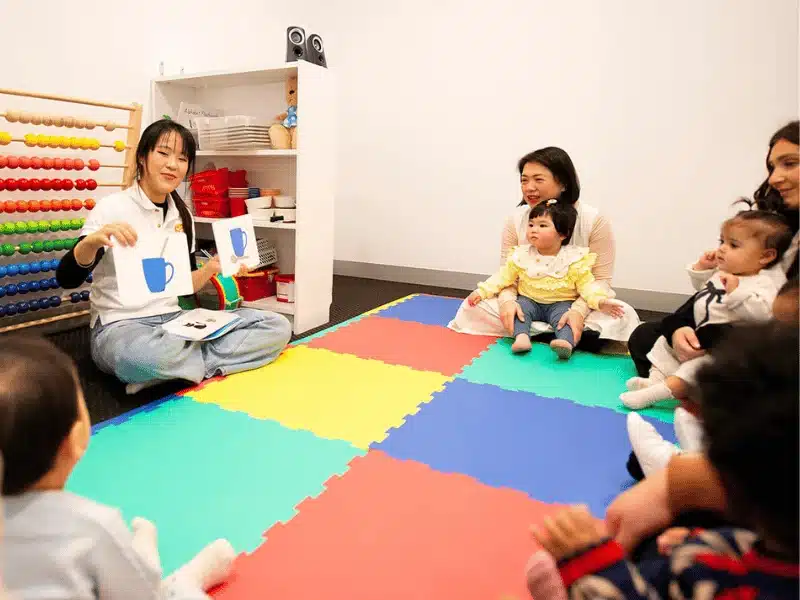
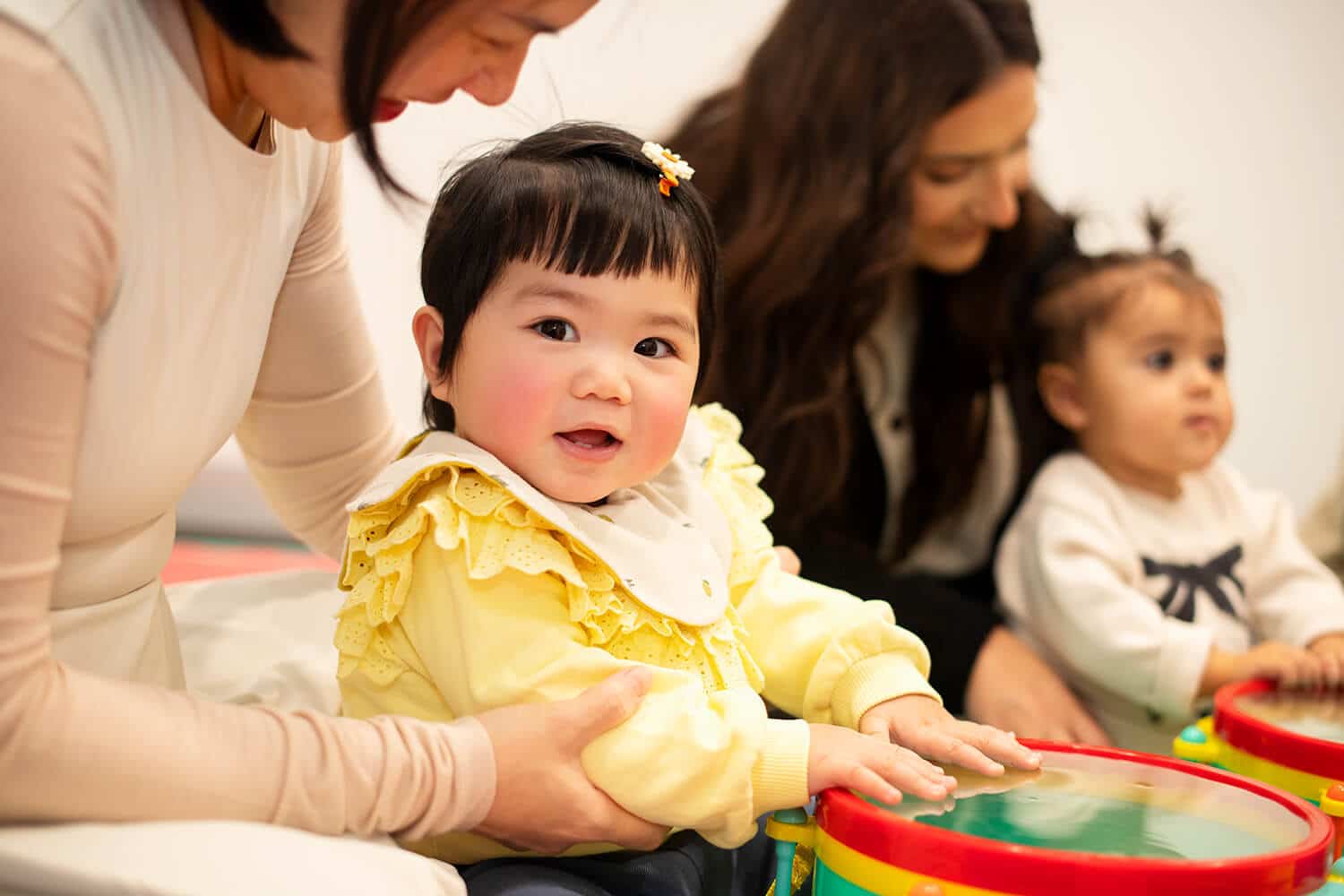
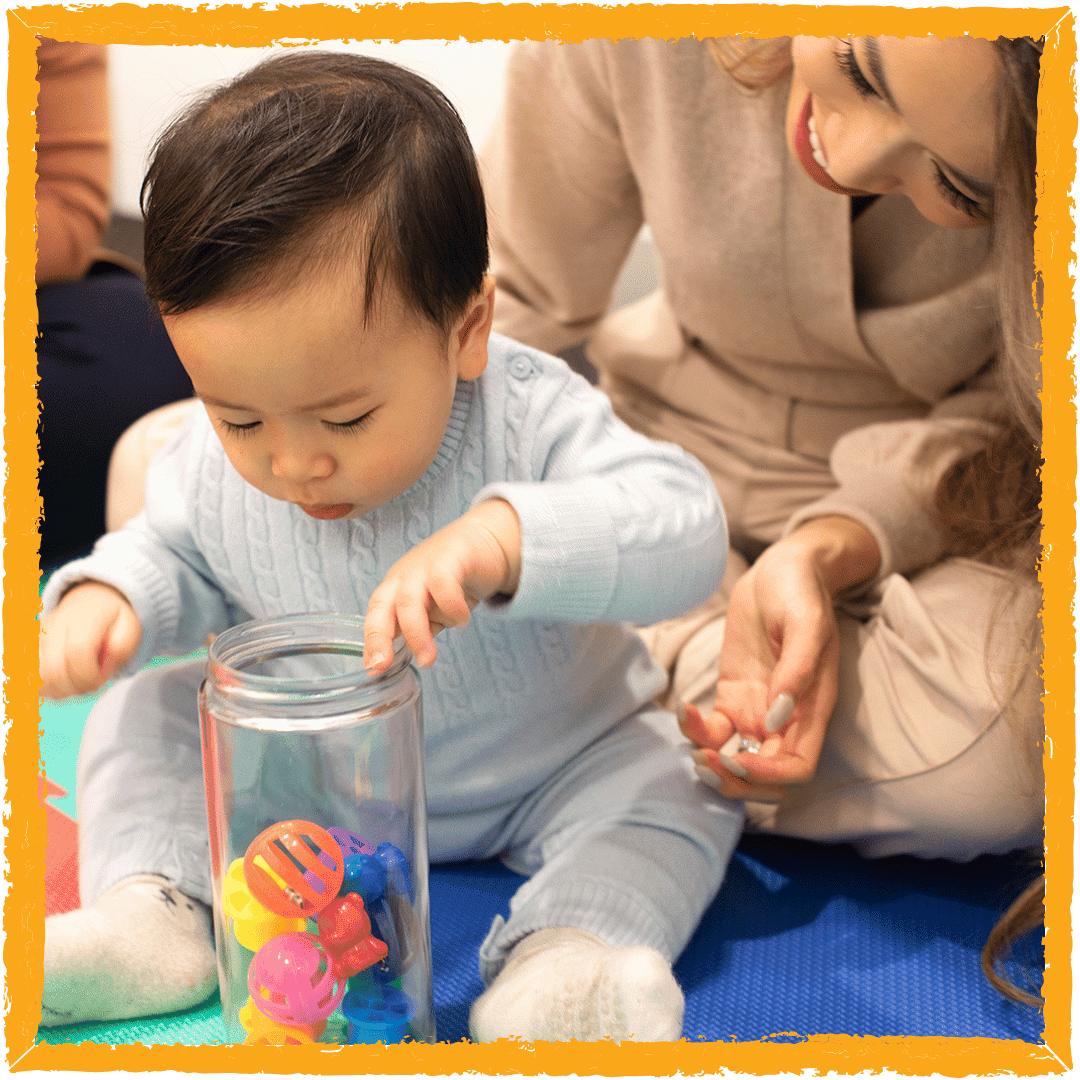
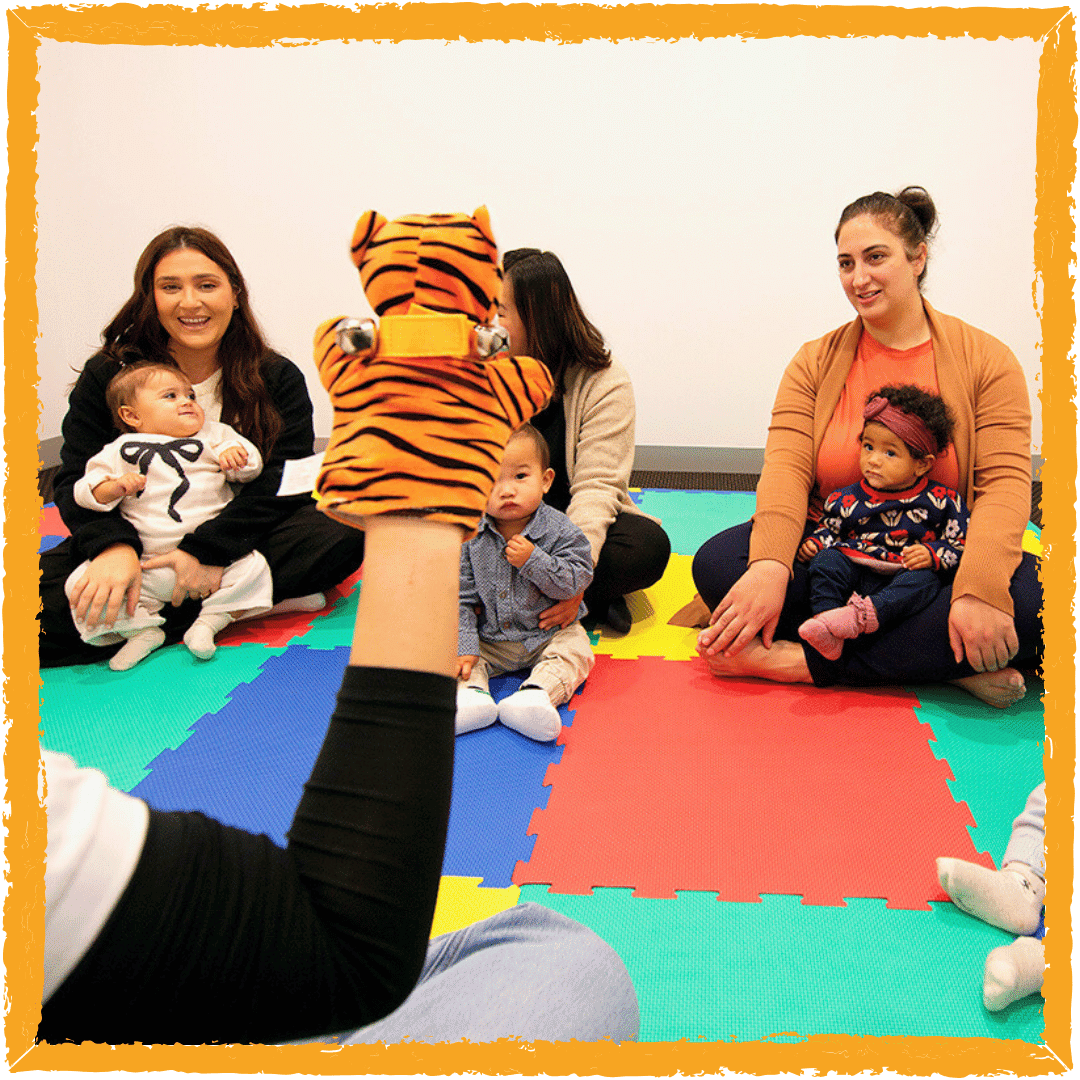
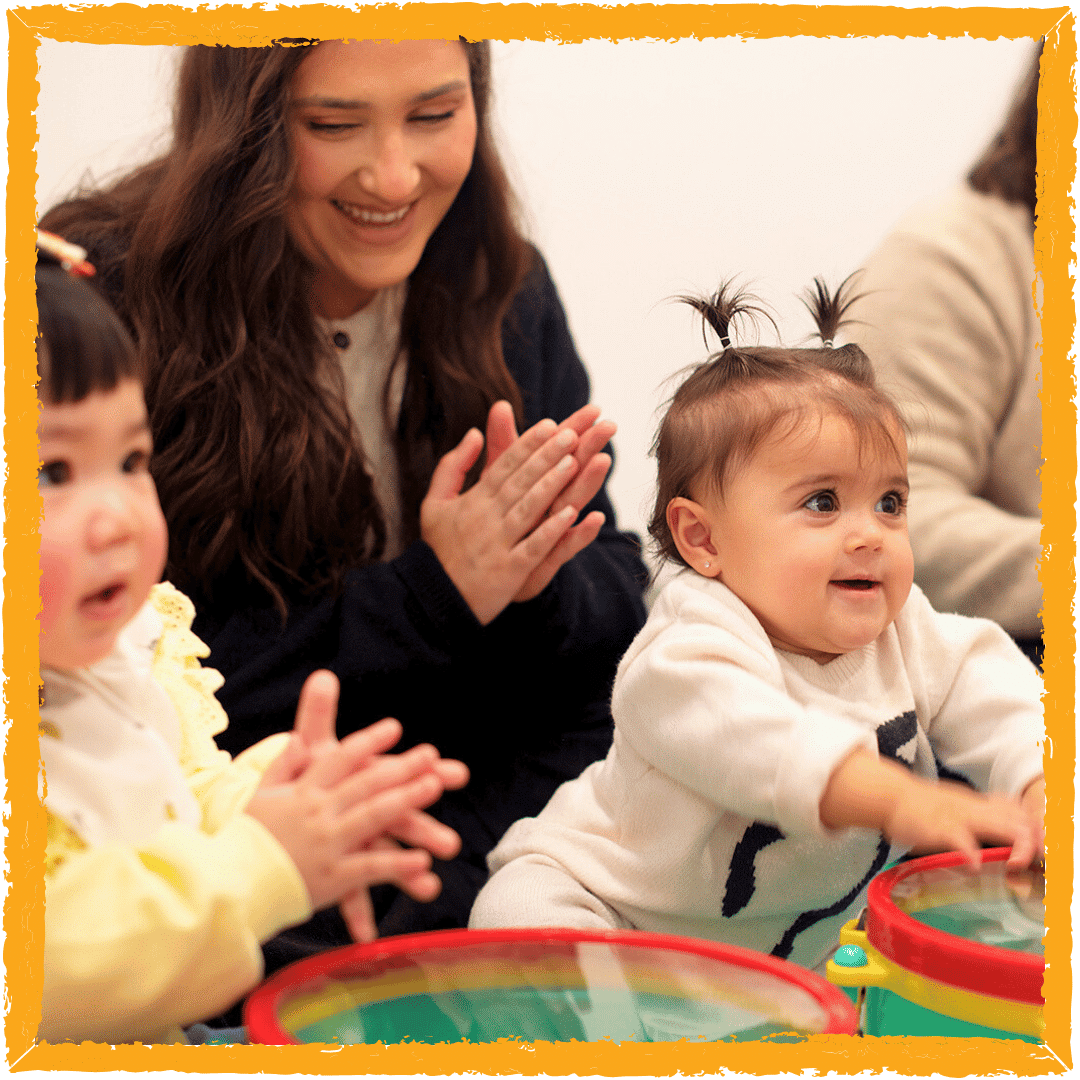
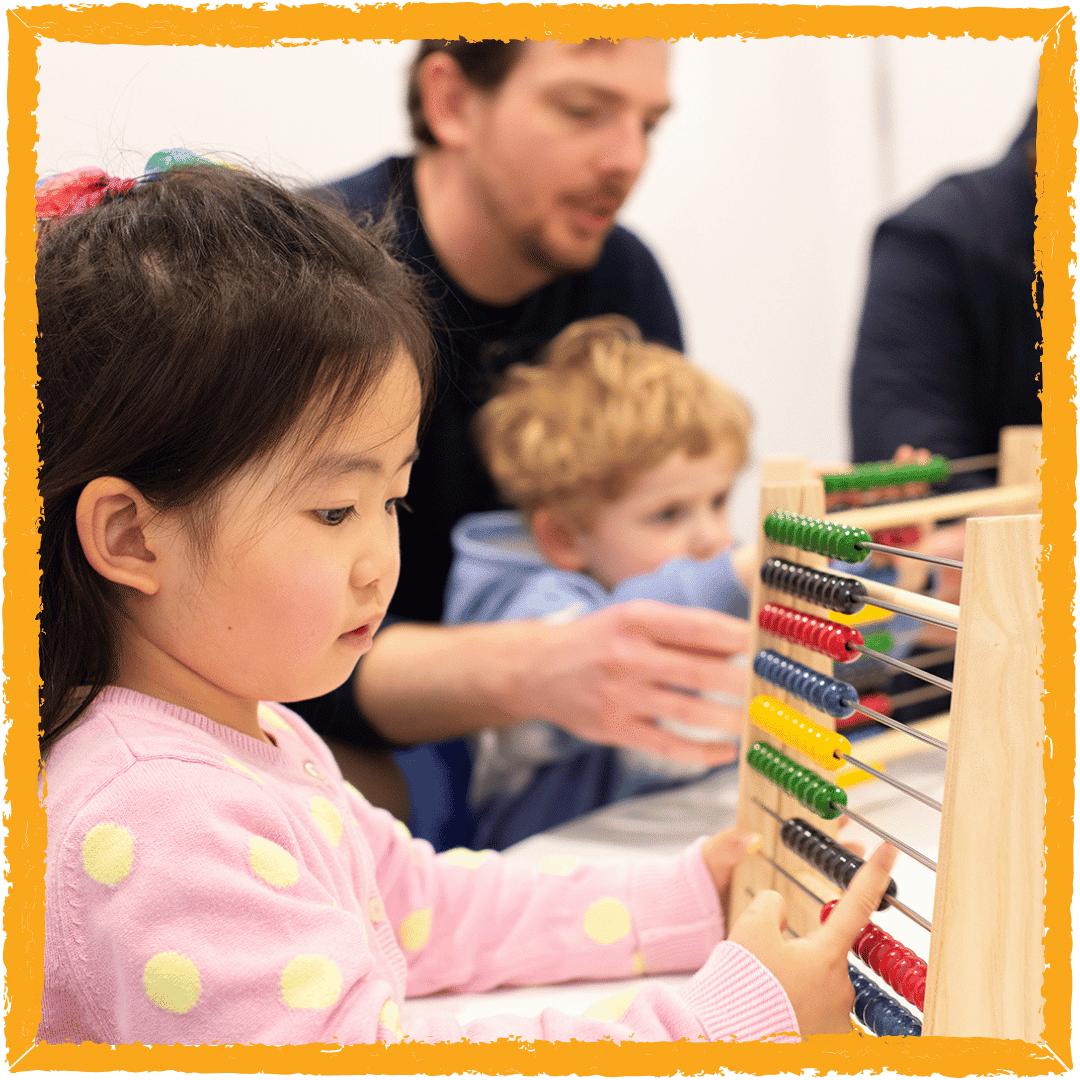
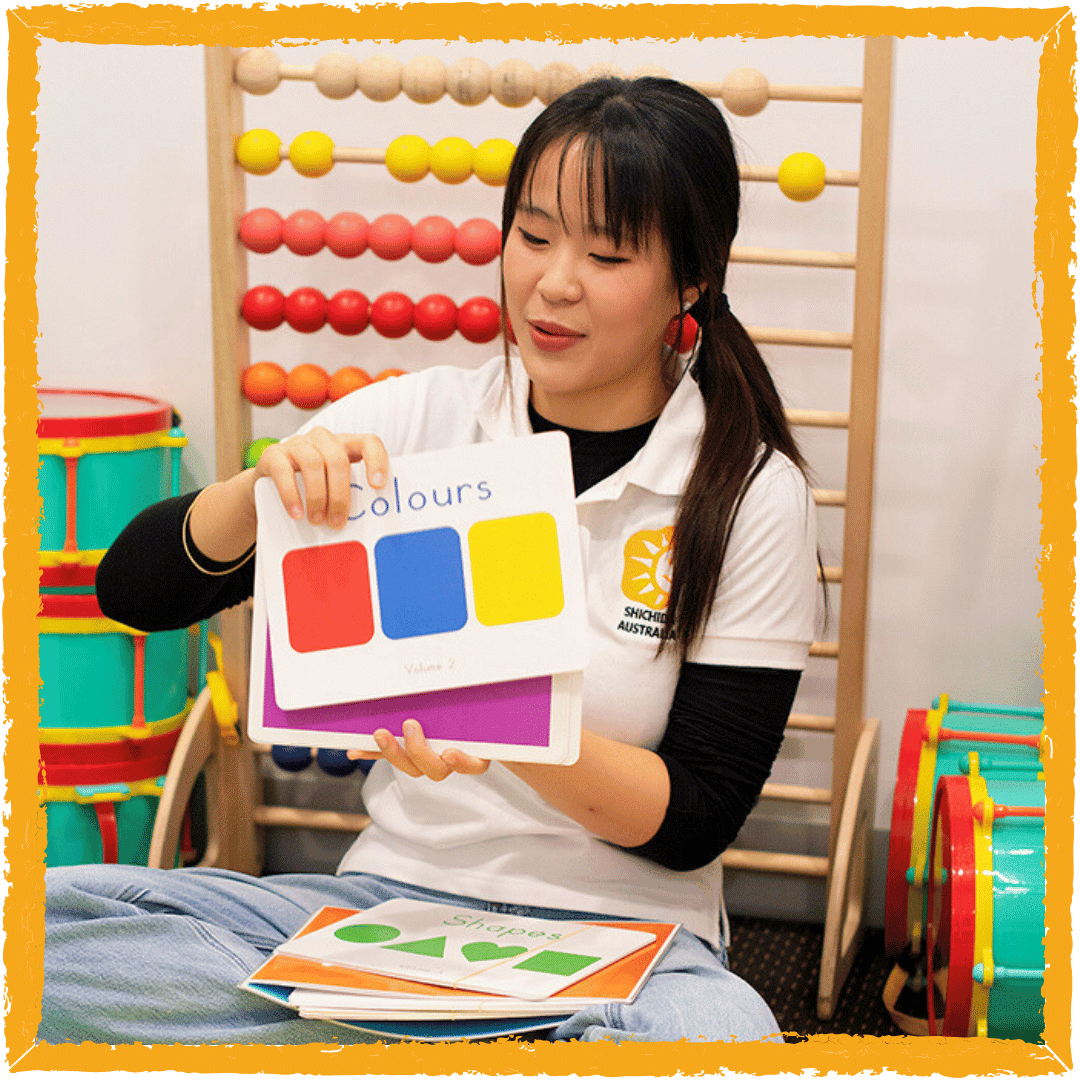
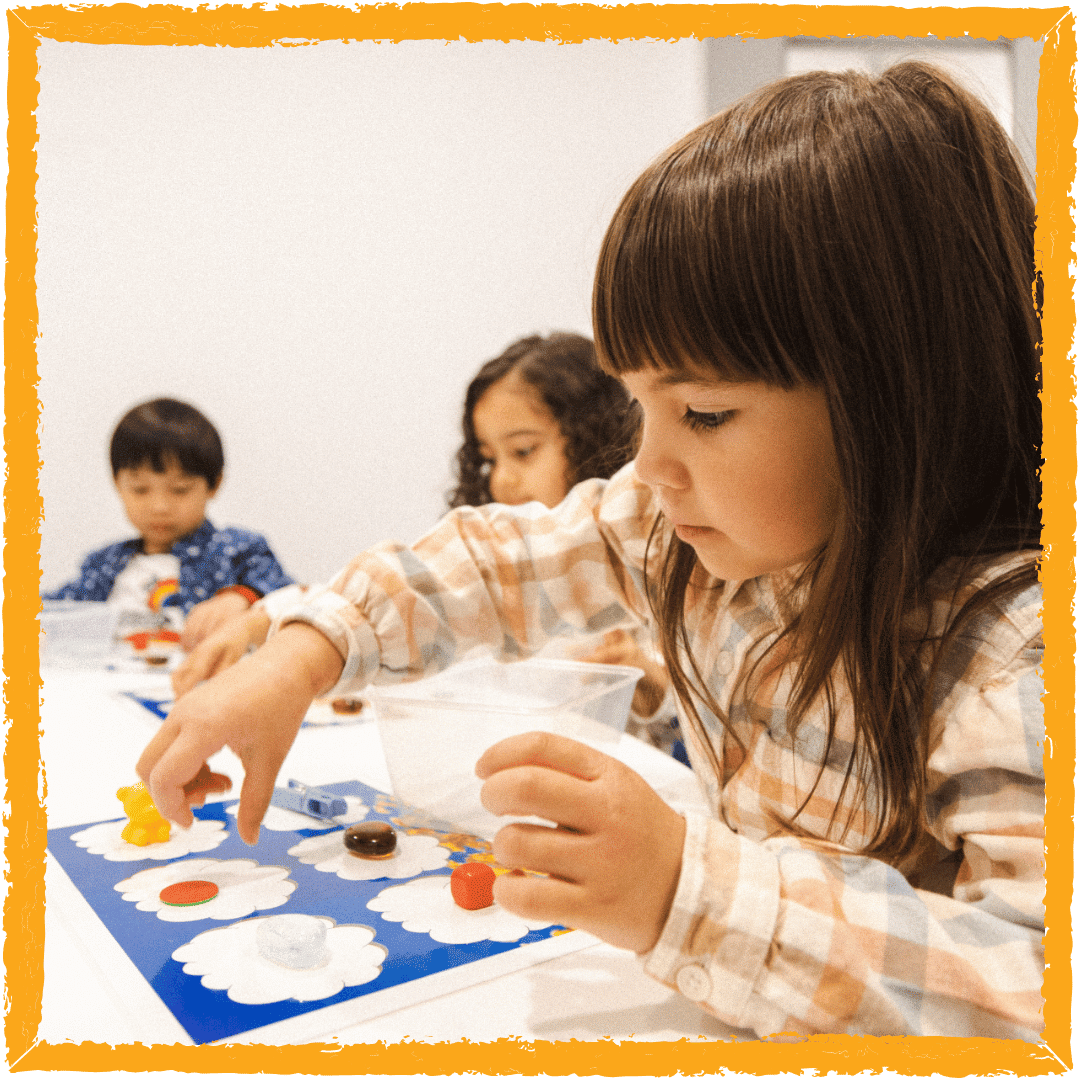
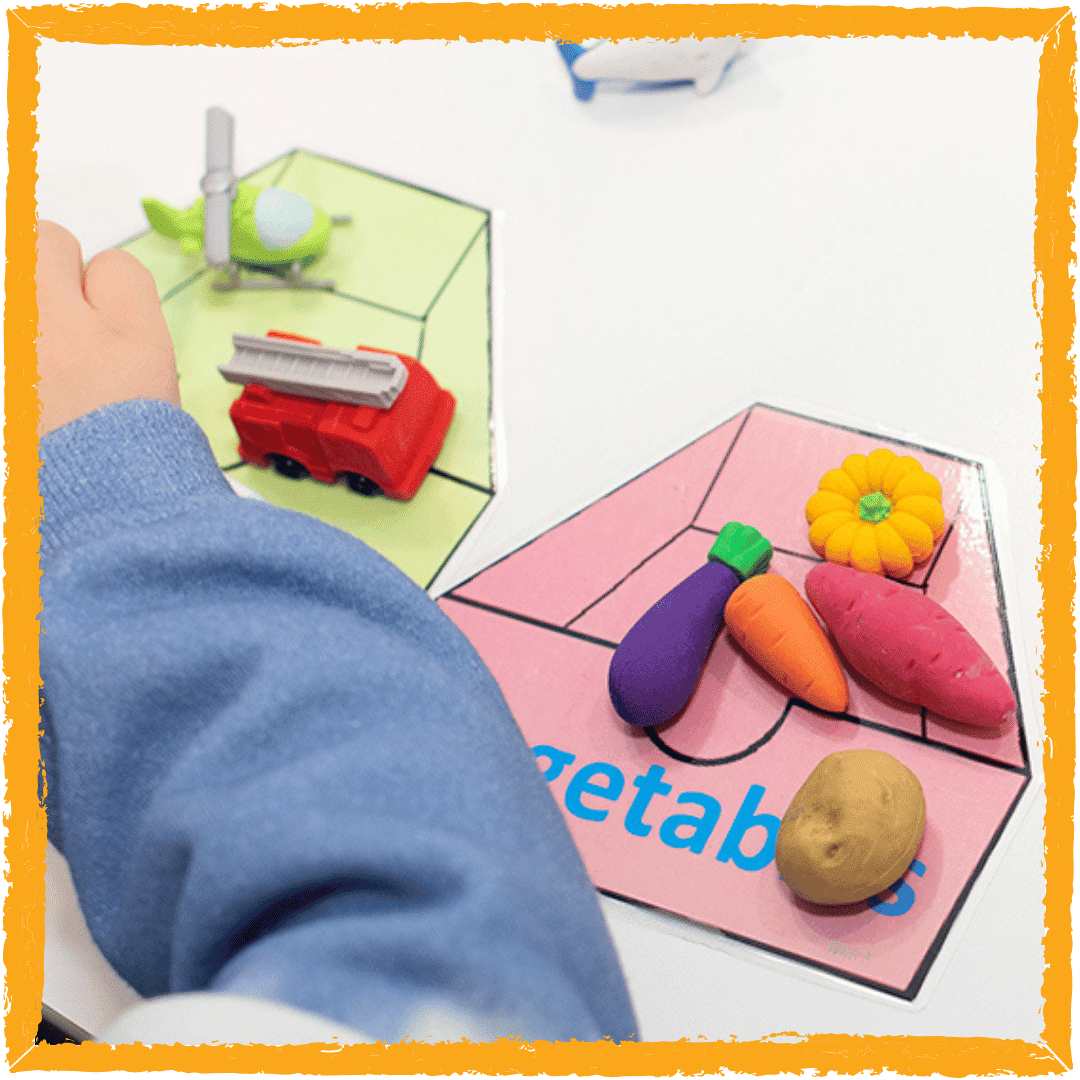
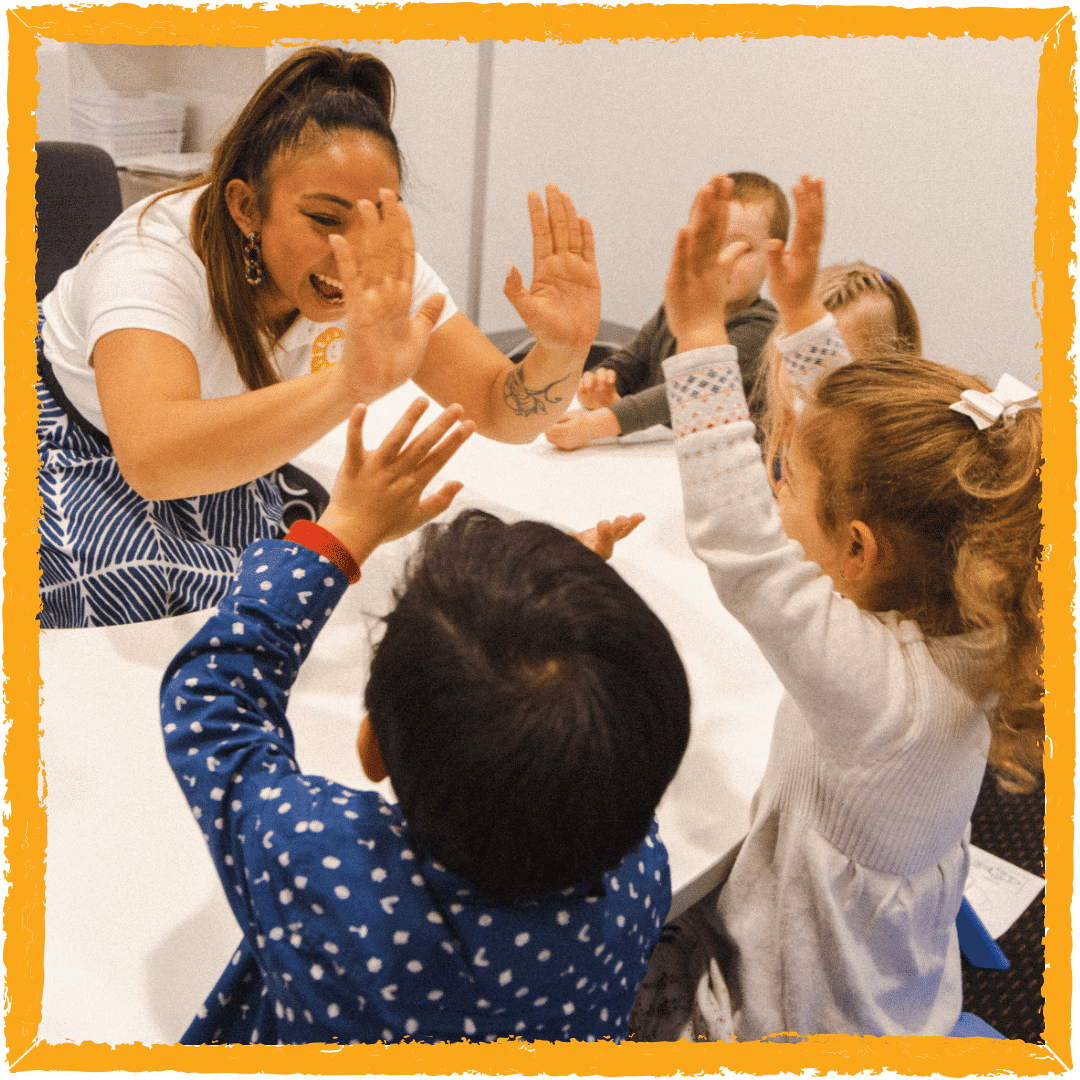
Photo from Shichida Australia: Babies enjoying a brain-training class with their parents! Shichida baby classes start at 6 months old, and is very stimulating, helping lay the foundation for optimised cognitive development.
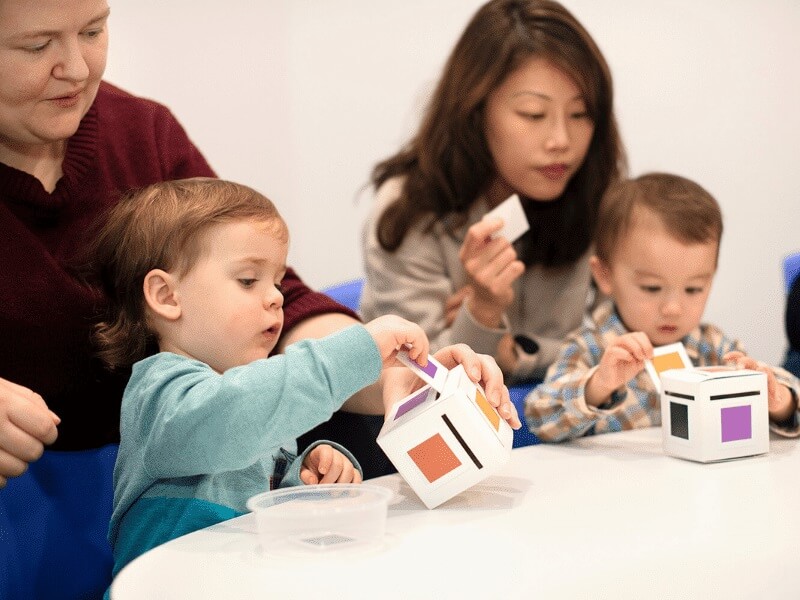
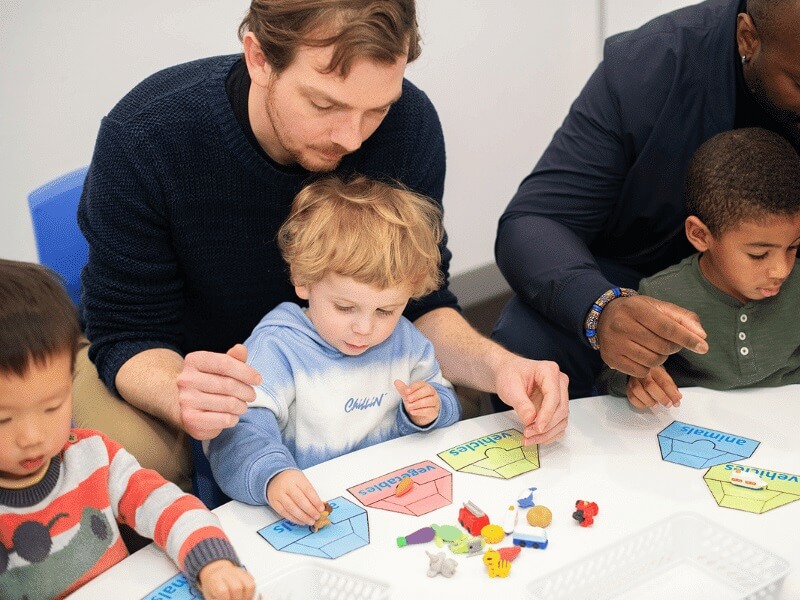
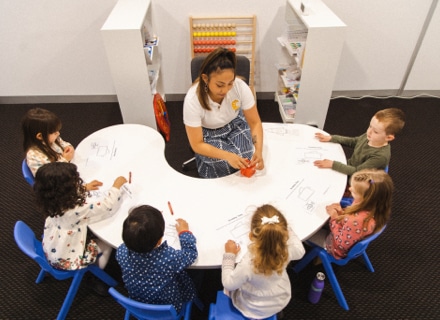
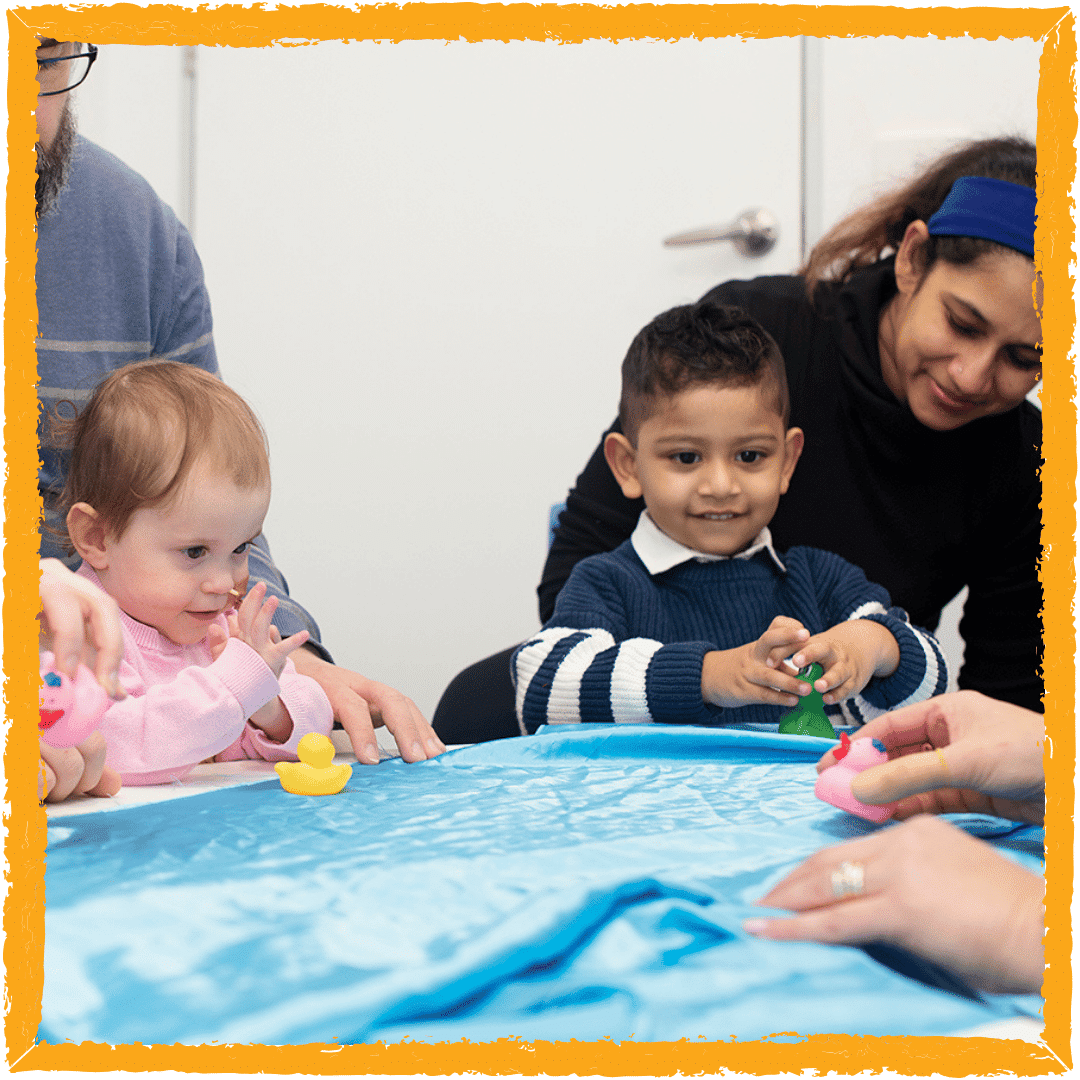
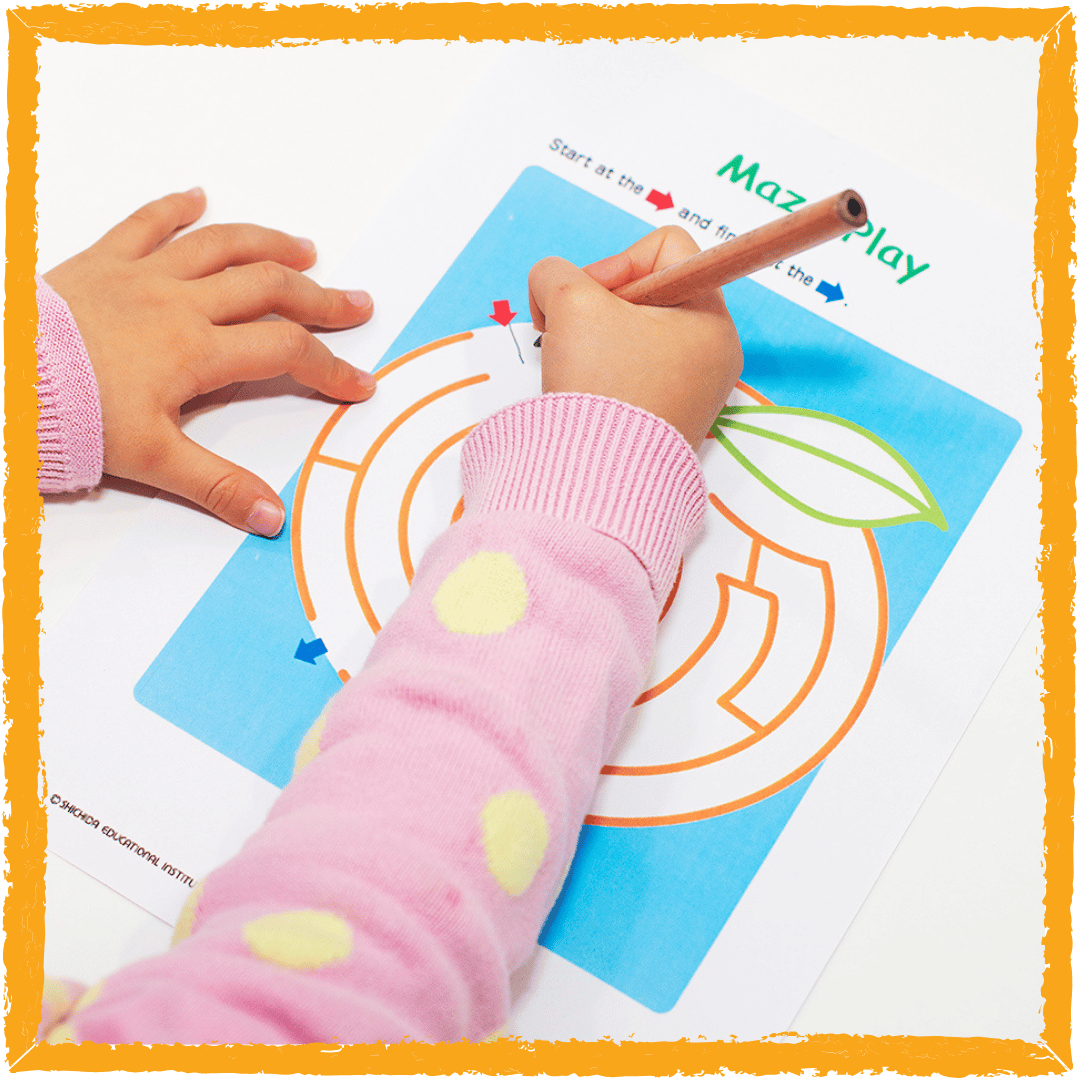
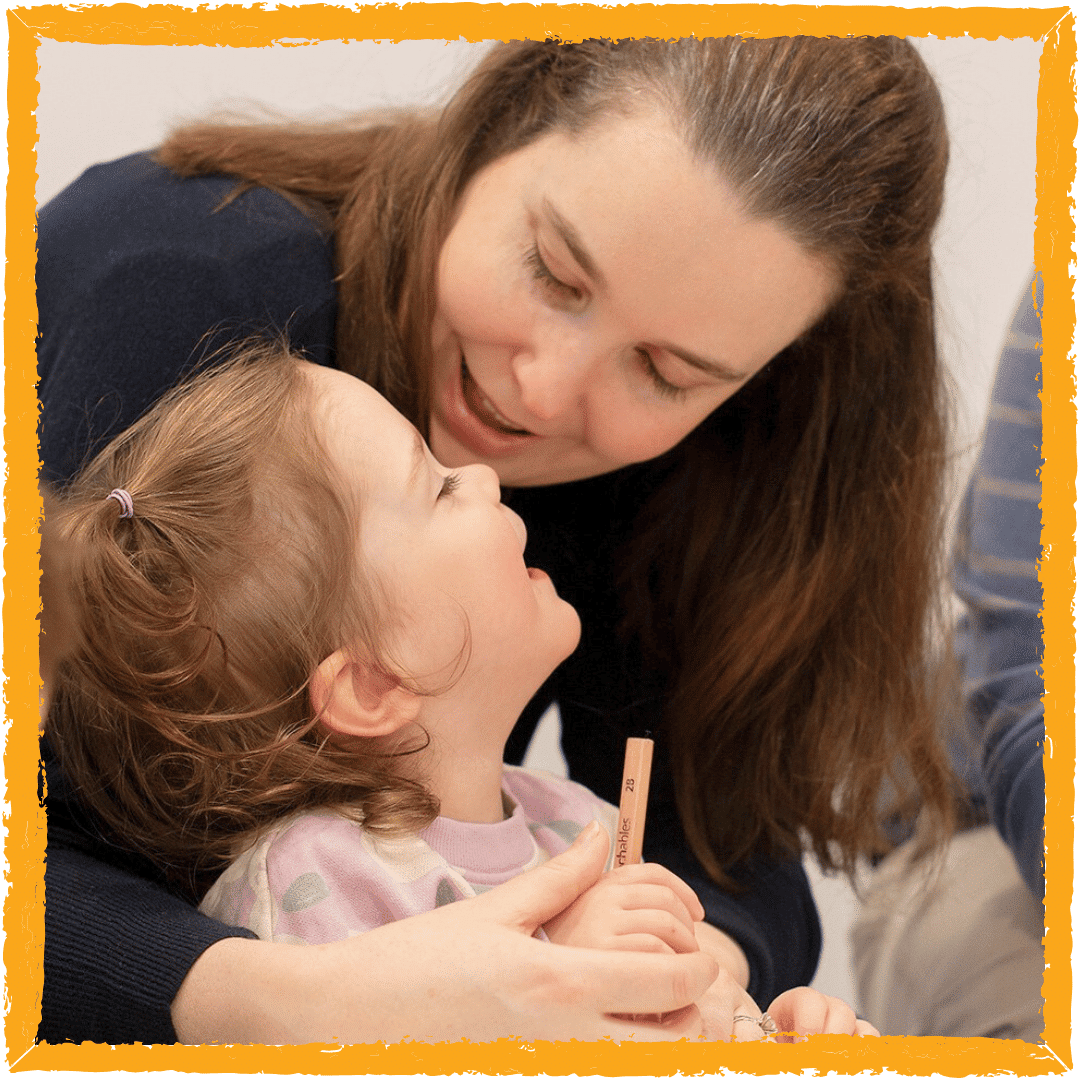
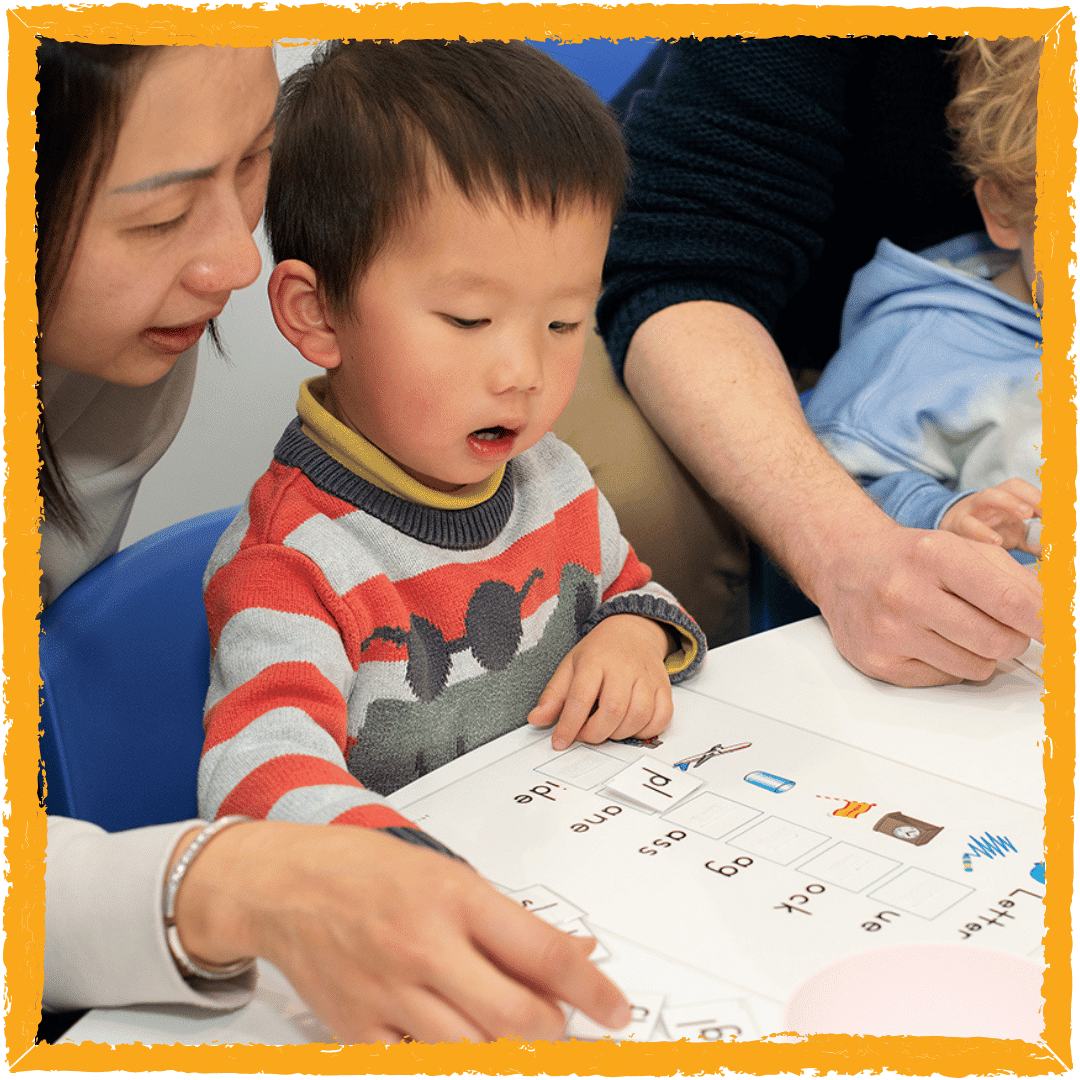
A conscious pregnancy lays the foundation for lifelong learning and emotional connection. At Shichida Australia, early childhood programmes are designed to strengthen bonding, confidence and mindful interaction between parent and child.
If you are looking for a gentle, research-informed approach that continues after birth, Shichida’s classes can support you through your baby’s earliest developmental stages.
Book a trial class today and learn more about how Shichida Australia supports intentional parenting from the very beginning!
FAQs: Conscious Pregnancy and Prenatal Bonding
Conscious pregnancy is a mindful and intentional approach to pregnancy that focuses on emotional wellbeing, awareness and connection with your baby, alongside medical care.
Conscious pregnancy supports emotional regulation, reduces anxiety and helps parents feel more connected and prepared. Emotional well-being during pregnancy can influence bonding and confidence after birth.
Prenatal bonding can begin during pregnancy. Babies respond to voice, rhythm and emotional cues, allowing parents to build connection through talking, touch and awareness before birth.
You can bond by:
- Talking, singing or reading aloud
- Gently touching your belly
- Responding to your baby’s movements
- Visualising time with your baby
These simple interactions help strengthen prenatal attachment.
Yes. Mindfulness practices such as breathing exercises, meditation and body awareness can help manage stress, support emotional balance and build confidence during pregnancy and birth.
No. Conscious pregnancy works alongside medical care. Mindfulness and emotional awareness complement antenatal appointments and professional guidance.
Emotional well-being influences the prenatal environment. Feeling supported and calm can help create a positive foundation for early attachment and emotional regulation after birth.
Yes. Partner involvement through shared rituals, antenatal education and communication strengthens bonding and helps both parents prepare emotionally for parenthood.
This is common. Start with short moments of awareness and gentle practices. Seeking emotional support from healthcare providers, counsellors or trusted people is an important part of conscious care.
Yes, when practised gently and alongside medical guidance. Mindfulness focuses on emotional support and awareness rather than physical strain.
Conscious pregnancy builds strong emotional foundations that support bonding, confidence and mindful interaction after birth, which are important for early development.
The calm, awareness and bonding built during a conscious pregnancy don’t stop at birth. Shichida classes help parents continue supporting emotional connection and early development through gentle, age-appropriate interaction with their babies from age 6 months old.