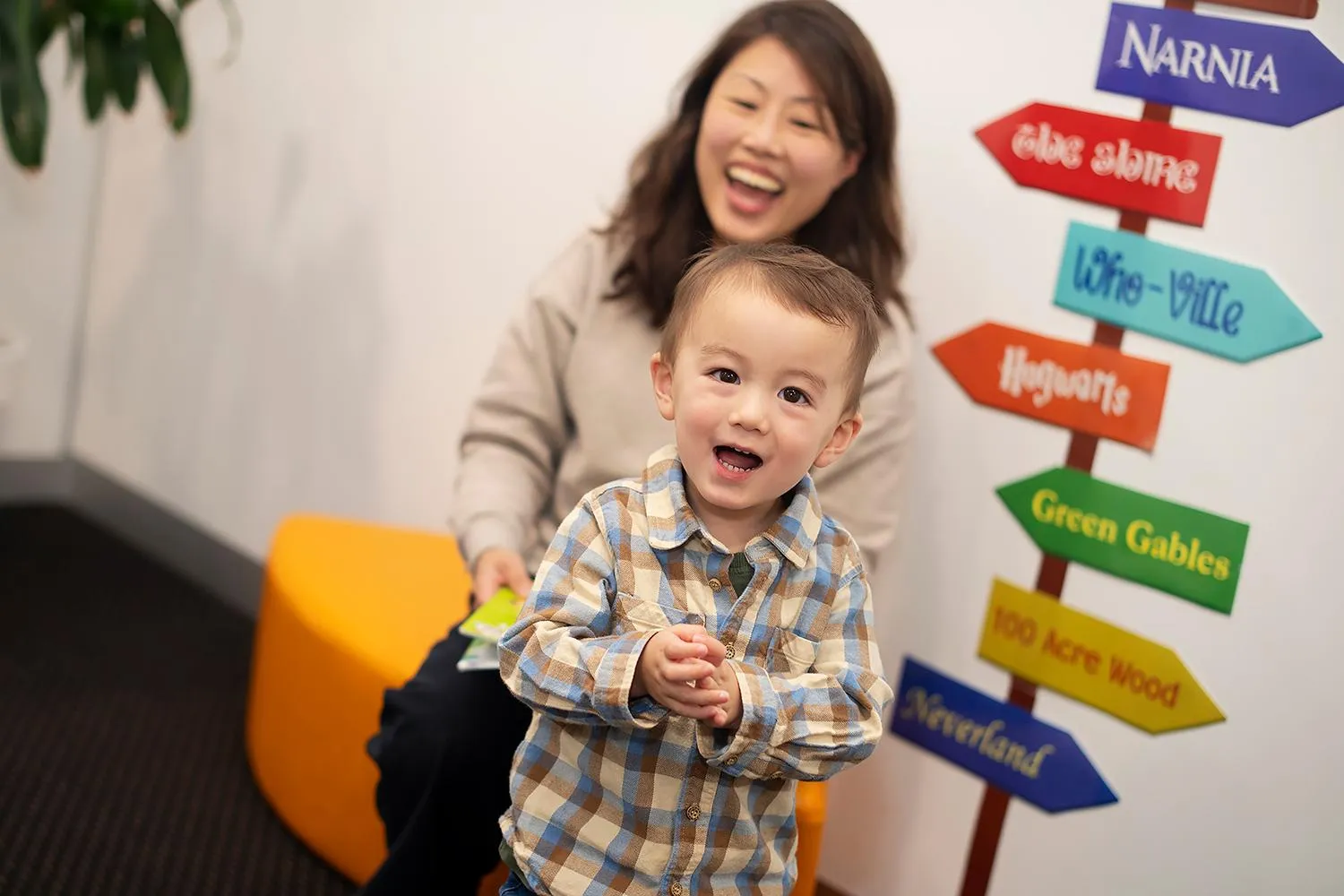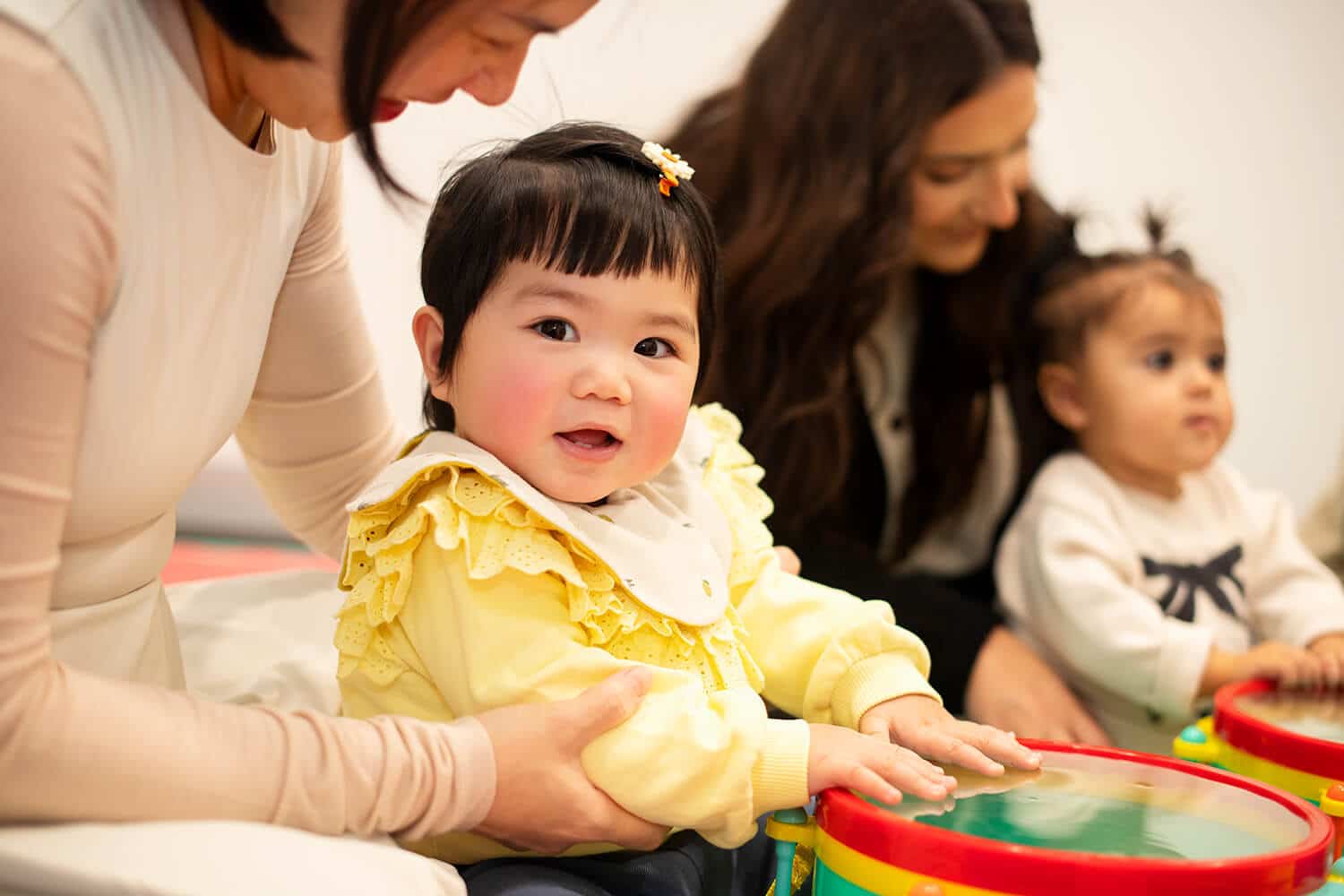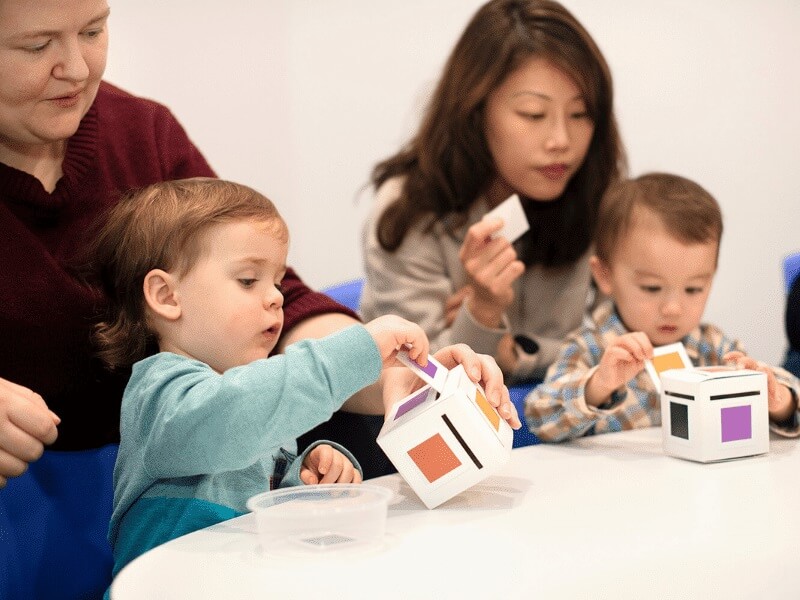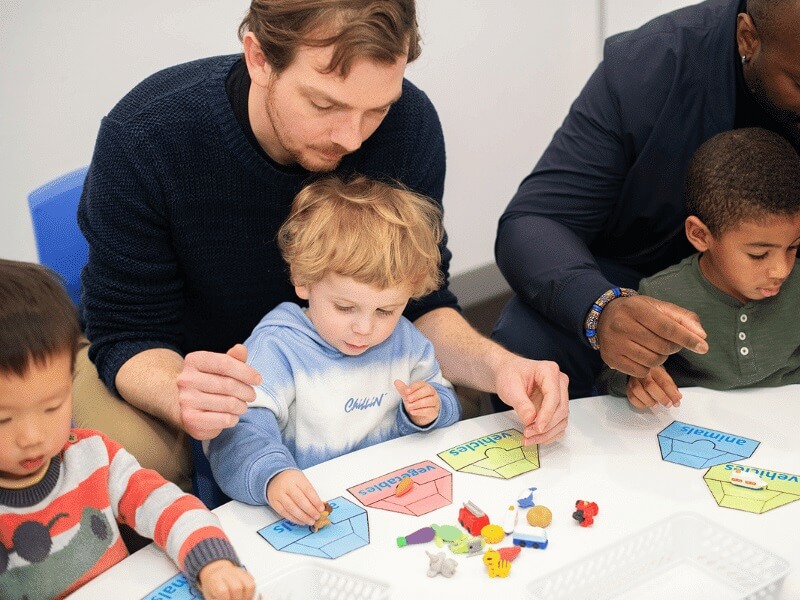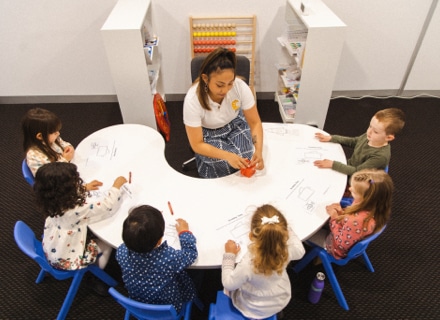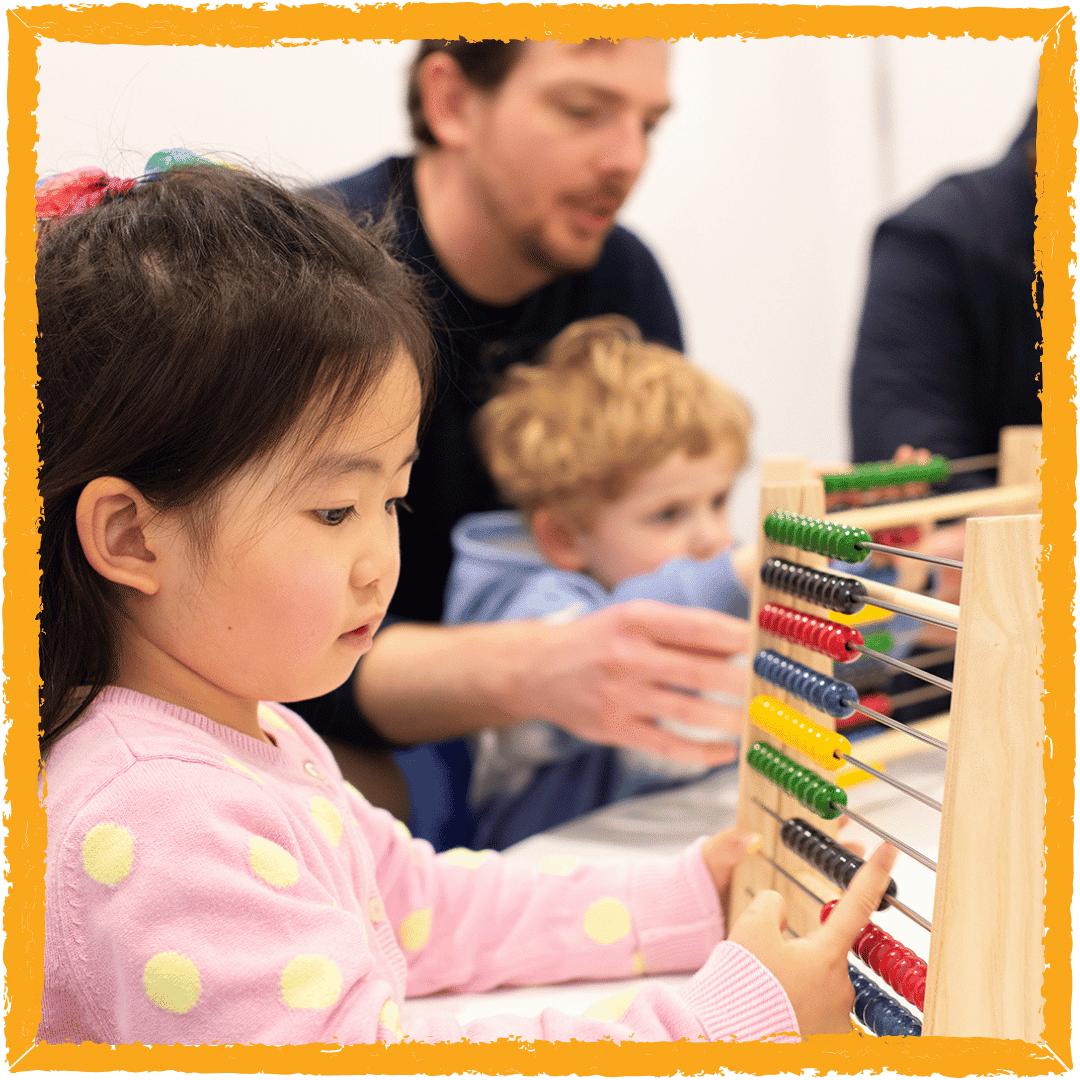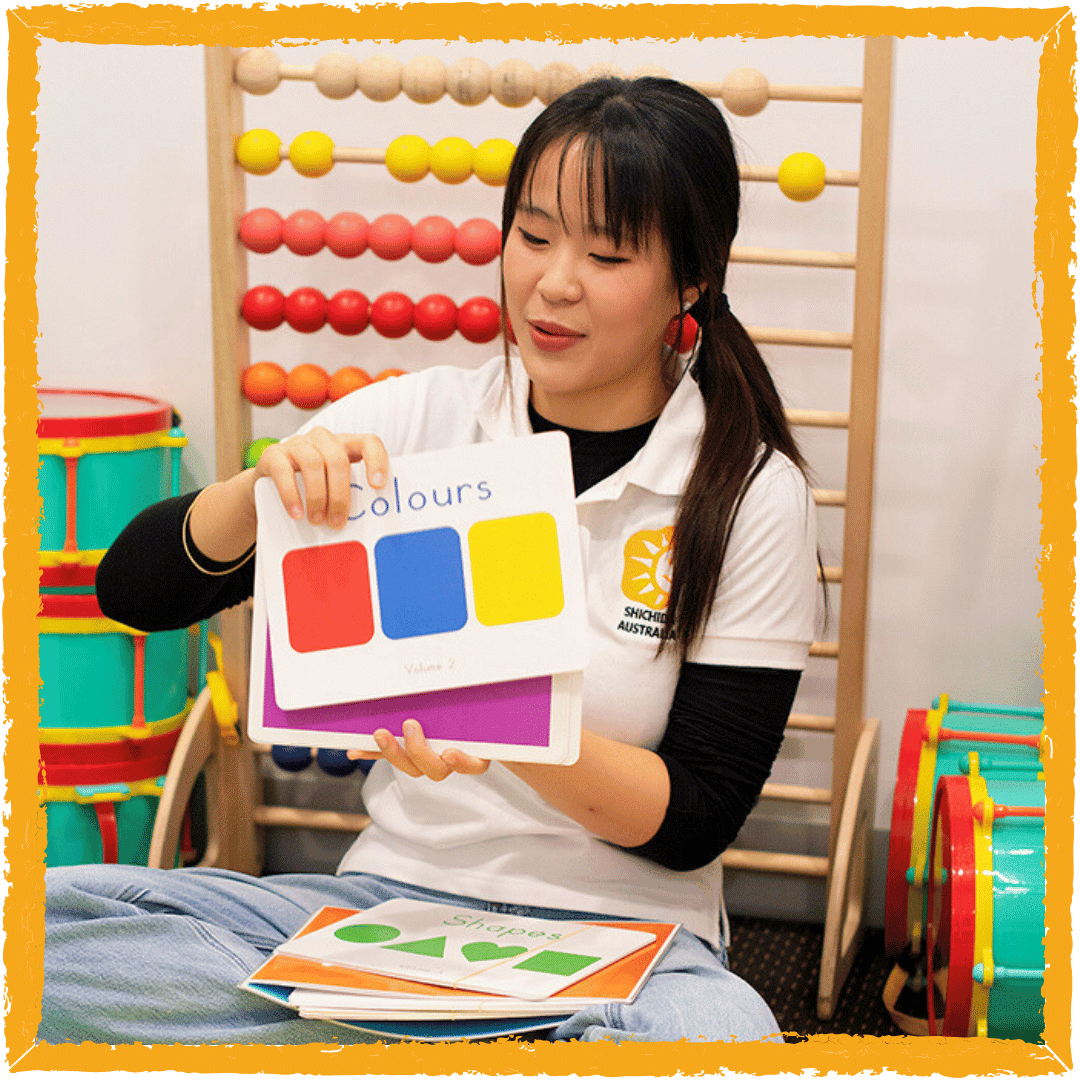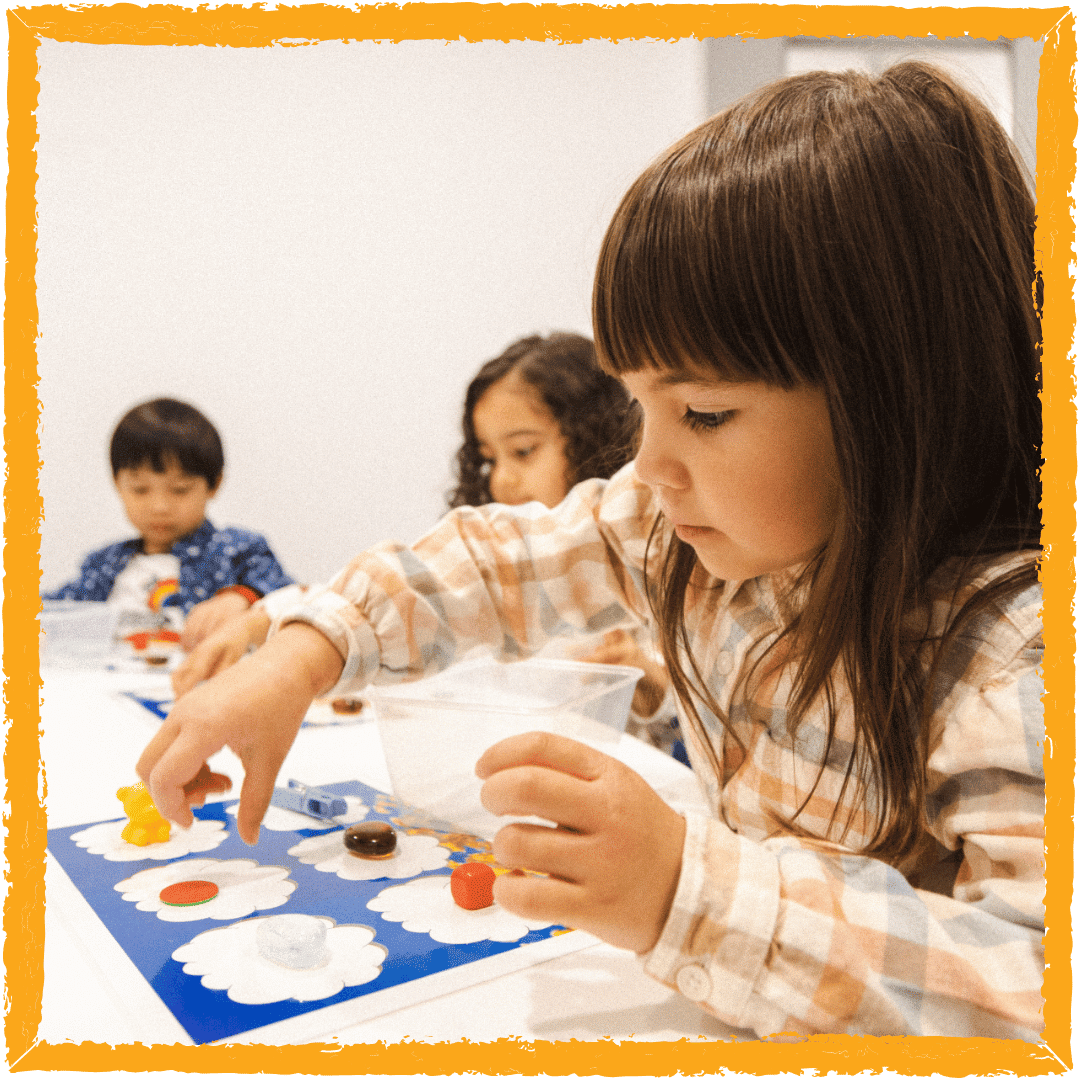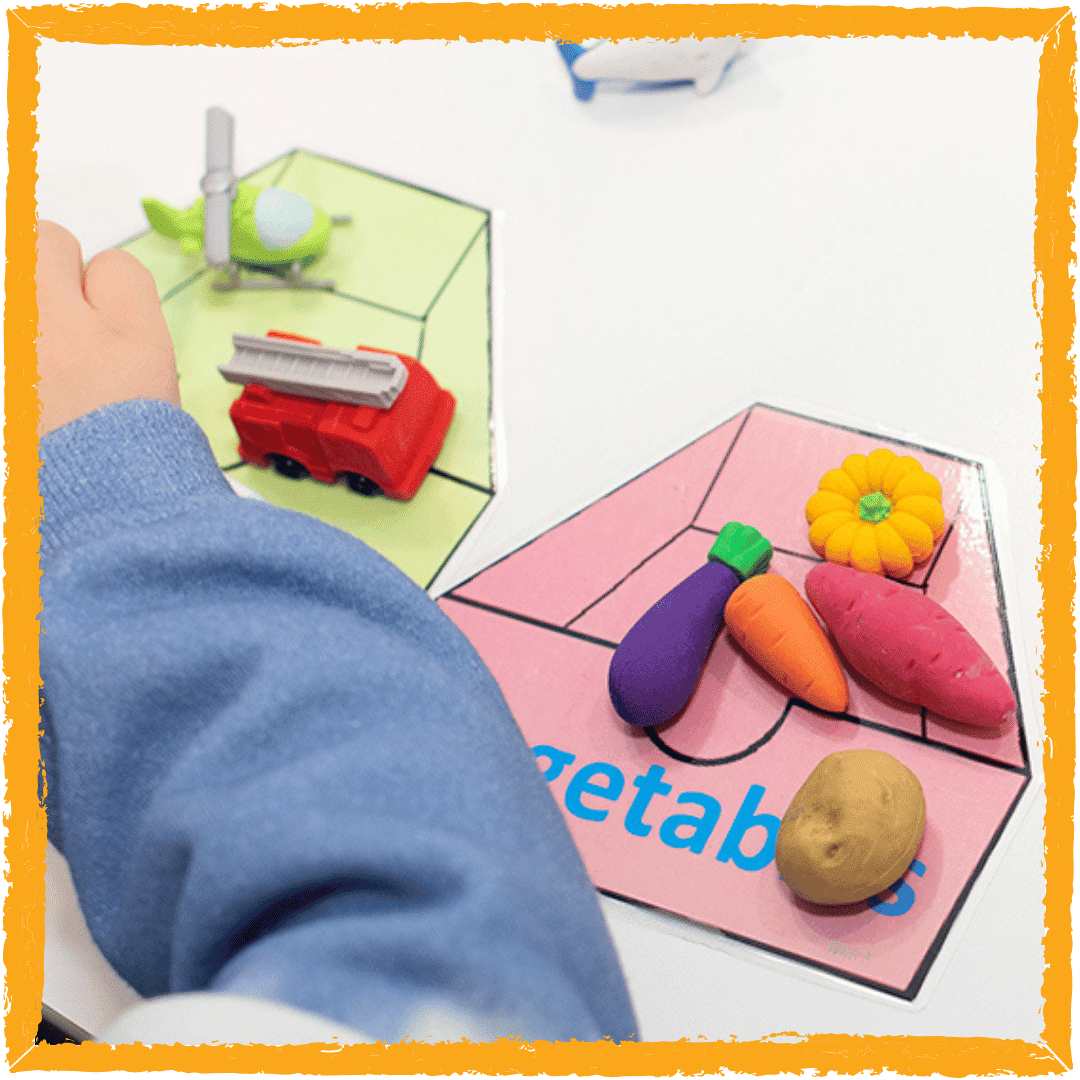
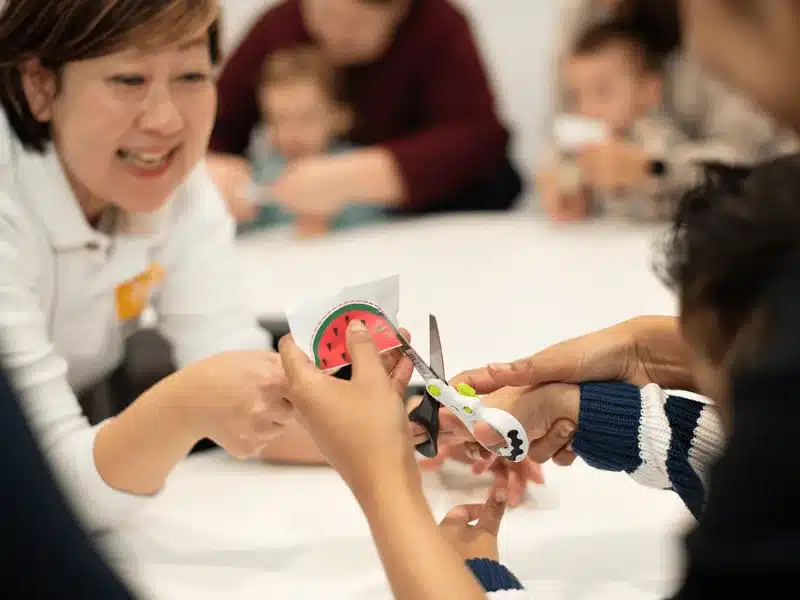
Image by Shichida: A preschooler practising cutting along a rounded edge using safety scissors during a Shichida class.
Fine Motor Development: Milestones, Activities and Tips
Key Points
- Fine motor skills involve precise hand, finger, and wrist movements.
- They support independence, handwriting, pencil grip, self-care, and early academic skills.
- Milestones vary for every child but follow a predictable development pattern.
- Daily play, routines, and simple home activities build strong fine motor skills.
- Early support is helpful, but differences between children are normal.
- Shichida Australia strengthens fine motor development through fun, hands-on activities.
As a parent, you already see how quickly little hands learn, explore, and take on new challenges. Fine motor development is one of the most important foundations for your child’s independence, confidence, and school readiness. From scribbling with a crayon to fastening a zip or cutting with scissors, these small but powerful skills support everyday tasks and early learning.
In this guide, you’ll find clear explanations, age-appropriate milestones, simple home activities, and practical ways to support your child’s developing abilities. Think of this as a reassuring roadmap. Every child grows at their own pace, but understanding what fine motor skills look like helps you offer the right opportunities at the right time.
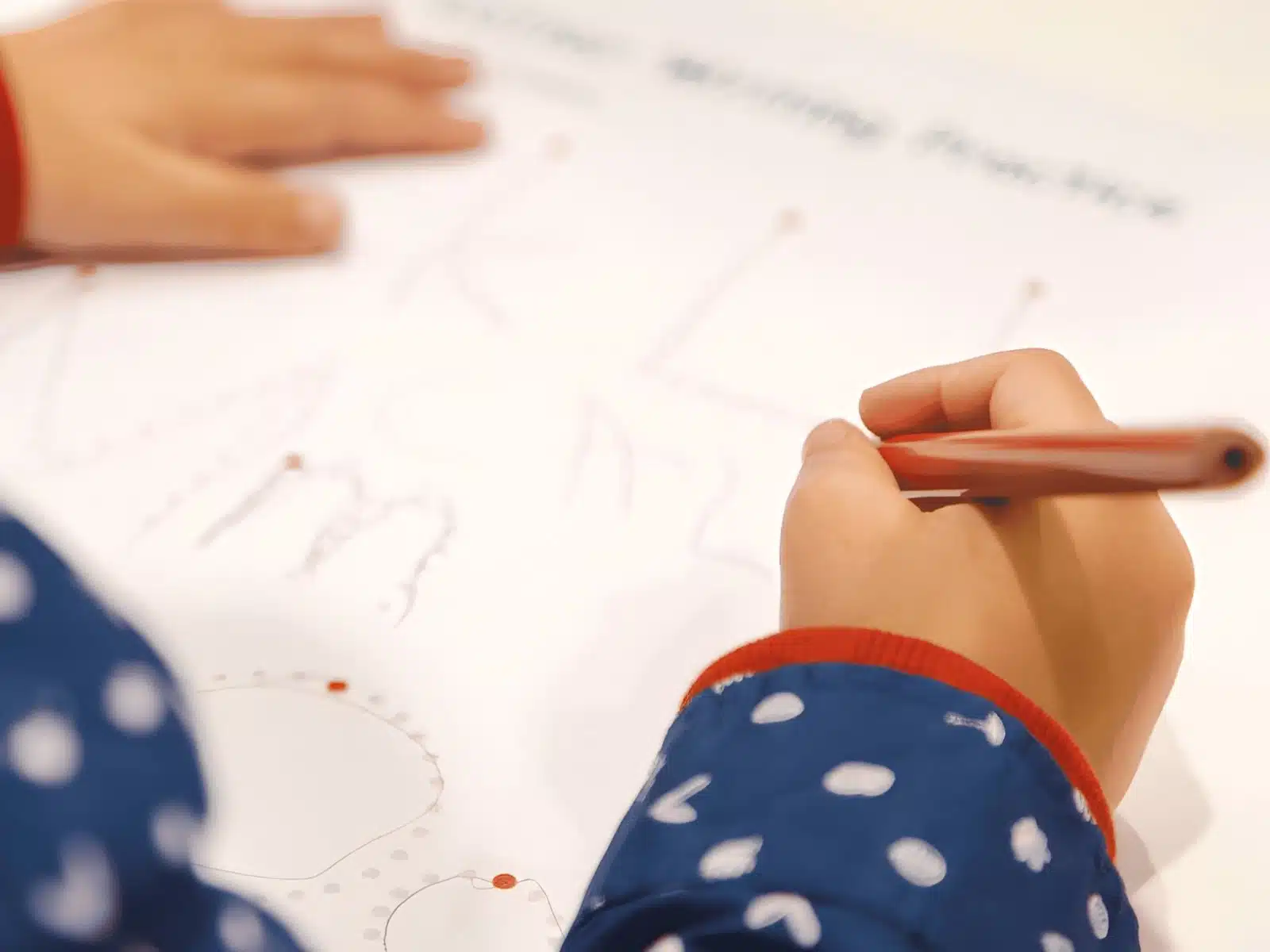
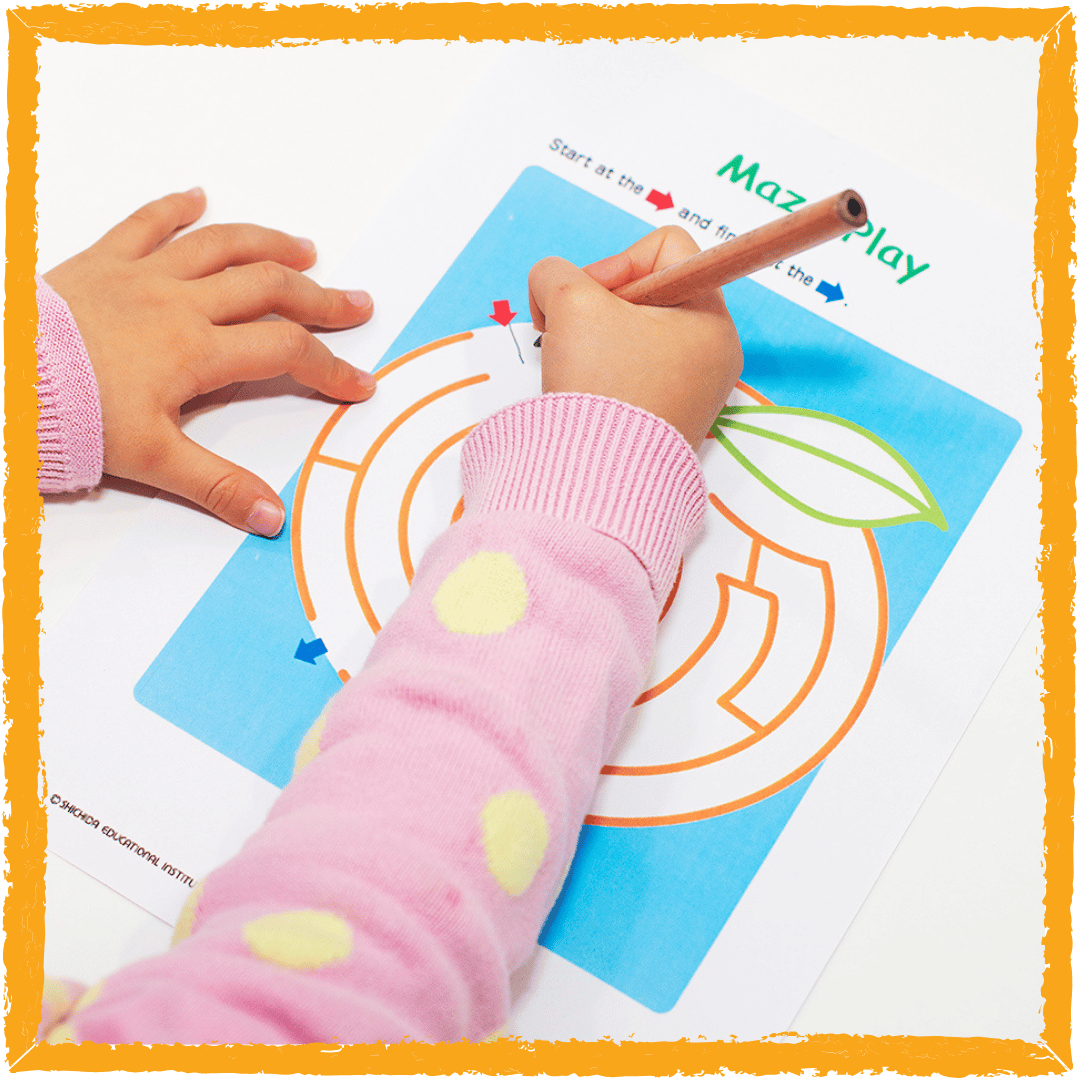
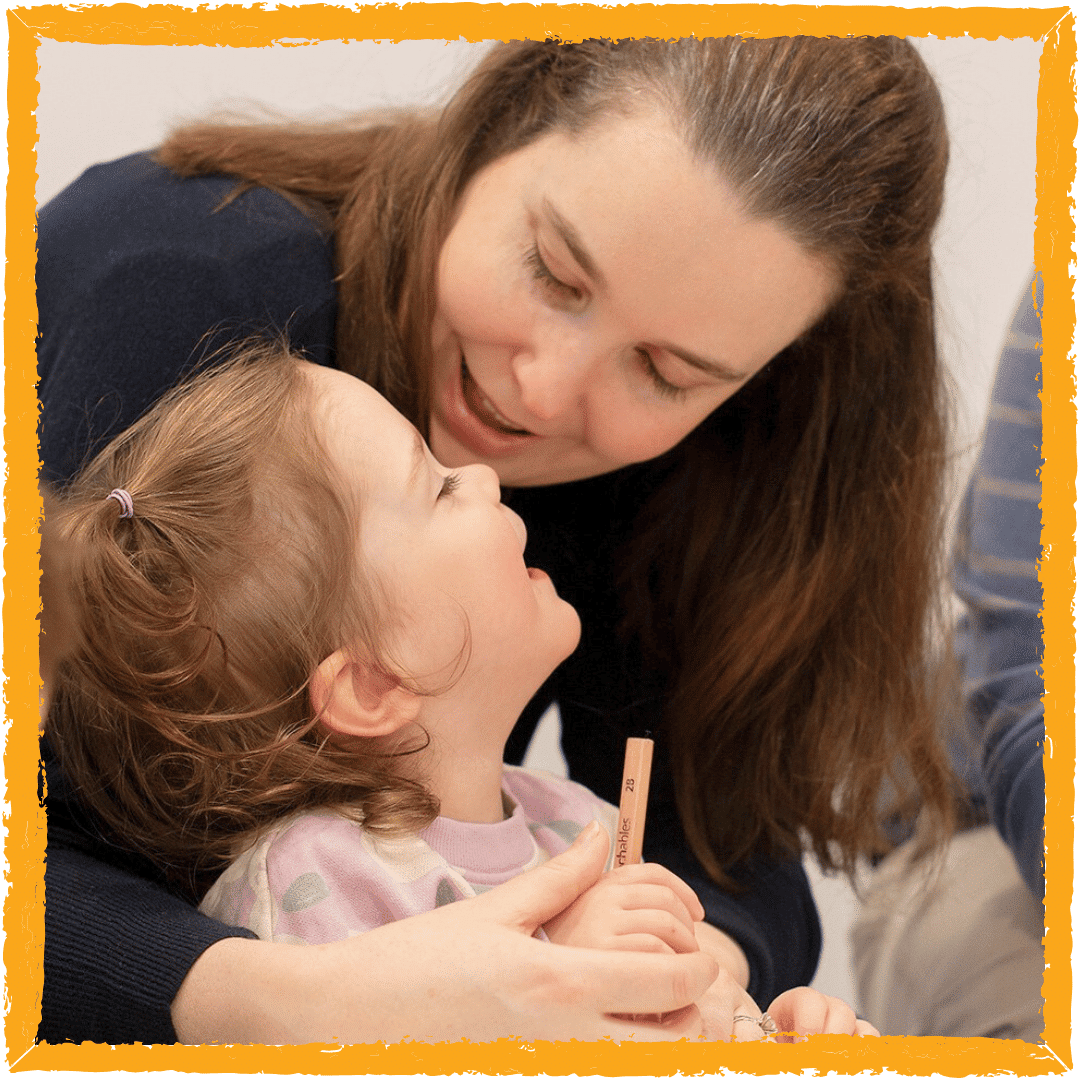
Image by Shichida Australia: Fine motor development supports a strong pencil grip, which leads to smoother handwriting, less hand fatigue, and a more confident writer when the time is right!
What Are Fine Motor Skills?
Definition and Scope
Fine motor skills refer to the small movements your child makes using the muscles in the hands, fingers, and wrists. These skills allow children to grasp, pinch, twist, turn, press, draw, and manipulate objects with increasing accuracy. The Cleveland Clinic explains that fine motor skills involve the coordinated movement of smaller muscle groups that enable everyday tasks such as writing, buttoning, eating, and handling objects.
These skills are deeply connected with hand-eye coordination in children, small muscle coordination, and the ability to use both hands together with purpose. As your child grows, you will see these movements gradually transition from instinctive actions to intentional and refined movements.
Fine vs Gross Motor Skills
Gross motor skills involve large muscles used for running, climbing, jumping, and balancing. Fine motor skills focus on small, precise movements such as picking up a raisin or using a paintbrush.
Read here for more about Fine Motor Skills Vs. Gross Motor Skills Differences.
Why Fine Motor Skills Matter
Strong fine motor skills play a key role in many everyday tasks. Children use them when feeding themselves, dressing, brushing their teeth, holding a pencil, building with blocks, or completing schoolwork.
Research has shown that early fine motor skills predict academic outcomes, including reading and math readiness. Fine motor skills help with focus, perseverance, and problem-solving, making them essential for success inside and outside the classroom.
By supporting fine motor development early, you are helping your child build independence, confidence, and skills that will stay with them for life.
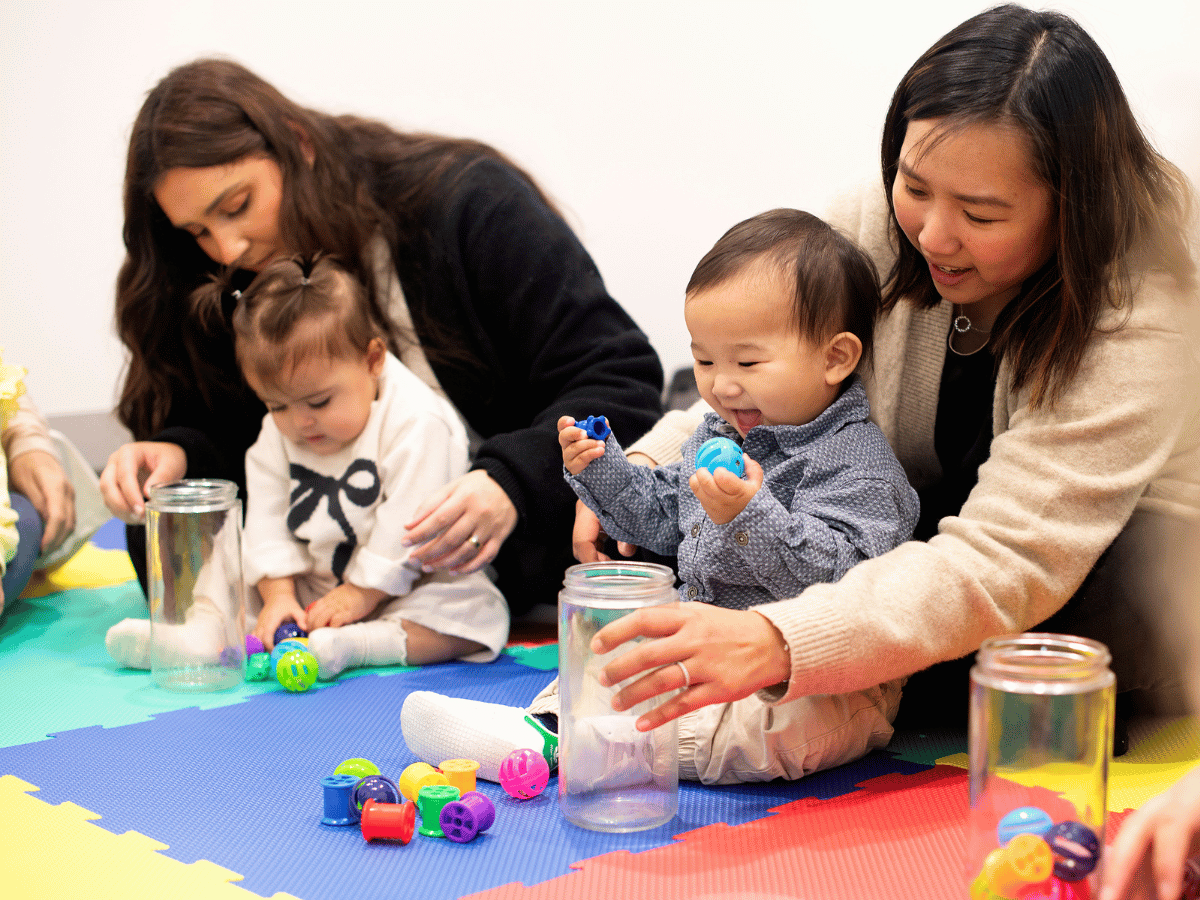
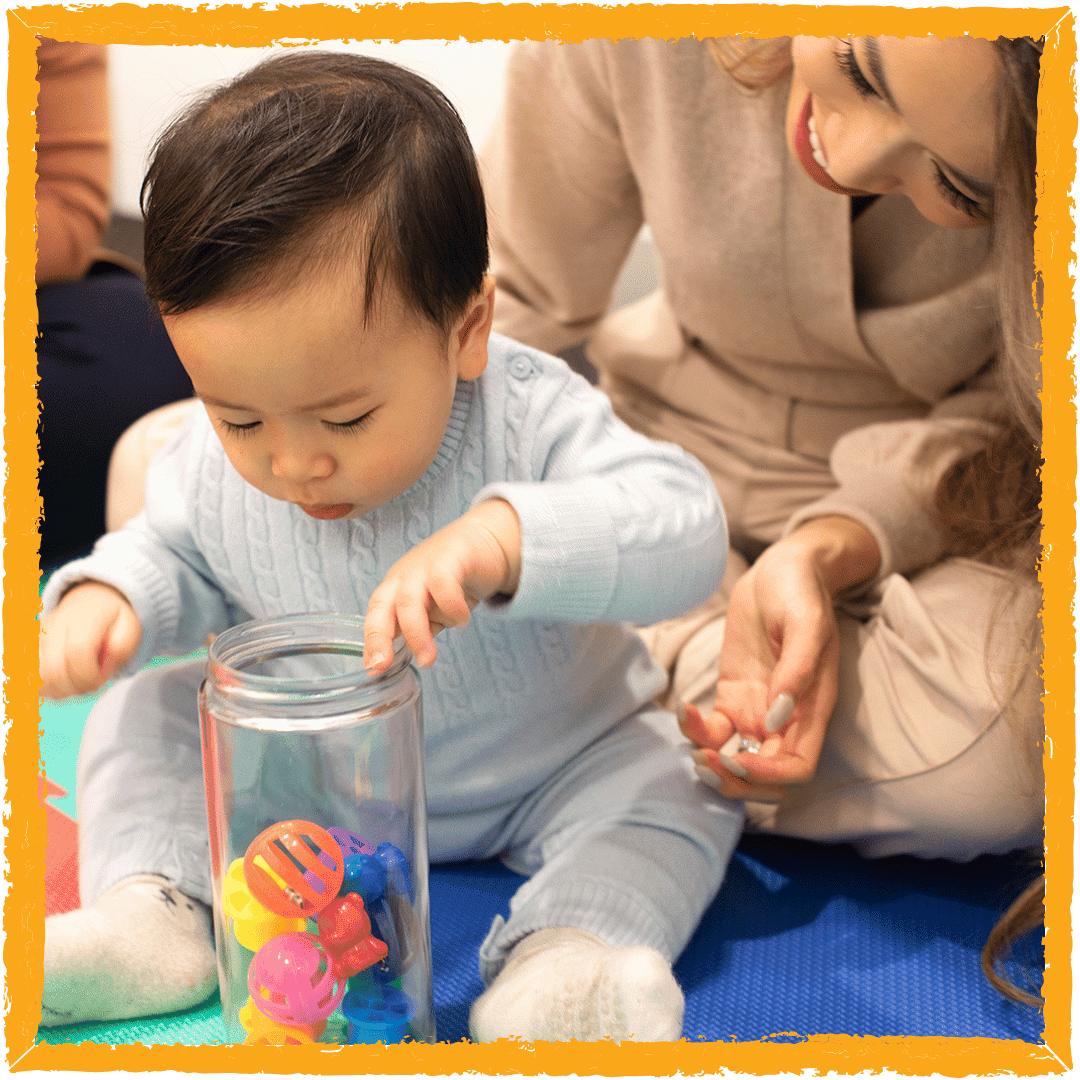
Image by Shichida Australia: Babies practising fine motor skills by picking up small objects and dropping the objects into narrow bottles. This activity strengthens hand-eye coordination, finger control, and early fine motor skills.
Fine Motor Development Milestones by Age
Below is a simple guide to common child fine motor milestones. Every child really is different, so look at these ranges as helpful reference points rather than strict rules. Some children master tasks earlier while others take a little longer.
When to consult a professional: If you notice your child struggling consistently across several milestones or avoiding hand use, it is worth seeking guidance.
Birth to 12 Months
During the first year, your baby is exploring the world with their hands.
- Reflexive grasp at birth
- Reaching for objects around 3 to 4 months
- Holding toys and bringing them to the mouth
- Transferring objects between hands at 6 to 8 months
- Beginning to rake small items
- Early pincer grasp between 9 to 12 months
1 to 2 Years
This is a busy, hands-on stage filled with curiosity.
- Stacking two to four blocks
- Scribbling with crayons
- Using a spoon with support
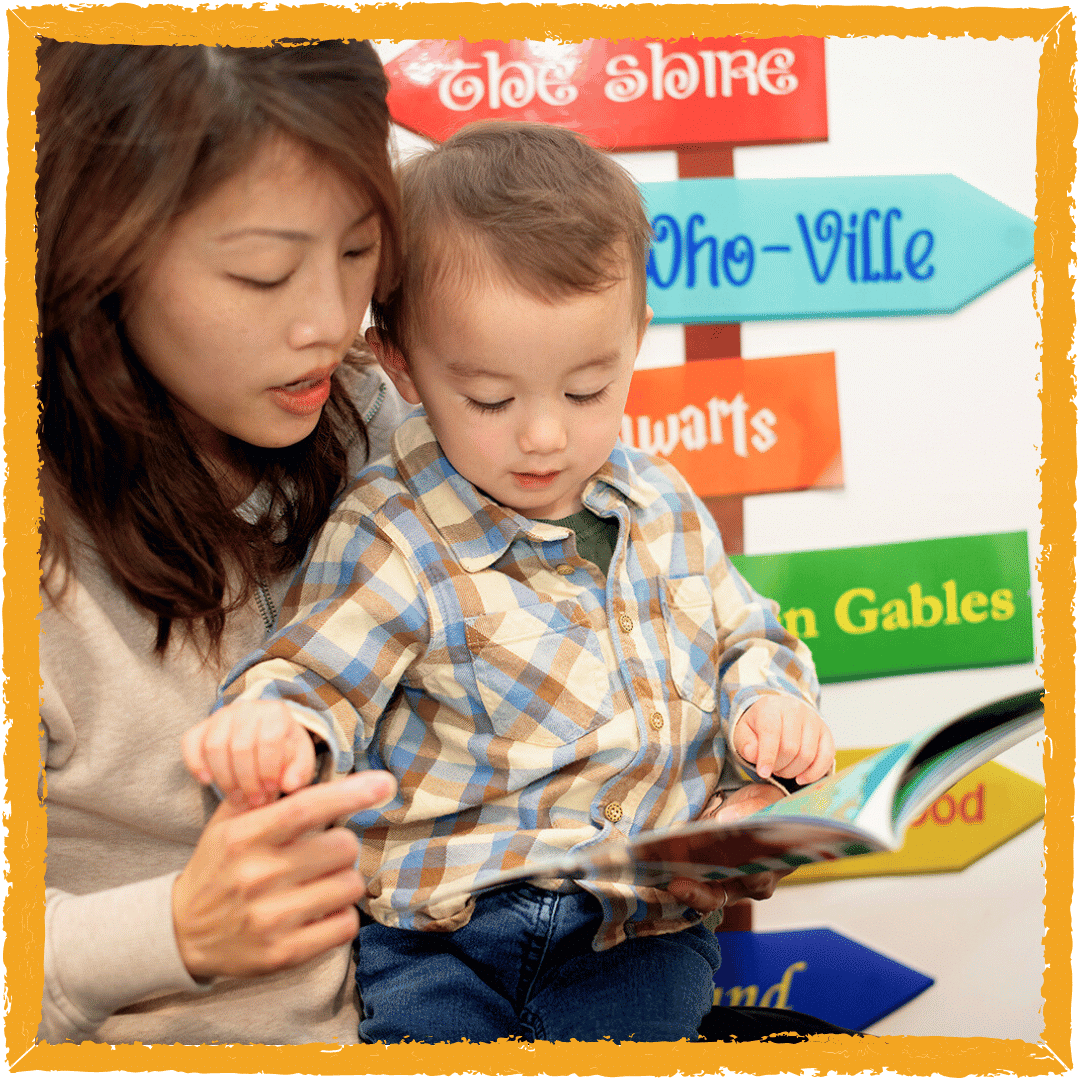
- Turning pages in a board book
- Beginning simple dressing attempts like removing socks
- Improved pincer grasp for small objects
3 to 5 Years
These years bring huge improvements in precision, control, and creativity.
- Cutting simple shapes with scissors
- Drawing circles, crosses, and early figures
- Threading beads
- Managing zips, large buttons, and simple clothing
- Using tools such as paintbrushes or play-dough tools
- Participating in preschool fine motor games
5 Years and Up
As school progresses, skills become more refined.
- Writing letters and numbers with control
- Tying shoelaces
- Using cutlery confidently
- More detailed craft skills
- Building intricate Lego structures
- Digital dexterity such as using a mouse or keyboard
Factors Affecting Fine Motor Development
Fine motor development is shaped by many factors. You are not doing anything wrong if your child progresses at a different rate from others. Children develop in their own way, influenced by biology, environment, and lifestyle.
Biological and Physical Influences
Some children have differences in muscle tone, coordination, and neurological maturity that affect fine motor development. General health, vision, energy levels, and overall motor strength also play a role. Infants born prematurely may need additional time for small muscle coordination to strengthen.
Environmental and Practice Opportunities
Fine motor skills grow through play, exploration, and daily experiences. Children who regularly practise grasping, drawing, building, or helping around the house tend to develop these skills more easily. Parent involvement, encouragement, and access to age-appropriate materials make a significant difference.
Play-based learning supports fine motor development naturally. When your child builds with blocks, kneads play-dough, or sorts objects, they are developing essential skills without even realising it.
Screen Time and Technology Use
There is mixed evidence on how touchscreens impact fine motor skills. Moderate, balanced use is generally fine, especially when combined with hands-on play. Excessive screen time may limit the amount of finger strengthening, sensory play, and two-handed activities children need. Aim for a healthy balance where real-world play remains the priority.
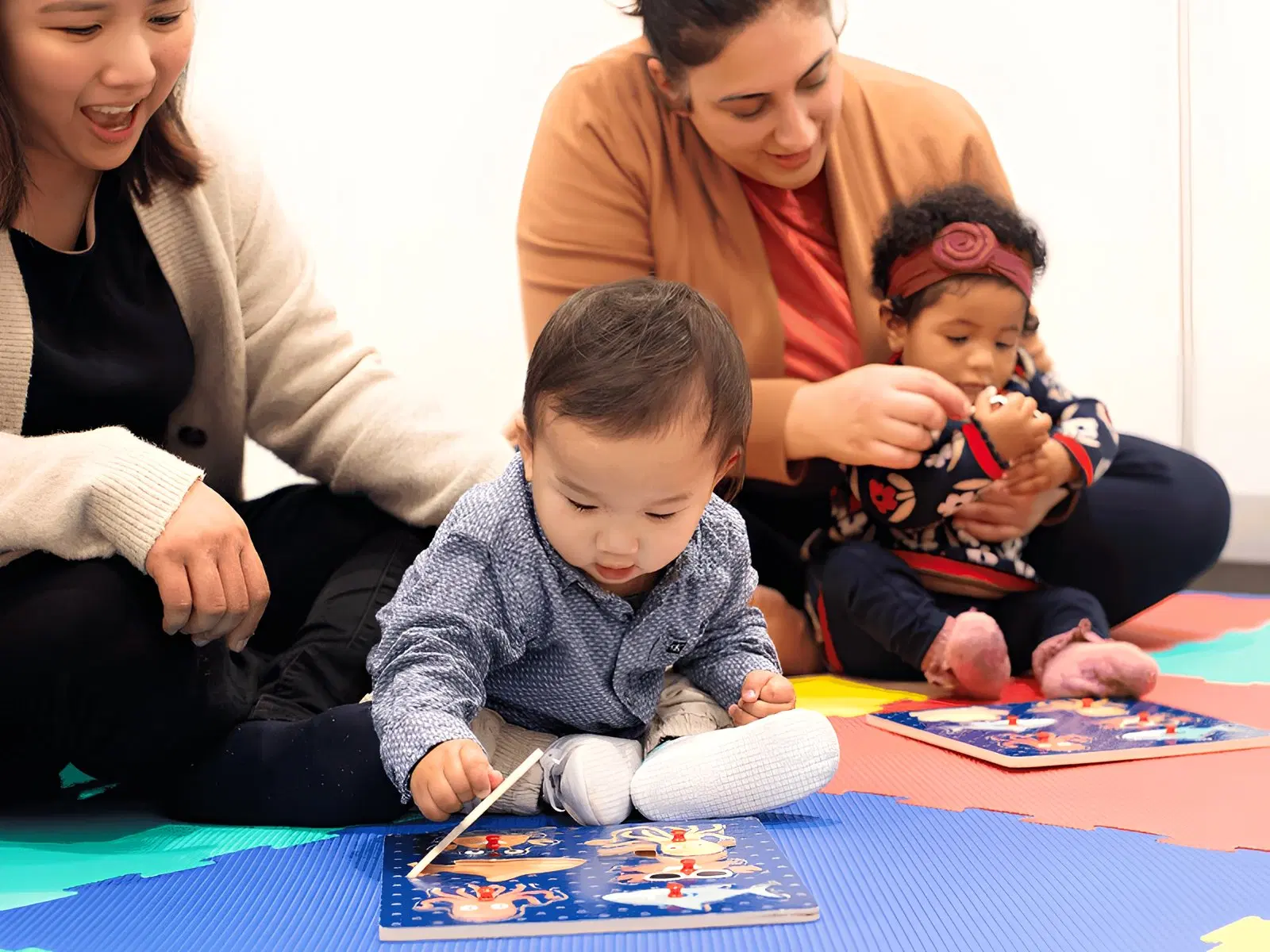
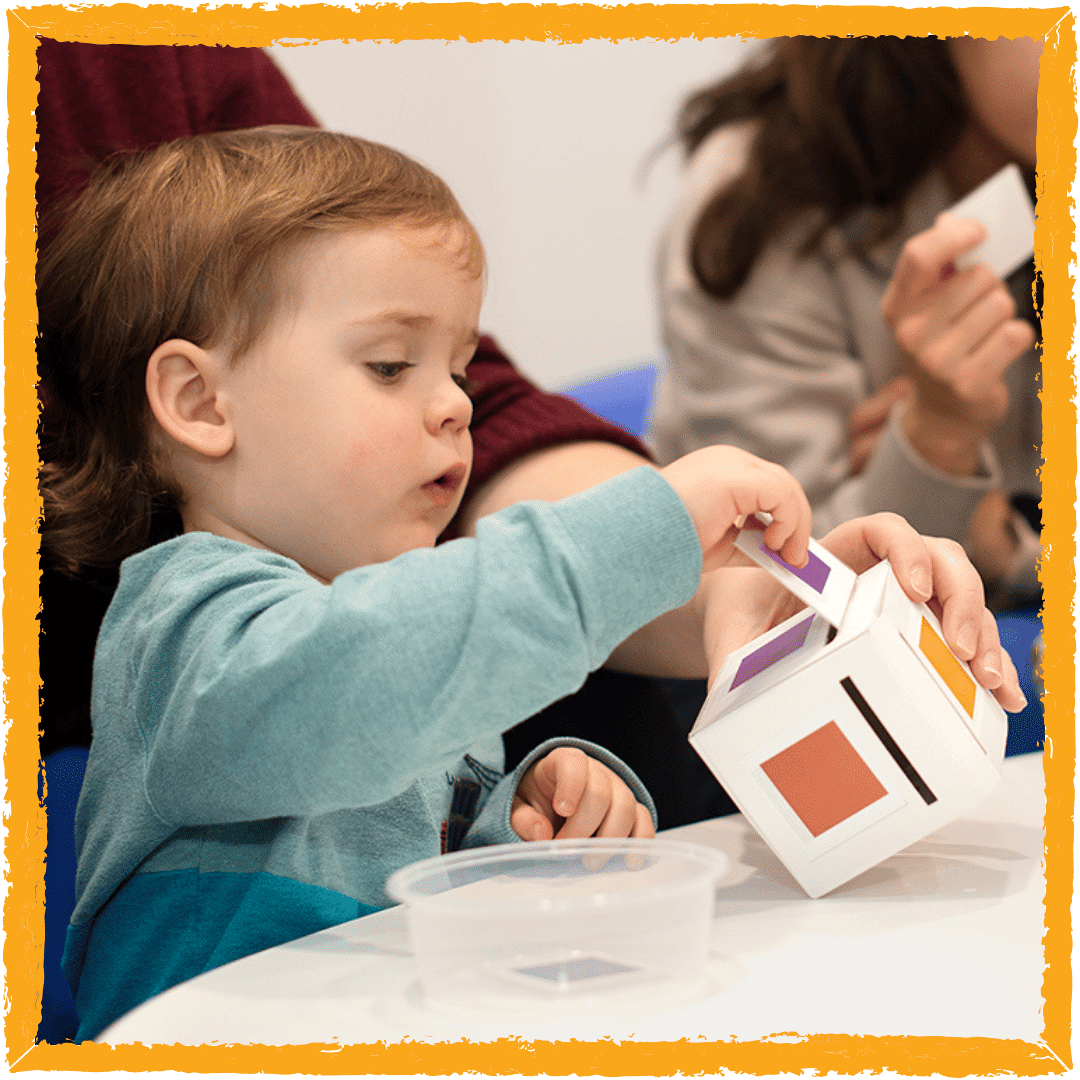
Image by Shichida Australia: Pincher grip is practised through knob puzzle activities during a Shichida baby class.
How Parents Can Support Fine Motor Development
You can support your child’s fine motor skills with simple, playful fine motor skills activities at home. The best learning often comes from everyday routines and household items.
Infants and Toddlers (0 to 2 years)
- Tummy time to strengthen arm and hand muscles
- Soft grasp toys, rattles, and textured balls
- Encourage self-feeding with finger foods
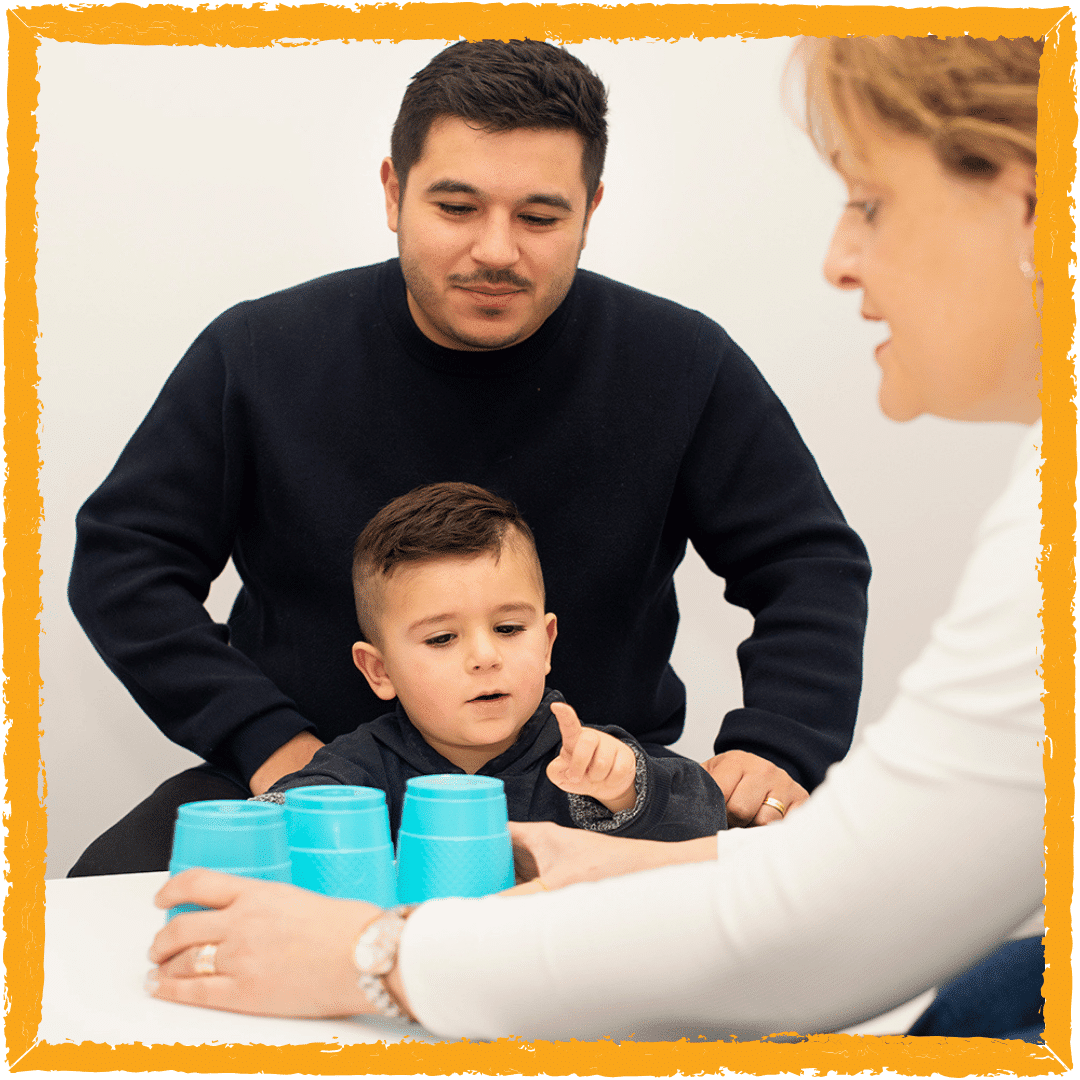
- Stacking cups and simple blocks
- Water play, sand play, and sensory bins
Preschoolers (3 to 5 years)
- Play-dough squeezing, rolling, and pinching
- Early scissor skills with child-safe scissors
- Threading beads or pasta
- Drawing, colouring, and tracing
- Helping with simple household tasks like stirring, wiping, or sorting
School-Age Children
- Writing practice that is fun and not pressured
- Craft activities such as origami, weaving, or collage
- Musical instruments like recorders or keyboards
- Puzzles, Lego, construction sets
- Digital skills in moderation such as typing games
Everyday Routine Integration
Fine motor development does not always require planned activities. Daily life offers natural opportunities. Encourage your child to dress themselves, tidy toys, pour water, help set the table, open lunch containers, or carry small items. These small jobs build independence and hand strength.
When to Be Concerned and Seeking Professional Help
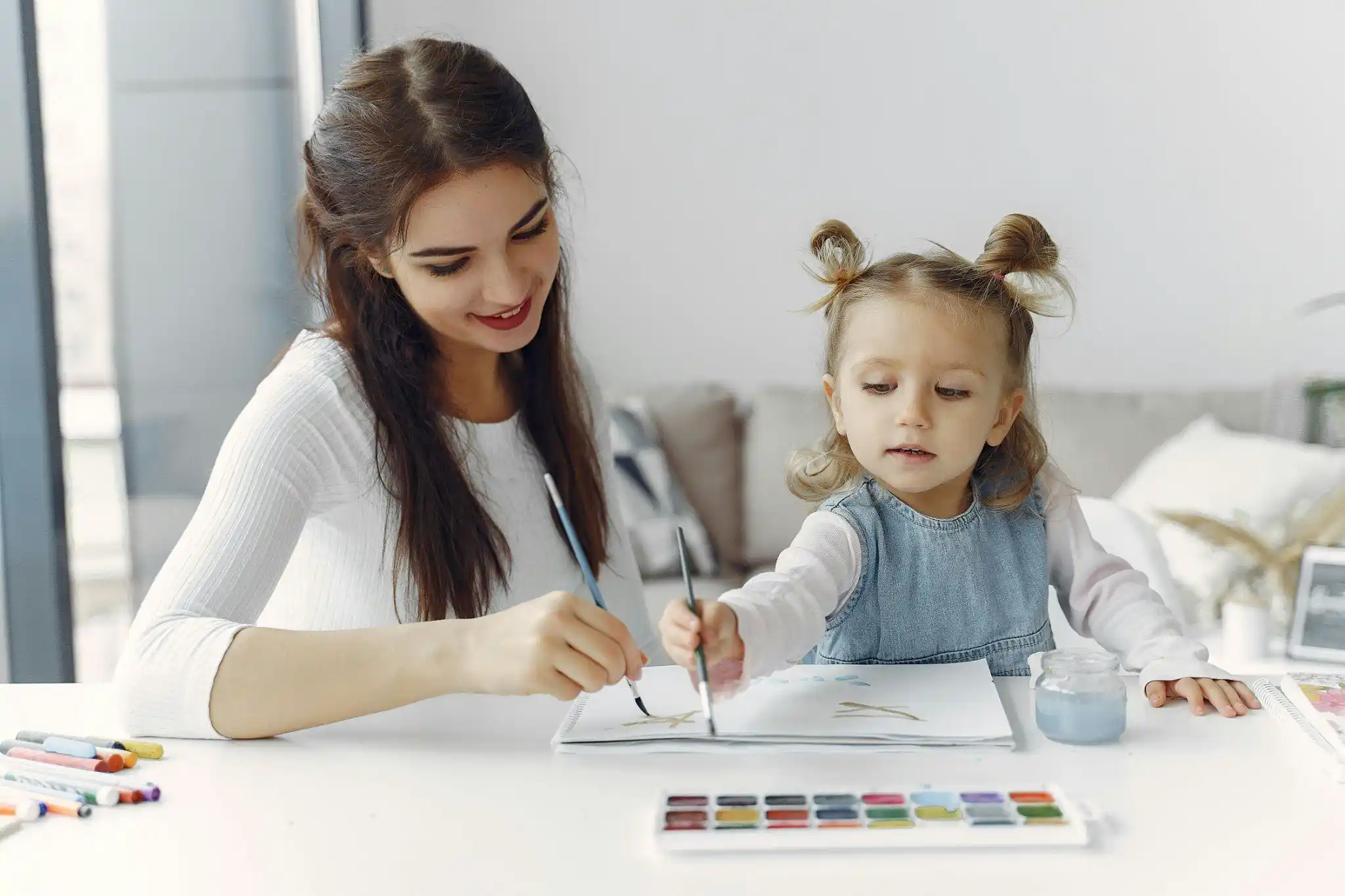
Photo from Pexels: Noticing fine motor delays early allows you to support your child with the right strategies and encouragement.
Most children show steady progress with encouragement and practice. Still, it helps to know the indicators of possible fine motor delay so you can support your child early.
Common Red Flags by Age
By 1 year:
- Not reaching or using both hands
- Difficulty grasping toys
- Limited interest in exploring objects
By 2 years:
- Unable to stack blocks
- Poor hand strength or very clumsy grasp
- Struggles with feeding themselves
By 3 to 4 years:
- Difficulty holding crayons, drawing simple shapes
- Avoiding fine motor tasks
- Persistent difficulty using utensils
By 5 years and up:
- Struggling with writing, cutting, or buttoning
- Very poor hand eye coordination
- Fatigue or frustration during classroom tasks
What Professionals Do and How They Help
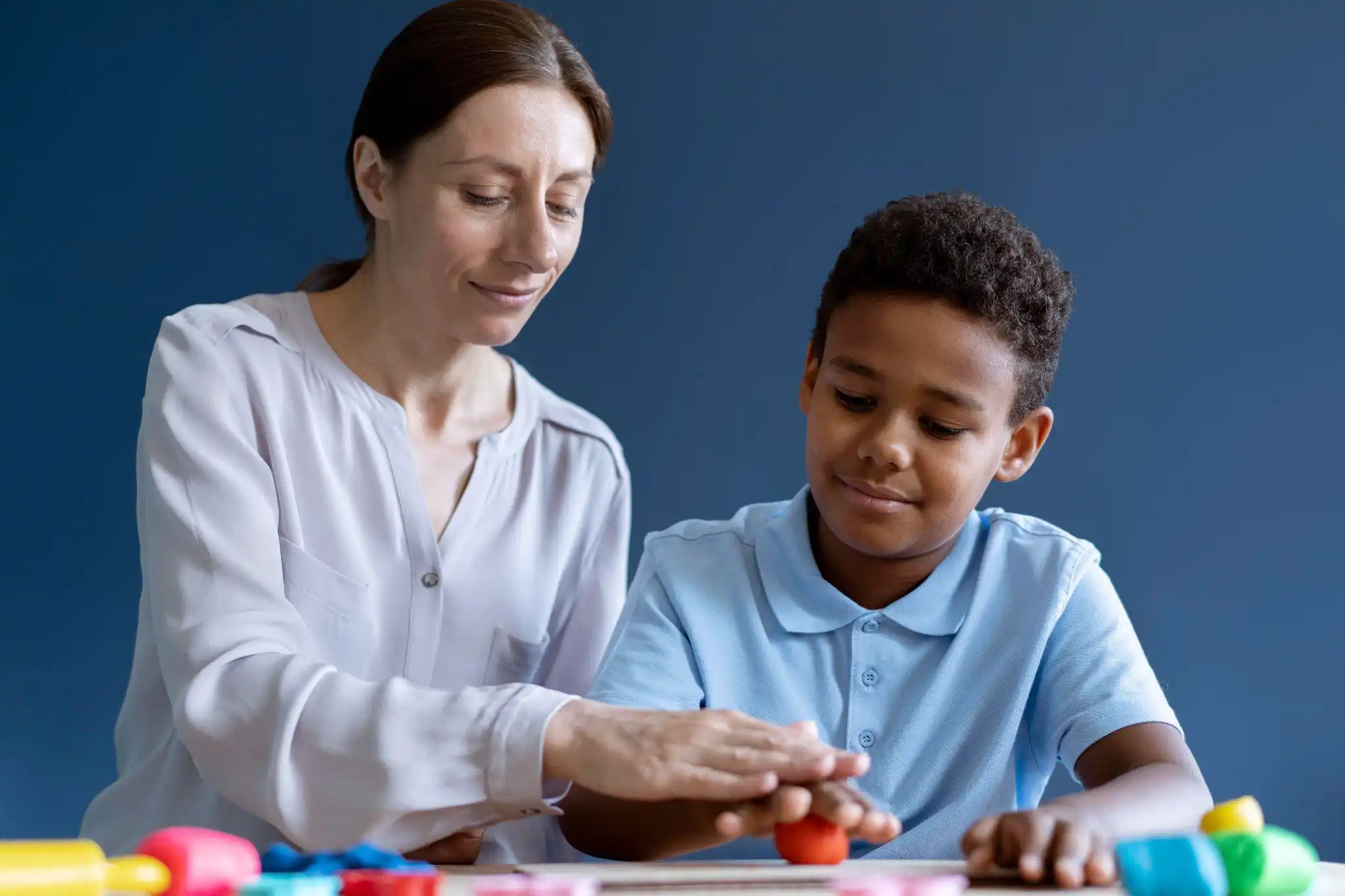
Photo from Freepik: Expert strategies and everyday routines can help you support fine motor development with confidence.
Occupational therapists and physical therapists specialise in supporting children with fine motor challenges. They use standardised assessments, play-based activities, and individualised plans to strengthen hand muscles, improve coordination, and build confidence. Early support makes a real difference, even if delays are mild.
Fine Motor Skills and Long-Term Outcomes
Fine motor development influences many areas of your child’s future. These skills set the foundation for learning, independence, and practical problem-solving.
Academic Readiness and Success
Fine motor precision is linked to early literacy, handwriting fluency, maths activities, and even executive functioning skills such as attention and planning. Children who enter school with stronger fine motor skills often adapt more easily to writing tasks, workbook activities, and classroom routines.
Life Skills and Independence
Fine motor skills are essential for everyday self-care tasks, hobbies, and future employment tasks such as typing, tool use, or craftsmanship. The more your child practises now, the more confident and capable they become later. These skills support independence, resilience, and the motivation to tackle new challenges.

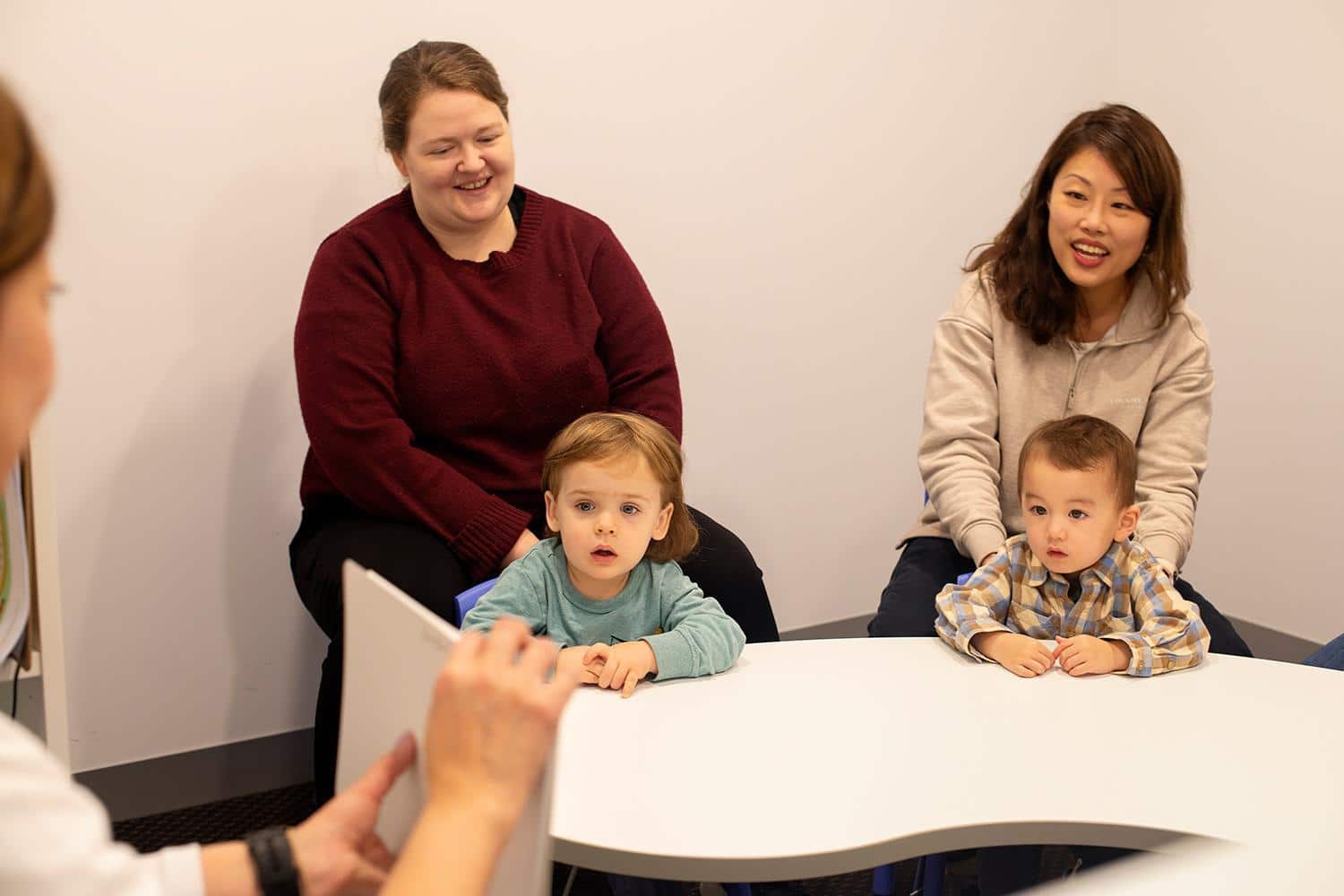
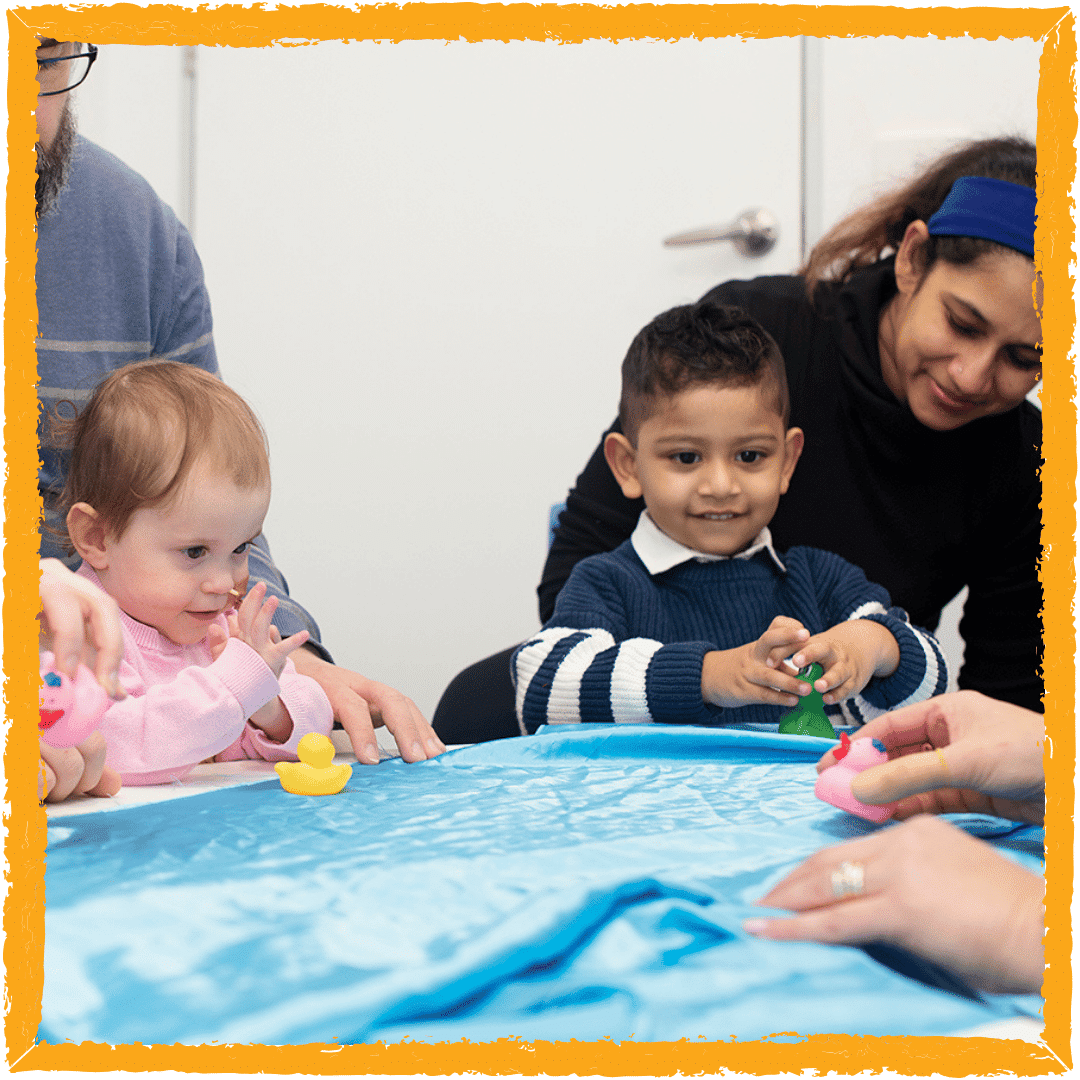
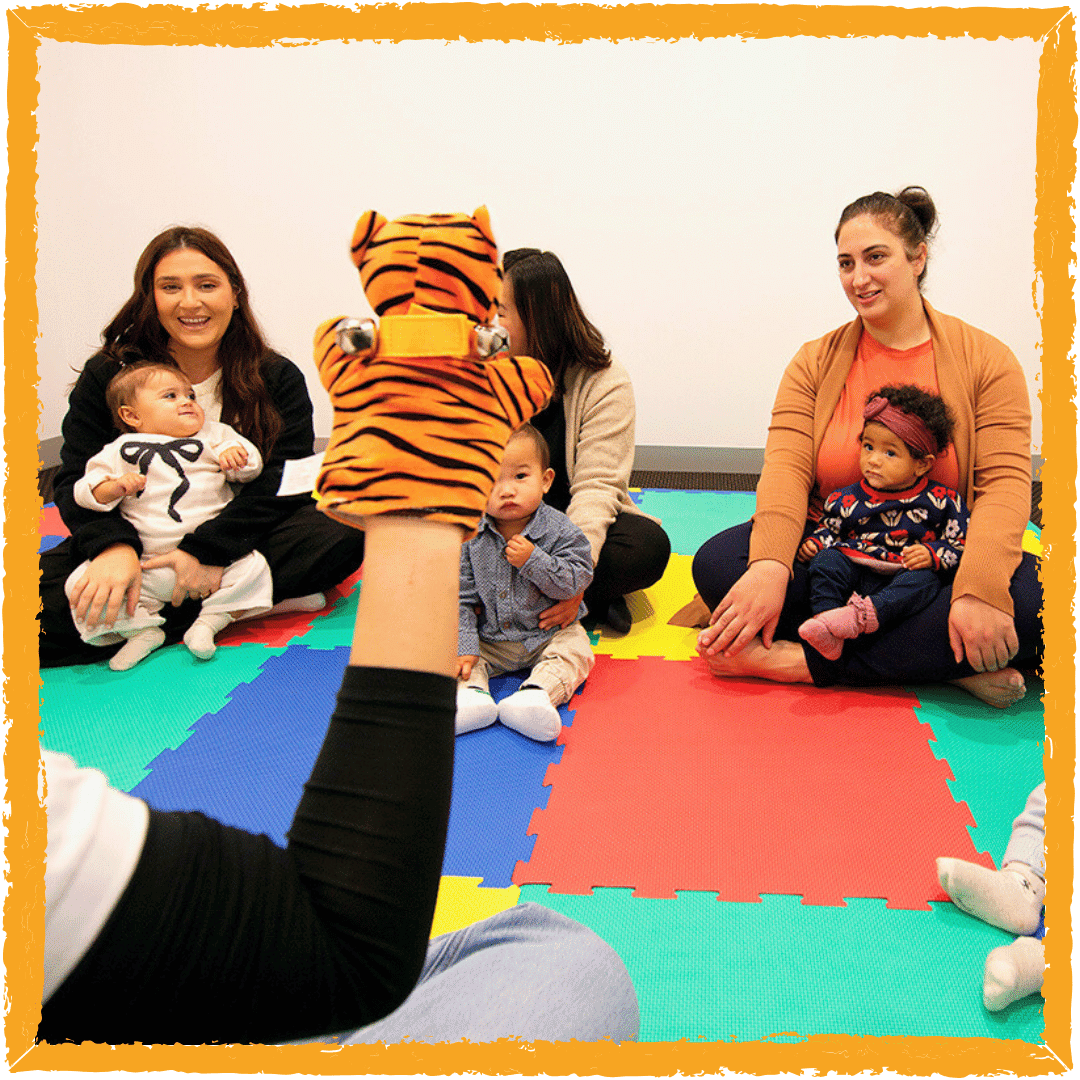
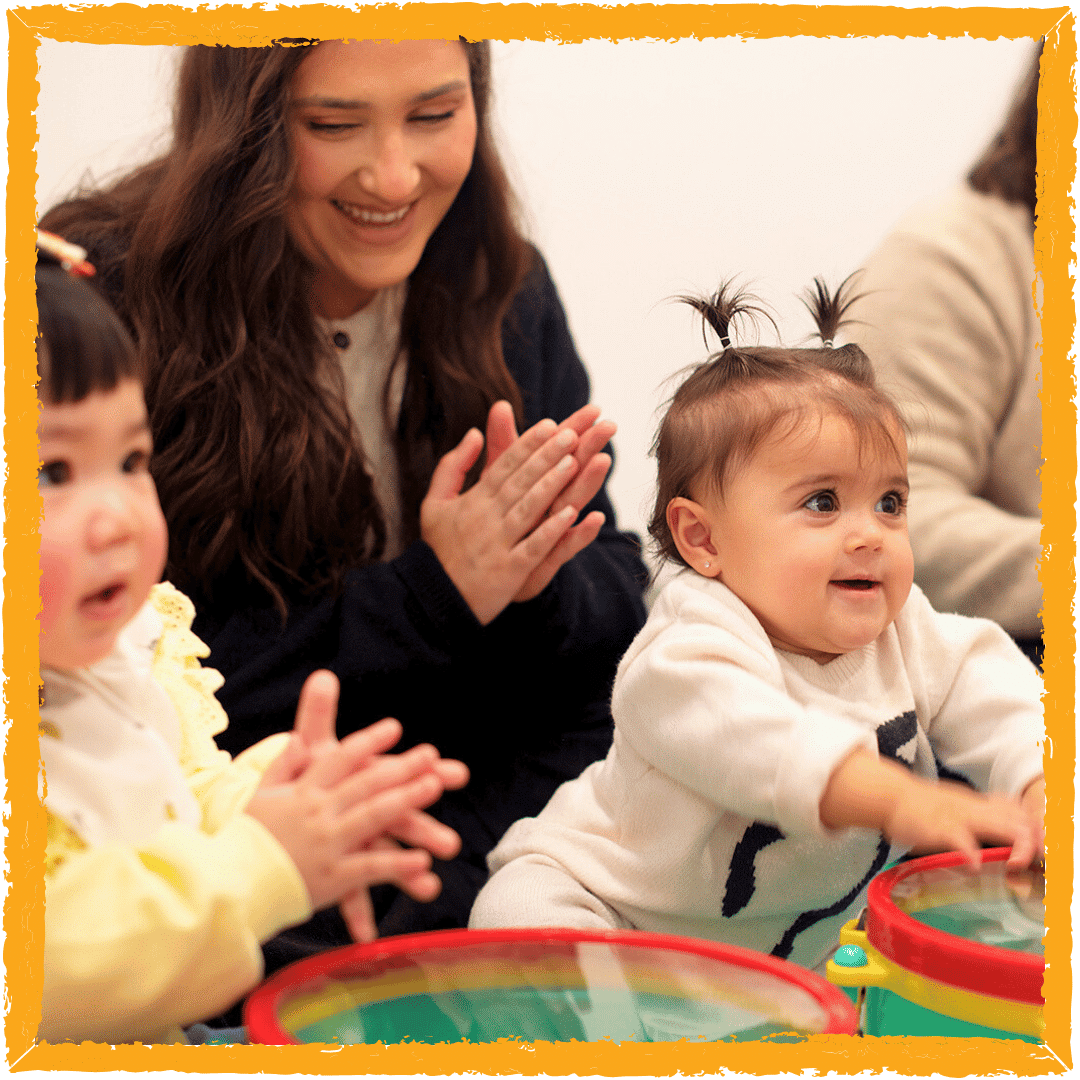
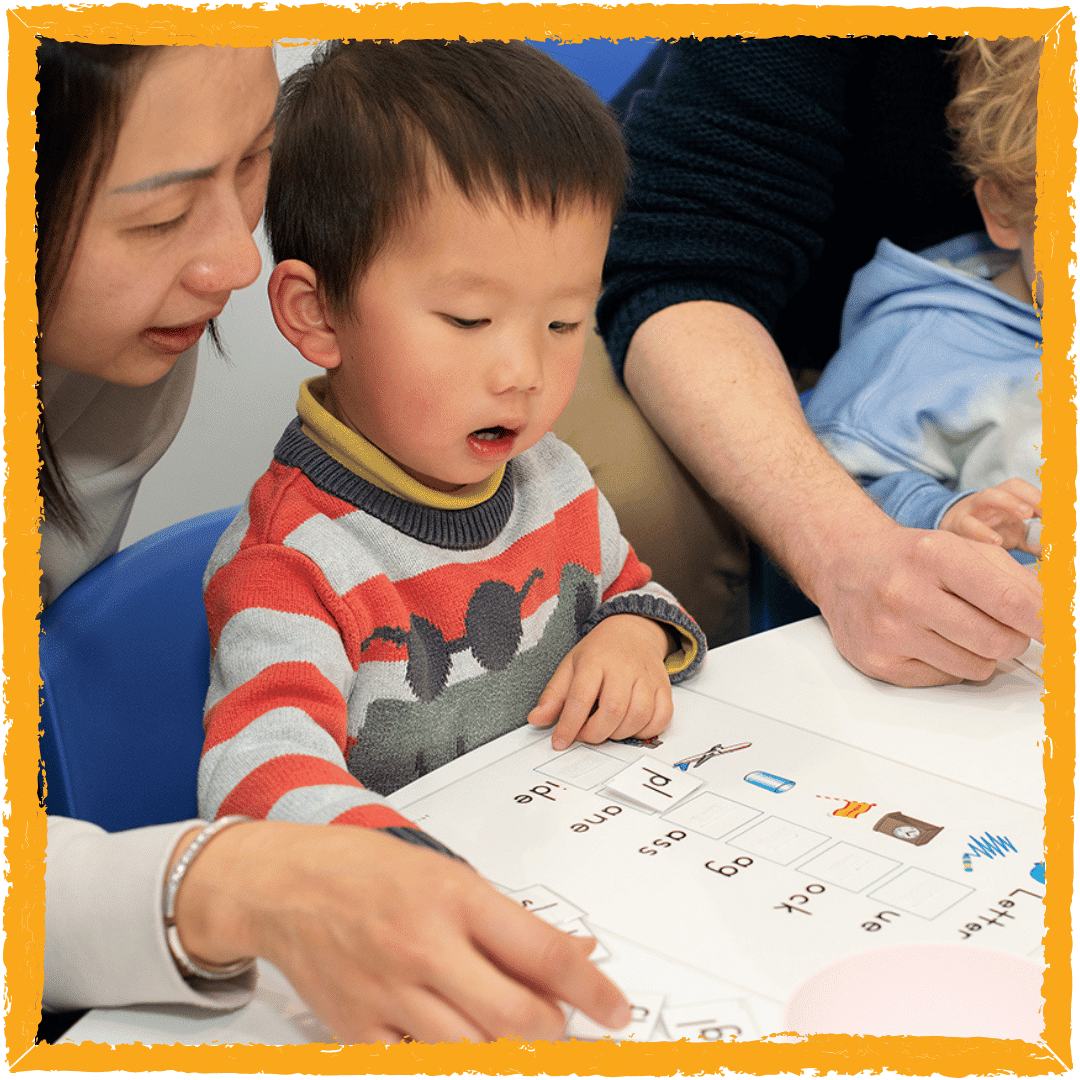
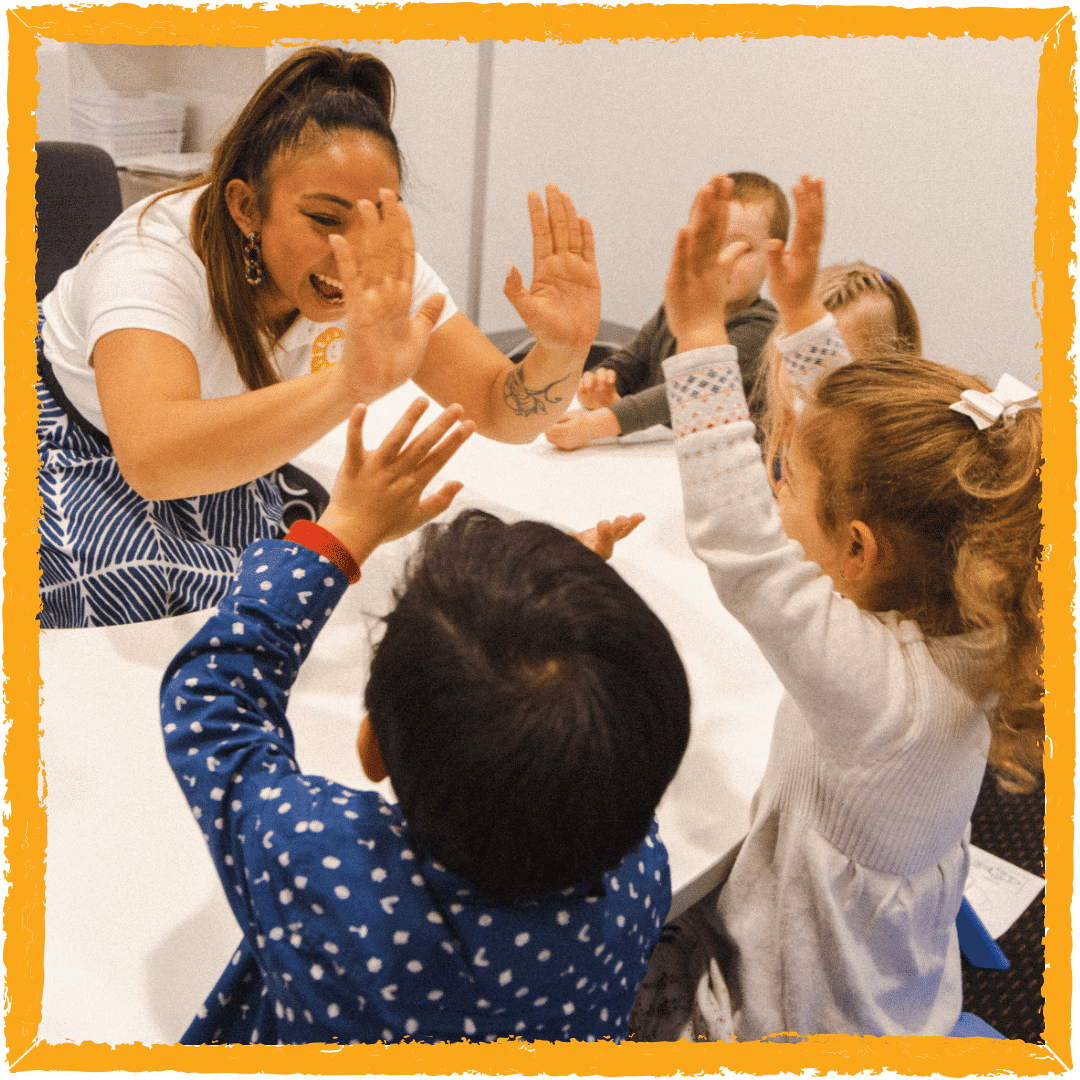
Image by Shichida Australia: Our activities for babies, toddlers and preschoolers are very focused on developing fine motor skills through hands-on games and activities!
FAQ: Fine Motor Development
Mild variations are completely normal. Give your child regular chances to practise these skills, observe their progress over time, and seek advice if concerns continue or affect everyday tasks.
Moderate, age-appropriate screen use is fine. The key is balance. Screens should sit alongside plenty of hands-on play that builds real grip strength, coordination, and finger control.
Short bursts throughout the day work best. Aim for little-and-often activities woven into your routine – such as drawing, threading, squeezing play-dough, or helping with simple household tasks.
Play-dough, blocks, threading beads, puzzles, crayons, Lego, peg boards, and simple household items all offer excellent fine motor practice.
Seek support if your child consistently avoids hand-based tasks, struggles with everyday activities like feeding or dressing, or shows several red flags across different age ranges.
Yes. Shichida Australia incorporates hands-on fine motor activities such as tracing, threading, puzzles, and early writing games – helping children build strong finger control and the correct pencil grip in a fun, parent-supported environment.