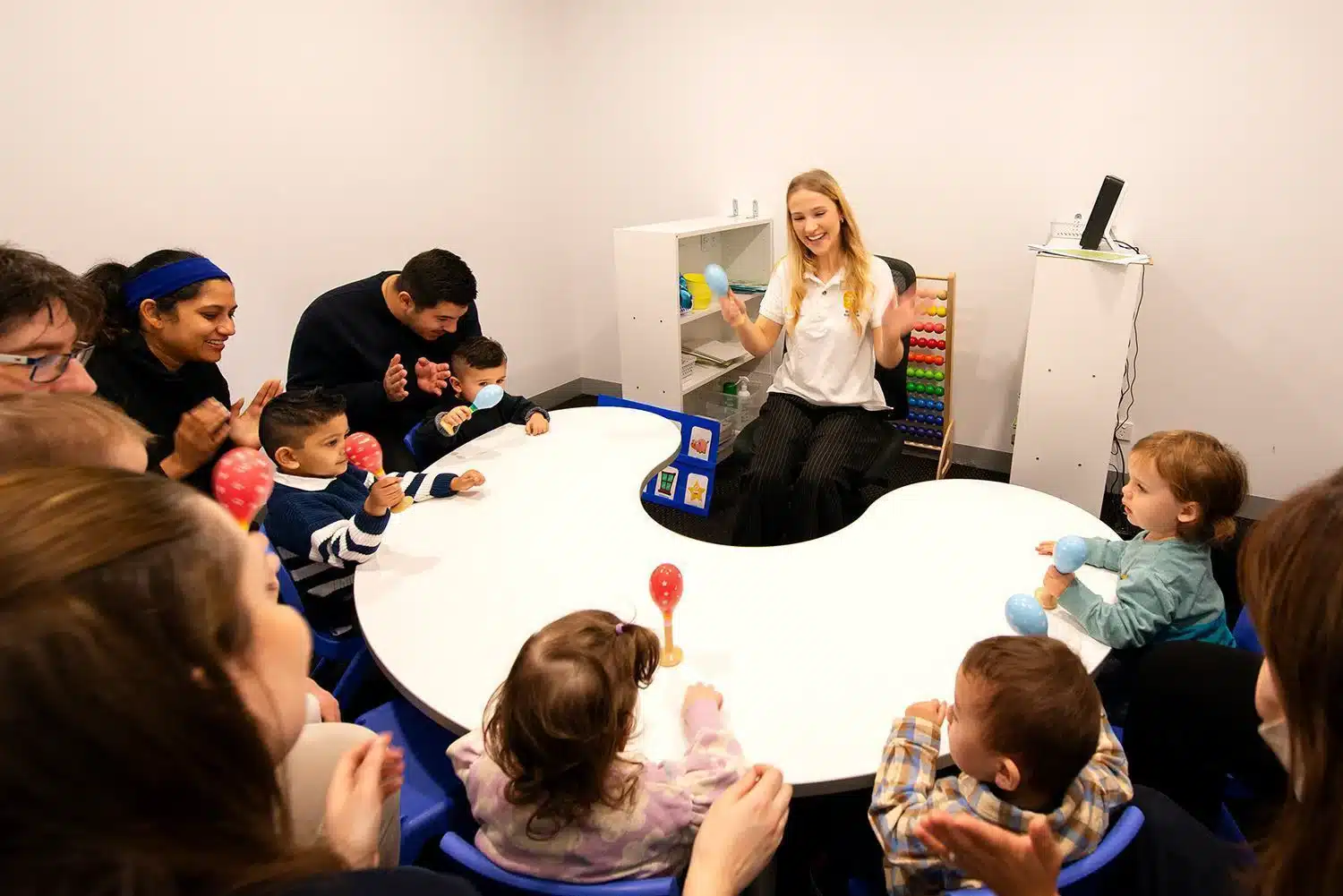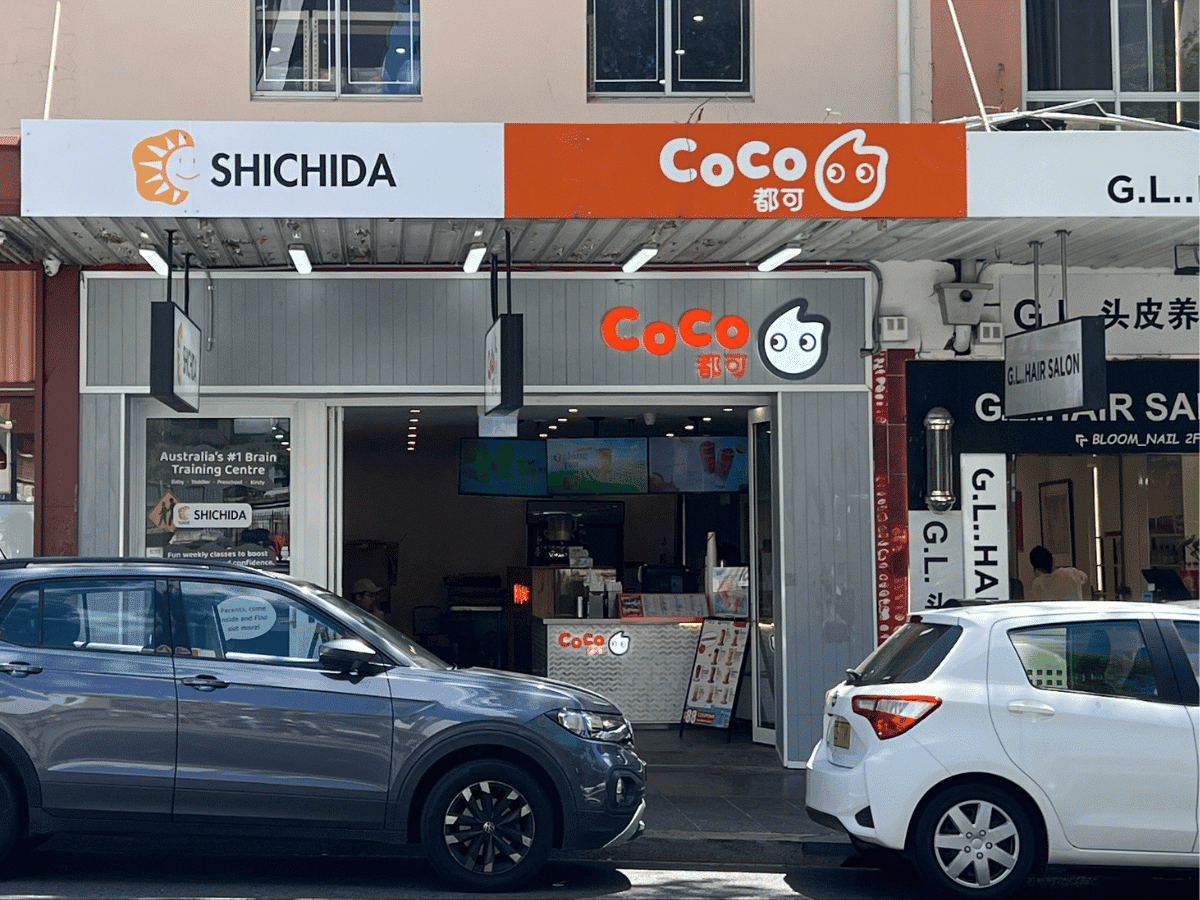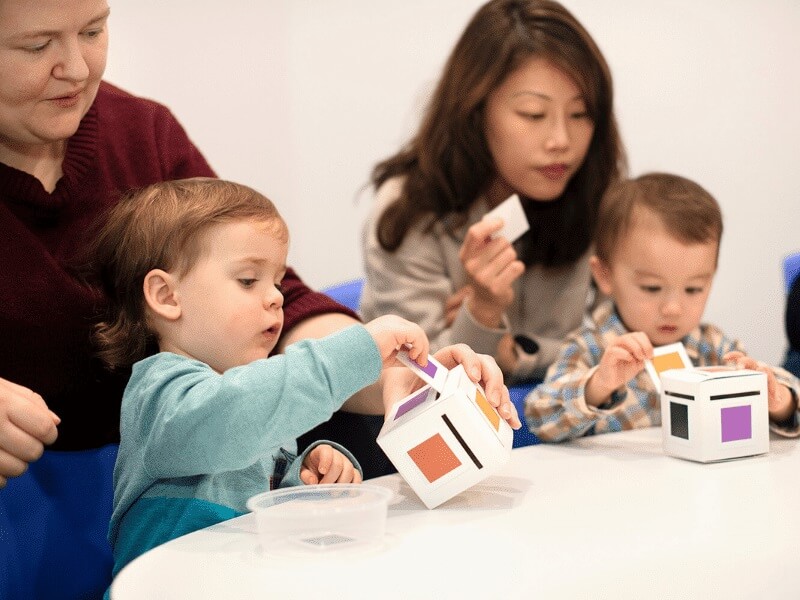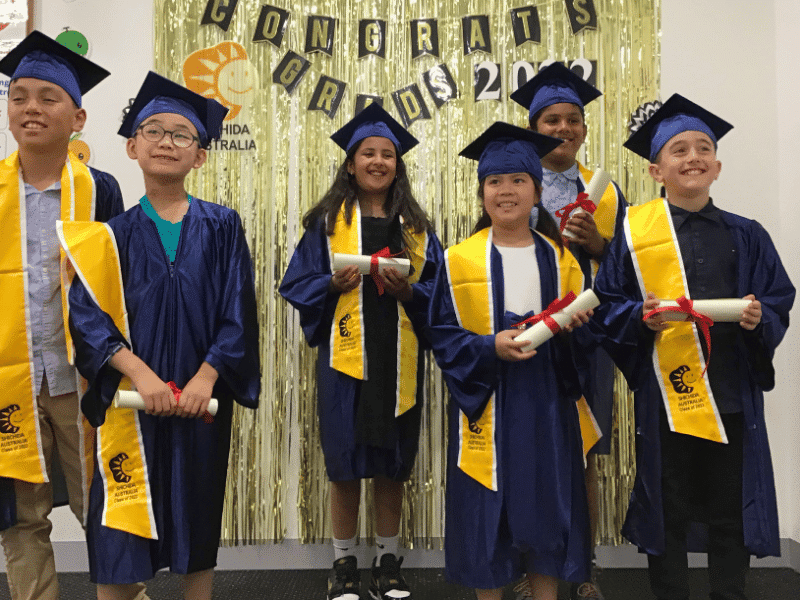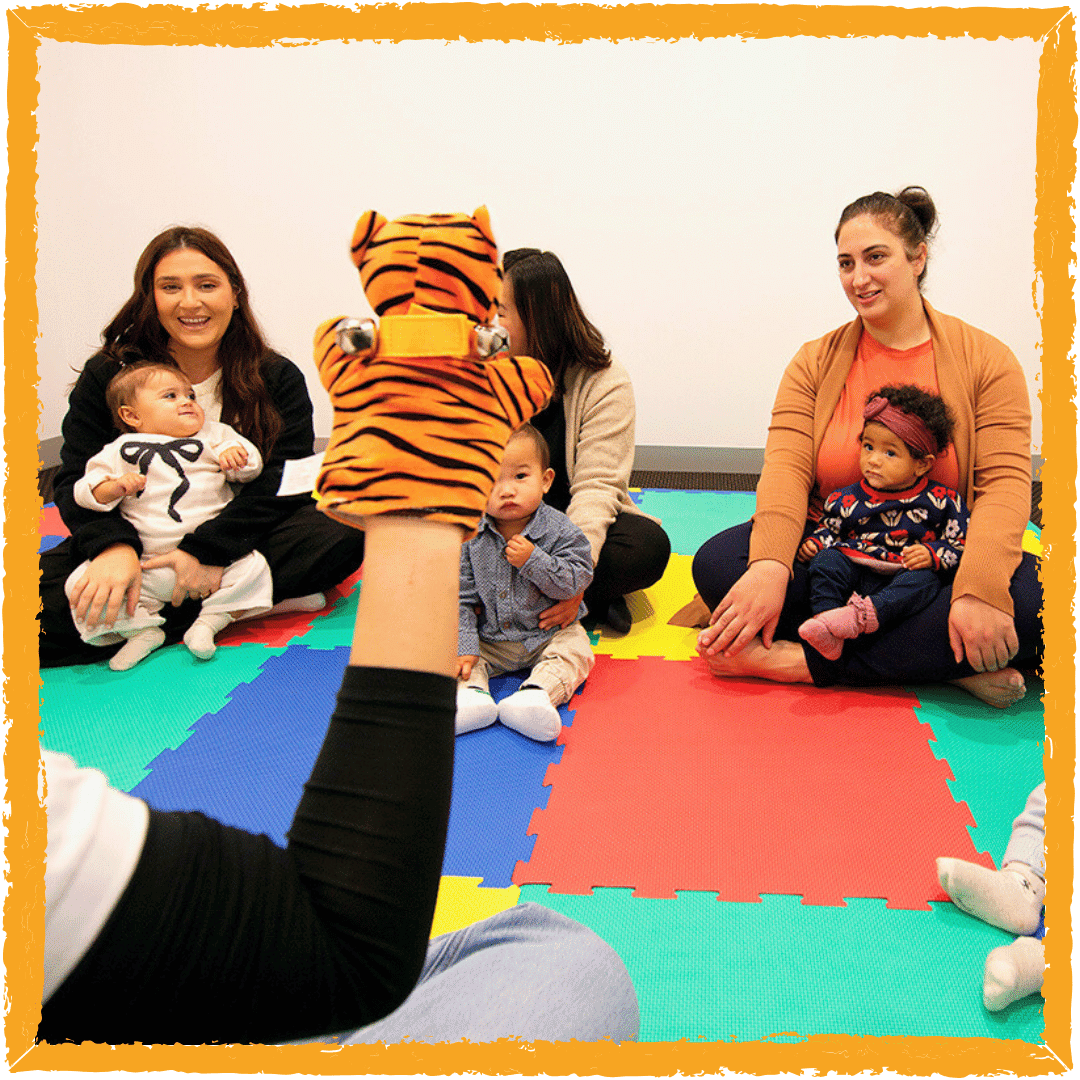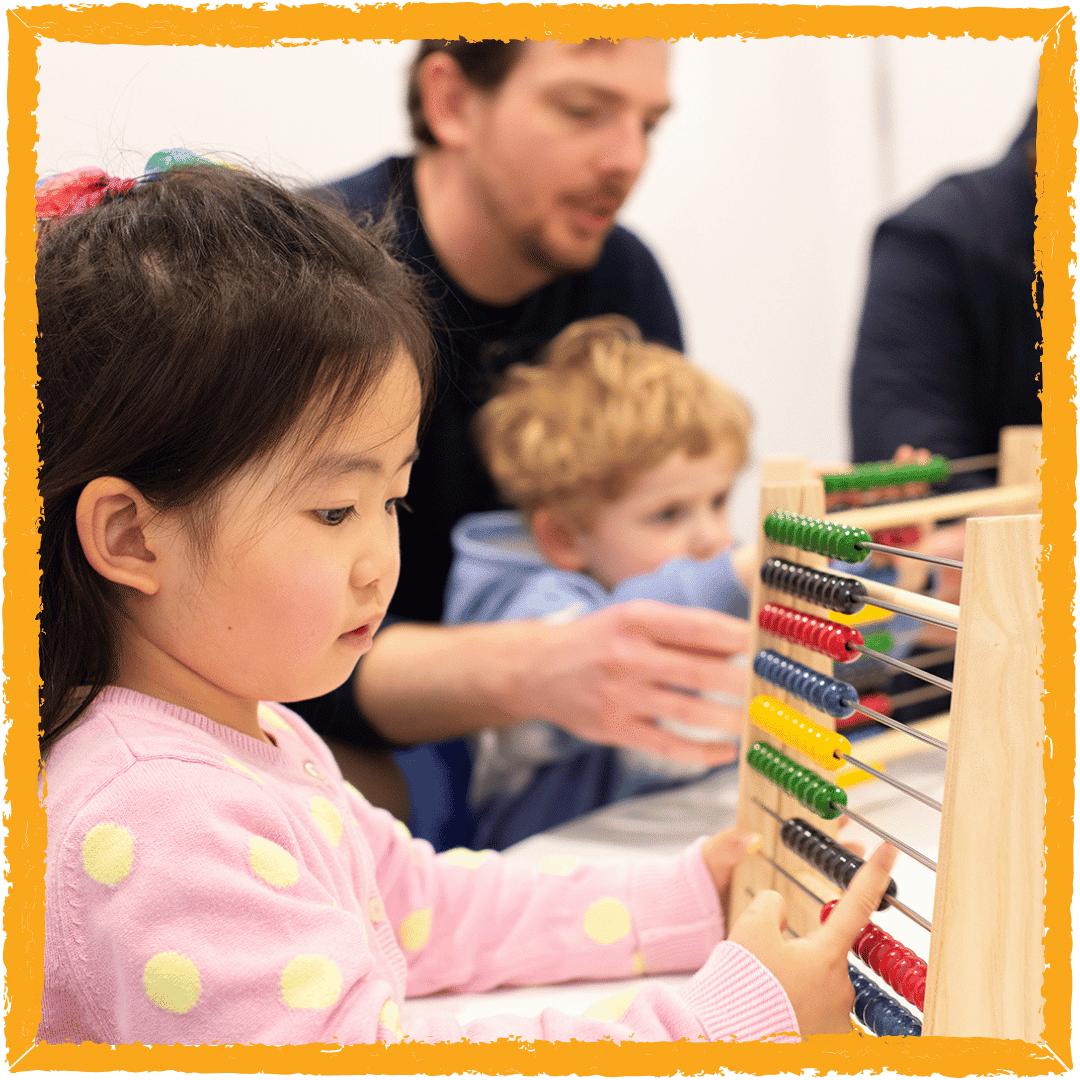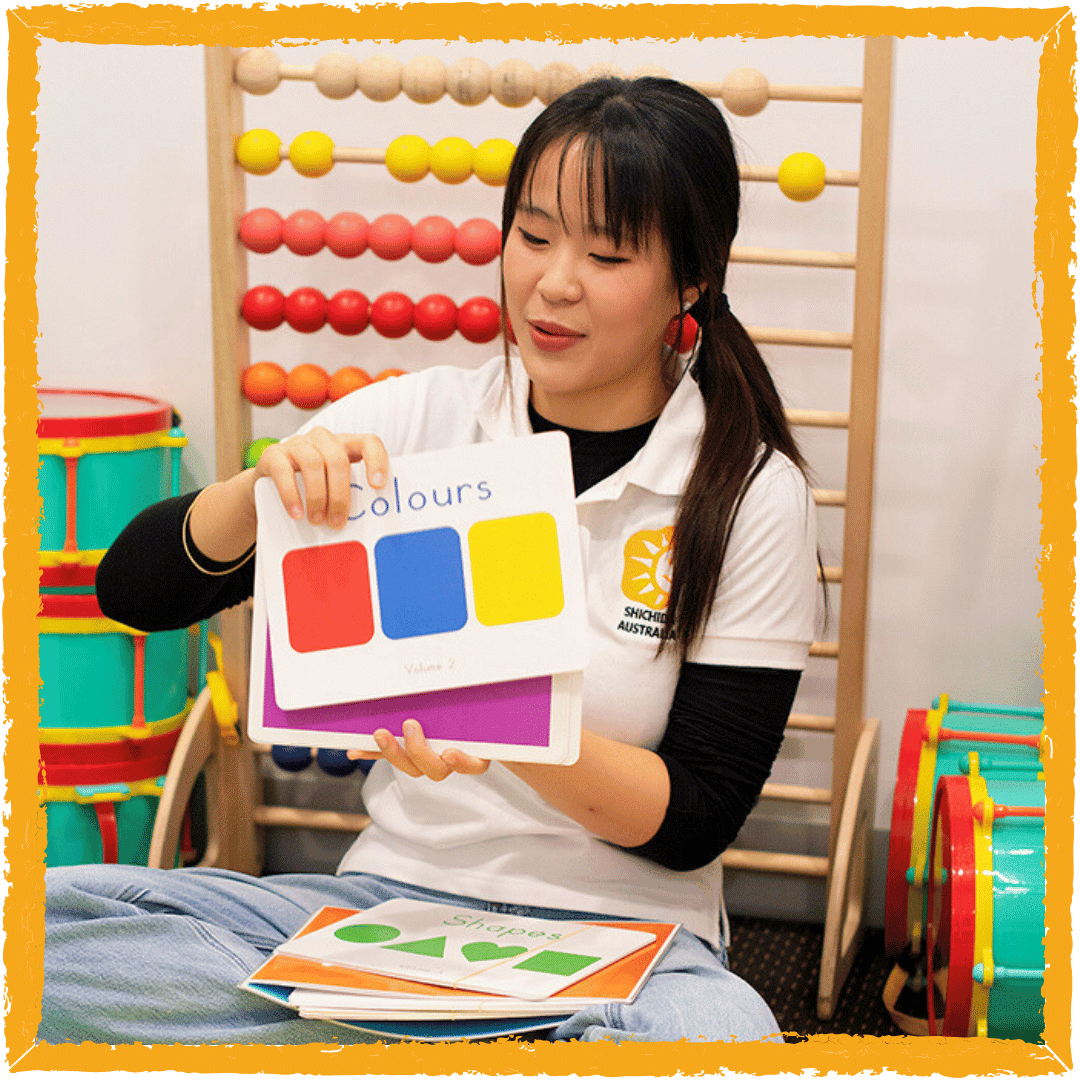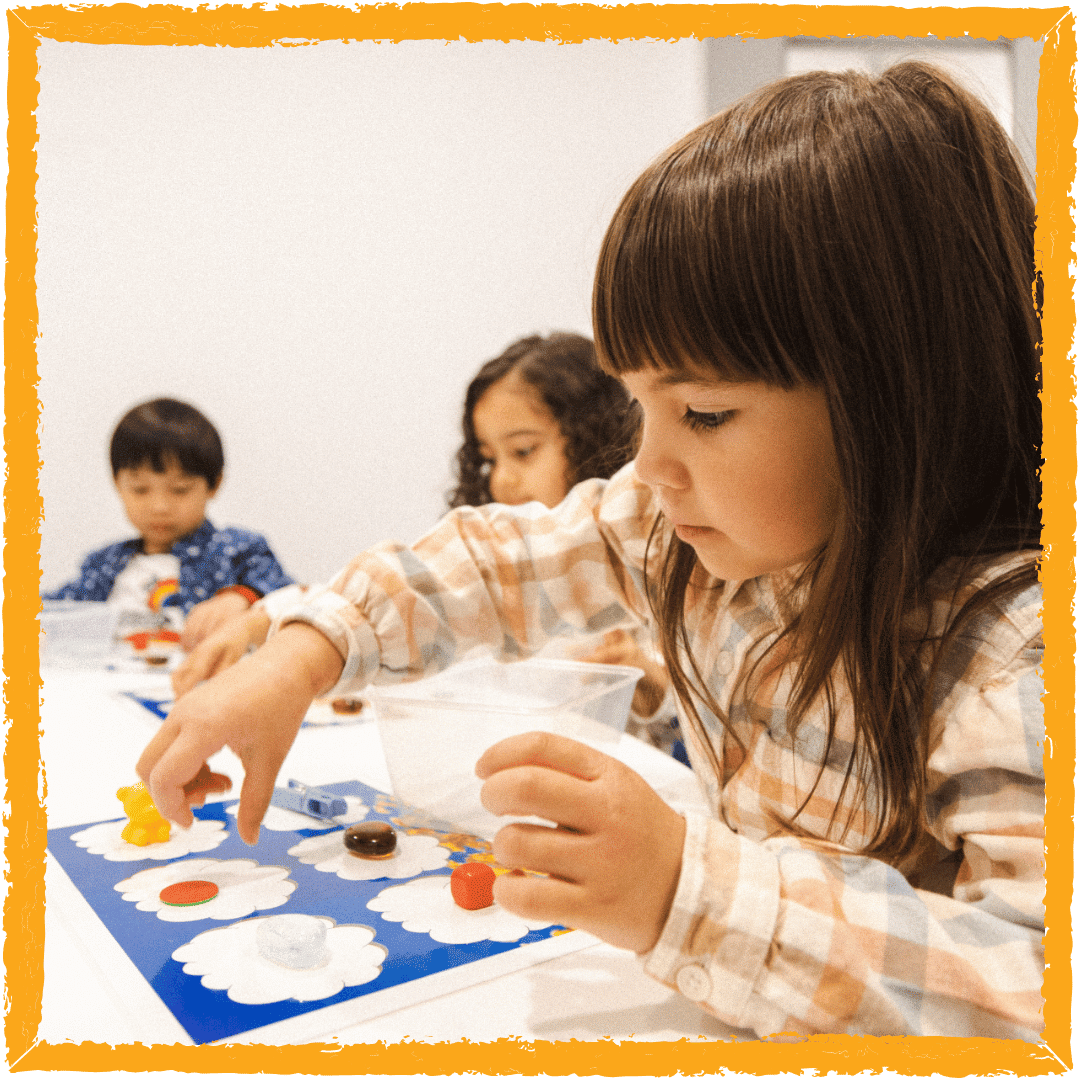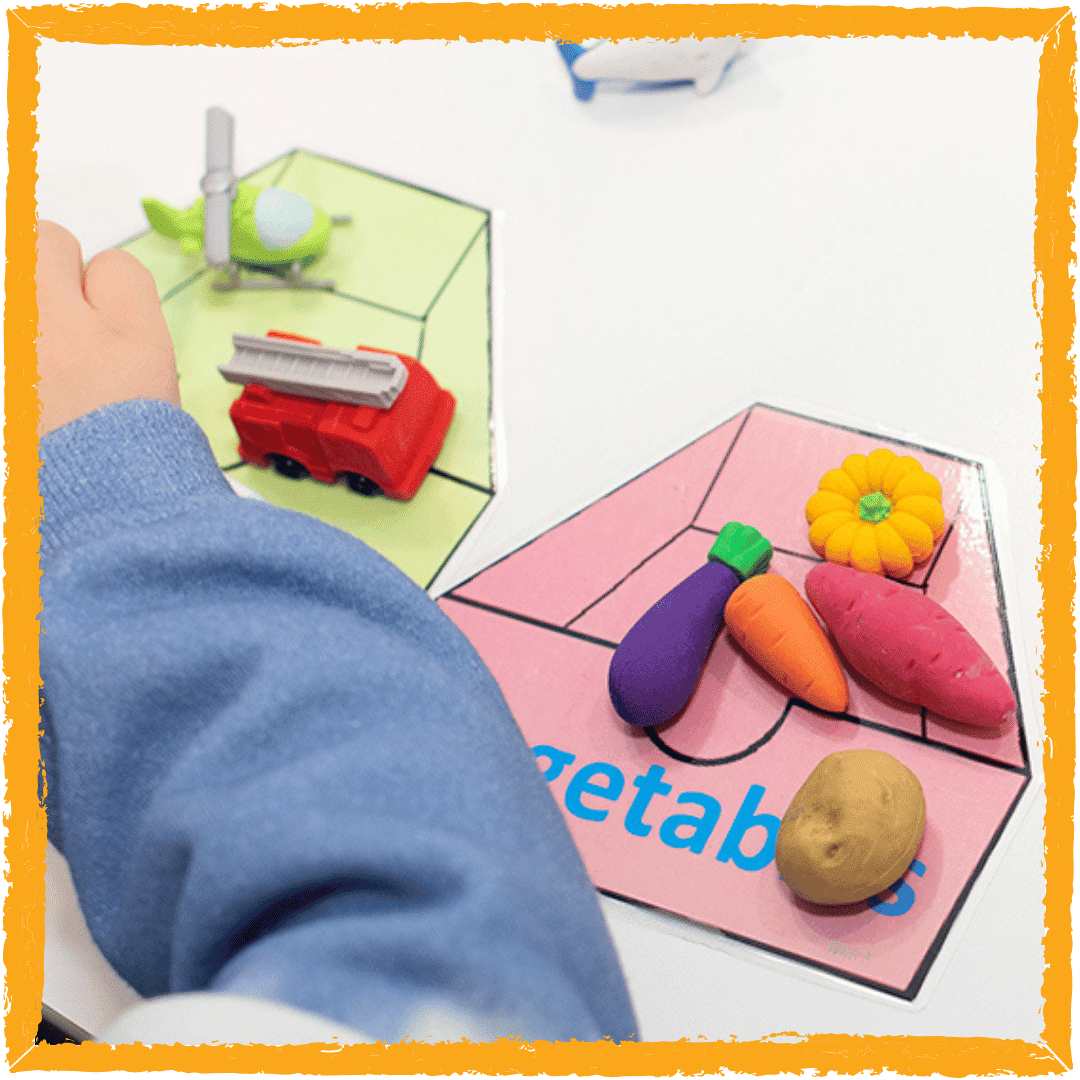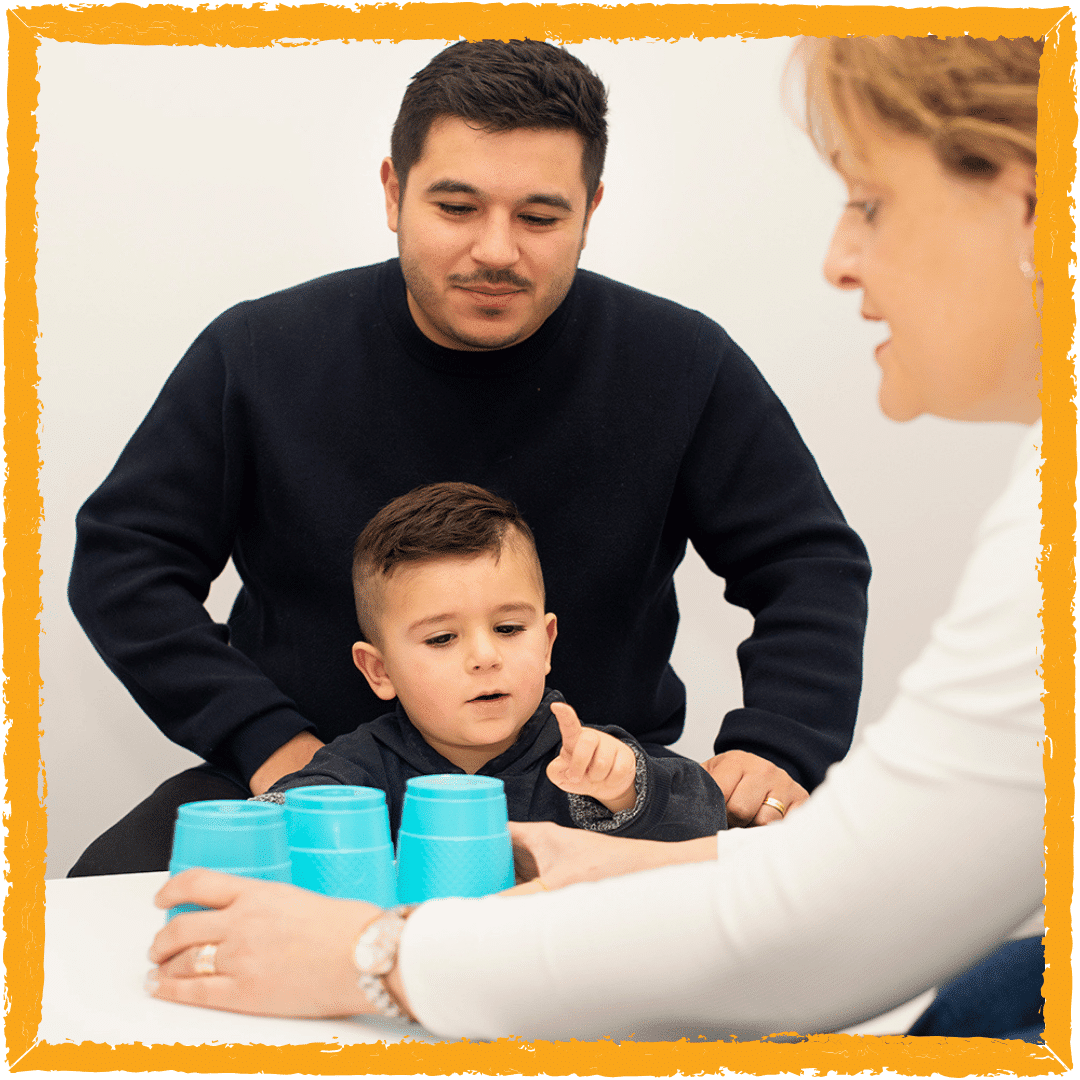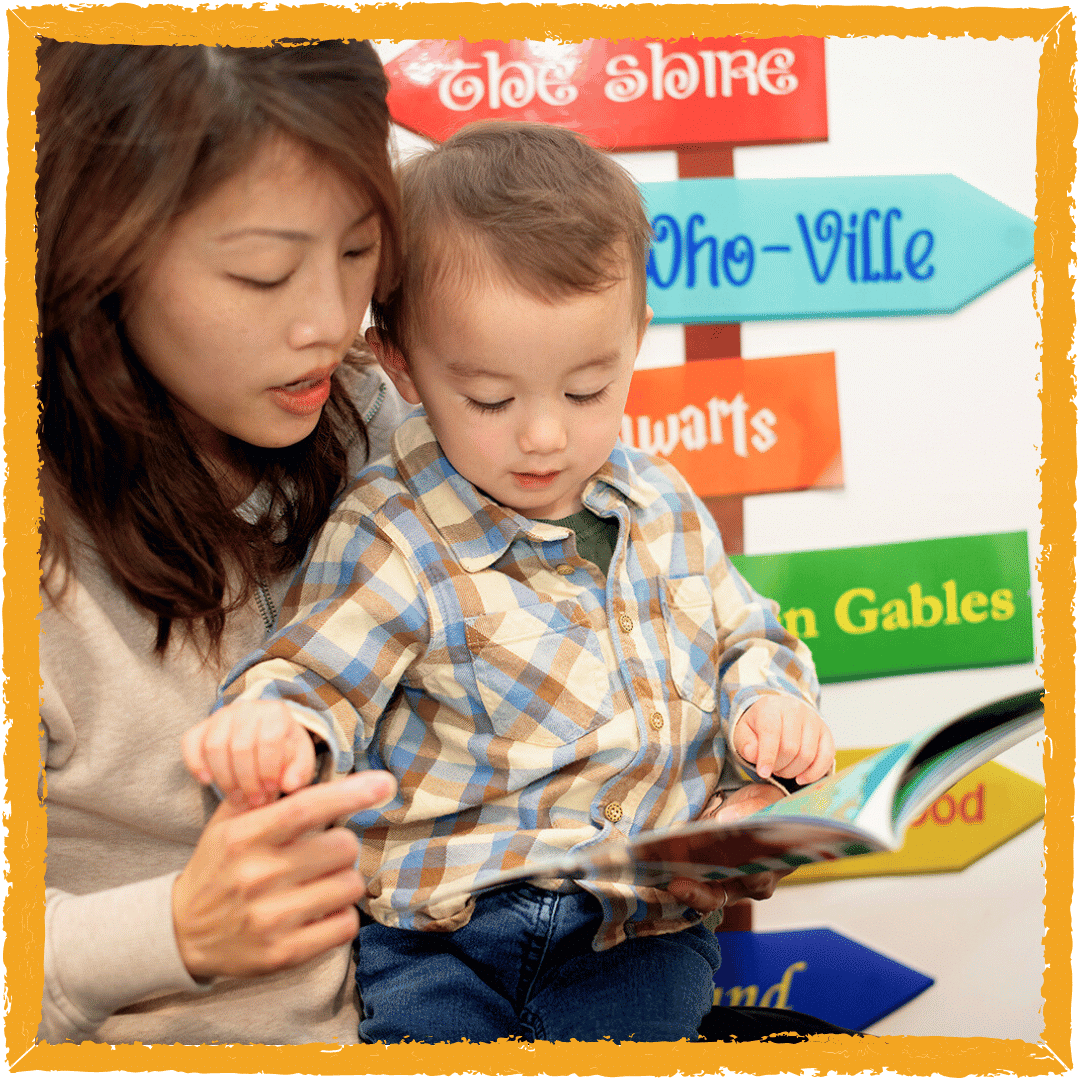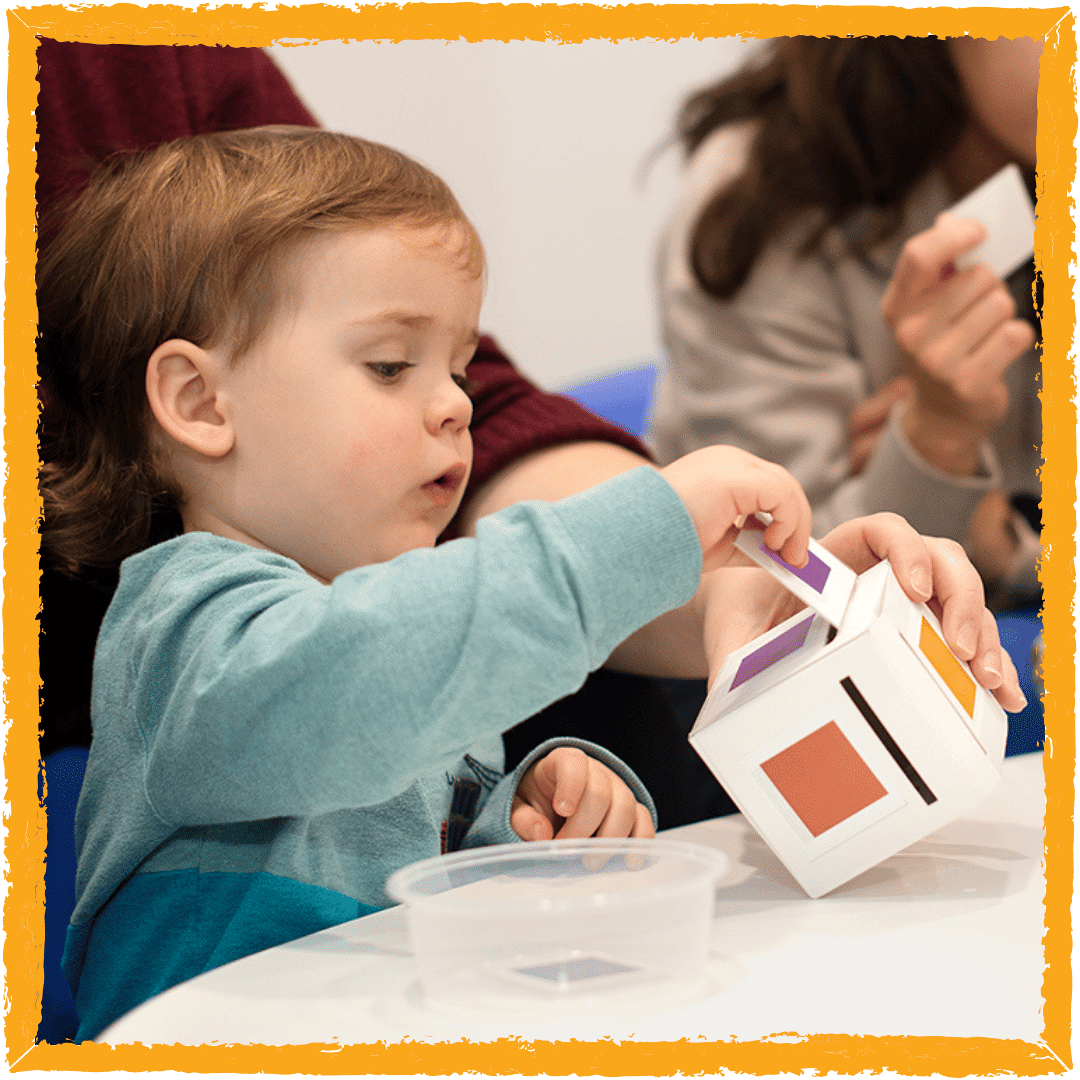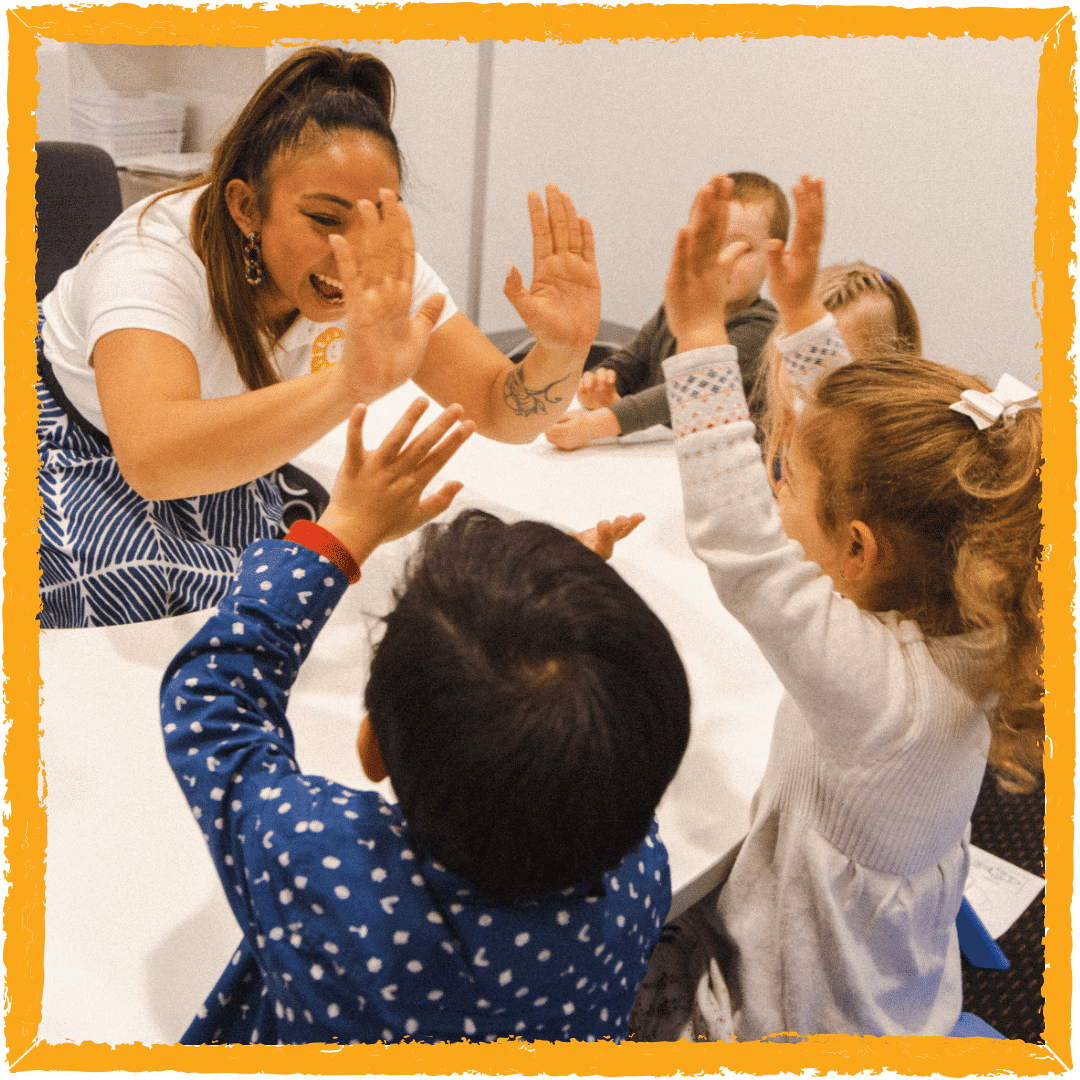
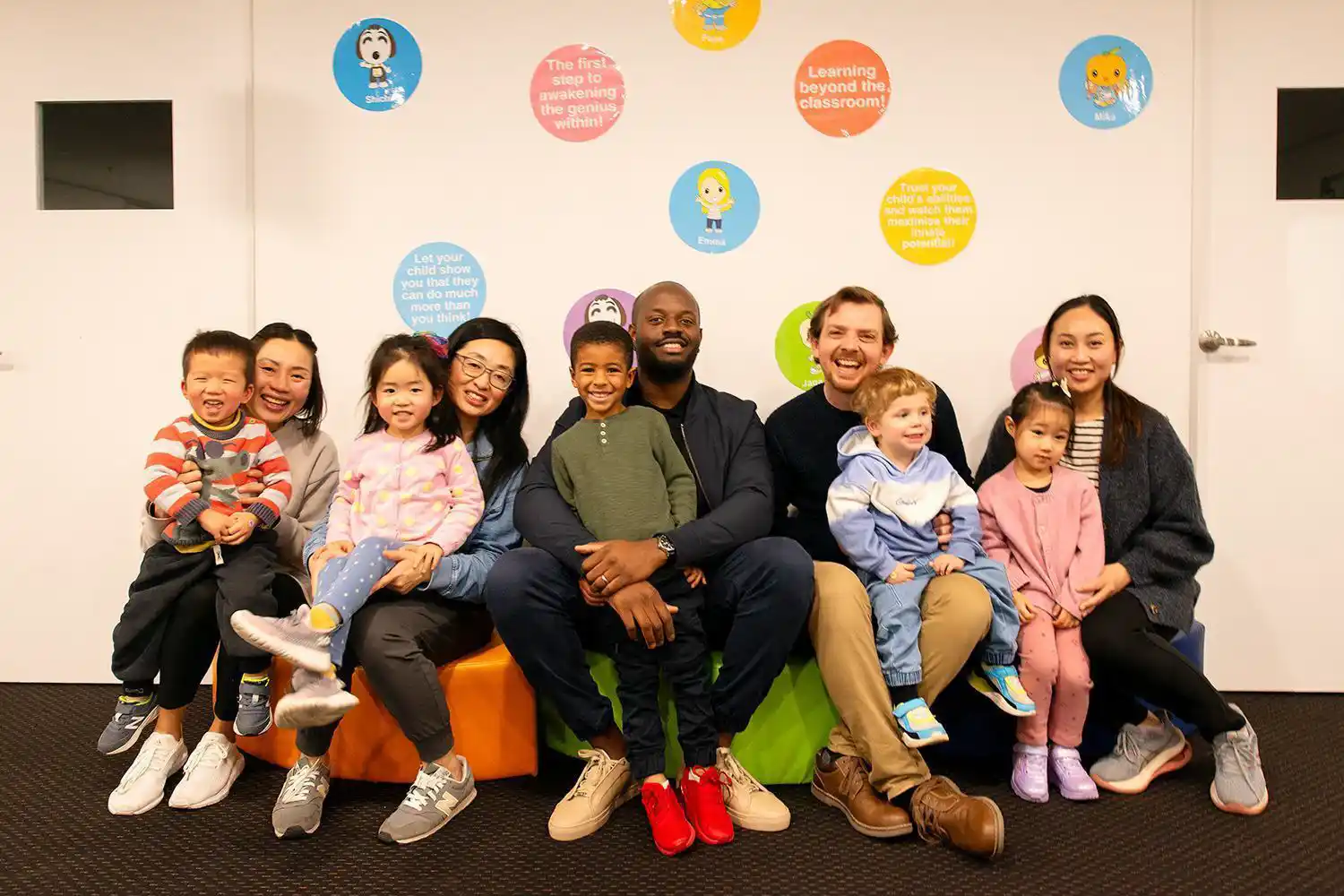
Photo from Shichida Australia: Parents and little ones ready for their Shichida session, discovering the shichida vs preschool differences firsthand.
Sydney Shichida vs Preschool: Which Is Best for Your Child?
Key Points: Shichida vs Preschool
- Shichida and preschool support different developmental needs.
- Shichida focuses on whole-brain and right-brain stimulation, early math, early reading, and memory development.
- Preschool builds independence, social skills and school readiness.
- The best choice depends on your child’s personality and your family priorities.
- Many parents combine both for a balanced early learning experience.
When you’re raising a young child in Sydney, you’re surrounded by early learning recommendations. Some parents rave about preschool, others swear by the Shichida Method, and suddenly you’re left wondering which path actually fits your child. The truth is, both offer something meaningful, just in very different ways.
You’re not only choosing a program. You’re choosing the environment your child grows in, the skills they build, and the experiences that guide how they learn. This guide breaks everything down simply, so you can understand the real differences and decide what feels right for your family.
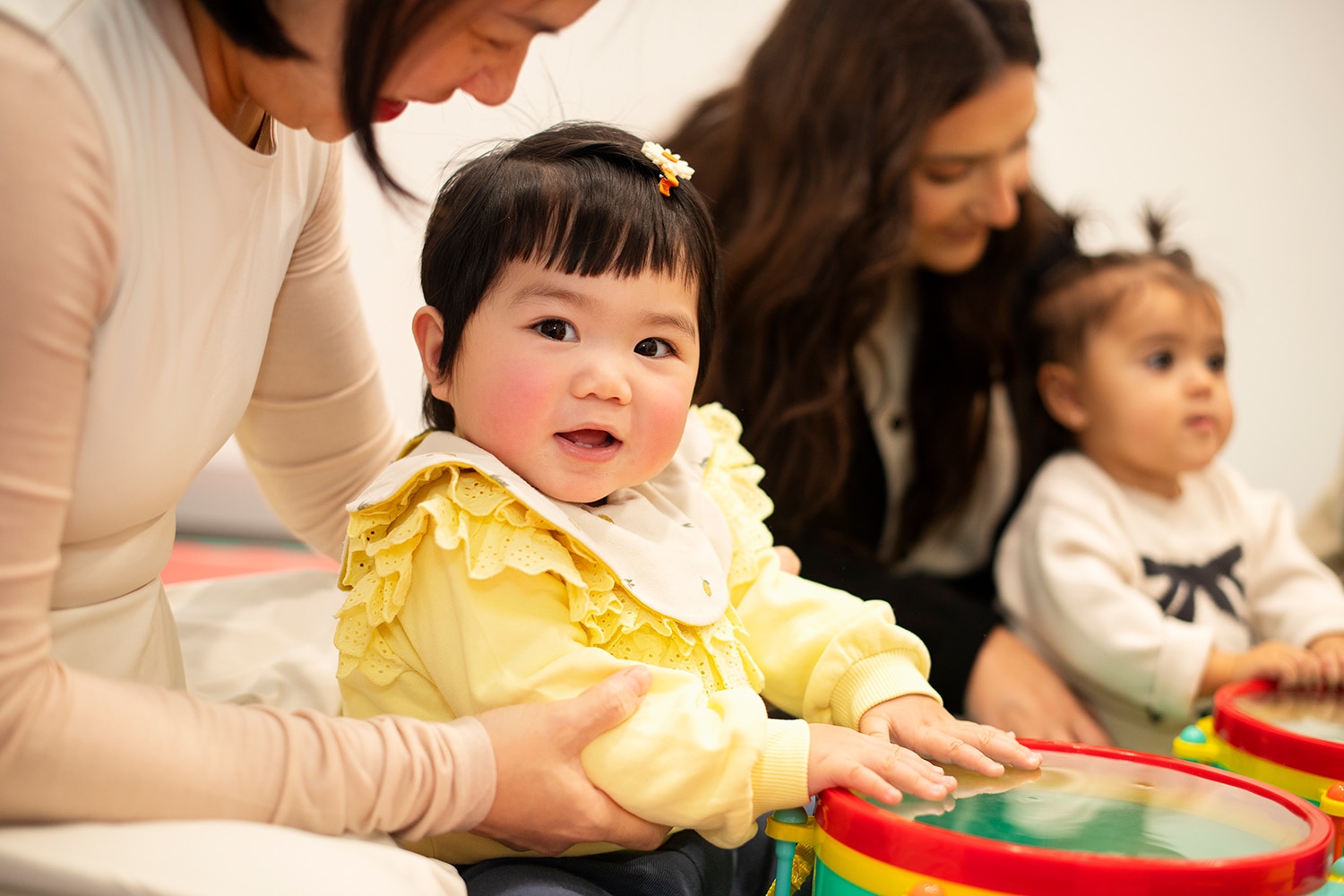
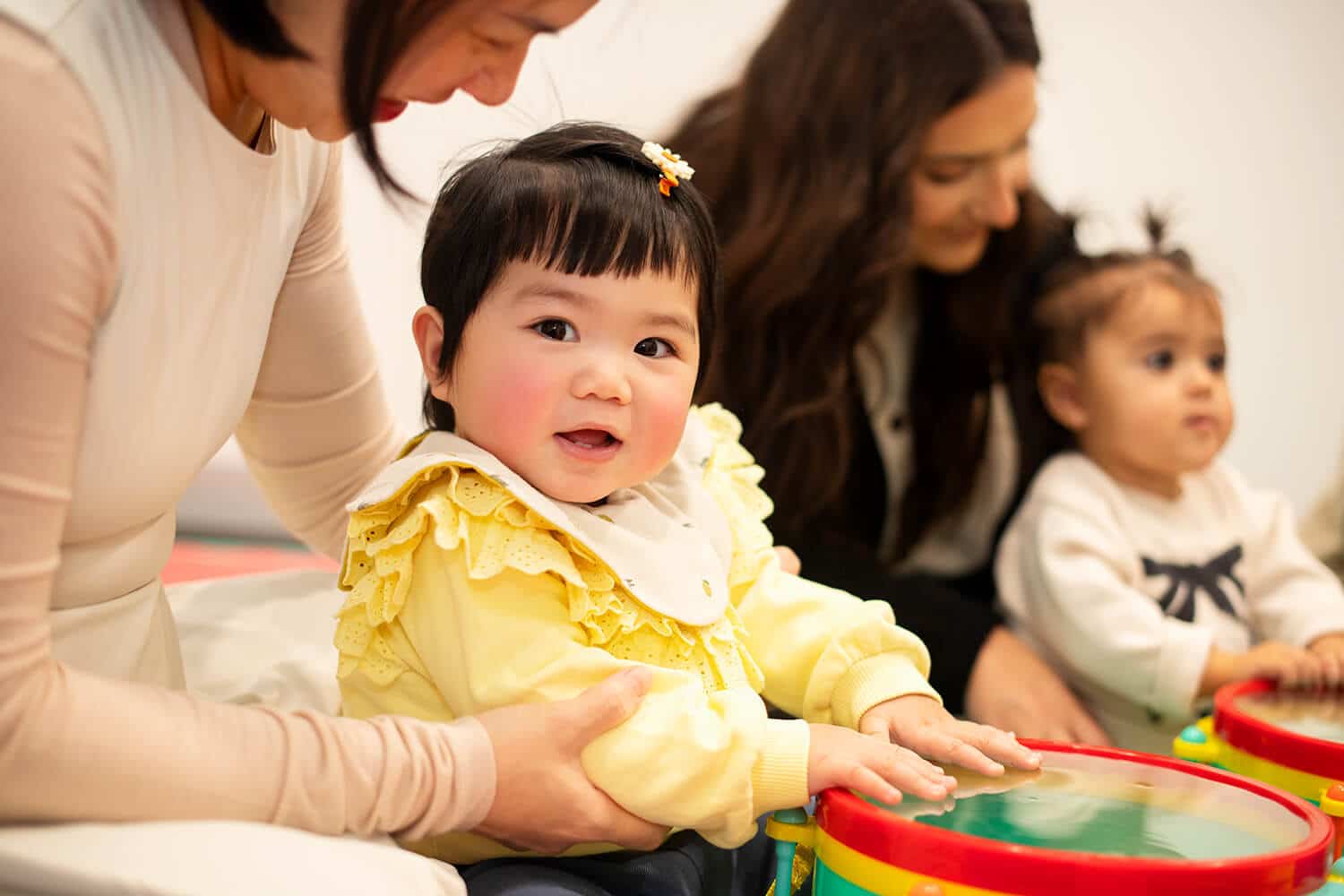
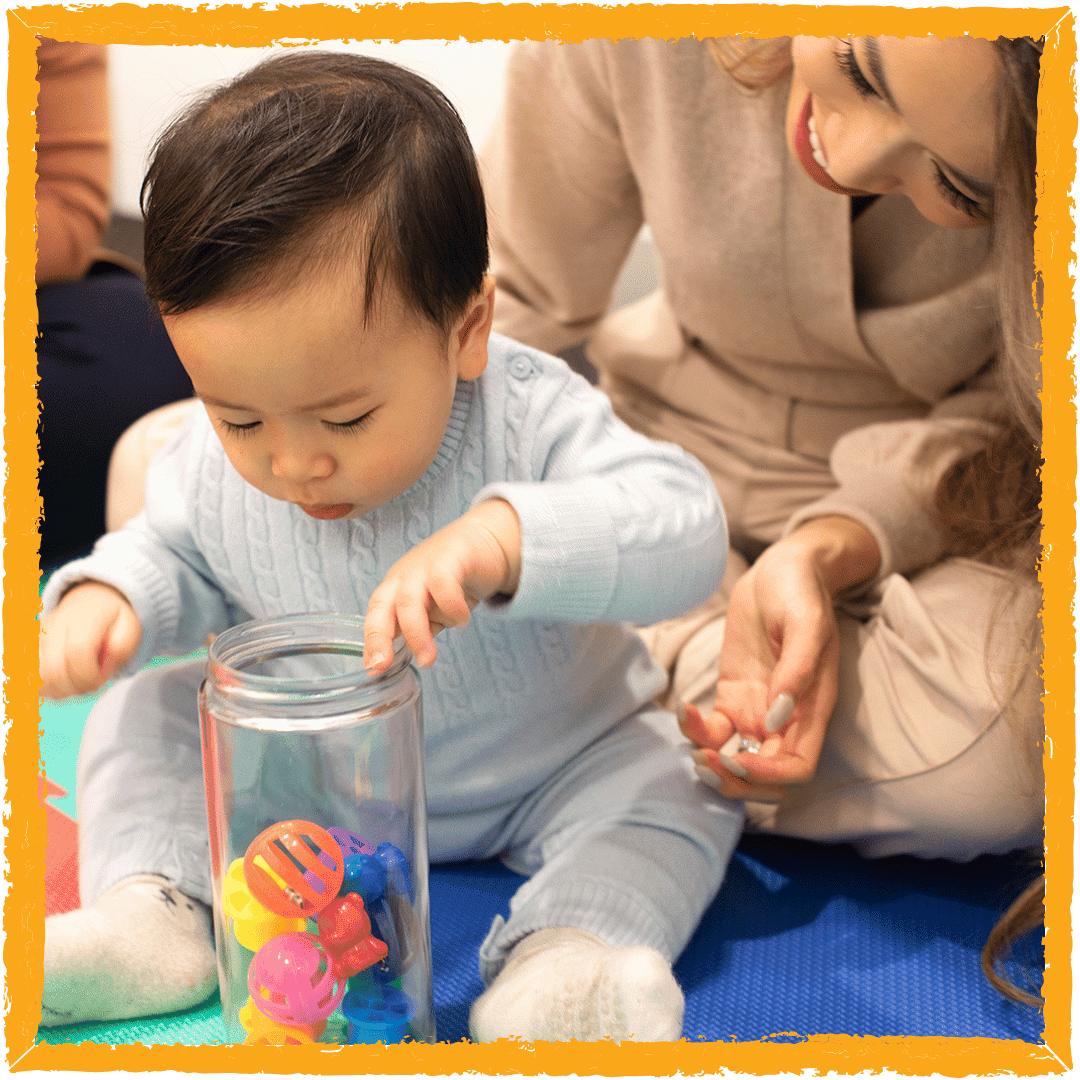
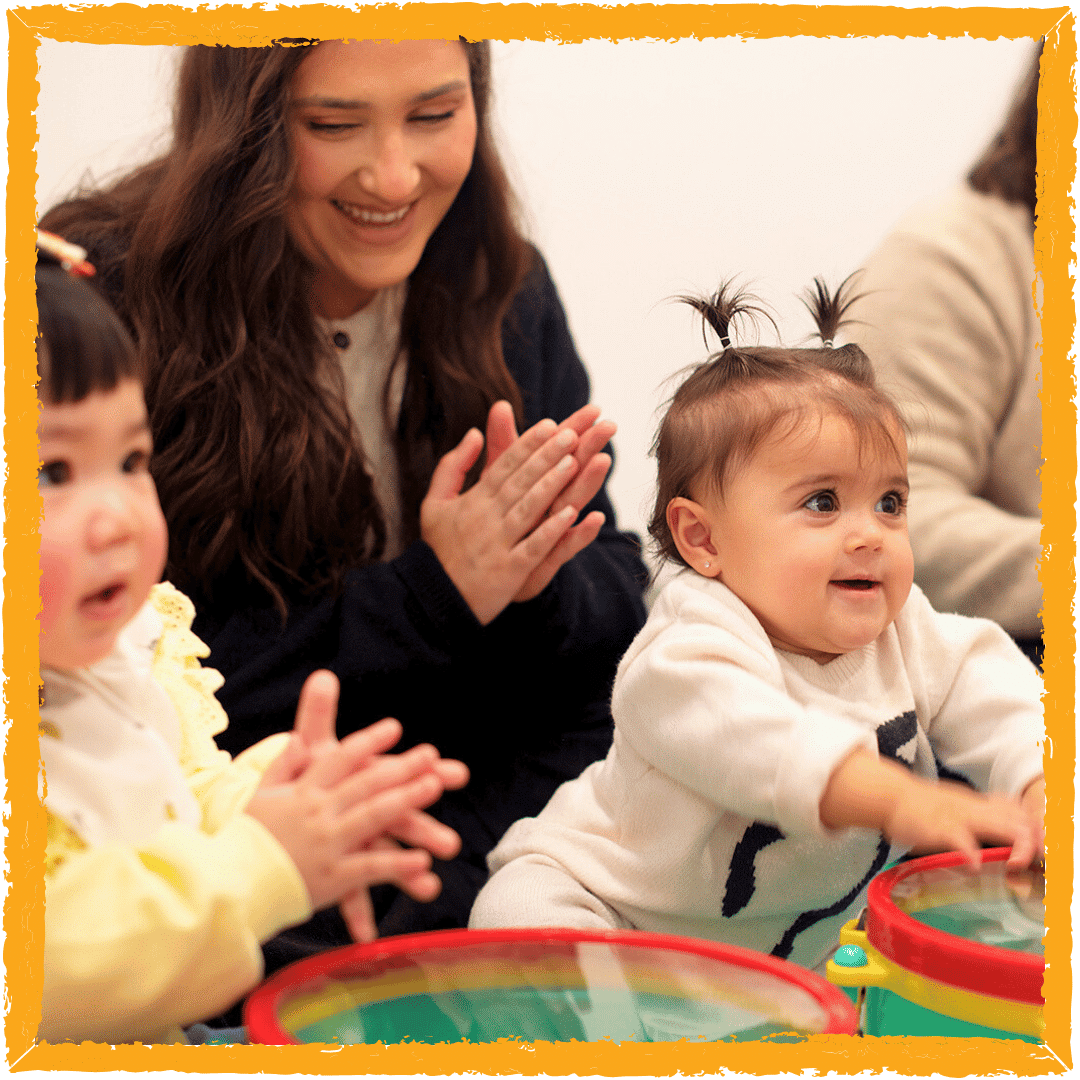
Photo from Shichida Australia: Babies enjoying music play alongside their parents during a Shichida Baby Class. This is just one of 20-25 activities taken part in during one class.
Understanding the Core Differences Between Shichida and Traditional Preschool
Before making a decision, it is important to understand what each program offers.
Shichida is a right-brain and whole-brain early learning program that blends guided sensory stimulation, memory training, visualisation, gentle emotional nurturing and parent involvement. Sessions are short and structured, with activities designed to activate neural pathways during the early years.
Preschool in Sydney refers to early childhood education for children aged 3 to 5. It is delivered by qualified early childhood teachers and focuses on socialisation, communication, emotional development, routines and school readiness. It follows a play-based framework, though some settings include light academic elements.
These two pathways serve different developmental needs. Many families find that combining them is the most balanced approach.
Quick Comparison Table: Shichida vs Preschool
| Category | Shichida | Traditional Preschool |
| Philosophy | Whole-brain and right-brain education | Play-based learning and social development |
| Structure | Weekly 50-min classes | Half-day or full-day programs |
| Parent Involvement | High, parents attend class | Low, parents drop-off |
| Cost | Tuition per term | Fees vary by centre, hours and government support |
| Learning Outcomes | Memory, focus, sensory processing, early math and reading | Socialisation, independence, school readiness |
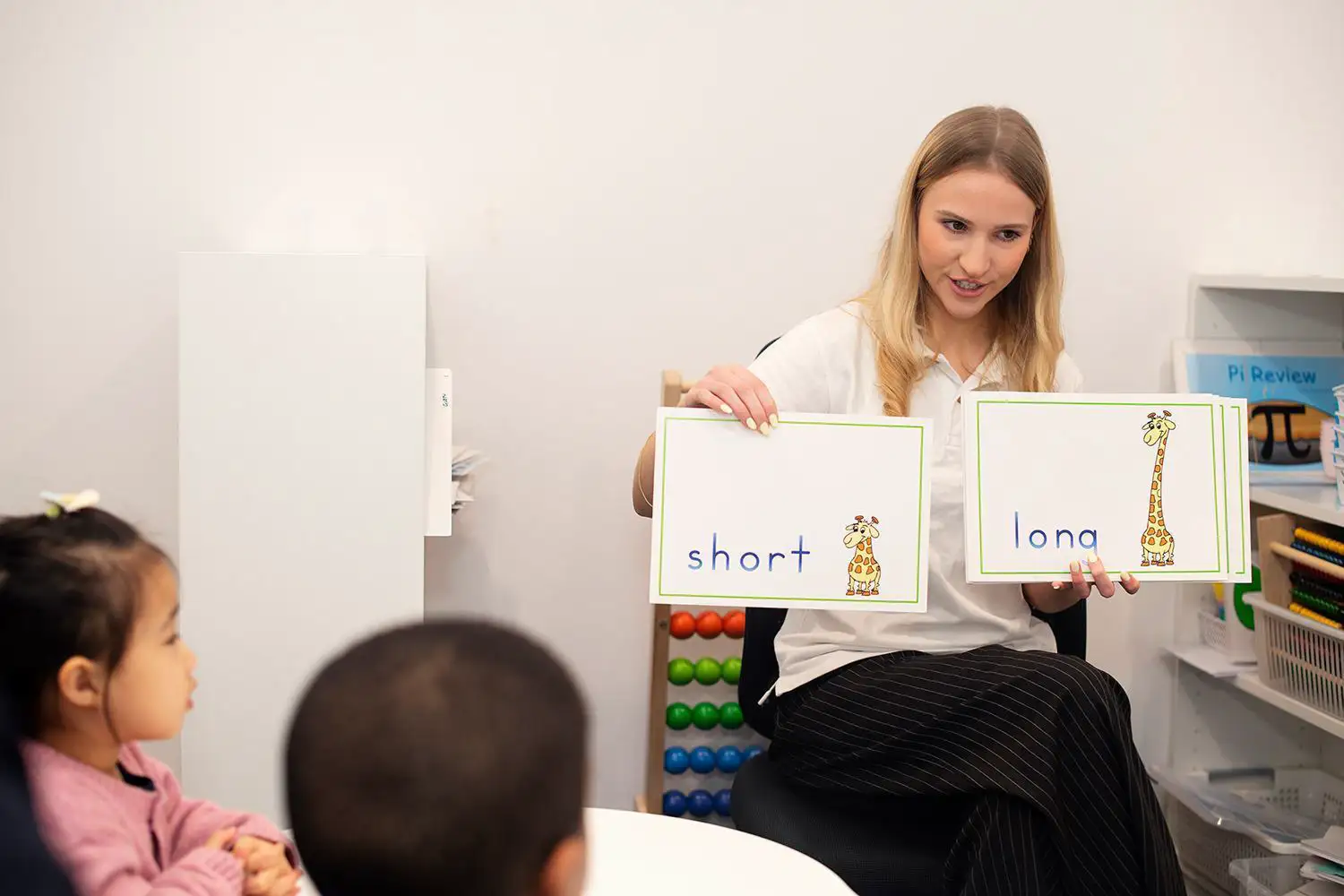
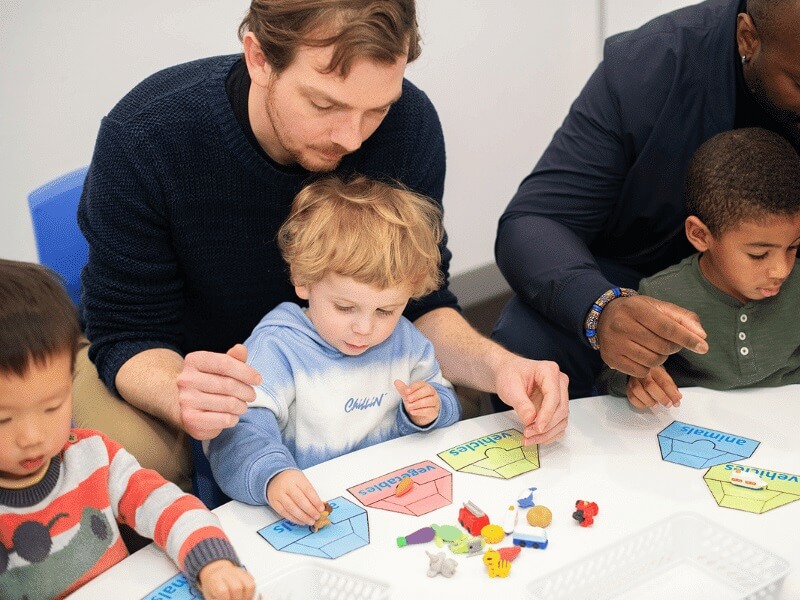
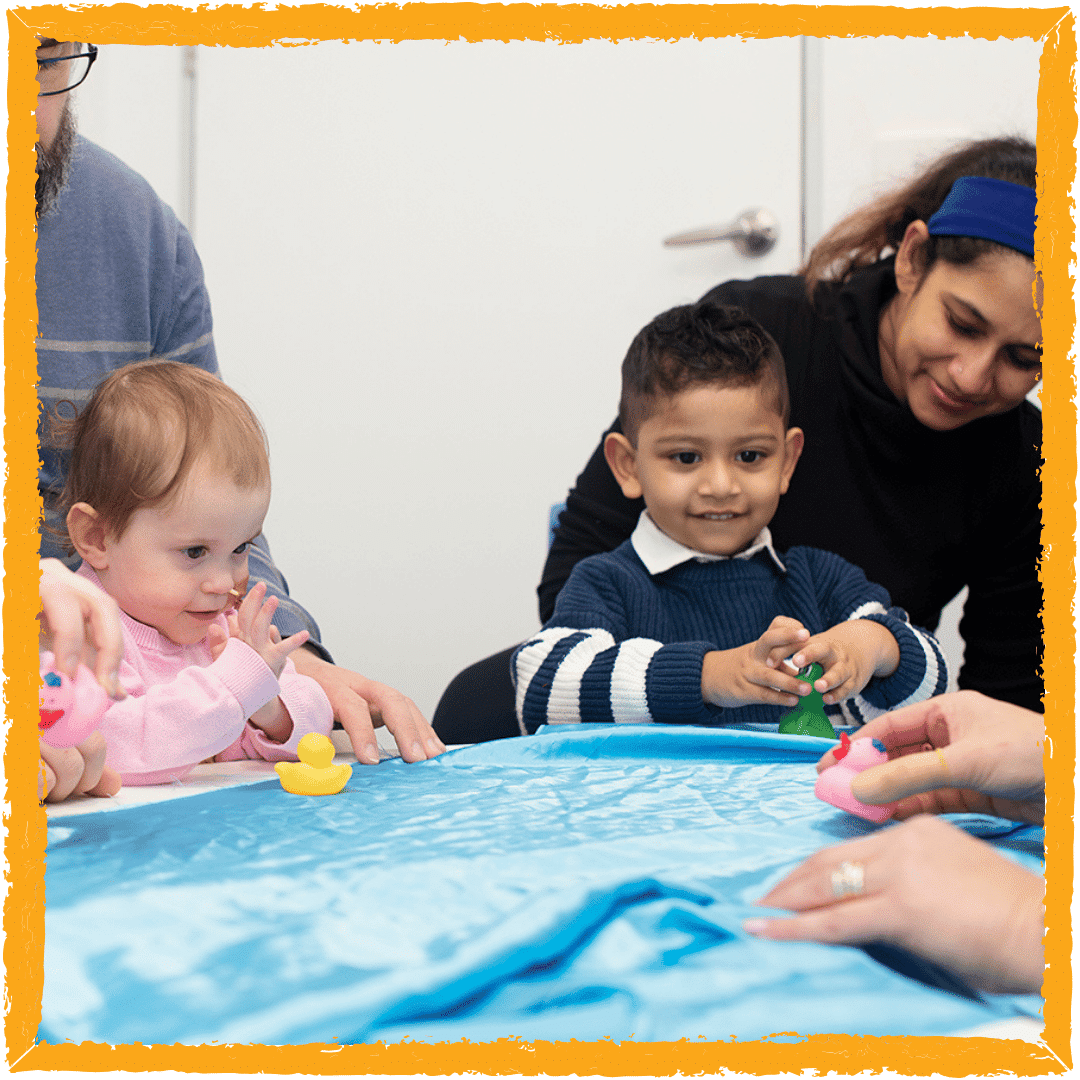
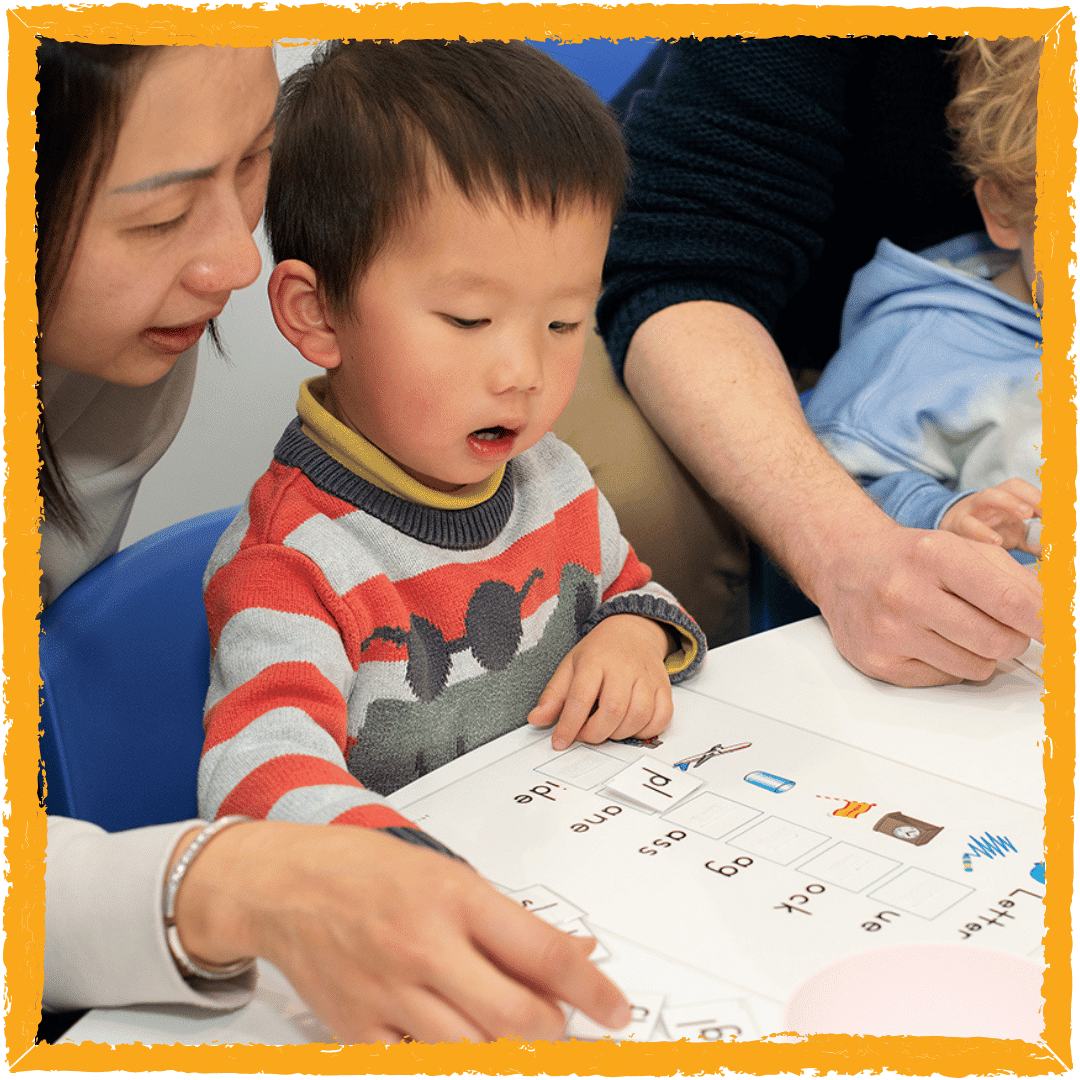
Photo from Shichida Australia: Preschool-aged kids learning about antonyms during a Shichida Preschool Class.
What Is the Shichida Method?
The Shichida Method began in Japan and is now recognised internationally as a leading structured whole-brain learning program. It aims to strengthen right-brain capabilities such as memory, visualisation and fast information processing. Classes include high-speed flashcards, sensory play, gentle bonding moments and hands-on cognitive activities. Everything is done in a nurturing, emotionally supportive environment.
What Is a Traditional Preschool?
A preschool in Sydney is an early learning setting that follows a play-based approach. Children experience a mix of teacher-guided activities and free exploration. The focus is on building independence, communication skills, social confidence and readiness for school. Preschool classrooms are predictable, routine-driven and rich in hands-on play materials.
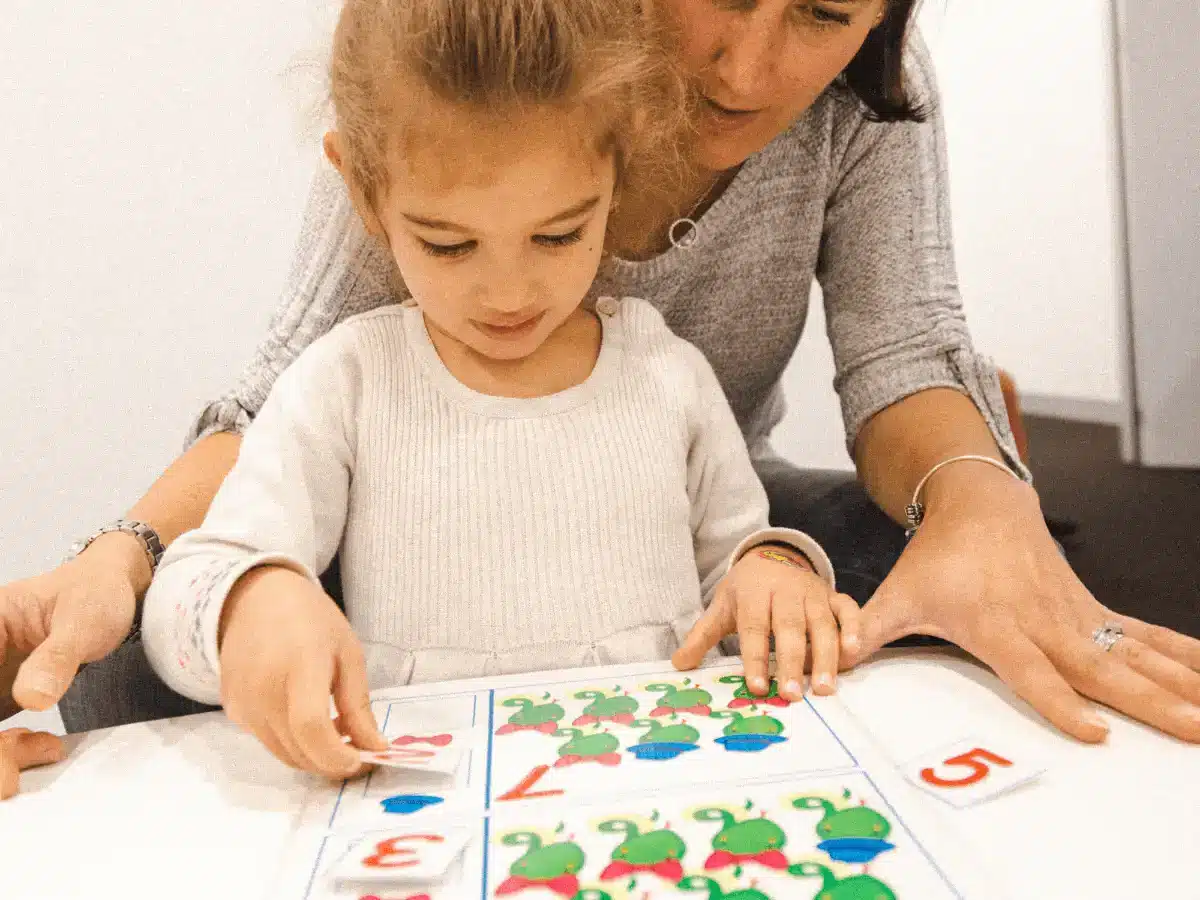
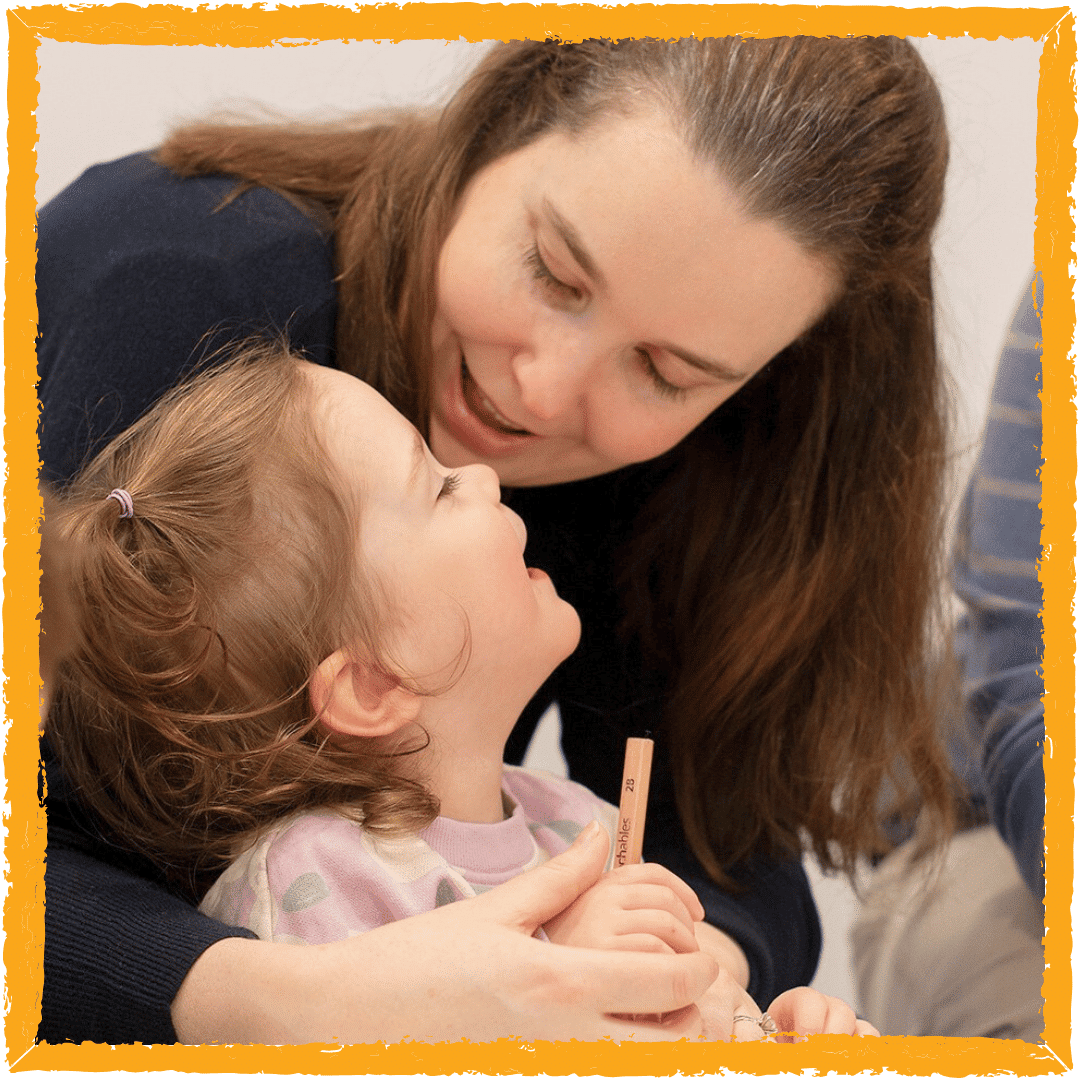
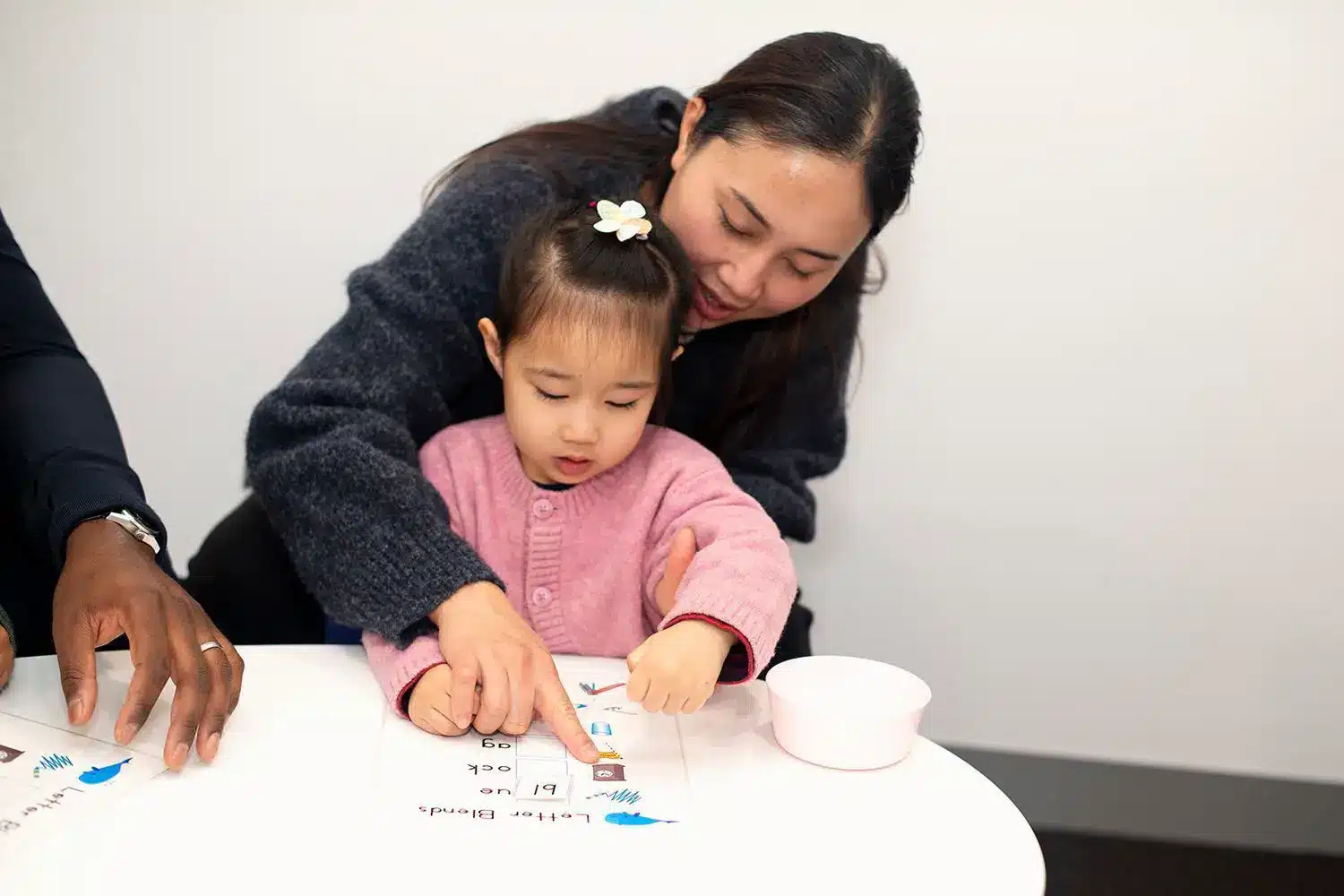
Photo from Shichida Australia: A mum and her preschool daughter playing a number game together during a Shichida Preschool Class.
Teaching Philosophy and Approach
At their core, Shichida and preschool have different educational curriculums – although both have the same purpose of getting kids school-ready.
Shichida aims to strengthen neural connections through short, carefully sequenced activities. Parents attend classes because the program also values emotional bonding. Lessons are structured, fast-paced and guided by instructors who specialise in early cognitive stimulation.
Preschool uses play to help young children understand the world. Teachers design environments that encourage curiosity and socialisation. Children learn to follow routines, manage emotions and build friendships.
Parents often choose Shichida when they want early cognitive stimulation combined with strong parent-child bonding. Preschool is ideal when families want social, emotional and school-readiness benefits. Many families choose to attend both.
Whole-Brain Learning and Right-Brain Development (Shichida)
- Sensory integration: Your child is guided through activities that activate sight, sound, touch and movement, helping the brain process information more efficiently.
- Speed-learning and speed-memory activities: Short, fast-paced exercises strengthen your child’s ability to absorb and recall information quickly, which supports early cognitive development.
- Visualisation practice: Your child is encouraged to create mental images that improve imagination, focus and early problem-solving skills.
- High-speed right-brain flashcards: Rapid flashcards expose your child to patterns, words and images that stimulate the right brain and boost memory pathways.
- Active parent participation: You stay in the room and take part in activities, giving your child emotional security while reinforcing learning.
- Gentle emotional connection and bonding: Calm, nurturing moments strengthen your child’s sense of safety and confidence, supporting healthy emotional growth.
Play-Based and Social Learning Foundations (Preschool)
- Daily peer interaction: Your child spends the day building friendships, learning to cooperate and practising communication with other children.
- Language-rich conversations: Teachers model expressive language during everyday moments, helping your child develop vocabulary and confidence in speaking.
- Pretend play and imaginative scenarios: Dramatic play areas encourage creativity, storytelling and problem-solving as your child acts out real-life ideas and roles.
- Emotional intelligence through group experiences: Your child learns to manage feelings, share, take turns and navigate conflict through daily social experiences.
- Classroom routines and rules: Predictable routines help your child feel secure while learning responsibility, independence and self-regulation.
- Real-world behaviour modelling: Your child observes teachers demonstrating kindness, patience and problem-solving, which helps them learn positive social behaviour.
Learning Activities and Classroom Structure
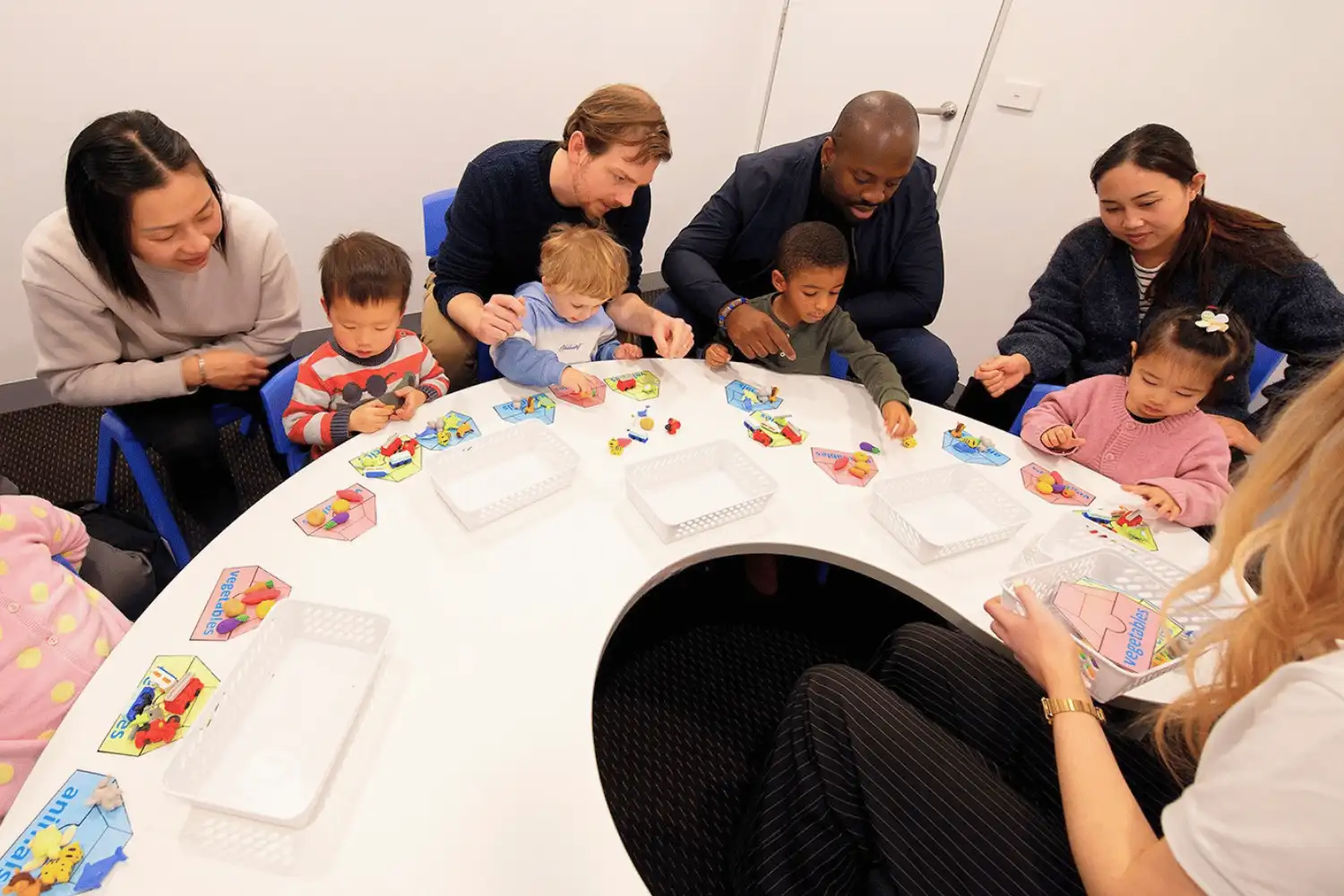
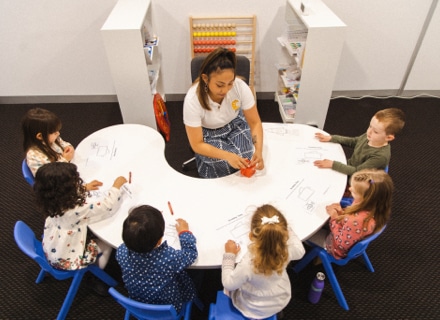
Photo from Shichida Australia: A glimpse inside a Shichida preschool class where every minute is filled with focused, intentional learning. If you are comparing Shichida vs preschool, this is the structured, parent-supported environment that sets Shichida apart.
Shichida and preschool environments feel very different.
Shichida’s pacing is intentional and rhythmic. Every activity lasts only a minute or two. Teachers guide the class while parents support their children one-on-one. Materials are enriching, sensory-specific and scientifically sequenced.
Preschool classrooms combine structured group moments with open-ended play. Children move between stations for art, puzzles, blocks or roleplay. Outdoor time is a big part of the day. Teachers supervise, model behaviour and introduce concepts through everyday moments.
Shichida Class Format and Activities
- High-speed flashcards
- Linking memory games
- Fine motor skills development
- Early phonics and reading
- Early number sense and numeracy
- Guided imagination exercises
- Sensory play
- Early fine motor activities
- Highly structured, short-duration lessons
Preschool Classroom Format and Activities
- Play stations and learning centres
- Outdoor playground time
- Circle time and group stories
- Routine-based schedules
- Art activities
- Dramatic and pretend play
- Fine motor practice
- Snack times and social routines
Parent Involvement Differences
Shichida requires high involvement. You attend class, observe and support learning.
Preschool follows a drop-off model, allowing children to practise independence.
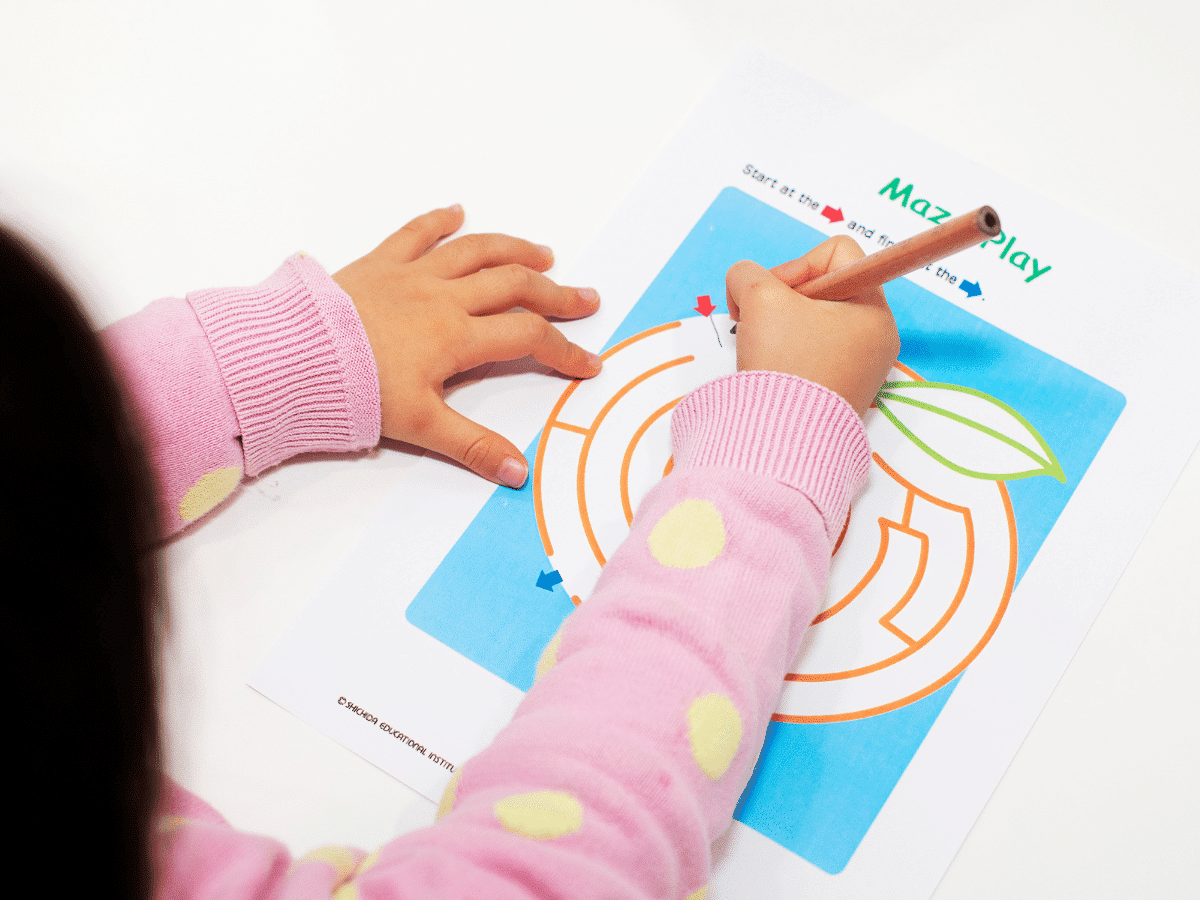
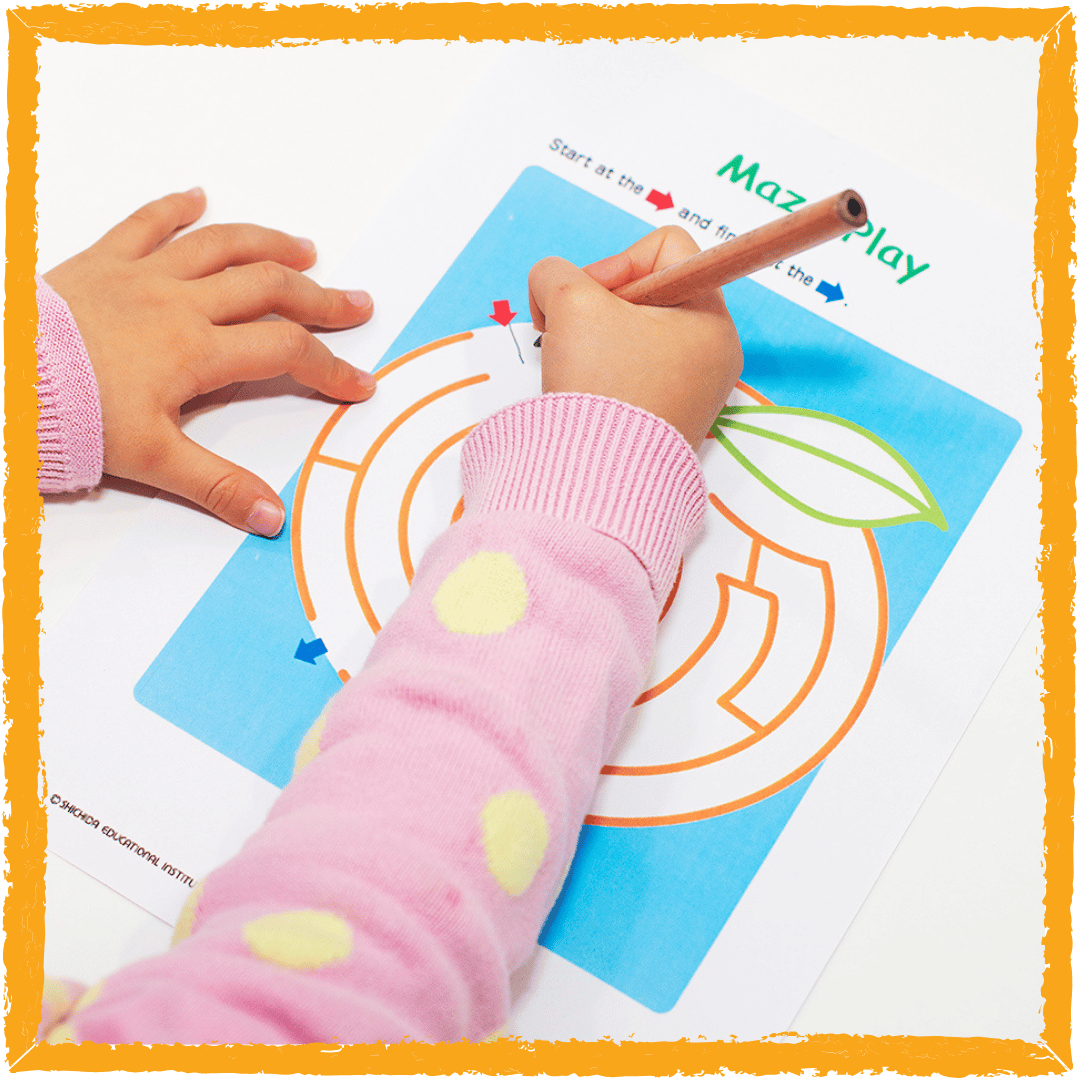
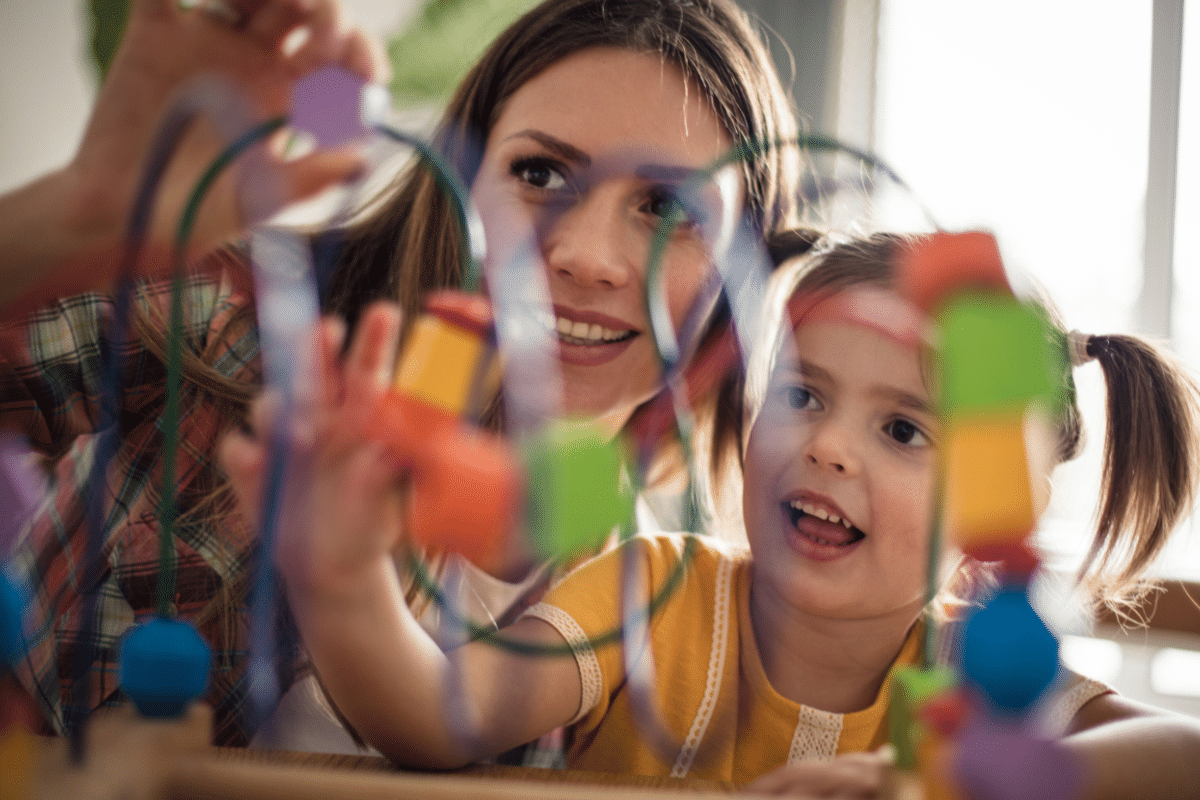
Photo from Shichida Australia: A toddler completing a fun maze challenge during a Shichida Toddler Class. Mazes are great for fine motor skills, critical thinking and spatial awareness.
Developmental Outcomes
Both systems offer meaningful benefits. The key is choosing based on your child’s needs, or combining both.
Cognitive Benefits
- Shichida strengthens memory, auditory and visual processing, focus, early math and reading, and problem-solving.
- Preschool supports socialising, curiosity and real-world problem-solving through play.
Social and Emotional Development
- Preschool naturally builds confidence, cooperation, resilience and conflict resolution.
- Shichida strengthens secure attachment, emotional safety and confidence through mastery.
Creativity and Imagination
- Shichida encourages guided imagery (visualisation) and right-brain creative thinking.
- Preschool gives children space for open-ended play where imagination thrives.
A Side-by-Side Look at Learning Approaches
There are key differences in learning focus across educational settings, especially when it comes to cognitive development.
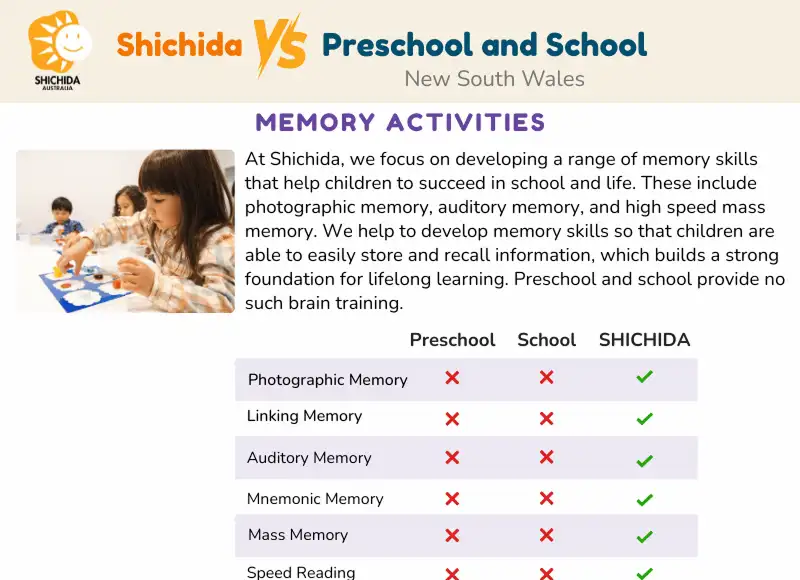
Comparison of Memory Activities: Shichida vs Preschool & School
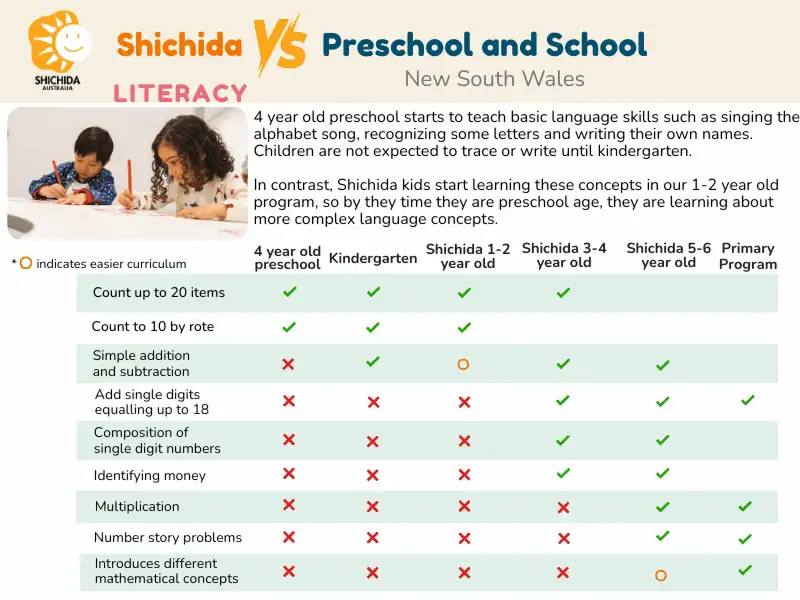
Comparison of Literacy Activities: Shichida vs Preschool & School

Comparison of Critical Thinking Activities: Shichida vs Preschool & School
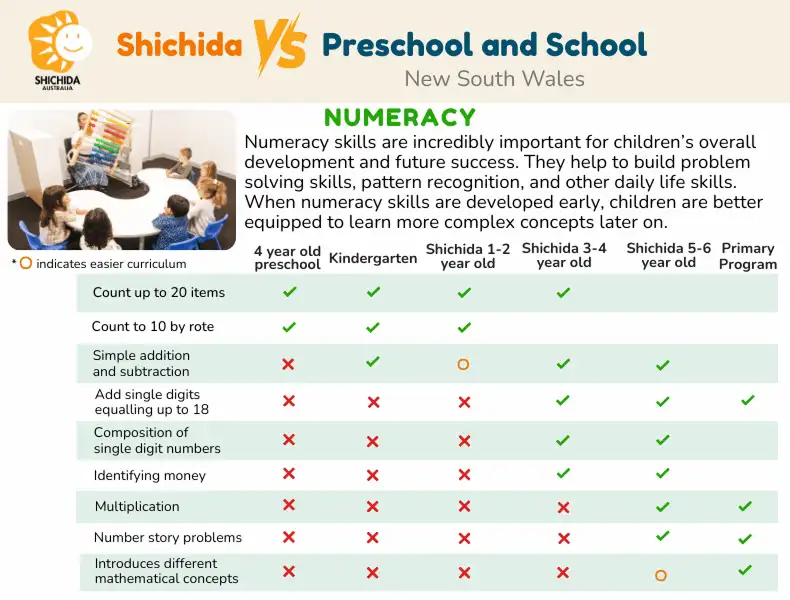
Comparison of Numeracy Activities: Shichida vs Preschool & School
Age Suitability and Program Progression
Shichida Age Groups and Levels
- Baby classes from 6 months
- Toddler levels with increasing memory and sensory tasks
- Preschool-age levels with higher complexity
- Weekly structured progression
Preschool Age Requirements
- Usually 3 to 5 years
- Many centres require toilet training
- Classes may be mixed-age or levelled
- Benchmarks for school readiness
Costs, Time Commitment and Family Fit
Cost Comparison
- Shichida charges per term for weekly classes.
- Preschool costs vary widely depending on hours, location and whether the service is community-based or part of a long-day-care centre.
Time Commitment
- Shichida is a once-a-week, 50-minute commitment plus optional home practice.
- Preschool typically runs half-day or full-day schedules.
Family Lifestyle Fit
- Shichida aligns with families who value bonding and structured cognitive enrichment.
- Preschool suits families wanting socialisation, routine and independence building.
Common Misconceptions About Shichida and Preschool
Misconception: Shichida Is the Same as Preschool
Shichida is not childcare and not a play-based classroom. It is an enrichment program.
Misconception: Preschool Is Purely Play
Preschool teachers use intentional play strategies, structured routines and planning to build developmental foundations.
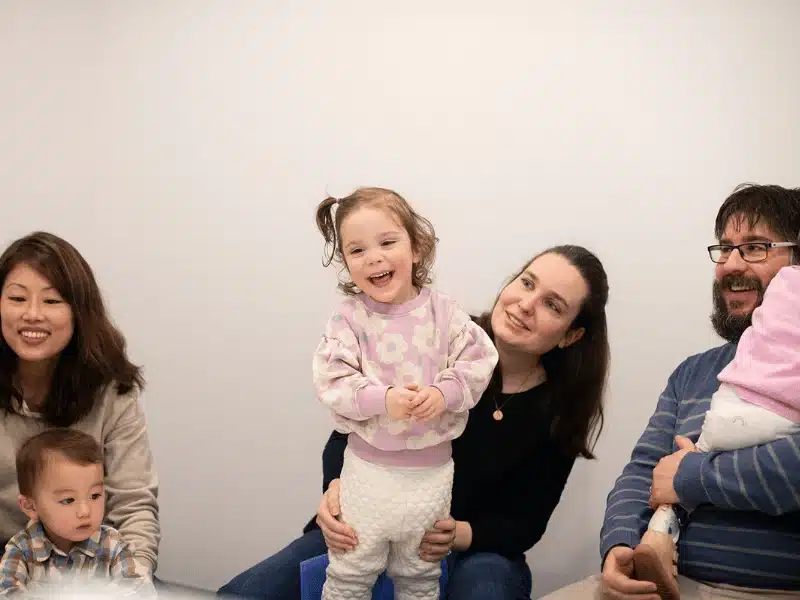
Photo from Shichida Australia: Shichida classes are a lot of fun for both children and parents! Our games and activities encourage parent-and child bonding – spending time together with purpose has lasting effects!
How to Decide What’s Best for Your Child
Choosing Based on Learning Style
- Children who enjoy patterns, hands-on games and activities, memory games or calm activities often enjoy Shichida.
- Children who thrive socially may benefit from preschool’s group environment.
- Highly sensitive children may feel safe in Shichida’s nurturing setting.
Choosing Based on Family Priorities
- Bonding and cognitive enrichment, points to Shichida.
- Convenience and childcare needs indicate preschool.
- If school readiness is the priority, both Shichida and preschool offers a strong foundation – with Preschool offering a strong socialising foundation and Shichida nurturing memory,critical thinking, and more.
Combining Shichida and Preschool
Many Sydney families do both. Shichida becomes the weekly enrichment session that complements the social learning at preschool.

Photo from Shichida Australia: Parents and children engaging together in a Shichida class, highlighting the high parent involvement and structured learning that set Shichida apart from traditional preschool.
Summary Comparison Table
| Factor | Shichida | Preschool |
| Teaching Philosophy | Whole-brain and right-brain learning, using the Shichida Method, famous for high-speed flashcards integrated into lessons. | Play-based curriculum, EYLF |
| Cognitive Development | Strong in memory, processing, pattern recognition, critical thinking, early reading and math | Strong in introduction to phonics and basic math concepts |
| Social Development | Bonding and confidence | Peer relationships and emotional skills |
| Creativity | Guided imagery (visualisation), music used to teach important concepts | Open-ended play |
| Cost | Term-based tuition | Varies by hours and centre |
| Parent Involvement | High | Low |
| Class Format | 50-minute weekly class | Half or full-day programs |
| Learning Frequency | Weekly | Daily or 2 to 3 days a week |
Curious about Shichida vs preschool? Discover how Shichida classes can enhance your child’s early learning, nurture creativity, and strengthen parent-child bonding. Book a trial class today to see how structured, whole-brain activities compare and complement traditional preschool experiences.
FAQ: Shichida vs Preschool in Sydney
No. Shichida is an enrichment program, not a childcare service or a replacement for preschool. Preschool in Sydney focuses on daily socialisation, routines and school readiness, while Shichida provides structured cognitive and emotional enrichment alongside parent involvement.
Yes! Many Sydney families choose to combine Shichida and preschool. Preschool supports social development and independence, while Shichida complements this with weekly whole-brain learning, memory activities and parent-child bonding.
Children can start Shichida from as early as six months old. The program is designed specifically for early childhood brain development and progresses through age-based levels into the early primary years.
No. Shichida classes are gentle, short and developmentally appropriate. Activities are fast-paced but brief, designed to match a child’s natural attention span while maintaining a calm, supportive environment.
Preschool provides daily peer interaction, group routines, independence-building and exposure to classroom expectations such as turn-taking, conflict resolution and self-regulation. These are areas where preschool plays a particularly strong role.
Both contribute in different ways. Preschool prepares children for the social and routine aspects of school, while Shichida strengthens memory, attention, early literacy foundations and thinking skills that support learning once school begins.
Yes! Shichida supports the foundations for early reading and numeracy through memory training, visual processing, phonics awareness and number sense. It is not a worksheet-based academic program, but it builds the cognitive skills that underpin reading and maths learning.
Shichida offers a calm, parent-supported environment that many shy or sensitive children find reassuring. Preschool can also benefit shy children over time by providing regular social exposure, though the adjustment period may take longer.
Parents often notice improved focus, memory, curiosity, confidence and enjoyment during learning activities. These changes typically appear gradually as children engage consistently with structured, multisensory experiences.
Cost-effectiveness depends on your family’s needs. Preschool fees vary based on hours, location and government subsidies, while Shichida is a term-based weekly enrichment program. Each serves a different purpose rather than being a direct cost comparison.
The best choice depends on your child’s age, temperament and your family priorities. Families focused on socialisation and daily care often prioritise preschool, while those seeking early cognitive enrichment and parent involvement may choose Shichida – or combine both.
Compare Shichida With Other Popular Learning Methods
You may also want to explore how Shichida compares with other popular learning approaches such as Montessori or Glenn Doman.
Shichida vs Kumon: Which Early Learning Program is Best?
Early Childhood Development Methods: Shichida vs Montessori
Early Childhood Development Methods: Shichida vs Heguru
Shichida vs Reggio Emilia: Understanding the Differences
Shichida Classes vs SHICHIDA at Home: Which Is Best?
Sydney Shichida vs Preschool: Which Is Best for Your Child?
Shichida vs Kinder: Navigate Early Learning in Melbourne