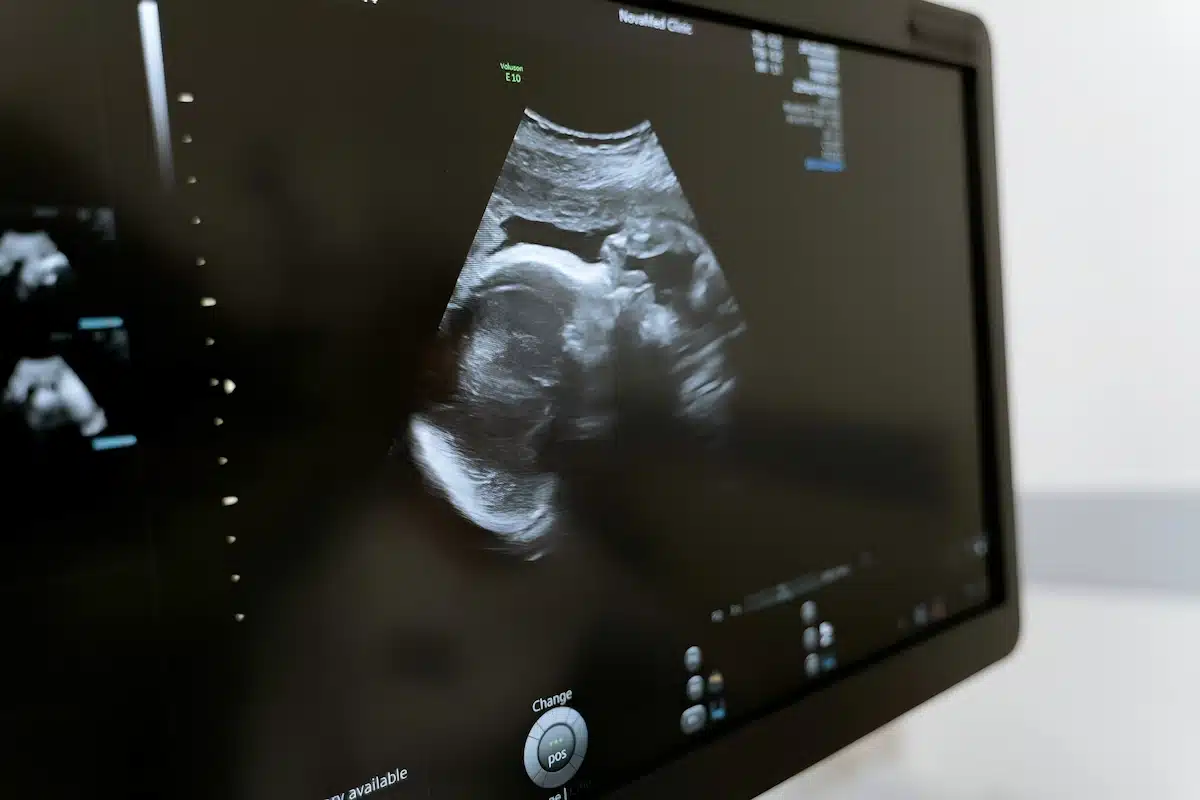
Photo from Pexels: An early ultrasound view showing the first stages of fetal brain development, when the neural tube is forming and your baby’s nervous system begins its incredible journey.
Fetal Brain Development: How Your Baby’s Brain Grows
Key Takeaways: Fetal Brain Development
- Fetal brain development begins very early in pregnancy
The brain and spinal cord start forming around weeks 3 to 4, making early prenatal care and nutrition especially important. - Neural connections grow rapidly throughout pregnancy
Neurons multiply and connect through synapses, creating pathways that support movement, memory, emotion, and learning. - Sensory development prepares babies for learning before birth
Touch, taste, hearing, and early rhythm recognition develop in the womb, helping babies become familiar with voices and sounds. - The prenatal environment influences brain growth
Nutrition, emotional well-being, stress levels, and overall maternal health all play a role in supporting healthy fetal brain development. - Babies begin learning before they are born
Research shows babies can recognise voices, rhythms, and repeated sounds during the third trimester. - Brain development continues well after birth
Pregnancy lays the foundation, but infancy and early childhood remain critical periods for strengthening brain connections.
What Is Fetal Brain Development?
If you are pregnant, trying to conceive, or supporting someone through pregnancy, you may be amazed to learn just how early fetal brain development begins. By the time you notice those first early symptoms or even before you get a positive test, your baby has already started building the foundations of the brain. This tiny structure will soon guide movement, emotions, memory, and every future skill your child will one day use.
Everything starts with the neural tube, which forms and closes around week 3 or 4. From this point, cells begin turning into neurons at an astonishing rate. These neurons then connect through synapses, creating the early pathways your baby needs to process sensations and eventually learn from the world.
Because these early stages are so delicate, your baby’s developing brain is closely influenced by your nutrition, environment, and overall wellness. Understanding how your baby’s brain grows can help you feel more connected to your pregnancy and more confident in the incredible work your body is doing each day.
Free Pregnancy Learning Guides
Curious about prenatal development and early brain-building? Grab our 2 free eBooks today.
Key Terms to Understand
Prenatal development
This describes the entire journey your baby takes from conception to birth. It includes physical growth, organ formation, and brain development.
Neural tube
A tiny but essential tube that becomes your baby’s brain and spinal cord. It closes very early in pregnancy and relies on nutrients such as folate.
Synapses
The little connectors between neurons. They allow nerve cells to communicate, helping your baby build pathways for movement, sensation, and memory.
Womb learning
The idea that babies begin learning before they are born. They learn through sound, rhythm, touch, and emotional cues from the mother.
Sensory pathways
The routes the brain uses to process senses like touch, taste, sound, and sight as they gradually develop.

Photo from Pexels: A quiet moment of connection – looking through ultrasound images reminds parents just how early fetal brain development begins, as babies start forming memory, recognition, and emotional bonds even before birth.
Timeline of Fetal Brain Growth by Trimester
First Trimester – Foundation of the Nervous System
During the first trimester, your baby’s brain begins forming at breathtaking speed. Around week 3 or 4, the neural tube closes and the earliest brain sections appear. Neurons begin multiplying, and a primitive spinal cord forms. Because this is such a sensitive stage, your baby is especially dependent on nutrients like folate and on a stable environment. Many major structures that support life-long brain function begin here, long before you feel your first flutter.
Second Trimester – Rapid Connections and Sensory Starts
Once you enter the second trimester, your baby’s brain becomes far more organised. Neurons begin migrating to their correct positions, and the cerebral cortex starts to develop its layers. The limbic system, which helps with memory and emotional processing, also becomes more active.
This trimester brings exciting sensory changes. Your baby can respond to touch, begins tasting amniotic fluid, and develops the ability to hear sounds from inside the womb. Sleep cycles become more regular, and early reflexes appear. Many parents feel their baby’s first meaningful movements during this time, a lovely sign of neurological progress.
Third Trimester – Learning, Memory and Sensory Refinement
As you reach the third trimester, your baby begins refining the skills they will use after birth. Synapse formation accelerates, creating countless new connections. REM sleep becomes more frequent, which is linked to early memory and learning.
Your baby can now recognise your voice and respond to gentle music or calming sounds. They can sense light, notice rhythm patterns, and become familiar with the language spoken around them. These early experiences help shape bonding, emotional comfort, and early learning once they are born.

Photo from Pexels: Talking, reading, and gentle music help support fetal brain development by giving your baby early exposure to rhythm, voice patterns, and emotional comfort.
Prenatal Sensory Development and Womb Learning
Your baby’s senses develop in a very specific order. Touch is the first to appear around week 8, followed by taste as your baby begins swallowing amniotic fluid. Hearing becomes active in the second trimester when the ears and auditory pathways mature. Sight takes the longest to develop and continues improving well after birth.
These sensory experiences help shape neural connections that your baby will rely on as they grow. When you talk, laugh, listen to music, or simply relax, your baby receives cues through sound and hormonal signals. Research shows babies can recognise familiar voices and the rhythmic patterns of their home language even before they are born.
How Babies Learn in the Womb
Your baby learns through repeated sensory experiences. They recognise rhythm patterns, especially the sound of your heartbeat and voice. Soft, predictable sounds become familiar, and even melodies can be remembered. Your baby also begins forming early emotional memories based on the hormonal signals they receive when you feel calm, content, or supported.
What Senses Develop First?
Touch is the first sense to appear at around week 8. Taste receptors follow as your baby explores the environment through amniotic fluid. Hearing activates in the second trimester, and sight develops gradually, continuing well into infancy.
Factors That Affect Fetal Brain Development
Many different factors influence fetal brain development. The goal is not to aim for perfection but to understand what helps support your baby while keeping things manageable and realistic.
Nutritional Support
Nutrients play a key role. Folate supports neural tube formation. Omega 3 fatty acids like DHA contribute to brain cell structure. Choline helps form memory pathways. Iron supports oxygen flow to the brain. Staying hydrated helps your body regulate all these functions.
Maternal Health and Lifestyle
Your daily habits make a difference. Restful sleep, manageable stress levels, and gentle physical activity (as approved by your healthcare provider) can support fetal development. Regular prenatal care ensures your baby’s growth is monitored and supported.
Environmental Risks to Avoid
Alcohol, tobacco, certain chemicals, and unsafe medications can interfere with healthy development. High stress levels and exposure to environmental toxins can also have an impact. Knowing these risks simply helps you make informed choices during pregnancy.
Safe Ways to Support Prenatal Brain Growth

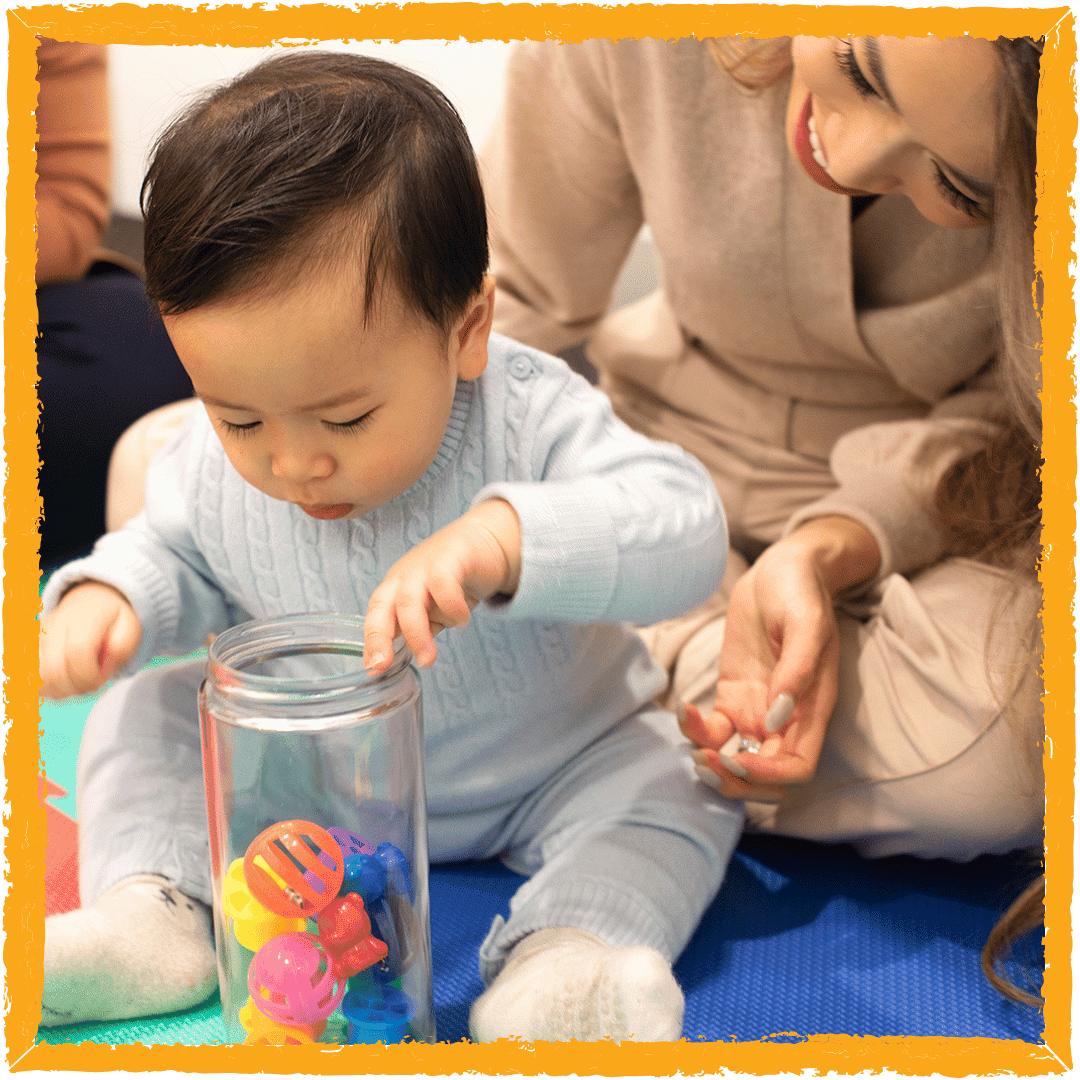
Photo from Pexels: Even after birth, fetal brain development continues as your baby builds new connections through touch, bonding, and loving early experiences.
Supporting your baby’s brain growth does not require complicated techniques. Soft, nurturing routines are more than enough.
Talking, Reading and Music
Your voice is one of the most powerful tools you have. Talking, reading stories, and playing gentle music help your baby learn sound patterns and build familiarity with your rhythm and tone.
Stress Management and Emotional Wellness
Your emotional well-being sends signals to your baby through hormonal pathways. Finding pockets of calm, connecting with supportive people, and caring for your mental health can create a soothing environment for both of you.
Nutrition and Regular Prenatal Checkups
A balanced diet and consistent prenatal appointments give your baby the general support they need. These moments also offer you reassurance and a chance to ask questions.
Common Misconceptions About Fetal Brain Growth
Misconception: Babies Cannot Learn Until Birth
Research shows that babies begin forming memories in the third trimester. They recognise familiar voices and respond to repeated sounds and rhythms.
Misconception: Loud Music Makes Babies Smarter
There is no evidence that loud music boosts intelligence. What helps is gentle exposure to calming, consistent sounds. Overstimulation can be uncomfortable for your baby.
When Does the Fetal Brain Become Fully Developed?
Your baby’s brain is not fully developed at birth. Important processes continue during infancy, including synaptic pruning, sensory development, and myelination. The womb lays the foundation, but experiences after birth help shape how the brain connects, learns, and grows.
Summary Timeline Chart: Fetal Brain Development at a Glance
- Weeks 3 to 4: Neural tube forms and closes.
- First trimester: Rapid growth of the nervous system and early brain structures.
- Second trimester: Sensory pathways and cortex layers form.
- Third trimester: Memory, learning, and sensory refinement increase.
- After birth: Brain development continues at a rapid pace.
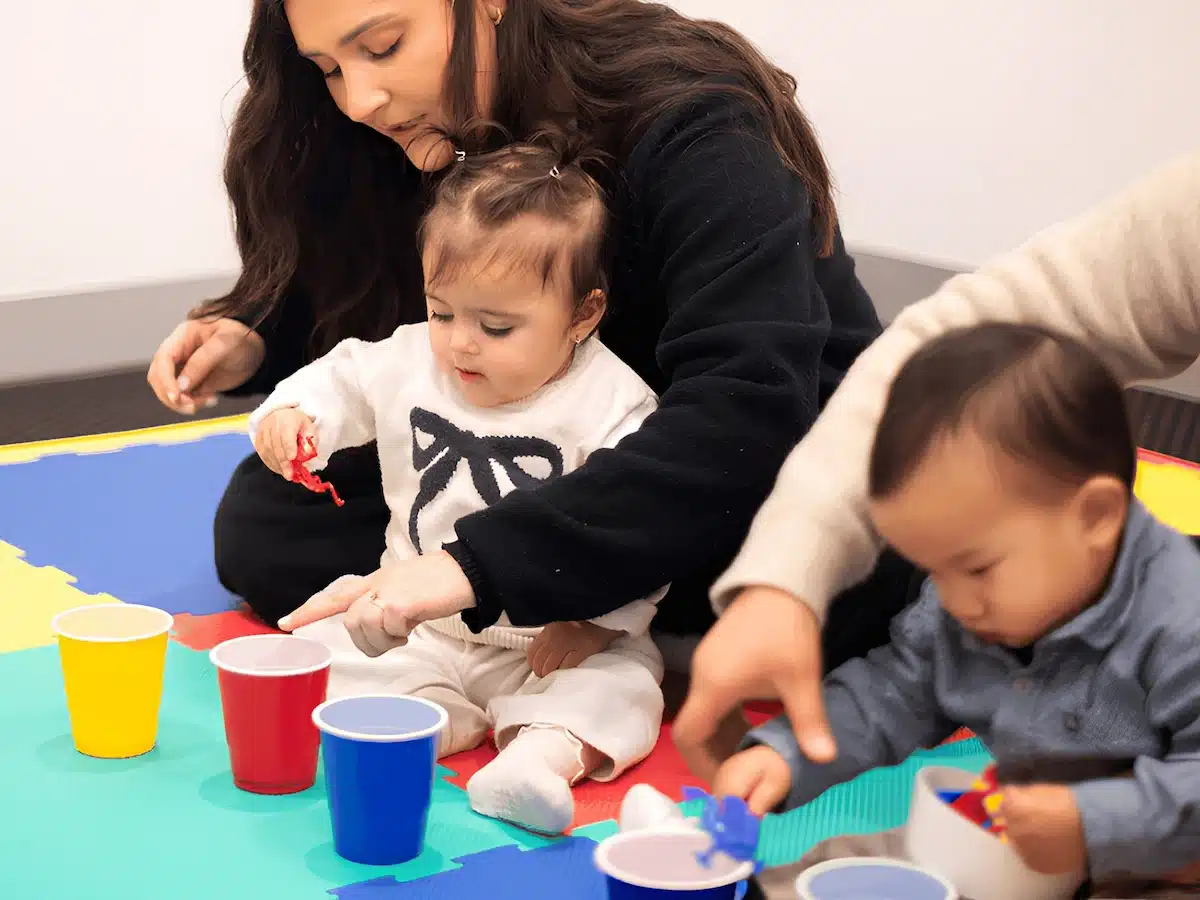
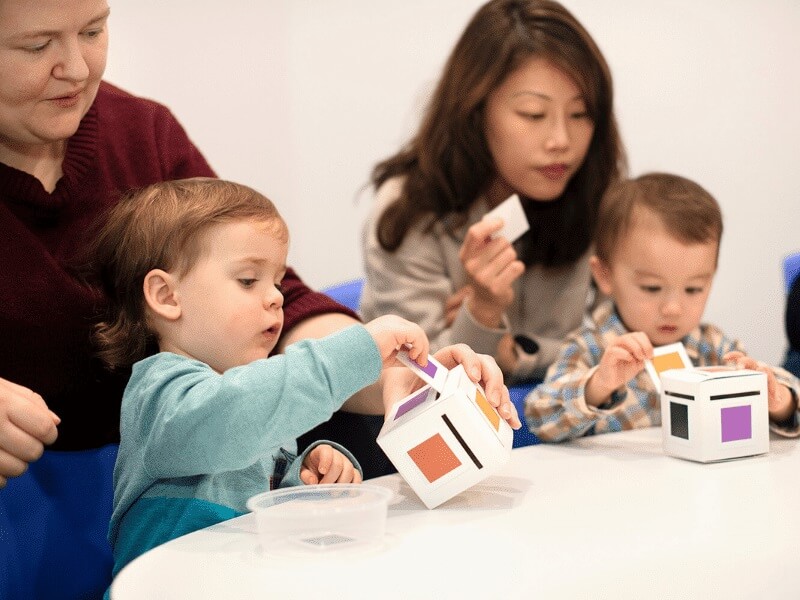
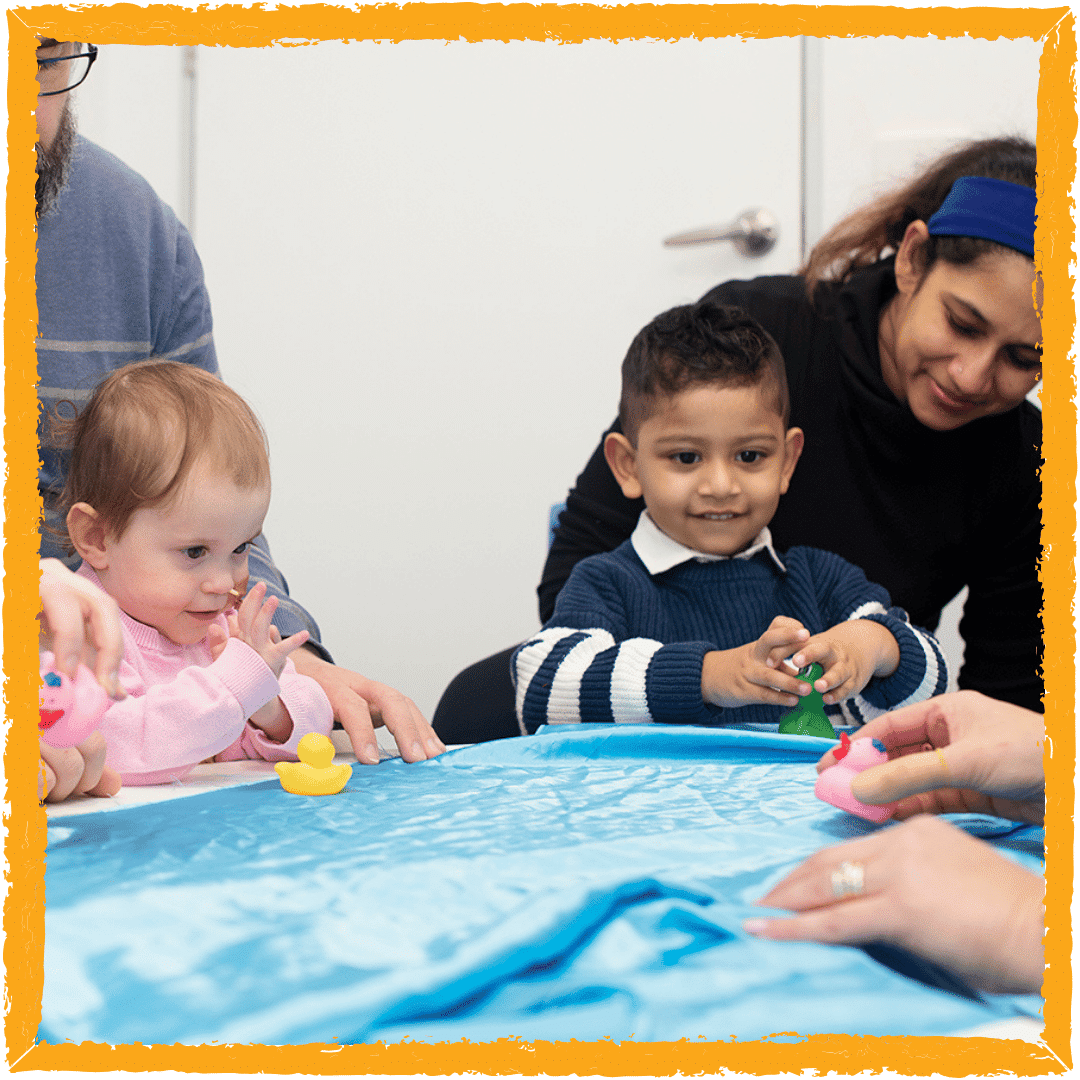
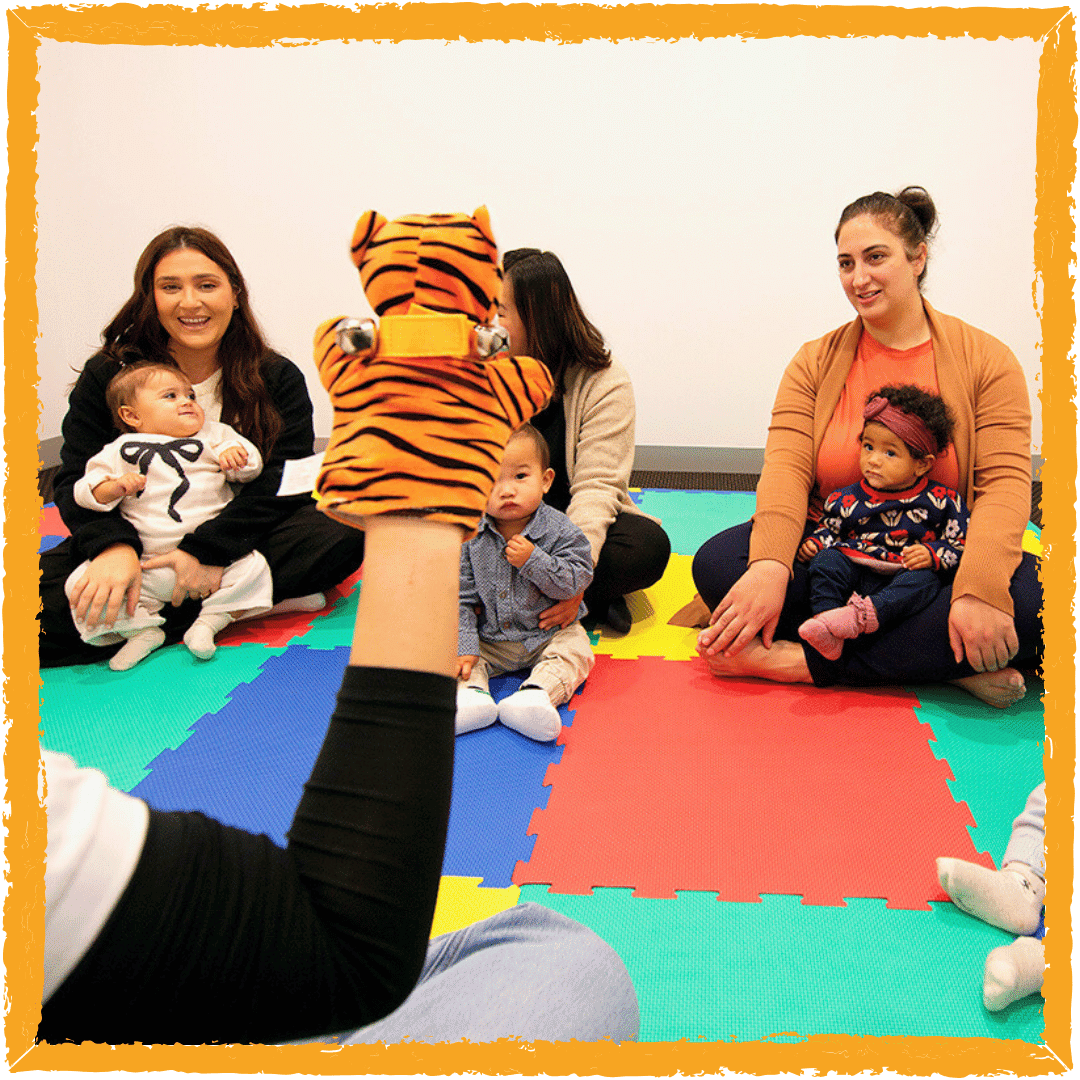
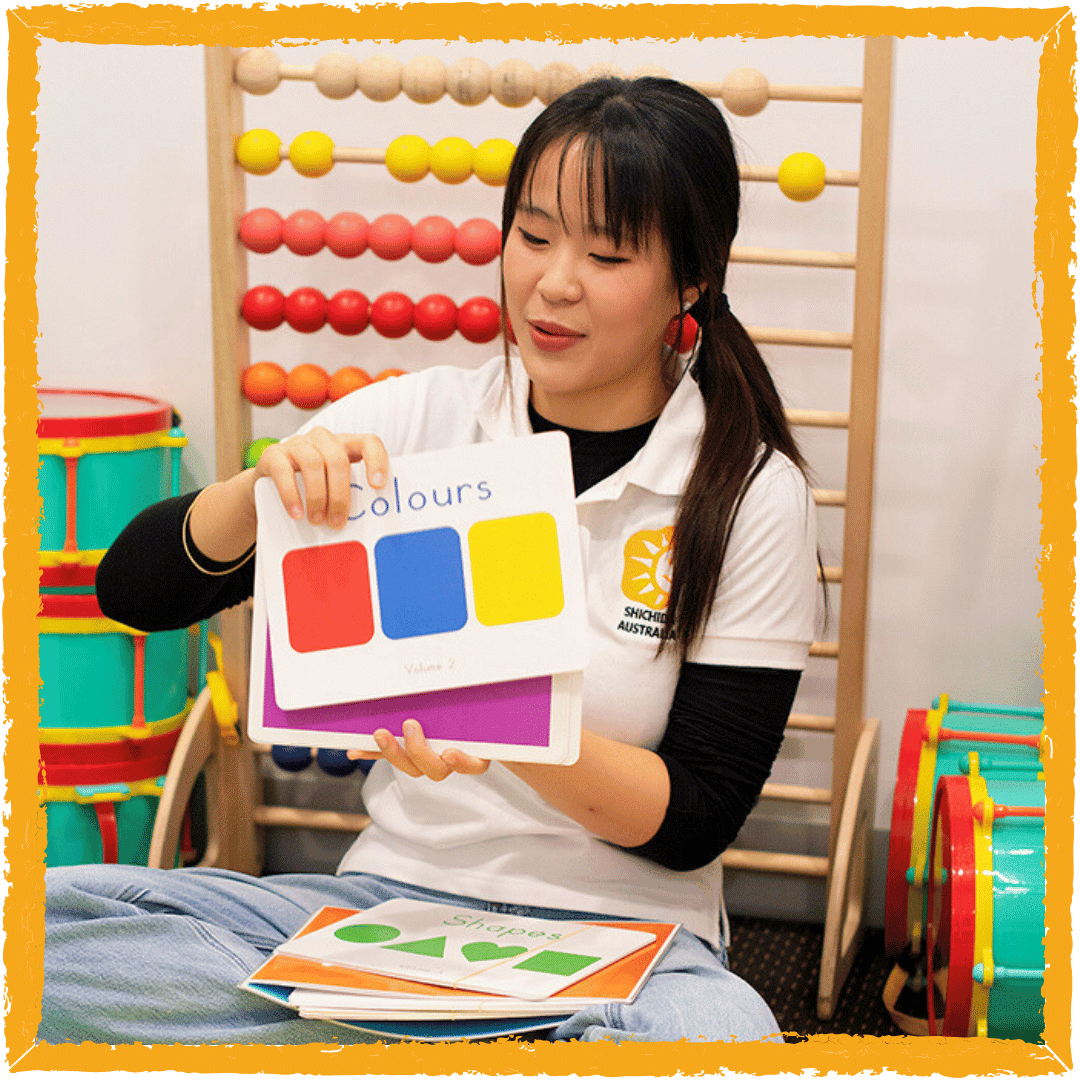
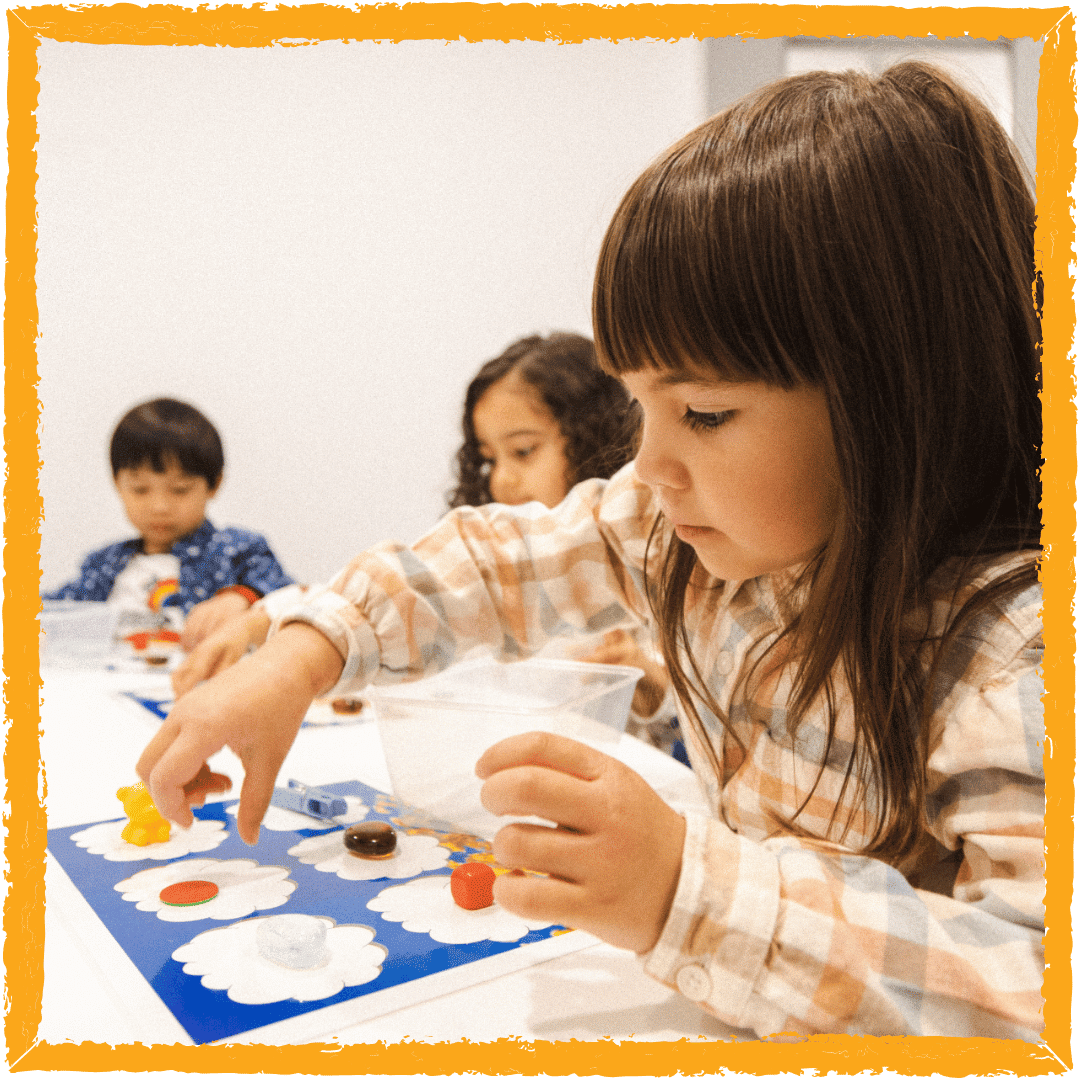
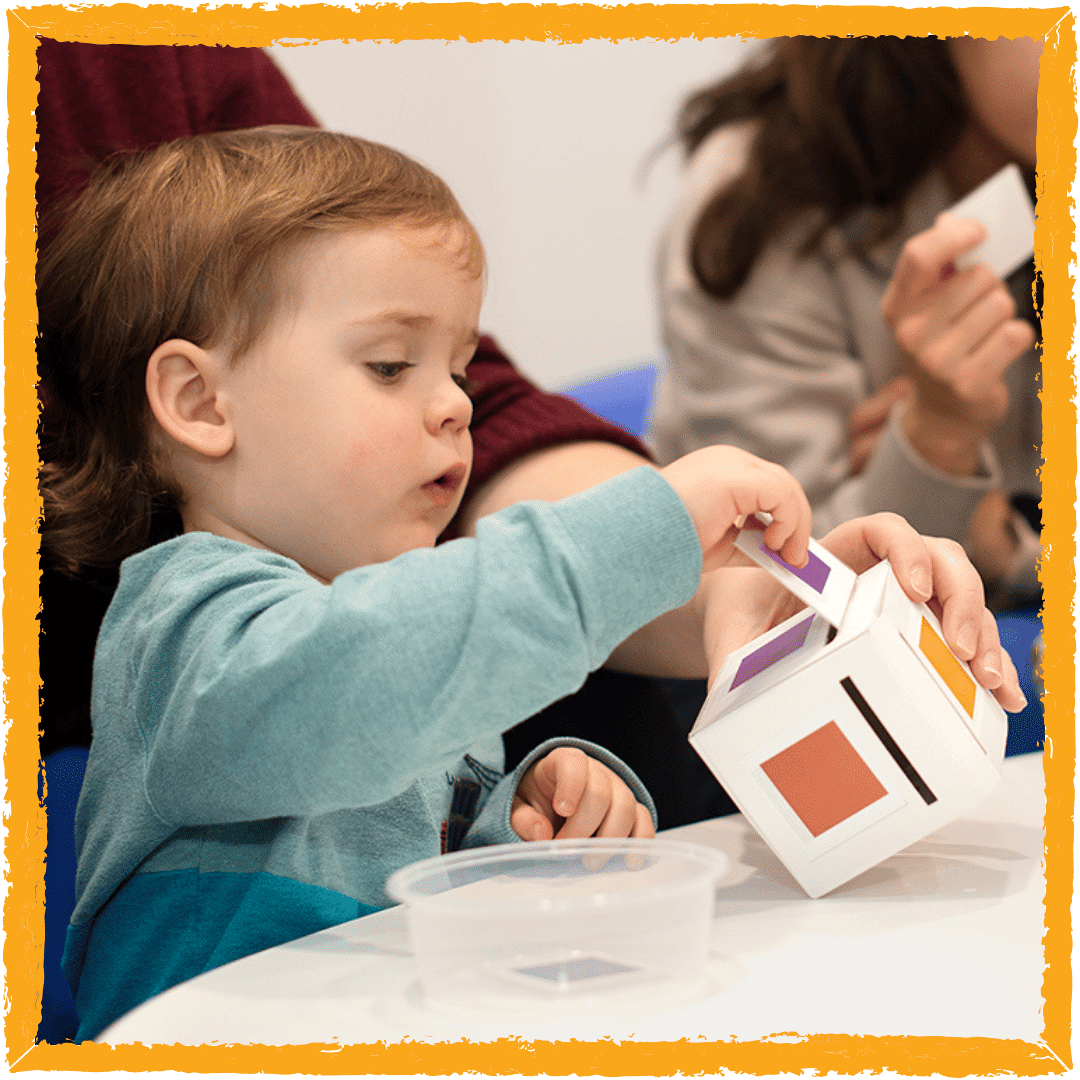
Photo from Shichida Australia: Parents and babies playing a colour matching game during a Shichida Baby Class.
Your baby’s brain has been learning since the womb, and those early foundations grow even faster after birth. Shichida classes help you nurture your baby’s development from 6 months old, through gentle, age-appropriate activities that support memory, sensory growth, and emotional bonding.
If you want to give your baby the best start in their early years, Shichida can guide you every step of the way. Book a trial class today and experience how meaningful early learning can be.
FAQs: Fetal Brain Development
Fetal brain development begins around weeks 3 to 4 of pregnancy, when the neural tube forms and closes. This structure later becomes the brain and spinal cord.
Prenatal brain development refers to how a baby’s brain forms and grows during pregnancy. It includes neuron formation, synapse creation, and the development of sensory and emotional pathways.
Yes. Babies begin learning in the womb through repeated sensory experiences such as hearing their mother’s voice, recognising rhythm patterns, and responding to emotional cues.
Hearing typically becomes active during the second trimester, once the ears and auditory pathways develop. By the third trimester, babies can recognise familiar voices and sounds.
High levels of ongoing stress can influence fetal brain development through stress hormones that cross the placenta. Managing stress and supporting emotional well-being can help create a calmer prenatal environment.
Key nutrients include:
- Folate for neural tube development
- DHA (omega-3) for brain cell structure
- Choline for memory pathways
- Iron for oxygen delivery to the brain
A balanced diet and prenatal care help support these needs.
Gentle, soothing music can be comforting and familiar for babies. There is no evidence that loud music improves intelligence, and overstimulation may be uncomfortable.
Research suggests that memory begins forming during the third trimester, as babies recognise familiar voices, sounds, and rhythms.
No. While major structures are formed before birth, brain development continues rapidly through infancy and early childhood as connections strengthen and refine.
Parents can support fetal brain development by maintaining good nutrition, attending regular prenatal checkups, managing stress, getting adequate rest, and engaging in gentle activities such as talking, reading, or listening to calming music.
The foundations built during pregnancy support later learning, memory, emotional regulation, and sensory processing. Strong early brain development helps prepare babies for growth and learning after birth.
Your baby’s brain doesn’t stop developing at birth. How do you continue supporting brain development after your baby arrives? Through bonding, sensory play, repetition, and gentle, age-appropriate learning – exactly what Shichida classes are designed to support from the very beginning.