Literacy Activities for Kids: Complete Parent Guide by Age
Key Points:
- Literacy activities for kids include reading, writing, and developing emotional and digital skills.
- Literacy starts early through sounds, visuals, and everyday interaction.
- Milestones build gradually from birth to age 12.
- Simple literacy activities at home can boost your child’s confidence and skills.
- Literacy supports both learning and emotional growth.
- Early support can help address literacy delays.
Literacy is more than ABCs and books. It’s how your child understands the world and learns to express themselves clearly, creatively, and confidently. Literacy develops as your child learns to understand written words, communicate their thoughts, and express their emotions – and your role in that journey is essential.
This guide gives you an easy-to-follow, age-by-age map of literacy development. It explores different types of literacy, the milestones to look out for, and practical literacy activities for kids that you can try at home to support their learning.
What Are Literacy Activities for Kids?
When we talk about literacy activities for kids, it’s not just about reading and writing. Today’s world calls for a broader definition – one that includes different types of understanding and communication. These are some of the most important areas of literacy:
- Traditional Literacy: Reading, writing, speaking, and listening.
- Visual and Media Literacy: Understanding images, symbols, and visual information in books, signs, and media.
- Digital Literacy: Safely using technology, interpreting online content, and communicating in digital spaces.
- Emotional and Social Literacy: Identifying emotions, considering others’ feelings, and managing emotions appropriately.
Together, these literacy skills help your child relate to others, make sense of the world, and handle everyday situations with confidence.
Why Literacy Matters in Childhood Development
Literacy in children forms the foundation for how they learn, grow, and connect with others. It’s not just about school – literacy impacts your child’s total development in everyday life:
- Communication: Literacy empowers children to express their thoughts, needs, and ideas effectively.
- Confidence: Reading and writing skills help build self-esteem and independence.
- Emotional Development: Listening to stories and reading books nurtures empathy and emotional intelligence.
- Cognitive Development: Literacy strengthens memory, critical thinking, and problem-solving skills.
According to the National Literacy Trust, children with strong literacy skills are more likely to do well in school – and succeed later in life. By introducing simple literacy activities for kids early on, you’re giving your child the tools to thrive.
Literacy Milestones by Age
All children progress at their own pace, but here’s a general guide to literacy milestones by age:
0-2 Years
- Recognises familiar voices
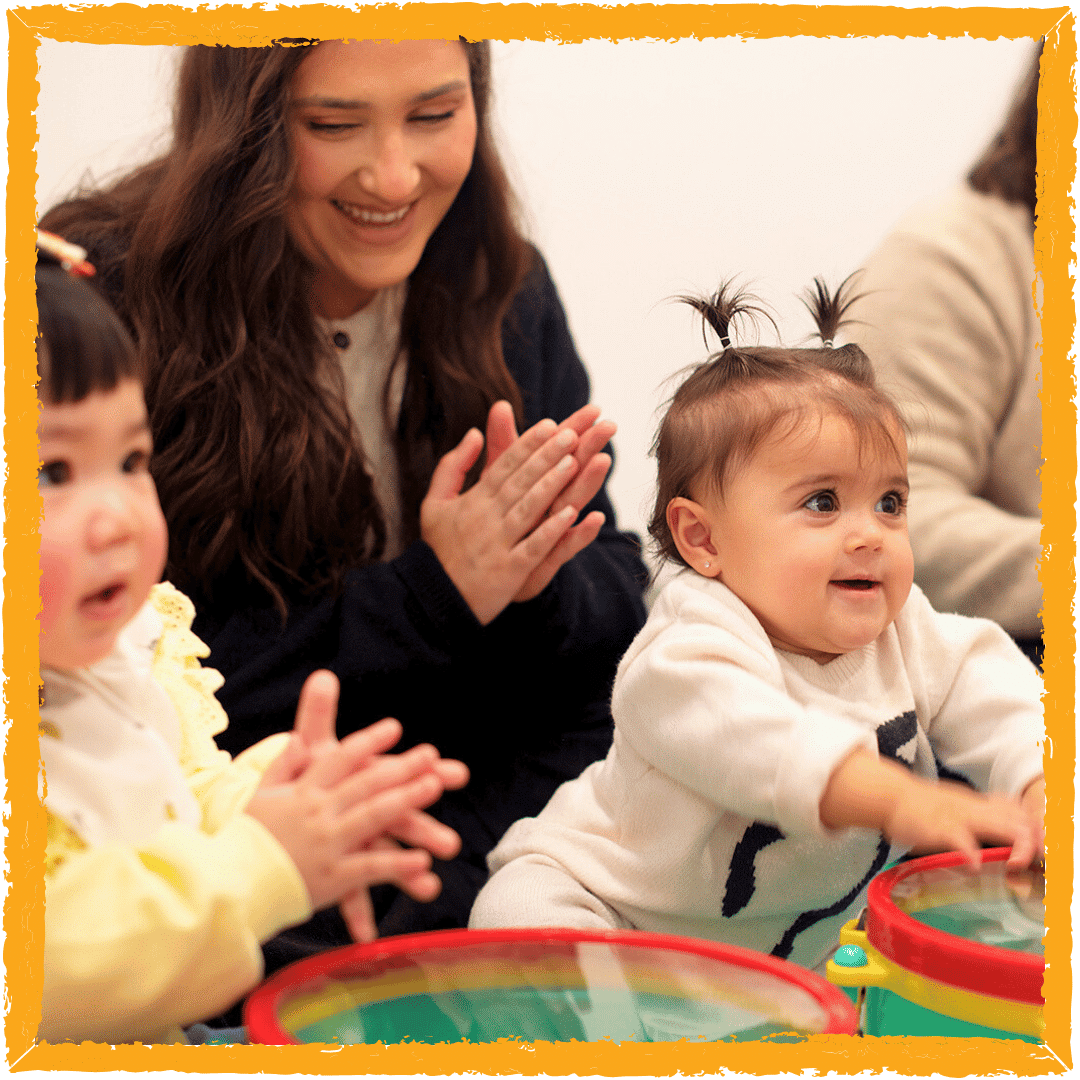
- Responds to music and rhythm
- Begins babbling and imitating sounds
- Shows interest in books and pictures
3-4 Years
- Identifies letters and common words
- Enjoys rhymes and storytelling
- Draws to express meaning
- Begins to understand how print works
5-6 Years
- Reads simple sentences
- Writes name and basic words
- Uses phonics to sound out new words
- Tells stories with a beginning, middle, and end
7-9 Years
- Reads with fluency and comprehension
- Writes creatively and structures ideas into paragraphs
- Understands story structure and sequencing
- Begins revising and editing their writing
10-12 Years
- Reads critically and explores different genres
- Writes with detail and clarity
- Uses digital tools to research and communicate
- Understands perspective, tone, and argument
These milestones reflect your child’s growing literacy journey – from early exposure to language to full fluency. Supporting these stages with fun and age-appropriate literacy activities for kids can make a big difference in how confidently they learn and express themselves.

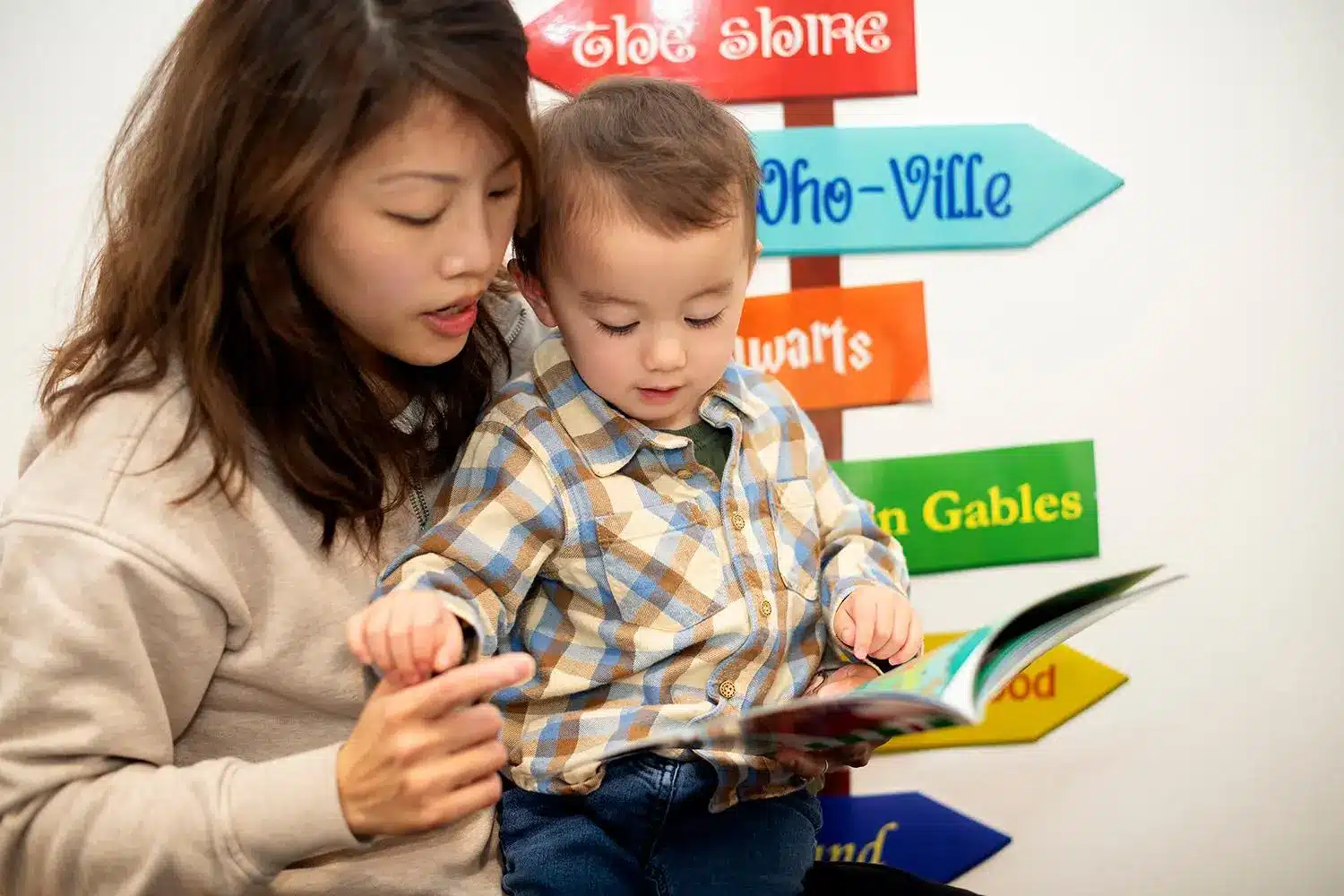
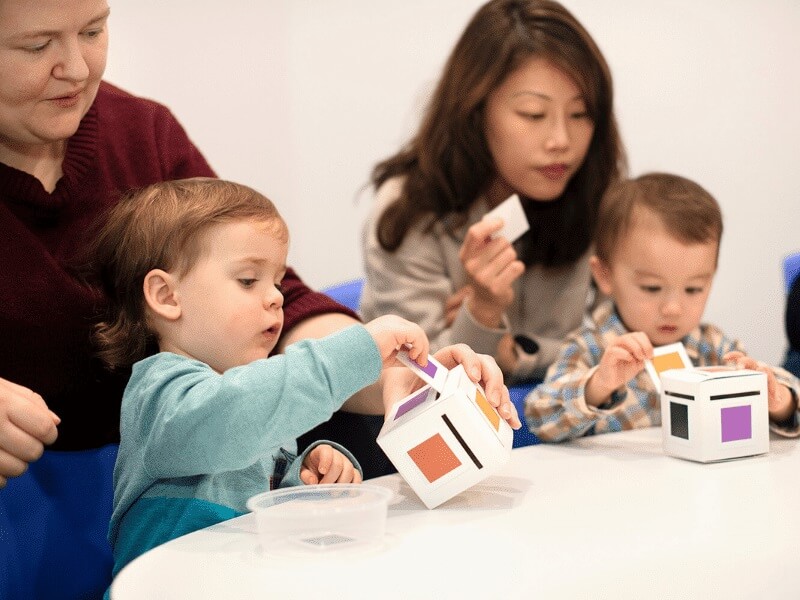
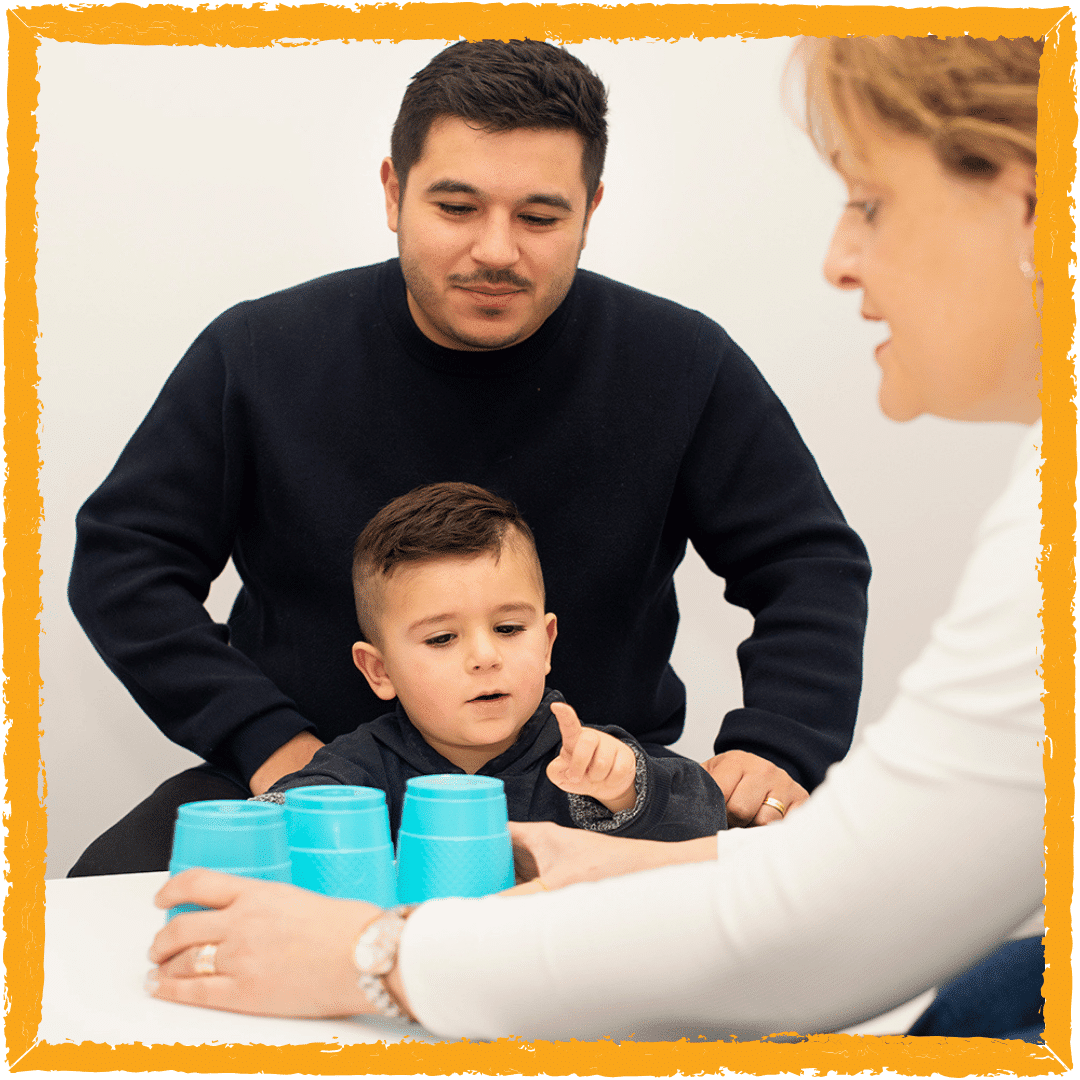
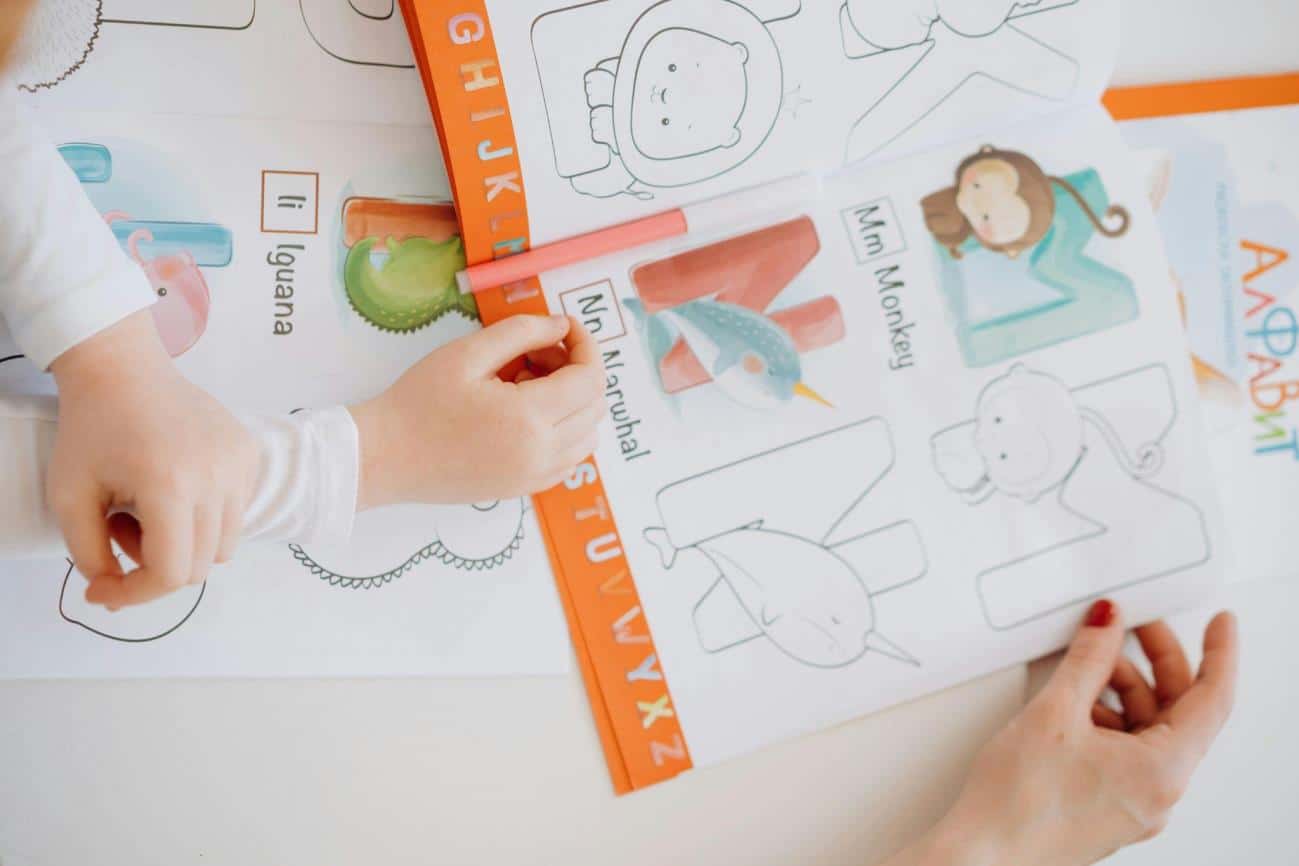
Photo from Pexels: Parents play a key role in literacy for kids.
Types of Literacy Every Parent Should Know
Understanding the different types of literacy helps you better support your child’s development – both in and out of the classroom:
- Reading & Writing Literacy – Essential for learning, communication, and academic success.
- Digital Literacy – Involves knowing how to use devices safely and how to find credible information online. It’s important to set age-appropriate screen time limits and stay involved in your child’s digital world.
- Emotional Literacy – Helps children identify and regulate their emotions. Reading stories about feelings or using a simple emotions chart at home can support this.
- Visual Literacy – Involves interpreting images, illustrations, and infographics. This plays a big role in early literacy development and visual understanding.
- Cultural Literacy – Includes learning about traditions, holidays, values, and history. Encouraging curiosity about other cultures supports empathy and global awareness.
Including a mix of literacy activities for kids that touch on these areas gives your child a more complete foundation for lifelong learning and understanding.
How to Support Literacy at Home
No matter your child’s age, you can create a language-rich home environment that supports literacy development. Here’s how:
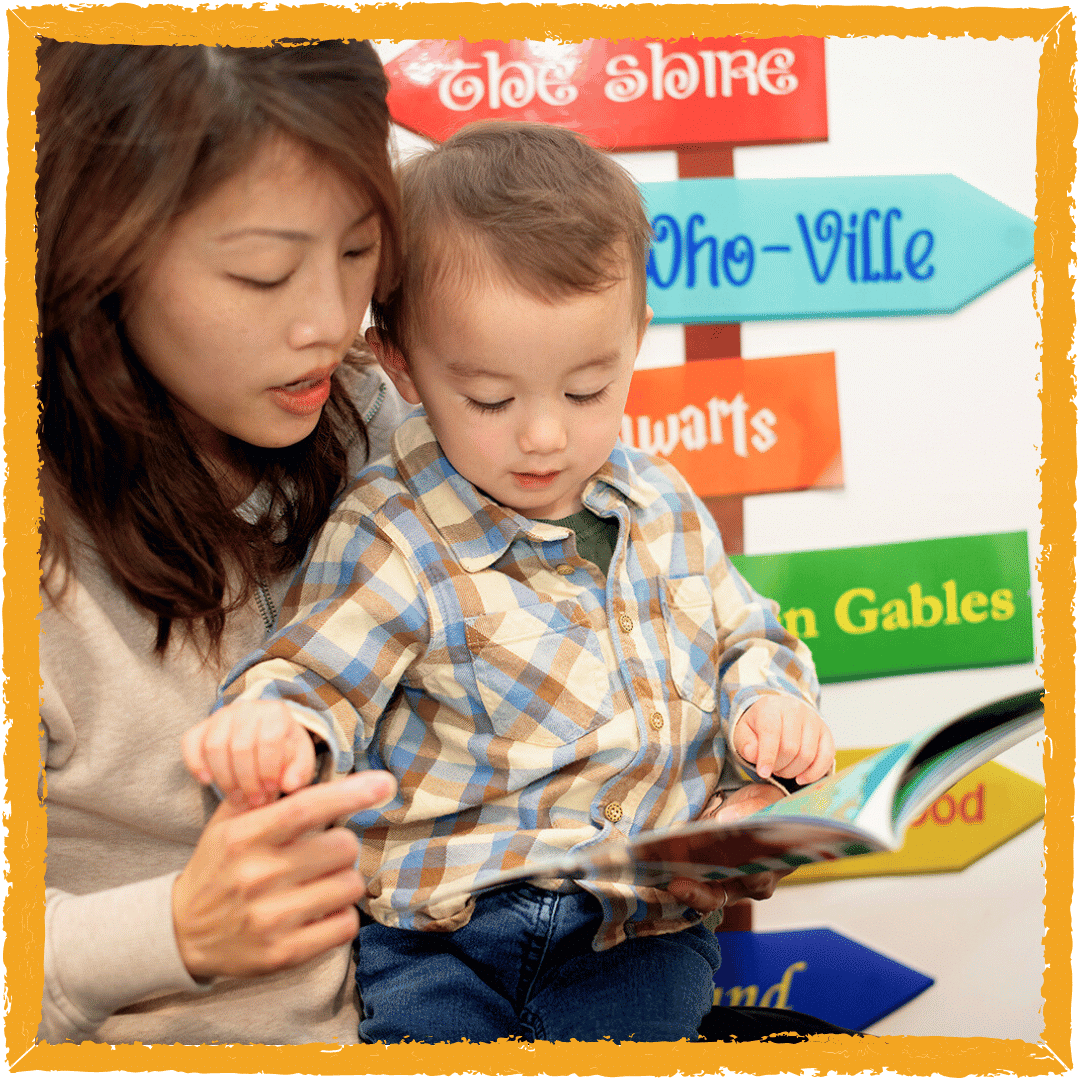
- Read aloud daily – Choose age-appropriate books and involve your child in the story by asking questions or pointing to pictures.
- Play word and memory games – These build vocabulary, listening skills, and phonemic awareness.
- Encourage storytelling – Invite your child to narrate their day, make up stories, or create their own picture books.
- Use technology wisely – Choose educational apps and e-books that support reading readiness and limit screen time to meaningful use.
- Provide writing materials – Keep crayons, pencils, and paper handy so kids can explore journaling, drawing, or writing letters.
Simple, consistent literacy activities for kids – even just talking through everyday tasks – can have a lasting impact on their language skills and love for learning.

Common Concerns and How to Handle Them
It’s natural to worry about your child’s literacy development, especially if they seem to be struggling. Here are a few common concerns and what you can do:
- Delayed Speech – Every child develops at their own pace. If your child isn’t speaking by age 2, it’s a good idea to speak with your paediatrician or a speech-language therapist.
- Lack of Interest in Reading – Make reading fun and pressure-free. Let your child choose what they want to read – try audiobooks, comic books, or encourage them to read to a pet or sibling.
- Trouble Writing or Spelling – Focus on progress rather than perfection. Try hands-on literacy activities for kids like tracing letters in sand, using magnetic letters, or playing phonics-based games.
If you still have concerns, consider a literacy screening or professional evaluation. Early support can make a big difference in your child’s learning journey.
How Shichida Nurtures Literacy in Kids
At Shichida, literacy growth goes beyond memorising letters – it’s about developing the whole brain:
- Right-brain memory methods – Help children absorb and retain language with ease
- Image and story training – Visual and auditory prompts build comprehension and encourage imagination
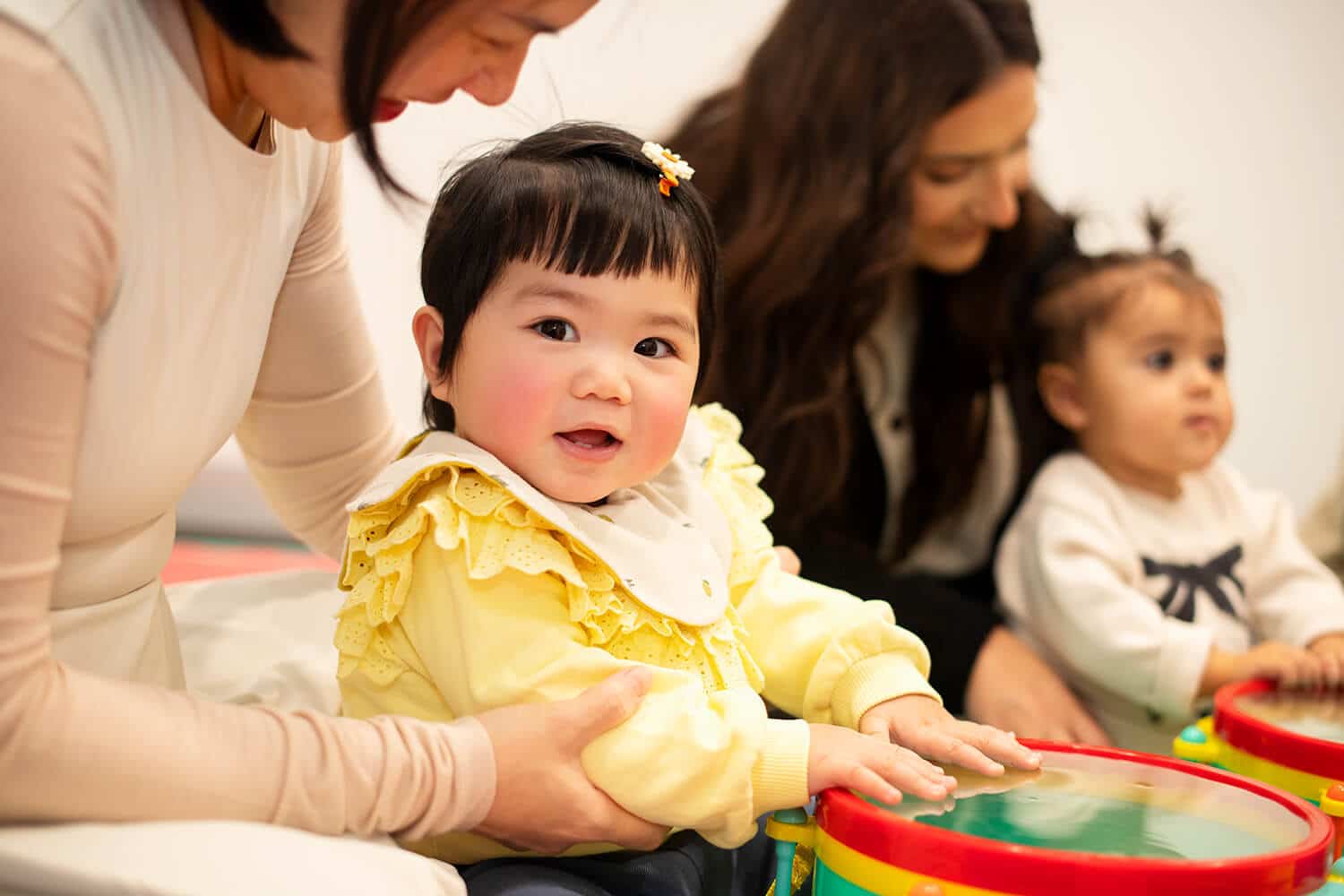
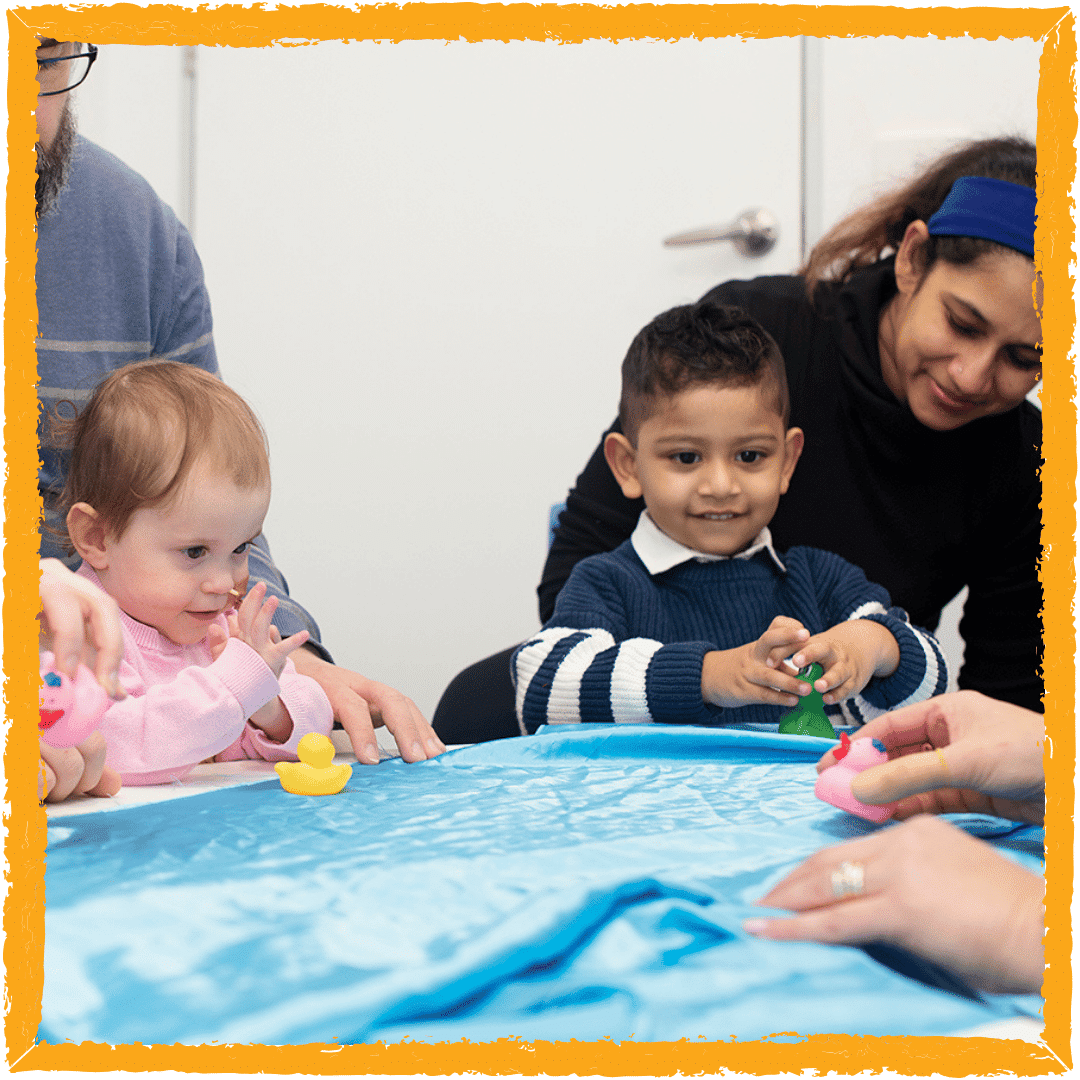
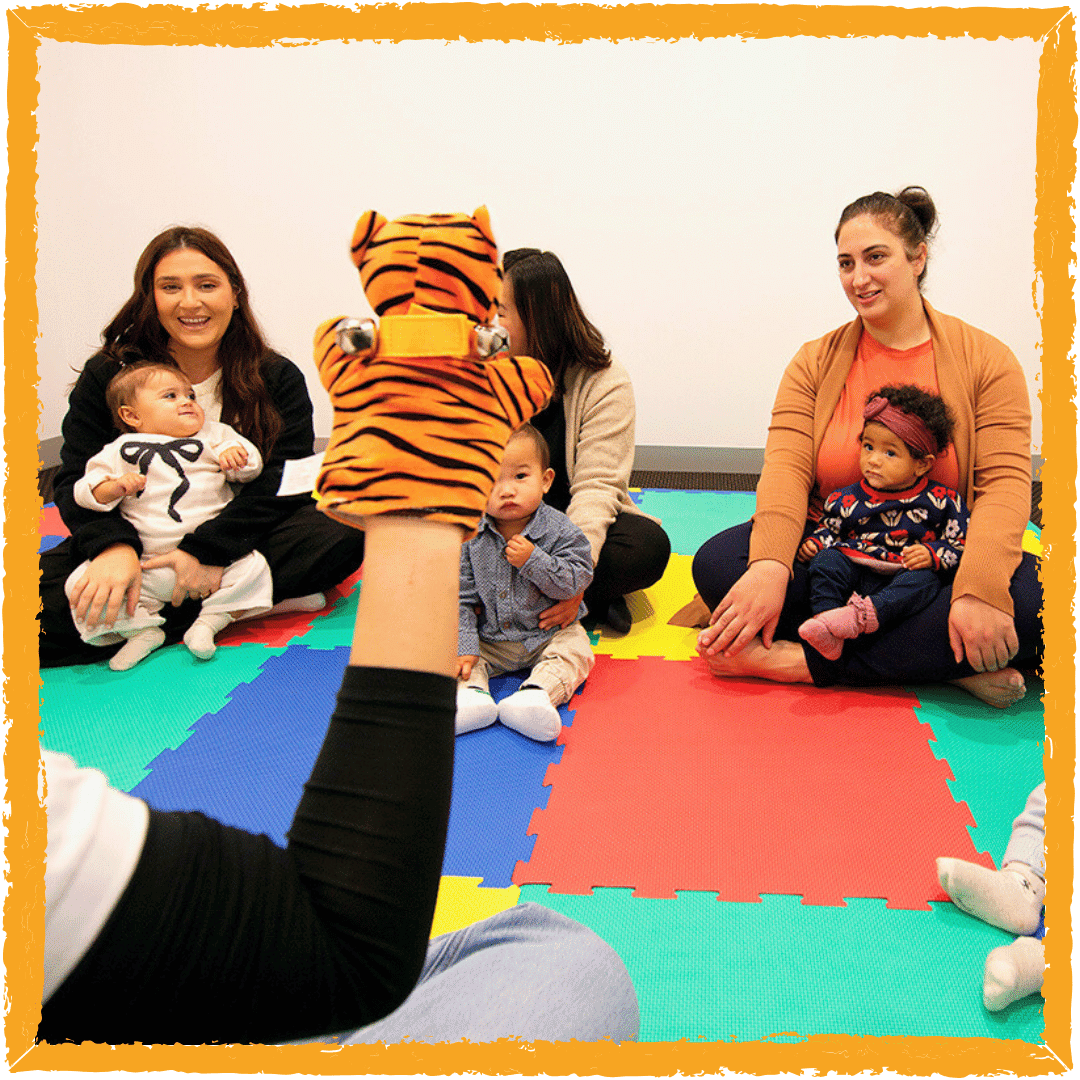
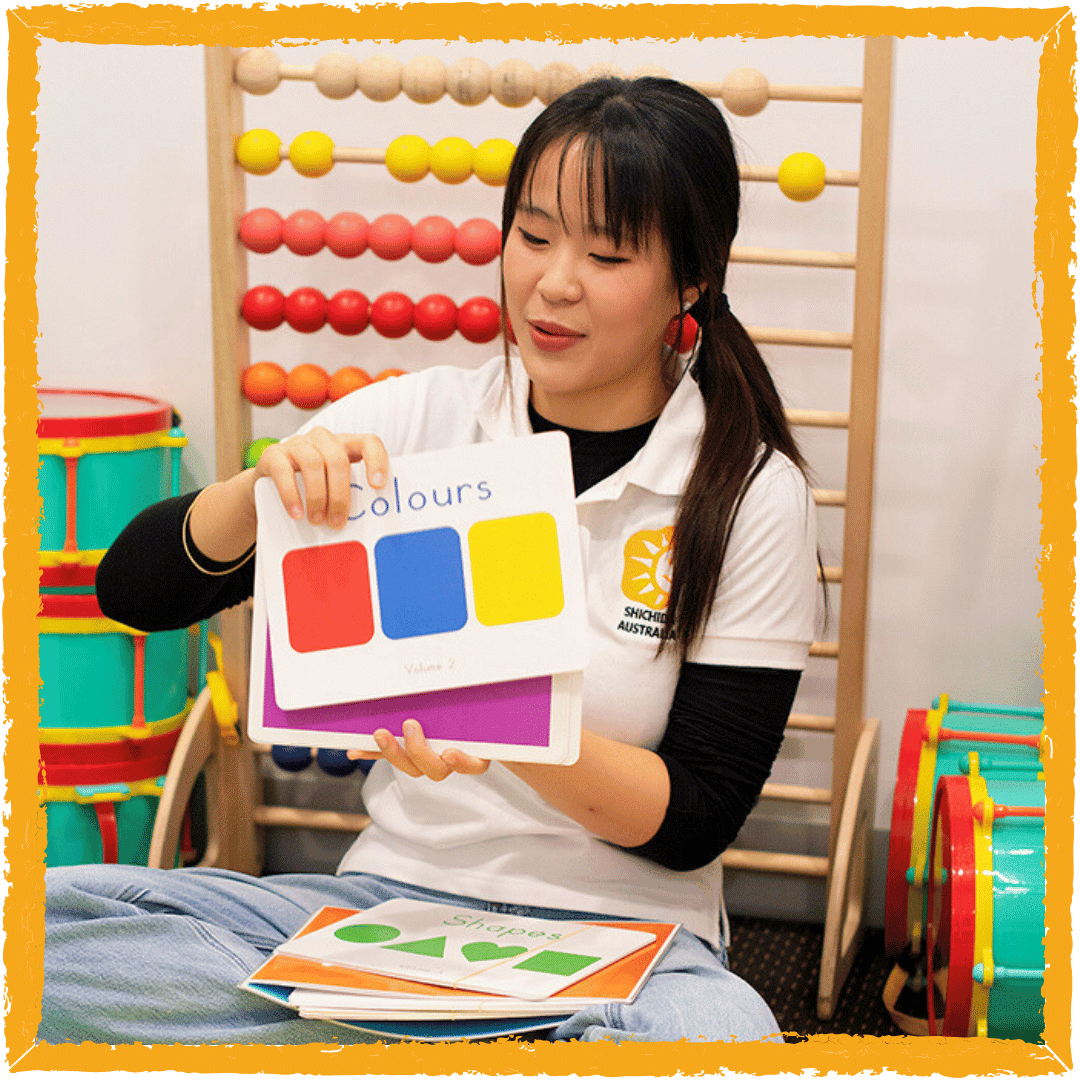
- Multi-sensory learning – Movement, songs, flashcards, and games make literacy engaging and interactive.
Shichida’s early learning programs are designed to support reading readiness, emotional intelligence, and a love of language – starting as early as six months old.
Looking for age-appropriate literacy activities for kids? Our early learning program is designed to grow with your child – supporting language development through fun, brain-stimulating methods at every stage.
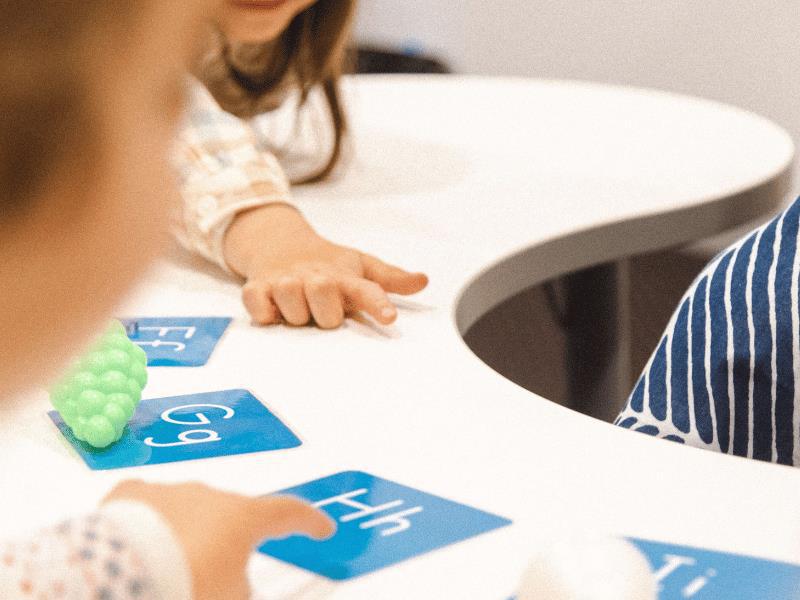
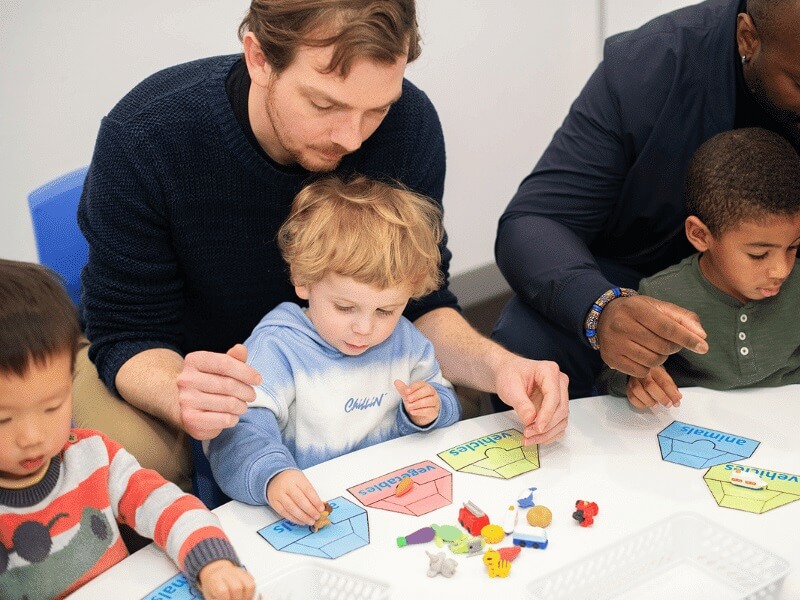
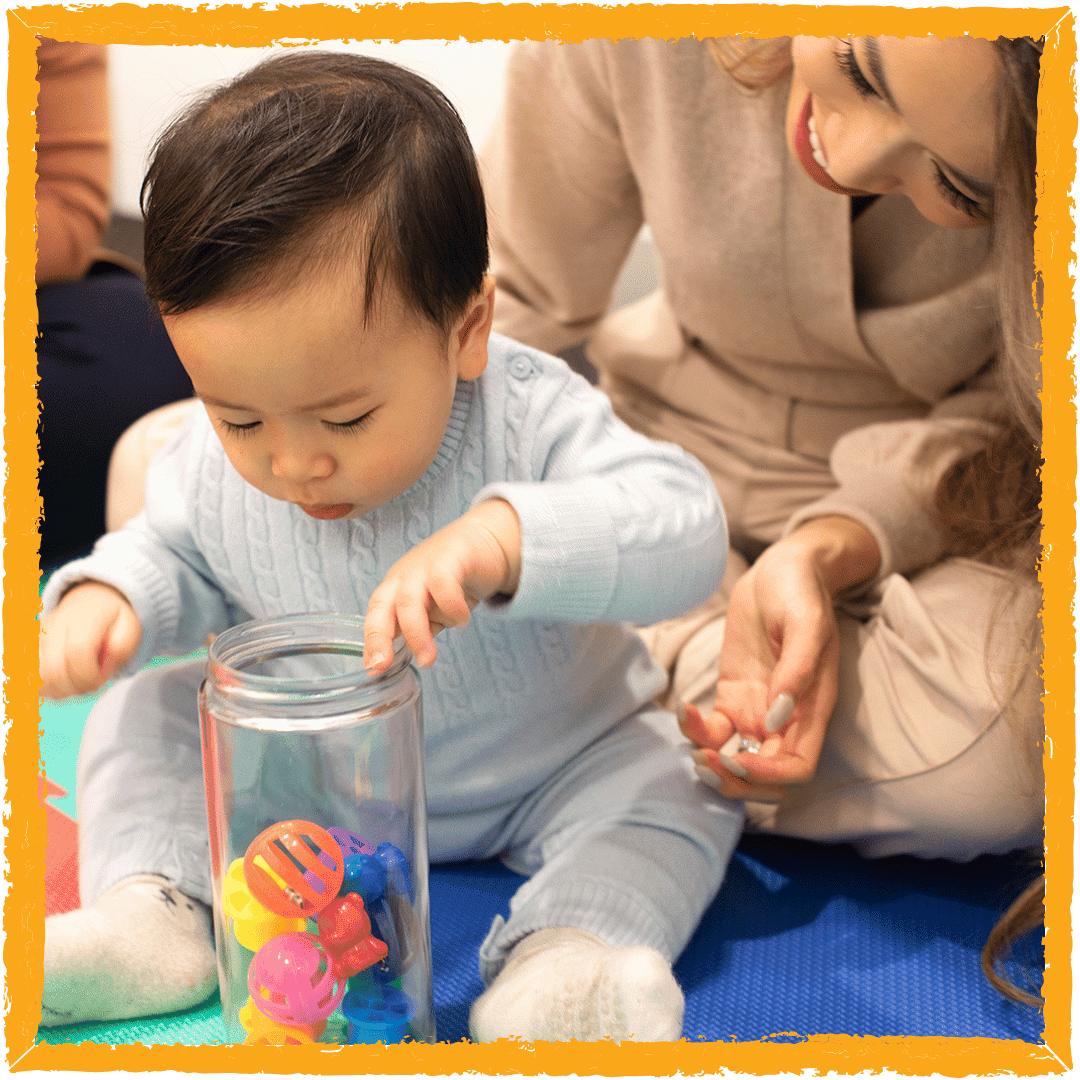
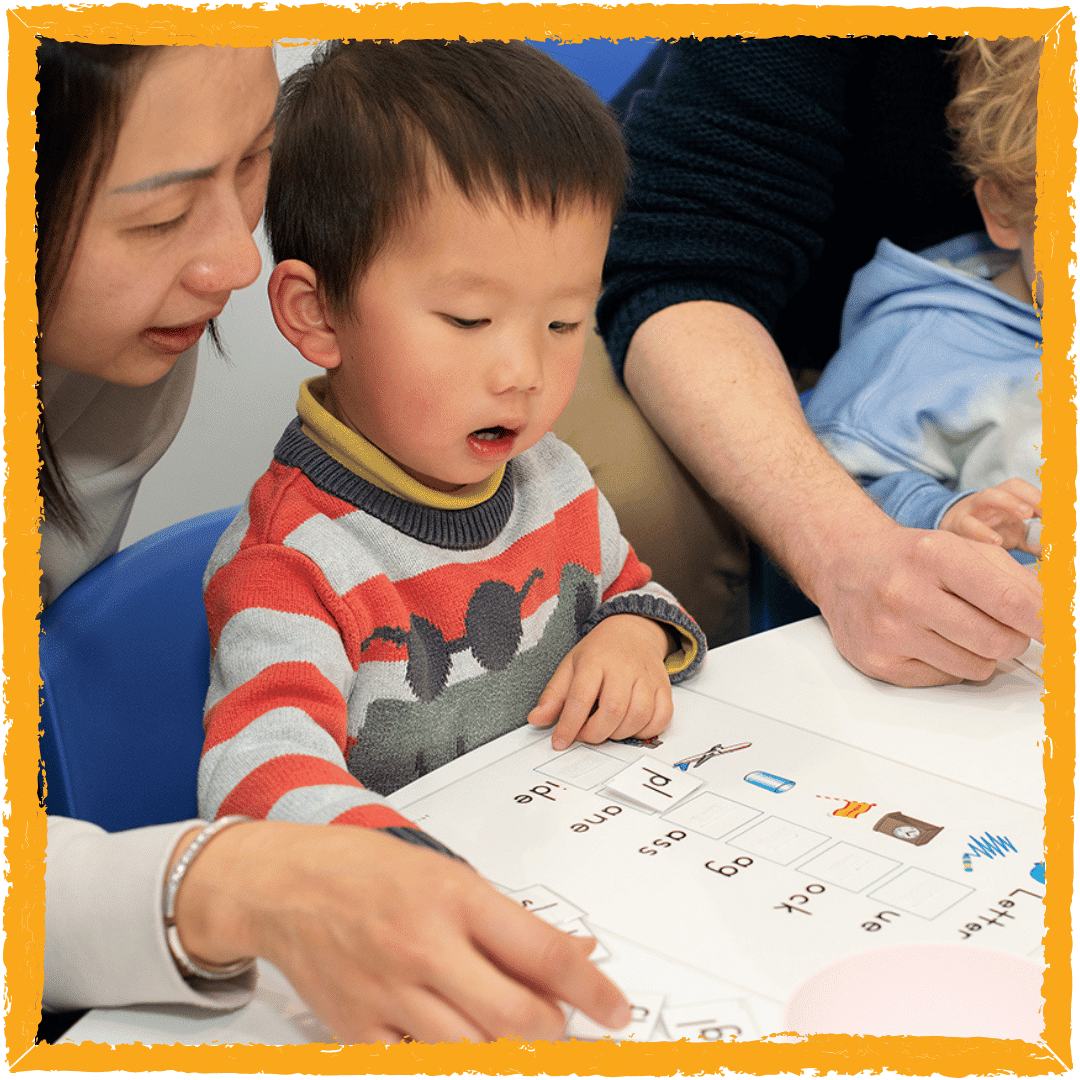
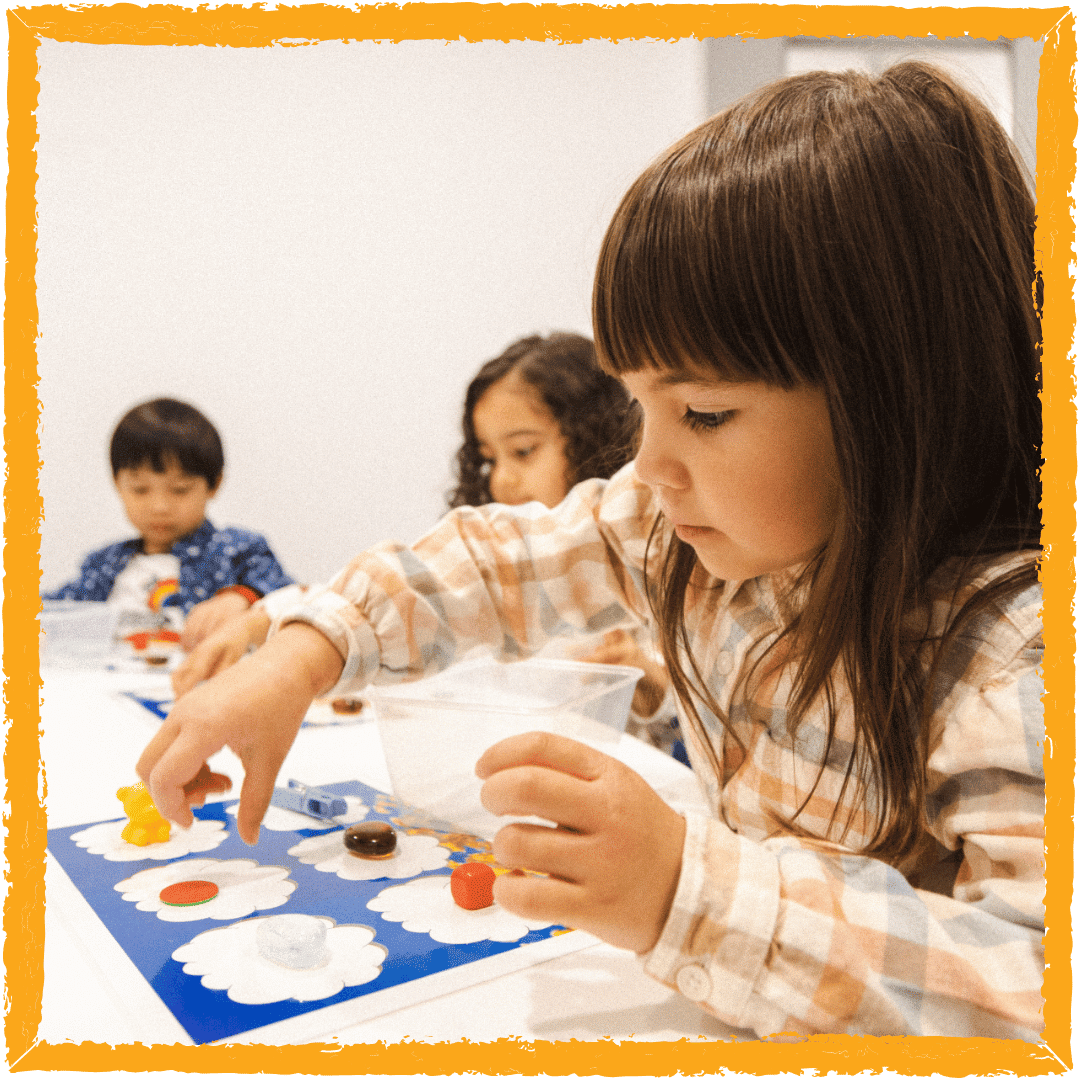
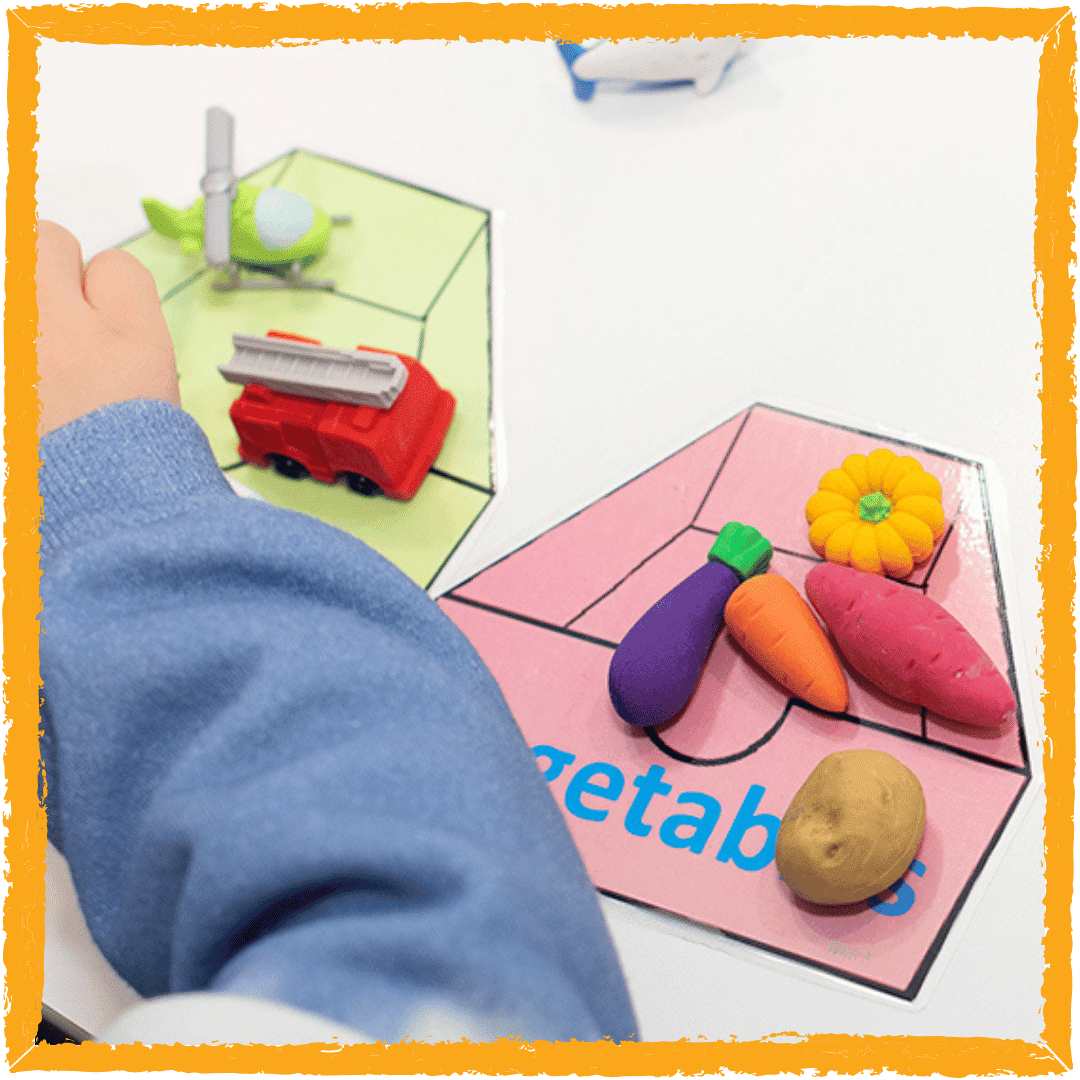
Photo by Shichida Australia: One example of literacy activities for kids at Shichida is using letter cards and hands-on objects to reinforce phonics and letter recognition in a fun, interactive way.
Conclusion
Literacy is the foundation for all learning, and at Shichida, it’s nurtured through practical, step-by-step activities that grow with your child. Our program covers the full spectrum of early literacy skills – including:
- Phonics and vocabulary building
- Early reading and writing
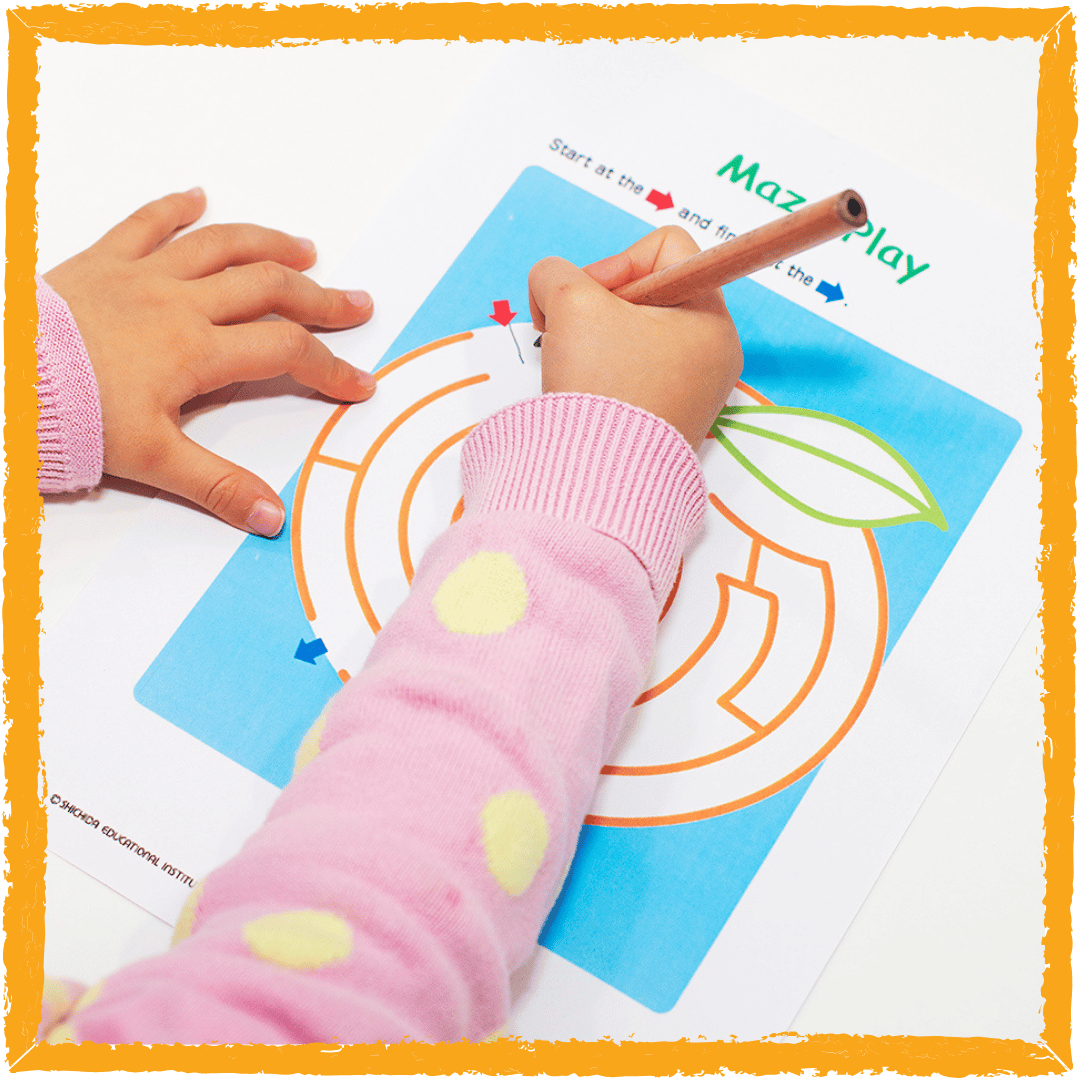
- Pencil grip and correct letter formation
- Spelling, tenses, and sentence structure
- Comprehension and reading speed
These skills are introduced in fun, age-appropriate ways that strengthen your child’s confidence, memory, and communication.
Looking for effective literacy activities for kids? Book a trial class at your closest Shichida centre and experience our whole-brain approach to learning in action!
FAQs About Literacy Activities For Kids
Literacy begins earlier than most parents realise. From birth, babies build literacy through listening, looking at books, and responding to voices. And it’s more than just reading and writing – emotional and visual literacy also play a role from the start
It’s normal for children to go through phases. Try different forms of reading, such as comics, audiobooks, or interactive stories. If disinterest continues beyond age 7, speak to your GP or a speech and language therapist for guidance.
Digital literacy isn’t just about limiting screen time – it’s about using technology intentionally and responsibly. For younger children, co-watching educational content or using learning apps for up to one hour per day is a good starting point.
Reading and writing often develop at different rates. Writing also requires fine motor skills and confidence in self-expression. Support your child through drawing, journaling, or even letting them dictate stories aloud. These are all valuable literacy activities for kids.
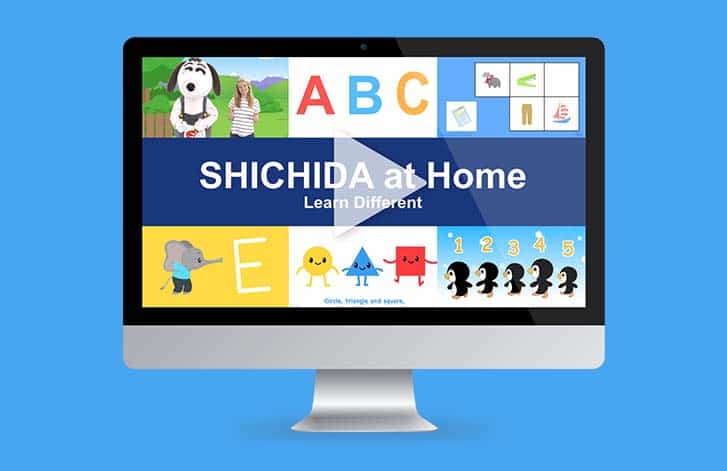
Being bilingual is a strength. Keep using your home language – it supports thinking, reasoning, and emotional connection. Read together in both languages when possible, and introduce English naturally through everyday routines. Learning programs like SHICHIDA at Home can support your child’s English development in a gentle, pressure-free way.
If your child isn’t speaking by age 2, has trouble forming words clearly by age 4, or avoids reading and writing altogether by prep age, it’s worth seeking advice. Early intervention can have a lasting impact.
The Shichida early learning program offers a structured, age-based approach that supports literacy through phonics, vocabulary, writing, reading comprehension, and memory training. Designed for children from six months to nine years, it helps build strong communication and thinking skills in a fun, interactive environment.