
Decision Making for Kids: Teaching Intuition and Resilience
Key Takeaways
- Life Skills Like Intuition and Resilience Can Be Taught: Decision-making, bouncing back from setbacks, and trusting instincts are all skills that develop with consistent support from early childhood.
- Small Choices Build Big Confidence: Giving children regular opportunities to make simple decisions helps grow their self-trust, critical thinking, and emotional awareness.
- Everyday Moments Shape Emotional Strength: Whether it’s talking through mistakes, praising effort, or modelling calm problem-solving, your responses help build long-term resilience.
Decision making for kids is crucial – if there’s one gift you can give your child that will serve them through every stage of life, it’s the ability to make good decisions, bounce back from setbacks, and trust their instincts. These aren’t just personality traits – they’re learnable skills. And the earlier children start building them, the more equipped they’ll be to handle life’s everyday challenges with confidence and clarity.
You’ve probably noticed it already: some children approach challenges head-on, adapt quickly to change, and seem to intuitively know what’s right for them. Others freeze up, avoid choices, or crumble when things go wrong. The difference often lies in how well they’ve been supported in developing decision-making skills, emotional resilience, and intuition.
Let’s explore how you, as a parent, can help your child thrive in these key areas.
What Is Decision Making for Kids?
Decision making for kids is the process of teaching children how to weigh options, think critically, and make choices based on both logic and emotion. While it might seem simple, children are constantly making decisions – what to wear, which toy to play with, who to sit with at school. These small, everyday choices lay the groundwork for more complex decisions later in life.
Strong decision-making skills help children perform better academically, build healthier relationships, and develop the ability to manage stress and responsibility as they grow.
When children are actively involved in everyday decision-making, they begin to develop a sense of control and accountability. The goal isn’t for them to get every choice right, but to learn how to think things through, reflect on outcomes, and adapt with confidence.
Why Is It Important to Build Resilience in Kids?
Resilience is the ability to recover from difficulties, setbacks, and change. To build resilience in kids means helping them learn how to bounce back when things don’t go their way.
Whether it’s losing a game, facing school challenges, or managing friendship conflicts, emotionally resilient kids are more likely to keep trying, ask for help when needed, and view setbacks as part of the learning process.
In the long term, emotional resilience in children is linked to stronger mental health, reduced anxiety, and better social skills. A resilient child is more likely to take on challenges and less likely to give up when things get tough. According to Raising Children Network Australia, building resilience in children also plays a key role in preventing behavioral and emotional problems later in life.
How to Develop Intuition in Children
Intuition plays a subtle but powerful role in decision-making. It’s that inner sense that something feels right or wrong – even before we’ve fully analysed it. Teaching children to listen to their intuition builds self-trust and supports emotional intelligence.
So, how can you help your child tune in to their inner voice?
- Model Intuitive Decisions
Let your child see you trust your gut in everyday situations – whether it’s choosing a route to avoid traffic or deciding not to attend an event because it doesn’t feel right. Talk them through your thinking process so they understand how you balance logic and instinct. - Encourage Reflection
After your child makes a decision, ask open-ended questions like “How did that feel?” or “Would you do anything differently next time?” These moments of reflection nurture self-awareness and help children connect with their inner sense of right and wrong. - Support Autonomy
Give your child regular, age-appropriate opportunities to make their own choices – what to wear, which book to read, or which snack to pick. The more they practise making decisions, the more confident and attuned they become to their own intuition.
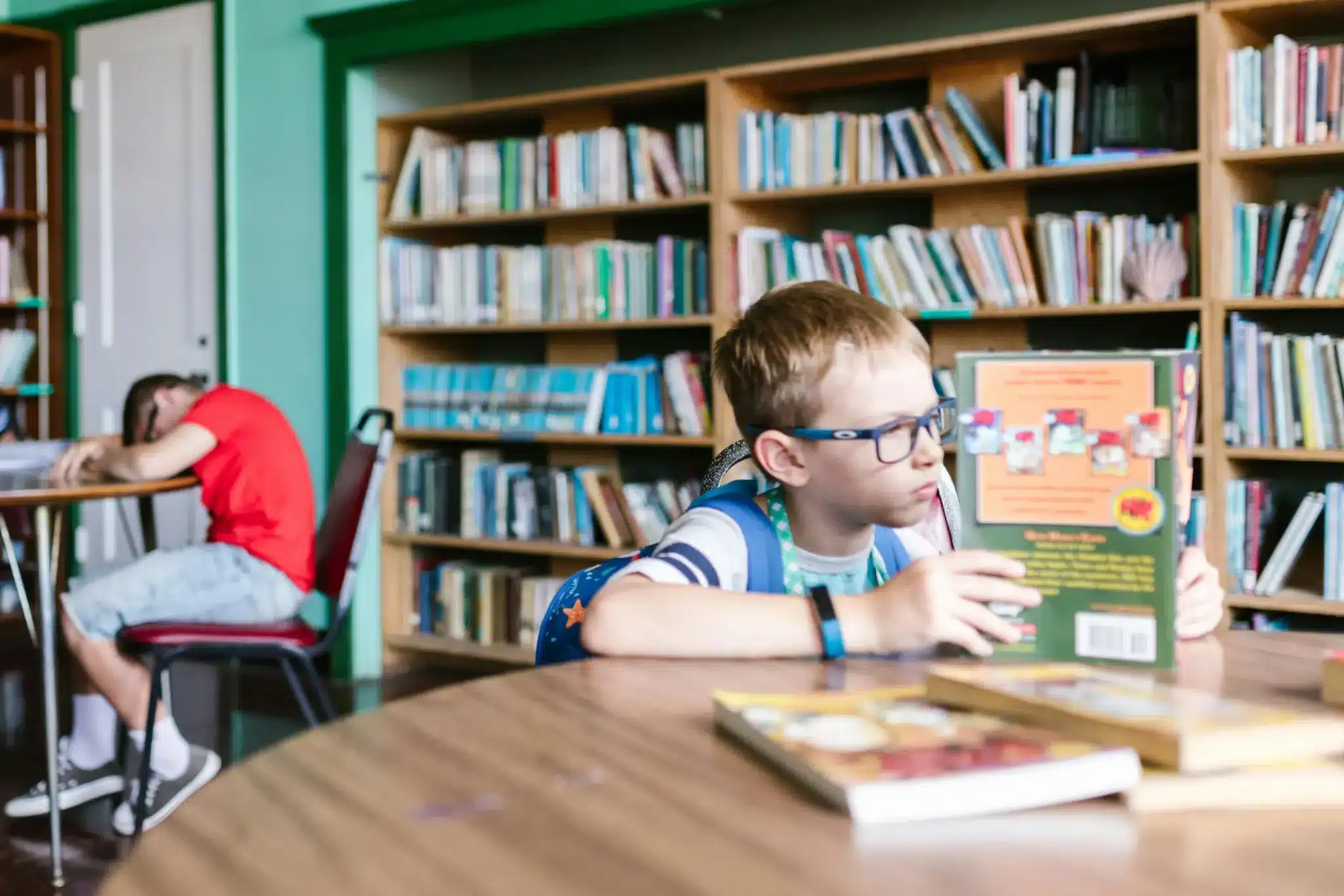
Photo from Pexels: Picking a book builds confidence. Decision making for kids starts here.
Practical Strategies to Improve Decision Making for Kids
If you want your child to become a confident decision-maker, it’s best to start small and build gradually. With the right support, decision making for kids becomes a skill they can carry into every part of life. Here are a few simple strategies that double as everyday intuition training:
- Start with Small Choices
Offer two options – what to eat for lunch or which book to read at bedtime. These small moments help children practise making decisions and build confidence without pressure. - Discuss Possible Outcomes
Ask questions like, “What do you think might happen if you choose this?” Guiding your child through pros and cons teaches them to consider consequences thoughtfully. - Encourage Problem-Solving
Games like “What would you do if…?”, open-ended puzzles, or imaginative play help children think through scenarios and outcomes in a safe, playful environment. - Use Positive Reinforcement
Celebrate the decision-making process, not just the result. Praise your child for thinking things through – even if the outcome wasn’t perfect. This builds resilience and trust in their own judgement.
Building Resilience in Kids: Key Strategies
Resilience isn’t something children either have or don’t have – it can be nurtured through everyday parenting. Here’s how you can help your child build emotional strength and adaptability:
- Encourage Perseverance
Instead of saying, “You’re so smart,” try “You worked really hard on that.” Praising effort over outcome teaches kids that persistence is what leads to success. - Normalise Mistakes
Help your child see mistakes as part of learning. Share your own setbacks and talk about what you learned. This makes failure feel less scary and more like a natural step forward. - Create a Safe Environment for Risk-Taking
Let your child try new things without fear of judgement. Whether it’s learning to ride a bike or speaking up in class, they need space to take safe risks and explore their capabilities. - Promote a Growth Mindset
Use encouraging phrases like “You haven’t mastered it yet” or “What can we try differently next time?” This reinforces the idea that abilities can grow with time and effort.

Emotional Resilience for Kids: How to Cope with Stress and Setbacks
Emotional resilience means being able to handle tough feelings like disappointment, fear, or sadness – and still keep going.
- Teach Calming Techniques
Show your child simple ways to calm themselves, such as deep breathing, stretching, colouring, or taking a quiet break. These small habits help them manage stress in healthy ways. - Reframe Negative Experiences
When things don’t go as planned, help your child focus on what they can learn rather than on what went wrong. This builds perspective and problem-solving skills. - Encourage Positive Self-Talk
Guide them to replace “I’m bad at this” with “This is hard right now, but I can get better.” Learning how to speak kindly to themselves builds motivation and inner strength.
According to The Education Hub NZ, resilience is best supported when children feel emotionally understood and are taught practical coping strategies from a young age.
Conclusion
Raising emotionally strong, intuitive, and capable decision-makers doesn’t happen overnight – but it does happen with consistent support, encouragement, and opportunities to explore and learn.
By helping your child build resilience, trust their intuition, and practise thoughtful decision making, you’re equipping them with life-long skills that extend well beyond childhood.

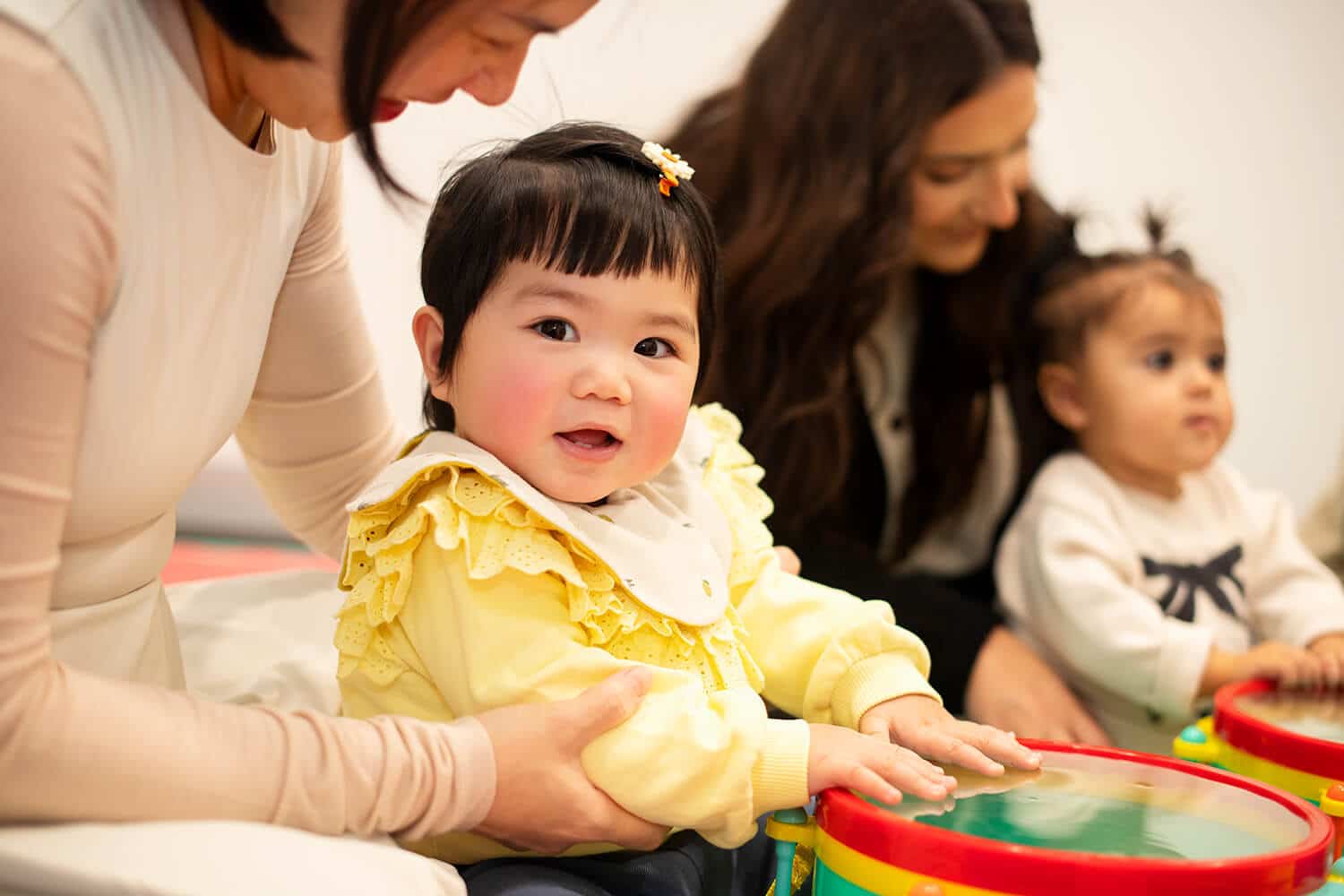
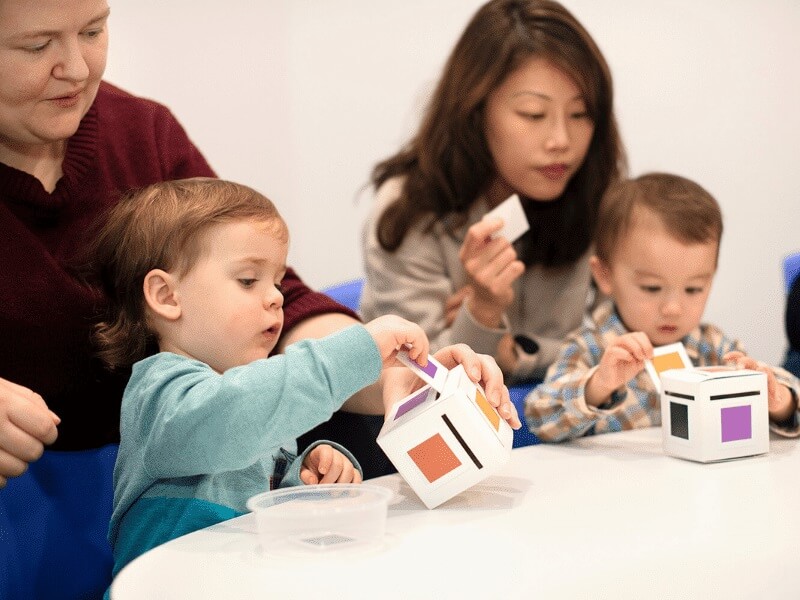
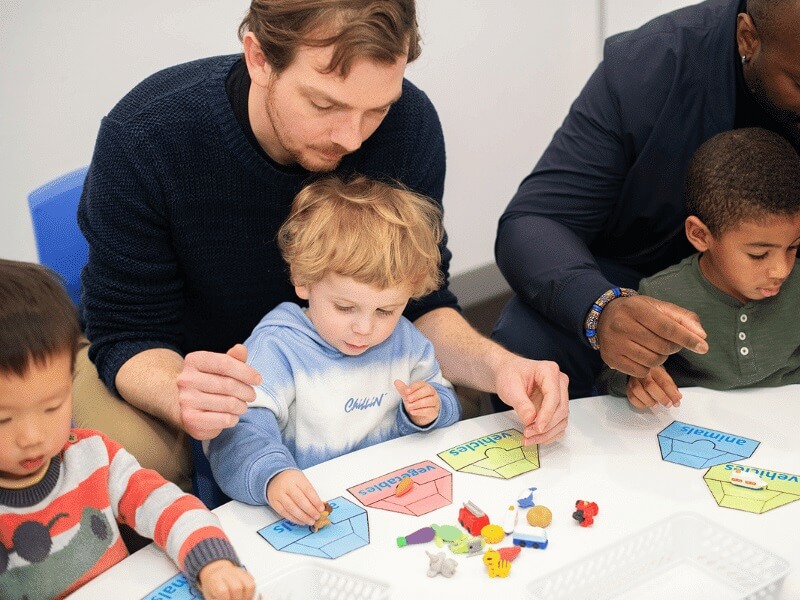
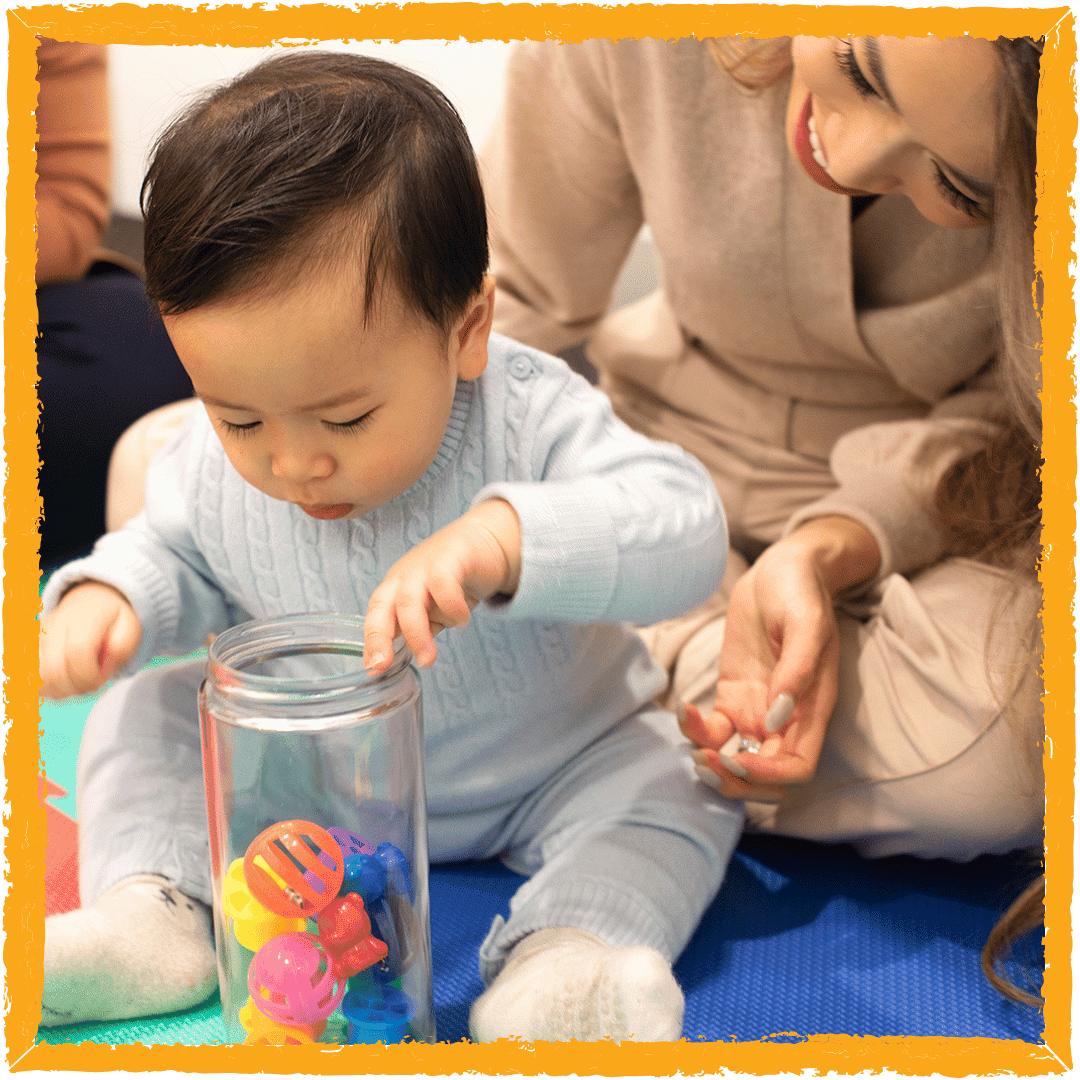
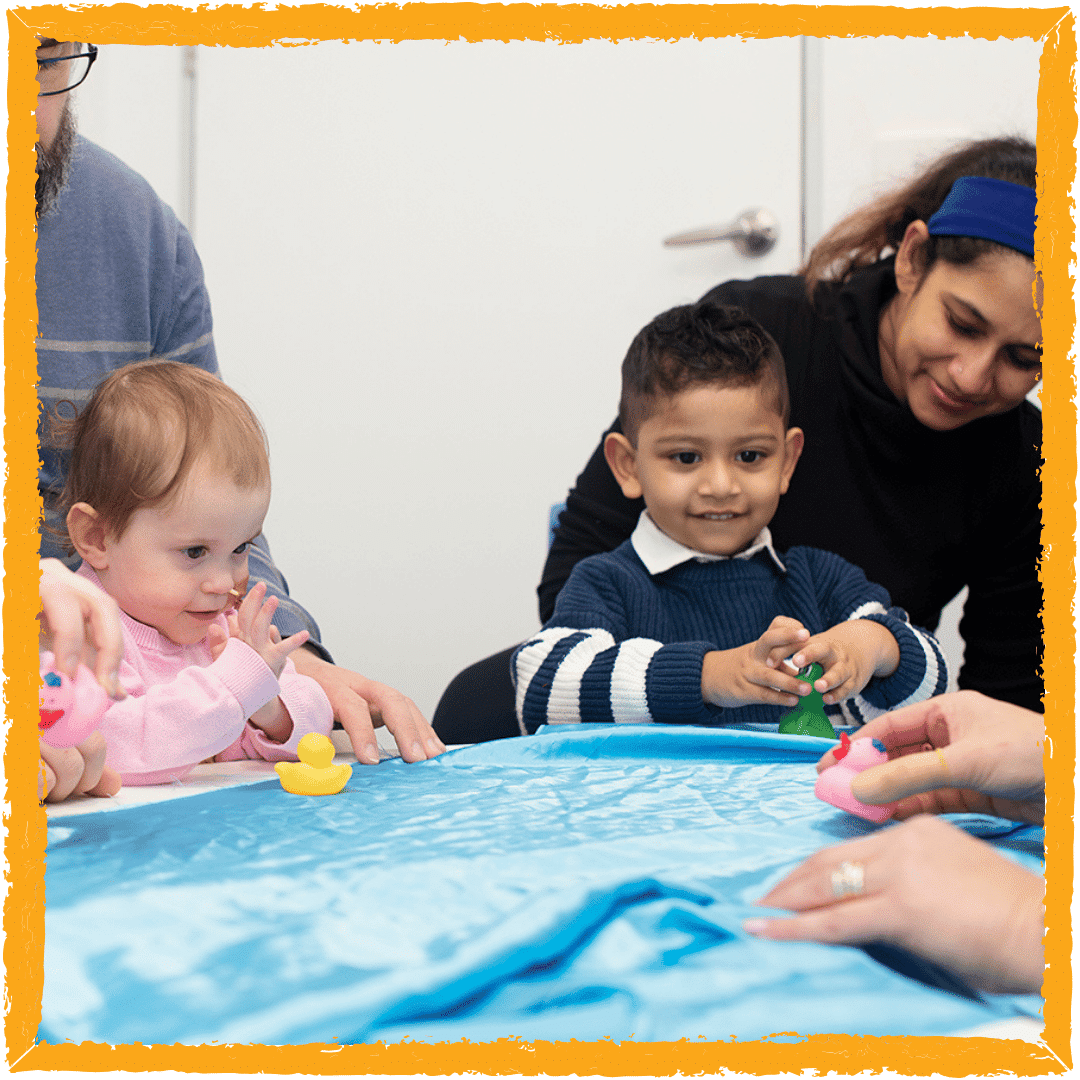
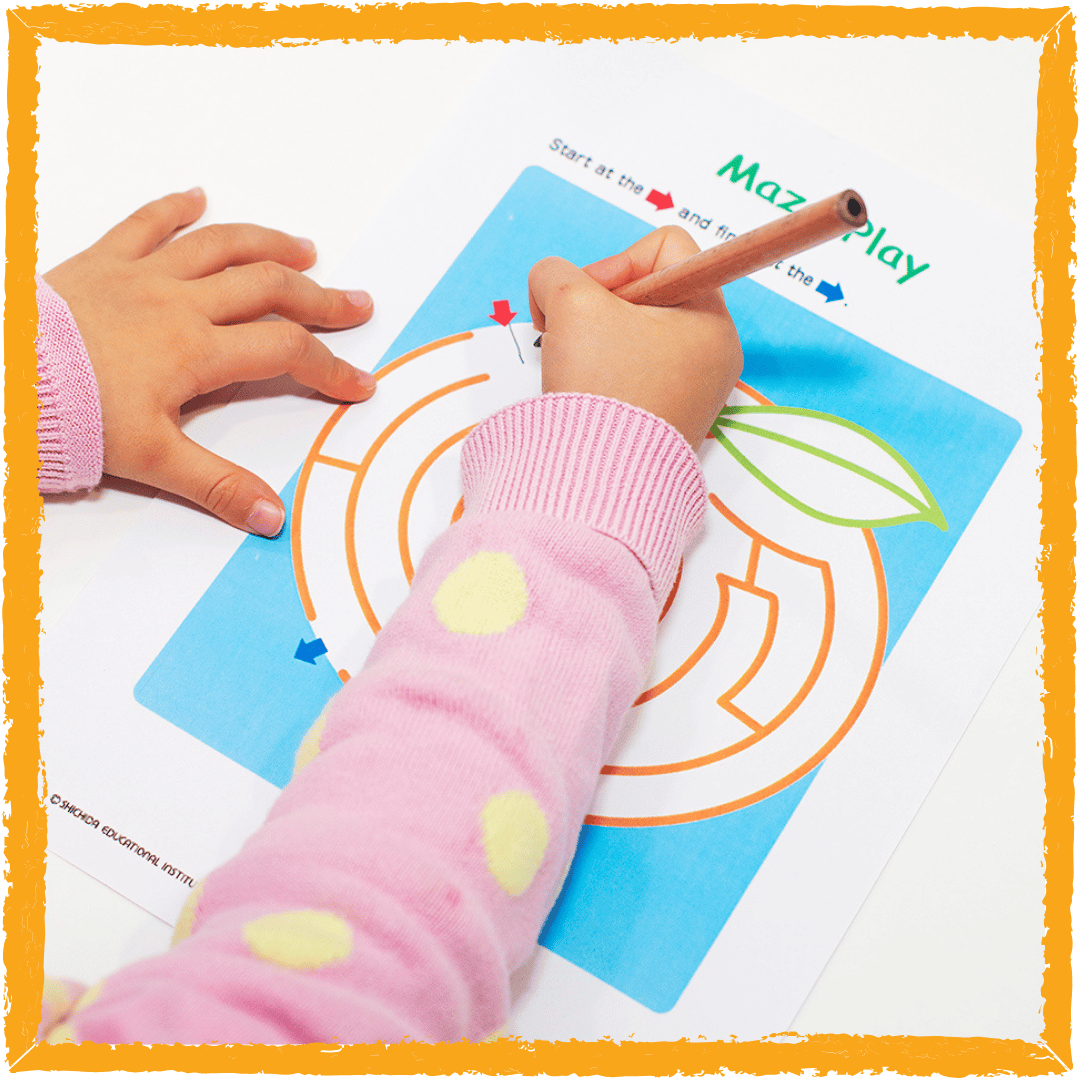
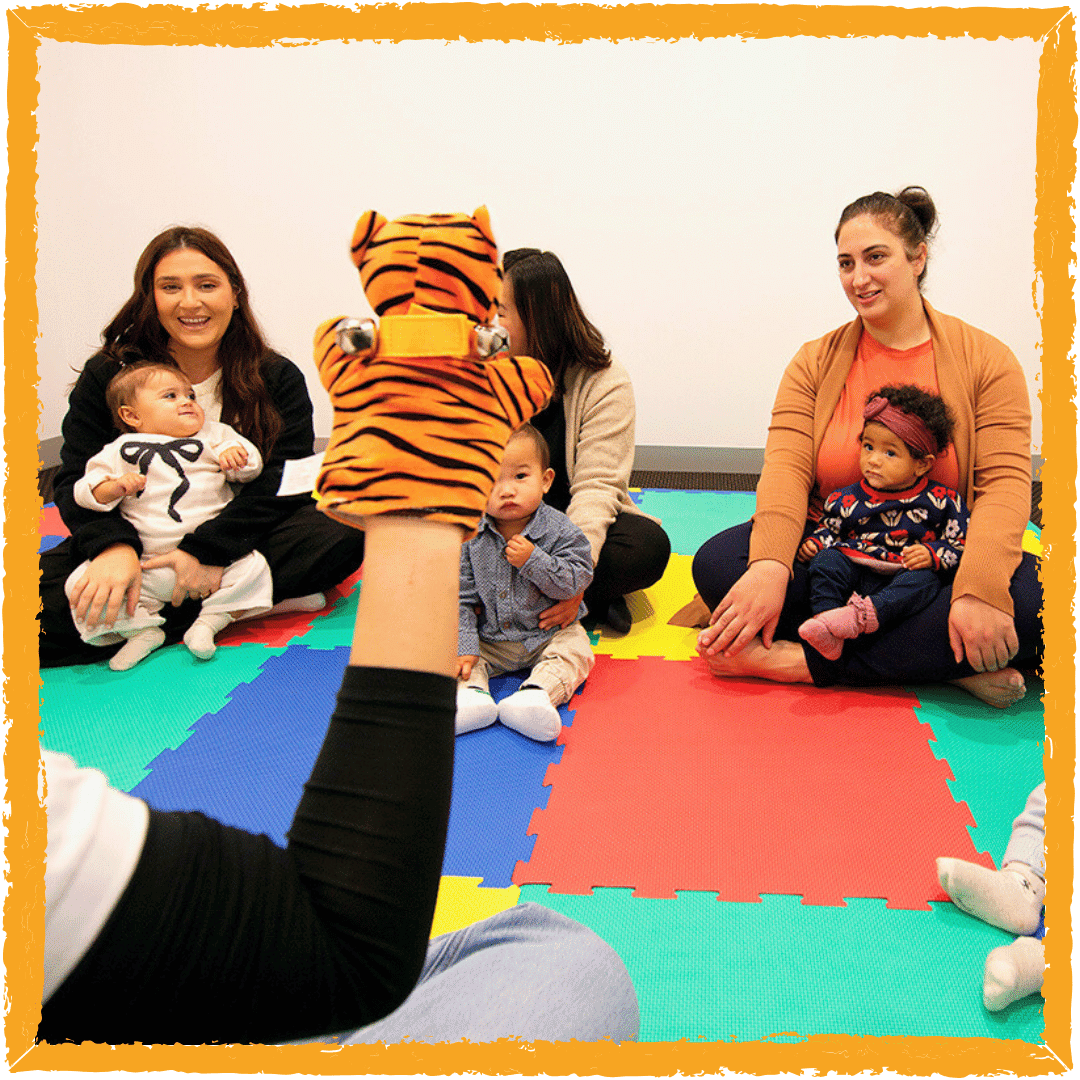
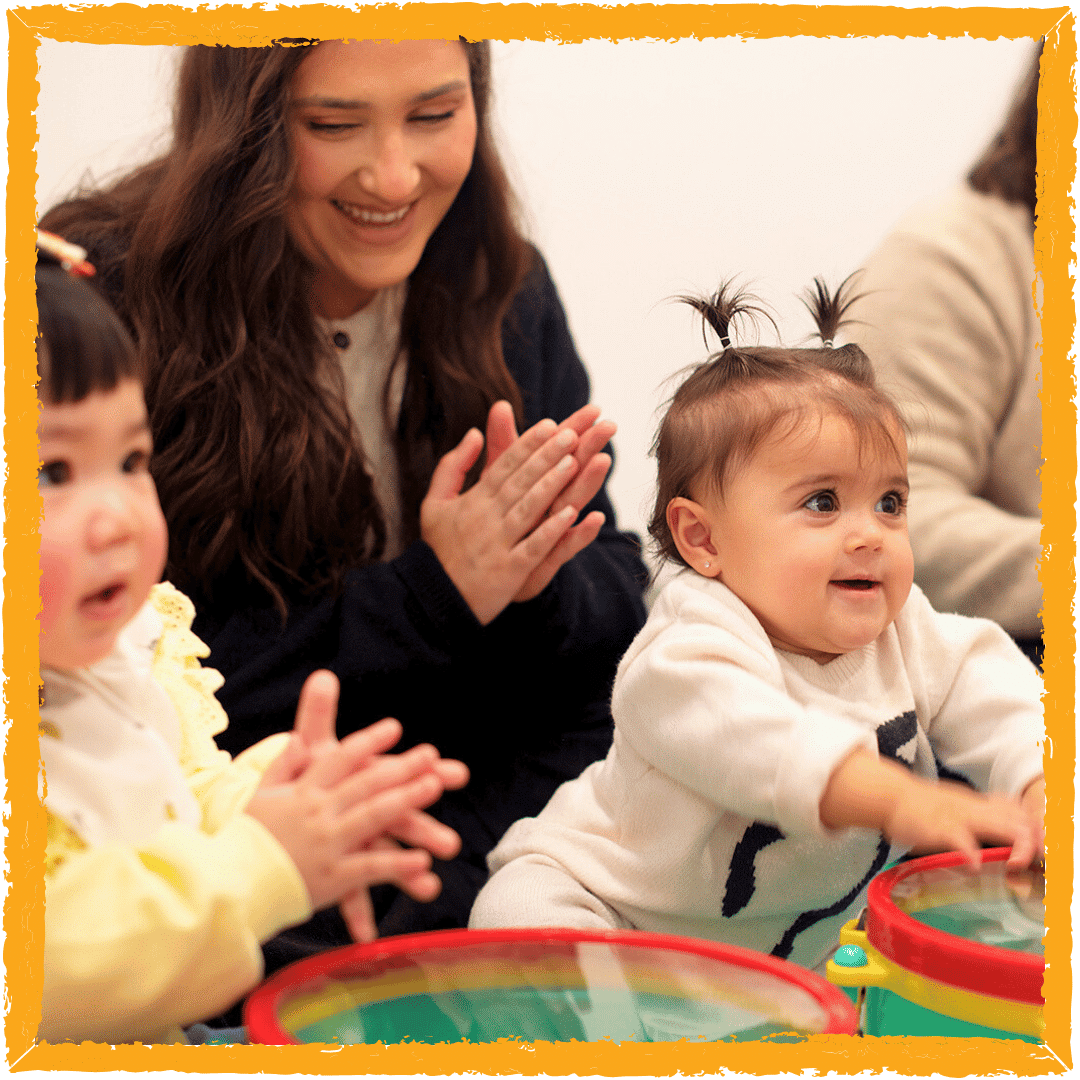
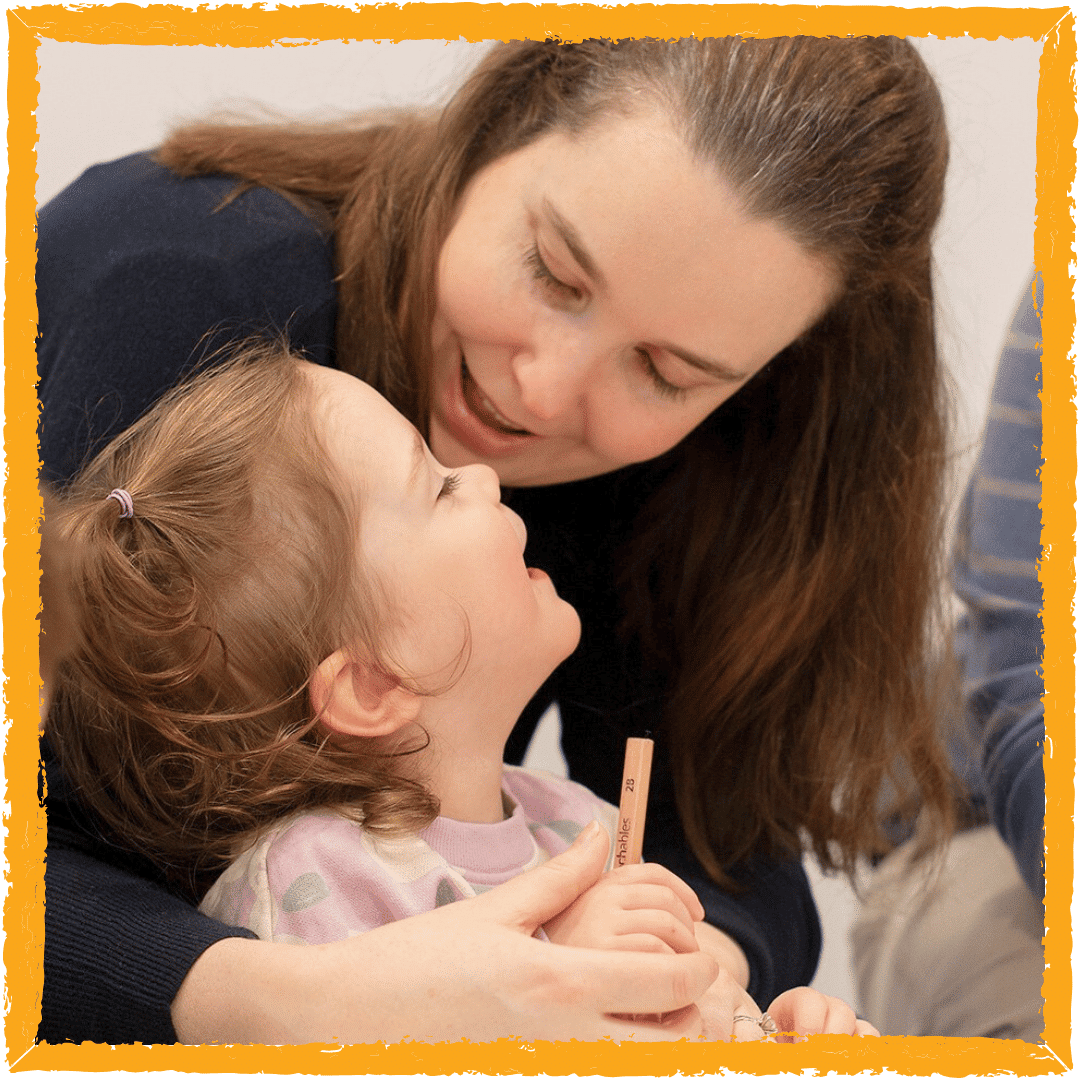
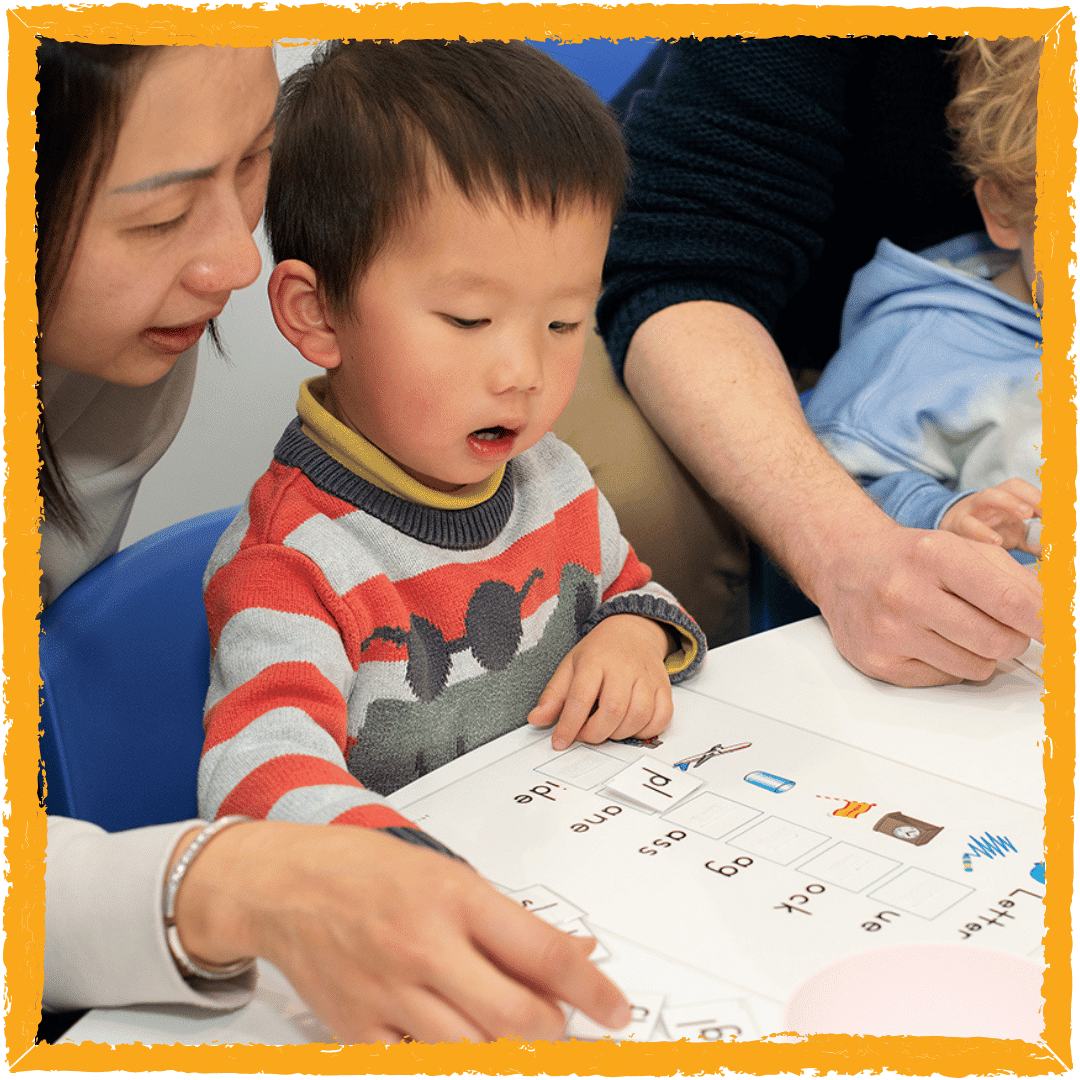
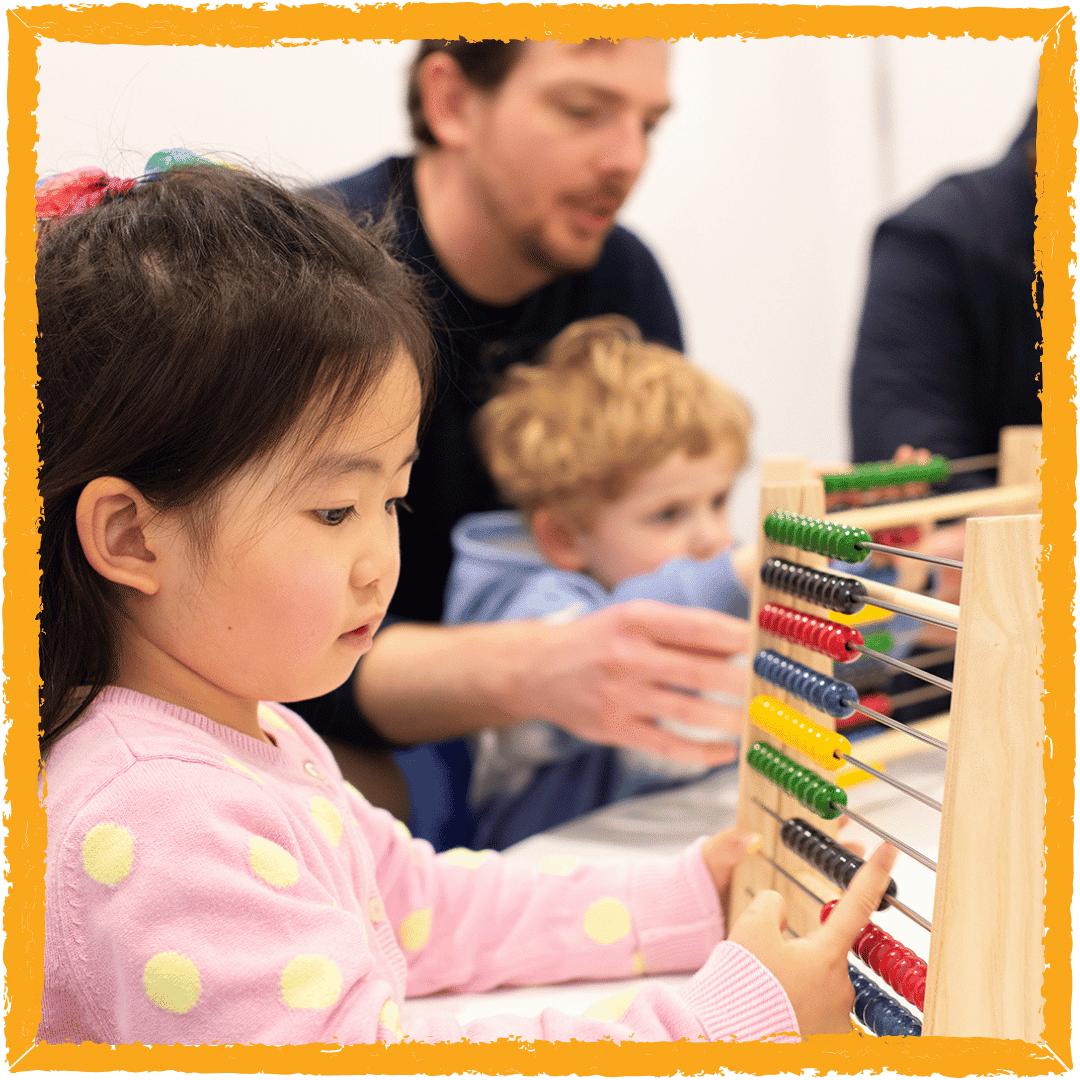
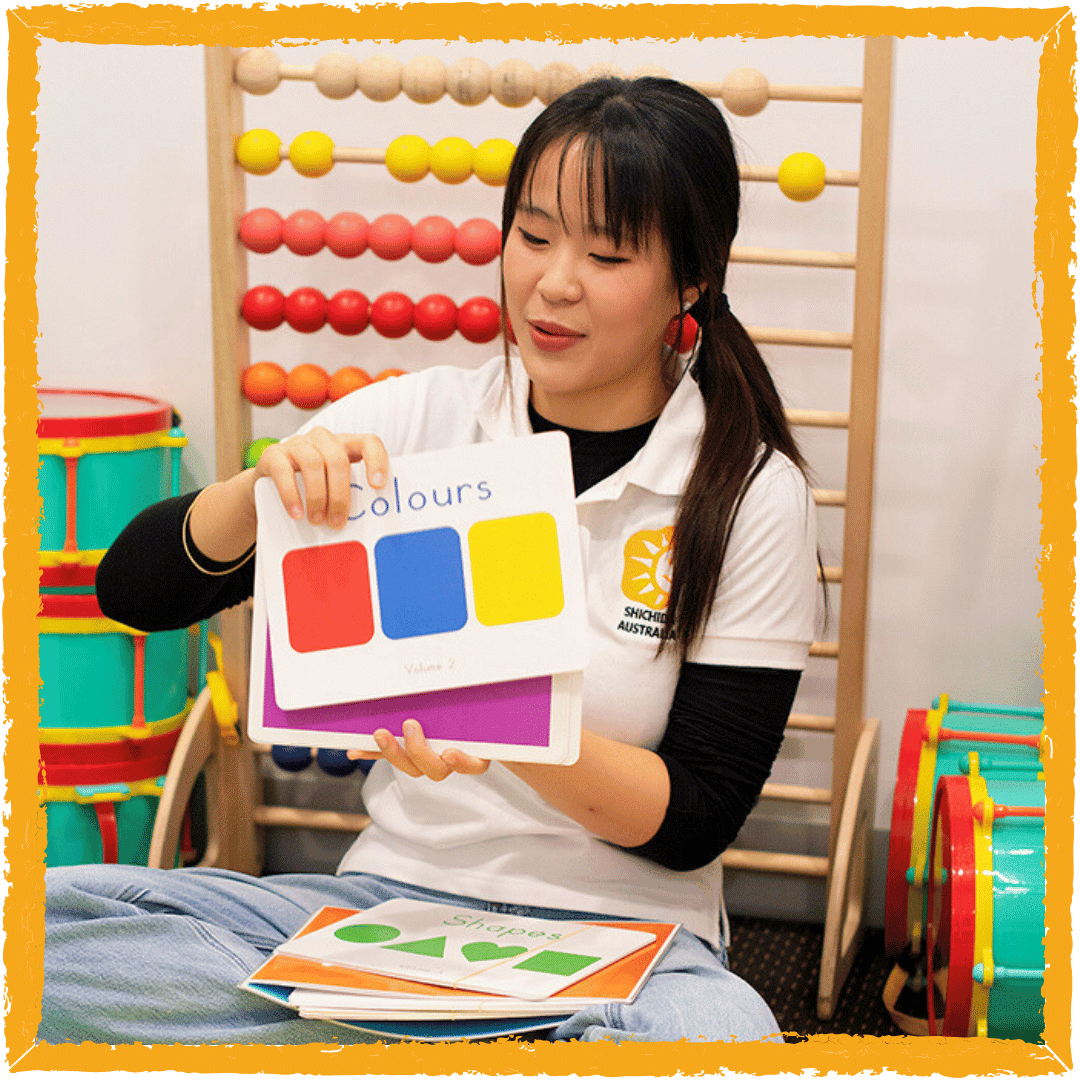
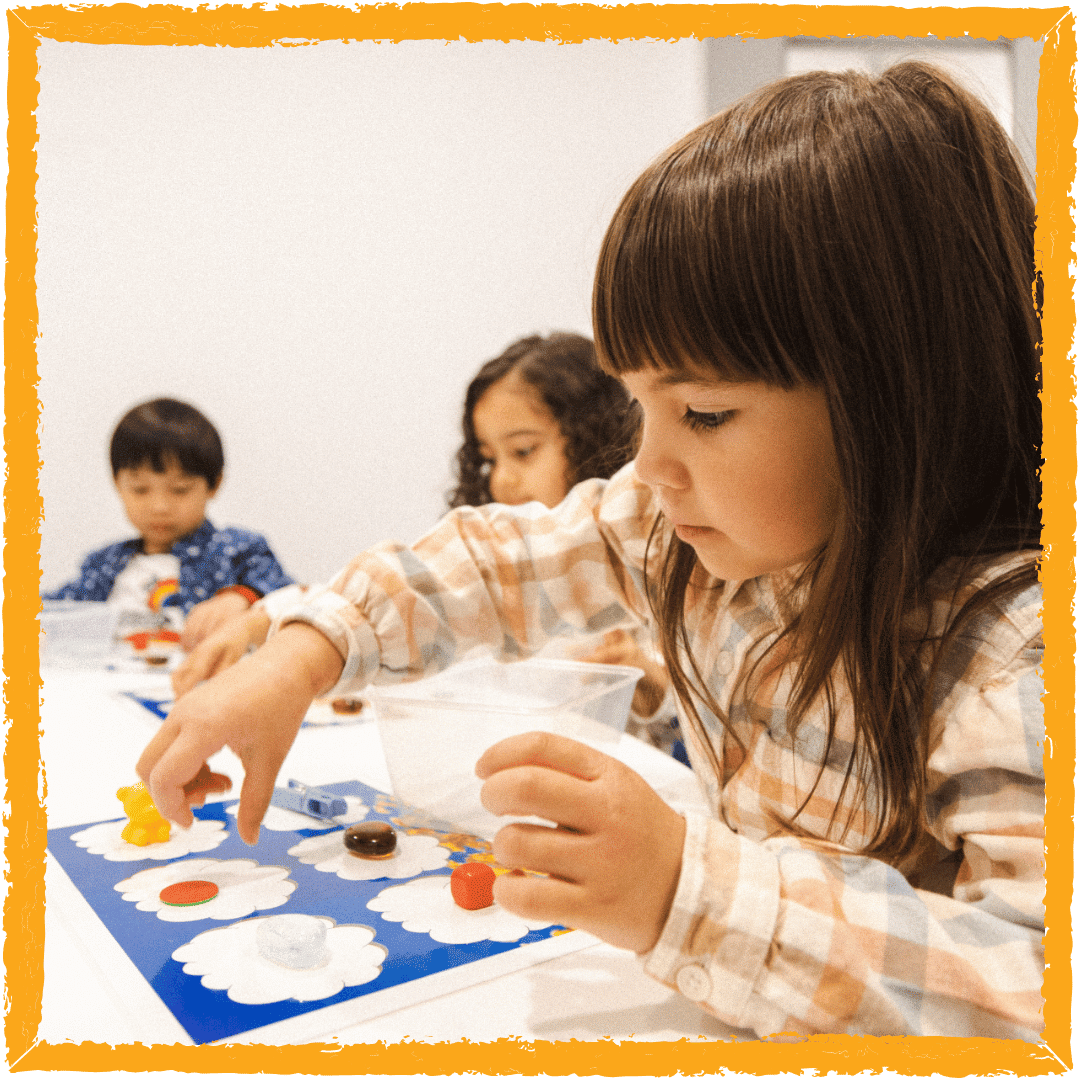
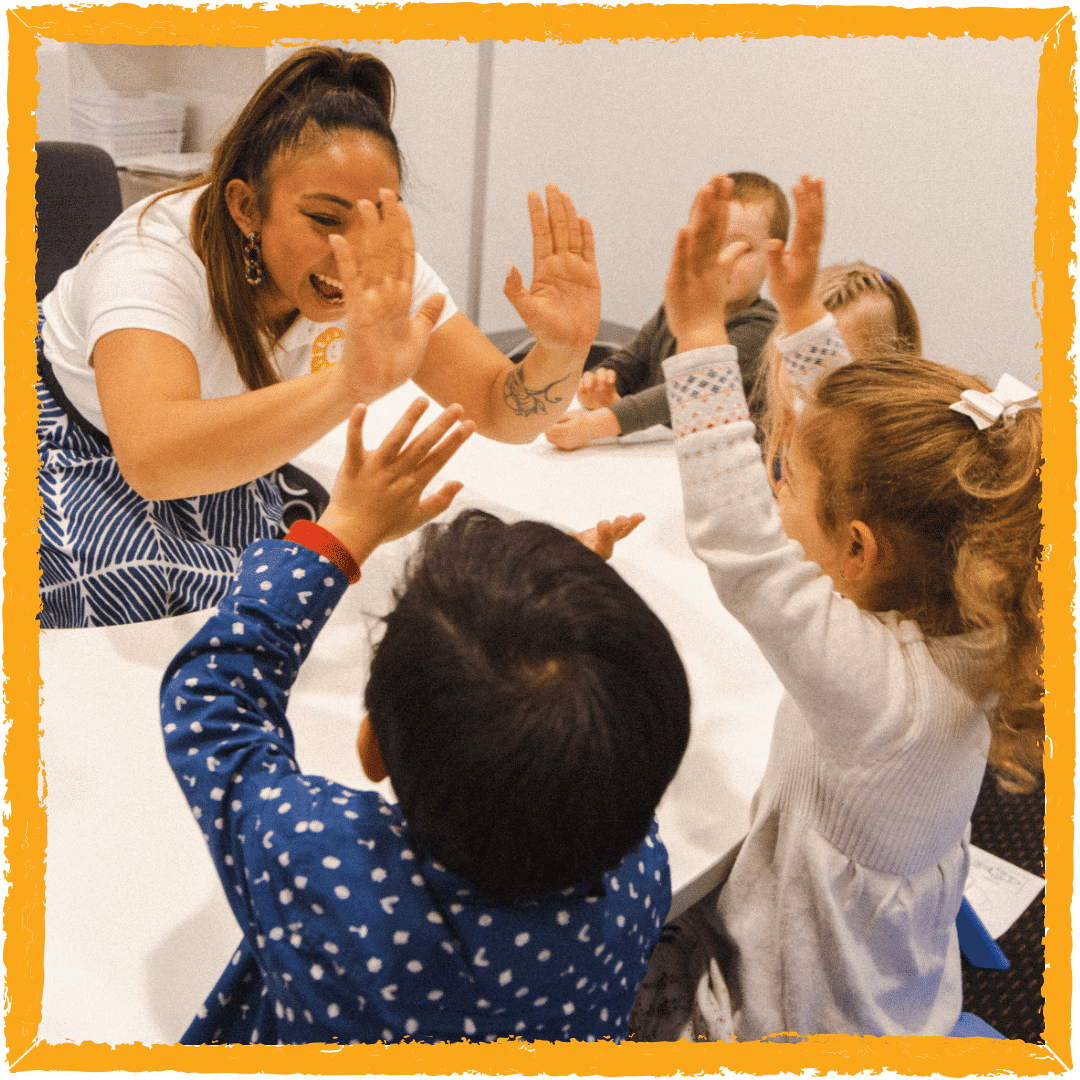
Photo by Shichida Australia: At Shichida, kids build confidence, intuition, and the courage to trust their choices – one fun activity at a time.
If you’re ready to support your child’s journey in decision making, emotional intelligence, and intuition education, discover how Shichida’s early childhood education programs can help. Visit Shichida Australia’s website and book a trial class today!
FAQ: Intuition and Decision Making for Kids
Children as young as two can begin making simple choices, like what to wear or which toy to play with. As they grow, their ability to make more thoughtful and complex decisions develops – especially with consistent support and practice.
Emotionally resilient children tend to bounce back after setbacks, try again after failing, and manage frustration without becoming overwhelmed. If your child often avoids challenges or gives up easily, they might need more help building emotional resilience.
If your child frequently second-guesses themselves, avoids making choices, or becomes anxious when faced with decisions, it could be a sign they need help developing confidence and trust in their decision-making skills.
Yes. While intuition is a natural sense, it can absolutely be nurtured. You can help your child develop it by encouraging reflection, helping them listen to their feelings, and giving them space to make their own choices.
Start by validating their feelings. Then, focus on what they’ve learned from the experience and remind them it’s okay to try again. Praise their effort and courage, not just the result.
Yes. The Shichida Method is designed to support whole-brain development, which includes emotional intelligence, intuitive thinking, and confident decision-making. Through fun, age-appropriate activities and consistent parent involvement, Shichida helps children develop these critical life skills from as young as six months old.