Tips For Teaching Kids Active Listening
Key Takeaways
- Active listening for kids means paying attention, understanding, and responding thoughtfully – not just hearing words.
- Teaching active listening skills helps children improve focus, communication, and emotional understanding.
- Simple listening activities for kids, like games and storytelling, can build these skills naturally at home.
- Active listening improves academic performance, social skills, and confidence over time.
- Parents play a key role by modelling good listening habits and creating daily opportunities to practise.
Imagine your child not just hearing words, but actually absorbing them – understanding, responding, and engaging with the world in a way that opens doors to deeper learning and stronger connections. That’s the beauty of active listening for kids. More than just nodding along, active listening is a superpower that improves how kids communicate, solve problems, and build meaningful relationships. In a noisy world full of distractions, teaching children how to actively listen gives them the edge to truly connect, learn, and thrive.
This guide focuses specifically on active listening for kids, helping parents teach listening skills through simple activities and daily routines.
So, how do we turn this vital skill into second nature for kids? Let’s explore some clever strategies, fun activities, and the surprising benefits of mastering active listening.
Understanding Active Listening Skills for Kids
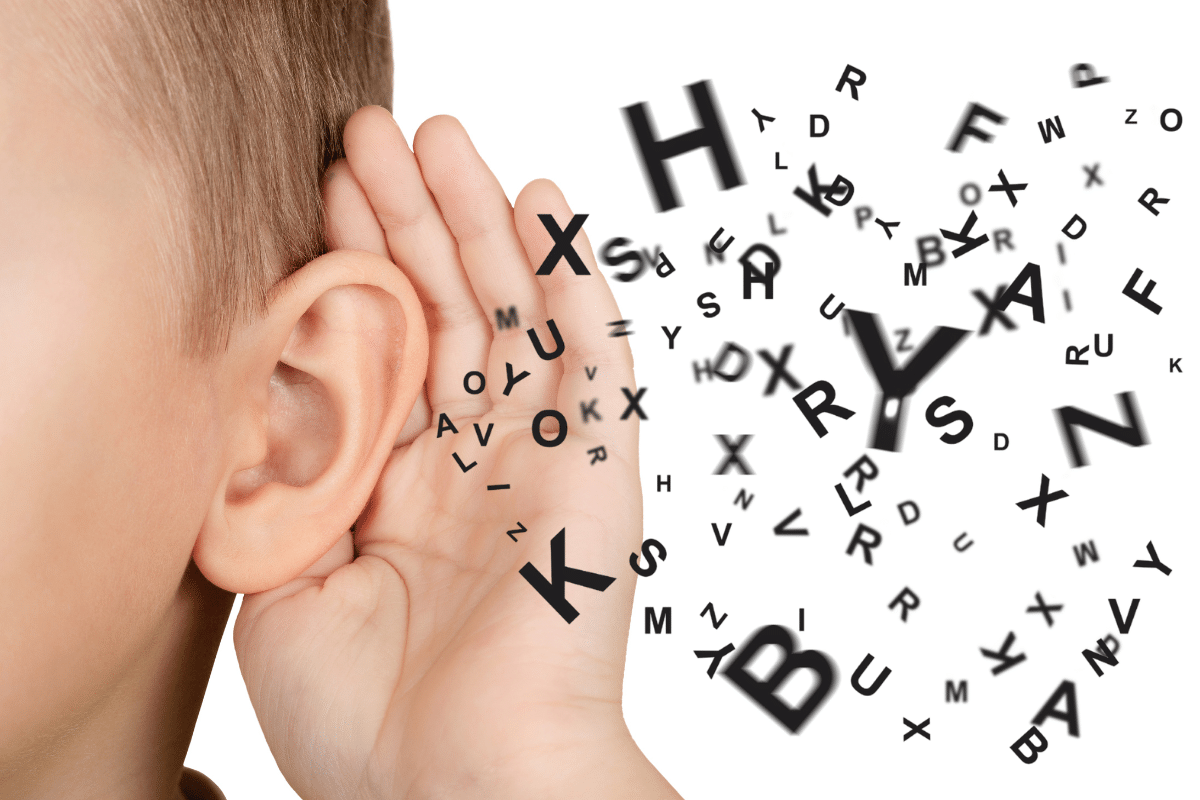
Active listening means paying full attention to the speaker, processing what they’re saying, and responding thoughtfully. For children, mastering these active listening skills involves more than just sitting still and being quiet. It includes looking at the speaker, asking questions, and repeating what they’ve heard to show they understand.
These skills help children in multiple ways. When kids actively listen, they can follow instructions better, retain information, and engage in more meaningful conversations. Moreover, strong listening skills for kids improve their ability to make friends and build empathy, as they learn to understand and respond to others’ feelings.
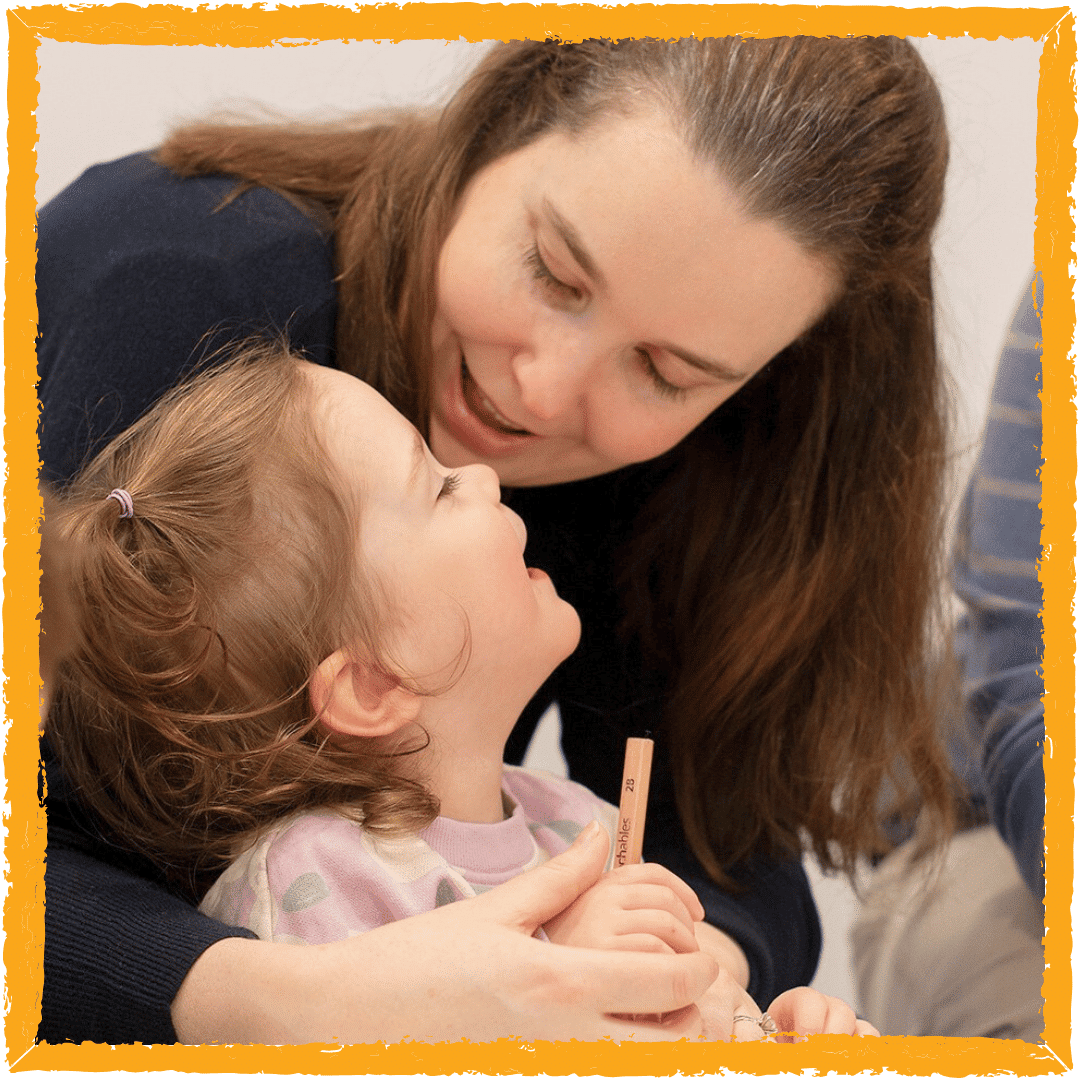
Helping children develop listening skills is a key part of building a strong parent-child relationship.
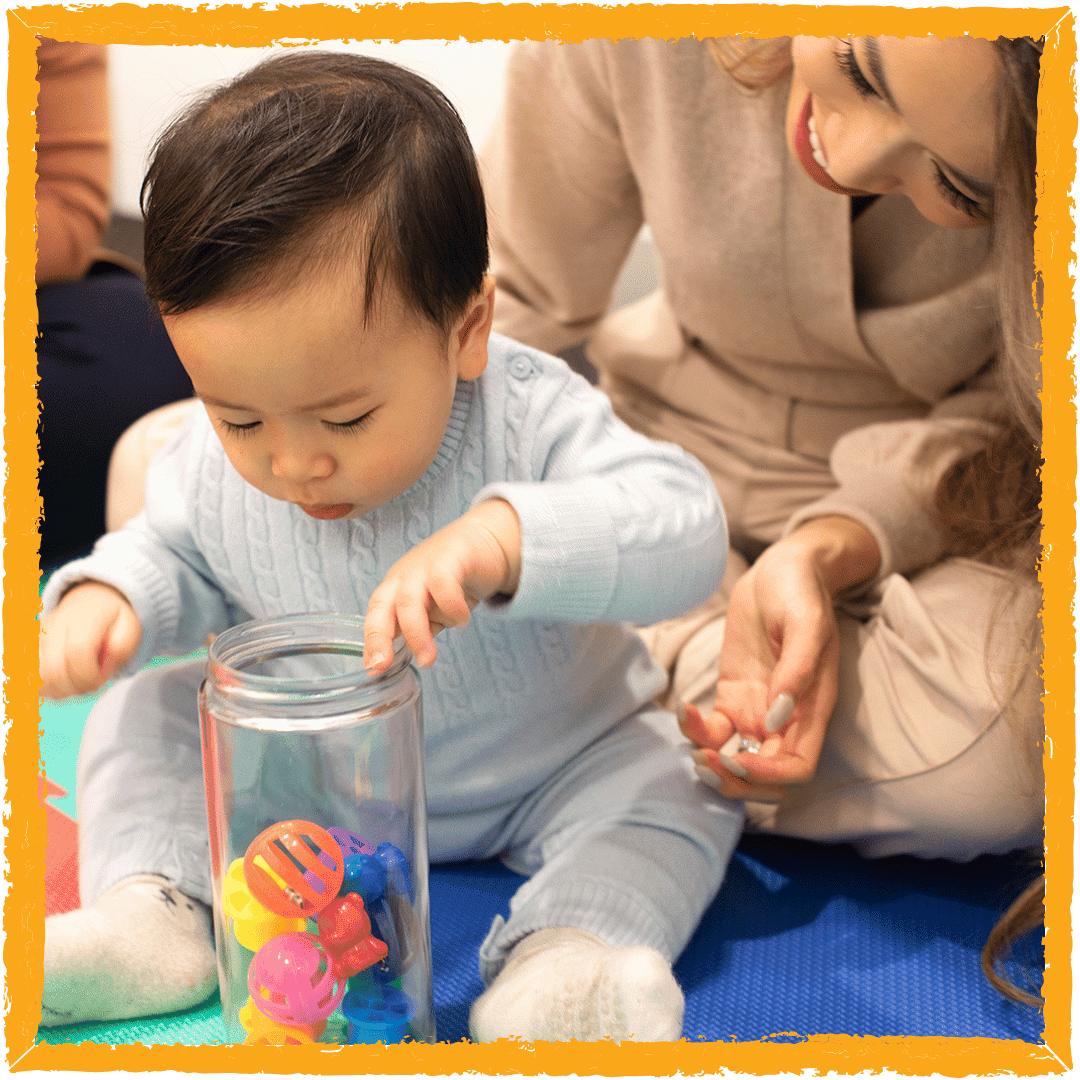
Sensory play can help nurture resilience and development. Download a free sensory play guide here.

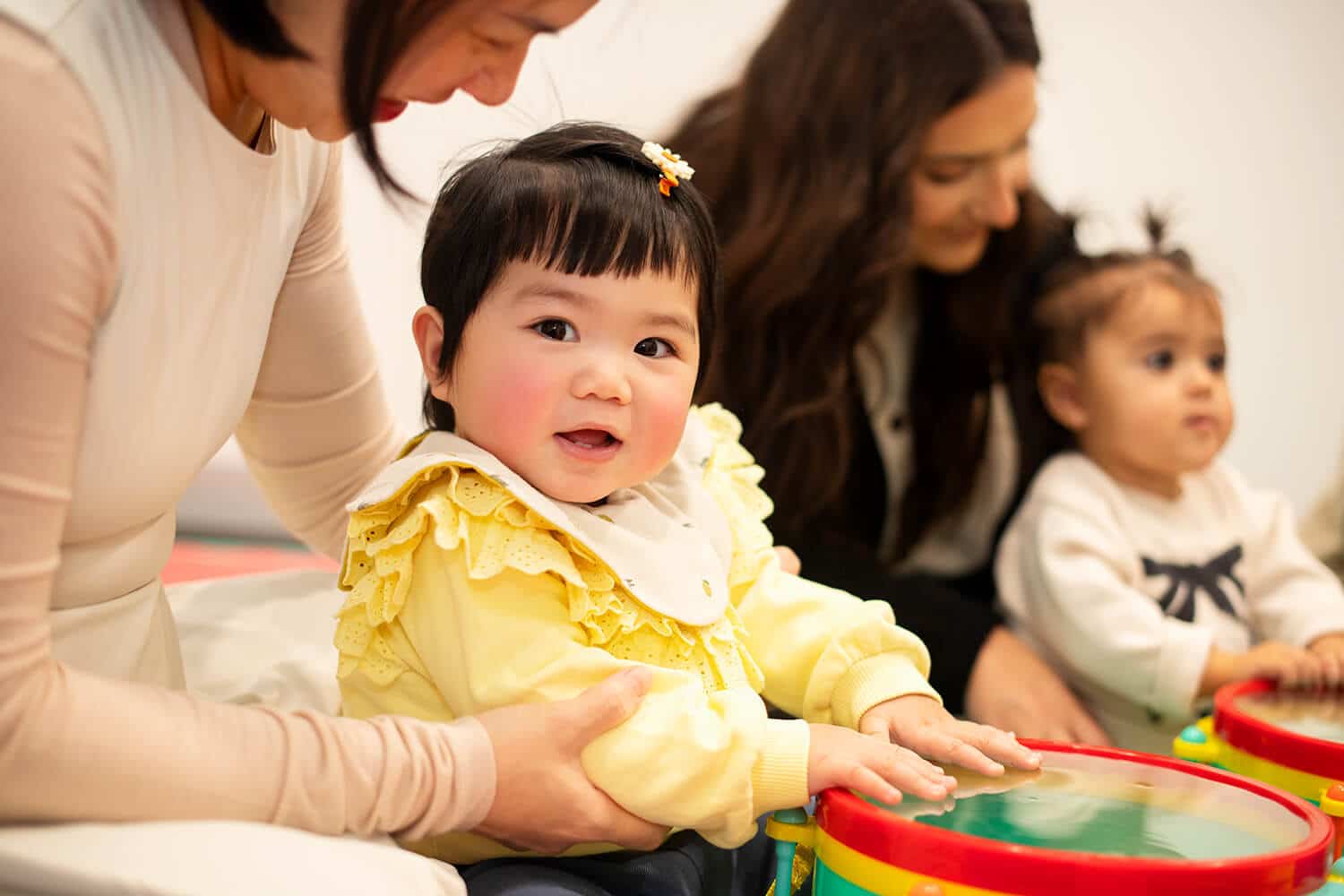
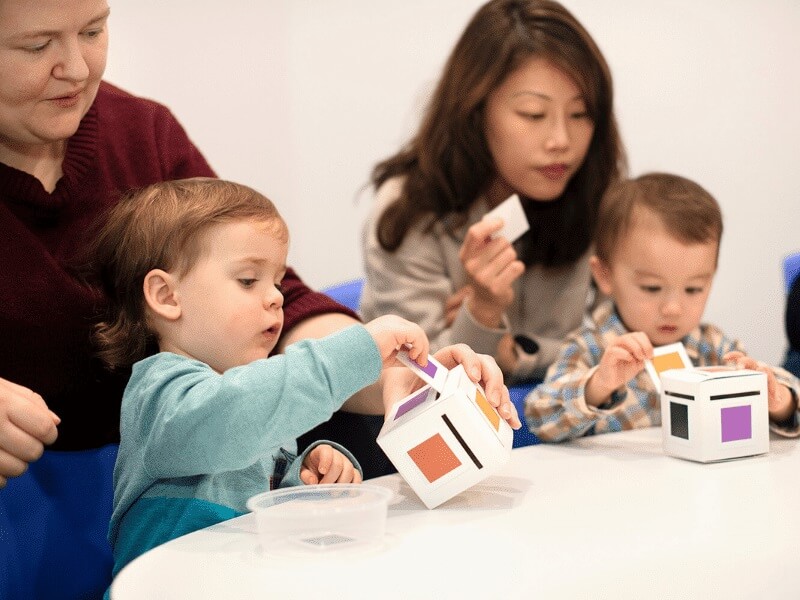
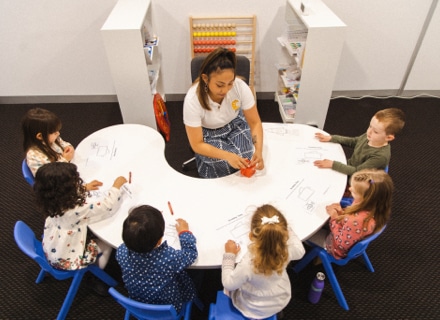
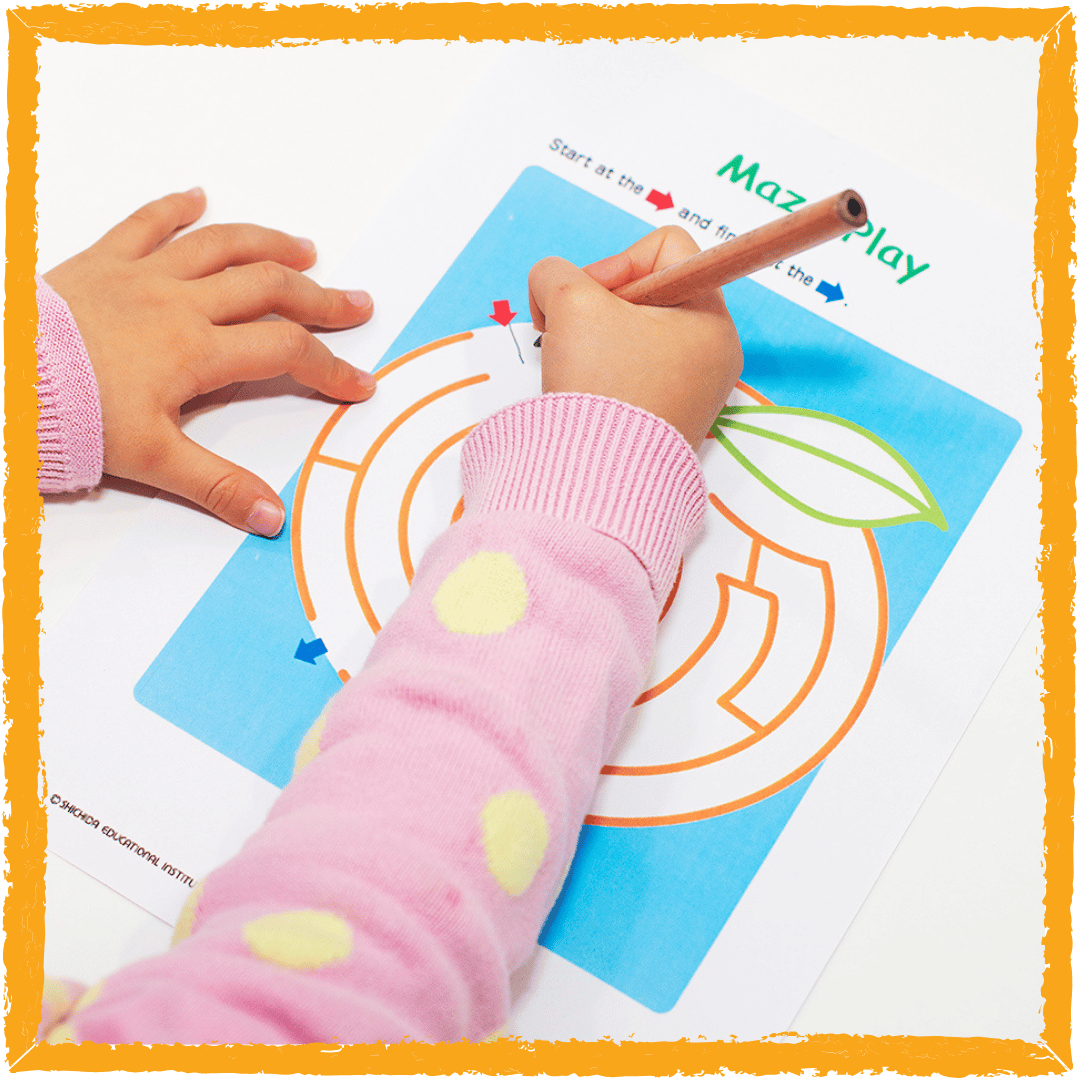
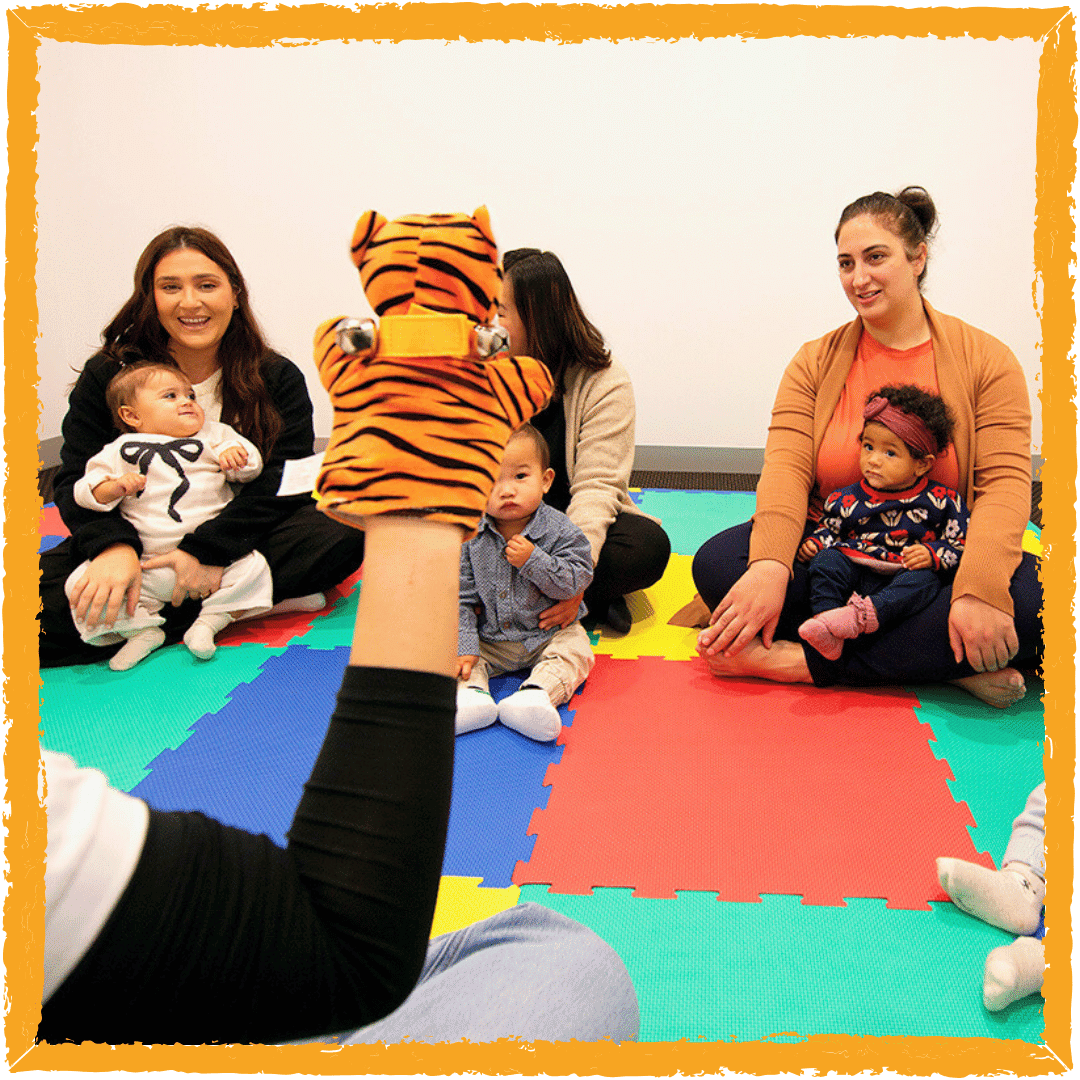
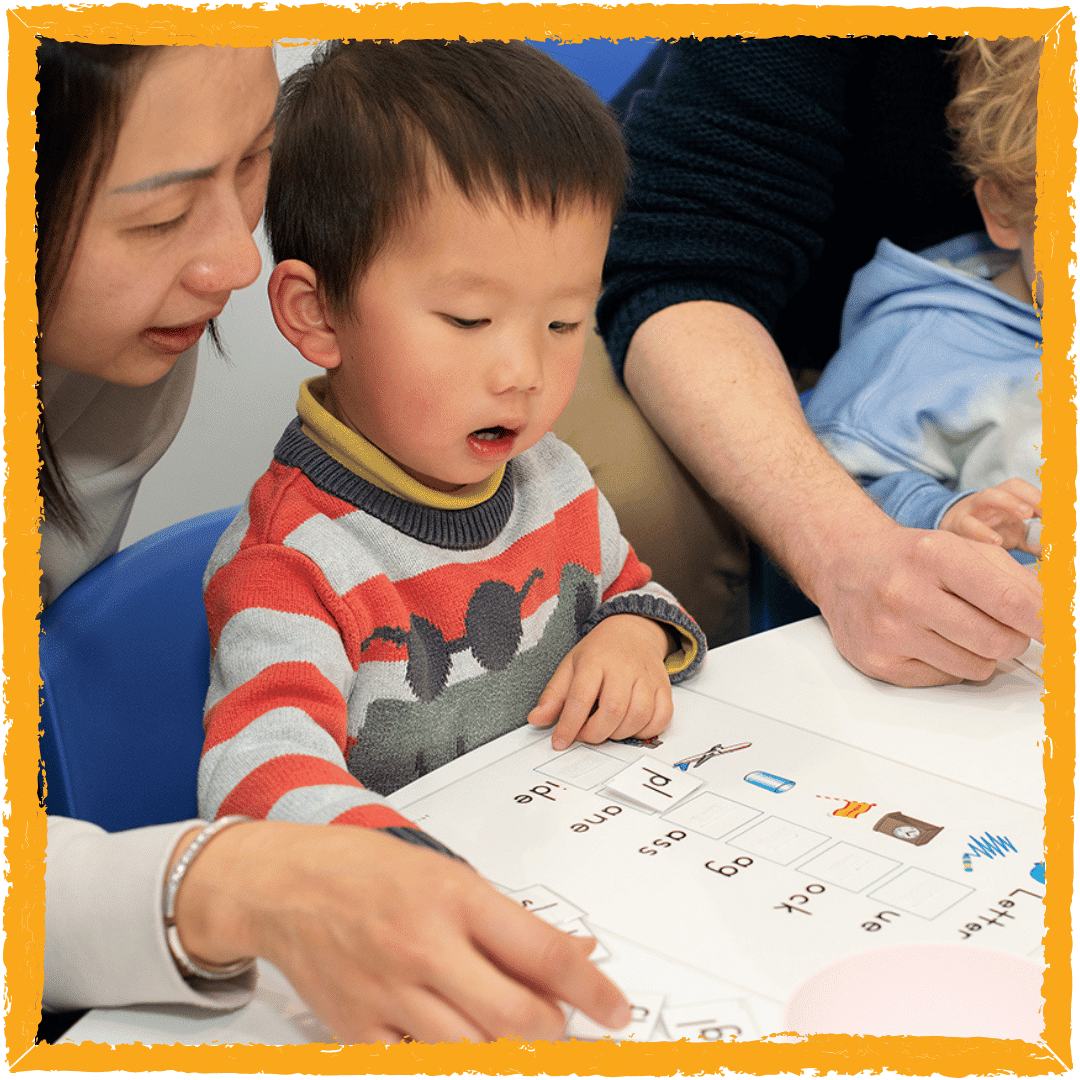
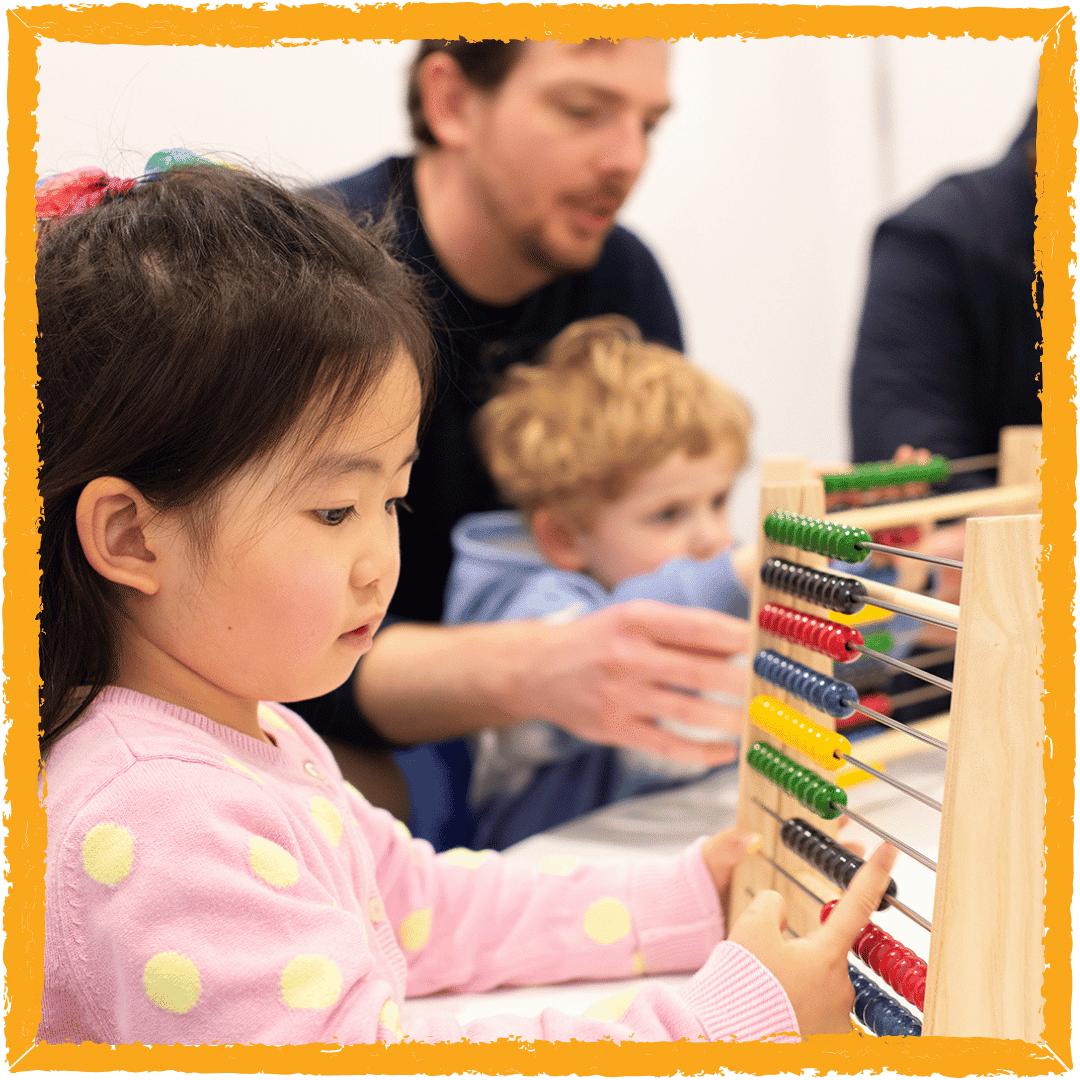
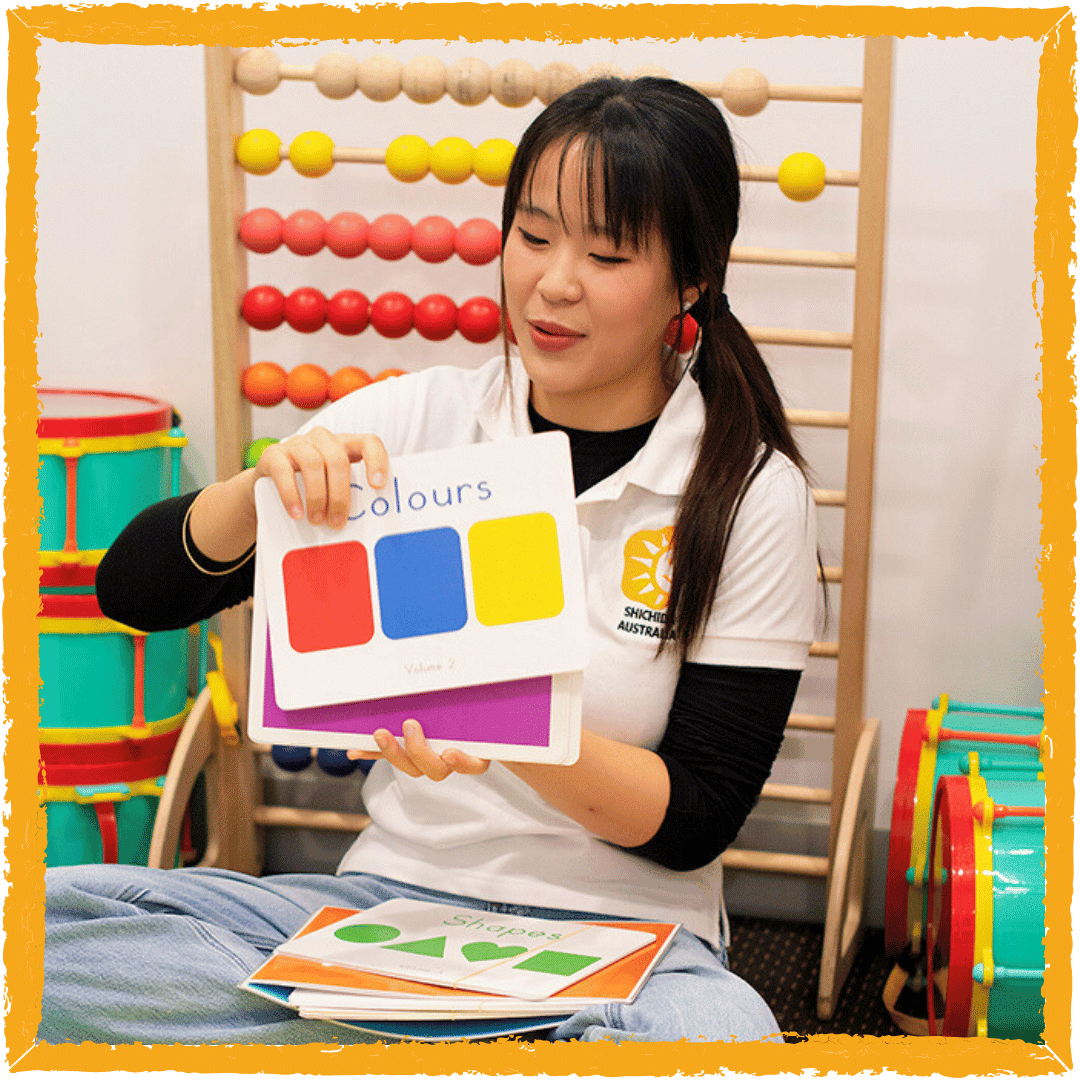
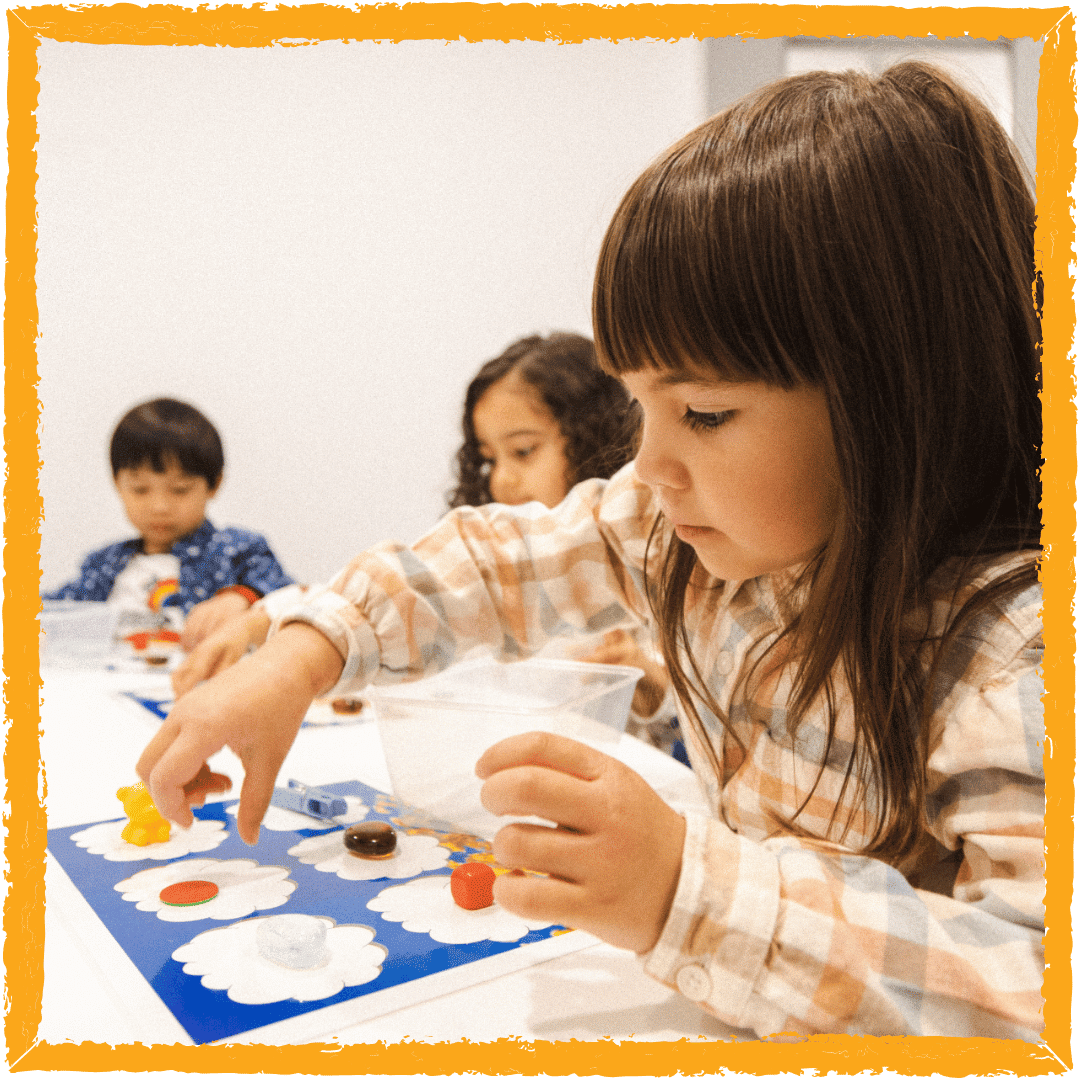
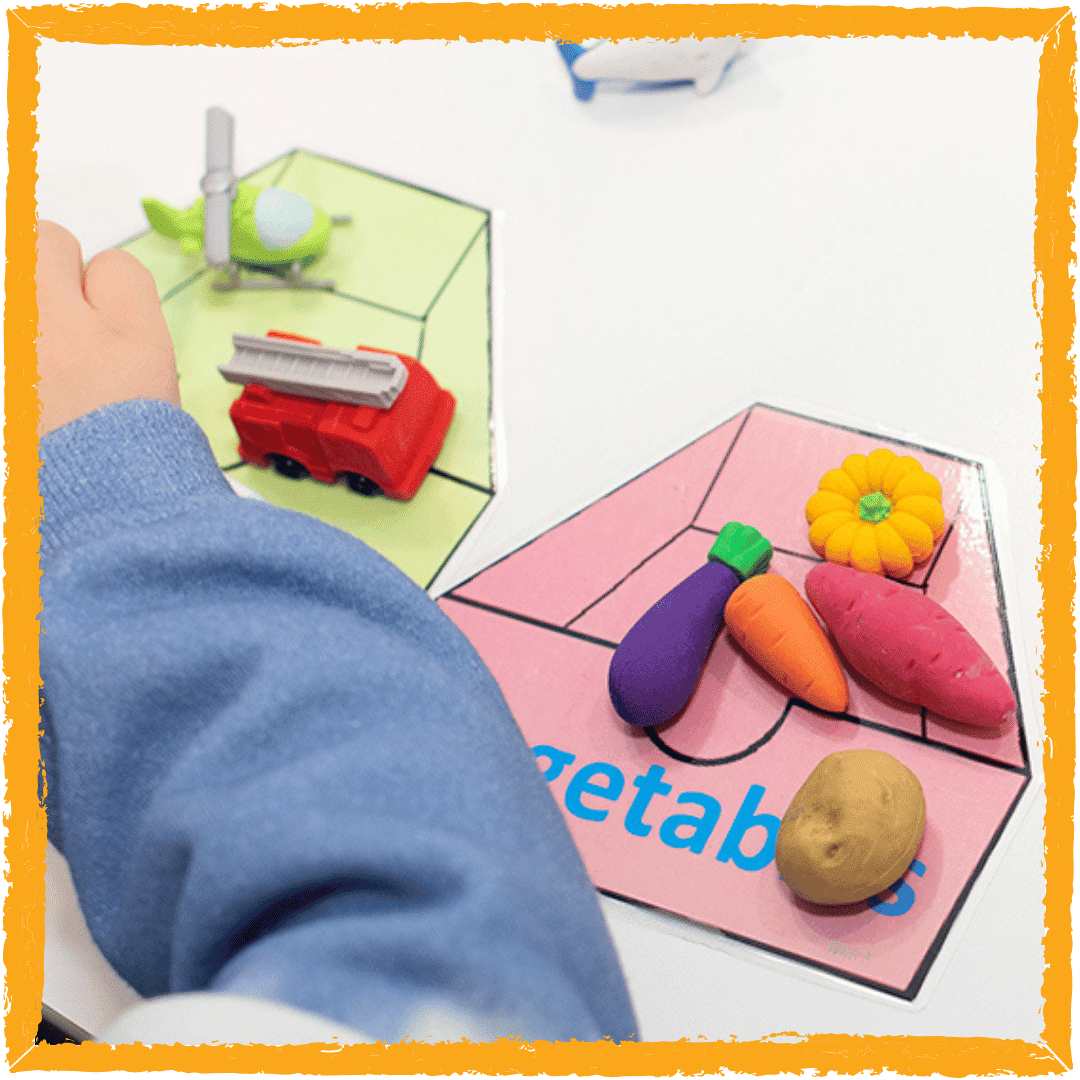
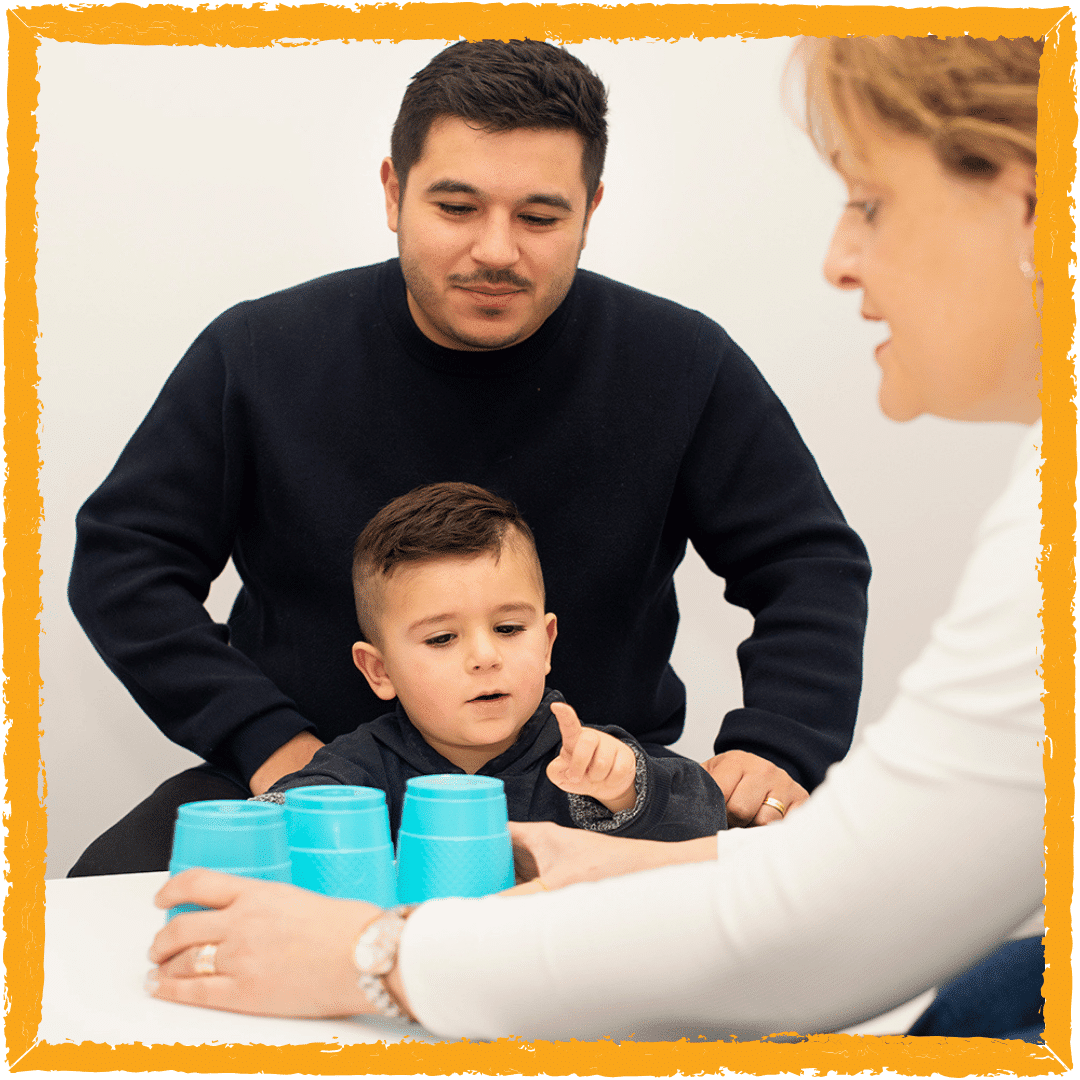
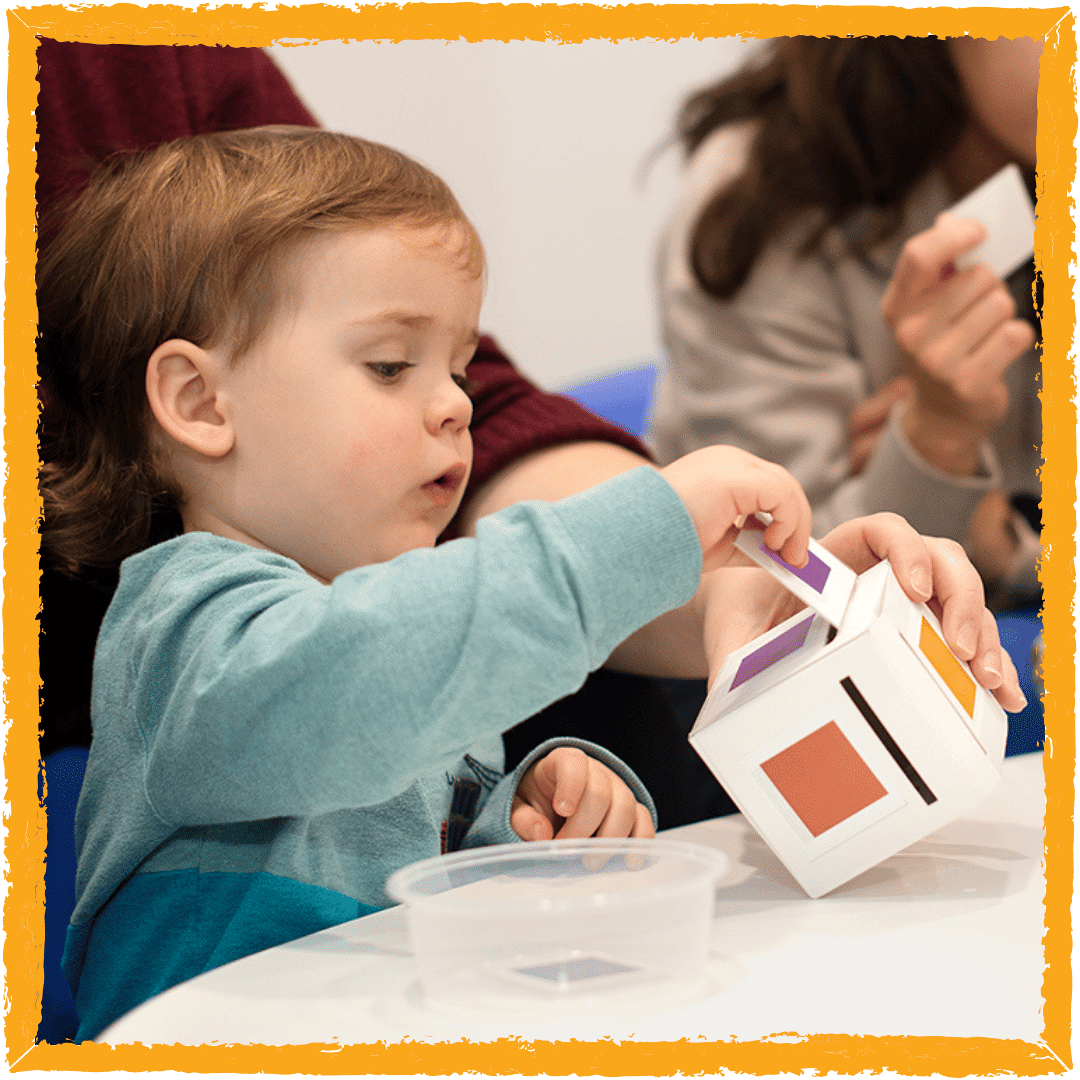
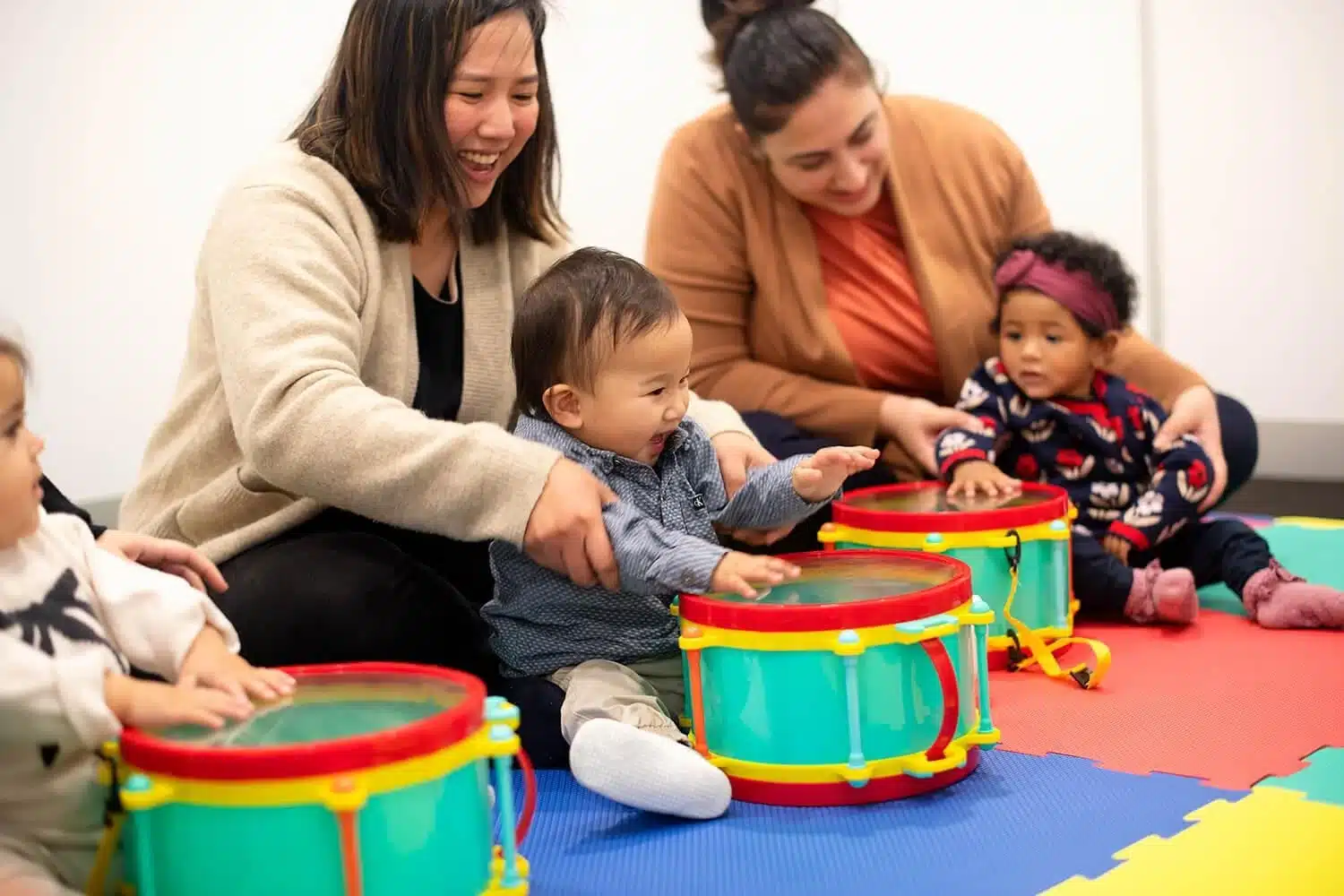
If your child enjoys these types of activities, a Shichida trial class is a great way to see how structured play can support coordination, focus, memory and early learning confidence.
Book a trial class or contact us to find your nearest centre.
Fun Listening Activities for Kids
One of the best ways to teach active listening is through play. Listening activities for kids can be fun, interactive, and highly effective in developing their listening and comprehension abilities and are often used in structured early learning programs to build focus and memory. Here are a few games and activities that you can easily introduce at home:
Simon Says: This classic game encourages children to pay close attention to instructions and act accordingly. It’s perfect for improving active listening skills because kids need to focus on both the words and the tone of voice to follow directions.
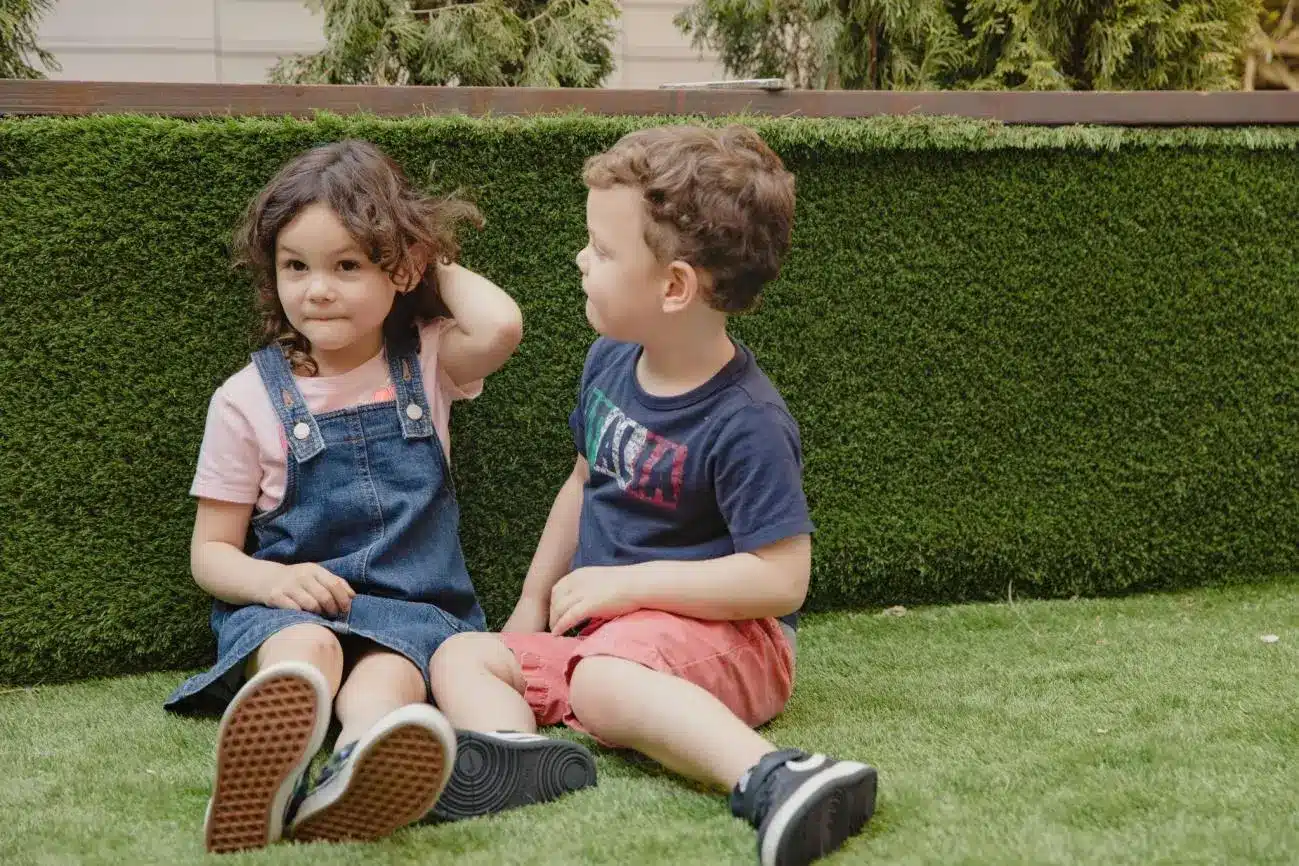
Telephone Game: In this game, children sit in a circle, and one child whispers a sentence to the person next to them. The sentence travels around the circle until it reaches the last child, who then says it aloud. This game highlights the importance of careful listening, as the original message often gets distorted along the way.
Storytime Recall: Read a short story to your child and then ask them to recount the details. What happened first? Who were the main characters? This exercise helps with memory retention and encourages active listening by having children focus on key details.
Music Pause Game: Play a song and pause it at random intervals, asking your child to repeat the last line they heard. This game sharpens their auditory memory and makes listening fun.
20 Questions: This simple yet engaging game encourages children to ask thoughtful questions to guess the object you’re thinking of. It helps them practise active listening and learn how to focus on important information.
Want more structured ways to build your child’s focus and listening skills? Book a Shichida trial class and see how these activities are guided step by step.
Proven Listening Techniques for Kids
Teaching active listening techniques can be made simple by using methods that break down the process into manageable steps. Here are a few tried-and-tested active listening techniques to help kids become better listeners:
Echoing: Encourage your child to repeat what they’ve heard in their own words. For example, after giving them a set of instructions, ask them to explain what they’ll do next. This helps to solidify their understanding and ensures they are truly listening.
Chunking Information: When giving instructions, break them into smaller, manageable chunks. Instead of saying, “Go to your room, clean it up, and then bring me your school bag,” say, “First, go to your room. Then, clean it up. After that, bring me your school bag.” This technique helps children focus on one task at a time, improving their active listening skills.
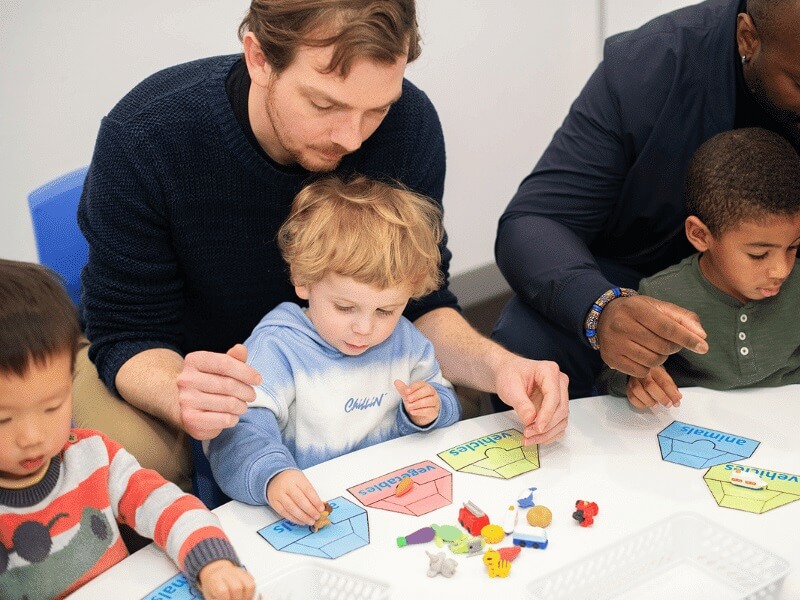
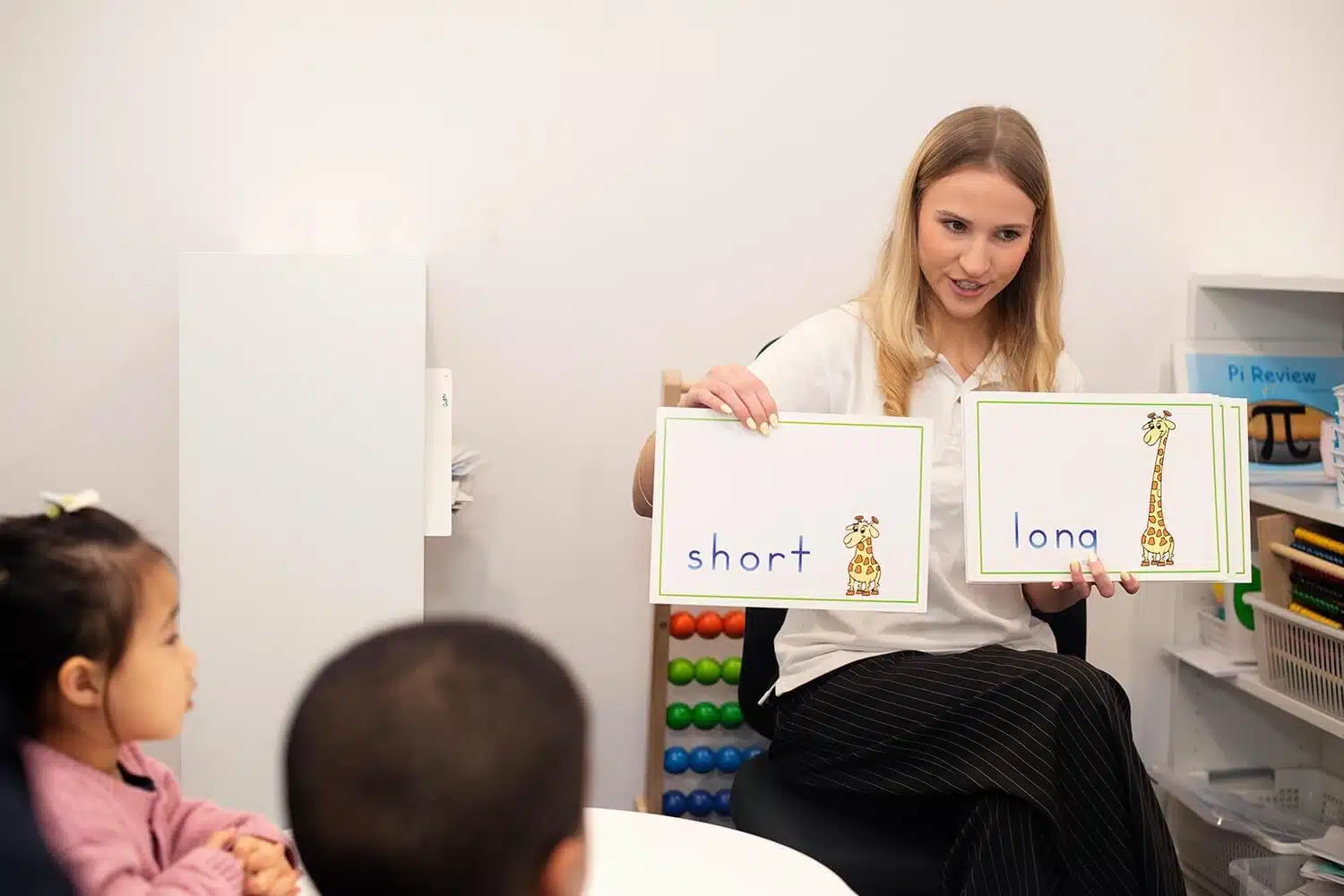
Visual Cues: Use gestures or visual aids to reinforce what’s being said. For younger kids, pointing to objects or using flashcards alongside verbal instructions can improve their ability to retain information.
Question Time: After discussing a topic or giving instructions, ask your child open-ended questions about what was said. This helps them think critically about the conversation and strengthens their listening skills.
The Advantages of Active Listening for Kids
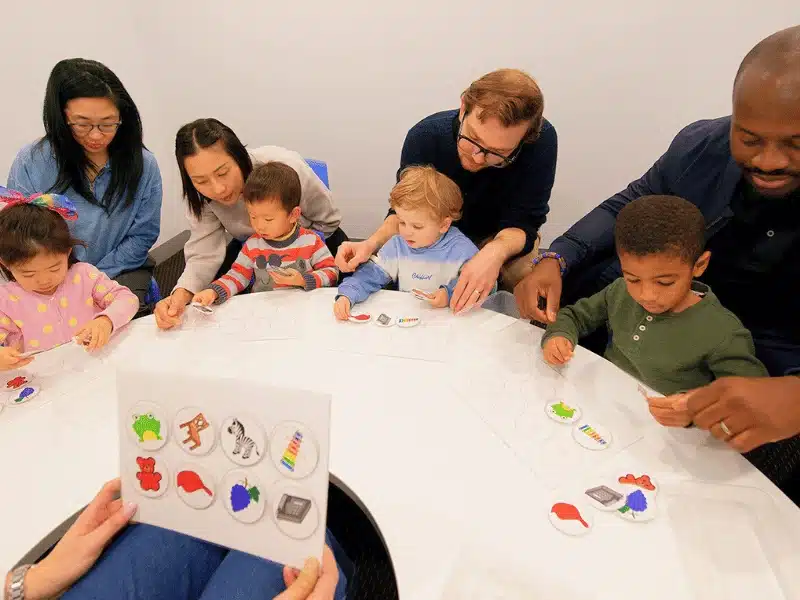
Developing strong active listening skills offers children several significant benefits that extend beyond communication. Here’s how honing these skills can positively impact a child’s growth and development:
- Boosts Cognitive Development: When children engage in active listening, they process information more effectively, which enhances their cognitive abilities. This includes better problem-solving, comprehension, and the ability to follow complex instructions.
- Improves Focus and Attention: Practising active listening techniques helps children develop stronger attention spans. The more they focus on what’s being said, the more they can retain, which in turn makes them better at concentrating in school or during learning activities.
- Builds Emotional Intelligence: By listening closely to others, children become more attuned to emotions, body language, and non-verbal cues. This improves their empathy and understanding of how to respond in different social situations.
- Strengthens Academic Performance: Children who practise active listening are better equipped to absorb and retain information in the classroom. This leads to stronger academic performance as they can follow lessons, participate in discussions, and grasp concepts more easily.
- Enhances Social Skills: Engaging in conversations where active listening is practised fosters better social interactions. Children can respond thoughtfully, ask insightful questions, and engage in more meaningful dialogue, which helps them develop stronger relationships.
- Encourages Self-Confidence: Mastering listening skills for kids allows children to communicate more clearly and confidently. When they know they’ve truly understood what someone is saying, they feel more capable of responding, contributing to conversations, and sharing their thoughts.
These are the exact skills children build through consistent, guided practice. Book a Shichida trial class to see how active listening is developed in a supportive learning environment.
Kids Listening at Home: Daily Practices
Parent can develop active listening for kids through everyday activities. Here are some practical ways to nurture active listening skills in your child’s daily routine:
Dinner Table Conversations: Family mealtimes are perfect for practising active listening. Encourage your child to talk about their day and actively listen to others’ stories. Ask them follow-up questions to show you’re engaged, and remind them to do the same for others.
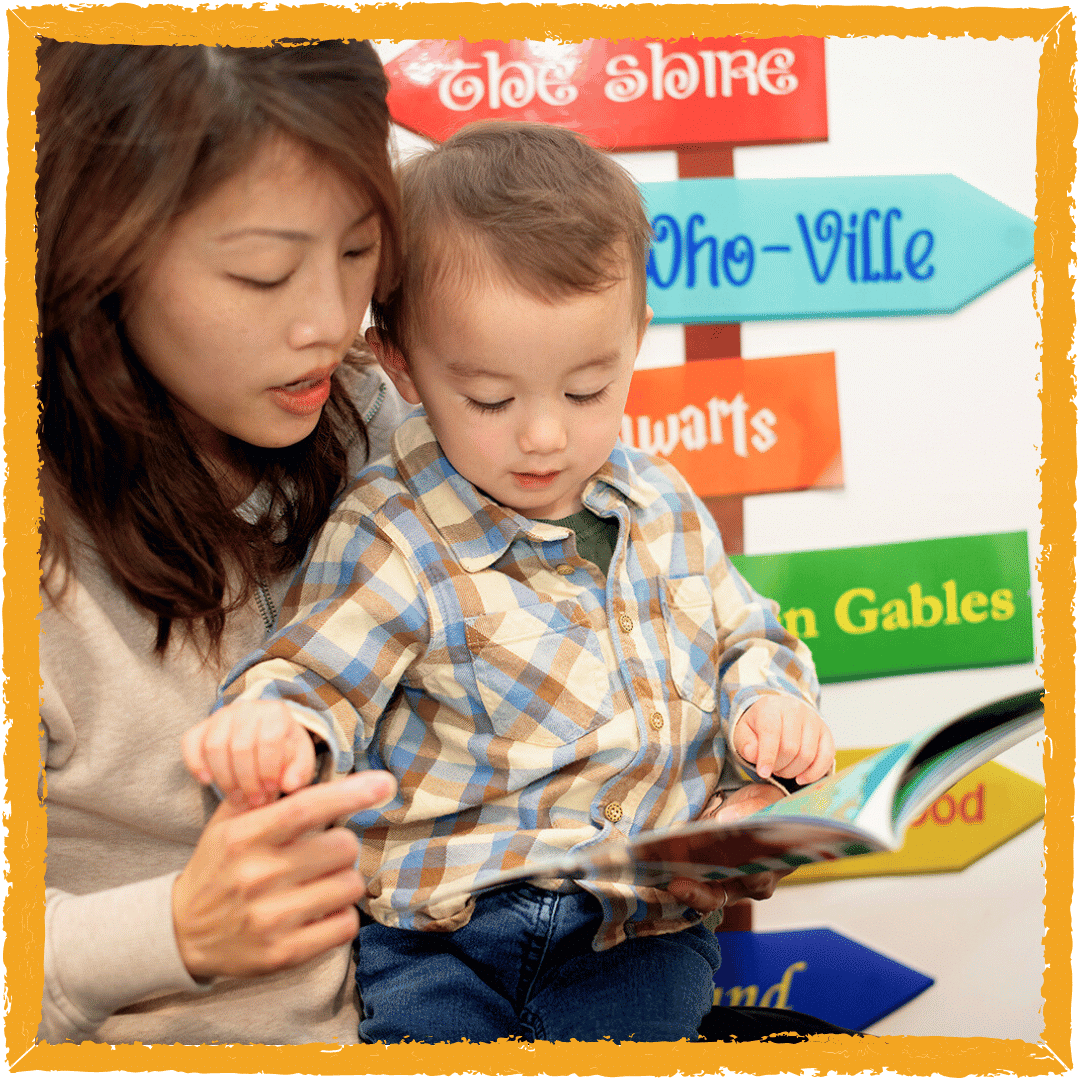
Storytime Discussions: Reading books together is a fantastic opportunity to teach active listening. After finishing a story, ask your child to summarise it or share their thoughts on the characters. This not only improves listening but also encourages comprehension and critical thinking.
Give Them Responsibility: Assign your child simple tasks like setting the table or organising their toys, and give them clear instructions to follow. This encourages them to listen carefully and shows them the value of paying attention to details.
Be a Role Model: Children often mimic their parents’ behaviour. Show your child what good active listening looks like by giving them your full attention when they speak. Put away distractions like phones and make eye contact to model the behaviour you want to see.
If you’d like guidance on how to apply these techniques consistently, book a Shichida trial class and learn how to support your child step by step.
Helping children develop strong active listening skills sets them up for success in all areas of life. By using engaging listening activities for kids and modelling good listening habits at home, parents can ensure their children develop the tools they need to communicate effectively, build meaningful relationships, and succeed academically. Start incorporating these active listening techniques into your child’s daily routine and watch them grow into confident and attentive communicators.
Early Learning Enrichment Classes
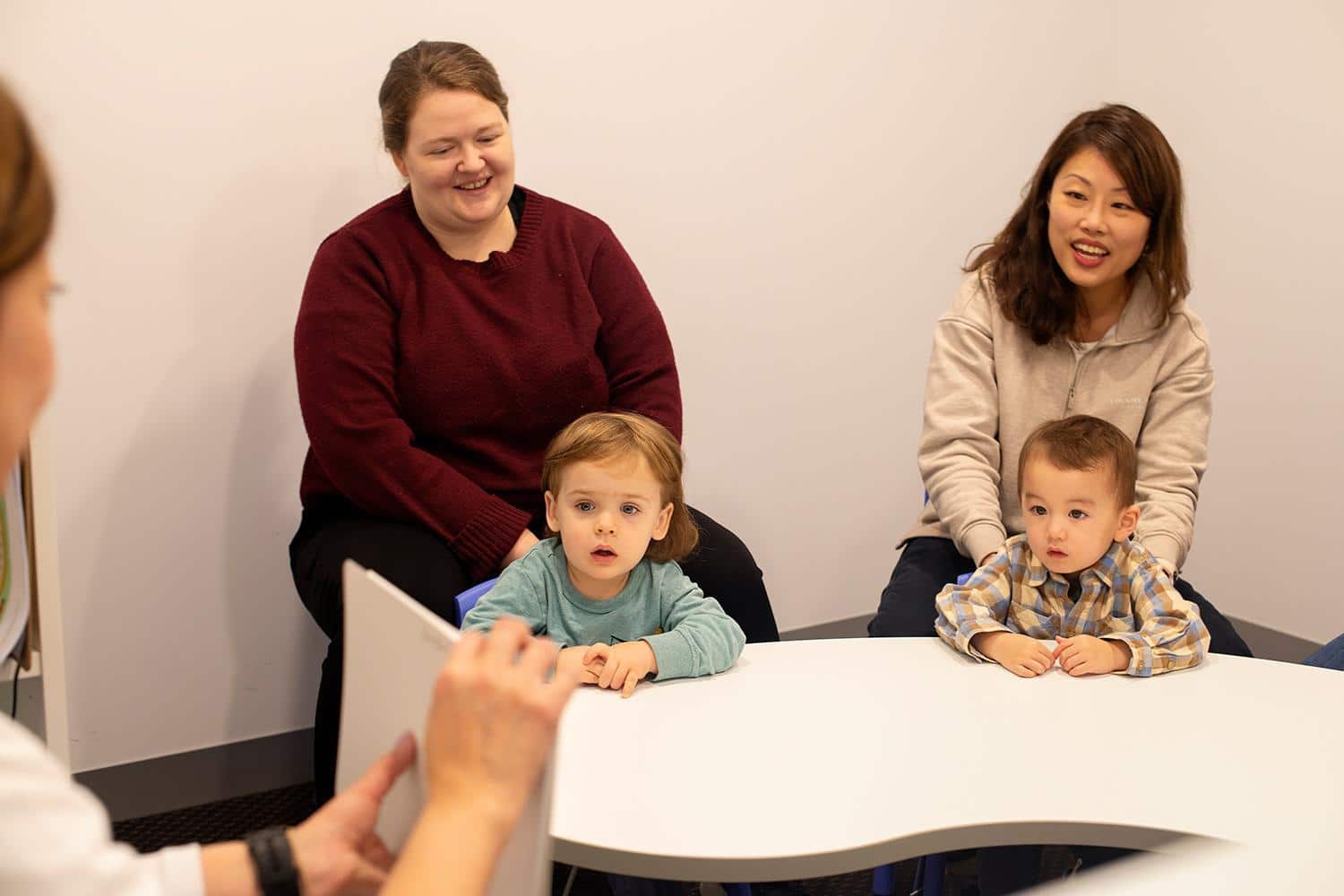
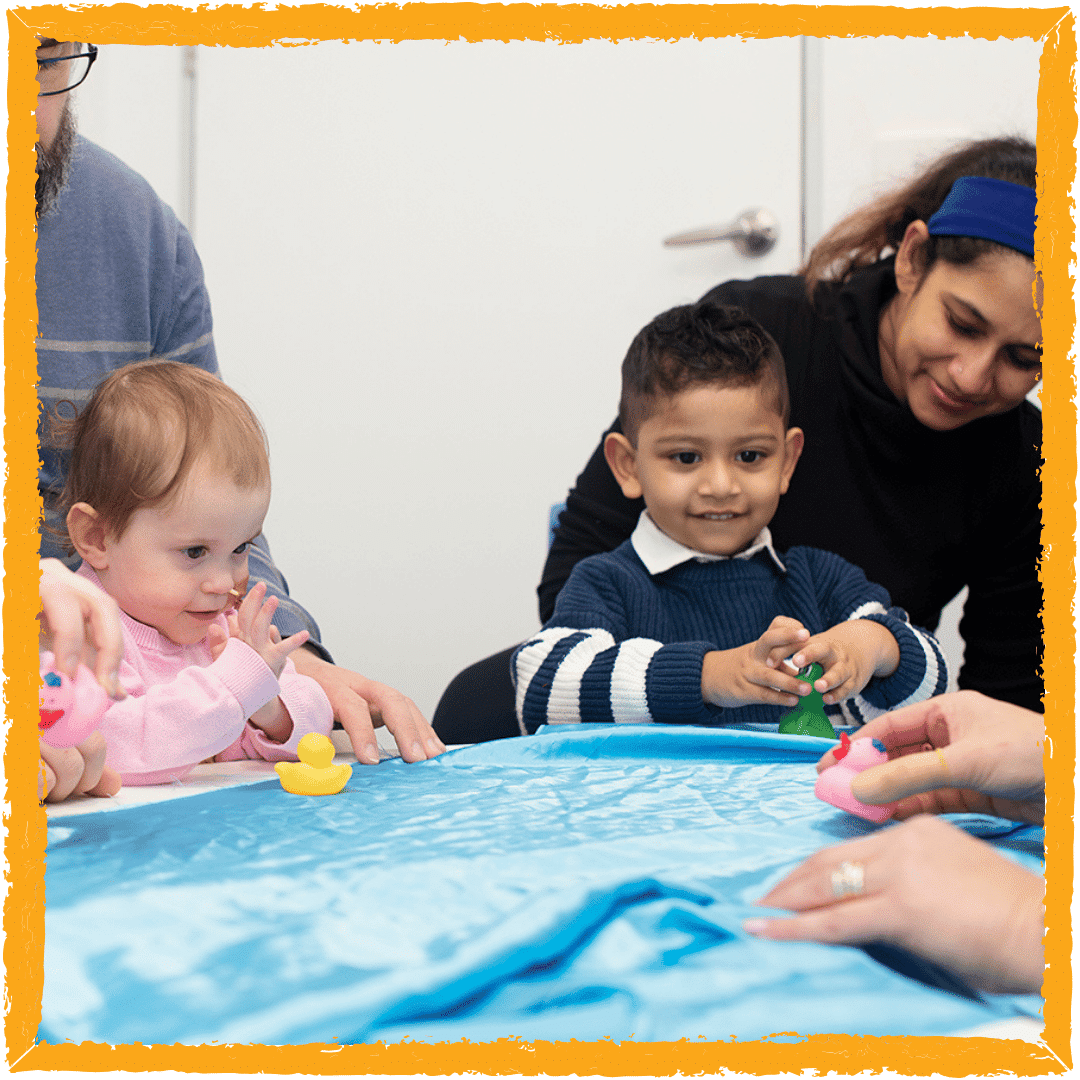
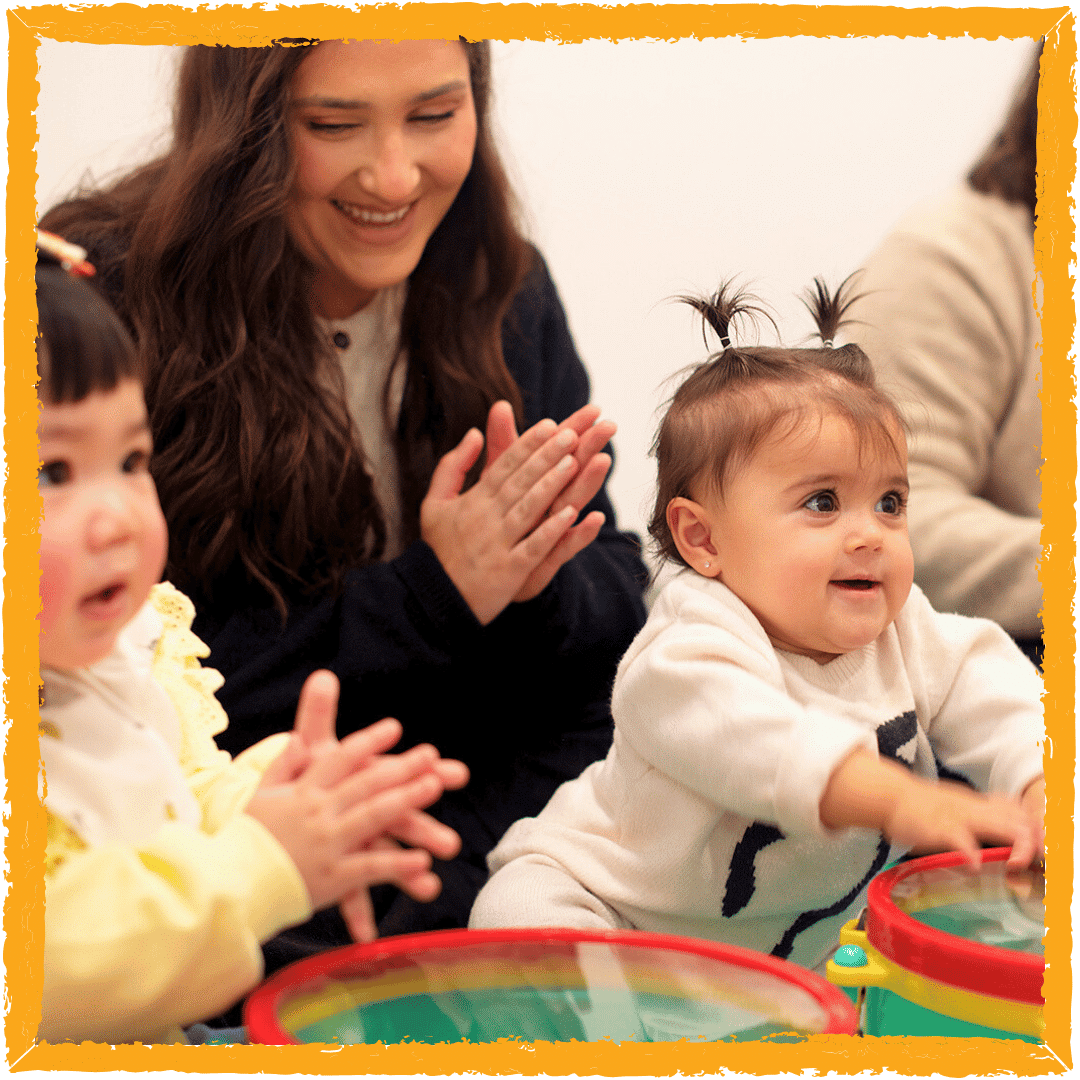
Shichida’s early learning program integrates proven active listening techniques, offering a fun and supportive environment where parents and children work together to strengthen essential communication skills from an early age. There are classes for babies, toddlers and preschoolers.
Book a trial class at one of our Shichida early learning centres today!
Frequently Asked Questions: Active Listening for Kids
Active listening for kids is the ability to focus on what someone is saying, understand the message, and respond appropriately. It involves eye contact, asking questions, and remembering key details.
Active listening helps children follow instructions, improve communication, build relationships, and perform better in school by increasing focus and comprehension.
Children can begin developing active listening skills from a very young age, especially through simple games, routines, and parent interaction during everyday activities.
Yes. Structured early learning programs like Shichida incorporate active listening through guided activities, parent involvement, and consistent practice.
Games like Simon Says, storytelling recall, the telephone game, and music pause activities help children practise listening in a fun and engaging way.
Parents can improve listening skills by giving clear instructions, asking follow-up questions, modelling active listening, and creating daily opportunities for conversation.
Signs may include difficulty following instructions, frequent distractions, interrupting others, or needing repeated directions.
Start by modelling good listening, use short and clear instructions, ask children to repeat what they heard, and gradually increase complexity as their skills improve.
Yes. Strong listening skills help children understand lessons, follow instructions, and retain information, which supports overall academic success.